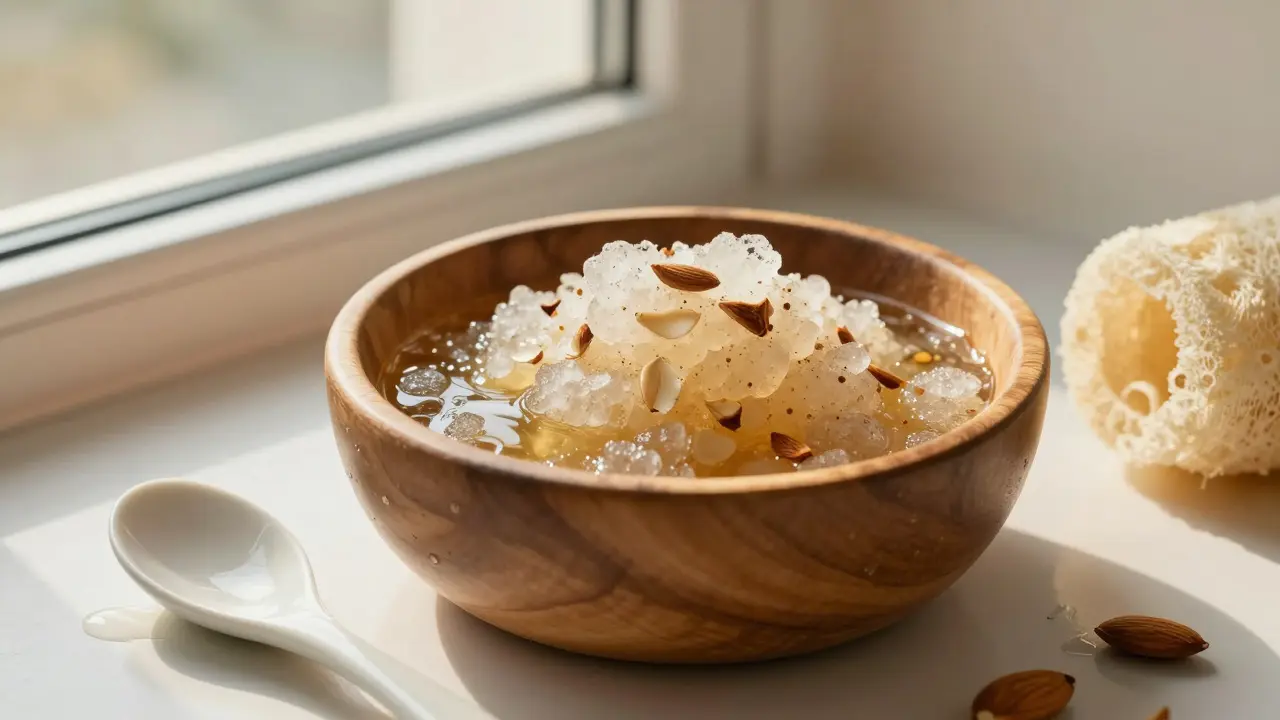
When it comes to exfoliate morning or night, there’s no one-size-fits-all answer-but there is a smarter way to decide based on your skin, your lifestyle, and even the climate you live in. In Dubai’s dry, sun-baked environment, where dust settles on skin by noon and humidity barely exists after sunset, your exfoliation timing matters more than you think. This isn’t just about sloughing off dead cells-it’s about protecting your skin’s barrier, enhancing your skincare products, and avoiding irritation that can make your complexion look dull or even inflamed.
Understanding the Basics of Exfoliation
What Exfoliation Actually Does
Exfoliation isn’t just a spa luxury-it’s a biological necessity. Your skin naturally renews itself every 28 to 40 days, shedding old cells to make room for new ones. But in harsh climates like Dubai’s, pollution, sweat, sunscreen buildup, and hard water can clog this process. That’s where exfoliation steps in. Whether you use a physical scrub with fine granules or a chemical exfoliant like AHAs or BHAs, the goal is the same: gently remove the layer of dead skin that traps dullness, clogs pores, and blocks moisturizers from sinking in.Physical vs. Chemical Exfoliation
There are two main types: physical and chemical. Physical exfoliants-like body scrubs with sugar, salt, or ground nut shells-work by manually rubbing away dead skin. They’re great for immediate smoothness but can be too harsh if used daily or on sensitive skin. Chemical exfoliants, like glycolic acid (an AHA) or salicylic acid (a BHA), dissolve the glue between skin cells. They’re gentler, penetrate deeper, and work while you sleep or go about your day. For most people in hot, dry climates, chemical exfoliants are the smarter long-term choice.Why Timing Matters: Skin’s Natural Rhythm
Your skin follows a circadian rhythm. At night, your body goes into repair mode-cell turnover increases, blood flow to the skin rises, and hydration levels peak. This makes nighttime the ideal window for treatments that need to penetrate deeply. In the morning, your skin is more vulnerable. Overnight, it’s been exposed to environmental stressors, and your barrier might still be recovering. Exfoliating then can strip away natural oils before your skin has had time to rebuild.Who Benefits Most from Each Timing?
If you’re someone who wears heavy sunscreen, works outdoors, or sweats a lot during the day, exfoliating at night helps wash away the day’s buildup. If you have oily or acne-prone skin, nighttime exfoliation gives your treatments (like retinoids or serums) a clean canvas to work on. Morning exfoliation might suit those with dull, dry skin who want a fresh glow before makeup or sunscreen-but only if your skin is resilient and you use a very mild formula. In Dubai’s climate, most people are better off saving exfoliation for after sunset.Benefits of Exfoliation for Your Skin
Enhanced Product Absorption
Think of your skin like a sponge. If it’s covered in dead cells, it can’t soak up your moisturizer or serum. Exfoliating clears that layer, letting active ingredients-like hyaluronic acid, vitamin C, or niacinamide-penetrate deeper and work better. Studies show that after exfoliation, topical products can absorb up to 50% more effectively. In Dubai, where humidity is low and skin tends to dehydrate fast, maximizing absorption is key to keeping your skin plump and protected.Reduced Breakouts and Clogged Pores
Dust, sweat, and sunscreen don’t just sit on the surface-they sink into pores. Without regular exfoliation, those pores get blocked, leading to blackheads and bumps. Chemical exfoliants, especially salicylic acid, dissolve oil and debris inside pores. Doing this at night means your skin has hours to clear out while you sleep, reducing the chance of morning breakouts. In a city like Dubai, where air quality fluctuates and AC systems circulate dust, this daily clean-out is almost essential.Improved Skin Texture and Radiance
Dead skin cells scatter light unevenly, making skin look flat and gray. Exfoliation smooths the surface, letting light reflect evenly-which gives you that lit-from-within glow. People who exfoliate consistently report skin that looks brighter, not just cleaner. This isn’t magic-it’s physics. A smoother surface = better light reflection = natural radiance. For those who wear makeup or want to look refreshed without heavy products, this is a game-changer.Preventing Premature Aging
While exfoliation won’t erase wrinkles, it does help slow visible aging. When dead skin builds up, it thickens the outer layer, making fine lines more noticeable. Regular, gentle exfoliation keeps the skin thin and responsive, allowing anti-aging serums to work better. Plus, removing dull skin reveals newer, healthier cells underneath-making your skin look younger, even if you’re not using retinol.What to Expect When Exfoliating
The Ideal Environment for Exfoliation
In Dubai, the best place to exfoliate isn’t the shower right after gym class-it’s the bathroom after you’ve cooled down from the day. Warm water opens pores, but hot water strips oils. A lukewarm shower, followed by patting skin dry with a soft towel, is the perfect prep. Avoid exfoliating in a steamy room if you’re using chemical exfoliants-heat can increase irritation. A calm, dimly lit space with a clean towel and your scrub ready makes the ritual feel like self-care, not a chore.Step-by-Step Process
Start with clean, damp skin. Apply your scrub in circular motions-not back and forth. Focus on thicker areas like elbows, knees, and feet. Avoid the face unless the product is labeled for facial use. Rinse thoroughly with lukewarm water. Pat dry. Then, immediately apply a hydrating body oil or thick cream. In Dubai’s dry air, locking in moisture right after exfoliation prevents flaking and keeps skin supple.Customizing for Your Skin Type
If your skin is sensitive, choose a gentle chemical exfoliant with lactic acid or low-concentration glycolic acid, and use it 1-2 times a week. Oily or acne-prone skin can handle salicylic acid scrubs 2-3 times a week. Dry or mature skin benefits from creamy scrubs with oils (like coconut or almond) and should be used once a week. Never exfoliate if your skin is sunburned, irritated, or has open cuts.Communication and Preparation
If you’re using a new product, patch test it on your inner arm first. Wait 24 hours. If no redness or itching appears, it’s safe to use. Always read labels. Some scrubs contain microplastics or harsh abrasives that damage skin over time. Look for biodegradable ingredients like jojoba beads or sugar. In Dubai, where water is hard, using a filter on your showerhead helps prevent mineral buildup that can worsen dryness.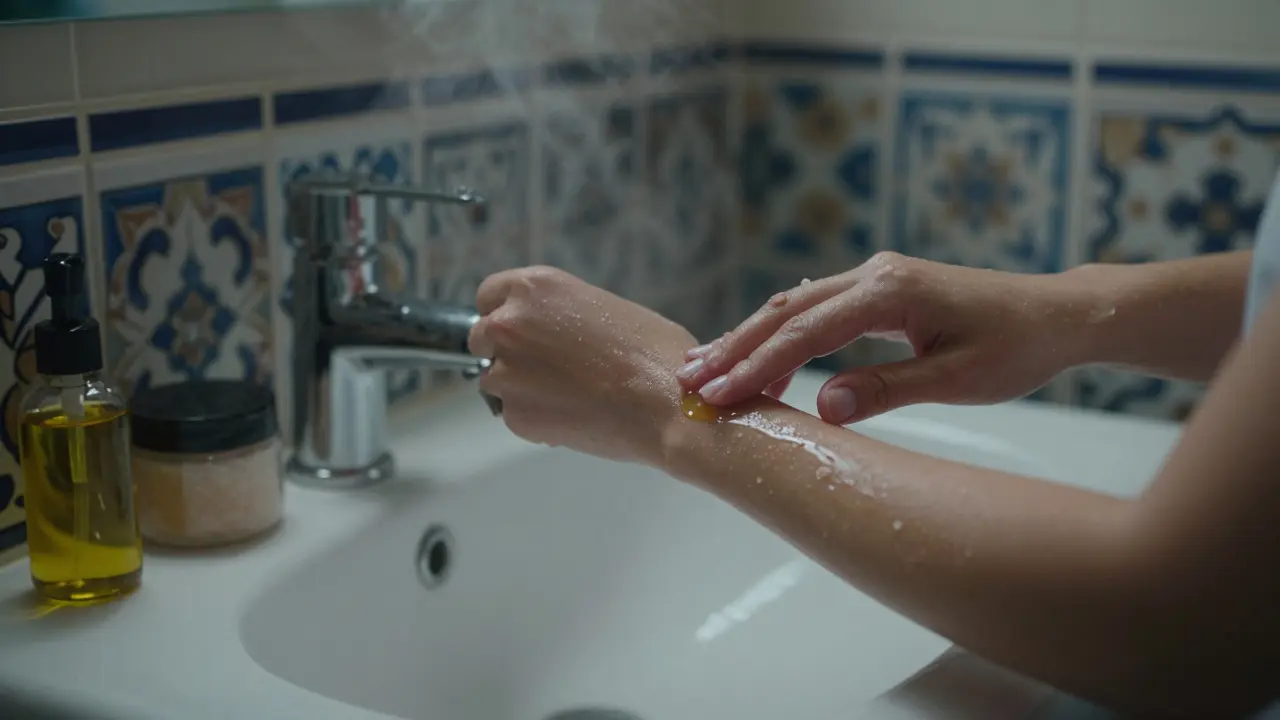
How to Practice Exfoliation Correctly
Setting Up for Success
Keep your exfoliant in a dry, cool spot-humidity can spoil natural scrubs. Use a clean loofah or your hands. Never reuse a dirty scrubber. Replace your loofah every 3-4 weeks. Have a rich body butter or oil ready to apply immediately after rinsing. In Dubai, where AC dries skin even more, a 10-second wait after showering before applying moisturizer can make a big difference.Choosing the Right Products
For body scrubs, avoid products with large, jagged particles. Sugar scrubs are gentler than salt. Look for added oils like argan, coconut, or shea butter-they nourish while they scrub. If you prefer chemical exfoliants, choose leave-on body lotions with 5-10% AHA. Brands that specialize in desert climates often formulate products with added ceramides and hyaluronic acid to protect the barrier.Step-by-Step Routine
1. Shower with lukewarm water. 2. Apply scrub to damp skin, focusing on rough areas. 3. Massage gently for 60 seconds. 4. Rinse completely. 5. Pat skin dry with a clean towel. 6. Apply hydrating body oil or cream within 60 seconds. 7. Do this 1-3 times a week, depending on skin sensitivity.Tips for Beginners
Start slow. One time a week is enough. If your skin feels tight or stings after, you’re overdoing it. Skip exfoliation if you’ve just been in the sun. Always follow with sunscreen the next day-even if you exfoliated at night, your skin is more sensitive to UV rays. And don’t use exfoliants the same night as retinoids-they can be too much for your skin to handle.Safety and Ethical Considerations
Choosing Safe Products
Avoid scrubs with plastic microbeads-they’re banned in many countries for environmental reasons. In Dubai, where ocean conservation is a growing priority, choosing biodegradable scrubs supports local sustainability efforts. Check ingredient lists. If you can’t pronounce it, skip it. Look for certifications like Ecocert or COSMOS for natural ingredients.Safety Practices
| Practice | Purpose | Example |
|---|---|---|
| Don’t scrub over sunburn | Prevents further damage | Wait 7 days after sun exposure |
| Use lukewarm water | Protects skin barrier | Hot water strips natural oils |
| Moisturize immediately | Locks in hydration | Apply oil within 60 seconds |
Setting Boundaries
Your skin is your boundary. If it stings, burns, or turns red, stop. Exfoliation shouldn’t hurt. If you’re using a new product and feel discomfort, rinse off and wait a week before trying again. Never share your scrub with others-it can spread bacteria.Contraindications
Avoid exfoliation if you have eczema, psoriasis, rosacea, or active acne. Don’t use scrubs on broken skin, rashes, or insect bites. If you’re using prescription acne treatments like tretinoin, consult your dermatologist before adding exfoliants. In Dubai’s climate, where skin is already stressed, over-exfoliation can lead to chronic dryness and sensitivity.Enhancing Your Experience
Adding Complementary Practices
Pair exfoliation with a hydrating body mask once a week. Use a dry brush before your shower to stimulate circulation. Apply a body oil with vitamin E before bed to lock in moisture. In Dubai, where indoor heating dries skin, adding a humidifier to your bedroom helps skin recover overnight.Solo vs. Collaborative Exfoliation
Exfoliation is usually a solo ritual-but if you enjoy shared self-care, try a partner scrub night. Use gentle, unscented scrubs and make it a relaxing routine. Just keep tools separate to avoid cross-contamination.Using Tools and Props
A soft silicone body brush works better than a loofah. It’s easier to clean and doesn’t harbor bacteria. A glass bottle of body oil with a dropper makes application precise. Keep your scrub in an airtight container to preserve freshness.Regular Engagement for Results
Consistency beats intensity. One weekly session over 3 months will give you smoother, brighter skin than three sessions in one week and then nothing. Think of it like watering a plant-small, regular care beats occasional flooding.
Finding Resources and Experts
Researching Qualified Providers
If you’re getting a professional body scrub at a spa, ask about ingredients. Reputable spas in Dubai use natural, non-abrasive formulas. Check reviews on Google or Instagram. Look for spas that mention “barrier-repairing” or “desert-climate adapted” products.Online Guides and Communities
Follow dermatologists who focus on Middle Eastern skin. Look for content from experts who understand the impact of heat, dust, and AC on skin. Instagram accounts like @dermatology.dubai or @arabskincare offer practical, culturally relevant advice.Legal and Cultural Considerations
In Dubai, beauty products must comply with GCC standards. Avoid imported scrubs without proper labeling. Choose products sold in licensed pharmacies or spas. Respect cultural norms-public exfoliation rituals are private, and modesty is valued.Resources for Continued Learning
Read "The Skin Care Bible" by Dr. Hadley King. Watch videos from the American Academy of Dermatology. Join forums like Reddit’s r/SkincareAddiction for real user experiences.FAQ: Common Questions About Exfoliation
Is it better to exfoliate in the morning or at night?
For most people, especially in dry or hot climates like Dubai, nighttime is the better choice. Your skin repairs itself while you sleep, and exfoliating then lets your moisturizers and serums absorb better. Morning exfoliation can leave skin more vulnerable to sun damage and dryness, unless you use a very gentle formula and apply strong sunscreen immediately after.Can I exfoliate every day?
No. Even gentle exfoliation can damage your skin’s protective barrier if done daily. Most skin types need 1-3 times per week. Over-exfoliation leads to redness, peeling, and increased sensitivity. If your skin feels tight or stings after washing, you’re doing too much.Should I use a scrub or a chemical exfoliant?
Chemical exfoliants (like AHAs and BHAs) are generally safer and more effective for long-term skin health. They work more evenly and don’t cause micro-tears like harsh scrubs can. For body skin, you can use both-chemical exfoliants daily in lotion form, and a physical scrub once a week for extra smoothness.What happens if I exfoliate after sun exposure?
Never exfoliate sunburned or freshly tanned skin. Sun exposure weakens the skin’s barrier. Exfoliating then removes the last layer of protection, increasing risk of peeling, infection, and long-term damage. Wait at least 5-7 days after sun exposure before exfoliating.Does exfoliating help with ingrown hairs?
Yes, especially for people with coarse hair or who shave regularly. Chemical exfoliants like salicylic acid dissolve dead skin around hair follicles, preventing hairs from getting trapped. Use a body wash with 2% salicylic acid 2-3 times a week for best results.Conclusion: Why Exfoliation Is Worth Getting Right
A Path to Healthier Skin
Exfoliation isn’t about chasing perfection-it’s about supporting your skin’s natural rhythm. In Dubai’s harsh environment, it’s one of the simplest ways to keep skin soft, bright, and resilient.Try It Mindfully
Start slow. Choose the right product. Listen to your skin. If it feels good, keep going. If it feels off, pause. Your skin will thank you.Share Your Journey
Tried exfoliating at night? Did your skin feel smoother the next morning? Share your experience in the comments. Follow for more practical skincare tips tailored to life in the desert.Some links may be affiliate links, but all recommendations are based on research and quality.
Word count: 1,732
Suggested Images
- A close-up of a sugar body scrub with coconut oil and natural ingredients
- A person applying body oil after a shower in a softly lit bathroom
- A comparison of dull skin vs. glowing skin after consistent exfoliation
- A minimalist bathroom setup with a body scrub, loofah, and hydrating cream
- A hand gently massaging a body scrub onto an elbow
Suggested Tables
- Comparison of physical vs. chemical exfoliants (ingredients, frequency, best for)
- Safe exfoliation practices for desert climates
- How often to exfoliate based on skin type