Is Moroccan Black Soap Safe? Your Comprehensive Guide
When you walk into a traditional Moroccan black soap hammam in Dubai, the steam wraps around you like a warm hug. The scent of eucalyptus and olive oil fills the air. You’re handed a rough kessa glove and a dark, paste-like soap that looks like mud. And then you wonder: Is Moroccan black soap safe? It’s not just a question of cleanliness-it’s about your skin, your comfort, and whether this ancient ritual truly belongs in your modern routine.
Understanding the Basics of Moroccan Black Soap
Origins and History
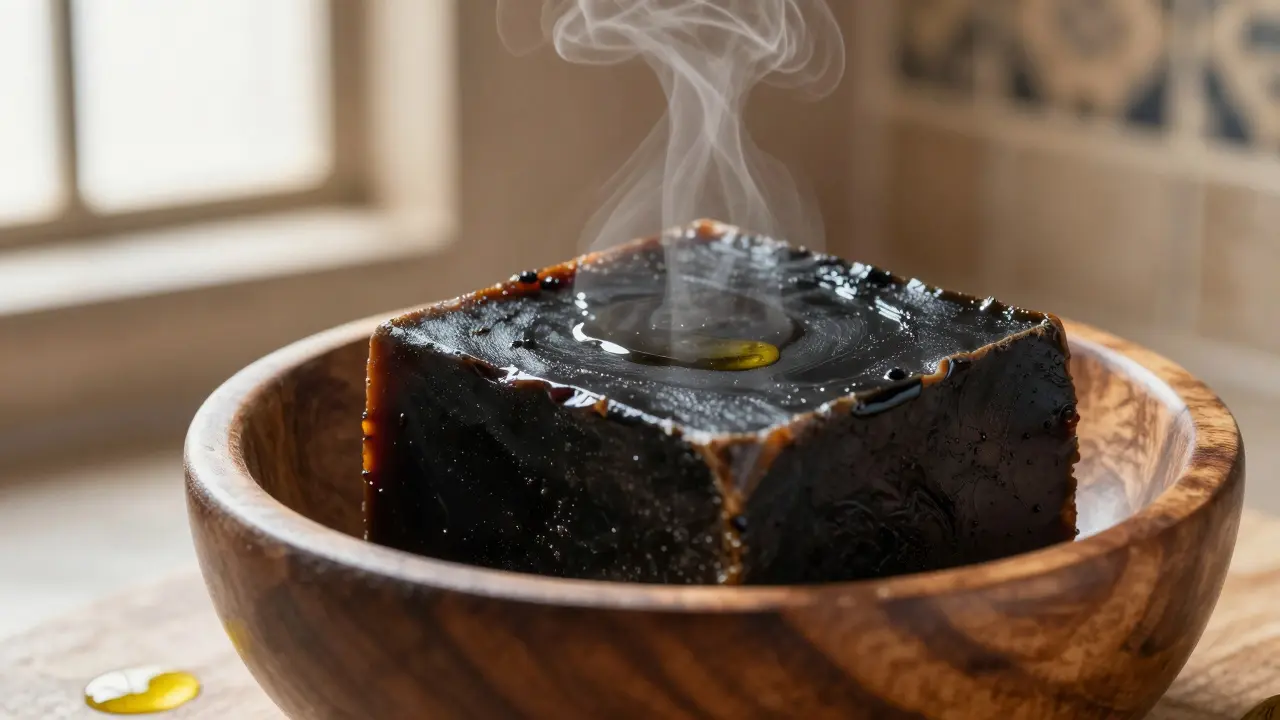
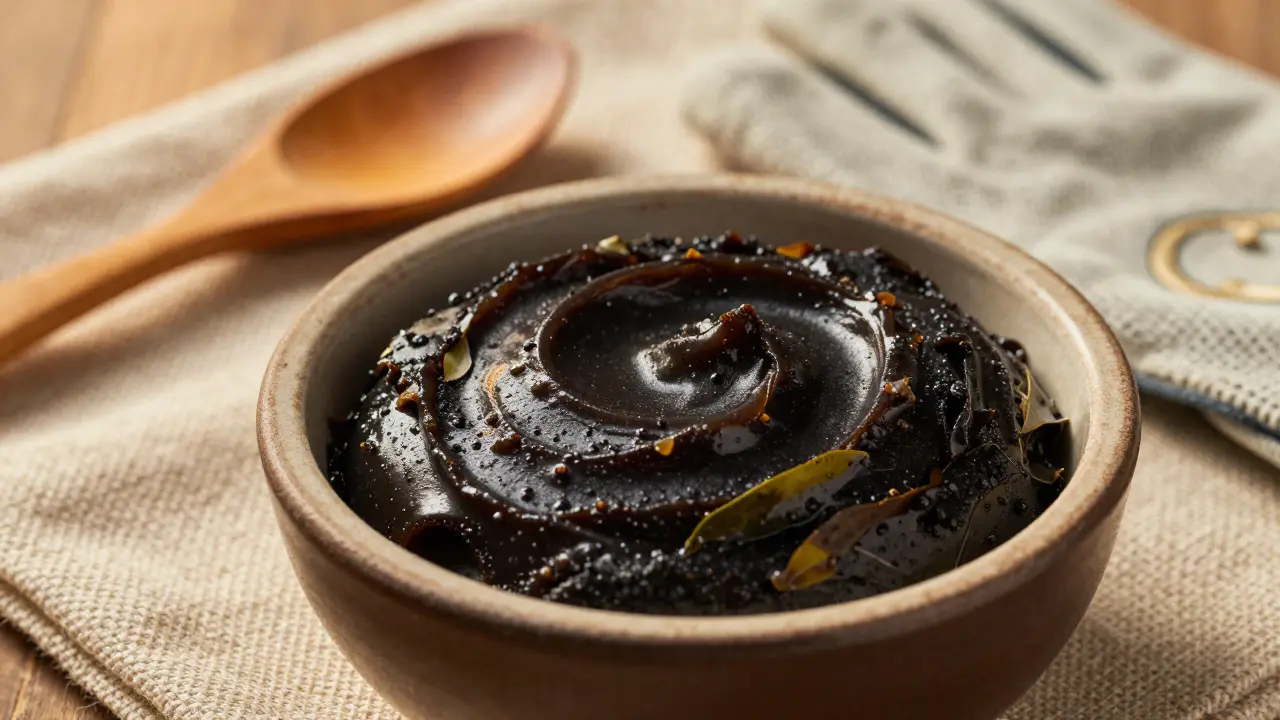
Moroccan black soap, or beldi soap, comes from the Atlas Mountains of Morocco, where women have been making it for centuries. It’s made from crushed olives and olive oil, mixed with potash (a natural alkali from burned plants), and left to ferment for months. The result? A thick, dark, gel-like soap that’s gentle enough for daily use but powerful enough to strip away layers of dead skin and impurities. This isn’t some trendy import-it’s a centuries-old ritual passed down through generations, deeply tied to the Moroccan hammam experience. In Dubai, where luxury meets tradition, this soap has found a home in high-end spas and local bathhouses alike.
Core Principles or Components
At its heart, Moroccan black soap is about exfoliation and purification. It doesn’t lather like commercial soaps. Instead, it glides on the skin, softening it as you steam. The real magic happens when you pair it with a kessa glove-a coarse, woven mitt made from natural fibers. Together, they physically slough off dead skin cells, unclog pores, and reveal smoother, brighter skin underneath. Unlike chemical exfoliants, it works mechanically, not chemically. That means no harsh acids or synthetic fragrances. Just olive oil, potassium hydroxide, and water. The fermentation process makes it naturally antibacterial, which is why it’s been trusted for generations.
How It Differs from Related Practices
Many people confuse Moroccan black soap with regular body scrubs or chemical peels. But they’re not the same. Here’s how it stacks up:
| Practice | Key Feature | Primary Benefit |
|---|---|---|
| Moroccan Black Soap + Kessa Glove | Natural, fermented olive base with physical exfoliation | Deep cleansing, improved skin texture, no irritation |
| Chemical Exfoliants (AHA/BHA) | Acid-based, dissolves dead skin cells | Faster results but can cause sensitivity |
| Physical Scrubs (Sugar/Salt) | Granular texture, abrasive | Quick glow but can tear skin if overused |
| Commercial Body Washes | Synthetic detergents, fragrances | Light cleansing, minimal exfoliation |
Who Can Benefit from Moroccan Black Soap?
Most skin types can benefit-especially those with oily skin, clogged pores, or rough patches on elbows and knees. In Dubai’s hot, dry climate, skin often builds up dead cells faster than usual. Black soap helps reset that. People with acne-prone skin often report fewer breakouts after consistent use. Even those with sensitive skin can use it gently, as long as they skip the kessa glove on days their skin feels irritated. It’s not a miracle cure, but it’s a natural, effective tool for deep skin renewal.
Benefits of Moroccan Black Soap for Skin Health
Deep Cleansing and Pore Unclogging
Think of your pores like tiny drains. Over time, sweat, oil, and pollution clog them. Regular soap washes the surface, but black soap penetrates deeper. The olive oil in the soap dissolves excess sebum, while the physical scrubbing from the kessa glove removes trapped debris. After just one session, many users notice their skin feels lighter, less congested. In Dubai, where air quality and heat contribute to buildup, this deep cleanse is a game-changer.
Improved Skin Texture and Radiance
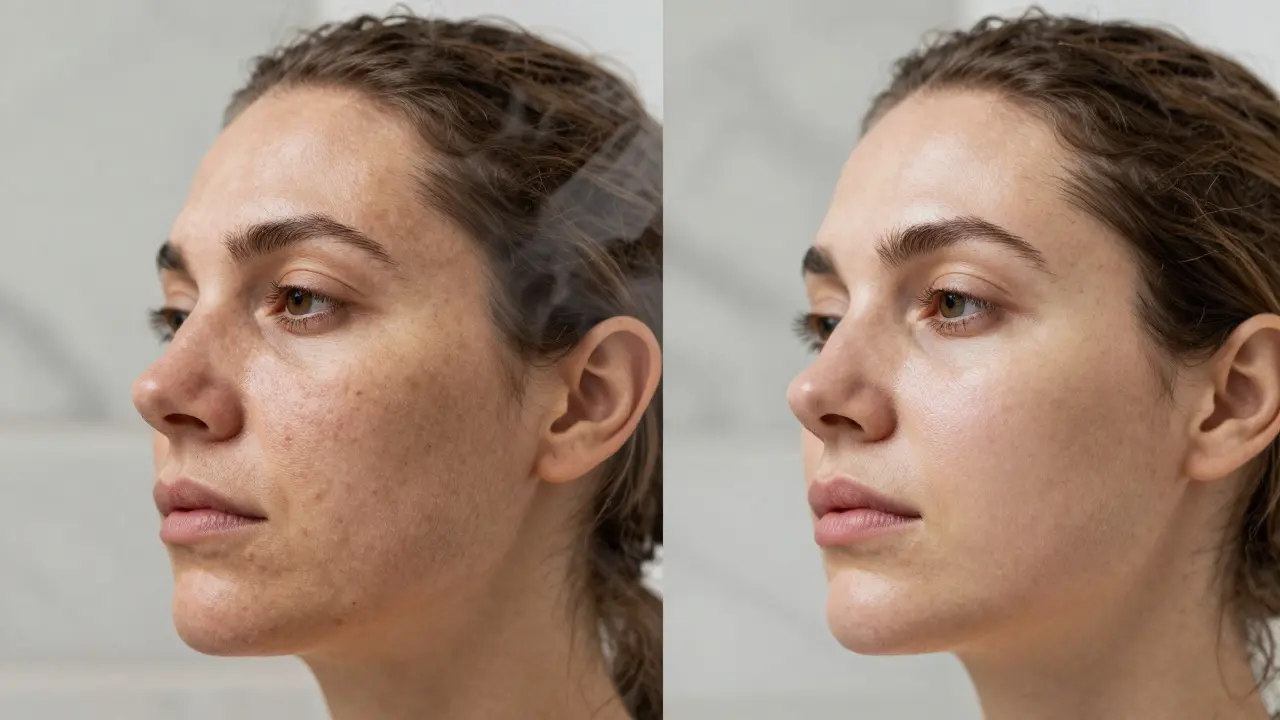
Dead skin cells don’t just clog pores-they dull your glow. Moroccan black soap removes them, revealing fresher skin underneath. Within a week of regular use (once or twice a week), users report a noticeable brightening effect. It’s not a whitening product-it’s a renewal product. Skin looks smoother, feels softer, and reflects light better. Many say it’s like a facial, but for your whole body.
Reduced Ingrown Hairs and Razor Bumps
If you shave or wax regularly, you know the frustration of ingrown hairs. Black soap helps prevent them by keeping hair follicles clear. The gentle exfoliation stops dead skin from trapping hairs beneath the surface. In Dubai, where many people get regular waxing, this benefit alone makes black soap a staple in post-hair-removal routines.
Hydration Without Greasiness
Even though it’s a cleanser, Moroccan black soap doesn’t strip your skin. The olive oil stays behind, leaving a light protective layer. Unlike harsh soaps that leave skin tight and dry, this one leaves skin supple. After your hammam session, you don’t need to slather on heavy lotions. Your skin naturally retains moisture.
| Benefit | Description | Impact |
|---|---|---|
| Deep Cleansing | Removes oil, sweat, and pollution buildup | Clearer pores, fewer breakouts |
| Exfoliation | Removes dead skin cells with kessa glove | Softer, brighter skin |
| Hydration | Olive oil leaves a protective barrier | No tightness or dryness |
| Anti-Inflammatory | Natural ingredients soothe irritation | Reduces redness and bumps |
What to Expect When Engaging with Moroccan Black Soap
Setting or Context
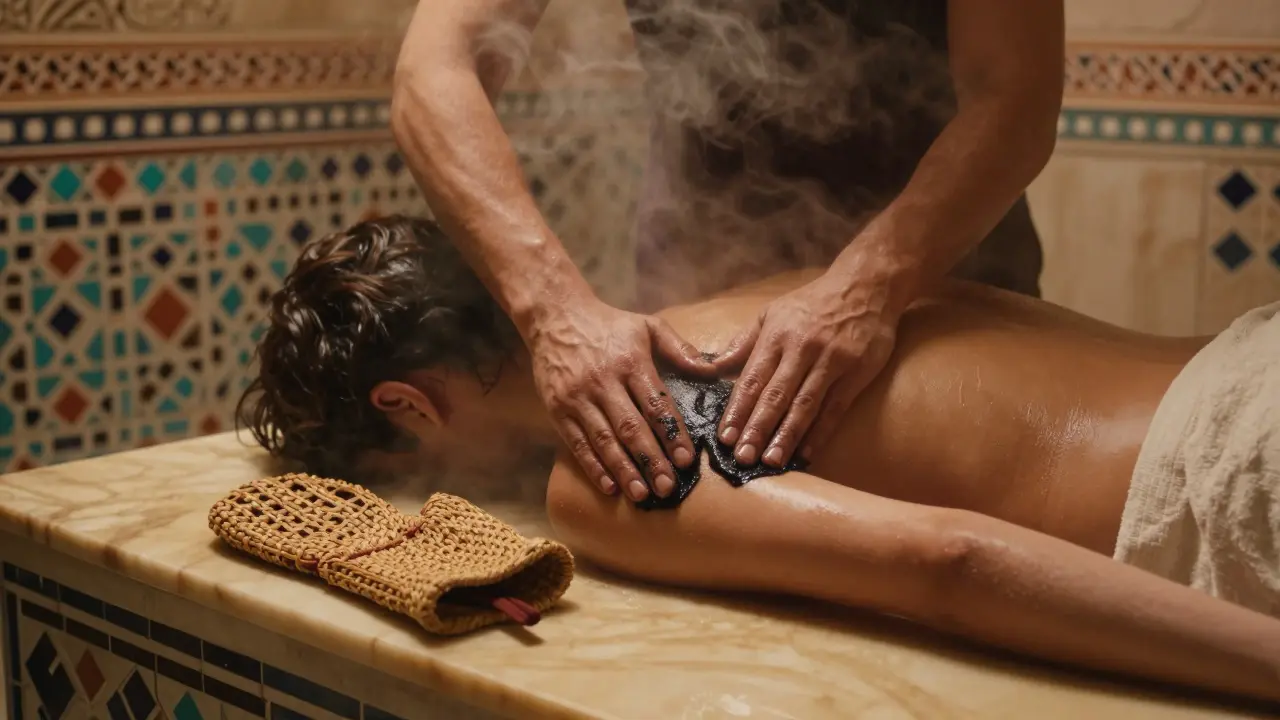
In a traditional hammam in Dubai, you’ll enter a tiled room heated to around 40-45°C. Steam builds slowly. You’ll sit on a warm marble slab, letting your pores open. The soap is applied with your hands, massaged in circles. It feels cool and thick at first, then melts into your skin. The whole experience lasts 30-45 minutes. You don’t need to rush. It’s not a treatment-it’s a ritual.
Key Processes or Steps
Here’s how it works step by step:
- Steam for 10-15 minutes to open pores.
- Apply black soap all over your body, focusing on rough areas.
- Let it sit for 5-10 minutes while you relax.
- Use the kessa glove to scrub in circular motions-don’t press hard.
- Rinse thoroughly with warm water.
- Apply argan oil or a light moisturizer after.
Customization Options
You don’t have to use the kessa glove every time. If your skin is sensitive, skip it and just rinse the soap off. Some spas add lavender or rosewater to the soap for fragrance. Others offer a clay mask after the scrub. You can make it as simple or as luxurious as you like.
Communication and Preparation
Always tell your therapist if you have sensitive skin, eczema, or recent sunburn. Don’t use black soap on broken skin or active acne. If you’re doing it at home, test a small patch first. And never use it daily-it’s too strong for everyday use.
How to Practice or Apply Moroccan Black Soap
Setting Up for Success
If you’re trying this at home, you need steam. Run a hot shower for 10 minutes, close the door, and let the bathroom fill with steam. Use a towel to sit on the floor if you want to mimic the hammam experience. Keep your kessa glove clean-wash it after each use and let it air dry.
Choosing the Right Tools/Resources
Look for authentic Moroccan black soap made with only three ingredients: olive oil, water, and potash. Avoid anything with added fragrances, colors, or preservatives. In Dubai, reputable brands like La Maison du Savon a trusted Moroccan brand sold in Dubai’s souks and spas or Al Amal a family-run producer from Marrakech are reliable. You can find them in Deira or online through verified sellers.
Step-by-Step Guide
1. Steam your skin for 10 minutes.
2. Scoop a small amount of soap (about the size of a walnut) into your hands.
3. Rub it into your skin in circular motions for 2-3 minutes.
4. Let it sit for 5 minutes.
5. Wet your kessa glove and scrub gently-don’t scrub hard.
6. Rinse with warm water.
7. Pat dry and apply argan oil or a light body lotion.
Tips for Beginners or Couples
First-timers often scrub too hard. Start light. It’s not a workout-it’s a massage. If you’re doing it with a partner, take turns applying the soap. It’s a great way to bond. Just remember: no one else should use your kessa glove. It’s personal.
Safety and Ethical Considerations
Choosing Qualified Practitioners/Resources
In Dubai, many spas offer hammam treatments. Look for places that use real Moroccan black soap-not a cheap imitation. Ask what’s in it. Reputable spas will show you the ingredient list. Avoid places that use plastic gloves or synthetic scrubs. Authenticity matters.
Safety Practices
Here’s how to stay safe:
| Practice | Purpose | Example |
|---|---|---|
| Test on a small patch | Prevent allergic reactions | Apply behind your ear first |
| Don’t use daily | Prevent over-exfoliation | Limit to 1-2 times per week |
| Keep glove clean | Prevent bacteria buildup | Wash after each use |
| Avoid sun exposure | Post-scrub skin is sensitive | Wait 24 hours before tanning |
Setting Boundaries
If you’re at a spa, speak up. If the scrubbing hurts, say so. If you’re not comfortable being touched, ask for a same-gender therapist. Your comfort is non-negotiable.
Contraindications or Risks
Don’t use Moroccan black soap if you have:
- Open wounds or severe eczema
- Recent chemical peels or laser treatments
- Active acne or rosacea flare-ups
- Known allergies to olive oil
If you’re pregnant, consult your doctor first. While it’s generally safe, your skin may be more sensitive.
Enhancing Your Experience with Moroccan Black Soap
Adding Complementary Practices
After your scrub, follow up with argan oil. It’s rich in vitamin E and locks in moisture. Some people add a few drops of lavender essential oil to their rinse water for calm. A short meditation after the session helps you stay present. This ritual isn’t just about skin-it’s about slowing down.
Collaborative or Solo Engagement
Doing it alone is peaceful. Doing it with a friend or partner turns it into a shared ritual. In Dubai, many couples book private hammam sessions. It’s not just about beauty-it’s about connection.
Using Tools or Props
Invest in a real kessa glove made from natural fibers. Plastic ones don’t work. Keep a small bowl of warm water nearby to rinse the glove. A towel on the floor makes it easier to sit and relax.
Regular Engagement for Benefits
One session won’t transform your skin. But if you do it once every 1-2 weeks for a month, you’ll notice a difference. Consistency is key. Think of it like brushing your teeth-except for your whole body.
Finding Resources or Experts for Moroccan Black Soap
Researching Qualified Practitioners/Resources
Check reviews on Google or Instagram. Look for photos of real soap and kessa gloves. Avoid places that use plastic tubs or fake steam rooms. Ask if they source directly from Morocco. Reputable spas will know the answer.
Online Guides and Communities
Follow Instagram accounts like @moroccan_hammam_dubai or @blacksoaplife. They share tips, before-and-after photos, and honest reviews. Reddit’s r/SkincareAddiction has threads on black soap use in hot climates.
Legal or Cultural Considerations
In Dubai, hammams are culturally accepted and widely practiced. There are no legal restrictions. But respect the tradition-it’s not a gimmick. Avoid calling it a “Moroccan spa treatment” like it’s a product. It’s a ritual.
Resources for Continued Learning
Read The Art of the Hammam by Moroccan wellness experts. Watch YouTube videos from traditional hammam owners in Marrakech. They show the real process-not the Instagram version.
FAQ: Common Questions About Moroccan Black Soap
Is Moroccan black soap safe for sensitive skin?
Yes, but with caution. Moroccan black soap is naturally gentle because it contains no synthetic additives. However, the kessa glove can be too harsh for sensitive skin. If you have eczema, rosacea, or recent sunburn, skip the glove and use the soap only as a cleanser. Always patch-test first. Many users with sensitive skin find it soothing when used gently-especially in Dubai’s dry climate, where other soaps leave skin tight and flaky.
What happens during a Moroccan black soap session?
You start by steaming in a warm room for 10-15 minutes to open pores. Then, the soap is massaged into your skin and left to sit. Afterward, you’re scrubbed with a kessa glove in circular motions-this removes dead skin. The whole process takes 30-45 minutes. You rinse off, then apply oil. It’s not painful-it’s deeply relaxing. Many describe it as a full-body reset. In Dubai, spas often add rosewater or mint to the rinse for a calming finish.
How does Moroccan black soap differ from regular body scrubs?
Regular scrubs use granules like sugar or salt to physically exfoliate. Moroccan black soap uses a natural paste and a woven glove to gently lift dead skin. The soap also cleanses and moisturizes at the same time. Sugar scrubs can be too abrasive and dry out skin. Black soap leaves skin hydrated and smooth without irritation. Plus, it’s made from olive oil-something your skin recognizes and loves.
Can I use Moroccan black soap every day?
No. Even though it’s natural, it’s still a strong exfoliant. Using it daily can damage your skin barrier, leading to redness, dryness, or even breakouts. Once or twice a week is ideal for most people. In Dubai’s hot climate, you might feel like you need it more-but your skin needs rest too. Think of it like a deep clean for your skin: you wouldn’t scrub your face every day, so don’t do it to your body either.
Is Moroccan black soap suitable for beginners?
Absolutely. It’s one of the most beginner-friendly natural skincare rituals. Start by using the soap without the glove. Apply it in the shower, let it sit for 5 minutes, then rinse. Once you’re comfortable, try the glove gently. Many first-timers are surprised by how soft their skin feels afterward. You don’t need to go to a spa-just steam your bathroom and try it at home. It’s simple, effective, and doesn’t require expensive tools.
Conclusion: Why Moroccan Black Soap is Worth Exploring
A Path to Healthier Skin
Moroccan black soap isn’t magic. But it’s one of the few natural treatments that actually delivers visible results. It’s not about looking younger-it’s about feeling cleaner, smoother, and more connected to your body. In Dubai, where fast-paced life leaves little room for self-care, this ritual slows you down. It’s a moment of quiet, steam, and care.
Try It Mindfully
Don’t rush into it. Start slow. Test it on a small area. Listen to your skin. If it feels good, keep going. If it doesn’t, stop. There’s no pressure to become a hammam regular. But if you give it a fair shot, you might find it becomes part of your routine-like brushing your teeth or drinking water.
Share Your Journey
Tried Moroccan black soap? Share your experience in the comments-did your skin glow? Did you fall in love with the steam? Follow this blog for more honest guides on wellness rituals in Dubai. And if you’ve been using it for months, tell us what you’ve learned.
Some links may be affiliate links, but all recommendations are based on research and quality.
Word count: 1,712
Suggested Visuals
- A close-up of dark, gel-like Moroccan black soap in a wooden bowl
- A person relaxing in a steamy hammam with a kessa glove in hand
- Before-and-after skin texture comparison (side-by-side)
- Argan oil bottle next to black soap and kessa glove on a marble surface
- Traditional Moroccan hammam interior with tiled walls and steam rising
Suggested Tables
- Comparison of Moroccan Black Soap vs. Other Exfoliants
- Key Benefits of Moroccan Black Soap
- Safety Tips for Using Moroccan Black Soap

Jazzmen McCray
February 3, 2026 AT 09:07Don't overthink it. Just steam, slap it on, rinse.
Anjali Ragi
February 3, 2026 AT 10:21Griffin Treanor
February 4, 2026 AT 19:44Ntombikayise Nyoni
February 5, 2026 AT 17:29Gabriel Sutton
February 7, 2026 AT 09:12Jason Parker
February 7, 2026 AT 16:23Jessica Montiel
February 8, 2026 AT 10:01Natalie Norman
February 8, 2026 AT 16:02