
Should You Put Lactic Acid on Wet or Dry Skin? The Real Answer for Glowing Skin
When it comes to lactic acid, the biggest question isn’t whether it works-it’s when to use it. Should you apply it to wet skin after a shower? Or let your skin dry first? This isn’t just about routine-it’s about getting the most out of your body scrub without irritation, dryness, or wasted product. If you’ve ever felt like your lactic acid scrub isn’t delivering the smooth, radiant skin you expected, the answer might be simpler than you think.
Understanding the Basics of Lactic Acid
Origins and History
Lactic acid isn’t some new lab invention. It’s been around for centuries-first discovered in sour milk (the name comes from the Latin lac, meaning milk). Ancient Egyptians used fermented milk baths for skin softening, and by the 1800s, scientists isolated the acid and began experimenting with its exfoliating properties. Today, it’s a staple in skincare because it’s gentle enough for sensitive skin but powerful enough to slough off dead cells, boost hydration, and even out tone. Unlike harsh scrubs that physically rub skin raw, lactic acid works chemically, dissolving the glue between dead skin cells. It’s a smart, science-backed alternative to physical exfoliants that can tear or inflame skin over time.
Core Principles or Components
Lactic acid is an alpha hydroxy acid (AHA), a class of water-soluble acids derived from milk, fruits, and sugar cane. What makes it special is its molecular size-it’s larger than glycolic acid, which means it penetrates slower and more gently. This makes it ideal for body skin, which is thicker but often drier and more prone to rough patches. Lactic acid doesn’t just exfoliate; it also acts as a humectant, drawing moisture into the skin. In body scrubs, it’s usually paired with oils, butters, or gentle abrasives like sugar or salt to enhance glide and prevent over-exfoliation. The concentration matters too: most effective body scrubs use between 5% and 12% lactic acid. Anything higher without professional guidance can lead to stinging or redness.
How It Differs from Related Practices
Many people confuse lactic acid with physical scrubs or other chemical exfoliants. Here’s how it stacks up:
| Method | How It Works | Best For |
|---|---|---|
| Lactic Acid | Dissolves dead skin cells chemically | Dry, rough skin; sensitive skin |
| Sugar Salt Scrub (Physical) | Granules physically scrub away skin | Thick, calloused areas like heels |
| Glycolic Acid | Smaller molecule, deeper penetration | Facial skin; acne-prone areas |
| Salicylic Acid | Oil-soluble, targets pores | Back acne, oily skin |
Who Can Benefit from Lactic Acid?
Almost everyone with dry, dull, or rough skin can benefit-from people with keratosis pilaris (those little bumps on arms and thighs) to those who struggle with flaky heels after summer. It’s especially helpful in dry climates like Dubai, where low humidity strips moisture from skin. If you’ve tried body scrubs that leave your skin tight or irritated, lactic acid is your upgrade. It’s also safe for most skin tones, unlike some physical scrubs that can cause post-inflammatory hyperpigmentation. Pregnant individuals can use it too-unlike retinoids, AHAs like lactic acid are considered low-risk during pregnancy by dermatological guidelines.
Benefits of Lactic Acid for Body Skin
Smoothing Rough Skin
Lactic acid breaks down the buildup of dead skin cells that make elbows, knees, and feet feel like sandpaper. After just 2-3 uses, many users report skin that feels noticeably softer. Think of it like gently dissolving a layer of dried glue-no scrubbing, no tearing. In Dubai’s heat, where sweat and dust clog pores, lactic acid helps keep skin clear and breathable. It doesn’t just remove flakes; it encourages new cell turnover, leading to a more even, glowing texture over time.
Boosting Hydration
Unlike physical scrubs that strip moisture, lactic acid actually helps your skin hold onto water. It’s a humectant, meaning it pulls hydration from the air into the outer layers of skin. This is why a lactic acid scrub often feels more nourishing than a sugar scrub. After exfoliating, your skin absorbs moisturizers better, so the lotion or oil you apply afterward sinks in deeper. It’s not magic-it’s science. The American Academy of Dermatology notes that AHAs improve skin barrier function, which is key for long-term hydration.
Improving Skin Tone and Texture
Over time, lactic acid helps fade dark spots and uneven pigmentation caused by sun exposure, friction, or ingrown hairs. It doesn’t bleach skin-it gently encourages renewal. People who’ve used it regularly on their arms, legs, or back often say their skin looks more "lit from within." It’s especially effective for post-acne marks on the back or thighs. Results aren’t overnight, but within 4-6 weeks of consistent use (2-3 times a week), most notice a visible brightening.
Reducing Ingrown Hairs and Bumps
If you shave or wax regularly, lactic acid is your secret weapon. It prevents dead skin from trapping hairs beneath the surface, which is the main cause of those itchy, red bumps. By keeping pores clear and skin smooth, it reduces the chance of ingrowns forming. Many dermatologists in Dubai recommend lactic acid body washes or scrubs for patients with chronic keratosis pilaris or razor bumps. It’s not a cure, but it’s one of the most reliable ways to manage it without harsh chemicals.
What to Expect When Using Lactic Acid
Setting or Context
You don’t need a spa to use lactic acid effectively. A clean bathroom, warm water, and a towel are enough. In Dubai’s dry climate, many people prefer to use it in the evening after a cool shower-this helps avoid sun exposure, which can increase sensitivity. Avoid using it right before heading out in the sun or going to the beach. Keep your skin hydrated afterward with a fragrance-free body oil or cream. A humidifier in your bedroom can also help lock in moisture if you’re in an air-conditioned space.
Key Processes or Steps
Here’s the basic flow:
- Wash your body with a gentle cleanser to remove sweat and dirt.
- Pat skin lightly with a towel-don’t fully dry.
- Apply the lactic acid scrub in circular motions, focusing on rough areas.
- Rinse thoroughly with lukewarm water.
- Apply a rich moisturizer within 3 minutes of rinsing.
Don’t leave it on like a mask-this isn’t a peel. Scrubs are meant to be rinsed off after 1-2 minutes of gentle massage.
Customization Options
Not all lactic acid scrubs are the same. If your skin is sensitive, choose one with added ceramides or aloe vera. For extra hydration, look for ingredients like shea butter or squalane. If you’re targeting rough heels, pick a scrub with a slightly coarser texture-just not one with jagged particles. You can also dilute stronger formulas by mixing them with a bit of body wash or oil before applying. Start with once a week, then increase to 2-3 times if your skin tolerates it well.
Communication and Preparation
If you’re using a professional body treatment at a spa, tell your therapist if you’ve used lactic acid at home recently. Over-exfoliation can lead to redness or peeling. Also, avoid using other strong actives like retinoids or high-strength vitamin C on the same days. Your skin doesn’t need a full-on chemical party.
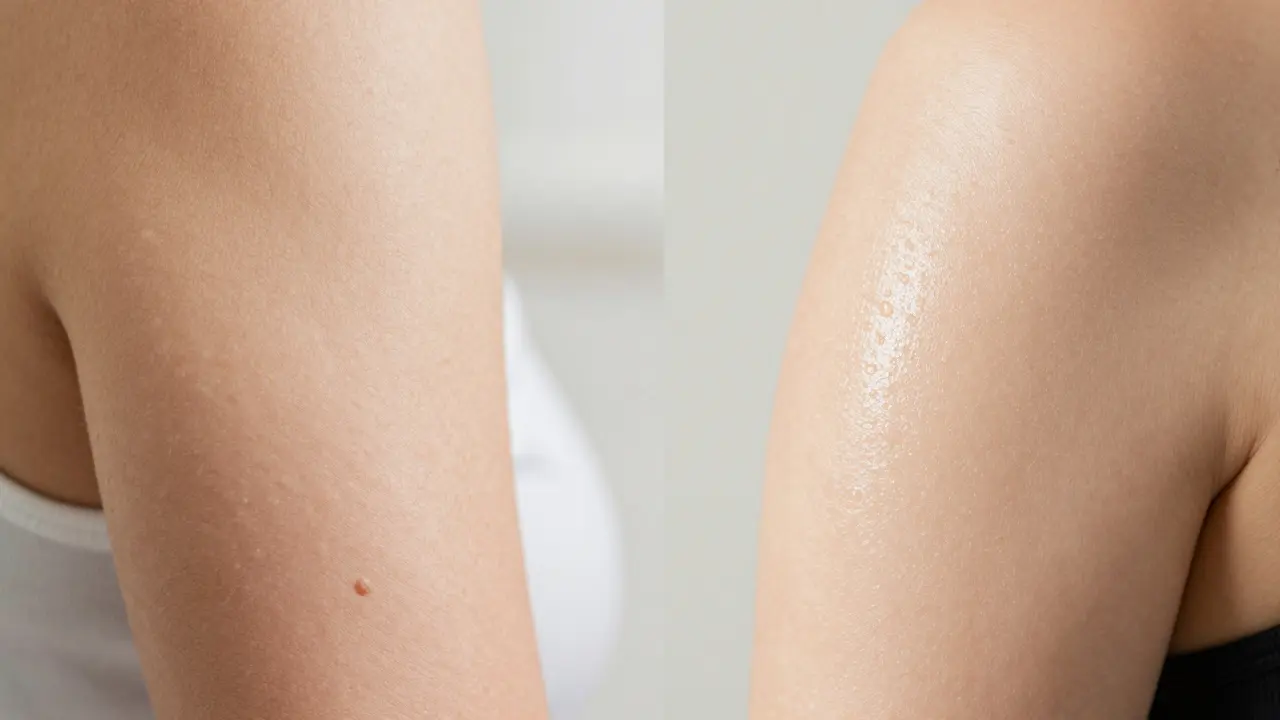
Should You Put Lactic Acid on Wet or Dry Skin?
The Science Behind Wet Skin
Applying lactic acid to damp skin is the gold standard. Here’s why: water helps the acid penetrate more evenly and gently. When skin is slightly wet, it’s more receptive to active ingredients without being overwhelmed. Dry skin can cause the acid to concentrate in spots, leading to uneven results or irritation. Think of it like watering a plant-you don’t pour the entire glass on one dry patch. You want even distribution.
The Risk of Dry Skin Application
Putting lactic acid on completely dry skin increases the chance of stinging, especially if your skin is already dehydrated or has micro-tears from shaving or friction. In Dubai’s dry air, skin often lacks natural moisture. Applying acid directly to dry skin is like pouring lemon juice on a cut-it works, but it’s unnecessarily painful. You might think you’re getting more "power," but you’re actually risking barrier damage.
The Best Practice: Damp, Not Soaked
After your shower, pat your skin with a towel until it’s just damp-not dripping wet. This gives the lactic acid the perfect environment to work: enough moisture to glide smoothly, but not so much that it dilutes the acid’s effectiveness. This method is backed by cosmetic chemists and dermatologists who study skin permeability. It’s the sweet spot between efficacy and safety.
How to Use Lactic Acid Safely
Choosing the Right Product
Look for body scrubs with lactic acid listed in the top 5 ingredients. Avoid products with alcohol, synthetic fragrances, or microbeads. Brands that list natural oils (like jojoba or coconut) and soothing agents (like chamomile or oat extract) are safer bets. In Dubai, where heat and pollution stress skin, opt for packaging that protects the formula from light and air-tubes are better than jars.
Step-by-Step Guide
- Shower with lukewarm water and a mild cleanser.
- Pat skin dry until slightly damp.
- Take a small amount of scrub (about a tablespoon for legs and back).
- Massage in circular motions for 60-90 seconds-don’t scrub hard.
- Rinse thoroughly.
- Apply moisturizer immediately.
Use 2-3 times a week. More than that can lead to over-exfoliation, especially in dry climates.
Tips for Beginners
If you’ve never used lactic acid before, test it on a small area like your inner arm first. Wait 24 hours. If there’s no redness or burning, you’re good to go. Start with a lower concentration (5-7%) and increase slowly. Don’t rush results-skin renewal takes time. And always use sunscreen on exposed areas during the day, even if you’re only using it at night. AHAs increase sun sensitivity.
Safety and Ethical Considerations
Choosing Qualified Products
Not all "natural" scrubs are safe. Some contain unregulated acids or high concentrations that can burn. Stick to brands that list exact percentages and are sold through reputable retailers or dermatologist-recommended lines. If a product smells strongly of vinegar or causes immediate stinging, put it down.
Safety Practices
| Practice | Purpose | Example |
|---|---|---|
| Apply to damp skin | Prevents irritation | Pat skin dry after shower, don’t towel off completely |
| Rinse thoroughly | Removes acid residue | Use lukewarm water for at least 30 seconds |
| Moisturize immediately | Reinforces skin barrier | Use ceramide-rich cream within 3 minutes |
| Avoid sun exposure | Reduces risk of burns | Use SPF 30+ daily, even indoors |
Setting Boundaries
Listen to your skin. If it feels tight, red, or stings after rinsing, you’re overdoing it. Cut back to once a week. Never use lactic acid on broken, sunburned, or freshly waxed skin. It’s not worth the risk.
Contraindications or Risks
Avoid lactic acid if you have active eczema, open wounds, or rosacea flare-ups. People with very sensitive skin should patch test first. If you’re using prescription topical treatments, check with your dermatologist before combining them with AHAs. Pregnant women can use it, but should avoid concentrations above 10% unless advised by a doctor.
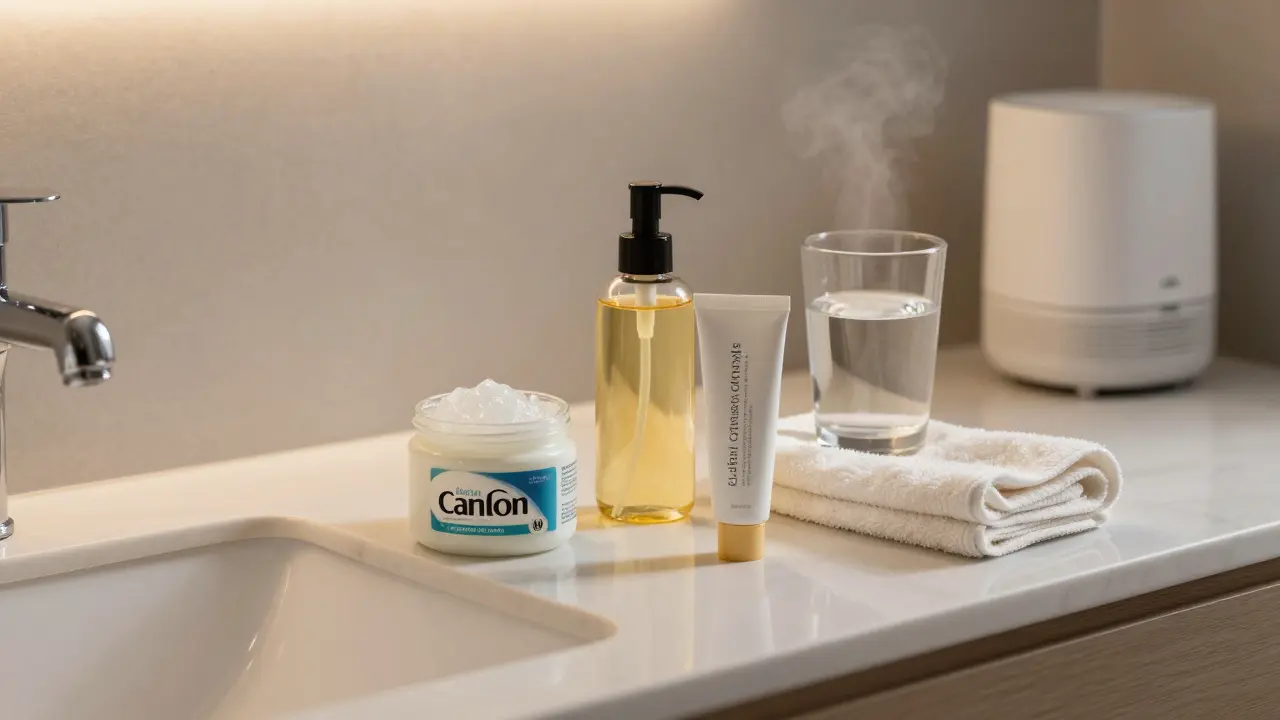
Enhancing Your Experience with Lactic Acid
Adding Complementary Practices
Pair lactic acid with hydration. After your scrub, use a body oil with squalane or hyaluronic acid. You can also use a humidifier at night to help skin retain moisture. Avoid hot showers-they strip natural oils. Stick to lukewarm water. And don’t forget to drink water. Hydration starts from the inside.
Collaborative or Solo Engagement
Using lactic acid scrub is a solo ritual, but you can make it calming. Light a candle, play soft music, and take your time. It’s not a chore-it’s self-care. If you’re sharing a bathroom with someone, store your scrub separately to avoid cross-contamination.
Using Tools or Props
Use a soft washcloth or your hands-never a loofah or rough sponge. These can harbor bacteria and cause micro-tears. A silicone body brush is fine if used gently. Keep your scrub in a cool, dark place to preserve the acid’s potency.
Regular Engagement for Benefits
Consistency beats intensity. Two to three times a week for 4-6 weeks will show noticeable results. Skipping weeks won’t ruin progress, but daily use will harm your skin. Think of it like watering a plant: regular, moderate care works better than flooding it once.
Finding Resources or Experts for Lactic Acid
Researching Qualified Products
Look for brands with transparent labeling and third-party testing. In Dubai, many spas use medical-grade lactic acid products from European or American brands. Check reviews from people with similar skin types. Avoid products with vague claims like "miracle glow" or "instant results."
Online Guides and Communities
Reputable skincare forums like Reddit’s r/SkincareAddiction or DermNet NZ offer science-backed advice. Avoid TikTok trends that say "leave it on overnight"-that’s not safe for body scrubs.
Legal or Cultural Considerations
In the UAE, skincare products must meet GCC standards. Always check the label for the manufacturer’s address and batch number. Avoid unbranded products sold at markets or online without proper documentation.
Resources for Continued Learning
Books like The Skincare Bible by Dr. Anjali Mahto or the American Academy of Dermatology’s website offer reliable, free information. Avoid blogs that sell products without disclosing affiliations.
FAQ: Common Questions About Lactic Acid
Should I use lactic acid on wet or dry skin?
Always apply lactic acid to damp, not wet or dry, skin. After your shower, pat your skin gently with a towel until it’s slightly moist. This helps the acid penetrate evenly without causing irritation. Applying it to dry skin can lead to stinging or uneven results, while soaking wet skin dilutes the formula too much. Damp skin is the sweet spot for effectiveness and safety.
How often should I use a lactic acid body scrub?
Two to three times a week is ideal for most people. If you have sensitive or dry skin, start with once a week and increase slowly. Daily use can damage your skin barrier, especially in dry climates like Dubai. Over-exfoliation leads to redness, flaking, and increased sensitivity. Let your skin recover between uses-this is when renewal happens.
Can lactic acid lighten dark spots on my body?
Yes, but gradually. Lactic acid doesn’t bleach skin-it encourages cell turnover, which fades post-inflammatory hyperpigmentation from acne, razor bumps, or sun exposure. It works best on flat, brownish marks, not deep scars. Expect results after 4-8 weeks of consistent use. Always pair it with daily sunscreen, as AHAs make skin more sensitive to UV damage.
Is lactic acid better than sugar scrubs for my skin?
It depends on your goal. Sugar scrubs are great for physically removing thick calluses-like on heels. But lactic acid is better for overall texture, hydration, and sensitive skin. It doesn’t cause micro-tears like abrasive particles can. If you have rough arms, thighs, or back, lactic acid gives smoother, longer-lasting results without irritation. Many people use both: sugar scrub on heels, lactic acid everywhere else.
Can I use lactic acid if I’m pregnant?
Yes, lactic acid is considered safe during pregnancy, unlike retinoids or salicylic acid in high doses. It’s a gentle AHA that doesn’t penetrate deeply into the bloodstream. Stick to concentrations under 10% and avoid using it on large areas daily. Always patch test first, and if you’re unsure, check with your OB-GYN. Many dermatologists in Dubai recommend it for pregnancy-related dryness and keratosis pilaris.
Conclusion: Why Lactic Acid is Worth Exploring
A Path to Smoother Skin
Lactic acid isn’t a miracle cure, but it’s one of the most reliable, gentle, and effective ways to transform rough, dull skin into something soft and radiant. Whether you’re dealing with dryness from Dubai’s climate, ingrown hairs from shaving, or just want your skin to feel better in a swimsuit, this acid delivers real results without the pain.
Try It Mindfully
Start slow. Use it on damp skin. Moisturize right after. Protect your skin from the sun. And listen to your skin-if it complains, you’re pushing too hard.
Share Your Journey
Tried lactic acid on damp skin? Share your results in the comments-what changed for you? Follow this blog for more science-backed skincare tips tailored to life in the UAE.
Some links may be affiliate links, but all recommendations are based on research and quality.
Word count: 1,723
Suggested Images
- A woman gently massaging a lactic acid scrub onto her damp legs after a shower, soft lighting, natural skin texture visible
- Side-by-side comparison: rough skin vs. smooth skin after 4 weeks of lactic acid use
- A jar of lactic acid body scrub next to a towel and body oil, with a humidifier in the background
- Close-up of skin texture under magnification showing dead cells dissolving
- A minimalist bathroom setup with a skincare routine: scrub, moisturizer, sunscreen, and a glass of water
Suggested Tables
- Comparison of Exfoliation Methods (already included)
- Lactic Acid Safety Tips (already included)
- Key Benefits of Lactic Acid for Body Skin (Benefit, Description, Impact)

Sylvain Menard
December 1, 2025 AT 18:59OMG I just started using lactic acid on damp skin after my shower and my legs haven’t felt this smooth since high school. Like, seriously-no more sandpaper elbows. I used to scrub like I was trying to sand down a table, but now I just pat dry and glide it on. Game changer. My partner even asked if I got a massage or something. 🤯
Sophia Sterling-Angus
December 3, 2025 AT 09:25The claim that damp skin is optimal is scientifically unsound without controlled penetration studies measuring transepidermal water loss post-application. The assumption that moisture enhances efficacy conflates hydration kinetics with molecular diffusion rates. Moreover, the article fails to cite peer-reviewed dermatological trials validating this protocol. This is anecdotal marketing dressed as evidence.
Madi Edwards
December 4, 2025 AT 18:07Okay so I tried this whole damp skin thing because everyone’s freaking out about it on TikTok and I swear I thought I was gonna get some kind of spiritual awakening or something. I stood there in my bathroom with a towel half-dry, holding this jar of lactic acid like it was holy water from some skincare temple. I felt like a monk preparing for enlightenment. And then I rinsed it off and my skin just… looked the same? Like, I didn’t glow. I didn’t levitate. I just felt weirdly guilty for not doing it perfectly. Maybe I need to chant while I apply it? Or light a candle? Or meditate on the word ‘humectant’? I don’t know anymore. My skin is just skin. I miss the days when soap and water were enough.
Kelly ¯_(ツ)_/¯
December 6, 2025 AT 02:03As someone who grew up in a culture where skincare was about tradition, not trends-I’ve seen my grandmother use fermented rice water for decades. Lactic acid? It’s just the sciencey version of that. But here’s the thing: you don’t need to overthink it. Damp skin? Sure. But if your skin is crying, stop. No product is worth your barrier being in ruins. And no, you don’t need to buy the $48 jar with ‘artisanal Moroccan rose petals’ in it. Just get something with lactic acid listed early, no alcohol, and move on with your life.
Amanda turman
December 7, 2025 AT 06:40Okay but have you ever considered that maybe the real issue isn't wet vs dry skin but that we've been conditioned to think our skin is broken and needs fixing?? Like, what if the glow isn't in the lactic acid but in the fact that we're finally listening to our bodies instead of corporate beauty standards?? I mean, I used to hate my legs until I stopped scrubbing them and started loving them… and then I accidentally used lactic acid on damp skin and my skin looked… different… but I think the change was internal?? Like, maybe the acid just helped me release trauma?? I don't know. I'm still processing. Also, I think my cat judged me for using it.
Casey Brown
December 7, 2025 AT 22:01Just wanted to say-this is such a solid guide. I was nervous trying lactic acid because I have super sensitive skin, but following the damp skin rule made all the difference. No stinging, no redness, just softness. Seriously, if you’ve been scared to try it, start slow, pat dry after your shower, and give it a week. Your future self will thank you. Also, moisturize right after. Don’t skip that step. It’s not optional-it’s the secret sauce.
Nathan Poupouv
December 8, 2025 AT 07:16I’ve been using lactic acid for six months now. Twice a week, always after a lukewarm shower, towel-dried just enough so it’s not dripping. I don’t overdo it. I don’t follow trends. I just do what works. My heels used to crack in winter. Now they’re fine. My arms don’t look like a shark’s skin anymore. No drama. No hashtags. Just consistent, quiet results. And yeah-I use the $12 drugstore brand. Doesn’t need to be fancy.
Kirsty Edwards
December 9, 2025 AT 23:19Wait-so you’re telling me that after reading an entire 1,700-word article, the entire conclusion hinges on ‘pat your skin dry until it’s slightly damp’? That’s it? That’s the ‘real answer’? I mean… technically, yes, but also… wow. That’s it? You spent 1,700 words to say ‘don’t apply it to bone-dry skin’? What about the 20 other variables? pH? Temperature? Humidity? The molecular weight of lactic acid versus glycolic? The osmotic pressure gradient? The fact that most people don’t even know what a humectant is? This article is a 90-minute TED Talk that ends with ‘drink more water.’ I’m not mad. I’m just… disappointed. And also, why are there so many em-dashes? This feels like a PhD thesis written by someone who hates periods.