Cupping Aftereffects: What to Expect After Your Session
When you get cupping therapy, a traditional healing method that uses suction to improve circulation and ease muscle tension. It’s known for leaving round marks on the skin, but what happens after matters just as much. The cupping aftereffects, the physical and sensory changes your body goes through post-treatment. Also known as cupping reactions, these aren’t always signs of damage—they’re often part of how your body responds to the pull on deep tissues. Think of it like a deep massage that doesn’t just loosen muscles but also shifts fluid and draws attention to areas your body has been ignoring.
Most people feel a mix of relief and tiredness. Your muscles might feel looser, but your energy could dip for a few hours. That’s normal. Some notice mild dizziness or nausea, especially if they’re dehydrated or haven’t eaten. The dark circles on your skin? Those are cupping side effects, temporary discoloration caused by broken capillaries near the surface. It’s not a bruise in the traditional sense—it’s blood drawn up by suction, not from impact. They fade in 3 to 10 days, depending on your circulation and how intense the session was. If you see swelling, blisters, or intense pain, that’s not normal. That’s a red flag.
Recovery isn’t about resting in bed all day. It’s about supporting your body’s cleanup crew. Drink water—lots of it. Your kidneys are working overtime to flush out the toxins released by the suction. Skip alcohol, caffeine, and heavy meals. A light walk helps circulation without overloading your system. Avoid hot showers or saunas right after—your skin’s already sensitized. And if you’re on blood thinners, pregnant, or have a skin condition like eczema, you should’ve talked to your doctor before even showing up. cupping recovery, the process of your body healing and rebalancing after suction therapy. It’s not magic—it’s biology.
People come to cupping for back pain, stress, or even colds. But the real test isn’t how you feel during the session—it’s how you feel the next day. If you’re achy, tired, or just off, that’s part of the process. If you’re worse, or your skin breaks out in a rash, something’s wrong. The best outcomes come from people who listen to their bodies, not the hype. That’s why the posts below cover everything from who should avoid cupping to what to do—and not do—after your session. You’ll find real stories, practical tips, and clear warnings from people who’ve been through it. No fluff. Just what you need to know before, during, and after your next cupping treatment.
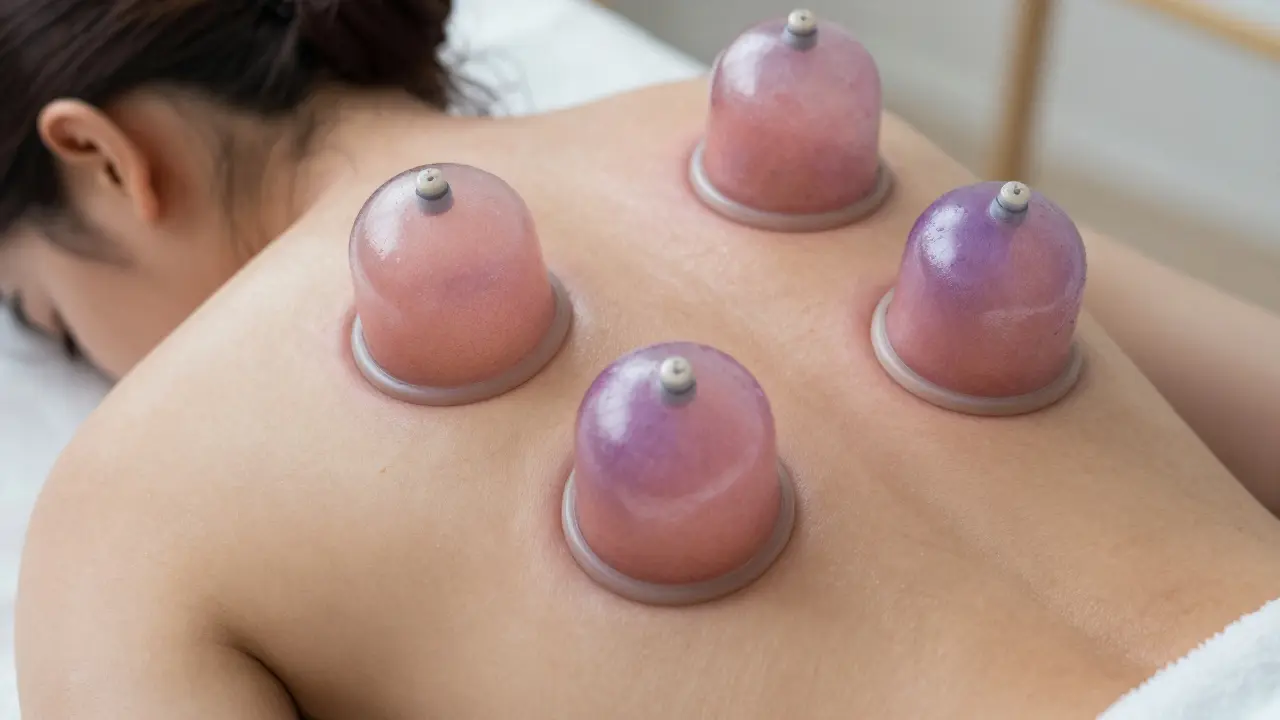
Dark spots on cupping aren't bruises-they're signs your body is releasing tension. Learn what they mean, how long they last, and if cupping is right for you.