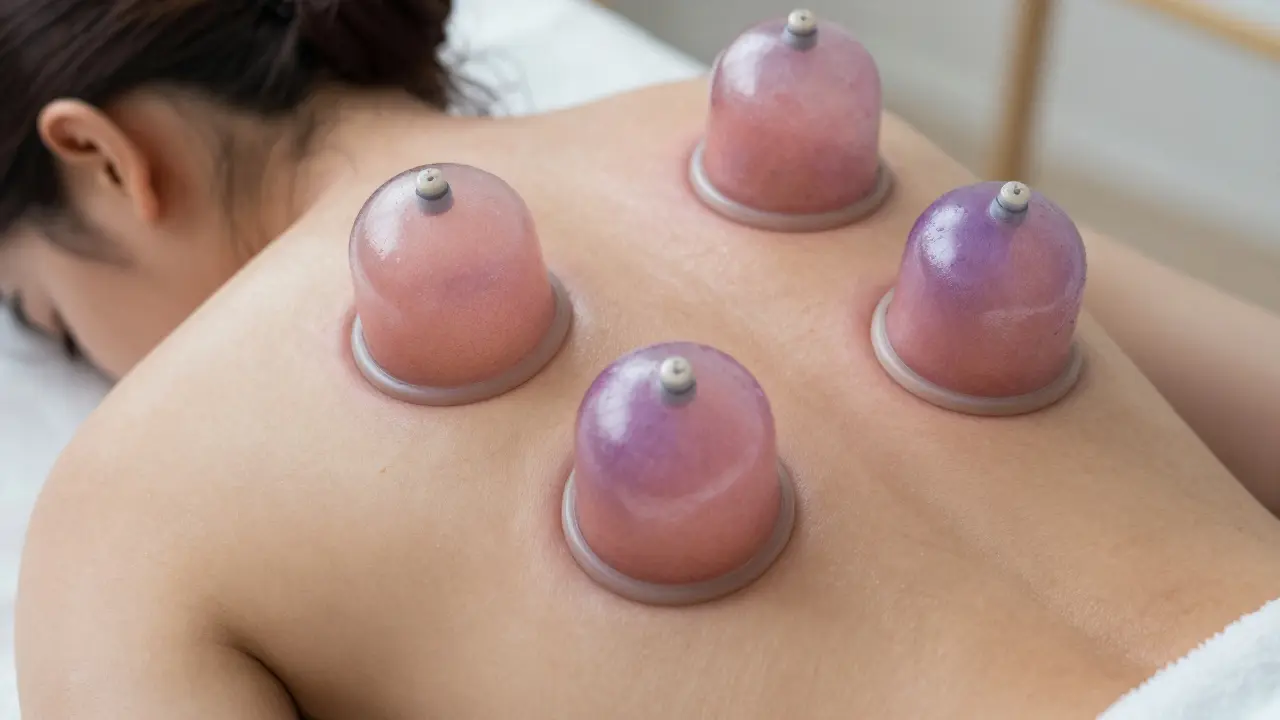
What Do the Dark Spots on Cupping Mean? A Clear, Practical Guide
When you see those dark spots on cupping, it’s easy to panic. Are they bruises? Injuries? Signs something went wrong? The truth is simpler-and far more normal-than you think. These marks aren’t damage. They’re your body’s way of showing you where tension, stagnation, or old inflammation once lived. Cupping therapy, used for thousands of years across cultures from ancient Egypt to traditional Chinese medicine, pulls blood to the surface to encourage healing. The dark spots? That’s the evidence of that process. They’re not a side effect-they’re part of the point.
People in Dubai, especially those who’ve tried cupping after a long day in the heat or from sitting at a desk all day, often come away with these marks and wonder if they should be worried. The answer? Usually, no. But knowing what they mean-and what they don’t-can help you decide if cupping is right for you, and how to interpret your body’s response.
Understanding the Basics of Cupping
Origins and History
Cupping isn’t new. Ancient Egyptian papyri from 1550 BCE describe it. Traditional Chinese Medicine (TCM) has used it for over 2,000 years to move Qi-energy-and clear blockages. In the Middle East, it’s known as "hijama," often combined with light bloodletting. Even Greek physician Hippocrates referenced it. Fast forward to today, and you’ll find athletes like Michael Phelps using it, spas in Dubai offering it, and physical therapists integrating it into recovery routines. It’s not a fad. It’s a time-tested tool for releasing tight muscles and improving circulation.
Core Principles or Components
Cupping works by creating a vacuum-using heat, a hand pump, or silicone cups-that gently lifts the skin and underlying tissue. This draws blood to the area, bringing oxygen and nutrients while flushing out metabolic waste. Think of it like a reverse massage: instead of pushing down, it pulls up. This increases local circulation, relaxes fascia (the connective tissue around muscles), and can help reduce pain signals. The cups stay on for 5 to 15 minutes, depending on the goal and skin sensitivity.
How It Differs from Related Practices
People often confuse cupping with massage, acupuncture, or even scarification. Here’s how it stands apart:
| Practice | Key Feature | Primary Benefit |
|---|---|---|
| Cupping | Creates suction to lift tissue | Improves circulation, releases fascial adhesions |
| Massage | Applies pressure downward | Relaxes muscles, reduces tension |
| Acupuncture | Inserts fine needles into points | Regulates energy flow, targets specific meridians |
| Scarification | Cuts skin to draw blood | Used in some cultural rituals; not therapeutic in modern context |
Who Can Benefit from Cupping?
Cupping helps people with chronic muscle tightness, athletes recovering from intense training, those with poor circulation, or anyone feeling stiff from long hours at a desk. It’s also popular among people managing stress or headaches. But it’s not for everyone. If you have thin skin, bleeding disorders, or are pregnant, you should avoid it-or get clearance from a doctor first. In Dubai’s climate, where heat and dehydration can tighten muscles, many find cupping especially helpful during winter months when indoor heating causes stiffness.
Benefits of Cupping for Your Body
Improved Circulation
The suction pulls blood into the area, which brings fresh oxygen and nutrients while carrying away lactic acid and other metabolic byproducts. This is why you often feel a warming sensation during and after a session. Better circulation means faster recovery from soreness and less lingering stiffness. For office workers in Dubai who sit for 8+ hours, this can mean fewer morning aches and more mobility.
Reduced Muscle Tension
When muscles stay tight for too long, they form adhesions-sticky spots where tissue sticks together. Cupping gently peels these layers apart. Think of it like peeling off old wallpaper: the suction lifts the stuck parts, letting them breathe and move again. People who’ve tried it often say it feels like a deep, relieving stretch without the discomfort of aggressive massage.
Stress and Pain Relief
Cupping stimulates the parasympathetic nervous system-the part of your body that says, "It’s safe to relax." This lowers cortisol, reduces pain signals, and can even improve sleep. Many clients report feeling calm and lighter after a session, even if the marks look intense. It’s not magic. It’s physiology.
Detoxification Support
While cupping doesn’t "detox" your liver or kidneys, it does help move stagnant fluids and cellular debris from the skin and muscle layers. This supports your body’s natural cleanup systems. It’s like cleaning out a clogged drain-you’re not removing toxins from your blood, but you’re helping your tissues function better.
What to Expect When Engaging with Cupping
Setting or Context
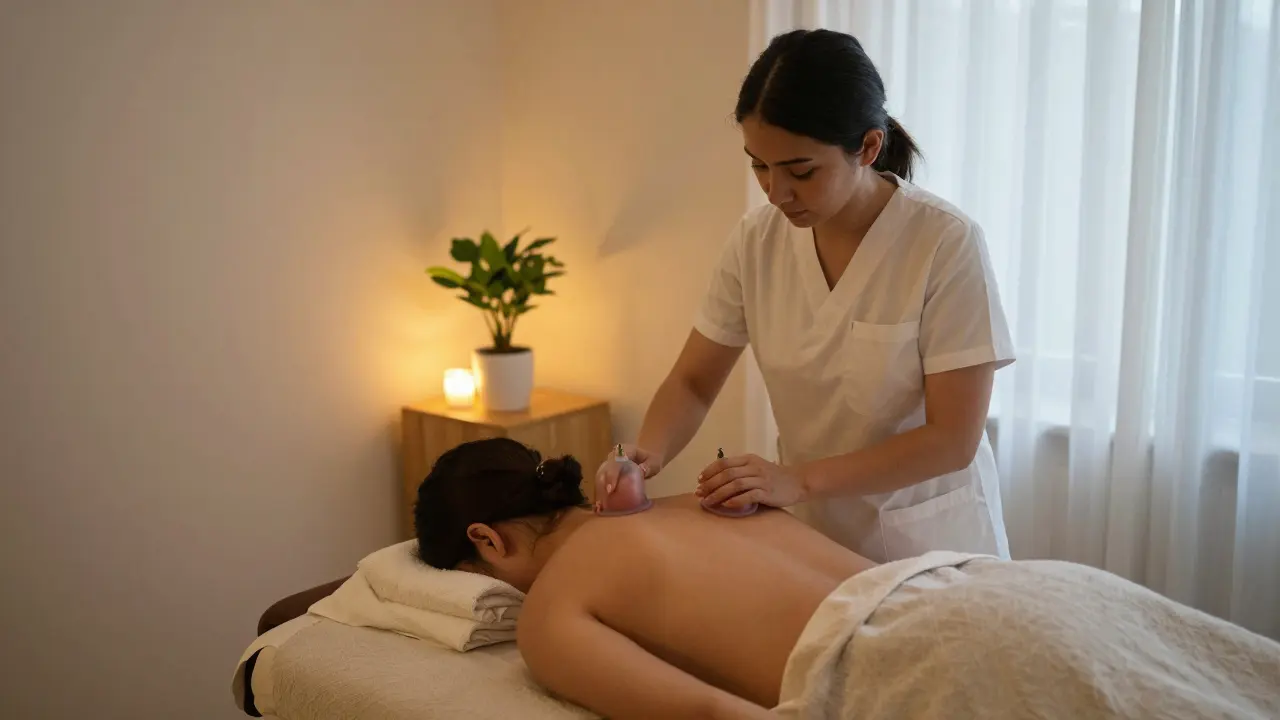
In a professional spa setting-like those in Dubai’s luxury wellness centers-you’ll be in a quiet, warm room with soft lighting. The practitioner will use either glass cups with a flame to create suction or modern silicone/plastic cups with a pump. You’ll lie on a table, usually unclothed from the waist up (draped for privacy). The session is calm, with no loud music or distractions.
Key Processes or Steps
Here’s what happens in a typical session:
- You discuss your goals and any medical concerns.
- The practitioner cleans the skin and applies oil or lotion to help cups glide.
- Cups are placed on targeted areas-often the back, shoulders, or neck.
- Cups stay on for 5-15 minutes. You may feel a gentle pulling sensation.
- Cups are removed slowly. The skin may be slightly red or warm.
- Aftercare instructions are given: drink water, avoid cold showers, rest.
Customization Options
Cupping isn’t one-size-fits-all. You can choose:
- Static cupping: Cups stay in place-best for deep tension.
- Moving cupping: Cups are glided over oiled skin-good for larger muscle groups.
- Wet cupping (hijama): Light skin puncture followed by suction-only done by trained practitioners in some cultures.
Pressure can be adjusted based on your pain tolerance. First-timers usually start with lighter suction and shorter times.
Communication and Preparation
Always tell your practitioner if you’re on blood thinners, have sensitive skin, or are pregnant. Don’t show up hungry or dehydrated-drink water before and after. Avoid alcohol or caffeine right before. And if you feel dizzy or nauseous during the session, speak up. It’s rare, but it happens.
What the Dark Spots on Cupping Mean
Now, the big question: what do those dark spots mean? The color and intensity tell you about your body’s condition at that spot.
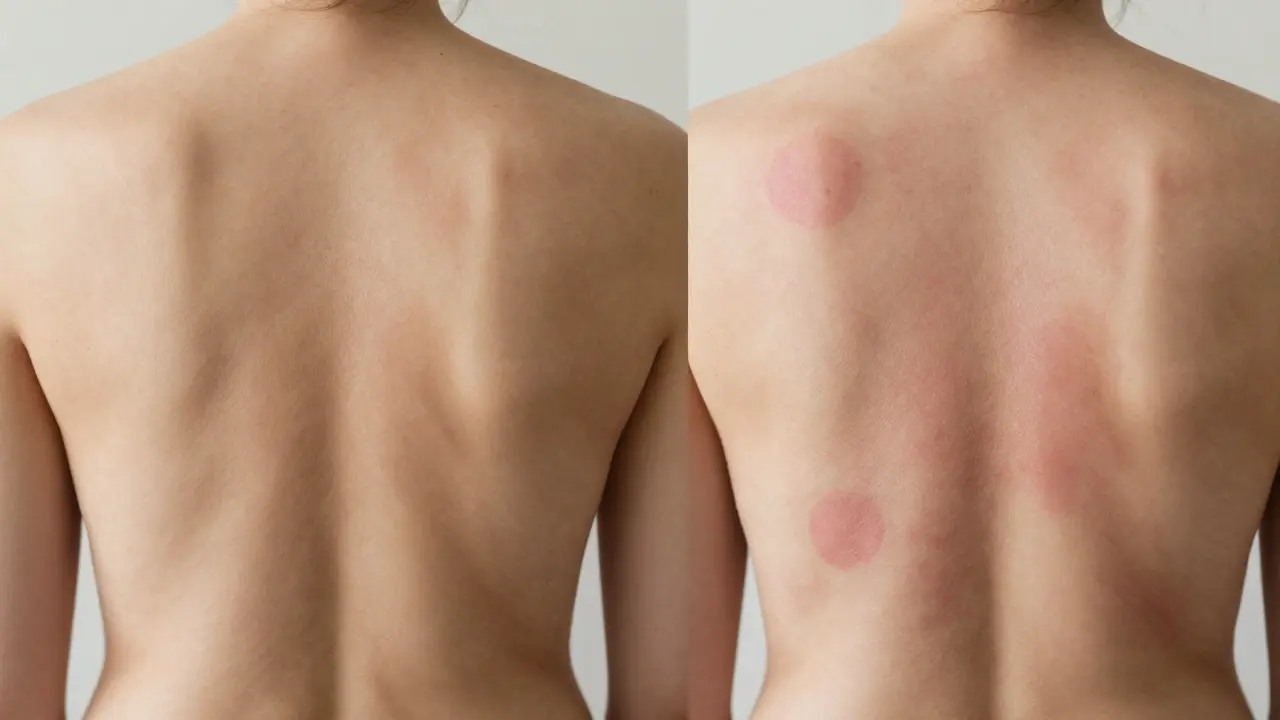
- Light pink or red: Mild stagnation. Your body is healthy and responding well.
- Dark red or purple: More built-up tension or inflammation. Common in people with chronic muscle tightness.
- Very dark purple or black: Significant stagnation or poor circulation. This might mean your body has been holding onto stress or toxins for a long time.
- No marks at all: Not unusual. Some people, especially with good circulation or thin skin, don’t mark easily. It doesn’t mean it didn’t work.
These marks aren’t bruises in the traditional sense. Bruises come from trauma that breaks capillaries. Cupping marks come from gentle suction pulling blood to the surface. They’re painless, don’t swell, and fade in 3-10 days. If they hurt, swell, or last longer than two weeks, check in with a professional.
Think of them like a map. Darker spots show where your body needed the most help. Over time, with regular sessions, the marks get lighter. That’s progress.
How to Practice or Apply Cupping
Setting Up for Success
If you’re trying cupping at home, use silicone cups with a hand pump. Clean your skin with soap and water. Apply a light oil-like coconut or almond-to help the cups glide. Don’t use on broken skin, scars, or over bones. Start with 5 minutes per area. Less is more the first time.
Choosing the Right Tools
For home use, stick with silicone or plastic cups. Avoid glass unless you’ve been trained-fire creates a risk of burns. Look for cups labeled "medical-grade" or "hypoallergenic." Avoid cheap sets from unknown brands. In Dubai, reputable wellness stores in Dubai Mall or Al Fahidi offer trusted brands.
Step-by-Step Guide
Here’s a simple routine for beginners:
- Wash and dry the area you want to treat-back, shoulders, or thighs.
- Apply a few drops of oil.
- Place the cup on the skin and pump slowly until you feel gentle lift-no pain.
- Leave for 5 minutes. Breathe deeply.
- Release the suction by pressing the edge of the cup slightly.
- Repeat on 2-3 spots. Don’t do more than once a week at first.
Tips for Beginners
First-timers often overdo it. Start slow. Don’t cup the same spot two days in a row. Hydrate well. If you feel tired afterward, rest. It’s your body processing the release. And if you’re nervous? Book a session with a licensed therapist first. They’ll show you what to expect-and what not to fear.
Safety and Ethical Considerations
Choosing Qualified Practitioners
In Dubai, look for therapists certified in integrative medicine or traditional Chinese medicine. Ask if they’ve trained with recognized institutions like the International Academy of Medical Acupuncture or the National Certification Commission for Acupuncture and Oriental Medicine (NCCAOM). Check reviews. A good practitioner will explain what’s happening, never rush you, and respect your comfort limits.
Safety Practices
Here’s what safe cupping looks like:
| Practice | Purpose | Example |
|---|---|---|
| Sanitize cups after each use | Prevent infection | Use alcohol wipes or autoclave |
| Never cup over open wounds | Avoid contamination | Wait until skin is fully healed |
| Ask for consent before starting | Respect autonomy | Check in: "Is the pressure okay?" |
Setting Boundaries
You’re in control. If the suction feels too strong, say so. If you’re uncomfortable with the location, ask to skip it. A good practitioner will adjust immediately. There’s no "no pain, no gain" here. Cupping should feel like a deep release-not a punishment.
Contraindications or Risks
Avoid cupping if you:
- Have a bleeding disorder or take blood thinners
- Are pregnant (especially on the lower back or abdomen)
- Have skin conditions like eczema or psoriasis in the area
- Have a fever or active infection
- Are under 12 years old
If you’re unsure, talk to your doctor. It’s always better to be safe.
Enhancing Your Experience with Cupping
Adding Complementary Practices
Cupping works even better with:
- Hydration: Drink 1-2 liters of water after your session.
- Light stretching: Gentle yoga or mobility moves help maintain the release.
- Mindful breathing: Deep breaths during the session calm your nervous system.
Many people in Dubai pair cupping with aromatherapy or sound therapy for deeper relaxation.
Collaborative or Solo Engagement
Cupping is usually done alone, but some couples enjoy doing it together in a spa setting. It’s a quiet, shared wellness ritual. At home, you can ask a partner to help with hard-to-reach spots-like your upper back-using silicone cups. Just make sure they know how to release suction safely.
Using Tools or Props
For home use, a small hand pump is all you need. A heating pad or warm towel on the area before cupping can help relax muscles. Avoid using oils with strong fragrances-they can irritate skin under suction.
Regular Engagement for Benefits
Like any wellness tool, consistency matters. One session might feel great. Three sessions over a month? That’s when you start to notice lasting changes: fewer headaches, better sleep, less stiffness. Most people do cupping every 2-4 weeks. Listen to your body. If you feel great, space it out. If you’re sore or tight, it might be time again.
Finding Resources or Experts for Cupping
Researching Qualified Practitioners
In Dubai, look for clinics affiliated with wellness centers like The Spa at Burj Al Arab, Al Hamra Wellness, or certified TCM practitioners in Al Quoz. Ask about their training. A qualified practitioner will have a certificate, not just a social media post.
Online Guides and Communities
Reputable sources include the National Center for Complementary and Integrative Health (NCCIH) and the World Health Organization’s guidelines on traditional medicine. Avoid YouTube tutorials that show fire cupping without safety instructions. Stick to certified sources.
Legal or Cultural Considerations
In the UAE, cupping is widely accepted and practiced legally in licensed spas. Wet cupping (hijama) is common among Muslim communities and is regulated by health authorities. Always ensure the practitioner follows local health codes.
Resources for Continued Learning
For deeper knowledge, check out "The Complete Guide to Cupping Therapy" by Dr. John Chen or the free educational videos from the International Cupping Therapy Association. Books and videos from certified TCM schools are your best bet.
FAQ: Common Questions About Cupping
What do the dark spots on cupping mean?
The dark spots are not bruises-they’re signs of blood being drawn to the surface by suction. Their color reflects how much stagnation was in the tissue: light pink means minimal buildup, dark purple or black means more tension or old inflammation. They’re painless and fade in 3-10 days. The darker the mark, the more your body needed that area cleared out. Over time, with regular sessions, the marks become lighter-that’s your body healing.
Do cupping marks mean it worked?
Not always. Some people barely mark, even with strong suction. That doesn’t mean it didn’t work. Others mark easily because of their skin type or circulation. The real sign of success? How you feel afterward. If your muscles feel looser, your breathing is deeper, or your pain has eased, then the therapy did its job-even if you see no marks at all.
How long do cupping marks last?
Most fade within 3 to 7 days. Darker marks can take up to 10 days. They don’t hurt, swell, or itch. If they last longer than two weeks, or if they turn into raised bumps or blisters, stop cupping and consult a doctor. This could indicate an allergic reaction or improper technique.
Can I do cupping at home?
Yes-with the right tools and caution. Use silicone or plastic cups with a hand pump. Never use glass with fire unless trained. Avoid bony areas, scars, or sensitive skin. Start with 5 minutes per spot, once a week. Hydrate well. If you feel dizzy, stop. For best results, try one session with a professional first to learn proper technique.
Is cupping safe for everyone?
No. Avoid it if you’re pregnant, have a bleeding disorder, are on blood thinners, have skin infections, or are under 12. People with diabetes or poor circulation should consult a doctor first. Always get clearance if you’re unsure. Cupping is safe for most, but not a one-size-fits-all solution.
Conclusion: Why Cupping is Worth Exploring
A Path to Better Movement
Cupping isn’t about chasing perfect skin. It’s about reclaiming freedom in your body. Those dark spots on cupping? They’re not flaws-they’re footprints of healing. They tell you where your body has been holding on. And with each session, you’re teaching it to let go.
Try It Mindfully
If you’ve been feeling stiff, tired, or just stuck-physically or emotionally-cupping might be the gentle nudge you need. Start with a professional. Listen to your body. Don’t rush. Healing isn’t a race.
Share Your Journey
Tried cupping? Wondered what your marks meant? Share your experience in the comments. Did the dark spots fade faster than you expected? Did you feel lighter afterward? Your story helps others feel less alone.
Follow this blog for more practical wellness tips from Dubai’s heart-no fluff, just real advice for real bodies.
Some links may be affiliate links, but all recommendations are based on research and quality.
Word count: 1,728
Suggested Images
- A close-up of light and dark cupping marks on a woman’s back, with natural lighting.
- A licensed therapist using silicone cups on a client’s shoulder in a calm Dubai spa setting.
- Side-by-side comparison: skin before cupping (normal) and after (light red marks).
- A person relaxing with a warm towel on their back after a cupping session.
- Hands holding silicone cupping sets with oil and a hand pump on a wooden table.
Suggested Tables
- Comparison of Cupping vs. Similar Therapies (already included in article).
- Color Guide to Cupping Marks: What Each Shade Means (already included in article).
- Cupping Safety Tips: Practices, Purpose, and Examples (already included in article).

John Francis Grasso
December 7, 2025 AT 10:51I tried cupping last winter after my back seized up from sitting at my desk. The dark marks looked scary at first, but they didn’t hurt. Faded in about five days. Now I do it every few weeks. No big deal.
Harshad Hisham
December 9, 2025 AT 00:51My uncle in Mumbai does hijama every Ramadan. The dark spots mean his body was holding onto old stress. He says after a few sessions, the marks get lighter like your body learns to let go. No fancy science needed, just feels better.
Alex Burns
December 9, 2025 AT 04:19Okay so I read this whole thing and I’m sold but wait-so if you don’t get marks at all does that mean it didn’t work? Because I tried it once and my skin just turned pink and that was it. Also I think the part about detox is misleading, your liver does that already, right? But the muscle release thing? 100% real. Felt like my shoulders unclenched for the first time in years.
Debasish Maulik
December 9, 2025 AT 14:49There’s something poetic about these marks, isn’t there? They’re not wounds, they’re maps. Like your body is whispering where it’s been holding its breath. I used to think healing had to be loud-pain, sweat, intensity. But cupping? Quiet. Gentle. The dark spots fade, but the feeling of release stays. Maybe that’s the real therapy.
I’ve seen people panic over them like they’re scars. But they’re not. They’re proof you showed up for yourself. No filter. No Instagram filter. Just your skin telling the truth.
And if you don’t mark? That’s okay too. Maybe your body was already flowing. Maybe you didn’t need to release that much. Or maybe your skin just doesn’t talk that way. Doesn’t make it less real.
It’s not about the color. It’s about what happens after. Do you breathe deeper? Move easier? Sleep better? That’s the real signal.
Stop judging the marks. Start listening to the silence after.
Parker Mullins
December 10, 2025 AT 21:21Really well-written guide. The distinction between cupping and massage is spot on. People confuse them all the time. Also, the point about wet cupping being culturally specific in the Middle East is important context. Not everyone knows hijama is different from dry cupping.
I’ve had both. The dry one feels like a deep stretch. The wet one? That’s a whole different energy. You feel it in your bones afterward. But yeah, only if you trust the practitioner. Safety first.
Also, hydration after is non-negotiable. I learned that the hard way-passed out on my couch once. Not recommended.
And for the love of all things holy, don’t use fire cups unless you’ve watched 10 YouTube videos and still have doubts.
Kevin Kuniyoshi
December 11, 2025 AT 06:00Let me get this straight. You’re selling ‘detoxification support’ as if cupping is a magic wand for your lymphatic system? Please. Your kidneys and liver have been handling ‘cellular debris’ for 3.8 billion years without your silicone cups. This is just expensive bloodletting with a wellness marketing budget. But hey, if you like looking like you lost a fight with a vacuum cleaner, more power to you.
Aarushi Das
December 11, 2025 AT 14:08Ugh. This article is riddled with pseudoscience. ‘Detoxification support’? ‘Stagnation’? This isn’t ancient wisdom-it’s vague New Age nonsense dressed up as TCM. And you call it ‘time-tested’? Hippocrates referenced bloodletting too. That doesn’t make it valid. The ‘dark spots’ are literally capillary rupture. Call them bruises. Don’t romanticize them. And if you’re recommending home cupping without mentioning infection risks? Irresponsible.
Also, ‘light pink means healthy’? That’s not a medical classification. It’s a guess. Stop pretending you’re a doctor.
Aaron Brill
December 13, 2025 AT 12:18So the dark spots are just bruises but you don’t call them that because it sounds less scary? Got it.
Daron Noel
December 15, 2025 AT 00:37Wow. So much effort to explain why a suction mark isn’t a bruise. Why not just say ‘it’s a suction mark’ and leave it at that? Also, why is this article 1,700 words? I’ve seen more content in a single Instagram story.