Cupping Bruising: What It Means, Why It Happens, and What to Expect
When you see dark circles on someone’s back after a session, it’s not a bruise from an accident—it’s cupping bruising, the visible result of suction therapy used for centuries to release muscle tension and improve circulation. Also known as cupping marks, these rings are a sign the treatment worked, not that something went wrong. This isn’t a side effect—it’s the point. The suction pulls blood to the surface, loosens tight tissue, and triggers your body’s natural healing response. What looks like a bruise is actually your body’s way of signaling increased blood flow to an area that needed it.
Not everyone gets the same marks. Some people walk away with faint pink circles; others have deep purple rings that last a week. It depends on your skin sensitivity, how long the cups stayed on, and how much tension was in your muscles. People with chronic pain or tight shoulders often show darker marks because their tissues are more restricted. cupping therapy, a traditional method used in Chinese, Middle Eastern, and Egyptian medicine, works best when it’s tailored to your body—not forced into a one-size-fits-all pattern. And while the marks can look intense, they’re not painful. Most people feel a deep release, not discomfort, during and after.
But here’s what most people don’t know: cupping contraindications, conditions that make cupping unsafe exist for a reason. If you’re on blood thinners, have thin skin, are pregnant, or have open wounds, cupping can cause real harm—not just darker marks, but actual injury. That’s why a good therapist checks your history before starting. cupping safety, the practice of applying suction in a way that respects your body’s limits isn’t about how strong the suction is—it’s about knowing when to stop. Too much pressure, too long, or on the wrong person? That’s when you risk more than just a mark.
And yes, you’ll see these marks on people in Dubai spas—even in luxury settings. But they’re not just for show. In a city where stress and heat pile up, cupping helps reset the nervous system, reduce inflammation, and ease stiffness from long hours at a desk or in the sun. The marks fade, but the relief lasts. What you’re seeing isn’t damage. It’s your body’s cleanup crew at work.
Below, you’ll find real guides from people who’ve been through it—what the marks mean, who should avoid cupping, how long they last, and how to tell if what you’re seeing is normal or a red flag. No hype. No fluff. Just what actually happens after the cups come off.
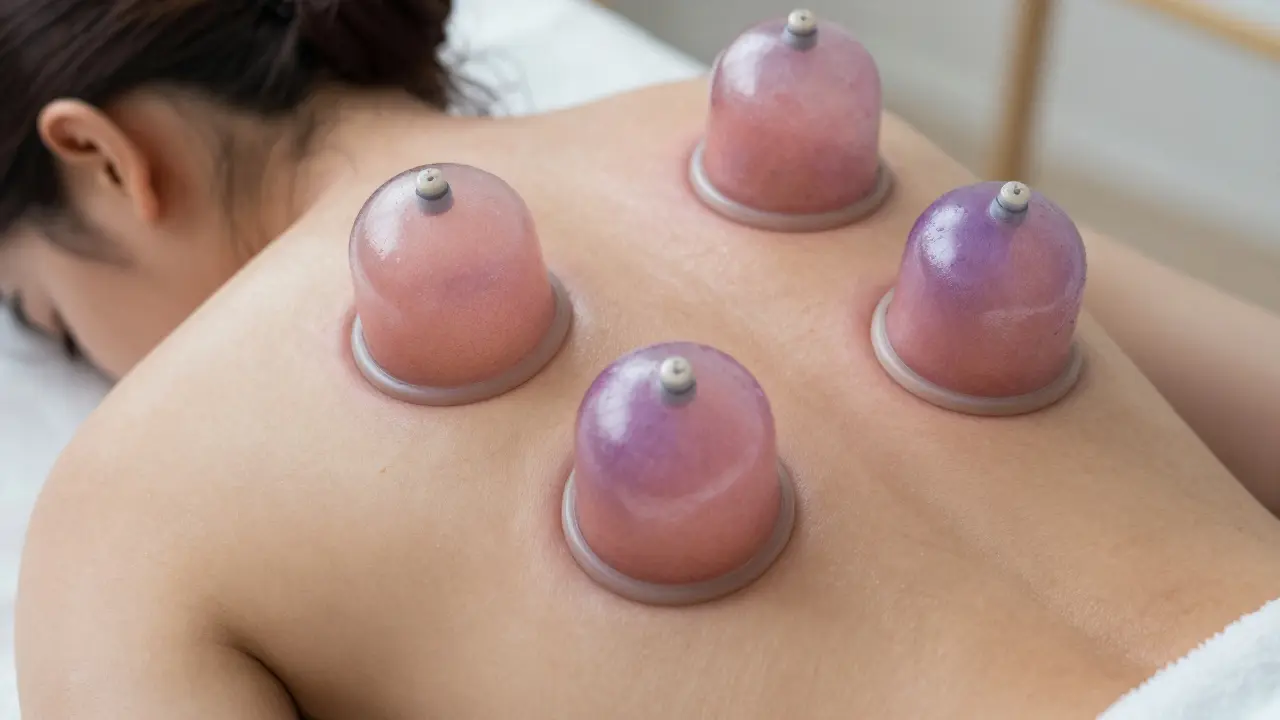
Dark spots on cupping aren't bruises-they're signs your body is releasing tension. Learn what they mean, how long they last, and if cupping is right for you.