Cupping Healing Signs: What Your Body Tells You After Treatment
When you get cupping therapy, a traditional treatment that uses suction to pull blood to the skin’s surface, often used for pain relief and muscle recovery. Also known as hijama, it’s not just about leaving round marks—it’s about what those marks reveal about your body’s state. The dark circles you see after a session? They’re not bruises. They’re cupping healing signs, visible indicators of where toxins, tension, or stagnation were pulled from deeper tissues. These signs vary from person to person, and understanding them helps you know if the treatment is working—or if your body needs something different.
Some people get pale pink marks that fade in hours. Others see deep purple or even black circles that last a week. The color and duration tell you about your circulation, inflammation, and how much stagnation was trapped under your skin. Darker marks usually mean more stagnation—think old injuries, chronic tightness, or poor lymph flow. Lighter marks? Your body’s already moving well. If you feel warmer right after, that’s a good sign: your blood is flowing. If you feel a sudden rush of calm or sleepiness, that’s your nervous system resetting. But if you feel dizzy, nauseous, or worse, that’s a signal to pause and check with your therapist. Cupping isn’t magic—it’s a feedback system.
It’s not just about the marks. The real healing signs are how you feel days later. Do your shoulders stay loose? Does your headache disappear? Are you sleeping deeper? Those are the true signs cupping is working. The marks fade. The relief lasts. And that’s what matters. Some people think cupping is only for athletes or people with back pain. But in Dubai’s wellness scene, it’s also used for stress, digestion issues, and even immune support. You don’t need to be in pain to benefit. You just need to pay attention to what your body tells you after the cups come off.
But not everyone should do it. If you’re on blood thinners, pregnant, or have skin conditions like eczema or open wounds, cupping can do more harm than good. That’s why knowing the cupping contraindications, conditions that make cupping unsafe, including certain medications, recent surgeries, or blood disorders is just as important as reading the marks. A good therapist will ask about your health before starting—not just to follow rules, but to keep you safe.
What you’ll find in the posts below are real stories and clear explanations about what cupping healing signs mean, who should avoid it, and how to tell if your body is responding the way it should. No fluff. No hype. Just what to look for, what to ignore, and how to use the feedback your body gives you after every session.
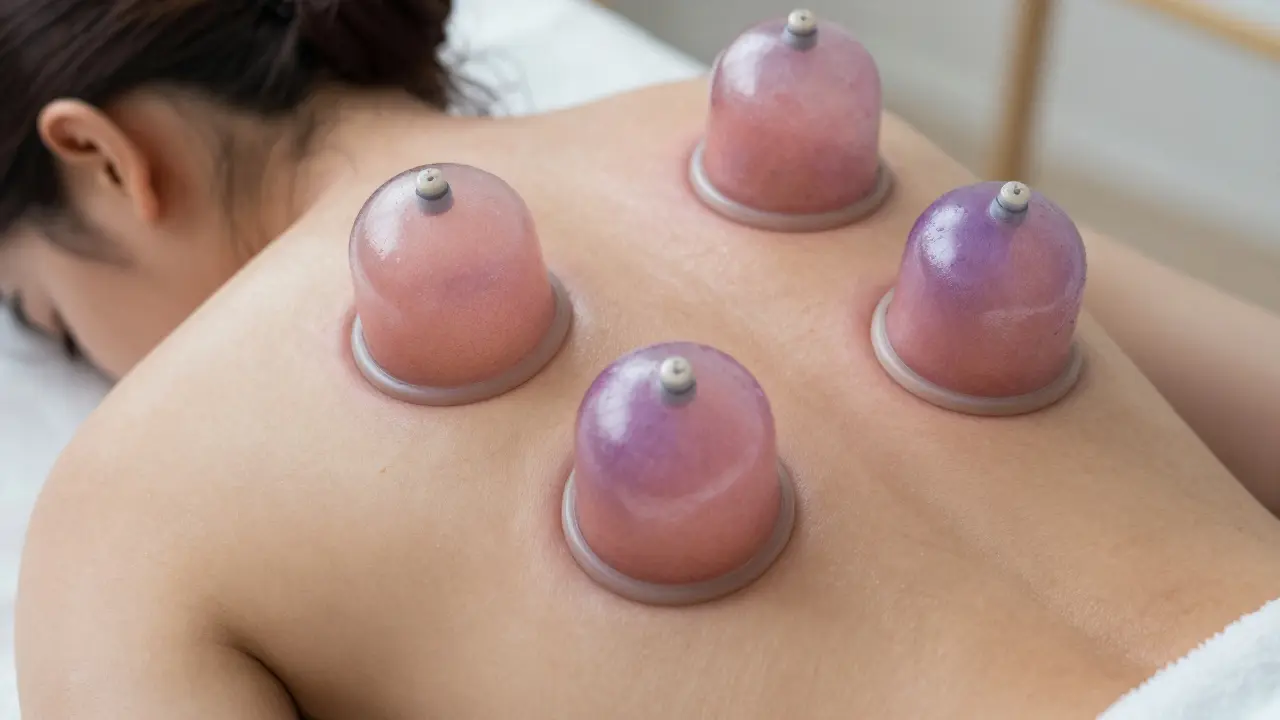
Dark spots on cupping aren't bruises-they're signs your body is releasing tension. Learn what they mean, how long they last, and if cupping is right for you.