Dark Spots on Cupping: What They Mean and How to Handle Them
When you see dark spots on cupping, discolorations left on the skin after cupping therapy. Also known as cupping marks, these aren’t bruises from injury—they’re the result of blood being drawn to the surface by suction. In Dubai’s busy spas, it’s one of the most asked-about side effects. People walk in expecting smooth skin and walk out with purple or red circles, then panic. But here’s the truth: these spots are normal for many, especially after deep cupping sessions aimed at releasing muscle tension or clearing stagnation.
Cupping therapy, an ancient practice using glass or silicone cups to create suction on the skin. Also known as cupping, it’s been used for centuries across cultures—from Chinese medicine to Middle Eastern hammams. In Dubai, it’s popular for back pain, stress relief, and even detox claims. But not everyone reacts the same. Fair skin shows marks more easily. People with poor circulation or who haven’t had cupping before often get darker spots. Those on blood thinners or with sensitive skin? They’re more likely to see strong discoloration, which is why cupping safety, the set of guidelines to avoid harm during cupping sessions. Also known as cupping contraindications, it includes knowing who should avoid the treatment matters so much. If the spots last more than two weeks, sting, or come with swelling, that’s not normal. That’s your body saying something’s off.
Most dark spots fade in 3 to 7 days. Lighter ones? Gone in 48 hours. The color tells a story: bright red means recent, active circulation; dark purple suggests older stagnation or deeper tension. Spots that look like bruises but don’t hurt? Usually fine. But if your therapist leaves cups on too long or uses too much suction, you’re at risk of skin damage. That’s why choosing a licensed spa in Dubai matters—someone trained knows how to adjust pressure based on your skin, health, and goals. You shouldn’t need to guess if the marks are safe. The therapist should explain them before, during, and after.
There’s no magic cream to make them vanish faster. Cold compresses help with discomfort. Moisturizing keeps skin healthy. But the biggest thing you can do? Wait. And listen to your body. If you’re getting spots after every session, maybe the intensity needs to drop. Or maybe cupping isn’t the right fit for you right now. It’s not a badge of honor. It’s feedback.
Below, you’ll find real guides from Dubai spas that break down exactly what causes these marks, who should skip cupping, how to tell if it’s healing or hurting, and what to do after your session to feel better—not worse. No fluff. Just clear answers from people who do this every day.
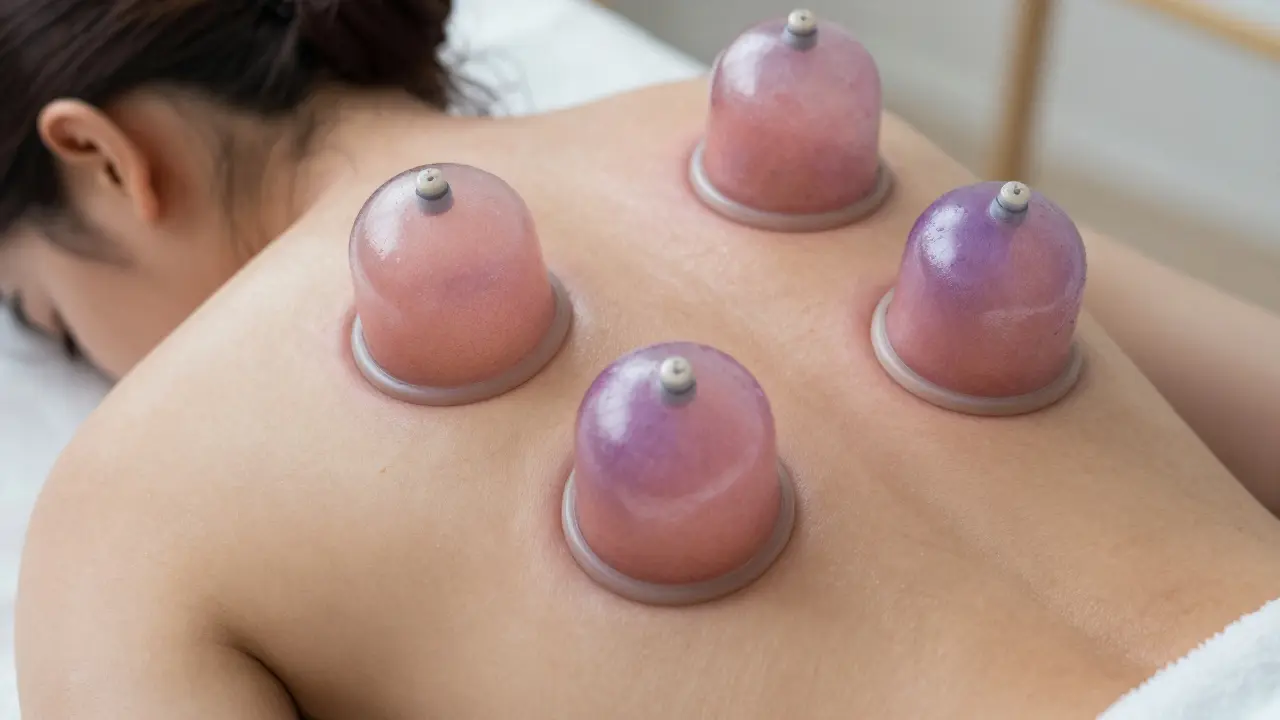
Dark spots on cupping aren't bruises-they're signs your body is releasing tension. Learn what they mean, how long they last, and if cupping is right for you.