Dubai Massage Laws: What You Need to Know About Spa Rules and Etiquette
When it comes to Dubai massage laws, the official rules governing professional massage services in Dubai, including gender restrictions, modesty standards, and licensed spa requirements. Also known as UAE spa regulations, these rules exist to protect both clients and therapists while respecting local culture and religious norms. Unlike other cities where massage is casual or open-ended, Dubai treats bodywork as a regulated wellness service—not a free-for-all. This means what’s allowed in a spa here isn’t just about comfort—it’s about legality.
One of the biggest concerns people have is about gender. Can a woman massage a man in Dubai? Yes—but only in licensed, professional spas that follow strict guidelines. The same goes for male therapists working on female clients. These rules aren’t about discrimination; they’re about creating safe, respectful spaces. Many spas in Dubai offer same-gender sessions by default, and some even have separate areas for men and women. This isn’t just tradition—it’s the law. The Dubai Health Authority requires all massage therapists to be licensed, and unlicensed providers can face serious penalties. You won’t find this level of oversight in every country, but in Dubai, it’s non-negotiable.
Then there’s the question of what’s allowed during a session. No intimate touch. No romantic or sensual behavior. Even if a spa calls it a "romantic massage," the techniques must stay therapeutic. The term halal massage Dubai, a type of massage that follows Islamic principles of modesty, touch boundaries, and gender separation. Also known as Islamic massage etiquette, it ensures treatments stay within cultural and religious limits. This isn’t about restriction—it’s about clarity. You know exactly what to expect. And if you’re unsure, ask the spa. Reputable places will explain their policies upfront. You’ll also find rules around clothing: you’re never forced to remove more than you’re comfortable with. Bras, underwear, or even full clothing can stay on—it’s your call. Therapists use draping techniques to protect your privacy at all times.
And don’t forget: tipping isn’t required, but it’s common. Some people leave 10-15% as a thank-you, especially if the therapist went out of their way. But if you’re not sure, just ask. There’s no shame in not tipping—it’s not part of the law. What matters is that you’re treated with dignity. These laws exist because Dubai’s wellness industry has grown fast, and the government stepped in to keep it clean, safe, and respectful. Whether you’re a visitor or a resident, understanding these rules means you can relax without worry. Below, you’ll find real guides from people who’ve been through it—covering everything from what to wear in a steam room to whether a female therapist can work on a male client. No myths. No fluff. Just what works in Dubai.
Learn the truth about massages in Dubai: where they're legal, how to find safe spas, cultural rules to follow, and what to expect during your session. A local’s practical guide.
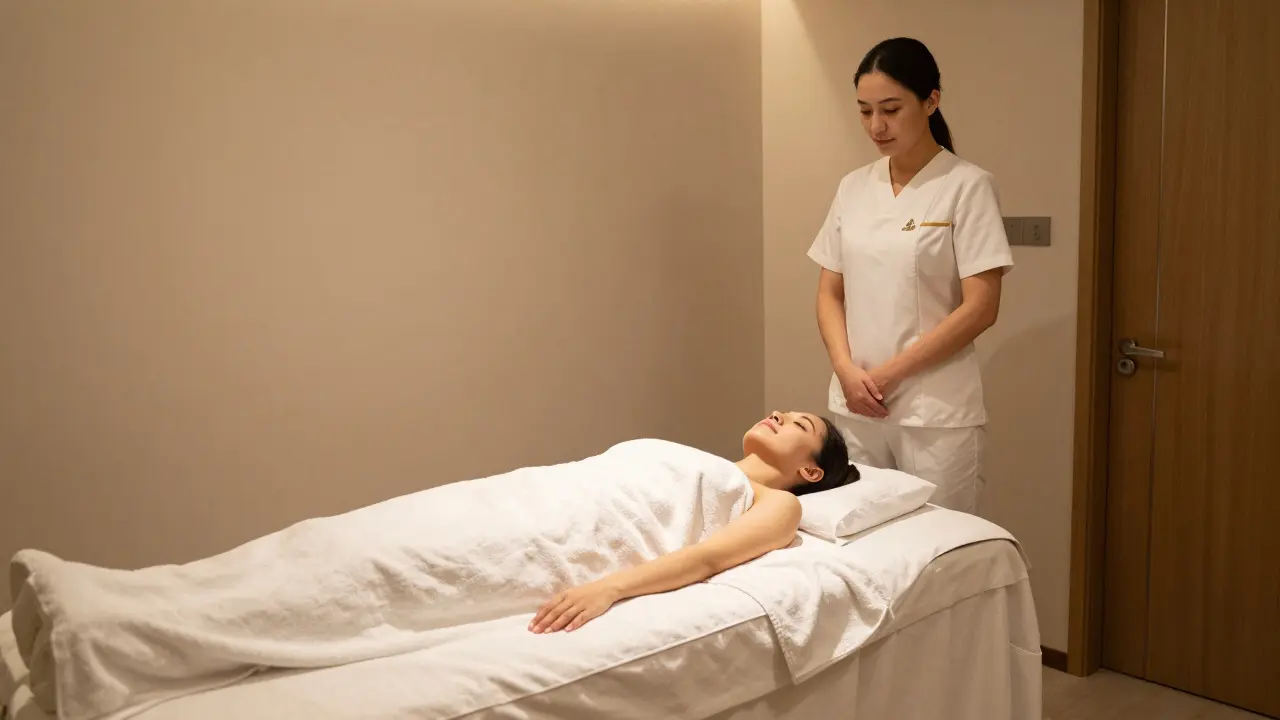
Learn the truth about massage in Dubai: can a masseuse touch private areas? Get clear, legal, and culturally informed guidelines to ensure your safety and comfort during any spa visit.
Learn the truth about massage in Dubai: why asking for a happy ending is illegal, what actually happens during a legal session, and how to enjoy a safe, relaxing experience without risking fines or deportation.