Post-Massage Care: Essential Tips for Fast Recovery
When it comes to post-massage care, the set of actions you take after a treatment to keep the benefits flowing. Also known as massage aftercare, it balances relaxation with gentle activity, so you stay refreshed instead of sore. Below we break down the key steps you can start using today.
One of the first pillars of good hydration, replenishing fluids lost during a massage is drinking water. A massage can mobilize fluids in your tissues, and sipping a glass of water within 30 minutes helps flush out toxins and supports muscle repair. Aim for at least 500 ml of room‑temperature water; if you prefer flavor, add a slice of lemon or cucumber for a soothing boost.
Next, consider stretching, light, controlled movements that keep muscles supple after pressure work. Simple neck rolls, shoulder shrugs, and ankle circles take about five minutes and prevent stiffness. The idea is not to push into a deep stretch but to maintain the lengthened state the therapist created. When you move through a gentle range of motion, blood flow stays elevated, carrying nutrients to the tissues that need them most.
Safety is another crucial component. massage safety, practices that protect you from over‑exertion or injury after a session means listening to your body. If any area feels unusually sore, give it extra rest and avoid high‑impact activities for 24‑48 hours. Apply a cool compress if you experience lingering heat, and skip hot tubs or saunas right after a deep tissue session—these can exacerbate inflammation.Nutrition also plays a subtle but powerful role. A balanced snack containing protein and healthy fats, such as Greek yogurt with nuts, supplies the amino acids your muscles need to rebuild. Pair it with a fruit for a quick carbohydrate hit, and you’ll keep energy levels steady without a crash.
Putting It All Together: A Simple Post-Massage Routine
Start with water, then do a short stretch series, follow with a light snack, and finish with a brief check‑in on how you feel. If any discomfort lingers, adjust the routine: add an extra glass of water, lengthen the stretching time, or give the area a gentle self‑massage using a foam roller. This loop creates a feedback system that reinforces the therapist’s work and turns a single session into lasting wellness.
Beyond the basics, many people find that journaling their sensations helps track progress. Write down which techniques felt best, any areas of tension, and how your body responded over the next day. Over weeks, patterns emerge, guiding you toward the types of massages and aftercare steps that work best for you.
Finally, remember that every body reacts differently. Some clients love a hot shower right after, while others need a cool rinse. Experiment within safe limits, and you’ll discover the exact recipe that keeps you feeling loose, energized, and ready for the day.
Ready to dive deeper? Below you’ll find a curated collection of articles that explore each of these topics in detail—how to choose the right water intake, specific stretch sequences for different muscle groups, safety FAQs, and more. Let’s keep the conversation going and make your post‑massage recovery as enjoyable as the treatment itself.
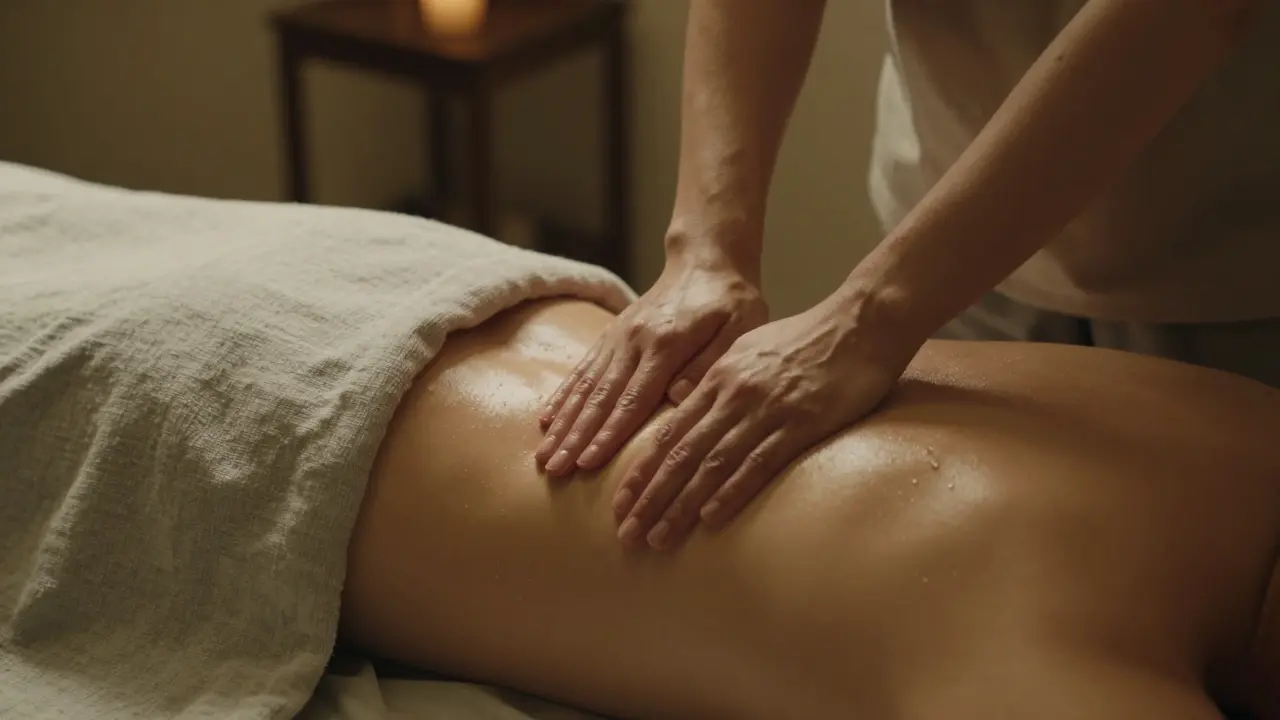
Discover why you shouldn't shower right after a deep tissue massage. Learn the science behind post-massage care, how to maximize recovery, and what to avoid for lasting pain relief and muscle healing.

Discover whether to shower after an aromatherapy massage, learn the science behind oil absorption, and get a step‑by‑step guide to optimal post‑massage care.