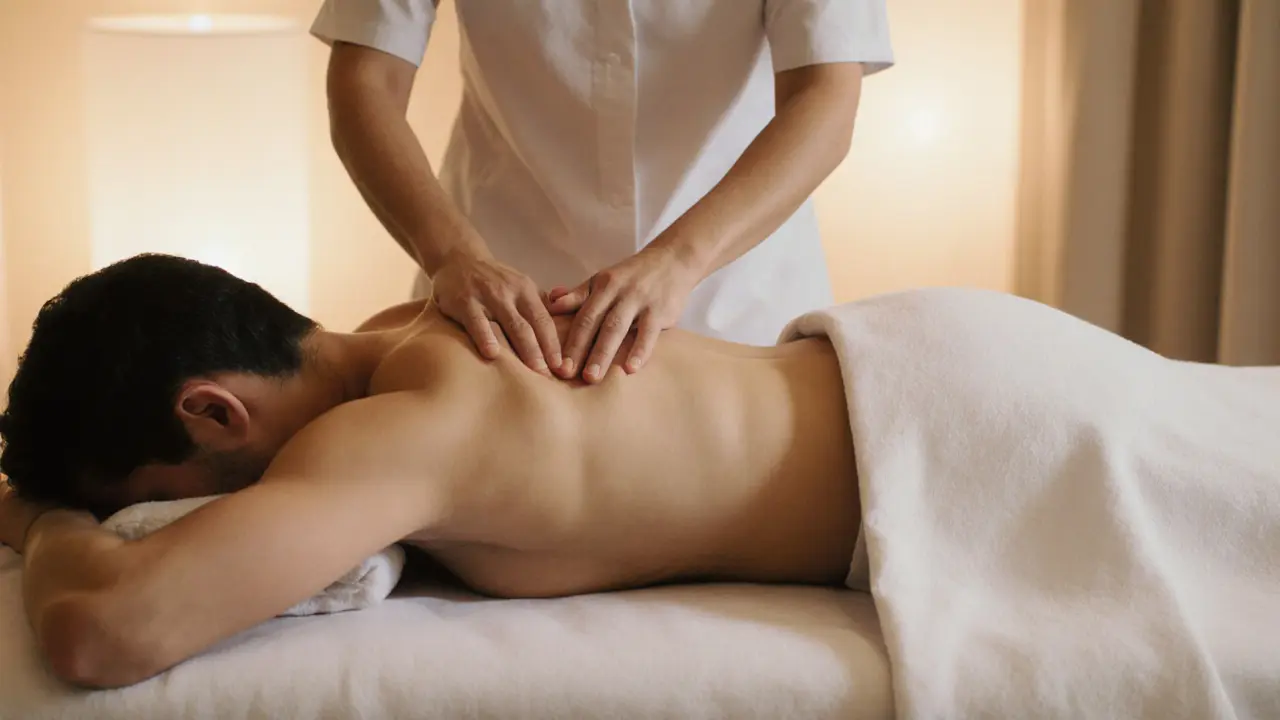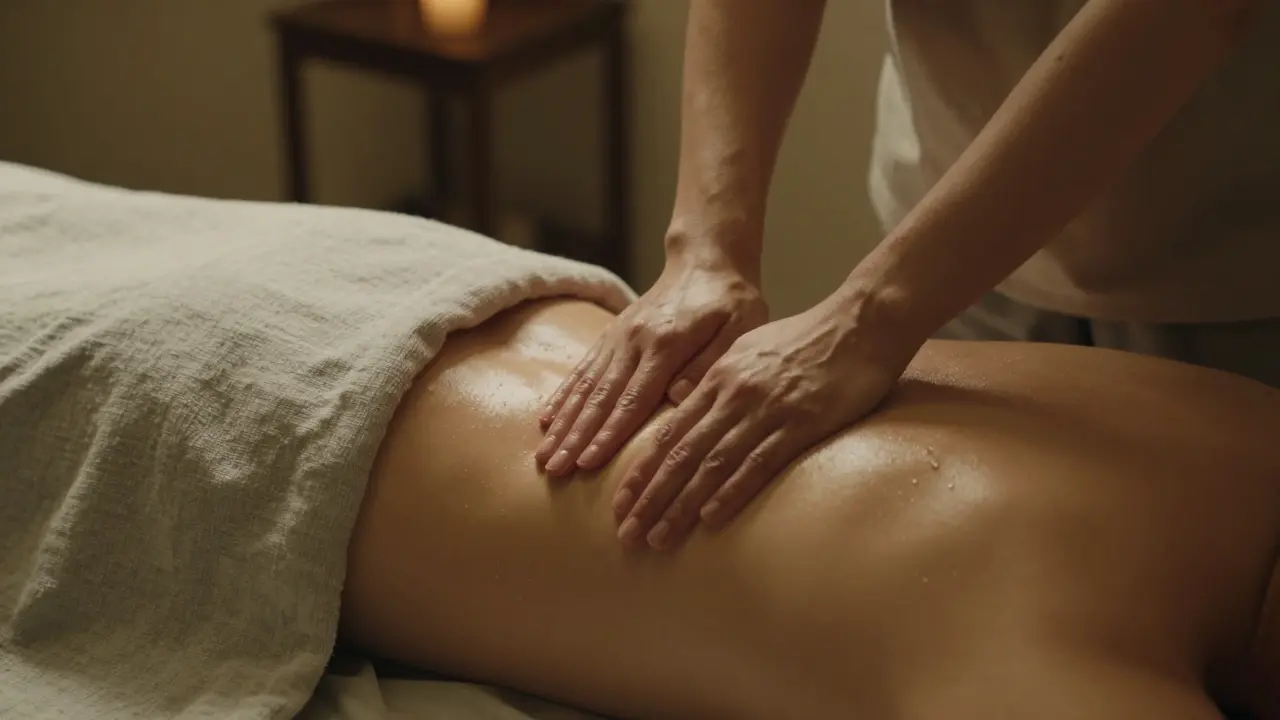
deep tissue massage is one of the most effective therapies for chronic muscle tension, sports injuries, and deep-seated stress. But if you’ve ever walked out of a session feeling amazing-only to be told not to shower right away-you might have wondered: Why? It’s not just an old wives’ tale. There’s real science behind it. Skipping the shower for a few hours after a deep tissue massage isn’t about being fussy-it’s about letting your body do its job.
Understanding the Basics of Deep Tissue Massage
Origins and History
Deep tissue massage traces its roots back to ancient healing traditions, but its modern form emerged in the 1940s as a more targeted approach to physical therapy. Unlike Swedish massage, which focuses on relaxation, deep tissue massage works at the deeper layers of muscle and connective tissue. It was developed to address chronic pain, posture issues, and scar tissue buildup. Therapists use slow strokes, firm pressure, and sometimes elbow or forearm techniques to break up adhesions-those stubborn knots that form from injury, overuse, or stress.
Core Principles or Components
The goal of deep tissue massage is to release chronic muscle tension by applying pressure beyond the surface layer. It targets the fascia (the connective tissue surrounding muscles), tendons, and ligaments. This isn’t just about rubbing harder-it’s about precision. A skilled therapist will isolate specific muscle groups, use friction to loosen stuck fibers, and encourage blood flow to areas that have been tight for months or even years. The process can be intense, sometimes uncomfortable, but the payoff is improved mobility, reduced pain, and better circulation.
How It Differs from Related Practices
Many people confuse deep tissue massage with Swedish massage or sports massage. Here’s how they stack up:
| Practice | Key Feature | Primary Benefit |
|---|---|---|
| Deep Tissue Massage | Firm pressure, slow strokes, focused on deep muscle layers | Breaks down chronic tension and scar tissue |
| Swedish Massage | Light to moderate pressure, long flowing strokes | Relaxes the nervous system, improves circulation |
| Sports Massage | Dynamic techniques, pre- and post-event timing | Enhances performance, reduces muscle soreness after activity |
Who Can Benefit from Deep Tissue Massage?
This therapy is ideal for athletes, desk workers with tight shoulders, people recovering from injuries, or anyone dealing with persistent back, neck, or hip pain. It’s not for everyone-those with acute inflammation, osteoporosis, or recent surgery should avoid it. But for those with long-term muscle stiffness, it can be life-changing.
Benefits of Deep Tissue Massage for Your Body
Reduced Chronic Pain
Chronic pain often comes from muscles that have been stuck in contraction for years. Deep tissue massage physically separates these tight fibers, allowing blood and oxygen to flow again. This reduces the buildup of lactic acid and other metabolic waste that contributes to soreness. Research from the Journal of Clinical Psychiatry suggests that regular deep tissue sessions can significantly lower pain scores in people with lower back pain and fibromyalgia.
Improved Range of Motion
When muscles are stuck in a shortened state, your joints can’t move freely. Deep tissue work helps restore natural length to those tissues. Many clients report that after a few sessions, they can finally touch their toes, turn their head without discomfort, or lift their arms overhead without pain. It’s not magic-it’s mechanics.
Enhanced Recovery
After a tough workout or injury, your body needs to repair. Deep tissue massage increases circulation, which delivers nutrients to damaged tissues and removes cellular debris. This speeds up recovery time and reduces the chance of reinjury. Athletes often schedule sessions after intense training to keep their bodies in peak condition.
Stress and Tension Release
Physical tension and emotional stress are deeply linked. When your muscles are tight, your nervous system stays in "fight or flight" mode. Deep tissue massage helps shift your body into "rest and digest," lowering cortisol levels and calming the nervous system. Many people describe feeling lighter, more centered, and even emotionally released after a session.
What to Expect When Engaging with Deep Tissue Massage
Setting or Context
Most sessions happen in a quiet, warm room with soft lighting and calming music. The table is usually heated, and the therapist uses oil or lotion to reduce friction. You’ll be draped with a sheet, and only the area being worked on will be exposed. Privacy and comfort are prioritized.
Key Processes or Steps
A typical session lasts 60-90 minutes. The therapist starts with lighter strokes to warm up the muscles, then gradually increases pressure. You might feel some discomfort-especially in areas with scar tissue or knots-but it shouldn’t be unbearable. A good therapist will check in regularly: "Is this pressure okay?" If you say no, they adjust. The session ends with gentle strokes to help your body transition out of deep work.
Customization Options
Not everyone needs the same intensity. Some people prefer firm pressure; others need a gentler approach. Tell your therapist about your pain tolerance, recent injuries, or areas you want to focus on. They can adjust their technique, duration, and pressure to suit your needs.
Communication and Preparation
Be honest. Tell your therapist if you’re pregnant, have a recent bruise, or are on blood thinners. Drink water before your session to help your muscles respond better. Avoid heavy meals right before-you’ll feel sluggish. And don’t be shy about asking questions. A good therapist welcomes them.
Why You Shouldn’t Shower Right After a Deep Tissue Massage
The Science Behind the Rule
After a deep tissue massage, your muscles are in a state of heightened circulation. Blood flow has surged to areas that were previously starved of oxygen. Your body is also releasing toxins-lactic acid, metabolic waste, and inflammatory markers-that have been trapped in your tissues. If you jump into a hot shower immediately, your blood vessels dilate even more. This can overwhelm your system, leading to dizziness, nausea, or even fainting.
Hot water also washes away the therapeutic oils your therapist applied. These oils aren’t just for glide-they help soothe irritated tissues and support the healing process. Rinsing them off too soon reduces their effectiveness.
Temperature Matters
It’s not that you can’t shower at all-it’s about timing and temperature. A lukewarm or cool shower is fine after 1-2 hours. But avoid hot tubs, saunas, or steam rooms for at least 4-6 hours. Heat increases inflammation temporarily, which can undo some of the progress your body just made.
Hydration Is Key
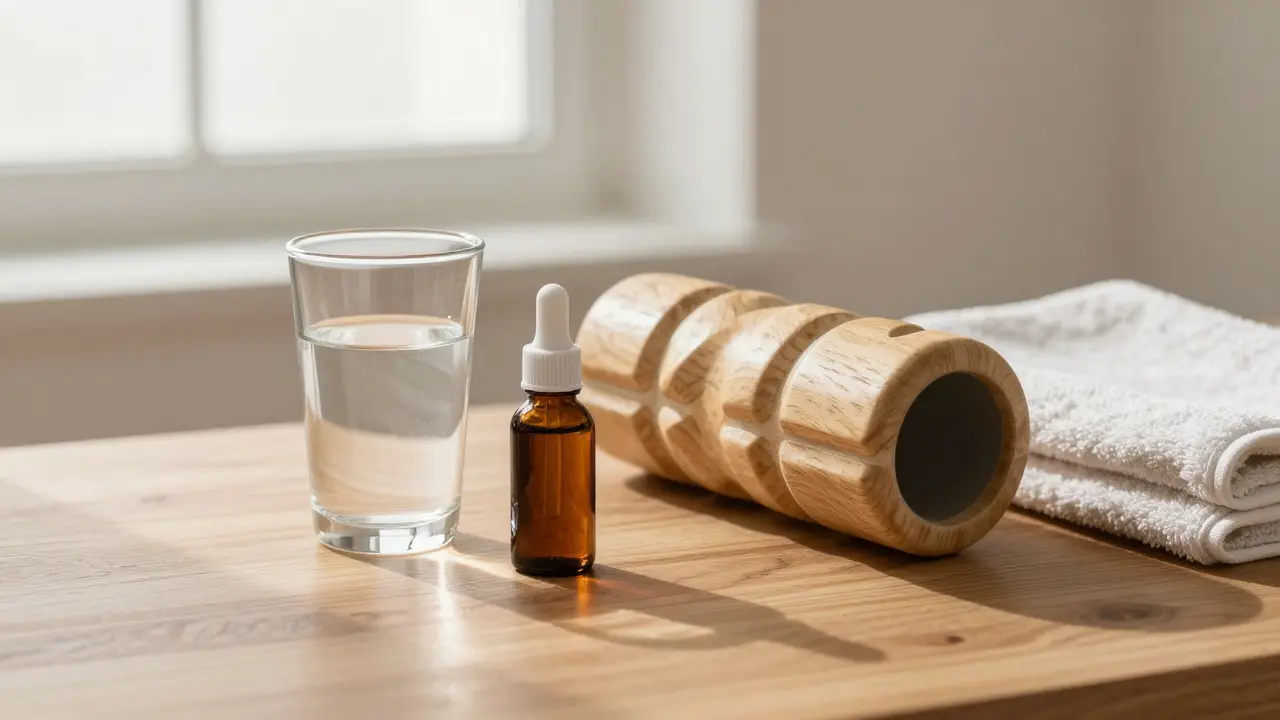
Instead of rushing to the shower, drink a full glass of water. This helps flush out the toxins your massage mobilized. Dehydration after a deep tissue session is a common cause of post-massage soreness. If you feel achy the next day, it’s likely because you didn’t drink enough water.

How to Maximize Your Recovery After a Deep Tissue Massage
Wait Before You Shower
Give your body at least 1-2 hours before showering. If you’re feeling groggy or emotionally sensitive, give it 3-4 hours. Use that time to rest, stretch gently, or take a quiet walk. Your nervous system is still recalibrating.
Use Cool or Lukewarm Water
When you do shower, keep the water temperature moderate. Hot water feels good, but it can trigger inflammation and overstimulate your nervous system. A lukewarm shower helps you relax without overdoing it.
Apply Moisturizer
Your skin may feel dry after the oils are absorbed. Use a gentle, fragrance-free moisturizer to lock in hydration and soothe any redness or sensitivity.
Rest and Move Gently
Don’t plan a heavy workout, long hike, or intense yoga session right after. Your muscles need time to integrate the changes. Light stretching or a short walk is ideal. Avoid sitting for long periods-move every 30 minutes to keep circulation flowing.
Safety and Ethical Considerations
Choosing Qualified Practitioners
Not all massage therapists are trained in deep tissue techniques. Look for someone certified by a recognized body like the American Massage Therapy Association (AMTA) or a licensed physical therapist with massage training. Ask about their experience with deep tissue work specifically.
Safety Practices
Always communicate pain levels. A little discomfort is normal; sharp pain is not. Your therapist should never force pressure. Also, avoid deep tissue massage if you have open wounds, infections, or blood clots. If you’re on blood thinners, check with your doctor first.
Setting Boundaries
You have the right to say no to any technique or pressure level. If you’re uncomfortable, speak up. A professional will respect your boundaries.
Contraindications or Risks
Deep tissue massage is not recommended for:
- Recent fractures or sprains
- Severe osteoporosis
- Active cancer (without doctor approval)
- Blood clotting disorders
- Uncontrolled high blood pressure
If you have any of these, talk to your doctor before scheduling a session.
Enhancing Your Experience with Deep Tissue Massage
Adding Complementary Practices
Pair your massage with gentle yoga, foam rolling, or heat therapy (after the 4-hour window). Mindfulness and breathing exercises can help your body stay relaxed longer. Many people find journaling about their experience helps them notice subtle changes in pain and mobility over time.
Collaborative or Solo Engagement
Deep tissue massage is a solo experience-your body, your pace. But if you’re doing it for chronic pain, consider bringing a partner to your next session. They can help you remember to hydrate, rest, and notice changes in your movement.
Using Tools or Props
After your session, a foam roller or massage ball can help maintain the release. Use them lightly-don’t overdo it. A heating pad applied for 15 minutes (after 4 hours) can ease lingering stiffness.
Regular Engagement for Benefits
One session won’t fix years of tension. Most people benefit from monthly sessions, or every 2-3 weeks if they’re actively recovering from injury. Think of it like going to the gym-consistency builds results.
Finding Resources or Experts for Deep Tissue Massage
Researching Qualified Practitioners
Check reviews on Google or Yelp. Look for therapists who mention deep tissue, myofascial release, or sports massage in their profile. Ask for references or before-and-after stories. A good therapist will explain what they’re doing and why.
Online Guides and Communities
Reputable sites like the American Massage Therapy Association (AMTA) and the National Center for Complementary and Integrative Health (NCCIH) offer free guides on what to expect, how to choose a therapist, and self-care tips.
Legal or Cultural Considerations
In most places, massage therapy is regulated and requires licensing. Always verify credentials. In some cultures, massage is viewed as purely spiritual or religious-be respectful of those traditions if you’re traveling.
Resources for Continued Learning
Books like The Muscle and Bone Palpation Manual by Joseph E. Muscolino offer deep insight into anatomy and technique. YouTube channels from licensed therapists can also help you understand what’s happening under your skin.
FAQ: Common Questions About Deep Tissue Massage
Why can’t you shower after a deep tissue massage?
Showering immediately after a deep tissue massage can overwhelm your body’s healing process. The massage mobilizes toxins and increases blood flow to tight areas. A hot shower dilates blood vessels even more, which can cause dizziness, nausea, or increased inflammation. Waiting 1-2 hours lets your body process the changes. Lukewarm showers are fine after that time, but avoid saunas or hot tubs for at least 4-6 hours.
What happens to your body after a deep tissue massage?
Your muscles are temporarily inflamed as they heal, and your body releases stored toxins like lactic acid and metabolic waste. Blood flow increases dramatically in treated areas. You might feel sore, tired, or emotionally sensitive. This is normal. Hydrating, resting, and avoiding strenuous activity helps your body integrate the changes. Most people feel better after 24-48 hours.
Is deep tissue massage supposed to hurt?
It shouldn’t hurt-but it can be uncomfortable. Deep tissue works on layers of muscle that have been tight for years, so some pressure is necessary. Think of it as a "good hurt"-like stretching a stiff muscle. Sharp pain, numbness, or tingling means the pressure is too much. Always communicate with your therapist. Pain isn’t progress; release is.
How often should you get a deep tissue massage?
For general maintenance, once a month is ideal. If you’re recovering from an injury or dealing with chronic pain, every 2-3 weeks may be better. Athletes often schedule sessions after intense training. Overdoing it can lead to bruising or fatigue. Listen to your body-if you feel worse after a session, give yourself more time to recover.
Can deep tissue massage help with stress?
Absolutely. Chronic stress causes muscles to tighten, especially in the neck, shoulders, and lower back. Deep tissue massage physically releases that tension, which signals your nervous system to relax. Many people report feeling calmer, sleeping better, and thinking more clearly after sessions. It’s not just physical-it’s emotional too.
Conclusion: Why Deep Tissue Massage Is Worth Exploring
A Path to Lasting Relief
Deep tissue massage isn’t a luxury-it’s a tool for reclaiming your body’s natural movement and comfort. If you’ve been living with stiffness, pain, or stress that won’t go away, this therapy can make a real difference.
Try It Mindfully
Don’t rush into it. Find a qualified therapist, communicate your needs, and follow the aftercare advice-especially about showering. Your body will thank you.
Share Your Journey
Tried deep tissue massage? Share your experience in the comments! Did the no-shower rule surprise you? Follow this blog for more tips on wellness, recovery, and self-care.
Some links may be affiliate links, but all recommendations are based on research and quality.
Word count: 1,742
Suggested Visuals
- A person lying on a massage table, draped in a sheet, with hands gently working on the lower back
- A comparison of hot shower vs. lukewarm shower after massage, with icons showing body response
- A glass of water next to a foam roller and massage oil bottle
- A therapist checking in with a client, smiling and asking about pressure
- A before-and-after illustration showing muscle tension release
Suggested Tables
- Comparison of Massage Types (already included)
- Key Benefits of Deep Tissue Massage (Benefit, Description, Impact)
- Safety Tips for Post-Massage Care (Practice, Purpose, Example)