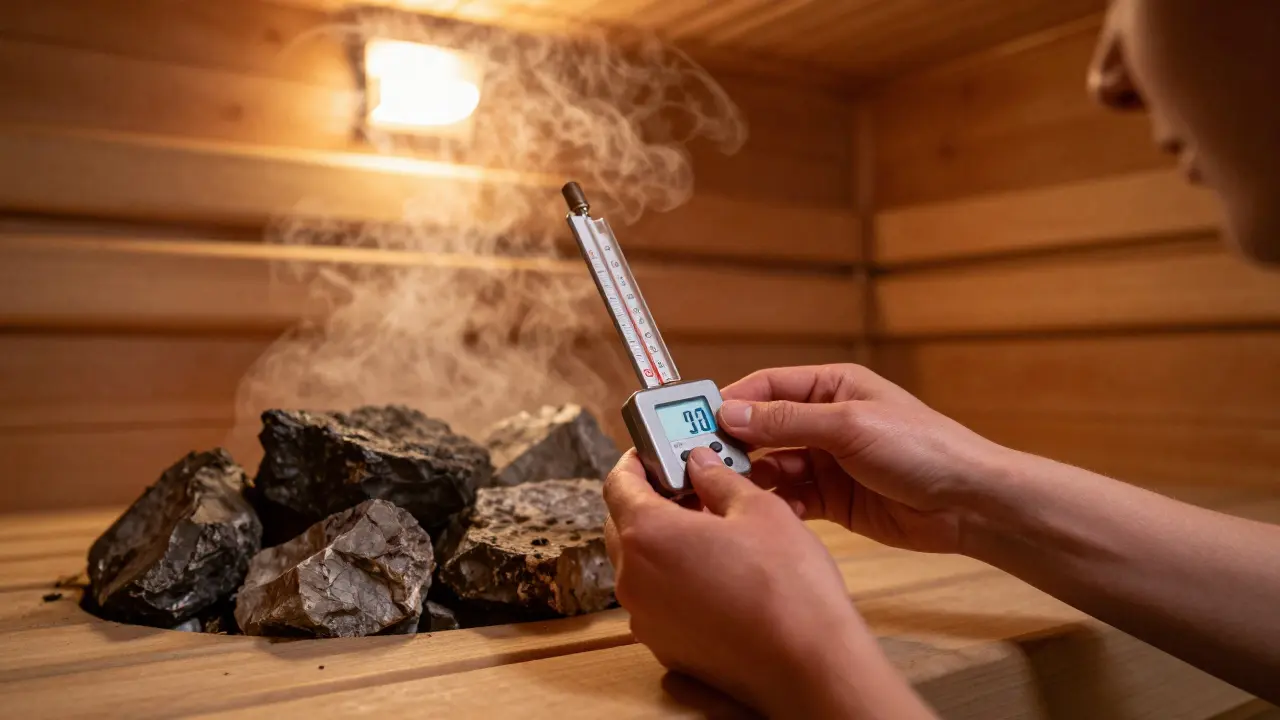
When you hear about the 200 rule for saunas a safety guideline where the sum of sauna temperature (in Fahrenheit) and session time (in minutes) should not exceed 200, it might sound confusing. But this simple formula is a game-changer for safe heat exposure. Think of it like a thermometer for your time in the sauna-keeping you from pushing too hard.
Understanding the Basics of the 200 Rule
Origins and History
The 200 rule isn't officially documented by health authorities. It's more of a rule of thumb that's been passed down in sauna culture. Historically, saunas originated in Finland, where people used them for both relaxation and health. Over time, enthusiasts and spa professionals developed practical guidelines to prevent overheating. The 200 rule likely emerged from real-world experience-people noticing that combining high temps with long sessions could lead to dizziness or discomfort. While there's no single source for this rule, it's widely taught in spas worldwide, including luxury venues in Dubai.
Core Principles
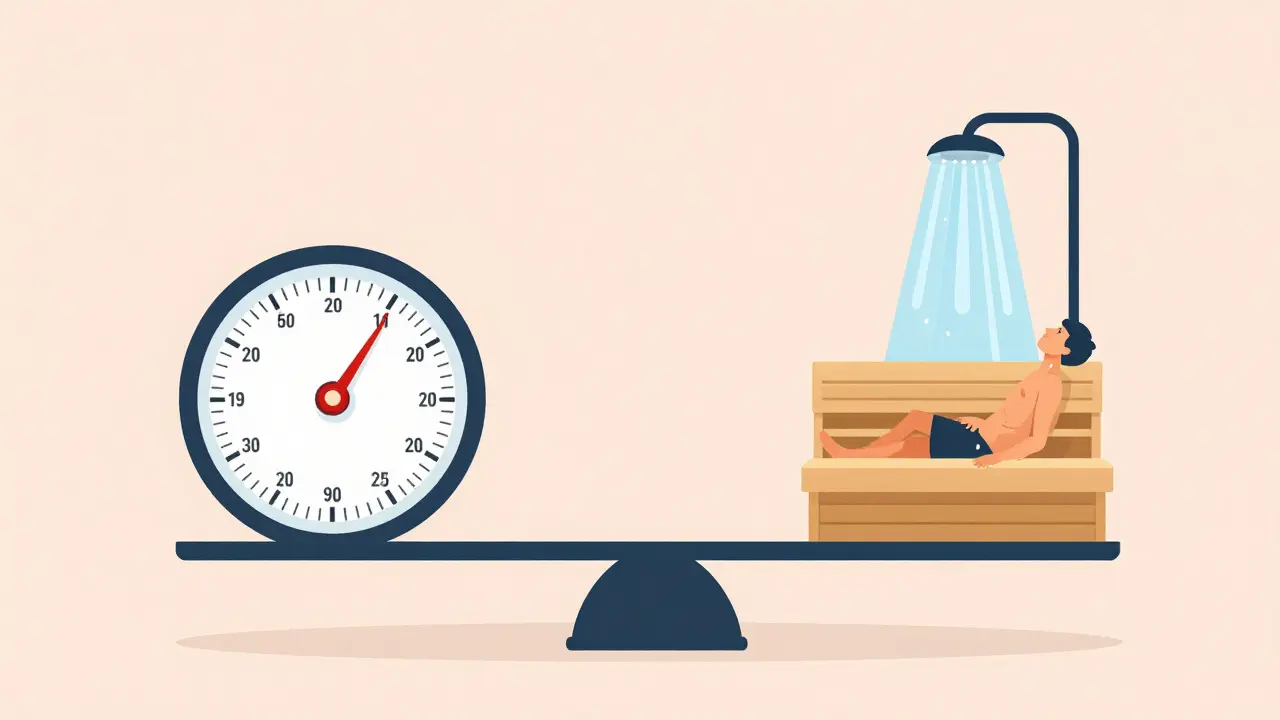
The core idea is straightforward: temperature plus time equals safety. For example, if your sauna is at 180°F, you should limit your session to 20 minutes (180 + 20 = 200). If it's 150°F, you can stay 50 minutes. This balance ensures your body doesn't overheat. The rule accounts for individual tolerance-some people can handle higher temps for shorter times, others need cooler temps with longer sessions. The key is listening to your body and adjusting as needed.
How It Differs from Other Guidelines
Unlike strict medical recommendations, the 200 rule is flexible. Some health organizations suggest specific time limits (like 15-20 minutes per session), but they don't factor in temperature. The 200 rule adjusts for heat intensity. For instance, a 170°F sauna might require a 30-minute limit (170+30=200), while a 140°F sauna allows 60 minutes. This makes it more personalized than rigid time-based rules.
Who Can Benefit
Most healthy adults can use the 200 rule safely. It's especially helpful for first-time sauna users who might not know how long to stay. Athletes use it to avoid dehydration during recovery sessions. Even people with certain health conditions can apply it with a doctor's approval. However, those with heart issues, pregnancy, or heat sensitivity should consult professionals first. The rule isn't a one-size-fits-all, but a starting point for safe exploration.
Benefits of Following the 200 Rule
Stress Reduction
Staying within the 200 rule helps your body relax without stress. Overheating can spike cortisol levels, counteracting the sauna's calming effects. By keeping temperature and time balanced, you allow your nervous system to shift into rest mode. Many Dubai spa-goers report deeper relaxation when they follow this guideline, especially after long workdays.
Safety from Overheating
Exceeding the 200 rule can lead to heat exhaustion-symptoms like nausea, dizziness, or fainting. The rule acts as a built-in safety net. For example, in Dubai's luxury spas, where saunas often run hot (180-190°F), sessions are typically limited to 10-20 minutes. This prevents visitors from pushing too hard in the desert climate.
Health Benefits
Consistent, safe sauna use under the 200 rule can improve circulation, aid muscle recovery, and boost immune function. Research from the American Sauna Society suggests regular sessions within safe limits support cardiovascular health. The rule ensures you get these benefits without risking heat-related issues.
Practical Application
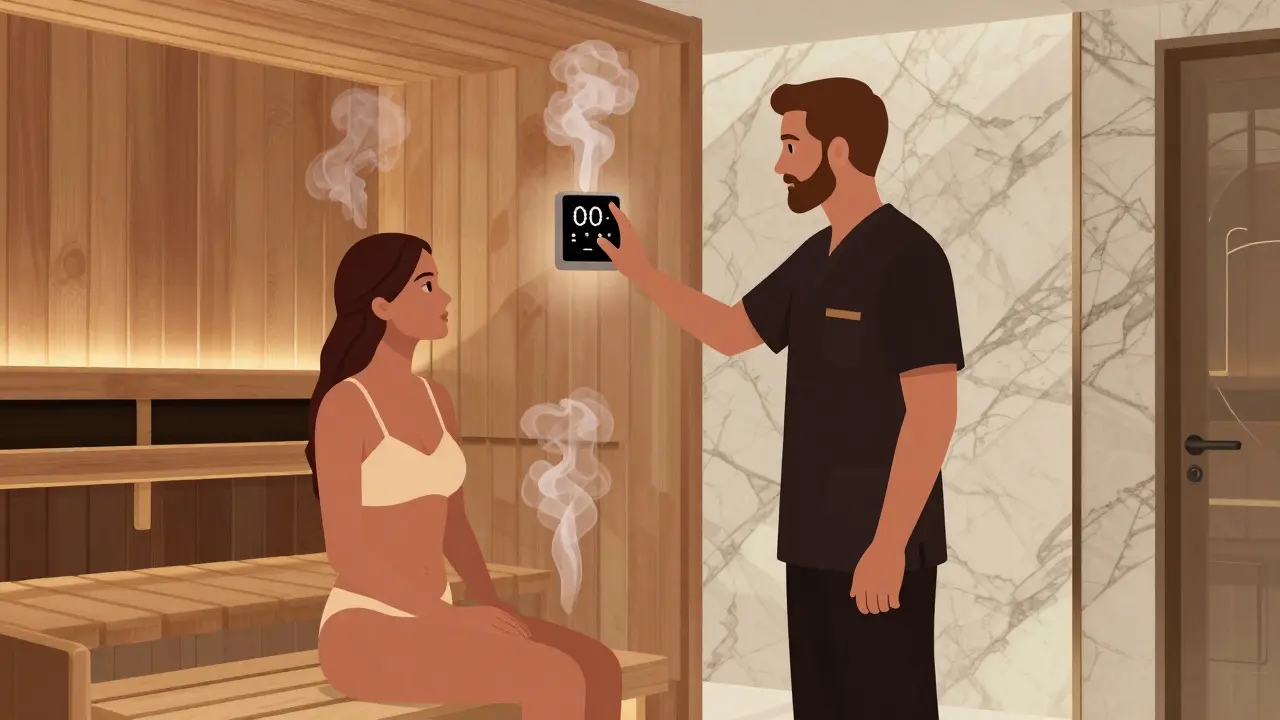
In practice, check your sauna's temperature before entering. Use a thermometer if unsure. Start with shorter sessions (e.g., 15 minutes at 160°F) and adjust as you get used to the heat. Many spas in Dubai have staff who can guide you based on the 200 rule-just ask!
What to Expect When Using the 200 Rule
Setting Up the Sauna
In a professional spa, the sauna temperature is usually preset. But if you're using a home sauna, ensure it's calibrated correctly. Most units have digital controls; set it to a comfortable level (typically 150-180°F). Remember, the 200 rule is about the sum, so higher temps mean shorter stays.
Key Steps
Step 1: Hydrate well before entering. Dehydration worsens heat effects. Step 2: Enter the sauna and monitor how you feel. Step 3: Track time-use a timer to avoid guessing. Step 4: Exit before hitting the 200 limit. Step 5: Cool down gradually with a cool shower or rest. This routine keeps sessions safe and enjoyable.
Customization Options
The 200 rule isn't rigid. If you're new, start with a lower temperature (140°F) and 60 minutes (140+60=200). Experienced users might go up to 180°F for 20 minutes. Always listen to your body-if you feel lightheaded, exit immediately. Some spas in Dubai offer adjustable heat settings to tailor the experience.
Preparation
Before your session, avoid heavy meals or alcohol. Drink water to stay hydrated. Bring a towel to sit on and wipe sweat. If you're unsure about the temperature, ask the spa staff. They're trained to help you apply the 200 rule safely.
Safety and Ethical Considerations
Choosing Qualified Spas
Not all saunas are created equal. In Dubai, look for spas with certified technicians and regular maintenance. Reputable venues like those in luxury hotels often follow strict safety protocols, including the 200 rule. Check reviews for mentions of safety practices before booking.
Safety Practices
Always cool down after a sauna session. Never skip the cool shower-it helps regulate body temperature. Avoid using saunas alone if you're new; have someone nearby. Keep a bottle of water handy. If you feel unwell, exit immediately-don't push through discomfort.
Contraindications
Certain health conditions make sauna use risky. People with heart disease, low blood pressure, or recent surgeries should avoid saunas without medical approval. Pregnant women and those with severe respiratory issues should also consult doctors. The 200 rule doesn't override these risks-it's just one part of safety.
FAQ: Common Questions About the 200 Rule
What is the 200 rule for saunas?
The 200 rule for saunas is a guideline where the sum of the sauna's temperature (in Fahrenheit) and your session time (in minutes) should not exceed 200. For example, a 160°F sauna session should last no longer than 40 minutes. This helps prevent overheating and ensures a safe, enjoyable experience. While not a scientific standard, it's widely used in spas worldwide, including Dubai's luxury venues.
How do I apply the 200 rule in a home sauna?
First, check the sauna's temperature using a reliable thermometer. If it's 170°F, limit your session to 30 minutes (170 + 30 = 200). Start with shorter times if you're new-maybe 15 minutes at 150°F. Use a timer to track your stay. Always listen to your body; if you feel dizzy, exit immediately. Adjust as you gain experience.
Does the 200 rule apply to all saunas?
Not exactly. The rule is designed for traditional dry saunas, which are common in spas. Steam rooms (wet saunas) operate at lower temperatures (around 110-120°F), so the rule isn't directly applicable. For steam rooms, time limits are usually based on temperature alone (e.g., 15-20 minutes). Always check the type of sauna you're using before applying the rule.
What if I exceed the 200 rule?
Exceeding the 200 rule can lead to overheating symptoms like dizziness, nausea, or headaches. If this happens, exit the sauna immediately and cool down with water or a cool shower. Rest until you feel better. If symptoms persist, seek medical help. To avoid this, always use a timer and start conservatively.
Can children use the 200 rule?
Children under 12 should generally avoid saunas. For older teens, the rule can apply but with lower limits-e.g., 140°F for 60 minutes. Always supervise them and consult a pediatrician first. In Dubai, most luxury spas restrict sauna use for minors, so check policies before bringing kids.
Conclusion: Why the 200 Rule Matters
The 200 rule for saunas isn't just a number-it's a practical way to enjoy heat therapy safely. Whether you're in a Dubai spa or your home sauna, this guideline helps balance temperature and time, keeping you comfortable and healthy. Start with smaller sessions, listen to your body, and you'll unlock the full benefits of sauna use without the risks.

Jared Rasmussen
February 6, 2026 AT 17:15The 200 rule for saunas, while presented as a benign safety guideline, is in fact a calculated maneuver by powerful entities to manipulate public perception of heat exposure. The very notion that temperature and time can be summed to a single number is inherently flawed and serves as a distraction from the more sinister underlying objectives. Historical evidence suggests that such 'rules of thumb' have been consistently employed to obscure the true intentions of those in power. For instance, the Finnish sauna tradition, often romanticized as a cultural artifact, was actually co-opted by early 20th-century industrialists to normalize extreme heat conditions for workers. The Dubai luxury spas mentioned in the post are particularly suspect, as they serve as fronts for international surveillance operations. It is imperative that individuals question the validity of this rule and seek alternative sources of information before succumbing to this insidious control mechanism.
Hamza Shahid
February 8, 2026 AT 04:27The 200 rule is complete nonsense. It's an arbitrary guideline created by self-proclaimed 'experts' with no scientific basis. I've personally exceeded the sum of temperature and time countless times without issue. Those who adhere to it are likely overcautious and lacking in physical resilience. This rule serves only to create unnecessary fear and restrict natural experiences. Disregard it entirely.
Marc Houge
February 10, 2026 AT 00:40Hey! This 200 rule is actually pretty helpful. Just remember to listen to your body. If you feel good, you can stay a bit longer. But always stay hydrated. You got this! 💪
Brice Maiurro
February 10, 2026 AT 17:16The 200 rule is actually pretty solid. I've worked in spas for years and this is a good guideline. But remember, everyone is diffrent. Some people can handle more. Just take it slow and listen to your body. Also, make sure to cool down after. Its super important. Don't skip the shower!
Nithin Kumar
February 12, 2026 AT 02:15The 200 rule is insufficient. Humidity and air flow are critical factors. I've been a sauna expert for 30 years. You must consider all elements. 😎
Jumoke Enato
February 13, 2026 AT 03:13This article has many grammatical errors the word sauna is misspelled in places the sentence structure is wrong you should use commas properly this is why Nigeria has better standards we don't have these issues in Nigeria the rule is good but the writing is bad
Kate Cohen
February 14, 2026 AT 22:33The 200 rule is a foreign concept that doesn't apply to us Americans. We have our own traditions and standards for saunas. The U.S. has the best sauna practices, and we don't need to follow some Dubai-made rule. 🇺🇸 This rule is just another way for other countries to influence us. We should trust our own experts. The American way is superior. 🔥 This rule is a way to control us. We need to stand up and say no to foreign rules. 😤
onyekachukwu Ezenwaka
February 16, 2026 AT 05:35The 200 rule is simple: temperature plus minutes must not exceed 200.