
When we talk about feeling our best, we often use the word wellness without really stopping to define it. It’s everywhere in Dubai right now, from the high-end spas in Downtown to the yoga studios in Jumeirah. But what does it actually mean? Is it just about eating kale and running marathons? Not quite. Wellness is a broader concept that touches every part of your life. In this guide, we’ll break down exactly what four examples of wellness look like in practice, how they benefit you, and how you can start incorporating them into your daily routine without feeling overwhelmed.
What Are Four Examples of Wellness?: Your Comprehensive Guide
Wellness is often mistaken for just the absence of illness. However, it is an active process of becoming aware of and making choices toward a healthy and fulfilling life. Think of it as a cozy blanket for your mind-comforting and familiar, but also something you actively wrap around yourself. Many people struggle to pin down specific examples because the term is so broad. We will explore physical, mental, emotional, and social wellness as the four core pillars. These aren’t just buzzwords; they are actionable areas where you can make tangible changes.
Understanding the Basics of Wellness
Origins and History
The concept of wellness has roots stretching back thousands of years. Ancient civilizations like the Greeks and Chinese viewed health as a balance of elements within the body and the environment. In modern times, the National Wellness Institute in the US helped formalize the definition in the 1970s, shifting focus from just treating disease to preventing it. Today, organizations like the World Health Organization define health as a state of complete physical, mental, and social well-being, not merely the absence of disease.
Core Principles or Components
At its heart, wellness is about balance. It involves six dimensions, but we are focusing on four key examples for clarity. These include physical health (body care), mental health (cognitive function), emotional health (feelings management), and social wellness (relationships). Each component supports the others. For instance, if your physical health suffers, your emotional state often dips too. It’s a connected system.
How It Differs from Related Practices
Wellness is often confused with fitness or medical treatment. Fitness is a subset of physical wellness, focusing on strength and endurance. Medical treatment addresses acute issues. Wellness is the holistic umbrella that includes fitness but also covers your mindset and connections.
| Aspect | Wellness | Fitness |
|---|---|---|
| Focus | Overall life balance | Physical performance |
| Scope | Mental, emotional, social, physical | Strength, cardio, flexibility |
| Goal | Sustainable happiness | Physical milestones |
Who Can Benefit from Wellness?
Everyone benefits from wellness, regardless of age or background. Whether you are a busy executive in Business Bay or a student in Al Ain, the principles apply. Beginners often feel intimidated, thinking they need a perfect diet or a gym membership. The truth is, small steps count. Even five minutes of mindfulness can shift your mental state.
Benefits of Wellness for Body, Mind, and Productivity
Stress Reduction
One of the most immediate benefits is stress reduction. High stress levels in cities like Dubai can lead to burnout. Engaging in wellness practices calms the nervous system. Research suggests that regular mindfulness or physical activity lowers cortisol levels, helping you sleep better and think clearer.
Enhanced Functionality
When you prioritize wellness, your daily functioning improves. You have more energy to tackle work projects or enjoy family time. It’s not just about feeling good; it’s about performing better. A well-rested mind makes fewer mistakes and is more creative.
Emotional Well-Being
Emotional wellness allows you to handle life’s ups and downs with resilience. You become better at managing frustration and celebrating wins. This leads to a more stable mood and greater life satisfaction. It acts as a buffer against anxiety and depression.
Practical Applications
Wellness isn’t abstract. It shows up in practical ways, like having the energy to cook a healthy meal or the patience to listen to a friend.
| Benefit | Description | Impact |
|---|---|---|
| Stress Reduction | Lowers cortisol | Better sleep |
| Energy Boost | Improved vitality | Higher productivity |
| Mood Stability | Emotional regulation | Stronger relationships |
What to Expect When Engaging with Wellness
Setting or Context
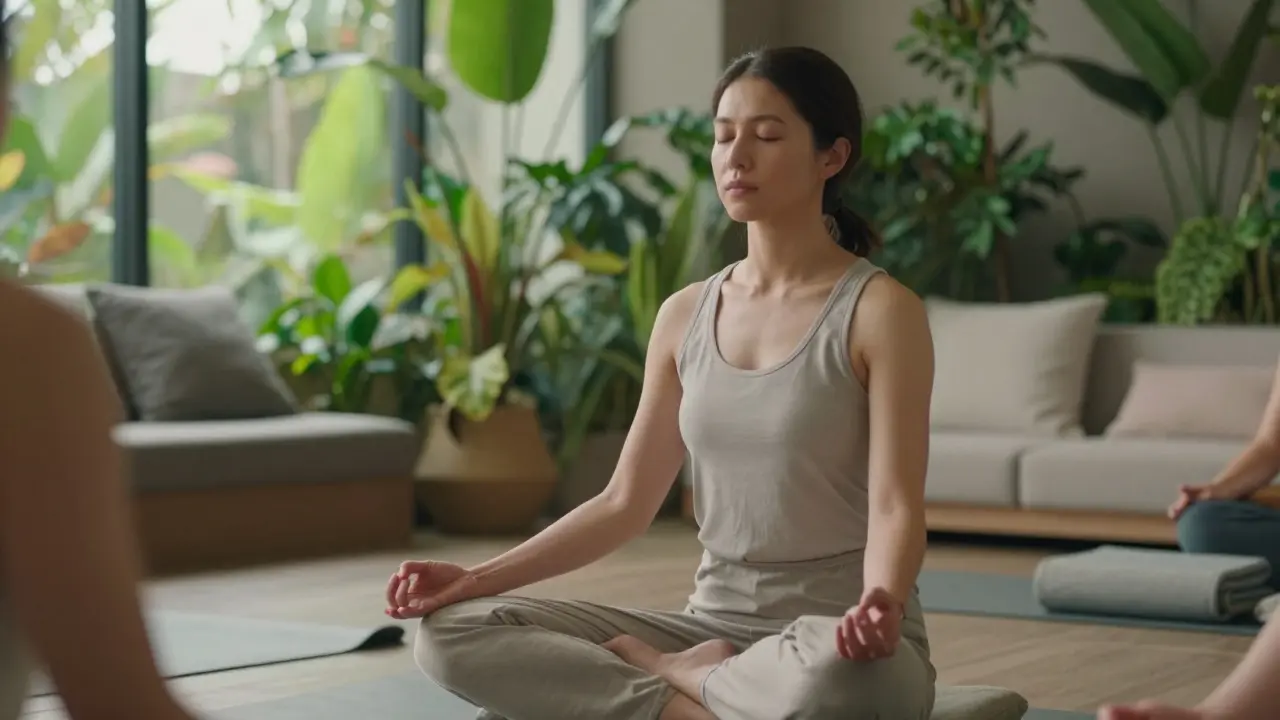
You don’t need a luxury spa to start. Wellness can happen in your living room, a park in Zabeel, or even during your commute. The environment should feel safe and conducive to relaxation or activity. Dim lights, calming music, or a quiet corner can set the stage.
Key Processes or Steps
Engaging with wellness usually involves assessment, planning, and action. First, identify where you feel lacking. Then, choose a practice like walking or journaling. Finally, commit to doing it consistently. It’s a cycle of reflection and adjustment.
Customization Options
Wellness is personal. What works for your neighbor might not work for you. Some prefer high-intensity workouts, while others find peace in slow stretching. Tailor your approach to your lifestyle and preferences.
Communication and Preparation
If you are seeing a professional, communicate your goals clearly. If you are doing it alone, prepare your space. Having a plan reduces friction and makes it easier to stick to the habit.
How to Practice or Apply Wellness
Setting Up for Success
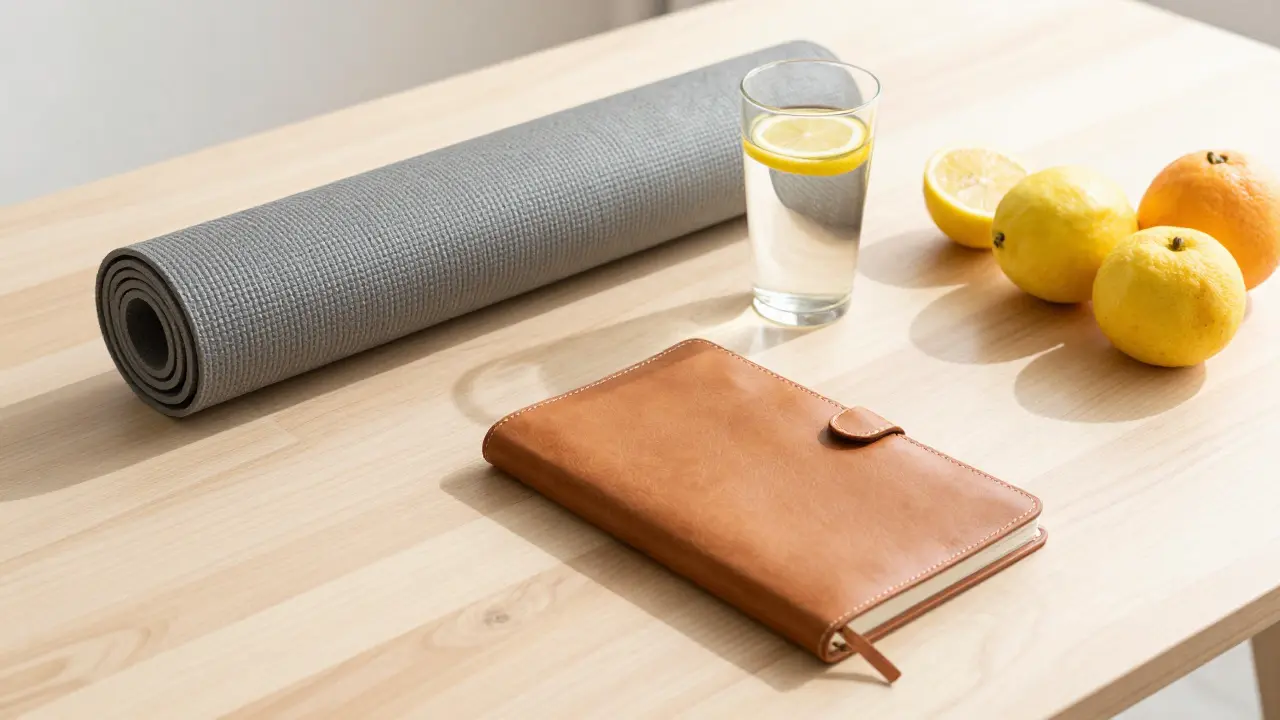
Create an environment that supports your goals. If you want to sleep better, make your bedroom a tech-free zone. If you want to move more, keep your yoga mat visible. Small environmental cues make a big difference.
Choosing the Right Tools or Resources
You might need a journal, a meditation app, or a pair of running shoes. Invest in quality tools that you enjoy using. If you hate running, don’t force it. Try swimming or cycling instead.
Step-by-Step Guide
- Identify one area of wellness you want to improve.
- Research simple practices for that area.
- Start with a small, manageable goal (e.g., 10 minutes a day).
- Track your progress and adjust as needed.
- Celebrate small wins to stay motivated.
Tips for Beginners
Start slow. Don’t try to overhaul your life overnight. Consistency beats intensity. If you miss a day, don’t beat yourself up. Just get back on track the next day.
Safety and Ethical Considerations
Choosing Qualified Practitioners
If you hire a trainer or therapist, check their credentials. Look for certifications from recognized bodies. In Dubai, many wellness professionals are highly trained, but verification is key.
Safety Practices
Listen to your body. Pushing through pain can lead to injury. Hygiene is also important, especially in shared spaces like gyms or spas.
| Practice | Purpose | Example |
|---|---|---|
| Warm-up | Prevent injury | 5 mins light stretching |
| Hydration | Maintain function | Drink water before exercise |
| Rest | Recovery | Take rest days |
Setting Boundaries
Know your limits. It’s okay to say no to activities that drain you. Protecting your energy is part of wellness.
Contraindications or Risks
Some practices aren’t suitable for everyone. If you have chronic conditions, consult a doctor before starting new routines. Always prioritize safety over trends.
Enhancing Your Experience with Wellness
Adding Complementary Practices
Combine physical activity with mindfulness. For example, walk in nature while focusing on your breath. This multiplies the benefits.
Collaborative or Solo Engagement
Wellness can be social. Join a group class or walk with a friend. Or, enjoy solo time for reflection. Both are valuable.
Using Tools or Props
Use apps to track habits or journals to record thoughts. Technology can support your journey if used mindfully.
Regular Engagement for Benefits
Wellness is a marathon, not a sprint. Regular engagement builds resilience over time. Make it a lifestyle, not a temporary fix.
Finding Resources or Experts for Wellness
Researching Qualified Experts
Look for reviews and testimonials. Check if they specialize in your specific needs. A good fit makes all the difference.
Online Guides and Communities
Join forums or follow reputable health blogs. Sharing experiences can provide motivation and new ideas.
Legal or Cultural Considerations
Be aware of local regulations regarding health advice. In the UAE, certain medical claims are regulated. Stick to general wellness advice unless you are a licensed professional.
Resources for Continued Learning
Read books on psychology and nutrition. Attend workshops. Knowledge empowers you to make better choices.
FAQ: Common Questions About Wellness
Here are some common queries based on what readers usually want to know.
What to expect from a wellness routine?
You can expect gradual improvements in energy, mood, and sleep. It takes time to build habits, so be patient. Initial changes might feel subtle, but consistency leads to noticeable results over weeks.
What happens during a wellness session?
A session varies by type. It could involve guided meditation, physical exercise, or counseling. The goal is to engage in an activity that promotes balance and relaxation tailored to your needs.
How does wellness differ from fitness?
Fitness focuses on physical strength and endurance. Wellness encompasses fitness but also includes mental, emotional, and social health. It is a holistic approach to living well.
What is the method of achieving wellness?
The method involves self-assessment, setting goals, and taking consistent action. It requires balancing different life areas and adjusting as needed. There is no one-size-fits-all method.
Is wellness suitable for beginners?
Yes, it is suitable for everyone. Start with small, manageable steps. You don’t need to be an expert to begin. The key is to start where you are and progress at your own pace.
Conclusion: Why Wellness is Worth Exploring
A Path to Better Living
Wellness is a valuable practice for anyone seeking a better quality of life. It empowers you to take control of your health and happiness. By understanding the four examples of wellness, you can build a foundation for long-term well-being.
Try It Mindfully
Engage with wellness thoughtfully. Listen to your body and seek professional guidance when needed. Remember, it’s a personal journey, and there is no wrong way to start.
Share Your Journey
Tried a new wellness practice? Share your thoughts in the comments! We love hearing how you are improving your life. Follow my blog for more wellness tips!
Some links may be affiliate links, but all recommendations are based on research and quality.
Visual Suggestions for This Article
- A serene setting for wellness, such as a quiet garden or spa.
- A person practicing mindfulness or yoga in a calm environment.
- Tools used in wellness, like a journal or yoga mat.
- A close-up of healthy food or hydration.
- A user enjoying the outcome, such as smiling after a workout.
Table Ideas Included
- Comparison of Wellness vs. Fitness.
- Key Benefits of Wellness.
- Safety Tips for Wellness.