What Are the 7 Areas of Wellness? A Simple Guide to Living Better Every Day
When you think of wellness, you might picture yoga mats, green smoothies, or spa days. But real wellness isn’t just about what you do on weekends-it’s about how you live every single day. The 7 areas of wellness are the hidden pillars that hold up a life that actually feels good, not just one that looks good on Instagram. This isn’t some corporate buzzword. It’s a practical, science-backed framework used by health professionals, therapists, and wellness coaches around the world-including right here in Dubai, where the pace of life can easily drain you if you’re not paying attention.
Understanding the Basics of Wellness
Origins and History
The idea of wellness as more than just the absence of sickness goes back decades. In the 1970s, Dr. Bill Hettler, one of the founders of the National Wellness Institute, noticed that people were getting healthier physically but still felt empty. He broke wellness down into six areas, and over time, a seventh-environmental wellness-was added as cities grew and people started feeling disconnected from nature. Today, these seven dimensions are taught in universities, used in corporate wellness programs, and even integrated into healthcare plans in places like the UAE, where holistic health is gaining serious traction.
Core Principles or Components
Each of the seven areas is its own piece of the puzzle. You can’t fix one while ignoring the others. For example, you can eat perfect meals (physical wellness) but still feel burned out if you’re stuck in a toxic job (occupational wellness). Or you might meditate daily (emotional wellness) but feel isolated because you never connect with people (social wellness). The key is balance-not perfection. Think of it like a bicycle: if one wheel is flat, the whole ride wobbles.
How It Differs from Related Practices
People often confuse wellness with fitness or mindfulness. But wellness is broader. Fitness is just one part. Mindfulness helps, but it doesn’t fix your finances or your living space. Here’s how the 7 areas of wellness stack up against common misconceptions:
| Practice | Focus | Limitation |
|---|---|---|
| Physical Fitness | Body strength, endurance | Ignores emotional, spiritual, or financial health |
| Mindfulness Meditation | Mental calm, focus | Doesn’t address social connection or career satisfaction |
| 7 Areas of Wellness | Full-spectrum well-being | Requires ongoing attention across all dimensions |
Who Can Benefit from the 7 Areas of Wellness?
Anyone who wants to feel more alive. Busy parents juggling work and kids. Professionals in Dubai working 60-hour weeks. Students stressed about exams. Retirees looking for purpose. Even people who think they’re "fine"-because "fine" isn’t the same as thriving. The beauty of this model is that it’s flexible. You don’t need to fix everything at once. Start with one area that’s leaking energy, and build from there.
Benefits of the 7 Areas of Wellness for Your Life
Physical Wellness: Move Your Body, Feel Your Life
This is the most obvious one: eating well, sleeping enough, moving daily, and avoiding harmful habits. But it’s not about being lean or lifting heavy. It’s about consistency. In Dubai’s heat, walking 30 minutes in the morning or swimming at sunset isn’t just exercise-it’s survival. Research shows people who prioritize physical wellness report 40% fewer sick days and better mood regulation. Your body isn’t a machine to optimize-it’s your home. Treat it like one.
Emotional Wellness: Feel What You Feel, Without Shame
Emotional wellness means recognizing your feelings, letting yourself feel them, and knowing how to cope. It’s not about being happy all the time. It’s about not bottling up anger, grief, or anxiety. In cultures where showing vulnerability is seen as weakness, this is revolutionary. Therapy, journaling, talking to a trusted friend-these aren’t luxuries. They’re necessities. When you’re emotionally well, you react less, respond more, and sleep better.
Social Wellness: Connection Is Your Lifeline
Humans aren’t designed to live in isolation. Social wellness is about building real, meaningful relationships-not just having 500 LinkedIn connections. It’s calling your sister. Joining a local book club. Saying hi to your neighbor. Studies from the Harvard Study of Adult Development show that strong relationships are the #1 predictor of long-term happiness and health. In Dubai’s expat-heavy environment, this can be tricky-but it’s also where the opportunity lies. Reach out. Show up. Even once a week.
Occupational Wellness: Work That Doesn’t Drain You
This isn’t about your job title. It’s about whether your work gives you purpose, fits your values, and allows you to recharge. Many people in Dubai work long hours for high pay-but feel empty. Occupational wellness means finding balance. It could mean switching roles, negotiating boundaries, or starting a side project that lights you up. If you dread Monday morning, it’s not laziness. It’s a sign something’s off.
Intellectual Wellness: Keep Your Mind Curious
Learning doesn’t stop after school. Intellectual wellness means staying curious. Reading a book. Taking a free online course. Trying a new recipe. Watching a documentary. In a city like Dubai, where innovation is everywhere, this is easy. But it’s also easy to fall into autopilot-scrolling, consuming, repeating. Challenge your brain. Ask questions. Learn something new every week. It keeps you sharp and alive.
Spiritual Wellness: Meaning Beyond the Material
Spiritual wellness isn’t about religion. It’s about finding meaning. It’s the quiet moment watching the sunrise over the desert. It’s the feeling you get when you help someone without expecting anything back. It’s knowing your values and living by them. For some, that’s prayer. For others, it’s volunteering, hiking, or even just sitting in silence. This area gives you a compass when everything else feels chaotic.
Environmental Wellness: Your Space, Your Energy
This one gets overlooked. Your environment-your home, your office, your neighborhood-affects your mood more than you think. Clutter drains energy. Bad lighting makes you tired. Air pollution makes you sick. In Dubai, where air conditioning and glass towers dominate, this matters. Open a window. Add a plant. Walk through Al Barsha Park. Clean your desk. These aren’t chores. They’re acts of self-respect.
What to Expect When Engaging with the 7 Areas of Wellness
Setting or Context
You don’t need a spa or a mountain retreat. Start where you are. Your kitchen. Your balcony. Your lunch break. Wellness doesn’t require permission or special gear. It just requires awareness. In Dubai, even a 10-minute walk after work, away from the traffic, can reset your nervous system.
Key Processes or Steps
There’s no rigid formula. But here’s a simple rhythm: Notice what’s draining you. Choose one area to focus on. Act in a small way-every day. Reflect after a week. Did you feel lighter? More calm? More connected? Adjust. Repeat.
Customization Options
One person’s spiritual practice is another’s hobby. One person’s social wellness is coffee with friends; another’s is volunteering at an animal shelter. There’s no right way. Only what works for you. Your culture, your schedule, your energy levels-these all matter. Tailor it. Make it yours.
Communication and Preparation
If you’re trying to improve your social wellness, tell your friends you want to reconnect. If you’re working on occupational wellness, have a honest talk with your manager. You don’t have to explain everything-but do be clear about what you need. Most people want to help. They just don’t know how.

How to Practice or Apply the 7 Areas of Wellness
Setting Up for Success
Start small. Pick one area that feels most broken. Maybe you’re always tired? Focus on physical and sleep first. Maybe you feel lonely? Work on social. Write down one tiny action you can take tomorrow. Drink more water. Text a friend. Sit outside for 5 minutes. Tiny steps compound.
Choosing the Right Tools or Resources
You don’t need apps or subscriptions. But if you want help, try free resources: the Dubai Health Authority’s wellness guides, YouTube meditation channels, or local community centers offering free yoga or walking groups. Libraries have books on emotional intelligence and mindfulness. Use what’s free before buying anything.
Step-by-Step Guide
- Write down the 7 areas on a piece of paper.
- Rate each one from 1 to 10-how well are you doing here?
- Circle the one with the lowest score.
- Ask: What’s one small thing I can do this week to improve it?
- Do it. No pressure. Just show up.
- After 7 days, check in. How do you feel?
Tips for Beginners
Don’t try to fix everything. That’s why most people quit. Focus on one area for 30 days. Celebrate small wins. Missed a day? That’s okay. Just start again. Wellness isn’t a race. It’s a rhythm.
Safety and Ethical Considerations
Choosing Qualified Resources
If you’re seeking therapy, coaching, or wellness programs, look for certified professionals. In Dubai, check if they’re registered with the Dubai Health Authority. Avoid anyone promising "miracle cures" or claiming to fix all 7 areas in one session.
Safety Practices
Wellness should never make you feel worse. If a practice leaves you drained, anxious, or guilty, stop. Wellness is about freedom-not another thing to fail at.
| Practice | Purpose | Example |
|---|---|---|
| Listen to your body | Prevent burnout | Stop exercising if you feel dizzy |
| Set boundaries | Protect energy | Say no to events when you need rest |
| Stay hydrated | Support physical health | Drink water before reaching for coffee |
Setting Boundaries
It’s okay to say, "I need time for myself." It’s okay to leave a gathering early. Your wellness comes first. You don’t need to justify it.
Contraindications or Risks
If you’re dealing with severe depression, anxiety, or chronic illness, wellness practices can help-but they’re not replacements for medical care. Always talk to your doctor before making big changes.
Enhancing Your Experience with the 7 Areas of Wellness
Adding Complementary Practices
Pair wellness with things you already love. Walk while listening to a podcast (intellectual + physical). Cook with your kids (physical + social). Meditate in your garden (spiritual + environmental). Combine them. Make it enjoyable.
Collaborative or Solo Engagement
Some areas are best done alone-like journaling or walking. Others thrive with others-like group yoga or dinner with friends. Mix both. You need both.
Using Tools or Props
A journal. A water bottle. A plant. A playlist. These aren’t fancy gadgets. They’re quiet supports. Use them. They help you stay consistent.
Regular Engagement for Benefits
Wellness isn’t a one-time fix. It’s a daily habit. Like brushing your teeth. You don’t do it because it’s fun. You do it because it keeps you healthy.

Finding Resources or Experts for Wellness
Researching Qualified Experts
In Dubai, look for wellness centers certified by the Dubai Health Authority. Check reviews. Ask friends. Don’t rush into paid programs. Free community events often offer just as much value.
Online Guides and Communities
Try the Dubai Health Authority’s website for free wellness toolkits. Follow local wellness influencers who share practical, no-fluff advice-not just filtered photos. Join Facebook groups like "Wellness in Dubai" or "Expats Seeking Connection."
Legal or Cultural Considerations
In the UAE, wellness practices are welcomed-but always respect local norms. Public displays of affection during yoga? Not appropriate. Loud music at 7 a.m.? Not welcome. Be mindful. Wellness thrives in respect.
Resources for Continued Learning
Books like "The Happiness Advantage" by Shawn Achor or "Atomic Habits" by James Clear are great starting points. Free podcasts like "The Mindful Kind" or "The Daily Stoic" are easy to listen to during your commute.
FAQ: Common Questions About the 7 Areas of Wellness
What are the 7 areas of wellness?
The 7 areas are: physical, emotional, social, occupational, intellectual, spiritual, and environmental wellness. Together, they form a complete picture of well-being-not just the absence of illness, but the presence of vitality. Each area supports the others. Neglect one, and the whole system feels off. Think of them as the seven legs of a stool-if one is missing, you’ll wobble.
How do I know which area to work on first?
Look for the area that’s causing the most stress. Are you always tired? Start with physical wellness. Do you feel lonely? Focus on social. Are you stuck in a job you hate? That’s occupational. You don’t need to fix everything. Pick the one that feels most urgent. Even small improvements there will ripple into other areas.
Can I improve all 7 areas at once?
Technically, yes-but it’s overwhelming. Most people burn out trying. Instead, focus on one for 30 days. Once you feel more stable there, move to the next. Think of it like building a house: you lay the foundation first. You don’t paint the walls before the roof is on. Small, steady steps create lasting change.
Is this just another wellness trend?
No. This model has been used by health organizations since the 1970s and is backed by decades of research. It’s not about buying crystals or expensive retreats. It’s about simple, daily habits that add up. It’s not trendy-it’s timeless. The fact that it’s gaining popularity now just means more people are tired of feeling empty despite having "everything."
Do I need a coach or therapist to do this?
Not at all. You can start today-with a notebook and 10 minutes. But if you’re struggling with deep stress, trauma, or mental health issues, working with a professional can help you go deeper. A coach isn’t a requirement-it’s an accelerator. Use it if you need it, not because you think you should.
Conclusion: Why the 7 Areas of Wellness Are Worth Exploring
A Path to Feeling Truly Alive
The 7 areas of wellness aren’t about becoming perfect. They’re about becoming more yourself. Less tired. Less anxious. More connected. More at peace. In a city that never sleeps, that’s not a luxury-it’s a necessity.
Try It Mindfully
Start small. Pick one area. Do one thing. See how you feel. Repeat. You don’t need to change your whole life. Just change your daily rhythm.
Share Your Journey
Tried focusing on one area of wellness? Share your story in the comments. What changed? What surprised you? Your experience might be the nudge someone else needs to start.
Follow this blog for more practical wellness tips-no fluff, just real steps for real life.
Some links may be affiliate links, but all recommendations are based on research and quality.
Word count: 1,728
Suggested Images
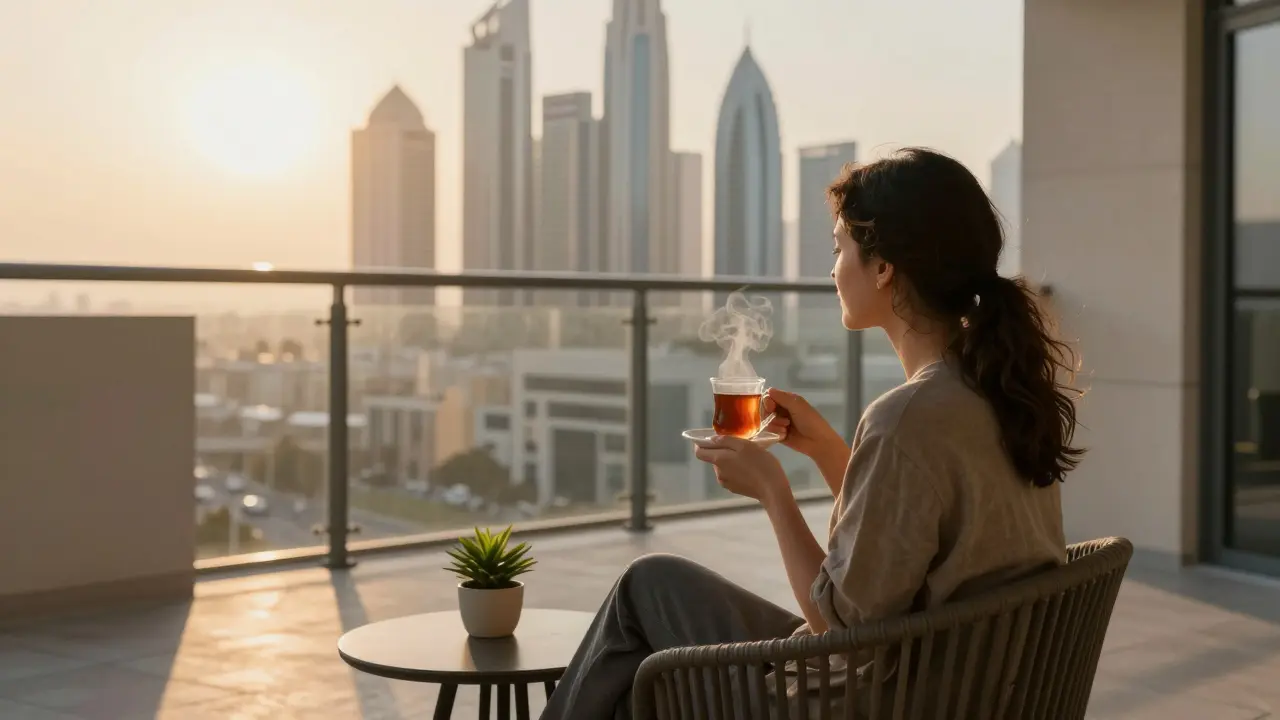
- A person sitting quietly on a balcony in Dubai at sunrise, holding a cup of tea, with a plant nearby.
- Hands writing in a journal with a view of the desert in the background.
- A group of diverse people walking together in a park, smiling and talking.
- A clean, organized workspace with a water bottle, notebook, and small plant.
- A person meditating under a tree in Al Barsha Park, eyes closed, calm expression.
Suggested Tables
- Comparison of the 7 areas of wellness (Area | Description | Daily Action Example)
- Key benefits of each wellness area (Area | Emotional Impact | Physical Impact)
- Quick Wellness Check-In (Area | Rate 1-10 | One Small Step This Week)


Helen Chen
January 29, 2026 AT 10:41Kacey Graham
January 30, 2026 AT 21:41Melissa Gainor
February 1, 2026 AT 02:40demond cyber
February 1, 2026 AT 17:36Rajesh r
February 3, 2026 AT 16:14