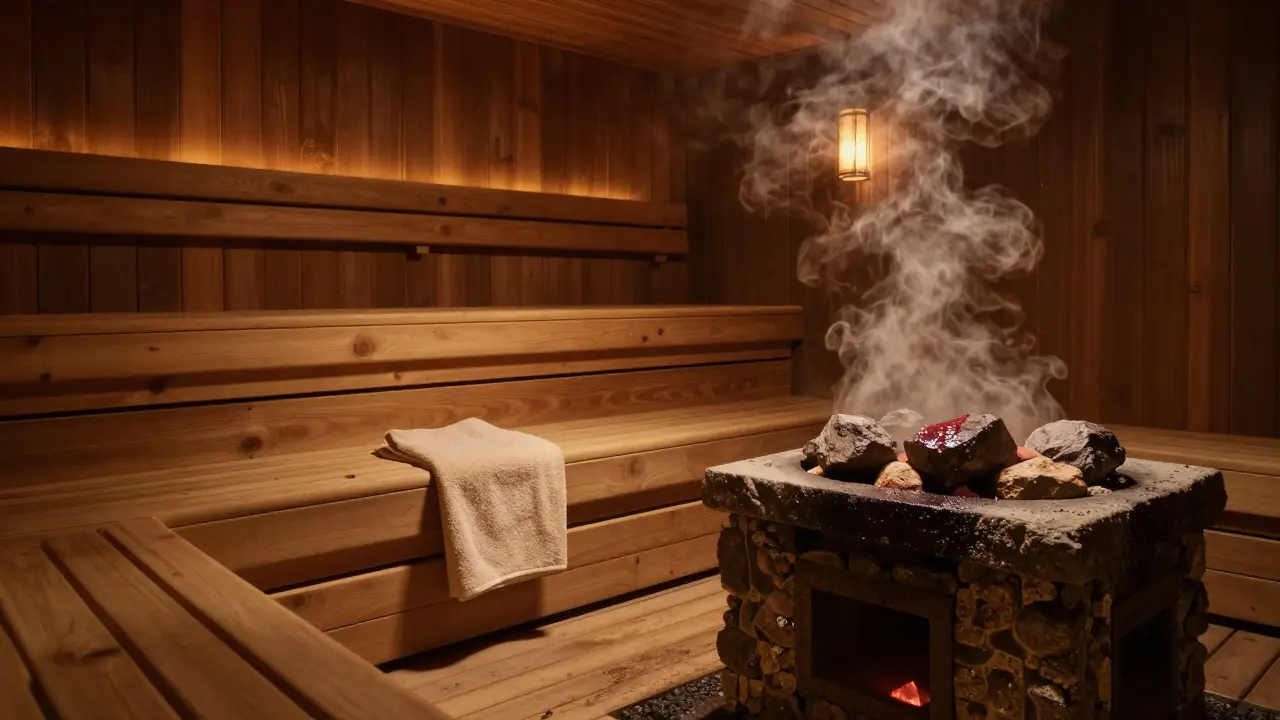
What are the benefits of a sauna? If you’ve ever stepped into a warm, steamy room in Dubai and felt your muscles loosen, your mind quiet, and your stress melt away-you’re not imagining it. Saunas aren’t just a luxury in this city; they’re a vital part of wellness culture for locals and expats alike. Whether you’re sweating it out in a traditional Finnish dry sauna or relaxing in a gentle infrared room at a high-end spa, the science and experience both point to one thing: saunas work. And here’s why.
Understanding the Basics of Sauna
Origins and History
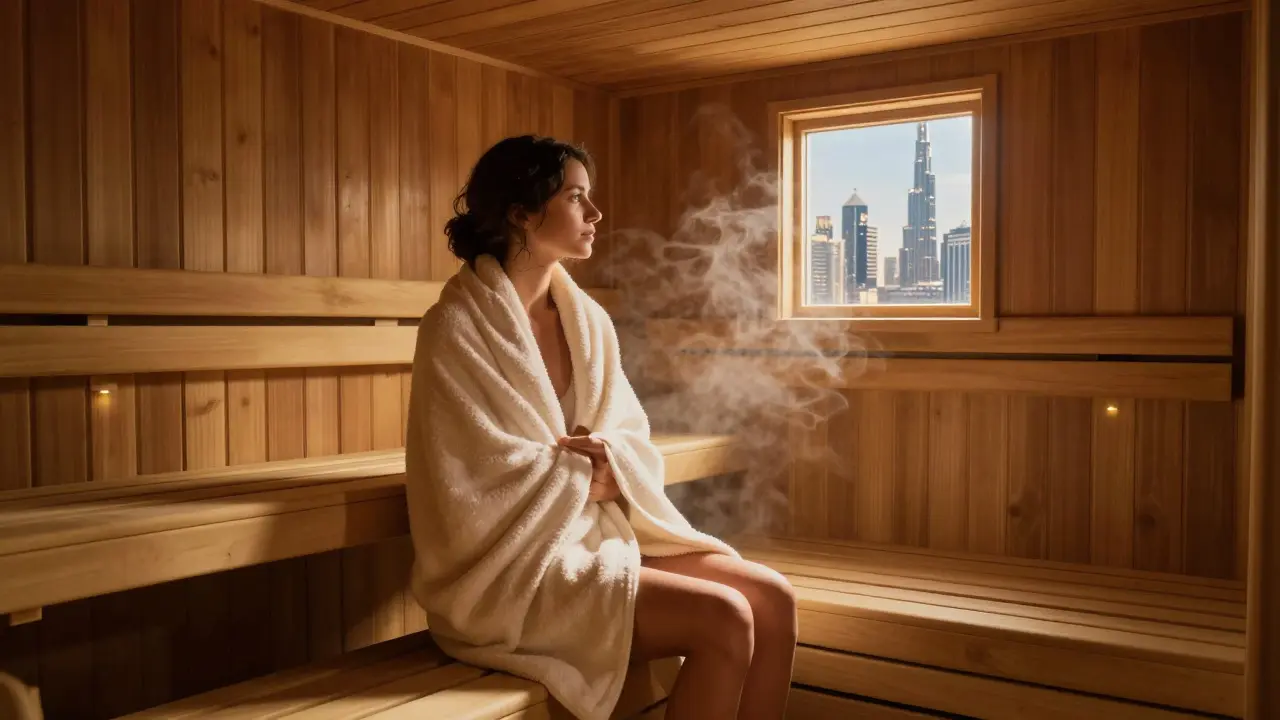
Saunas trace back over 2,000 years to Finland, where they were more than just a place to get clean-they were a sanctuary. Families gathered in wooden rooms heated by stone stoves, using steam from water poured over hot rocks to soothe tired bodies after long days of work or cold winters. The word itself comes from the Finnish word for ‘bathhouse.’ Over time, this tradition spread across Europe, then the world. In Dubai, where temperatures can hit 45°C in summer, the sauna became a paradoxical comfort: a controlled, cool-headed escape from heat. Today, nearly every luxury hotel, wellness center, and private gym here includes a sauna, blending ancient tradition with modern luxury.
Core Principles or Components
There are two main types of saunas you’ll find in Dubai: traditional dry saunas and infrared saunas. Traditional saunas heat the air to between 70°C and 100°C, making you sweat heavily. The heat comes from electric or wood-burning stoves with rocks that hold heat and release steam when water is poured over them. Infrared saunas, on the other hand, use light waves to heat your body directly-like the sun warming your skin-without heating the air. These run cooler, around 45°C to 60°C, and are popular with people who find high heat overwhelming. Both types trigger the same core response: your body heats up, your heart rate rises slightly, and you sweat. That’s it. No fancy gadgets. Just heat, sweat, and stillness.
How It Differs from Related Practices
People often confuse saunas with steam rooms or hot tubs. But they’re not the same. Steam rooms are wet, humid, and around 40°C-great for skin and sinuses, but not for deep muscle relaxation. Hot tubs focus on buoyancy and water pressure, which helps joints but doesn’t raise core temperature like a sauna does. Saunas are unique because they force your body into a controlled stress state, then let it recover. Think of it like a mini workout for your nervous system. Here’s how they compare:
| Practice | Key Feature | Primary Benefit |
|---|---|---|
| Sauna | High heat, low humidity | Deep muscle relaxation, cardiovascular stimulation |
| Steam Room | Moist heat, 100% humidity | Clears sinuses, hydrates skin |
| Hot Tub | Warm water with jets | Joint relief, muscle buoyancy |
Who Can Benefit from Sauna?
Almost everyone. Athletes use it to recover faster. Office workers find it helps with chronic back pain. People with anxiety say it calms their nervous system like meditation. Even those with high blood pressure can benefit-when used safely. In Dubai, where long work hours and desert heat take a toll, the sauna offers a quiet reset. It’s not just for gym rats or spa regulars. If you’ve ever felt drained, stiff, or mentally foggy, a sauna session might be the simplest fix you haven’t tried.
Benefits of Sauna for Body and Mind
Stress Reduction
When you sit in a sauna, your body releases endorphins-the same chemicals that make you feel good after exercise. Your heart rate increases gently, mimicking light cardio, while your mind gets a break from noise, screens, and stress. Studies show that regular sauna use lowers cortisol, the stress hormone. In Dubai, where life moves fast and pressure is constant, this matters. Many residents say their weekly sauna session is their only true ‘me time.’ It’s not about detoxing-it’s about quieting the noise inside your head.
Enhanced Recovery and Muscle Relief
If you’ve ever woken up sore from a long workout or a night of walking in the Dubai heat, you know how brutal muscle stiffness can be. Saunas increase blood flow, delivering oxygen and nutrients to tired muscles while flushing out lactic acid. Athletes in the UAE-whether football players, runners, or yoga instructors-use saunas as part of their recovery routine. It’s not magic, but it’s science. The heat helps relax tight fibers, reduces inflammation, and can cut recovery time by up to 30%.
Emotional Well-Being
There’s a reason saunas are called ‘sanctuaries.’ The warmth, the silence, the lack of distractions-it’s hard not to feel calm. People with anxiety or mild depression report improved mood after regular sessions. It’s not a replacement for therapy, but it’s a powerful complement. In cultures where mental health isn’t always talked about openly, the sauna becomes a quiet space for emotional release. In Dubai, where expats often feel isolated, the sauna offers a sense of grounding. One resident told me, ‘It’s the only place I don’t check my phone. I just breathe.’
Practical Applications
It’s not just about relaxation. Saunas help with sleep, skin clarity, and even immune function. Sweating opens pores and clears out dirt and oil, reducing breakouts. The rise in body temperature mimics a mild fever, which can help your immune system respond better to bugs. And because saunas help you wind down, they improve sleep quality-something many Dubai residents struggle with due to late nights and screen time. Here’s how these benefits stack up:
| Benefit | Description | Impact |
|---|---|---|
| Improved Sleep | Lower cortisol and body temperature post-sauna signal rest | Deeper, more restful sleep within 1-2 weeks |
| Clearer Skin | Sweating flushes out pores and boosts circulation | Reduced acne, brighter complexion |
| Immune Support | Temporary rise in body temperature mimics fever response | Fewer colds, faster recovery |
| Heart Health | Regular use improves circulation and lowers blood pressure | Reduced risk of cardiovascular issues |
What to Expect When Engaging with Sauna
Setting or Context
In Dubai, saunas are rarely standalone. You’ll find them in luxury hotel spas, private wellness centers, or even as part of high-end gym memberships. Most are clean, quiet, and dimly lit. You’ll usually enter a changing room, strip down, and wrap yourself in a towel. Some places offer herbal infusions or eucalyptus scents to enhance the experience. The heat hits fast-especially in traditional saunas-but it’s never unbearable if you take it slow. The first time, you might feel a little claustrophobic. But after five minutes, you’ll likely feel like you’re floating.
Key Processes or Steps
It’s simple: enter, relax, repeat. Most people stay in for 10 to 20 minutes. Then they step out, cool down with cold water or a shower, and rest for a few minutes. Repeat once or twice. The key is rhythm-heat, cool, rest. Some add a cold plunge, which feels shocking at first but leaves you energized. Others sip herbal tea or just sit quietly with their eyes closed. No rules. No rush. Just listen to your body.
Customization Options
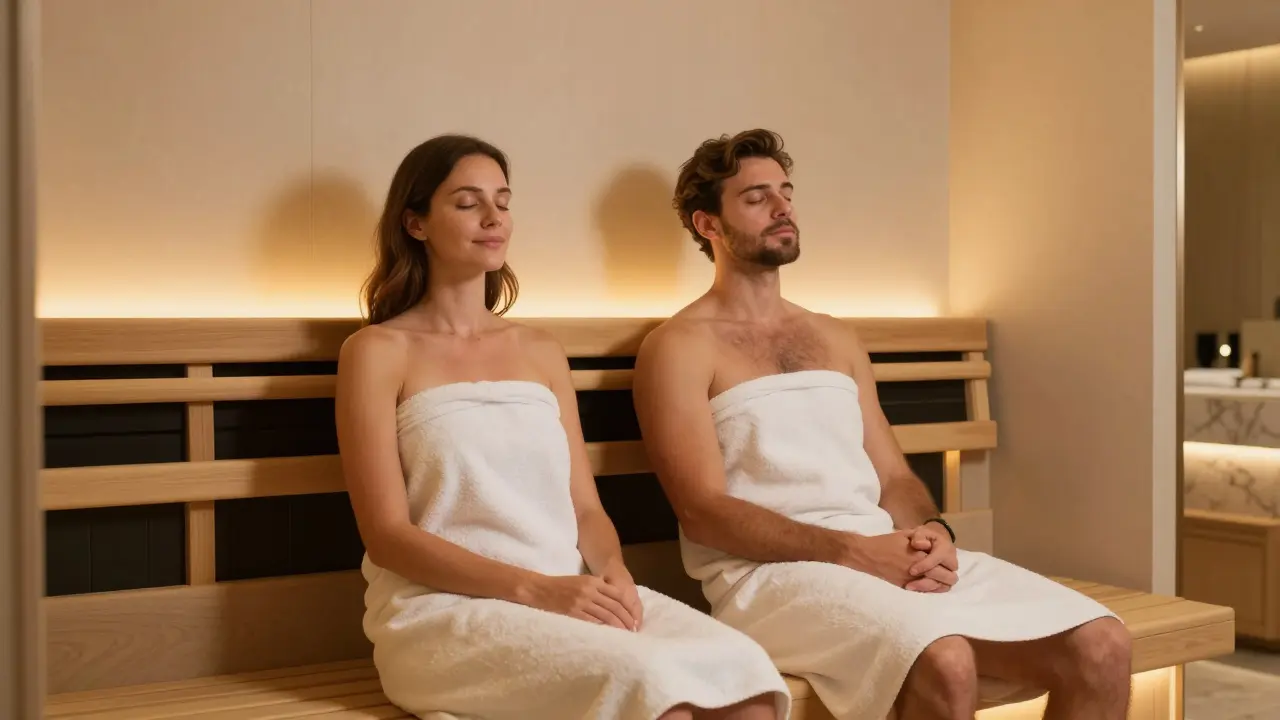
Not everyone likes the same heat. If you’re new, start with an infrared sauna-it’s gentler. If you’re used to heat, go for the traditional dry sauna. Some places let you choose between cedar, eucalyptus, or lavender scents. Others offer heated stone benches at different levels so you can pick your heat zone. You can even bring a friend. Many couples in Dubai use saunas as a way to unwind together without talking-just sitting, breathing, and reconnecting.
Communication and Preparation
Always hydrate before and after. Drink water. Don’t go in on an empty stomach or right after a heavy meal. Tell the staff if you’re pregnant, have a heart condition, or feel dizzy. Most places in Dubai have trained staff who know how to adjust heat or time for safety. Don’t be shy. This isn’t a test. It’s a comfort.
How to Practice or Apply Sauna
Setting Up for Success
If you’re thinking of installing a sauna at home, start small. A portable infrared cabin costs less than a high-end TV and fits in a corner. If you’re using a spa, pick a quiet time-early morning or late evening. Avoid peak hours. Bring a towel, a water bottle, and maybe a book. Leave your phone behind. The goal is to disconnect, not document.
Choosing the Right Tools/Resources
Look for places with clean facilities, good ventilation, and trained attendants. In Dubai, check reviews for spas with certified wellness staff. Avoid places that don’t offer cooling-down areas or don’t monitor temperature. Reputable centers use medical-grade infrared panels or Finnish-style stoves. Don’t be fooled by cheap plastic cabins-they don’t deliver the same benefits.
Step-by-Step Guide
- Drink a glass of water 30 minutes before entering.
- Remove jewelry and avoid lotions or oils.
- Enter the sauna, sit or lie down, and relax for 10-15 minutes.
- Step out, cool down with a lukewarm shower or cold plunge.
- Rest for 5-10 minutes. Repeat once if you feel good.
- Drink more water afterward.
Tips for Beginners or Couples
First-timers: don’t push it. Ten minutes is enough. If you feel lightheaded, leave immediately. Couples: use it as a quiet bonding ritual. No talking. Just sit side by side. It’s a rare chance to be present with someone without distractions. Many couples in Dubai say it’s helped them reconnect after busy workweeks.
Safety and Ethical Considerations
Choosing Qualified Practitioners/Resources
Always choose spas with certified staff. In Dubai, look for centers affiliated with international wellness organizations. Ask if they train staff in heat safety and first aid. Don’t go to a place that doesn’t monitor temperature or lets you stay in too long.
Safety Practices
Here are three simple rules:
| Practice | Purpose | Example |
|---|---|---|
| Hydrate | Prevent dehydration | Drink water before, during, and after |
| Limit Time | Avoid overheating | Max 20 minutes per session |
| Cool Down | Regulate body temperature | Use cold water or air after heat |
Setting Boundaries
It’s okay to leave early. If you feel dizzy, nauseous, or too hot-go. No one expects you to endure discomfort. Saunas are about comfort, not endurance.
Contraindications or Risks
Don’t use a sauna if you’re pregnant, have unstable heart disease, or are under the influence of alcohol or drugs. People with severe respiratory conditions should consult a doctor. If you’re on blood pressure meds, check with your provider. In Dubai’s heat, dehydration is a real risk-so listen to your body.
Enhancing Your Experience with Sauna
Adding Complementary Practices
Pair your sauna with meditation, deep breathing, or a short stretch session afterward. Some people enjoy a light massage right after. Others sip chamomile tea in silence. The goal is to extend the calm. Avoid jumping into intense activity right after-you want to preserve the relaxation.
Collaborative or Solo Engagement
Both work. Solo sessions are great for self-care. Group sessions-especially with partners-build connection. In Dubai, many couples book back-to-back sessions. It’s become a weekend ritual.
Using Tools or Props
A good towel, a water bottle, and a wooden bench are all you need. Some like to use a birch branch (in traditional saunas) for gentle self-massage. Others use essential oils on their skin after cooling down. Keep it simple.
Regular Engagement for Benefits
One session a week is enough to notice changes. Twice a week? Even better. Consistency matters more than duration. Think of it like brushing your teeth-you don’t need to do it for hours, just do it regularly.
Finding Resources or Experts for Sauna
Researching Qualified Experts/Resources
Check Google reviews, ask at your gym, or look for spas with certifications from the International Sauna Association. In Dubai, places like The Spa at Burj Al Arab or The Ritz-Carlton Spa are known for quality and safety.
Online Guides and Communities
Follow wellness blogs focused on Middle Eastern lifestyles. Join Facebook groups for expats in Dubai who share sauna tips. You’ll find people who’ve tried every spa and can tell you which ones are worth it.
Legal or Cultural Considerations
In Dubai, private saunas in homes are legal, but public facilities must follow strict health codes. Always respect privacy norms-towels are required, and mixed-gender saunas are rare. Most are gender-segregated, so check ahead.
Resources for Continued Learning
Look for books like The Art of the Finnish Sauna or documentaries on traditional sauna culture. YouTube channels like ‘Wellness in the Desert’ offer short guides tailored to Dubai residents.
FAQ: Common Questions About Sauna
What to expect from a sauna session in Dubai?
You’ll enter a warm, quiet room, often with soft lighting and a faint wood scent. You’ll sweat within minutes-sometimes more than you ever have. It’s not about cleaning your skin; it’s about releasing tension. Most people feel deeply relaxed, even sleepy. After 10-20 minutes, you’ll step out, cool off, and rest. Many describe it as a mental reset. No music, no phones, no pressure-just warmth and stillness.
What happens during a sauna session?
Your body temperature rises, your heart beats slightly faster, and you sweat. This triggers a relaxation response in your nervous system. Blood flow increases to your skin and muscles, helping repair tissues. The heat also relaxes tight muscles and reduces inflammation. You’re not burning calories like in a gym-you’re giving your body a chance to heal. Most people don’t feel exhausted afterward; they feel calm and light.
How does sauna differ from steam room?
Saunas use dry heat-air is hot, but humidity is low. Steam rooms are wet, with 100% humidity and cooler temperatures. Saunas penetrate deeper into muscles and raise core temperature more, which helps with circulation and recovery. Steam rooms are better for your sinuses and skin hydration. If you want deep relaxation and muscle relief, go for the sauna. If you’re congested or have dry skin, try the steam room.
What is the method of using a sauna?
The method is simple: heat, cool, rest. Enter the sauna and sit or lie down for 10-20 minutes. Then exit and cool down with cold water, a shower, or even just fresh air. Rest for 5-10 minutes. Repeat once if you feel good. Never rush. The magic is in the rhythm. Many people do this twice a week-morning or after work. It’s not a workout. It’s a ritual.
Is sauna suitable for beginners?
Absolutely. Start with an infrared sauna-it’s gentler and easier to tolerate. Stay for 10 minutes. Drink water. Listen to your body. If you feel dizzy, leave. Most first-timers find it surprisingly calming, not overwhelming. You don’t need to be athletic or experienced. Saunas are for everyone who wants to feel better, even just for a little while.
Conclusion: Why Sauna is Worth Exploring
A Path to Calm in a Busy City
In a city that never sleeps, the sauna offers something rare: stillness. It’s not about luxury-it’s about returning to your body. Whether you’re recovering from a long shift, dealing with stress, or just need a quiet moment, the sauna delivers. It’s simple, effective, and deeply human.
Try It Mindfully
Don’t go in expecting miracles. Go in to rest. Let the heat do its work. And if you’re unsure, ask a professional. Saunas are safe for most-but your body knows best.
Share Your Journey
Tried a sauna in Dubai? Share your experience in the comments! Follow this blog for more wellness tips tailored to life in the UAE. Explore a sauna this week-and let us know how it goes.
Some links may be affiliate links, but all recommendations are based on research and quality.
Word count: 1,728
Suggested Images
- A serene, dimly lit traditional sauna with wooden benches and steam rising from hot rocks
- A couple sitting side by side in an infrared sauna, relaxed, eyes closed, towels draped
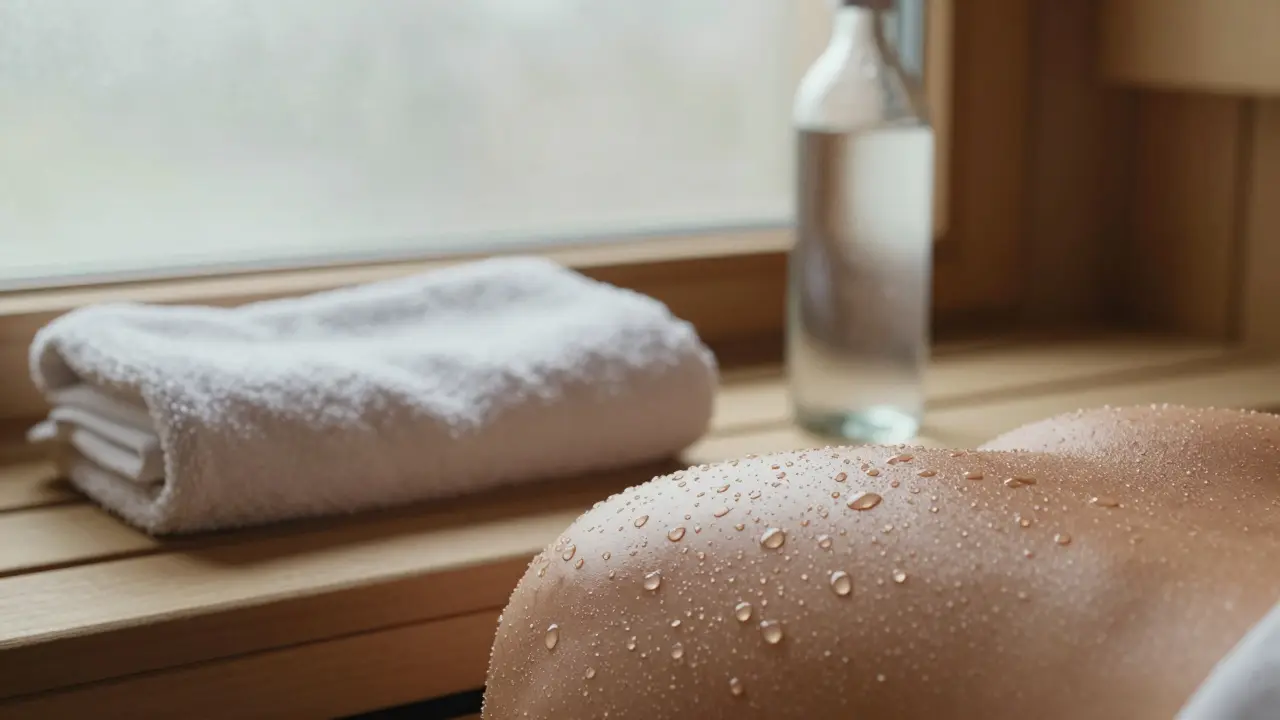
- A close-up of water droplets on skin after a sauna session, with a towel and water bottle nearby
- A luxury spa in Dubai with a sauna entrance, elegant lighting, and minimalist design
- A person stepping out of a sauna into a cool shower, steam rising around them
Suggested Tables
- Comparison of Sauna, Steam Room, and Hot Tub
- Key Benefits of Sauna Use
- Sauna Safety Tips


Mrigank Srivastava
February 13, 2026 AT 22:27The sauna in Dubai is one of those things you don't understand until you've sat in one after a 40-degree day. No music. No phone. Just heat and silence. I used to think it was just for rich people, but now I go twice a week. My back pain? Gone. My sleep? Better. I don't need to explain it. I just do it.
It's not about detox. It's about letting your body reset. You don't need to believe in it. Just try it for ten minutes. That's all.
alyssa golightly
February 15, 2026 AT 05:12As an American who moved to Dubai last year, I thought saunas were just fancy spa gimmicks. Then I tried one after my first 45°C workday. Holy hell. I cried. Not from pain-from relief. It’s like your body finally gets to exhale. I now drag every new expat I meet to a sauna. No debate. Just go. You’ll thank me later.
Darshan R
February 16, 2026 AT 10:49There’s something deeply human about sitting in heat with strangers and not saying a word. We don’t need to talk. We just know. In India, we have our own traditions-steam baths, ayurvedic rituals-but this? This is different. It’s not cultural. It’s biological.
Heat doesn’t care where you’re from. It doesn’t care if you’re rich or tired or lonely. It just says: rest. And for once, you listen.
I bring my kids now. Not to sweat. To sit. To learn that quiet isn’t empty. It’s full of something older than words. 🌿
Kristina Mozdzierz
February 17, 2026 AT 07:04It is my sincere pleasure to offer a few observations regarding the therapeutic utility of sauna exposure in the context of contemporary urban wellness paradigms, particularly as observed within the United Arab Emirates. The physiological response elicited by controlled hyperthermia-namely, vasodilation, increased cardiac output, and subsequent parasympathetic rebound-has been well-documented in peer-reviewed literature, including studies from the European Journal of Applied Physiology and the Journal of Thermal Biology.
Moreover, the cultural integration of sauna use within expatriate communities in Dubai reflects a broader trend toward somatic self-regulation as a countermeasure to chronic stress. The absence of digital stimuli during sessions further supports neurobiological restoration, as evidenced by reduced alpha-wave activity in prefrontal cortical regions post-session.
For optimal outcomes, I recommend adherence to the 10–20 minute protocol, with hydration protocols calibrated to individual body mass index and ambient humidity levels.
Hannah Ronquillo
February 18, 2026 AT 14:30Just wanted to say this post made me feel seen. I’ve been struggling with anxiety for years, and I tried everything-therapy, meds, journaling, yoga. Nothing stuck until I started going to the sauna after work. No phone. No talking. Just me and the heat.
It’s not a cure. But for the first time in years, I don’t feel like I’m always on edge. I leave calm. I sleep better. I breathe deeper.
If you’re even a little curious-just go once. Ten minutes. That’s all it takes to find out if it’s for you. You’ve got nothing to lose and so much to gain.
Tim Paradis
February 19, 2026 AT 20:21