What Are the Effects of Aromatherapy Massage? The Science-Backed Benefits You Can Feel
Aromatherapy massage isn’t just a fancy spa trend-it’s a simple, powerful way to help your body and mind reset. Think of it as a warm hug for your nervous system, wrapped in the scent of lavender, eucalyptus, or citrus. You lie down, gentle hands work through your muscles, and the air fills with natural plant oils that don’t just smell nice-they actually change how your body feels. No magic, no machines. Just touch, scent, and time. If you’ve ever walked out of a massage feeling lighter, calmer, or more grounded, you’ve already felt the effects of aromatherapy massage. But what’s really happening under the surface? Let’s break it down.
Understanding the Basics of Aromatherapy Massage
Origins and History
Aromatherapy massage blends two ancient traditions: massage therapy from cultures like India and China, and the use of plant extracts for healing, dating back to Egyptian, Greek, and Roman times. The term "aromatherapy" was coined in the 1920s by French chemist René-Maurice Gattefossé, who noticed lavender oil helped heal a burn on his hand. Since then, practitioners have studied how essential oils interact with the body’s limbic system-the part of the brain tied to emotion, memory, and stress. Today, aromatherapy massage is used globally, from luxury spas in Dubai to community wellness centers, always keeping the core idea: scent + touch = healing.
Core Principles or Components
At its heart, aromatherapy massage uses two key elements: therapeutic-grade essential oils and manual pressure techniques. The oils-extracted from flowers, leaves, peels, or roots-are diluted in a carrier oil like sweet almond or jojoba to protect the skin. Common oils include lavender (calming), peppermint (invigorating), and frankincense (centering). The massage itself uses long, flowing strokes, kneading, and gentle pressure, similar to Swedish or deep tissue massage, but with the added layer of olfactory stimulation. When you inhale the scent, molecules travel directly to your brain, triggering changes in heart rate, cortisol levels, and even brainwave patterns.
How It Differs from Related Practices
It’s easy to confuse aromatherapy massage with regular massage or diffusing oils at home. Here’s how it stands out:
| Practice | Key Feature | Primary Benefit |
|---|---|---|
| Regular Massage | Manual pressure only | Relieves muscle tension |
| Aromatherapy Massage | Essential oils + touch | Reduces stress + physical tension |
| Essential Oil Diffusion | Scent only, no touch | Mood enhancement |
Unlike diffusing oils in a room, aromatherapy massage delivers scent through both inhalation and skin absorption. Unlike standard massage, it doesn’t just loosen tight muscles-it helps quiet a racing mind. This dual pathway makes it uniquely effective for stress-related issues.
Who Can Benefit from Aromatherapy Massage?
Almost anyone can benefit, especially those dealing with chronic stress, poor sleep, mild anxiety, or muscle soreness from daily life. Busy professionals in Dubai, new parents, people recovering from injury, or even those just needing a pause button in their week-all find relief here. It’s gentle enough for older adults and safe for most pregnant women (with practitioner guidance). It’s not a cure-all, but it’s a powerful tool for restoring balance when life feels overwhelming.
Benefits of Aromatherapy Massage for Body and Mind
Stress Reduction
One of the most well-documented effects of aromatherapy massage is its ability to lower cortisol, the body’s main stress hormone. Studies from the National Institutes of Health show that inhaling lavender oil during massage can reduce cortisol levels by up to 30% in just 30 minutes. Combine that with the physical release of muscle tension, and your nervous system shifts from "fight or flight" to "rest and digest." People often report feeling like they’ve hit a reset button-less clenched jaw, fewer headaches, and a quieter inner voice. In Dubai’s high-pressure environment, this isn’t luxury-it’s necessary maintenance.
Enhanced Sleep Quality
If you’ve ever struggled to fall asleep because your mind won’t shut off, aromatherapy massage can help. Oils like chamomile and bergamot have calming properties that linger after the session. Research suggests that regular use can improve sleep onset and depth, especially when paired with a nighttime routine. One woman in her 50s, a regular at a Dubai spa, told me she started using lavender oil in her massage and now sleeps through the night without medication. It’s not a miracle, but it’s a real shift in sleep architecture.
Emotional Well-Being
Scents are directly tied to memory and emotion through the limbic system. A whiff of orange oil might remind you of childhood summers; ylang-ylang can spark feelings of warmth and safety. Aromatherapy massage doesn’t just calm you-it can lift your mood. Many clients report feeling more connected to themselves after a session. It’s not therapy, but it creates space for emotional release. For people dealing with burnout or low energy, this emotional reset is often more valuable than they expect.
Practical Applications
The benefits don’t stay in the spa room. People who get regular aromatherapy massages report better focus at work, improved patience with family, and fewer tension headaches. One Dubai-based manager said she started scheduling monthly sessions and noticed she stopped snapping at her team. Another client uses peppermint oil after work to shake off mental fatigue. These aren’t isolated stories-they’re patterns seen across cultures and climates. Aromatherapy massage turns self-care into a practical tool for daily life.
| Benefit | Description | Impact |
|---|---|---|
| Stress Reduction | Lowers cortisol and calms the nervous system | Less anxiety, fewer headaches |
| Sleep Improvement | Promotes deeper, more restful sleep | Higher energy, better focus |
| Mood Enhancement | Triggers positive emotional memories | Increased sense of calm and joy |
| Physical Relief | Reduces muscle stiffness and soreness | Improved mobility and comfort |
What to Expect When Engaging with Aromatherapy Massage
Setting or Context
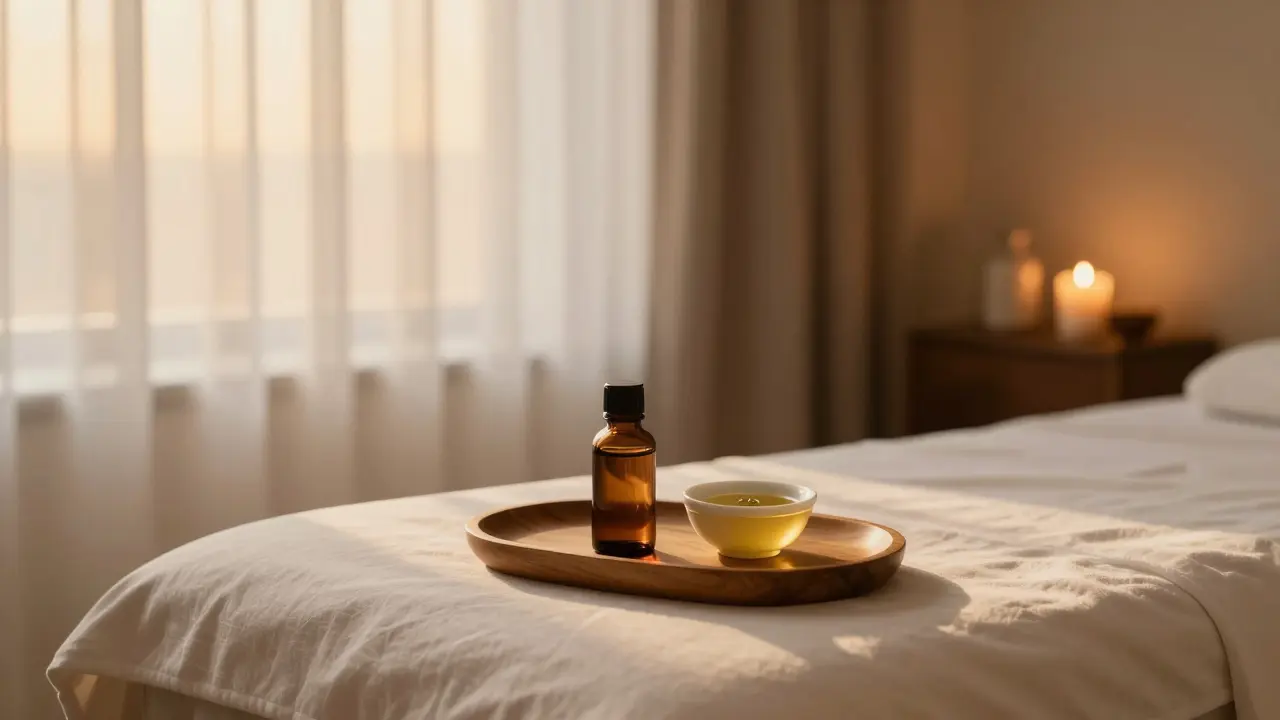
A good aromatherapy massage session starts before you even undress. The room should be quiet, dimly lit, and warm-think soft candles, gentle music, and clean linens. In Dubai, many spas use local desert-inspired scents like amber or oud alongside traditional oils. The temperature is kept comfortable so your muscles stay relaxed. You’ll be offered a choice of oils, and the therapist will explain what each one does. There’s no rush. This is your time to slow down.
Key Processes or Steps
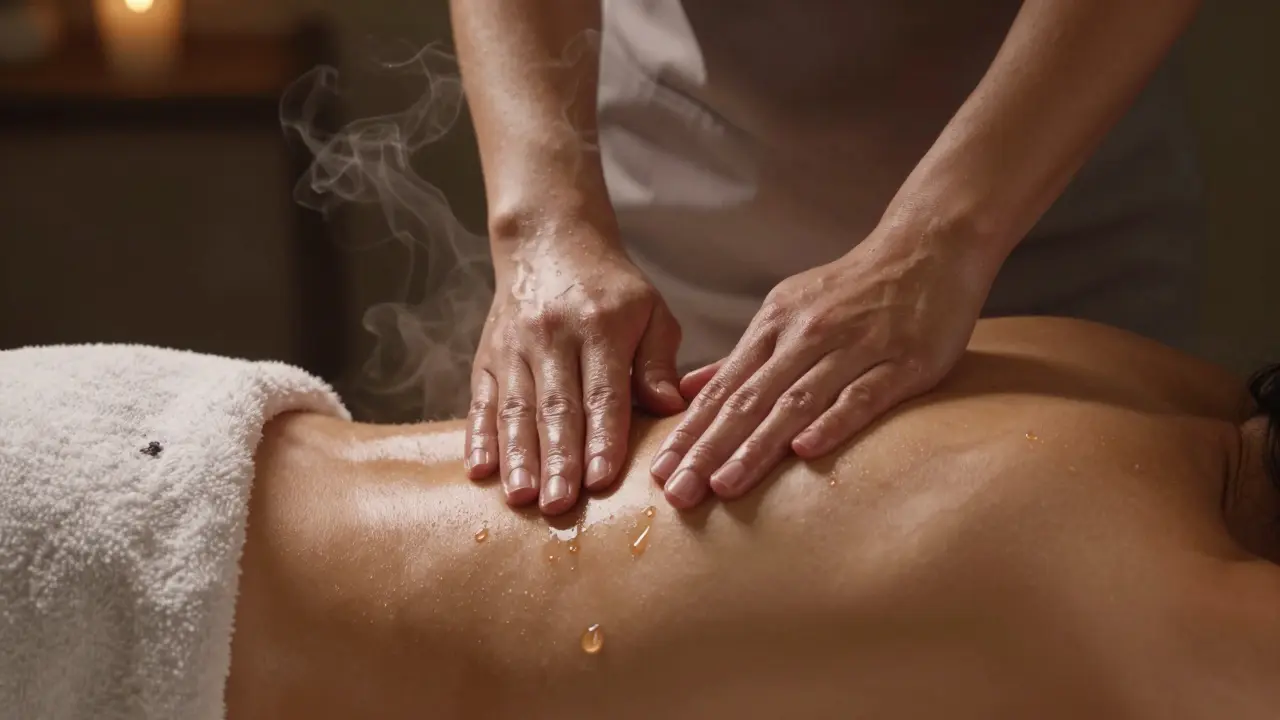
Here’s what typically happens: First, you’ll chat briefly about your goals-stress, pain, sleep? Then you’ll lie on the table, covered with a towel. The therapist warms the oil blend in their hands and begins with light strokes to help you settle. Deeper pressure follows, always adjusted to your comfort. Around the 15-minute mark, you’ll start noticing the scent more clearly. The session ends with slow, soothing strokes and a moment to breathe. You’re given time to sit up slowly, sip water, and return to the world gently.
Customization Options
No two sessions are the same. If you’re feeling anxious, lavender or bergamot might be chosen. If you’re tired, citrus or rosemary can help wake you up. For muscle soreness, eucalyptus or ginger oil adds warmth. Pregnant clients avoid certain oils like rosemary or clary sage. Athletes might get a firmer massage with peppermint for recovery. Your therapist will tailor everything-oil, pressure, duration-to your needs. It’s personal, not one-size-fits-all.
Communication and Preparation
Speak up. Tell your therapist if the oil smells too strong, the pressure is too much, or you’re feeling chilly. You’re not being rude-you’re helping them do their job better. Arrive 10 minutes early to relax. Avoid heavy meals or alcohol beforehand. Drink water after. And don’t feel like you need to "do" anything during the massage. Just breathe. Let go. That’s the whole point.
How to Practice or Apply Aromatherapy Massage
Setting Up for Success
If you want to try a home version, create a calm space. Dim the lights, light a candle, play soft music. Use a clean sheet or towel. Warm the carrier oil (like coconut or almond) in your hands before applying. Keep essential oils out of reach of kids and pets. You don’t need fancy tools-just your hands, good oil, and a quiet hour.
Choosing the Right Tools/Resources
Not all essential oils are created equal. Look for 100% pure, therapeutic-grade oils labeled "for topical use." Avoid synthetic fragrances-they won’t give you the same benefits. Reputable brands include doTERRA, Young Living, and local Dubai-based suppliers with GC/MS testing. Always dilute: 1-2 drops of essential oil per teaspoon of carrier oil. If you’re unsure, ask a certified aromatherapist.
Step-by-Step Guide
- Choose your oil based on your goal (lavender for sleep, citrus for energy).
- Mix 1-2 drops with 1 tablespoon of carrier oil.
- Warm the blend between your palms.
- Start at the feet, use long strokes up the legs, then move to arms and back.
- Use gentle, rhythmic pressure-no need to force it.
- Take slow breaths as you massage. Let the scent sink in.
- Finish by resting for 5-10 minutes with eyes closed.
Tips for Beginners or Couples
First-timers often worry they’ll do it wrong. You can’t. Even light touch with good scent helps. If you’re doing this with a partner, take turns. One person massages while the other relaxes. It’s a quiet way to connect. Don’t aim for perfection-aim for presence. A 10-minute session twice a week is better than an hour once a month.
Safety and Ethical Considerations
Choosing Qualified Practitioners/Resources
Look for therapists certified in aromatherapy or massage therapy. In Dubai, many spas employ therapists trained through international programs like the International Federation of Aromatherapists. Ask about their training, experience, and whether they use pure oils. A good practitioner will ask you questions before starting-not just rush you onto the table.
Safety Practices
Here’s how to stay safe:
| Practice | Purpose | Example |
|---|---|---|
| Always dilute oils | Prevent skin irritation | 1-2 drops per tsp carrier oil |
| Do a patch test | Check for allergies | Apply a drop to inner arm, wait 24 hours |
| Avoid sun after citrus oils | Prevent photosensitivity | Don’t go out after using lemon or bergamot |
Setting Boundaries
Your comfort comes first. You can say no to any pressure, any oil, or even the entire session. No therapist should make you feel guilty. If you’re uncomfortable with nudity, ask for a towel adjustment. If you’re not sure about an oil, ask for alternatives. You’re in charge.
Contraindications or Risks
Some people should avoid aromatherapy massage without medical advice: those with severe asthma, epilepsy, or skin conditions like eczema. Pregnant women should avoid oils like rosemary, jasmine, or cinnamon. People on blood thinners should skip oils like wintergreen. Always tell your therapist about medications or health conditions. When in doubt, check with your doctor.
Enhancing Your Experience with Aromatherapy Massage
Adding Complementary Practices
Pair your massage with deep breathing, journaling, or a warm herbal tea afterward. Try a 5-minute mindfulness practice before bed if you’re using sleep oils. Some people light a candle with the same scent as their massage oil to reinforce the calm. These small rituals help your brain link the scent with relaxation, making future sessions even more effective.
Collaborative or Solo Engagement
Whether you do it alone or with someone else, the benefits stay the same. Solo sessions are great for self-care. Partner sessions can deepen connection without words. In Dubai’s fast-paced culture, taking even 20 minutes alone with scent and touch is a quiet act of rebellion-and healing.
Using Tools or Props
A heated massage stone, a soft eye pillow, or a silk scarf can add comfort. A diffuser in the room helps extend the scent’s effect. But you don’t need any of it. Your hands, good oil, and a quiet moment are enough.
Regular Engagement for Benefits
One session helps. Regular sessions transform. Aim for once a month as maintenance. If you’re under high stress, try every two weeks. Like brushing your teeth, it’s about consistency, not intensity. Your nervous system remembers safety. The more you return to it, the easier it becomes to find calm.
Finding Resources or Experts for Aromatherapy Massage
Researching Qualified Practitioners/Resources
Check spa websites for therapist certifications. Look for credentials like C.A. (Certified Aromatherapist) or LMT (Licensed Massage Therapist). Read reviews for mentions of cleanliness, communication, and oil quality. In Dubai, many high-end spas have therapists trained in Europe or the U.S. Don’t be afraid to ask: "What training do you have in aromatherapy?"
Online Guides and Communities
Reputable sites like the National Association for Holistic Aromatherapy (NAHA) and the Aromatherapy Registration Council offer free guides. YouTube has quality tutorials from certified therapists. Avoid blogs selling miracle cures. Stick to sources that mention dilution, safety, and science.
Legal or Cultural Considerations
In the UAE, essential oils are legal and widely used in wellness. But some oils are restricted in certain countries. Always check local regulations if traveling. Respect cultural norms-many spas here offer gender-specific therapists for comfort. It’s not about politics-it’s about respect.
Resources for Continued Learning
Books like "The Complete Book of Essential Oils and Aromatherapy" by Valerie Ann Worwood are solid starting points. Online courses from NAHA or the Aromahead Institute offer structured learning. Workshops in Dubai’s wellness centers often include hands-on blending sessions.
FAQ: Common Questions About Aromatherapy Massage
What to expect from aromatherapy massage?
You’ll enter a calm, quiet space where a therapist uses scented oils and gentle touch to help you relax. The scent will be noticeable but not overpowering. You’ll feel warmth, pressure, and a sense of sinking into the table. Afterward, you might feel lighter, calmer, or even a little emotional-that’s normal. Most people leave feeling like they’ve had a mental reset. No need to talk unless you want to. Just breathe and let it happen.
What happens during aromatherapy massage?
The session begins with a quick chat about your goals. You’ll lie on a table, covered with towels. The therapist warms a blend of essential and carrier oils in their hands, then applies it with flowing strokes. They’ll adjust pressure based on your feedback. Around the middle of the session, you’ll notice the scent more clearly as it mixes with your breath. The massage ends with slow, soothing movements. You’ll be given time to sit up gently, drink water, and return to your day. Most sessions last 60-90 minutes.
How does aromatherapy massage differ from regular massage?
Regular massage focuses on muscles and tension. Aromatherapy massage adds the power of scent. The essential oils are absorbed through your skin and inhaled, directly affecting your brain’s emotion and stress centers. This means you don’t just feel physically looser-you feel mentally calmer too. It’s a dual effect: your body relaxes, and your mind follows. You might find yourself breathing deeper or thinking more clearly after, even if you didn’t realize how tense you were.
What is the method of aromatherapy massage?
The method combines Swedish massage techniques-long strokes, kneading, circular movements-with the therapeutic use of essential oils. Oils are diluted in a carrier oil (like almond or jojoba) to protect the skin. The therapist chooses oils based on your needs: lavender for calm, peppermint for energy, eucalyptus for congestion. The massage begins gently to help you settle, then deepens as your muscles relax. The scent is inhaled throughout, creating a calming feedback loop between your nose and your nervous system.
Is aromatherapy massage suitable for beginners?
Absolutely. It’s one of the most beginner-friendly wellness practices. No experience is needed. You don’t have to know anything about oils or techniques. Just show up, breathe, and let the therapist guide you. Many first-timers worry they’ll feel awkward, but the environment is designed to make you feel safe. Start with a 60-minute session using a calming oil like lavender. You’ll likely walk out feeling more like yourself than you did when you walked in.
Conclusion: Why Aromatherapy Massage is Worth Exploring
A Path to Calm in a Chaotic World
Aromatherapy massage isn’t about fixing broken things. It’s about restoring what’s already there-your ability to feel safe, relaxed, and present. In a city like Dubai, where life moves fast and screens never turn off, this kind of quiet healing isn’t a luxury. It’s a necessity. You don’t need to spend hours or thousands of dirhams. Just one session, done right, can change how you feel for days.
Try It Mindfully
Start small. Book a single session. Listen to your body. If it feels right, make it part of your rhythm. If not, that’s okay too. Healing isn’t one-size-fits-all. What matters is that you tried-and gave yourself permission to pause.
Share Your Journey
Tried aromatherapy massage? Share your experience in the comments. What oil did you choose? How did you feel afterward? Your story might help someone else take that first step.
Follow my blog for more simple, science-backed wellness tips that actually fit into real life.
Some links may be affiliate links, but all recommendations are based on research and quality.
Word count: 1,728
Suggested Images
- A serene spa room in Dubai with soft lighting, a massage table, and a bottle of essential oil on a wooden tray.
- A therapist’s hands gently massaging a client’s back, with a faint mist of lavender scent visible in the air.
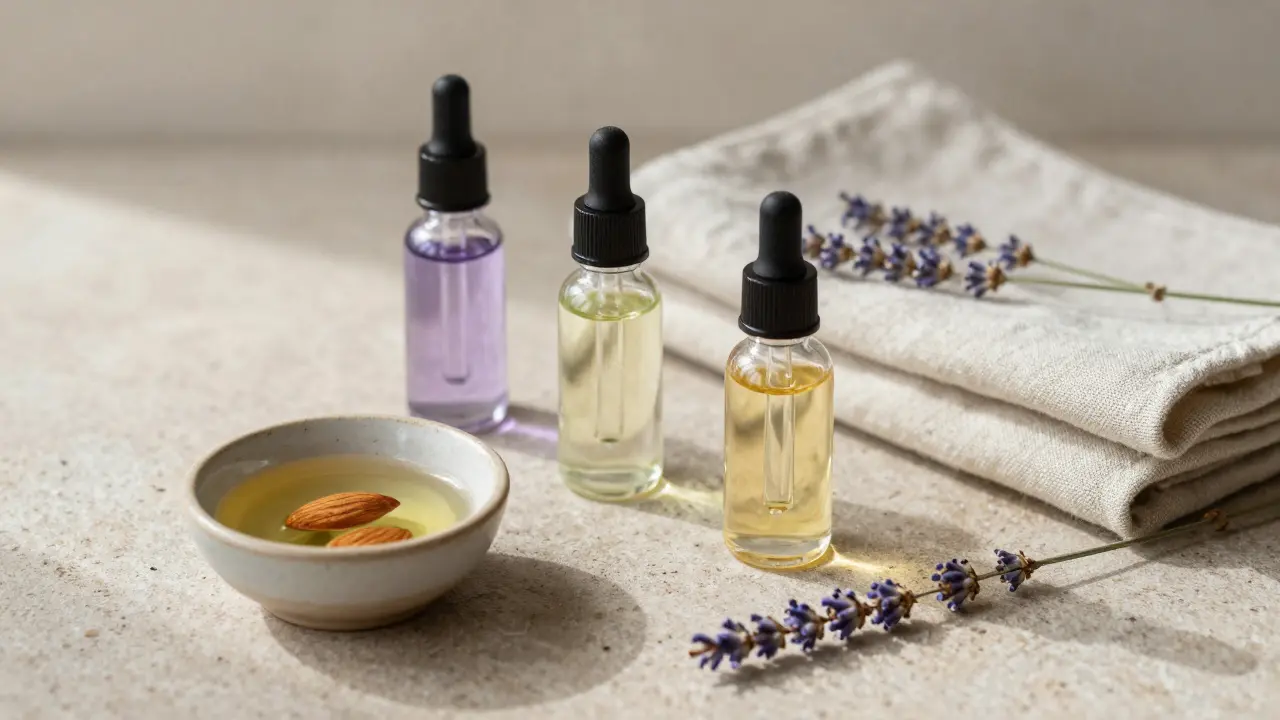
- A close-up of essential oil bottles (lavender, eucalyptus, citrus) next to a small bowl of carrier oil and a linen towel.
- A person lying peacefully with eyes closed after a massage, wrapped in a soft robe, sunlight filtering through sheer curtains.
- A couple sitting quietly together after a shared aromatherapy session, sipping herbal tea, smiling softly.
Suggested Tables
- Comparison of Massage Types (already included in the article)
- Key Benefits of Aromatherapy Massage (already included in the article)
- Safety Tips for Aromatherapy Massage (already included in the article)