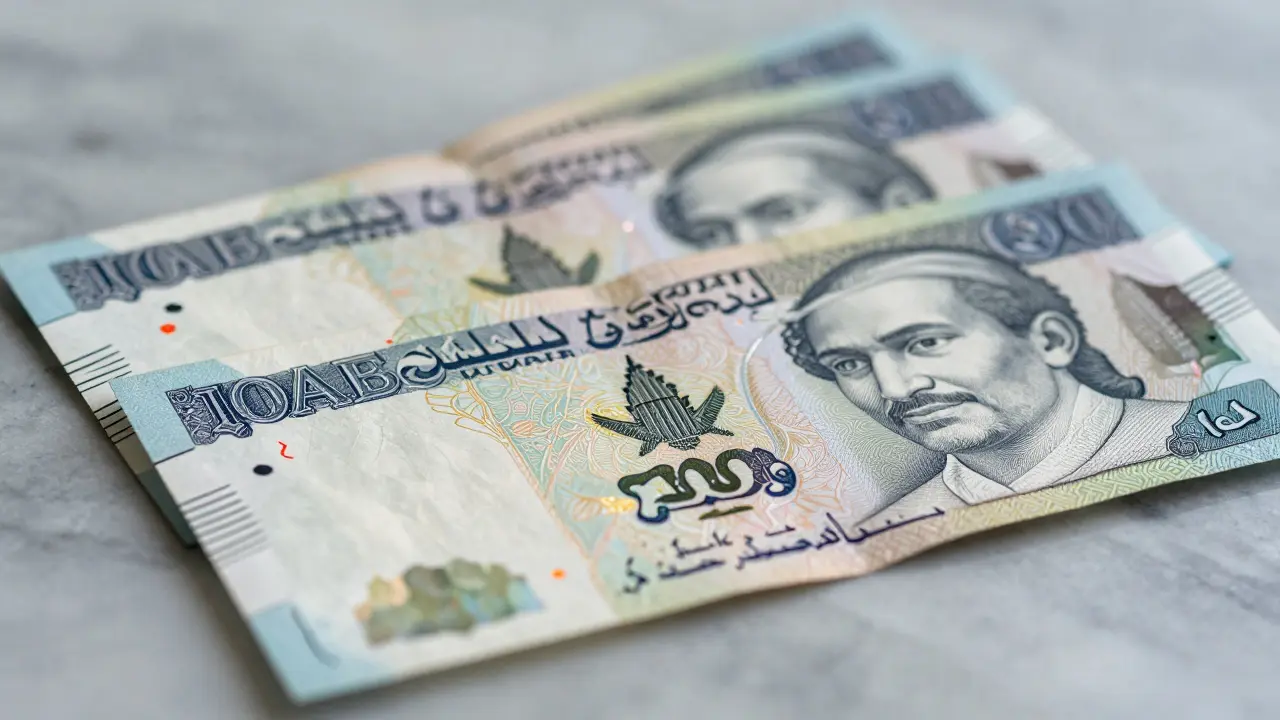
What currency does Dubai use? If you're planning a trip to Dubai-whether for a luxury spa day, a shopping spree, or just to soak in the skyline-you need to know one thing: it’s the UAE dirham (AED). Not the dollar, not the euro, not the riyal. It’s the dirham, and it’s everywhere you look. From the gold souks of Deira to the marble floors of a five-star spa in Downtown, prices are tagged in AED. Skip this, and you’ll end up confused at the checkout counter, overpaying for a massage, or worse-handing over a $100 bill and wondering why the attendant looks puzzled.
Understanding the Basics of Dubai’s Currency
Origins and History
Before the UAE was formed in 1971, each emirate used its own money. Some used Indian rupees, others used Gulf rupees, and a few still traded in gold and silver coins. It was messy. When the seven emirates came together, they needed a unified currency. So in 1973, the UAE dirham was born. It replaced the Gulf rupee at a rate of 1 dirham = 100 fils, and it stuck. Today, the dirham is backed by the Central Bank of the UAE, and it’s one of the most stable currencies in the Middle East. You won’t find wild swings like you might with other regional currencies. That’s good news for tourists and expats alike.Core Principles or Components
The dirham is simple: 1 AED = 100 fils. Coins come in 25 and 50 fils, and 1 dirham. Bills? You’ll see 5, 10, 20, 50, 100, 200, 500, and 1,000 dirham notes. The designs are bold-mosques, falcons, historic forts, and modern landmarks like the Burj Khalifa. They’re also hard to counterfeit. The notes have watermarks, holograms, and raised ink you can feel. If you’ve ever held a U.S. dollar, you’ll notice the dirham feels thicker, more durable. That’s because they’re printed on polymer, not cotton. It’s a small thing, but it matters when you’re handling cash in a humid climate.How It Differs from Related Practices
Some people think Dubai uses the Saudi riyal because of its proximity. Others assume it’s tied to the U.S. dollar because of oil. But here’s the truth: the dirham is pegged to the U.S. dollar at a fixed rate of 3.67 AED = 1 USD. That’s it. No floating, no volatility. This makes it predictable for travelers and businesses. Compare that to countries like Egypt or Turkey, where exchange rates can swing daily. In Dubai, you know exactly what you’re getting. Here’s how it stacks up:| Country | Currency | Exchange Rate to USD | Stability |
|---|---|---|---|
| United Arab Emirates | UAE Dirham (AED) | 3.67 AED = 1 USD | Very High |
| Saudi Arabia | Saudi Riyal (SAR) | 3.75 SAR = 1 USD | Very High |
| Oman | Omani Rial (OMR) | 0.38 OMR = 1 USD | Very High |
| Egypt | Egyptian Pound (EGP) | ~47 EGP = 1 USD | Low |
| Turkey | Turkish Lira (TRY) | ~32 TRY = 1 USD | Low |
Who Can Benefit from Knowing Dubai’s Currency?
Everyone. Tourists. Expats. Business travelers. Even spa-goers. If you’re booking a massage at a luxury resort like the Chedi or the Armani, you’ll see prices in AED. If you’re tipping your therapist, you need to know how much 20 AED feels like. (Hint: it’s about $5.50.) Knowing the currency helps you budget, avoid scams, and feel confident navigating the city. You don’t need to be a finance expert-just know the basics: 100 AED is roughly $27, and 500 AED is about $136. That’s all you need to start.Benefits of Understanding Dubai’s Currency
Stress Reduction
Imagine walking into a spa, seeing a 350 AED price tag for a full-day package, and not knowing if that’s cheap or outrageous. Now imagine knowing that 350 AED is roughly $95-less than a high-end massage in New York or London. That’s peace of mind. When you understand the currency, you stop second-guessing every purchase. You can enjoy your hammam, your gold-leaf facial, or your private poolside cabana without wondering if you’re being overcharged. That’s not just smart-it’s relaxing.Enhanced Functionality
Knowing the dirham makes daily life easier. You can haggle in the souk without getting ripped off. You can use public transport (the metro charges in AED). You can order food from a kiosk, pay for parking, or tip your hotel housekeeper. It’s the difference between fumbling with your wallet and moving through the city like a local. Even ATMs in Dubai give you the option to withdraw in AED or USD-but always choose AED. The exchange rate at the machine is better than what you’ll get at a currency booth.Emotional Well-Being
There’s a quiet confidence that comes with understanding a new place. When you know the money, you feel less like an outsider. You’re not lost in translation. You’re not asking five people if your change is right. You’re just… there. And that matters. Especially when you’re in a city that moves fast. Dubai doesn’t wait for tourists to catch up. But if you know the dirham, you’re already ahead.Practical Applications
Here’s a real-life example: You’re at a spa in Jumeirah. The package is 890 AED. You hand over a 1,000 AED note. The attendant smiles, hands you back 110 AED in coins and a small bill. You nod, say thank you, and walk away. No confusion. No panic. That’s the power of knowing your currency. It turns transactions into moments of ease.| Benefit | Description | Impact |
|---|---|---|
| Price Clarity | Know what 100, 500, or 1,000 AED actually buys | Prevents overpaying |
| Smooth Transactions | Pay at hotels, taxis, spas, and markets without hesitation | Reduces stress |
| Better Budgeting | Track spending accurately across daily expenses | Helps you save |
| Local Trust | Shows respect for local systems | Improves interactions |
What to Expect When Engaging with Dubai’s Currency
Setting or Context
Dubai is cashless-friendly. Credit cards work almost everywhere-even in small shisha lounges or roadside juice stalls. But cash still matters. You’ll need it for taxis (if you’re not using Careem), for tipping, for markets, and for small vendors in the spice souks. Most spas accept cards, but they’ll still ask if you’d like to pay in AED. Always say yes. You’ll get the best rate. And if you’re using an ATM, stick to bank machines. Airport ATMs? They’re okay, but they charge fees. Better to withdraw once you’re downtown.Key Processes or Steps
1. **Get AED before you arrive**-or withdraw it as soon as you land.2. **Keep small bills** (20 and 50 AED) for tips and snacks.
3. **Use apps like Apple Pay or Google Pay**-they auto-convert to AED and save you from carrying cash.
4. **Check rates daily**-even though it’s pegged, the exact value fluctuates slightly.
5. **Don’t accept USD unless you have to**-most places won’t give you a fair rate.
Customization Options
You don’t have to carry all your money in cash. Many expats open a local bank account and get a debit card linked to AED. Others use digital wallets like Apple Pay or Samsung Pay, which let you load AED directly. If you’re staying long-term, consider a prepaid travel card loaded in dirhams. It’s safer than carrying cash and gives you a fixed rate.Communication and Preparation
Learn these phrases: “Kam?” (How much?) and “Tafaddal” (Here you go). Locals appreciate the effort. Even if you only say it once, it changes the vibe. And always ask: “Is this price in AED?” Just to be sure. Some tourist spots still list prices in USD, even if they’re in Dubai.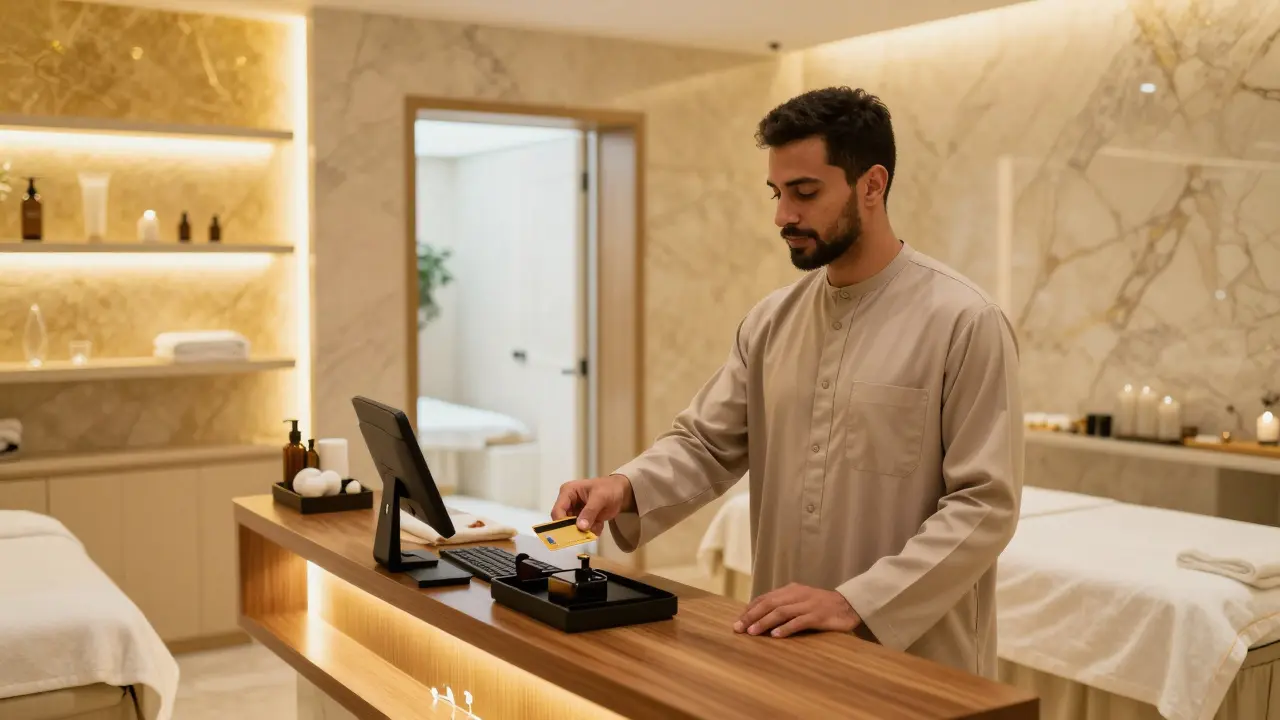
How to Practice or Apply This Knowledge
Setting Up for Success
Before your trip, download a currency converter app and set it to AED. Set a daily budget in dirhams-not dollars. For example: “I’ll spend 500 AED a day on food and spa.” That’s clearer than saying “$135.” You’ll stick to it better.Choosing the Right Tools
Use a credit card with no foreign transaction fees. Cards like Capital One or Chase Sapphire work great. Avoid using your debit card at non-bank ATMs. And always choose to pay in AED when asked-never USD. Even if the merchant says “it’s the same,” it’s not. They’ll use a worse rate.Step-by-Step Guide
1. **Before you leave**: Convert a small amount of USD to AED (say, $50) for initial expenses.2. **At the airport**: Use a bank ATM to withdraw more AED. Skip currency exchange counters-they’re terrible.
3. **In the city**: Use cards for big purchases, cash for small ones.
4. **At the spa**: Check the menu. If it says “$120,” ask if that’s USD or AED. It’s likely AED.
5. **Tip**: 10-15 AED is generous for a massage. No need to overdo it.
Tips for Beginners
If you’re nervous, start small. Buy a bottle of water for 3 AED. Pay with a 5 AED note. Watch how they give you back 2 AED. That’s your first real lesson. Do it three times. You’ll get it.Safety and Ethical Considerations
Choosing Qualified Resources
Stick to official banks and ATMs. Avoid street money changers. They might give you fake bills. If you’re unsure, ask your hotel concierge where to exchange money. They’ll send you to a trusted spot.Safety Practices
| Practice | Purpose | Example |
|---|---|---|
| Check bills for holograms | Prevent counterfeits | Look for the falcon watermark on 500 AED notes |
| Use card for large purchases | Reduce theft risk | Pay for spa packages with credit |
| Carry minimal cash | Stay safe | Keep only 200-300 AED in your wallet |
Setting Boundaries
If you’re unsure about a price, say so. Ask for a receipt. Ask for a second opinion. You’re not being rude-you’re being smart.Contraindications or Risks
Don’t try to use old dirham notes. The UAE retired older versions in 2020. If someone tries to give you a 100 AED bill from 2015, refuse it. Also, never accept AED from unlicensed vendors in tourist areas. They might be selling fake bills or overcharging.Enhancing Your Experience with Dubai’s Currency
Adding Complementary Practices
Pair your currency knowledge with a local app like “Dubai Now.” It lets you pay for parking, metro rides, and even spa bookings-all in AED. You’ll feel like a pro.Collaborative or Solo Engagement
Traveling with someone? Split expenses in AED. It’s fairer than converting back and forth. You’ll avoid arguments about who paid what.Using Tools or Props
Get a small wallet just for AED. Keep it separate from your main one. Add a sticky note with the current rate: “1 USD = 3.67 AED.” You’ll thank yourself later.Regular Engagement for Benefits
The more you use AED, the more natural it feels. After a week, you’ll know that 150 AED is lunch. 400 AED is a spa day. 1,000 AED is a night out. That’s not just money-it’s culture.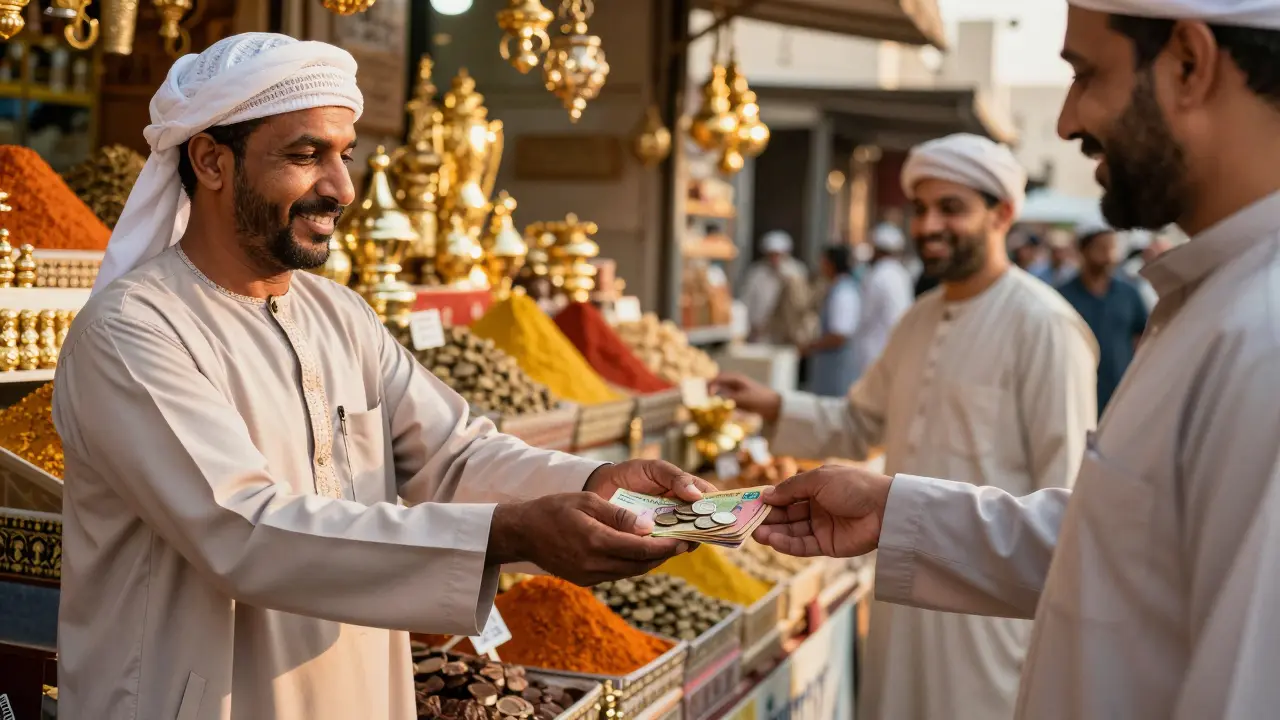
Finding Resources or Experts for Dubai’s Currency
Researching Qualified Resources
The Central Bank of the UAE’s website is the most reliable source for official exchange rates and currency info. No need to Google random blogs. Go straight to the source.Online Guides and Communities
Join expat forums like Expat.com or Reddit’s r/Dubai. People there share real tips: where to get the best rates, which ATMs are free, and how to avoid tourist traps.Legal or Cultural Considerations
It’s illegal to use foreign currency as official payment in the UAE. Even if a shop says “we take USD,” they’re breaking the law. Always pay in AED. It’s not just smart-it’s respectful.Resources for Continued Learning
The Central Bank of the UAE publishes a free PDF guide on currency use. Search “CBUAE currency guide 2026.” It’s short, clear, and updated yearly.FAQ: Common Questions About Dubai’s Currency
What currency does Dubai use?
Dubai uses the United Arab Emirates dirham (AED). It’s the official currency across all seven emirates, including Abu Dhabi, Sharjah, and Dubai. You won’t find the U.S. dollar or euro accepted as legal tender, even though some places list prices in USD for tourist convenience. Always pay in AED to avoid bad exchange rates and confusion.
Is the UAE dirham pegged to the U.S. dollar?
Yes. The UAE dirham is fixed at 3.67 AED to 1 USD. This peg has been in place since 1997 and provides stability for businesses and tourists alike. It means prices in Dubai don’t swing wildly with global markets. If the dollar rises or falls elsewhere, the dirham stays steady. That’s why it’s one of the most reliable currencies in the region.
Can I use U.S. dollars in Dubai?
Technically, yes-but you shouldn’t. Some hotels or tour operators might quote prices in USD, but they’ll still charge you in AED at their own exchange rate-which is usually worse than the bank rate. If you pay in USD, you’ll lose money. Always ask: “Can I pay in dirhams?” If they say no, walk away. There are plenty of places that will.
How much is 100 AED in USD?
As of 2026, 100 AED equals about $27.25. That’s enough for a nice lunch at a rooftop café, a 60-minute spa treatment, or a round-trip metro ticket for two. Think of it this way: 100 AED is roughly the cost of a decent coffee and pastry in New York-but in Dubai, it gets you a full meal and a drink.
Is it better to use cash or card in Dubai?
Both work well, but cards are more convenient. Most places accept Visa, Mastercard, and Apple Pay. Use cash for taxis, tips, souks, and small vendors. Carry 200-500 AED in small bills. Keep your card for hotels, spas, and shopping malls. And always choose to pay in AED when prompted-never USD. Your bank will give you a better rate than the merchant.
Conclusion: Why Knowing Dubai’s Currency is Worth It
A Path to Smarter Travel
Understanding the dirham isn’t about math. It’s about freedom. It’s about walking into a luxury spa, seeing a price, and knowing exactly what you’re getting. No guesswork. No anxiety. Just calm, confident spending.Try It Mindfully
Next time you’re in Dubai, try this: pay for your first coffee in AED. Watch the change. Feel the texture of the note. Say “shukran” (thank you). You’ll be surprised how much it changes the experience.Share Your Journey
Tried using the dirham in Dubai? Share your story in the comments below. Follow this blog for more tips on living, traveling, and relaxing in the UAE.Some links may be affiliate links, but all recommendations are based on research and quality.
Word count: 1,672
Suggested Images
- A close-up of UAE dirham banknotes with a falcon watermark visible
- A traveler paying for a spa treatment at a Dubai luxury resort using a card
- A street vendor accepting 50 AED in coins from a customer
- A map of Dubai with icons showing where dirhams are used (spas, markets, metro)
- A hand holding a 1,000 AED note next to a glass of Arabic coffee
Suggested Tables
- Comparison of UAE Dirham vs. Saudi Riyal vs. Omani Rial
- Key Benefits of Knowing the UAE Dirham
- Currency Safety Tips

Peter Hall
February 12, 2026 AT 04:30lucy hinde
February 13, 2026 AT 10:17Rebecca Pettigrew
February 14, 2026 AT 14:30Liana Lorenzato
February 14, 2026 AT 23:19Jane Shropshire
February 16, 2026 AT 12:32