What Do Doctors Think of Reflexology? A Dubai Practitioner’s Honest Take
When it comes to reflexology, opinions are split - and that’s okay. In Dubai, where wellness culture blends ancient traditions with cutting-edge medicine, you’ll find people lining up for foot massages at luxury spas, while others wonder if it’s just a fancy foot rub with no real science behind it. So what do actual doctors think? Are they skeptical? Supportive? Or just indifferent?
The truth? Most doctors don’t dismiss reflexology outright. But they also don’t call it medicine. They see it as a complementary practice - something that might help you relax, ease tension, or feel better emotionally - but not something that cures disease or replaces treatment for diabetes, cancer, or high blood pressure. If you’ve ever walked out of a reflexology session in Jumeirah feeling lighter, calmer, or even a little teary-eyed, you’re not imagining it. But if you’re hoping it’ll fix your chronic foot pain or lower your A1C levels, you need to manage your expectations.
Understanding the Basics of Reflexology
Origins and History
Reflexology isn’t new. Its roots trace back over 5,000 years to ancient Egypt, where wall carvings show people receiving foot pressure treatments. It also shows up in traditional Chinese medicine and Indian Ayurveda. In the early 1900s, American physician William Fitzgerald introduced what he called "zone therapy," dividing the body into 10 vertical zones, each connected to specific points on the hands and feet. Later, Eunice Ingham, a nurse and massage therapist, mapped out the foot in detail - creating the modern reflexology chart we use today. She claimed that pressing certain spots on the foot could influence organs in the corresponding zone. While her maps are still used, the mechanism behind them has never been scientifically proven.
Core Principles or Components
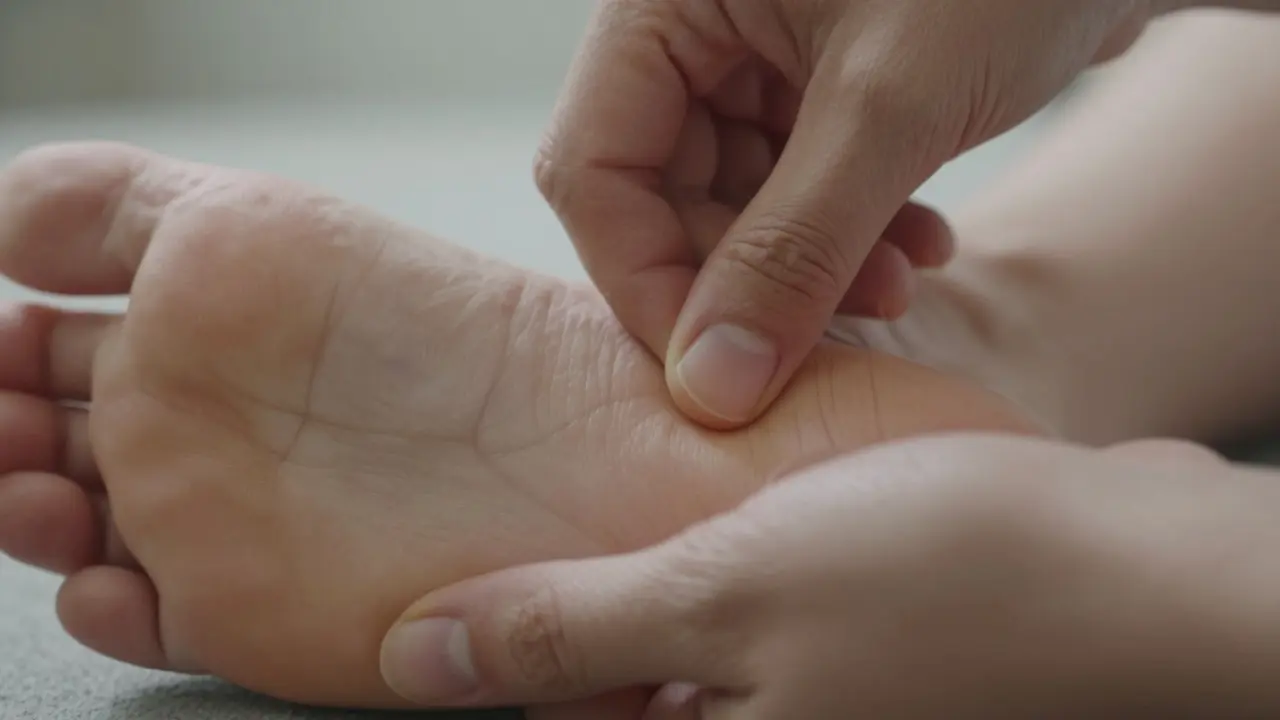
Reflexology works on one simple idea: your feet are a map of your body. Press a spot near the ball of your foot, and you’re stimulating your lungs. Press near the heel, and you’re working on your lower back. Practitioners use thumb and finger pressure - not deep massage - to apply rhythmic, targeted pressure to these points. Sessions usually last 30 to 60 minutes. You stay fully clothed, except for your socks and shoes. The goal isn’t to relieve muscle soreness like a sports massage. It’s to trigger nerve signals that may influence how your body feels, not how it functions.
How It Differs from Related Practices
People often confuse reflexology with foot massage, acupuncture, or even shiatsu. Here’s how they stack up:
| Practice | Key Feature | Primary Benefit |
|---|---|---|
| Reflexology | Pressure on specific foot zones linked to organs | Relaxation, stress reduction |
| Foot Massage | General kneading and rubbing of foot muscles | Muscle tension relief, circulation |
| Acupuncture | Thin needles inserted into body meridians | Pain management, nervous system regulation |
Reflexology doesn’t break the skin. It doesn’t use needles. It doesn’t aim to change your physiology - just your perception of it. That’s why it’s often grouped with aromatherapy or guided meditation: it’s more about how you feel than what’s happening inside your body.
Who Can Benefit from Reflexology?
Anyone who’s stressed, tired, or just wants to feel pampered can benefit. In Dubai, where work hours are long and heat is constant, many people use reflexology as a weekly reset. Pregnant women find it helps with swelling and sleep. People with neuropathy or chronic pain sometimes report less discomfort after sessions - though it’s unclear if that’s from pressure, distraction, or placebo. Athletes use it for recovery. Office workers swear by it after 12-hour shifts. But if you have open wounds on your feet, severe diabetes, or are undergoing chemotherapy, you should check with your doctor first. Reflexology isn’t dangerous, but it’s not always appropriate.
Benefits of Reflexology for Mind and Body
Stress Reduction
Stress is the #1 reason people try reflexology in Dubai. And it works - not because it fixes your cortisol levels, but because it gives your nervous system a break. When you’re lying down, feet in warm water, fingers pressing gently on your toes, your brain shifts from "fight or flight" to "rest and digest." A 2020 study from the University of Miami found that patients who received weekly reflexology reported significantly lower stress scores than those who didn’t. That’s not a cure. But for someone juggling kids, a 9-to-5, and a 40-degree heatwave, that’s worth something.
Enhanced Functionality
Reflexology won’t heal a herniated disc. But many people say their feet feel lighter, their balance improves, and they walk more confidently after sessions. Why? Because foot pressure stimulates sensory nerves that send feedback to your brain about your body’s position. This is called proprioception. Think of it like rebooting your body’s internal GPS. For older adults or those recovering from injury, this subtle boost in awareness can reduce falls and improve mobility - even if it doesn’t fix the root cause.
Emotional Well-Being
There’s a reason people cry during reflexology. It’s not the pressure. It’s the release. When your body relaxes, so does your mind. Many clients describe feeling emotionally "unlocked" - like they’ve been holding onto tension they didn’t even know they had. One woman in Al Barsha told me she hadn’t cried in years until her third session. She didn’t know why. She just felt free. That’s not science. But it’s real. And in a city where mental health is still stigmatized, that kind of emotional relief matters.
Practical Applications
Reflexology doesn’t replace meds. But it fits neatly into daily wellness routines. Here’s how:
| Benefit | Description | Impact |
|---|---|---|
| Improved Sleep | Calms the nervous system before bed | Deeper, more restful sleep |
| Reduced Headaches | Pressure on foot points linked to sinuses and neck | Fewer tension headaches |
| Lower Perceived Pain | Distracts brain from chronic pain signals | Less reliance on painkillers |
| Increased Mindfulness | Forces focus on body, not screens or stress | Better emotional regulation |
What to Expect When Engaging with Reflexology
Setting or Context
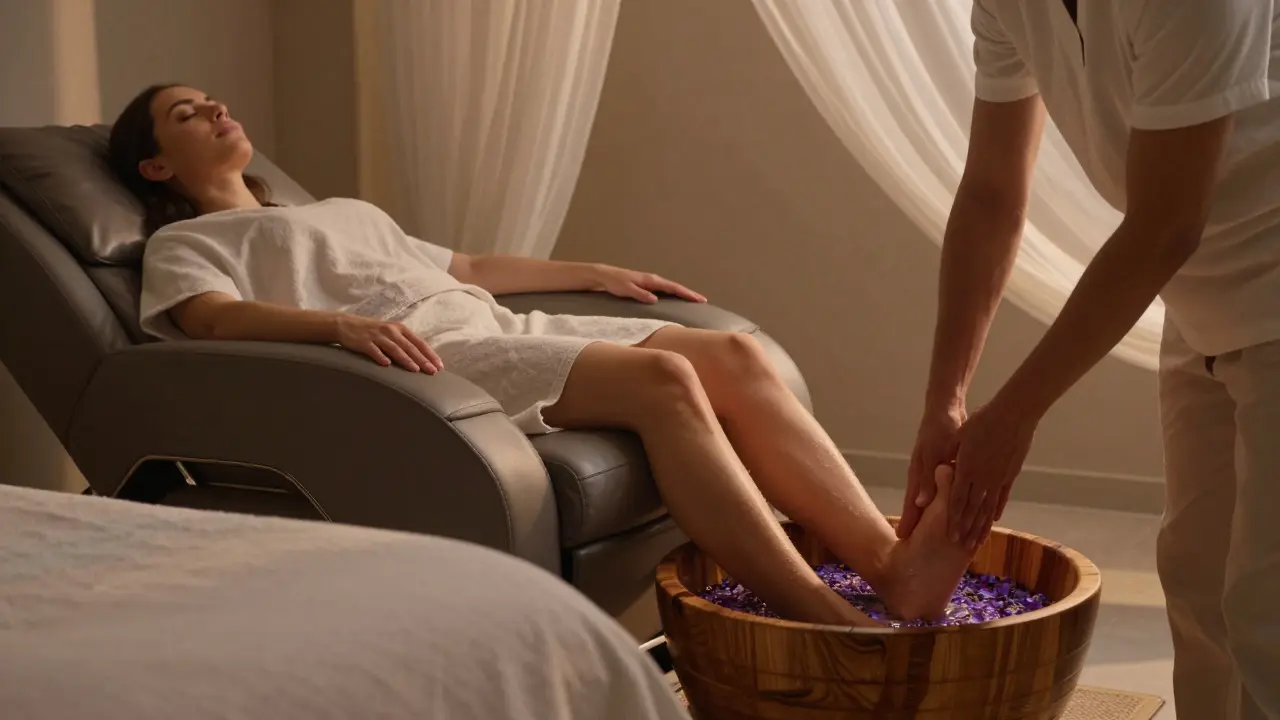
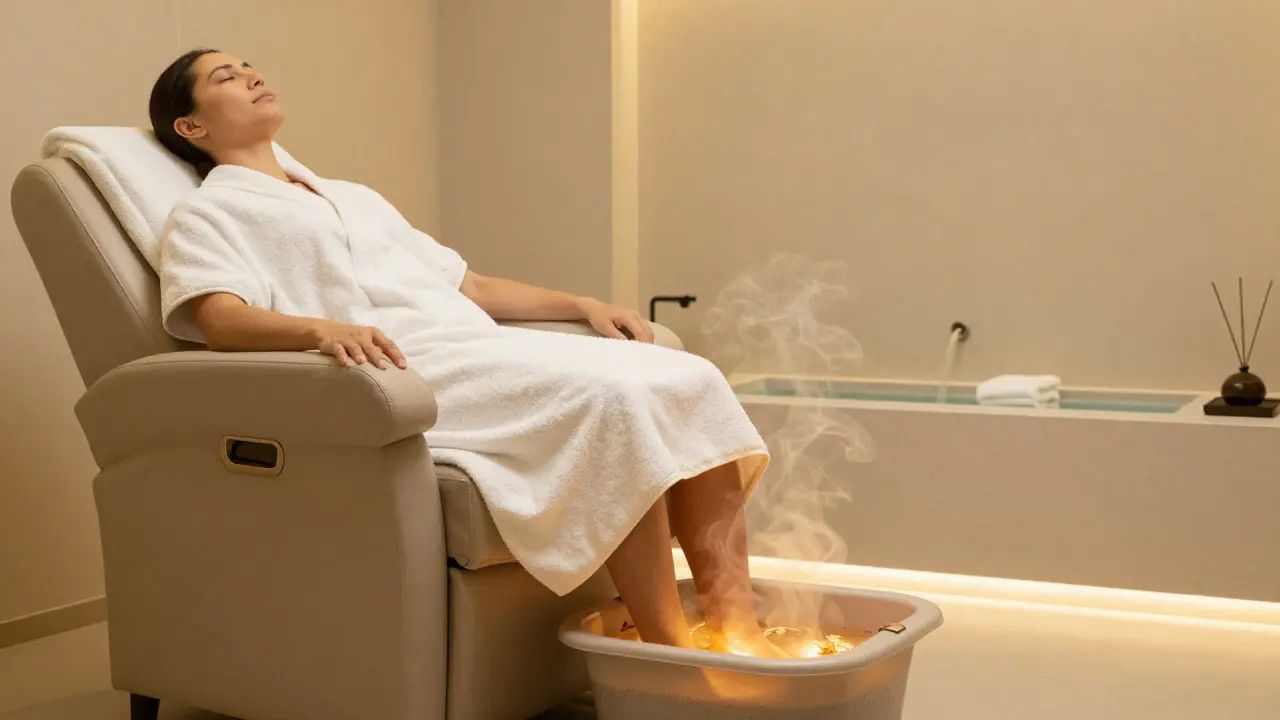
In Dubai, you’ll find reflexology in five-star resorts, quiet clinics in JLT, and even some corporate wellness centers. The best places feel calm - soft lighting, gentle music, warm towels. No loud speakers. No pushy sales pitches. You’ll be asked to remove your shoes and socks. You’ll lie back on a reclining chair or massage table. The room will smell like lavender or eucalyptus. It’s designed to make you feel safe, not sold to.
Key Processes or Steps
A typical session follows a pattern:
- Consultation: The practitioner asks about your health, stress levels, and goals.
- Preparation: Your feet are soaked in warm water with salts or oils.
- Assessment: They gently press different areas to notice sensitivity.
- Pressure Work: Using thumbs, they apply steady, rhythmic pressure to zones linked to areas you want to relax.
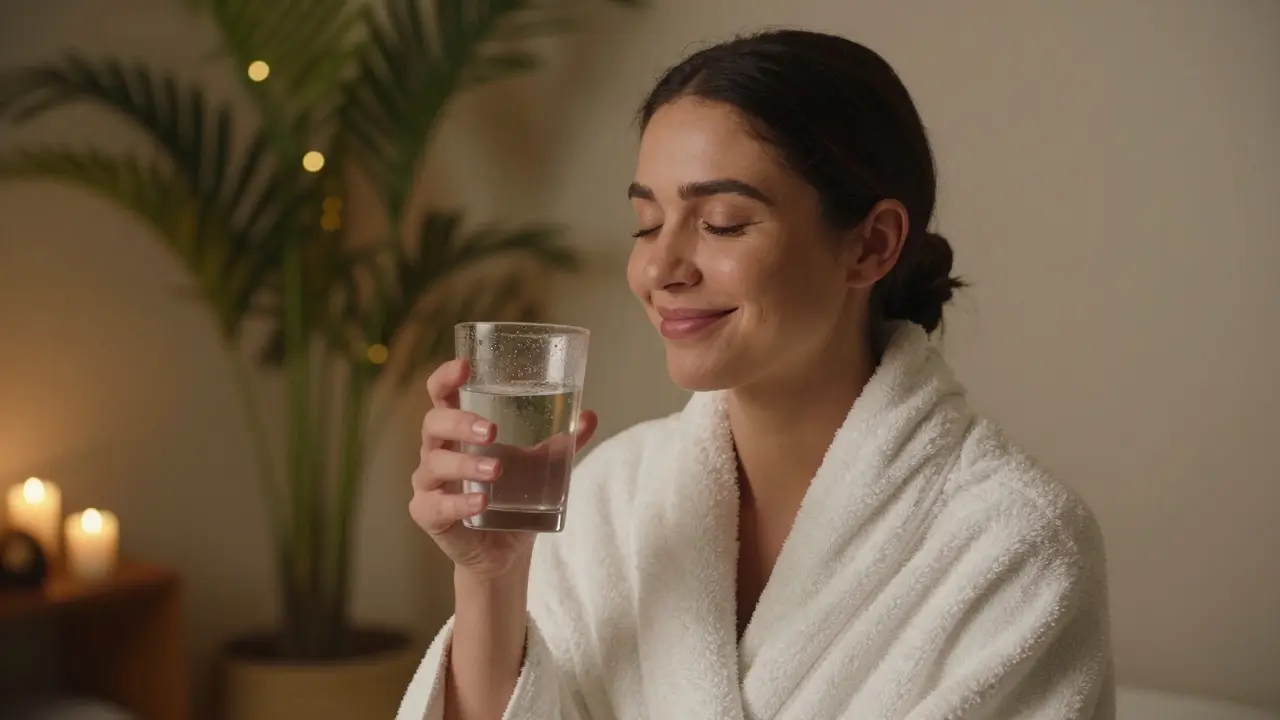
- Conclusion: You’re given water, asked how you feel, and maybe offered a foot scrub or lotion.
No cracking. No popping. No pain. If it hurts, speak up. Reflexology should feel like deep pressure - not discomfort.
Customization Options
Not everyone wants the same thing. Some people want deep pressure for tension. Others want light touch for relaxation. Some prefer scented oils. Others want no fragrance at all. Good practitioners adjust. In Dubai, where clients come from over 200 nationalities, customization isn’t optional - it’s expected.
Communication and Preparation
Before your session, drink water. Don’t come hungry or after a heavy meal. Tell your practitioner if you’re pregnant, have foot injuries, or suffer from nerve damage. If you’re nervous, say so. Most practitioners will walk you through each step. There’s no "right" way to feel during a session. Some people fall asleep. Others feel tingling. Some feel nothing. All are normal.
How to Practice or Apply Reflexology
Setting Up for Success
If you want to try self-reflexology at home, create a quiet space. Dim the lights. Play calming music. Use a footrest or cushion. Keep a bottle of water nearby. You don’t need fancy tools - just your thumbs. A wooden roller or golf ball can help if you’re pressing your own feet.
Choosing the Right Tools/Resources
Look for practitioners certified by the American Reflexology Certification Board or the International Institute of Reflexology. In Dubai, many spas list credentials on their websites. Avoid places where the therapist doesn’t ask you any questions or rushes you through the session. Quality matters.
Step-by-Step Guide
Want to try it yourself? Here’s a simple routine:
- Soak your feet in warm water for 10 minutes.
- Dry them thoroughly.
- Use your thumb to press the ball of your foot (lung zone) for 30 seconds.
- Move to the arch (spine), then the heel (lower back).
- Press each toe (head and sinuses) for 20 seconds.
- End with gentle strokes from heel to toes.
Do this for 10 minutes before bed. You might be surprised how calm you feel.
Tips for Beginners or Couples
First-timers often over-press. Start light. If you’re doing it with a partner, take turns. One person holds the foot, the other applies pressure. It’s a great way to bond. Just keep it slow. No rushing. No talking. Let the silence do the work.
Safety and Ethical Considerations
Choosing Qualified Practitioners/Resources
Anyone can call themselves a reflexologist in Dubai. But not everyone has training. Look for certifications, reviews, and clean facilities. Ask if they’ve worked with clients like you - pregnant women, diabetics, or seniors. Reputable spas will be happy to answer.
Safety Practices
Here’s what to look for:
| Practice | Purpose | Example |
|---|---|---|
| Sanitize feet before session | Prevent infection | Use fresh towels and clean basins |
| Ask about medical conditions | Avoid harm | Don’t press if you have blood clots |
| Respect pain limits | Ensure comfort | Stop if you feel sharp pain |
Setting Boundaries
You own your body. If you’re uncomfortable with the pressure, the music, or the therapist’s conversation, say so. You can ask for a different therapist. You can end the session early. No one should make you feel guilty for setting limits.
Contraindications or Risks
Don’t get reflexology if you have:
- Open sores or infections on your feet
- Deep vein thrombosis (blood clots)
- Severe osteoporosis
- Recent foot surgery
- Uncontrolled diabetes with neuropathy
If you’re pregnant, get clearance from your OB-GYN. Some pressure points are believed to stimulate contractions - though evidence is weak, better safe than sorry.
Enhancing Your Experience with Reflexology
Adding Complementary Practices
Pair reflexology with deep breathing, mindfulness, or a quiet walk afterward. Some people like to listen to calming music or journal for 5 minutes after their session. It helps the calm stick.
Collaborative or Solo Engagement
Reflexology works alone or with others. Solo sessions are great for self-care. Couples sessions - where partners take turns giving and receiving - can deepen connection. In Dubai’s fast-paced culture, that kind of quiet time is rare. And valuable.
Using Tools or Props
Foot rollers, massage balls, and acupressure mats can help between sessions. But they’re not necessary. Your hands are the best tool. Don’t spend money on gadgets unless they make you feel better.
Regular Engagement for Benefits
One session feels nice. Weekly sessions feel transformative. Most people who stick with it say they notice better sleep, less anxiety, and more patience by month two. It’s not magic. It’s consistency.
Finding Resources or Experts for Reflexology
Researching Qualified Practitioners/Resources
Check Google Reviews, Instagram profiles, and spa websites. Look for photos of real clients (not stock images), clear pricing, and certified therapists. Avoid places that promise "cures" for cancer or diabetes. That’s a red flag.
Online Guides and Communities
The International Institute of Reflexology offers free guides on their site. Reddit’s r/reflexology has real user stories. YouTube has good tutorials - just avoid anyone selling expensive courses.
Legal or Cultural Considerations
In Dubai, wellness practices are widely accepted - but only if they’re offered respectfully. Avoid places that mix reflexology with religious rituals or unlicensed medical claims. Stick to licensed spas and clinics.
Resources for Continued Learning
Books like Reflexology: A Lively Introduction by Ingham or The Complete Guide to Foot Reflexology by Kevin and Elaine Kunz are solid starting points. Both are easy to read and grounded in practice, not myth.
FAQ: Common Questions About Reflexology
What to expect from reflexology?
You’ll lie back while a therapist applies pressure to your feet using their thumbs. You won’t be naked. You won’t be in pain. You might feel tingling, warmth, or deep relaxation. Some people cry. Others fall asleep. It’s normal. The session ends with you feeling lighter, calmer, and more centered - not magically healed. Don’t expect miracles. Do expect peace.
What happens during a reflexology session?
First, you’ll chat about your health. Then your feet are soaked. The therapist presses specific zones on your feet - not randomly, but based on a map linking foot areas to body organs. Pressure is steady, rhythmic, and never sharp. They’ll note sensitive spots, which may indicate areas your body is holding tension. The whole session lasts 30-60 minutes. You’ll leave feeling relaxed, not exhausted.
How does reflexology differ from foot massage?
Foot massage focuses on muscles - kneading, rubbing, loosening tight tissue. Reflexology focuses on nerve points - applying pressure to zones believed to connect to internal organs. One is about physical release; the other is about energetic balance. Think of it like this: foot massage is a workout for your feet. Reflexology is a conversation between your feet and your body.
What is the method of reflexology?
The method is based on the idea that the feet contain reflex points connected to every organ and body system. Using thumb and finger pressure, practitioners stimulate these points in a specific sequence. The goal isn’t to fix anything - it’s to encourage the body’s natural ability to rebalance. It’s not about force. It’s about rhythm, intention, and attention.
Is reflexology suitable for beginners?
Absolutely. No experience needed. No special equipment. No prior knowledge. If you’ve ever had a foot rub, you’ve already experienced the basics. Start with a 30-minute session at a reputable spa. Ask questions. Speak up if something feels off. Most beginners leave feeling surprised - not because they felt a miracle, but because they finally felt truly relaxed.
Conclusion: Why Reflexology is Worth Exploring
A Path to Calm
Reflexology isn’t medicine. But in a city like Dubai - where life moves fast and stress never sleeps - it’s a quiet, gentle way to press pause. It doesn’t promise to cure. It promises to comfort. And sometimes, that’s enough.
Try It Mindfully
Go in with no expectations. Let it be a gift to yourself. Don’t treat it like a medical appointment. Treat it like a moment of stillness. And if your doctor says it’s fine? Even better.
Share Your Journey
Tried reflexology in Dubai? Share your experience in the comments. Follow this blog for more honest takes on wellness practices that actually work. Explore reflexology - not as a cure, but as a calm.
Some links may be affiliate links, but all recommendations are based on research and quality.
Word count: 1,682
Suggested Images
- A serene reflexology session in a Dubai spa with soft lighting and a client’s feet being gently pressed.
- A close-up of hands applying thumb pressure to the sole of a foot, highlighting reflexology zones.
- A woman smiling after a session, holding a warm towel and a glass of water.
- A comparison photo: one side shows a stressed person at a desk, the other shows the same person relaxed after reflexology.
- A foot reflexology chart with labeled zones, displayed in a clean, modern style.
Suggested Tables
- Comparison of Reflexology, Foot Massage, and Acupuncture
- Key Benefits of Reflexology
- Reflexology Safety Tips


Kristin Kuchenbecker
January 23, 2026 AT 10:13Reflexology isn't about curing-it's about listening. Your feet? They're like a diary of your life. Every ache, every tension, every silent scream you've buried? It's all there. And when someone gently presses those points? It's not magic. It's memory. I cried during my first session-not because it hurt, but because I finally felt seen. No needles. No pills. Just thumbs, warmth, and silence. That's enough.
Tony Giny
January 24, 2026 AT 08:57Doctors don’t dismiss it because they’re closed-minded. They’re just trained to measure what can be measured. Reflexology doesn’t show up on a lab report. But it shows up in sleep quality, stress levels, and how people breathe after a session. That’s real. Not placebo. Just unquantifiable.
rohit patel
January 24, 2026 AT 11:41Why pay for foot rubbing? Just massage your own feet. It’s the same thing. All this zone stuff is fake. Your foot doesn’t have a map of your liver. That’s old wives’ tale. I work in Dubai. I’ve seen people spend 200 AED for this. Crazy.
martha urquizu
January 24, 2026 AT 22:03Let’s be clear: if you’re using reflexology to avoid real medical care, you’re not just wasting money-you’re risking your life. I’ve seen patients delay chemotherapy because they believed ‘foot pressure’ could ‘detox’ their tumors. That’s not wellness. That’s negligence wrapped in lavender oil. If your doctor says ‘it’s fine as a complement,’ fine. But never as a substitute. Ever.
william de simone
January 25, 2026 AT 09:52I tried it once. Felt nothing. Then I tried it again after a bad week. Suddenly I was crying. No idea why. No explanation. Just… release. Maybe it’s not about the feet. Maybe it’s about being still. Maybe the feet are just the excuse to stop running.
Christopher DeReinzi
January 26, 2026 AT 18:20Reflexology is pseudoscience dressed up like self-care. The zone theory was debunked in the 1930s. The fact that people still pay for it shows how desperate we are to believe in easy fixes. You don’t need a $120 session to relax. You need to turn off your phone and breathe. That’s it.
George Wilson
January 27, 2026 AT 19:17Let’s cut through the fluff. Reflexology has zero clinical evidence for treating disease. None. Zero. If you’re telling someone with diabetes to skip insulin because their foot was pressed, you’re dangerous. The fact that this is marketed as ‘wellness’ in Dubai is a symptom of a culture that confuses relaxation with medicine.
CIaran Vaudequin
January 29, 2026 AT 07:52It’s fascinating how reflexology thrives in places like Dubai-where wealth meets mysticism. You’ve got billionaires getting foot massages while ignoring their blood pressure meds. The practice itself isn’t harmful. But the narrative around it? That’s the real issue. It turns vulnerability into a luxury product.
Fernando M
January 30, 2026 AT 22:10So you’re telling me if I press my big toe really hard, I’m ‘stimulating my sinuses’? Cool. Next you’ll tell me rubbing my belly cures my ex’s heartbreak. Look, I get it. You want to feel like you’re doing something spiritual. But don’t call it science. Call it foot spa therapy. Less pretentious. More honest.
adam chance
February 1, 2026 AT 10:27Here’s the thing no one says: reflexology works because it forces you to slow down. In a world where we’re all scrolling, sweating, and sprinting, someone sits with you. They don’t ask for your LinkedIn. They don’t check your email. They just hold your foot. And in that silence? You remember you’re human. That’s not science. That’s sacred. And yeah, maybe it’s just a foot rub. But sometimes, that’s the only medicine left.