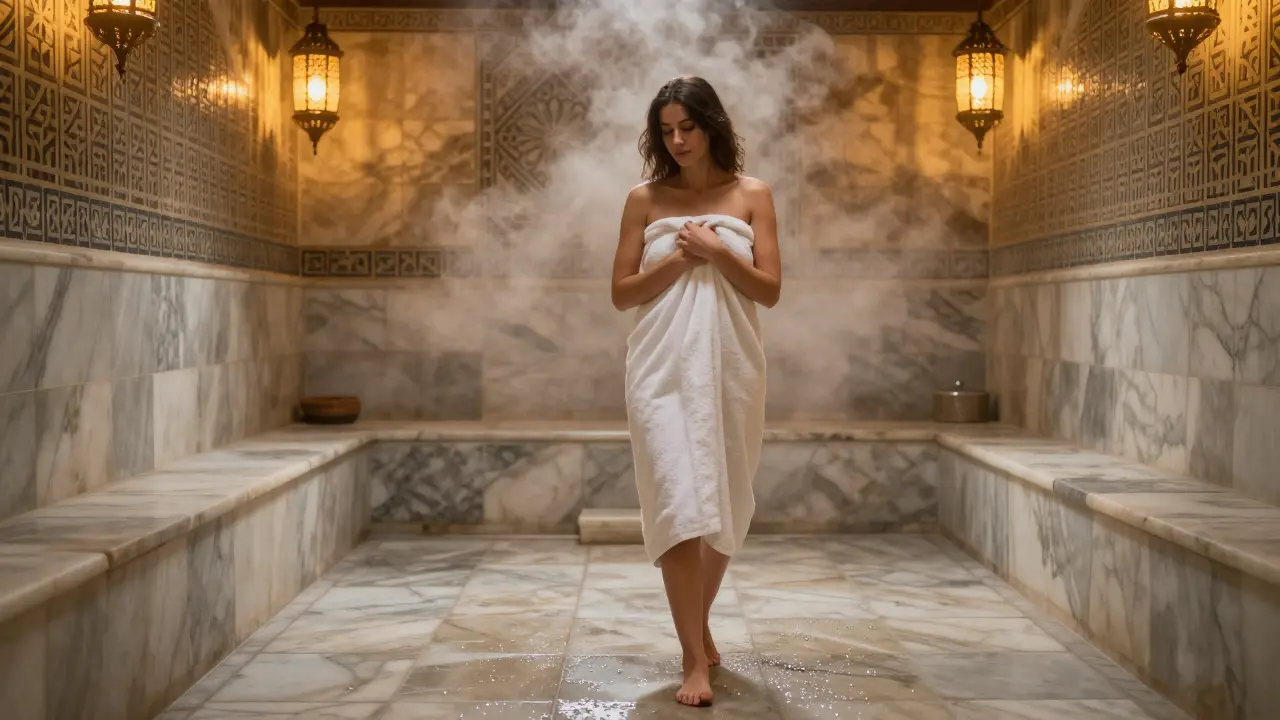
What Does a Woman Wear in a Hammam? A Complete Guide for First-Timers in Dubai
When you walk into a traditional hammam in Dubai, you’re stepping into centuries of Moroccan and Middle Eastern ritual - steam rising, marble floors warm underfoot, the scent of black soap and argan oil thick in the air. But if you’ve never been, one question probably crosses your mind: What do I actually wear? It’s not like a sauna or a pool. You can’t just show up in a bikini and expect to fit in. And you definitely don’t want to walk out feeling awkward, exposed, or confused.
The truth? You don’t wear much at all. But that doesn’t mean you’re left bare. There’s a simple, respectful, and surprisingly comfortable system in place - one that balances privacy, hygiene, and tradition. Whether you’re visiting a luxury spa in Downtown Dubai or a local bathhouse in Deira, knowing what to wear makes all the difference. This guide breaks down exactly what women wear in a hammam, what to bring, what to avoid, and how to feel confident from the moment you walk in.
Understanding the Basics of Hammam
Origins and History
The hammam - sometimes called a Turkish bath - traces its roots back to Roman bathhouses, but it was perfected across North Africa and the Islamic world. In Morocco, it became more than hygiene; it became a social ritual. Women gathered to cleanse, bond, and celebrate life events - weddings, births, even before religious holidays. When these traditions arrived in Dubai, they blended with local culture and luxury spa trends. Today, you’ll find hammams in five-star resorts and neighborhood centers alike, all keeping the core practice alive: steam, scrub, rinse, repeat.
Core Principles or Components
A traditional hammam session has three main zones: the hot room (where you sweat), the warm room (where you’re scrubbed and rinsed), and the cool-down area. The experience is hands-on - you’re not left alone. A masseuse or attendant (often called a kashta) will scrub your skin with a coarse mitt and black soap, then rinse you with warm water. It’s intense, deeply relaxing, and nothing like a regular shower. The goal isn’t just cleanliness - it’s exfoliation, detoxification, and renewal. Your body is treated like a temple being restored.
How It Differs from Related Practices
Many people confuse hammam with saunas, spas, or hot tubs. But here’s the key difference:
| Practice | Key Feature | Primary Benefit |
|---|---|---|
| Hammam | Steam + scrub + rinse by attendant | Deep exfoliation and detox |
| Sauna | Dry heat, no water or scrub | Relaxation and circulation |
| Spa | Massages, facials, optional steam | Beauty and pampering |
Unlike a sauna, where you’re left alone, a hammam is interactive. And unlike a spa, where you might wear a robe the whole time, in a hammam, you’re expected to get naked - but not alone. There’s a cultural rhythm to it, and everyone follows the same rules.
Who Can Benefit from Hammam?
Anyone who wants to feel refreshed, smooth, and deeply relaxed. Athletes use it to recover from muscle soreness. Travelers use it to shake off jet lag. Women going through hormonal changes find it soothing. Even people with dry skin or acne benefit from the deep cleansing. You don’t need to be an expert - just open-minded. Most spas in Dubai welcome first-timers and guide you through every step.
Benefits of Hammam for Body and Mind
Deep Skin Exfoliation
Think of your skin like a garden that needs weeding. Dead cells build up, clogging pores and dulling your glow. The traditional kessa mitt - a rough, woven glove - is used to scrub away layers of dead skin. It’s not gentle, but it’s not painful either. It feels like a vigorous massage. Afterward, your skin feels baby-soft, and lotions or oils absorb better. Research suggests regular exfoliation improves skin texture and even helps with conditions like keratosis pilaris (those tiny bumps on arms and thighs). The steam opens your pores, making the scrub more effective than any loofah at home.
Improved Circulation and Detox
The heat of the hammam makes your blood flow faster. That’s not just good for your muscles - it helps your lymphatic system flush out toxins. Many women report feeling lighter after a session, as if they’ve shed more than just dead skin. It’s not magic - it’s physiology. The combination of heat, steam, and rhythmic scrubbing activates your body’s natural detox pathways. You might even notice your complexion looks brighter the next day.
Stress Relief and Mental Reset
There’s something deeply calming about being in a quiet, warm room, with only the sound of water dripping and your breathing. No phones. No emails. Just you, the steam, and the gentle hands of your attendant. Many women say it’s their favorite form of self-care - better than a massage because it’s more immersive. It’s not just physical; it’s a mental reset. Studies from the American Psychological Association show that heat therapy can lower cortisol levels, the body’s main stress hormone.
Practical Applications for Daily Life
After your hammam, your skin stays smoother for days. You’ll need less lotion. Your makeup applies more evenly. Your clothes feel softer against your skin. Some women even notice their hair looks shinier - because the scalp gets cleaned too. It’s not just a one-time treat. Regular visits (once a month) can become part of your self-care routine, especially in Dubai’s dry climate where skin gets parched easily.
| Benefit | Description | Impact |
|---|---|---|
| Smooth Skin | Removal of dead skin cells via kessa mitt | Reduced need for body lotions |
| Detoxification | Steam opens pores, aids lymphatic flow | Improved energy and clarity |
| Relaxation | Quiet, warm environment reduces stress | Better sleep and mood |
| Hydration Boost | Oils applied post-scrub lock in moisture | Healthier skin barrier |
What to Expect When Engaging with Hammam
Setting or Context
In Dubai, hammams range from opulent resorts like the One&Only The Palm to cozy local spots in Bur Dubai. Most have separate areas for men and women - and many offer private rooms for couples or families. You’ll enter a changing area with lockers, slippers, and towels. The steam rooms are tiled in marble or mosaic, often with low lighting and soft music. The air is thick, warm, and humid - like stepping into a warm hug.
Key Processes or Steps
Here’s what typically happens:
- You’re given a towel, slippers, and a robe (or sometimes just a towel).
- You enter the hot room and sit or lie down for 10-15 minutes to sweat.
- An attendant calls you to the scrubbing area.
- You’re asked to remove all clothing (yes, all).
- They scrub you from head to toe with a kessa mitt and black soap.
- You’re rinsed with warm water - sometimes with rosewater or mint.
- You’re wrapped in a fresh towel and given time to rest with tea.
It’s not rushed. The whole experience lasts about 60-90 minutes.
Customization Options
Most places let you choose your scrub intensity - light, medium, or deep. You can also add a body mask, aromatherapy, or a massage afterward. Some spas offer private sessions with female attendants only. If you’re shy, ask for a private room - many high-end places accommodate that. You can even request no hair washing if you prefer.
Communication and Preparation
Don’t be afraid to speak up. If the scrub is too rough, say so. If you feel dizzy, tell the attendant. They’ve seen it all - and they’ll adjust. Arrive 15 minutes early. Don’t eat a heavy meal right before. Drink water afterward. And if you’re menstruating, most places allow you to use a tampon - just let them know so they can offer extra privacy.
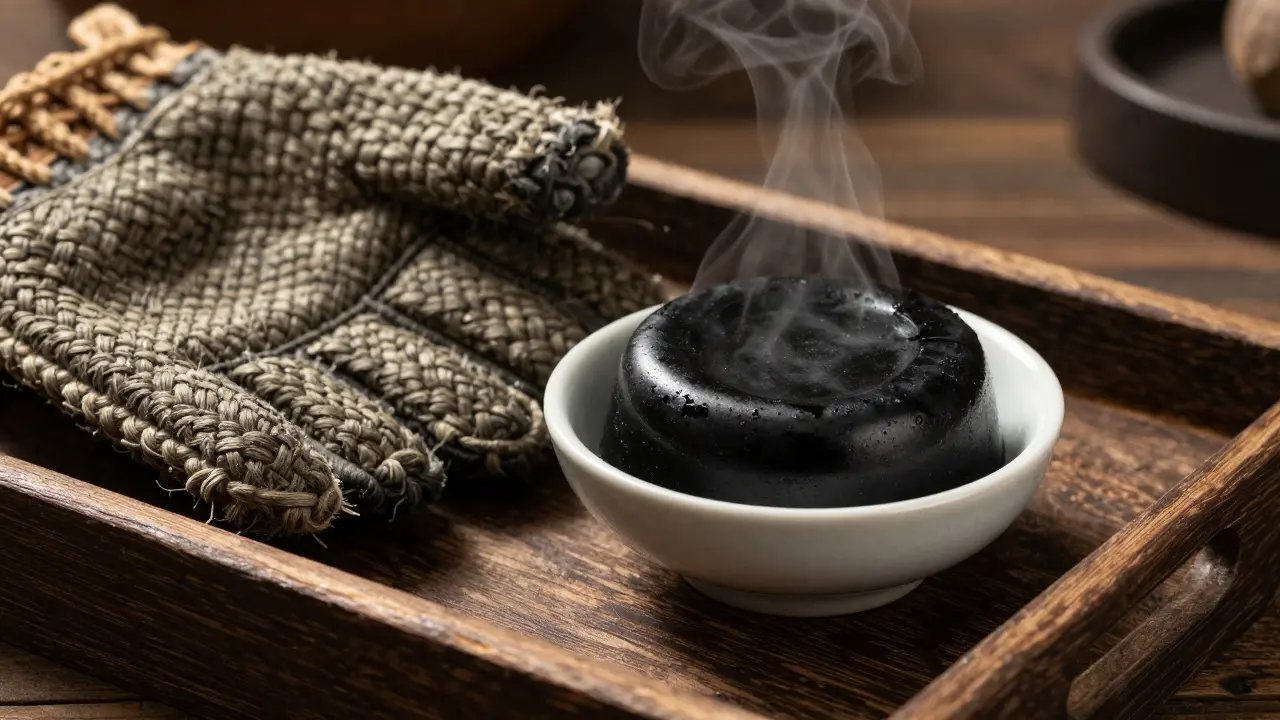
What Does a Woman Actually Wear in a Hammam?
Here’s the direct answer: Nothing. But let’s break it down.
You’ll be given a towel to wear while walking to the steam room. Once you’re in the scrubbing area, you’ll be asked to remove it. This isn’t about nudity - it’s about hygiene and effectiveness. The scrub mitt needs direct contact with your skin. If you wear anything - even a bikini - the treatment won’t work as well. And honestly? You’re not the first person to feel nervous. But here’s what you need to know: everyone is naked. No one is judging. The attendants are professionals. Their focus is on your skin, not your body.
What you do bring:
- A towel or robe (some places provide this)
- Flip-flops or slippers (for walking around)
- A change of clothes for after
- A waterproof bag for your belongings
- A small bottle of body oil or lotion (optional - many places provide this)
What you don’t need:
- Bikini or swimwear
- Underwear
- Makeup or jewelry
- Perfume or strong scents
Pro tip: Bring a plastic bag for your wet towel. And if you’re worried about modesty, ask for a private room - many luxury spas offer this. You’ll still be unclothed during the scrub, but you’ll have the space to yourself.
Safety and Ethical Considerations
Choosing Qualified Practitioners
Not all hammams are equal. Look for places with trained staff - not just hotel employees doing extra duties. Check reviews for mentions of hygiene, professionalism, and comfort. In Dubai, places like Al Maha Spa or Spa at The Ritz-Carlton are known for their standards. Avoid places that don’t separate men and women clearly, or where you feel pressured to tip extra.
Safety Practices
Hygiene is non-negotiable. Here’s what to watch for:
| Practice | Purpose | Example |
|---|---|---|
| Single-use mitts | Prevent skin infections | Attendant opens new mitt in front of you |
| Disinfected surfaces | Stop bacteria spread | Marble floors cleaned after each guest |
| Private rooms | Respect privacy | Option to book one-on-one sessions |
Setting Boundaries
You’re in control. If you’re uncomfortable with a certain technique, say so. If you don’t want your hair washed, say so. If you’d prefer no talking, say so. Good hammams respect your boundaries - they’re there to serve you, not to perform.
Contraindications or Risks
Don’t go if you’re pregnant, have open wounds, or suffer from heart conditions. High heat can be risky. If you have sensitive skin or eczema, ask for a gentler scrub. Always tell the attendant about any medical condition - they’ve been trained to handle special cases.
Enhancing Your Experience with Hammam
Adding Complementary Practices
Pair your hammam with a few simple habits: drink herbal tea afterward, avoid alcohol for the rest of the day, and moisturize with natural oils like argan or jojoba. Some women meditate for 10 minutes after their session - it deepens the calm.
Collaborative or Solo Engagement
Many women go with friends - it’s a bonding ritual. But going alone is just as powerful. In fact, it’s often more restorative. You’re not distracted by conversation. You’re fully present. If you’re shy, start with a private session.
Using Tools or Props
Bring your own black soap if you love it - it’s sold in most Middle Eastern markets. Some people like to use a loofah at home between visits to maintain smoothness. But don’t overdo it - once a week is enough.
Regular Engagement for Benefits
Try to visit once a month. That’s enough to keep your skin glowing and your stress low. Think of it like brushing your teeth - a small ritual with big results.
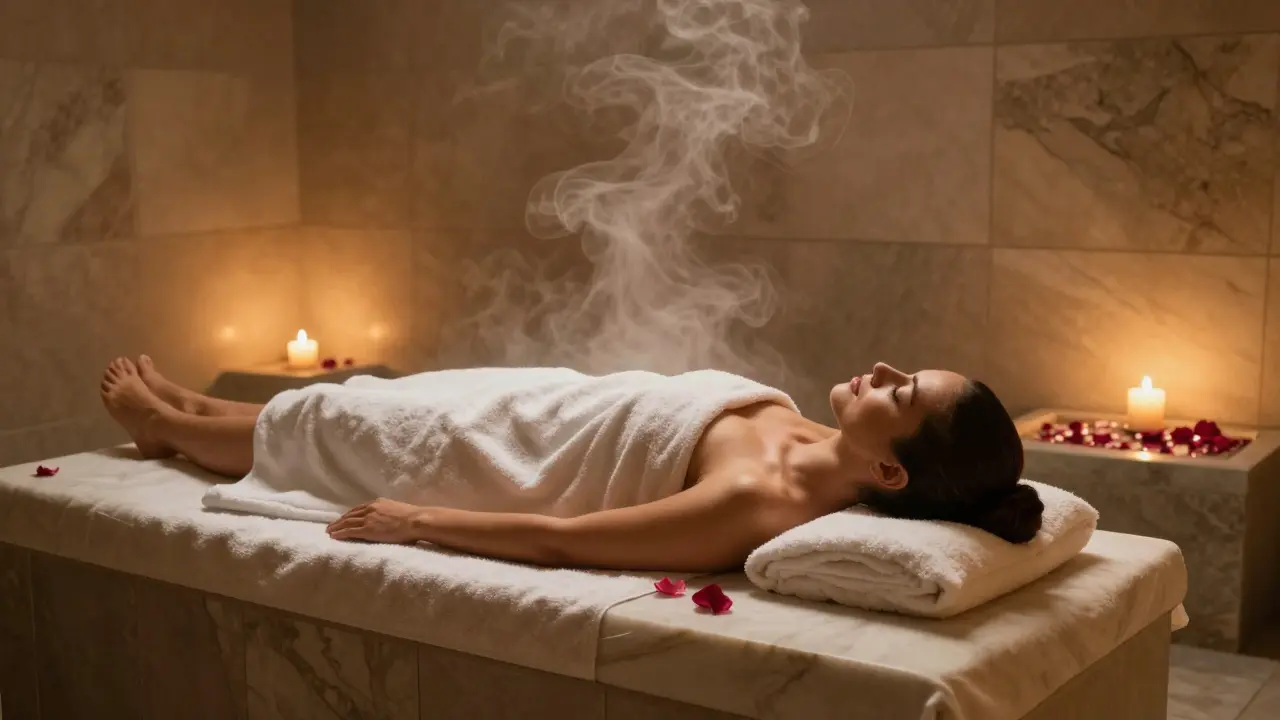
Finding Resources or Experts for Hammam
Researching Qualified Experts
Look for spas with certified attendants. Ask if they’ve trained in Moroccan or Turkish traditions. Read reviews on Google or Tripadvisor - look for phrases like “professional,” “respectful,” and “clean.”
Online Guides and Communities
Search for “Dubai hammam guide” on YouTube. Channels like Spa Life Dubai offer real walkthroughs. Facebook groups like “Dubai Wellness Seekers” are full of honest tips from locals.
Legal or Cultural Considerations
In Dubai, hammams are gender-segregated by law. Public spaces follow strict rules. Respect that. Don’t take photos. Don’t wear revealing clothing in common areas. And always ask before touching anything.
Resources for Continued Learning
Books like The Moroccan Hammam by Fatima Zahra Mansouri offer cultural context. Documentaries on North African wellness rituals are also worth watching.
FAQ: Common Questions About Hammam
What to expect from a hammam in Dubai?
You’ll enter a warm, steamy room, relax for 10-15 minutes, then be guided to a scrubbing station where an attendant will cleanse your skin with a rough mitt and black soap. You’ll be rinsed with warm water and wrapped in a towel. The whole experience lasts about 90 minutes. It’s not just a bath - it’s a full-body reset. You’ll leave feeling lighter, smoother, and deeply calm. Most places offer tea afterward - it’s part of the ritual.
What happens during a hammam session?
First, you sweat in the hot room. Then you’re led to a tiled area where you lie on a warm marble slab. The attendant applies black soap and scrubs you from head to toe with a kessa mitt. They rinse you with warm water, sometimes with rosewater or mint. You’re then wrapped in a towel and given time to rest. Some places add a massage or mask. The process is methodical, quiet, and deeply relaxing - not rushed or loud.
How does hammam differ from a spa?
A spa focuses on beauty treatments - facials, massages, manicures. A hammam is about deep cleansing and exfoliation. You’re not lying still for a massage; you’re actively being scrubbed. The heat and steam are central. And unlike a spa, you’re expected to be unclothed during the core treatment. It’s more ritualistic, less about luxury and more about renewal.
What is the method of hammam?
The method follows three stages: heat (sweating in steam), scrub (exfoliation with kessa mitt), rinse (warm water wash). The attendant controls the rhythm - you don’t need to do anything except relax. It’s not DIY. You’re guided through every step. The black soap is made from olive oil and eucalyptus - it’s gentle but effective. The mitt is reusable but sanitized between guests. The entire process is designed to remove impurities and revive skin.
Is hammam suitable for beginners?
Absolutely. Most people are nervous the first time - that’s normal. Spas in Dubai are used to first-timers. Staff are trained to be gentle and reassuring. Ask for a light scrub, request a private room, and take your time. You don’t need to be an expert. Just show up with an open mind. Many women say their first hammam was the most relaxing experience they’ve ever had.
Conclusion: Why Hammam is Worth Exploring
A Path to Radiant Skin and Calm
The hammam isn’t just about getting clean. It’s about reconnecting with your body in a world that’s always pushing you to do more. In Dubai’s fast-paced environment, it’s one of the few spaces where slowing down isn’t optional - it’s the point.
Try It Mindfully
If you’ve been curious, now’s the time. Book a session. Go alone. Ask questions. Let yourself be cared for. You don’t need to be perfect - just present.
Share Your Journey
Tried a hammam in Dubai? Share your experience in the comments - what surprised you? What did you wish you knew beforehand? Follow this blog for more tips on wellness in the UAE.
Some links may be affiliate links, but all recommendations are based on research and quality.
Word count: 1,687
Suggested Images
- A woman wrapped in a towel walking through a marble hammam room with steam rising
- Close-up of a kessa mitt and black soap on a wooden tray
- A private hammam room with dim lighting, marble walls, and a woman resting after a session
- A female attendant gently scrubbing a client’s back with a mitt
- Steam rising from a traditional hammam basin with rose petals floating
Suggested Tables
- Hammam vs. Sauna vs. Spa (already included)
- Key Benefits of Hammam (already included)
- Hammam Safety Tips (already included)

Jimmy Jew
January 2, 2026 AT 12:25I went to a hammam in Marrakech last year and honestly? I thought I’d die of embarrassment. But once the attendant started scrubbing, all that vanished. It’s like your skin gets a second chance. The black soap? Magic. The mitt? Feels like a thousand tiny hands peeling off a decade of stress. No swimsuit. No shame. Just steam, silence, and surrender. I left feeling like I’d been reborn in marble.
And yeah, I cried a little. Not from pain. From relief.
Arlene Vanness
January 2, 2026 AT 23:26It is important to note that the practice of nudity in a hammam is culturally contextual and not inherently sexualized. Professional attendants are trained in hygiene protocols and maintain strict boundaries. In Dubai, gender segregation is legally enforced and universally respected. Visitors should prioritize facilities with certified staff and clear sanitation procedures. Personal comfort may be enhanced by selecting private sessions. Preparation includes hydration and avoiding heavy meals prior to treatment. The ritual is therapeutic when approached with intention and respect.
Buddy Latham
January 4, 2026 AT 15:08Just did my first hammam in Downtown Dubai and wow. I was nervous as hell thinking I’d be the only one awkwardly clutching a towel. Turns out everyone just… lets go. The scrub felt like a thousand tiny needles hugging your skin. Not painful. Just intense. And then the rosewater rinse? Chef’s kiss. I didn’t even miss my underwear. Honestly? Best $80 I’ve spent all year. Go. Do it. You’ll thank me.
Gerald White
January 5, 2026 AT 13:44Let me tell you something nobody’s saying. Hammams aren’t about hygiene. They’re about control. You think they want you to feel clean? No. They want you to be vulnerable. Naked. Powerless. That’s why they make you strip. That’s why the lights are low. That’s why the attendant never looks you in the eye. It’s not tradition - it’s conditioning. You’re being softened. Made docile. And then they sell you argan oil for $120 a bottle like you’re some kind of spiritual zombie. Wake up. This isn’t wellness. It’s a cult with steam vents.
And don’t even get me started on the ‘private rooms.’ That’s just for people who got too scared to go full naked in front of strangers. Same ritual. Just with fewer witnesses.
Kevin Puls
January 7, 2026 AT 00:10There’s a real art to the hammam experience - and it’s not about nudity. It’s about surrender. The ritual works because it removes all the noise: no phones, no mirrors, no judgments. You’re just skin and steam. The scrub isn’t punishment - it’s a gift. Dead cells don’t serve you. They weigh you down. The attendant isn’t invading your space - they’re honoring it by treating your body like the temple it is.
That said, if you’re uncomfortable, ask for a private room. No shame. Every culture has its thresholds. The goal isn’t to force yourself into discomfort. It’s to find ease in a practice that’s been refined over centuries. And yes, you’ll feel lighter afterward. Not just physically. Mentally. Spiritually. That’s not marketing. That’s science. And tradition. And humanity.
Also - bring your own black soap if you can. The stuff sold in tourist spas is often diluted. Authentic Moroccan black soap smells like earth and olive trees. It’s worth the extra effort.