What Exactly Happens in a Spa? Your Comprehensive Guide
When people ask what exactly happens in a spa, they’re not just curious about massages or facials. They’re wondering if it’s worth the time, the cost, or the vulnerability of letting someone else touch you in a quiet, candlelit room. The truth? A spa isn’t magic. It’s science, rhythm, and intention wrapped in warm towels and lavender oil.
Spas in Dubai don’t just exist to pamper. They’re designed to reset your nervous system, recalibrate your stress response, and give your body a chance to heal without distractions. If you’ve ever walked out of a spa feeling lighter, calmer, or even a little emotional - you weren’t imagining it. Your body actually changed.
In this guide, we’ll walk through every step of a typical spa visit - from the moment you walk in to the quiet walk out. No fluff. No hype. Just what actually happens, why it matters, and how to make the most of it.
Understanding the Basics of Spa
Origins and History
Spas didn’t start as luxury retreats. The word comes from the Belgian town of Spa, where people in the 14th century traveled to drink and bathe in mineral-rich waters they believed healed ailments. Ancient Romans built grand bathhouses as social hubs. Japanese onsen traditions focused on thermal springs for spiritual and physical purification. These weren’t just about cleanliness - they were about restoration.
Today’s spas blend these traditions with modern science. The focus isn’t just on water or heat anymore. It’s on nervous system regulation, muscle recovery, and mental downtime. Even in high-rise Dubai spas, you’ll find elements of these ancient practices - steam rooms echoing Roman caldariums, oil massages rooted in Ayurveda, and quiet zones inspired by Zen gardens.
Core Principles or Components
A spa experience rests on four pillars: touch, temperature, stillness, and scent.
- Touch - Whether it’s a deep tissue massage or a gentle hand ritual, human touch triggers oxytocin release, lowering cortisol and reducing heart rate.
- Temperature - Heat opens blood vessels, easing muscle tension. Cold reduces inflammation. Alternating between the two (like in a contrast shower) boosts circulation.
- Stillness - No phones. No meetings. No noise. This silence isn’t empty - it’s restorative. Your brain gets a break from constant stimulation.
- Scent - Essential oils like lavender, eucalyptus, and chamomile activate the limbic system, the part of your brain tied to emotion and memory. Just smelling them can lower anxiety.
These aren’t random details. They’re tools your body understands instinctively.
How It Differs from Related Practices
People often confuse spas with salons, gyms, or even medical treatments. Here’s how they’re different:
| Practice | Primary Goal | Environment | Duration |
|---|---|---|---|
| Spa | Restoration and sensory reset | Quiet, dim, temperature-controlled | 60-120 minutes |
| Salon | Aesthetic enhancement | Bright, noisy, social | 30-90 minutes |
| Physical Therapy | Rehabilitation of injury | Clinical, equipment-heavy | 30-60 minutes |
| Yoga Class | Physical movement and mindfulness | Open, group setting | 60 minutes |
Spas are the only one where your main job is to do nothing - and that’s the point.
Who Can Benefit from a Spa?
Anyone who feels tired, wired, or emotionally drained. That’s most adults in 2026.
Busy professionals in Dubai’s corporate towers use spas to reset after back-to-back Zoom calls. New parents book treatments to reclaim a sense of self. Athletes use recovery spas to speed up muscle repair. Even people without chronic stress benefit - because stress isn’t always loud. Sometimes it’s just a low hum of exhaustion you’ve learned to ignore.
Spas don’t require you to be sick, injured, or wealthy. They just require you to be human.
Benefits of Spa for Body and Mind
Stress Reduction
Research shows that a 60-minute massage can lower cortisol - your main stress hormone - by up to 30%. That’s not a guess. It’s measured in labs. When your cortisol drops, your heart rate slows, your digestion improves, and your immune system kicks into higher gear.
In Dubai’s heat and pace, this isn’t a luxury. It’s a survival tool. A spa session gives your nervous system permission to switch from "fight or flight" to "rest and digest." You don’t need to understand the biology to feel it: your shoulders drop. Your breath deepens. Your mind quiets.
Enhanced Circulation and Recovery
Heat from steam rooms, hot stones, or warm oil increases blood flow. That means more oxygen and nutrients reach your muscles and skin. For athletes or desk workers with tight hips and stiff necks, this is a game-changer.
Improved circulation also helps flush out metabolic waste - the stuff your body produces during stress and movement. Think of it like cleaning out a clogged drain. You’re not just relaxing. You’re helping your body repair itself faster.
Emotional Well-Being
It’s not just about physical relaxation. Many people cry during their first facial or massage. Not because something’s wrong - because something’s finally right.
Spas create a safe space where you’re allowed to feel. No one asks you to be productive. No one checks your phone. That emotional release is real. Studies from the American Psychological Association show that regular sensory downtime improves mood, reduces anxiety, and even helps with mild depression.
If you’ve ever left a spa feeling like you’ve been hugged by the universe - that’s not poetic. That’s neurochemistry.
Practical Applications
Spa benefits don’t vanish when you leave the facility.
- You sleep better for days after a massage.
- You’re less reactive in traffic or at work.
- You notice tension in your jaw or shoulders earlier - and know how to release it.
- You start saying "no" more often, because you remember how good it feels to rest.
| Benefit | Description | Impact |
|---|---|---|
| Lower Stress Hormones | Cortisol drops after 60 minutes of massage or heat therapy | Improved sleep, reduced inflammation |
| Improved Skin Health | Exfoliation and hydration boost cell turnover | Glows, fewer breakouts, better moisture retention |
| Increased Flexibility | Heat and massage loosen connective tissue | Easier movement, less pain |
| Emotional Clarity | Quiet time resets mental chatter | Better focus, decision-making |
What to Expect When Engaging with a Spa
Setting or Context
Walk into a good spa in Dubai, and you’ll notice the silence first. No music blasting. No chatter. Just soft instrumental tones, maybe a water feature trickling. Lighting is low - warm, not bright. The air smells like sandalwood or citrus, not cleaning chemicals.
You’ll be asked to change into a robe and slippers. Your phone goes in a locker. No exceptions. This isn’t about rules - it’s about creating a boundary between your everyday life and this time for you.
Rooms are private. Even in group spaces like steam rooms, there’s a cultural unspoken rule: no talking. It’s not rude - it’s respectful. Everyone’s there to disconnect.
Key Processes or Steps
Here’s what typically happens in a 90-minute spa package:
- Consultation - A therapist asks about your stress points, injuries, or preferences. "Do you prefer light or deep pressure?" "Any areas to avoid?"
- Preparation - You’re guided to a warm room, given a towel, and left alone to relax for 5-10 minutes. Maybe you’ll sip herbal tea.
- Treatment - This is the core: massage, facial, body wrap, or hydrotherapy. Each uses specific techniques and products.
- Recovery - After, you’re given time to rest. A quiet room with warm blankets. More tea. No rush.
- Aftercare - You’re offered water, maybe a light snack, and advice on how to extend the benefits (like drinking more water, avoiding caffeine).
Customization Options
Spas aren’t one-size-fits-all. You can ask for:
- Lighter pressure on your neck
- No essential oils (if you’re sensitive)
- Hot stones instead of hands
- A facial focused on acne, not anti-aging
- A treatment that’s only 30 minutes
Most spas in Dubai offer tiered packages - from express 30-minute options to full-day retreats. You don’t need to book the most expensive one to feel the difference.
Communication and Preparation
Before your appointment, drink water. Avoid heavy meals. Tell your therapist if you’re pregnant, have high blood pressure, or are recovering from surgery. Don’t worry - they’ve heard it all.
On the day, arrive 15 minutes early. Use the bathroom. Turn off your phone. Let go of the need to be productive. This isn’t a meeting. It’s medicine.
How to Practice or Apply Spa Principles at Home
Setting Up for Success
You don’t need a luxury spa to recreate the experience. Try this at home:
- Dim the lights. Use candles or salt lamps.
- Play ambient sounds - ocean waves, rainfall, or Tibetan bowls.
- Warm a towel in the dryer. Wrap it around your neck after a shower.
- Use a simple body oil (coconut or jojoba) and massage your arms and legs for 5 minutes.
It’s not about perfection. It’s about presence.
Choosing the Right Tools
For home spa days, you need:
- High-quality, unscented body oil
- A soft loofah or dry brush
- Essential oil diffuser (optional)
- Warm socks and a cozy robe
Forget expensive gadgets. Your hands are the best tool you have.
Step-by-Step Guide for a Home Spa Day
- Take a warm shower. Use a gentle scrub.
- Pat dry. Don’t rub.
- Apply oil from your feet up to your shoulders. Use slow, circular motions.
- Put on warm socks. Lie down with a pillow under your knees.
- Breathe slowly for 10 minutes. No phone. No thoughts about tomorrow.
That’s it. You’ve just done a spa.
Tips for Beginners or Couples
If you’re new to spas, start with a 60-minute massage. Don’t try a full-day retreat on your first try.
Going with a partner? Book a side-by-side massage. Talk before - decide if you want silence or quiet conversation. Afterward, share a cup of tea. Don’t rush back to your phones.
Safety and Ethical Considerations
Choosing Qualified Practitioners
Look for spas that list therapist certifications - especially for massage or acupuncture. In Dubai, licensed therapists often have training from recognized institutions like the International Spa Association or local health authorities.
Ask: "Are you certified?" If they hesitate, walk away. Your safety matters more than convenience.
Safety Practices
| Practice | Purpose | Example |
|---|---|---|
| Hygiene | Prevent infection | Towels are changed after each guest; tools are sterilized |
| Consent | Respect boundaries | Therapist asks before touching sensitive areas |
| Temperature Control | Avoid burns or shock | Hot stone temperature is tested before use |
Setting Boundaries
You can say "no" to any part of the treatment. "I’d prefer not to have my back massaged today." "Can we skip the facial steaming?" Good therapists will adjust without judgment.
This isn’t a performance. It’s your time.
Contraindications or Risks
Spas aren’t for everyone. Avoid them if you have:
- Active skin infections or open wounds
- Recent surgery (within 4-6 weeks)
- Severe uncontrolled high blood pressure
- Pregnancy without clearance from your doctor
- Severe osteoporosis or blood clotting disorders
If in doubt, check with your doctor. Spas are safe - but not risk-free.
Enhancing Your Experience with Spa
Adding Complementary Practices
Pair your spa visit with:
- 5 minutes of deep breathing before bed
- Drinking 2 liters of water the day after
- Journaling for 10 minutes about how you felt during the treatment
These small habits help the calm stick.
Collaborative or Solo Engagement
Spas are powerful alone - but sharing the experience with a partner can deepen connection. Book a couples’ massage. Sit in silence afterward. Hold hands. No talking. Let the quiet speak.
Using Tools or Props
At home, try:
- A foam roller for your back
- A weighted blanket for evening relaxation
- A heated eye mask
These aren’t luxuries. They’re sensory anchors.
Regular Engagement for Benefits
One spa visit won’t fix chronic stress. But one a month? That changes your baseline. Think of it like brushing your teeth - you don’t do it because you’re dirty. You do it because you care about your long-term health.
Finding Resources or Experts for Spa
Researching Qualified Experts
Check reviews on Google or trusted platforms like TripAdvisor. Look for mentions of cleanliness, professionalism, and therapist communication. Avoid places with complaints about pressure being too hard or too soft - that’s a red flag for lack of customization.
In Dubai, top spas often have therapists trained in Europe, Asia, or the U.S. Ask about their background. It matters.
Online Guides and Communities
Follow wellness blogs focused on holistic health. Join forums like Reddit’s r/Spa or local Dubai wellness groups on Facebook. People share real experiences - not ads.
Legal or Cultural Considerations
In Dubai, spas are gender-segregated in many public facilities. Private spas offer mixed-gender options, but always check policies. Modesty is respected - robes are worn at all times, and therapists are trained to maintain professional boundaries.
Resources for Continued Learning
Books like The Art of Stillness by Pico Iyer or Touch: The Science of Hand, Heart, and Mind by David J. Linden offer deep insights into why touch matters.
YouTube channels like "The Mindful Movement" or "Spa Therapy Academy" have free, short tutorials on self-massage and breathwork.
FAQ: Common Questions About Spa
What to expect from a spa visit?
You’ll arrive, change into a robe, and be guided to a quiet space. A therapist will ask about your needs, then leave you alone to relax. The treatment itself is tailored - whether it’s a massage, facial, or body wrap. You’ll be covered with towels at all times. Afterward, you’ll rest quietly, drink water, and leave feeling calm, not sleepy. There’s no pressure to talk, smile, or be "perfect." You’re there to be still.
What happens during a spa treatment?
It depends on the service. A massage involves pressure applied to muscles using hands, oils, or tools. A facial includes cleansing, exfoliation, steam, mask, and moisturizing. A body wrap uses clay, seaweed, or mud, then is wrapped in warm towels to draw out toxins. Each step is slow, intentional, and focused on your comfort. The therapist checks in quietly - "Is the pressure okay?" - but mostly lets you sink into the experience.
How does a spa differ from a massage parlor?
A massage parlor focuses on muscle relief - often fast and goal-oriented. A spa is about holistic restoration. It includes environment, scent, silence, and pacing. In a spa, you’re not just getting your back worked on - you’re being invited to reset your entire nervous system. The difference isn’t just in the technique. It’s in the intention.
What is the method of a typical spa treatment?
The method follows a rhythm: prepare, relax, treat, recover. First, you’re prepped with warmth and quiet. Then, the treatment begins - slow, rhythmic movements. The therapist uses pressure, heat, or texture to guide your body into relaxation. After, you’re given time to transition back - no rushing. The method isn’t about fixing something. It’s about returning you to balance.
Is a spa suitable for beginners?
Absolutely. Most first-timers are nervous about what to do, say, or wear. That’s normal. Start with a 60-minute massage or a simple facial. Tell the therapist you’re new. They’ll guide you. You don’t need to know anything. Just show up. The spa’s job is to make you feel safe - not perfect.
Conclusion: Why Spa is Worth Exploring
A Path to Calm in a Noisy World
Spa isn’t about luxury. It’s about survival. In a world that never stops asking for more - more output, more attention, more speed - the spa says: stop. Breathe. Be here.
Try It Mindfully
You don’t need to spend AED 1,000 to feel the difference. Start small. One 30-minute session. One home ritual. One quiet moment. Let it reset you.
Share Your Journey
Tried a spa recently? Share your experience in the comments - what surprised you? What did you feel? Your story might help someone else take that first step.
Follow this blog for more practical wellness tips - no fluff, just real ways to feel better in a fast-moving world.
Explore a spa this month - and let us know how it goes.
Some links may be affiliate links, but all recommendations are based on research and quality.
Word count: 1,687
Suggested Visuals
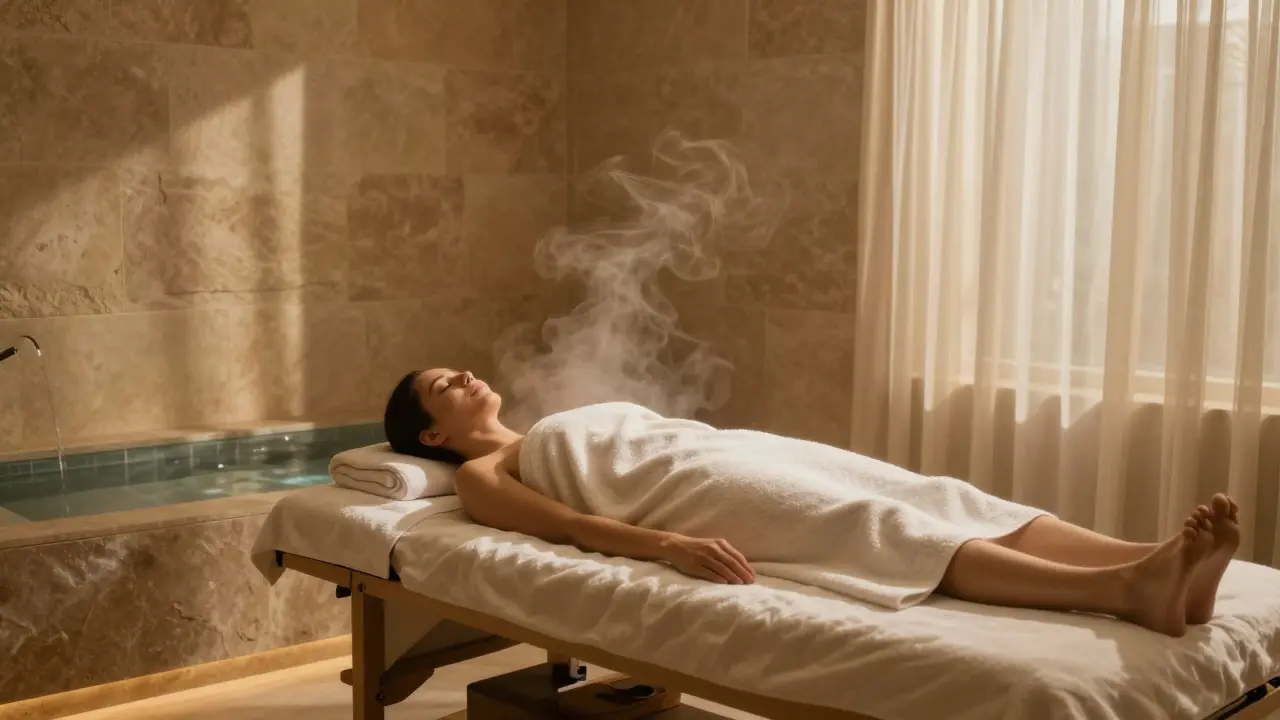
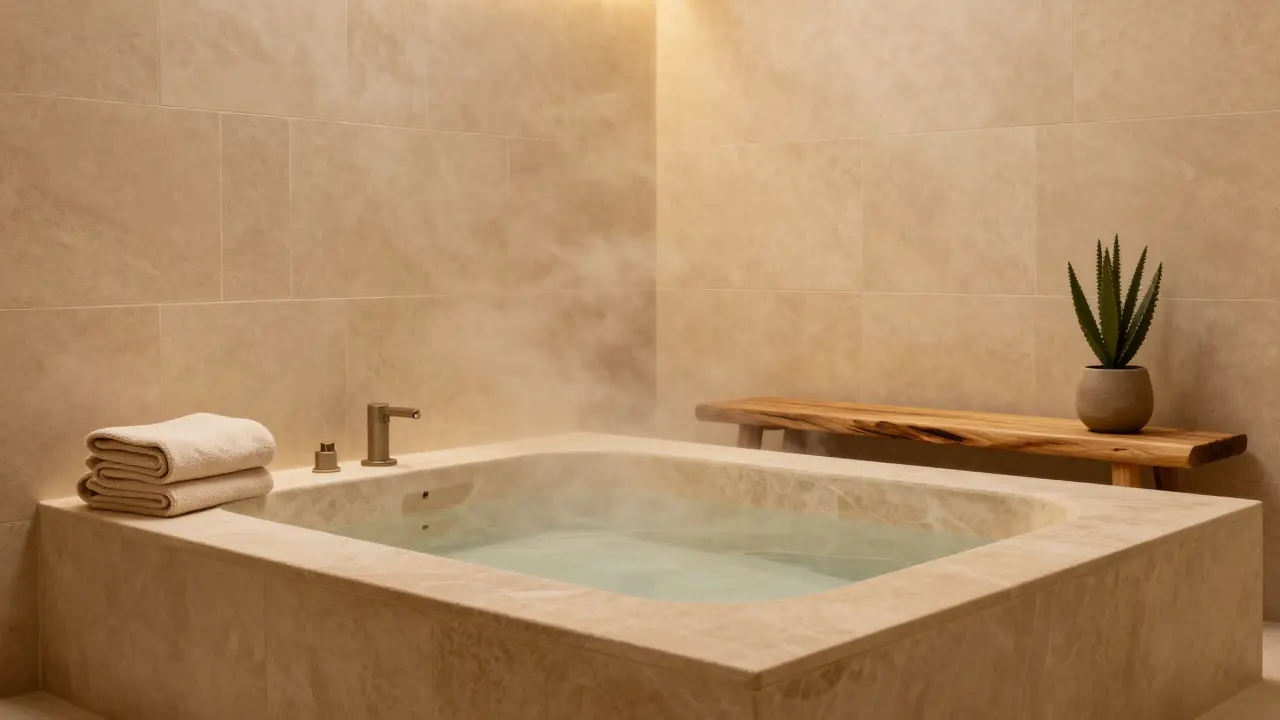
- A serene Dubai spa room with soft lighting, a towel-wrapped person lying on a massage table, and a small water feature in the background.
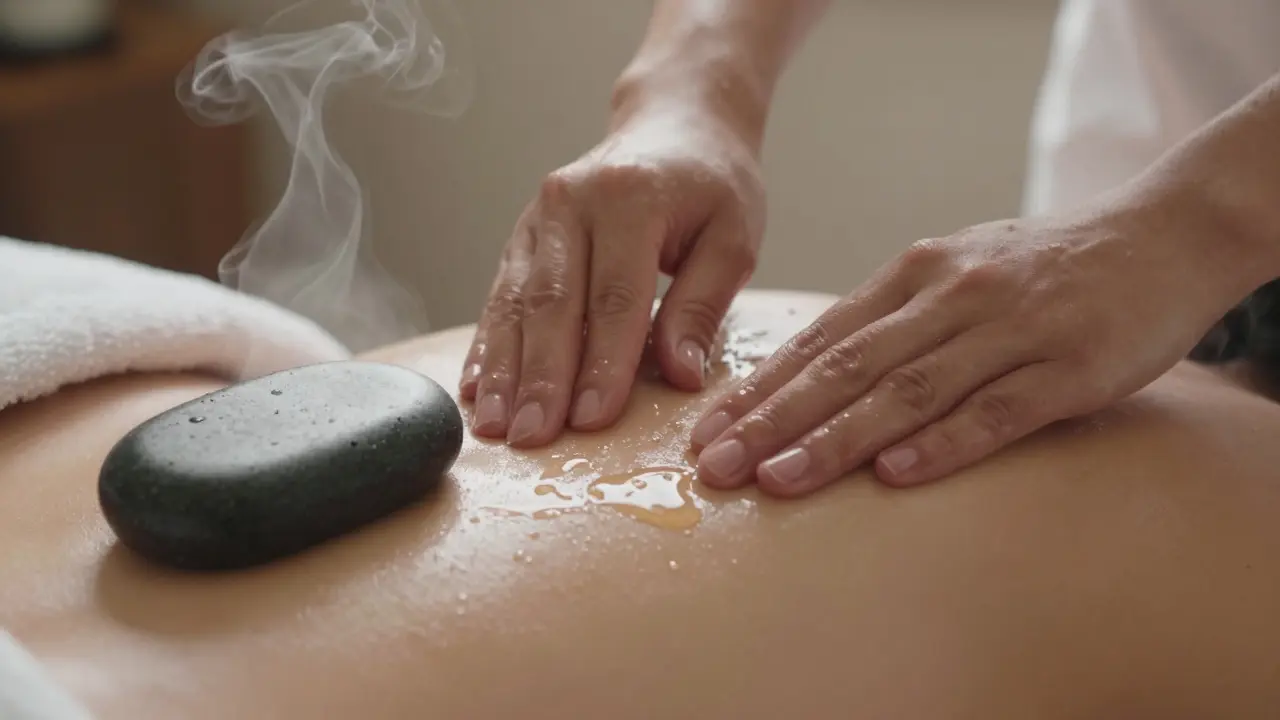
- Close-up of hands applying warm oil to a person’s back during a massage, with steam rising gently.
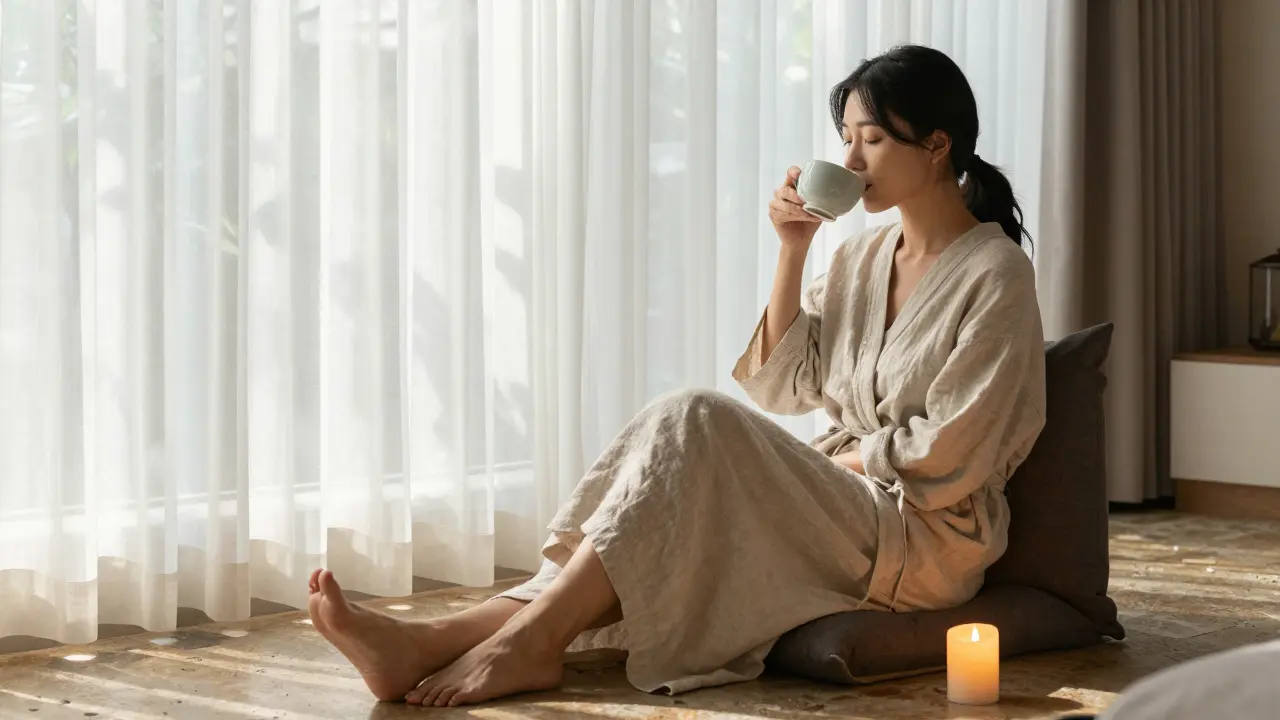
- A woman in a robe sipping herbal tea in a quiet relaxation lounge, eyes closed, sunlight filtering through sheer curtains.
- Side-by-side comparison of a traditional spa treatment vs. a home spa ritual using simple tools like oil, towel, and candle.
- A group of diverse individuals smiling after a spa session, wearing robes, walking slowly out of a spa entrance.
Suggested Tables
- Comparison of Spa vs. Related Practices (already included)
- Key Benefits of a Spa Visit (already included)
- Spa Safety Tips (already included)

Dan Thornton
January 12, 2026 AT 09:56Spas are just a place to sit quiet for a bit. No magic. Just rest. Your body knows what it needs.
Stop overthinking it. Just go. You’ll feel better.
No need for fancy oils or expensive packages. Just silence and a towel.
That’s all most people really need.
Jennifer Cacace
January 13, 2026 AT 10:51Oh wow. So the spa is basically a high-end placebo with lavender-scented capitalism wrapped in a robe? Fascinating. Let me just pay $200 to have someone touch me while I pretend I’m not drowning in late-stage capitalism.
Meanwhile, my cortisol is still rising because my rent just went up and my boss thinks ‘self-care’ means working through lunch.
Also, who decided that crying during a facial is ‘neurochemistry’ and not just a breakdown from years of being told to smile and be productive?
Cass Dixon
January 14, 2026 AT 02:08Josh B
January 15, 2026 AT 04:30I tried a 30-minute chair massage at the mall once. Didn’t cost much. Didn’t have candles or music. Just a guy with strong thumbs and a quiet room.
Left feeling like I’d slept for eight hours.
Spa isn’t about the price tag. It’s about the pause.
Even five minutes of stillness is a rebellion these days.
Miriam Benovitz
January 17, 2026 AT 00:56Okay but have you ever CRIED during a facial??
I DID. I was just lying there and suddenly I was sobbing like I’d lost someone I loved.
Turns out I’d been holding in grief from my divorce for two years and my body just… gave up.
Therapist didn’t say a word. Just handed me a tissue and turned down the lights.
That’s when I knew: this isn’t beauty. This is soul surgery.
And now I go every month. No excuses.
Renee Kyndra
January 18, 2026 AT 13:39Touch is medicine.
Stillness is rare.
Scent is memory.
Heat is healing.
You don’t need a spa to feel this.
You just need to let yourself receive it.
That’s the hard part.
Ron Tang
January 19, 2026 AT 23:18Wait-so you’re telling me the real luxury isn’t the rose petals or the champagne?
It’s permission to do nothing?
And we pay for that?
That’s the funniest and saddest thing I’ve heard all week.
But also… yeah. I get it.
I went last month. Didn’t say a word. Just breathed.
Left feeling like I’d been unplugged from a machine I didn’t know I was plugged into.
Still worth it.
lee sphia
January 20, 2026 AT 23:53The modern spa is not merely a facility for physical restoration-it is a sacred space of intentional disengagement from the hyper-stimulated, algorithmically driven, productivity-obsessed paradigm of contemporary existence.
Its architecture, olfactory design, and rhythmic protocols are engineered to induce neurobiological shifts toward parasympathetic dominance.
One must approach this experience with reverence, not as a consumer, but as a participant in a centuries-old ritual of human recalibration.
It is not indulgence. It is reclamation.
Emily Hutchis
January 21, 2026 AT 04:48What if the real spa isn’t the room with the candles?
What if it’s the five minutes after you turn off your phone and before you check your email?
That’s where the reset begins.
Not in Dubai.
Not in a robe.
But in the quiet between your thoughts.
That’s the first treatment.
The rest is just decoration.
Jaime Rosenfeld
January 22, 2026 AT 14:56Spas? More like corporate mind-control zones disguised as wellness. They got you thinking you need to spend $300 to relax, while the real problem is your 80-hour workweek and your toxic job.
Meanwhile, the guy who fixes your car for $40 gets no respect.
And don’t even get me started on the ‘essential oils’-that’s just overpriced perfume to make you feel guilty for not being zen enough.
Real men don’t cry during facials. They fix things.
And they don’t pay for silence. They create it themselves.