
What Goes First, Body Wash or Scrub? The Right Order for Smooth Skin
When it comes to your body care routine, the body scrub order matters more than you think. Many people grab their scrub right after stepping into the shower, thinking more scrubbing equals cleaner skin. But that’s like putting frosting on a cake before baking it. You’re not just wasting product-you’re risking irritation, dryness, and even micro-tears. So what’s the real sequence? Body wash first, then scrub. Here’s why, and how to get it right every time.
Understanding the Basics of Body Scrub
Origins and History
Body scrubs aren’t new. Ancient Egyptians used crushed almonds and honey to polish their skin. Romans soaked in mineral-rich baths and scrubbed with pumice stones. Even in traditional Ayurvedic practices, dry brushing and herbal pastes were used before bathing. These weren’t just luxury rituals-they were about removing dead skin, improving circulation, and preparing the body for absorption of oils and herbs. Today’s scrubs are just modern versions of those same principles: physical exfoliation to slough off dull skin and reveal what’s underneath.
Core Principles or Components
A good body scrub has two main parts: an exfoliating agent and a carrier base. The exfoliator-whether it’s sugar, salt, ground coffee, or synthetic beads-physically removes dead skin cells. The carrier, like coconut oil, shea butter, or aloe vera, hydrates and soothes. The goal isn’t to scrub until your skin glows like a lightbulb. It’s to gently refresh the surface so your skin can breathe and absorb moisture better. Overdoing it strips natural oils, leading to redness and flakiness. Less is more.
How It Differs from Related Practices
People often confuse body scrubs with loofahs, chemical exfoliants, or even just regular soap. Here’s how they stack up:
| Method | Key Feature | Primary Benefit |
|---|---|---|
| Body Scrub | Physical exfoliation with granules | Removes dead skin, improves texture |
| Loofah or Washcloth | Mild mechanical friction | Helps lather soap, light cleansing |
| Chemical Exfoliant (AHA/BHA) | Dissolves dead cells with acids | Penetrates deeper, good for acne-prone skin |
| Body Wash Alone | Cleanses with surfactants | Removes dirt and oil, no exfoliation |
Unlike chemical exfoliants that work over time, scrubs give instant results. But they’re harsher. That’s why timing and technique matter.
Who Can Benefit from Body Scrub?
Almost everyone can benefit-except those with sensitive skin conditions like eczema, rosacea, or open cuts. If your skin feels rough, looks dull, or you get ingrown hairs after shaving, a scrub can help. Athletes use them to clear sweat buildup. People with dry winter skin find relief. Even those who shave regularly use scrubs to prevent bumps. The key is matching the scrub’s grit to your skin type. Fine sugar scrubs for sensitive skin. Coarser salt scrubs for thick, calloused areas like heels.
Benefits of Body Scrub for Skin Health
Improved Skin Texture
Dead skin cells build up over days, making your skin look grayish and feel rough. A scrub removes this layer, revealing smoother, brighter skin underneath. Think of it like clearing dust off a photo-suddenly, the details pop. This isn’t just cosmetic. Smoother skin absorbs moisturizers better. After a scrub, your lotion doesn’t sit on top-it sinks in. That means longer-lasting hydration and fewer flakes.
Enhanced Circulation
The rubbing motion of scrubbing stimulates blood flow to the skin’s surface. This brings oxygen and nutrients to skin cells, helping them regenerate faster. It’s why your skin often looks slightly pink after a scrub-it’s not irritation, it’s increased circulation. This also helps lymphatic drainage, reducing puffiness and bloating in areas like thighs and arms. Regular use can even improve the appearance of cellulite over time, not by eliminating it, but by tightening and smoothing the skin’s surface.
Prevents Ingrown Hairs
If you shave or wax, you know the frustration of bumps and razor burn. Dead skin cells trap hairs beneath the surface, causing them to curl back in. A scrub before shaving clears the path, letting hairs grow out cleanly. Many dermatologists recommend scrubbing 2-3 times a week for people prone to ingrowns. It’s a simple fix that works better than expensive creams.
Boosts Product Absorption
Imagine applying a rich body oil to skin covered in flakes. It’ll just sit there. But after a scrub? That oil sinks in. Same goes for moisturizers, self-tanners, and even sunscreens. Exfoliation removes the barrier so active ingredients can do their job. This means your expensive skincare actually works. You’re not wasting money-you’re maximizing it.
What to Expect When Using a Body Scrub
Setting or Context
You don’t need a spa to use a body scrub. A warm shower is perfect. The steam opens pores and softens skin, making exfoliation more effective. Avoid scrubbing in a dry shower-this increases friction and risk of micro-tears. Keep the water warm, not hot. Hot water dries out skin and makes it more sensitive. A 10-minute shower before scrubbing gives your skin time to prep.
Key Processes or Steps
Here’s the right sequence: First, wet your skin thoroughly. Then, apply body wash and lather. Rinse it off completely. Now, take your scrub. Scoop a small amount-about the size of a golf ball-and gently massage it onto damp skin using circular motions. Focus on rough areas: elbows, knees, heels, and back. Don’t scrub your chest or face-those areas are too delicate. Rinse thoroughly. Pat dry, don’t rub. Then, lock in moisture with lotion or oil.
Customization Options
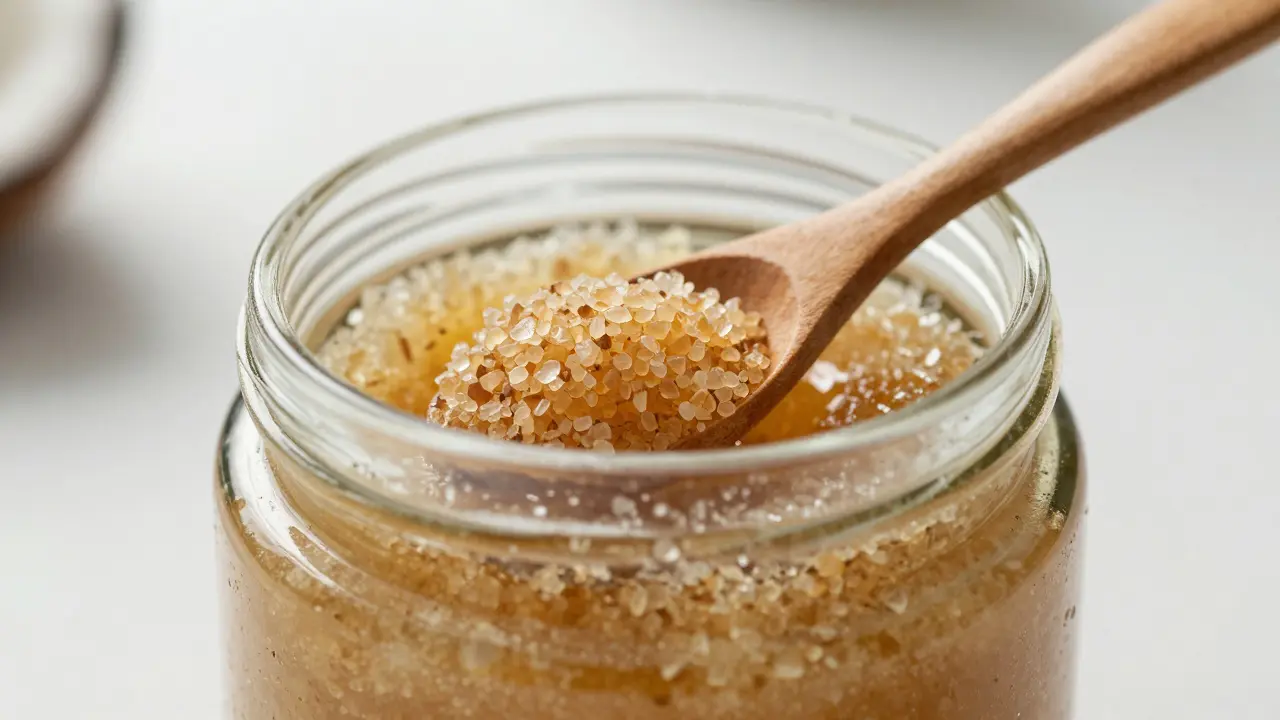
Not all scrubs are made equal. If your skin is dry or sensitive, choose a scrub with fine granules and hydrating oils like jojoba or almond. If you have oily or acne-prone skin, look for scrubs with tea tree oil or charcoal. For extra detox, try a coffee scrub-it’s rich in antioxidants. You can even make your own: mix brown sugar with coconut oil and a drop of vanilla extract. It’s cheap, natural, and smells amazing.
Communication and Preparation
If you’re using a scrub in a salon or with a partner, communicate. Let them know if you’re sensitive to pressure or have areas to avoid. Never let someone scrub a sunburn, rash, or open wound. And if you’ve just used a chemical exfoliant (like a body peel), wait at least 48 hours before scrubbing. Layering exfoliants can cause burns.
How to Practice or Apply Body Scrub Correctly
Setting Up for Success
Keep your scrub in a dry spot-moisture breeds bacteria. Use a clean loofah or your hands, not a dirty sponge. Wash your hands before applying. Keep a towel nearby to wipe excess water. Don’t rush. Spend 2-3 minutes massaging. It’s not a chore-it’s a mini self-care ritual.
Choosing the Right Tools
Look for scrubs with natural ingredients. Avoid microbeads-they’re banned in many countries because they pollute waterways. Opt for sugar, salt, or ground nut shells. If you have sensitive skin, skip salt scrubs-they can sting. Sugar is gentler. For feet, a pumice stone works better than a scrub. And always check the expiration date. Oils can go rancid.
Step-by-Step Guide
- Wet your skin with warm water for 2-3 minutes.
- Apply body wash and rinse thoroughly.
- Take a small amount of scrub (1-2 tablespoons).
- Massage in circular motions for 2-3 minutes.
- Rinse with cool water to close pores.
- Pat dry with a clean towel.
- Apply moisturizer within 3 minutes to lock in hydration.
Tips for Beginners
Start slow-once a week. If your skin feels tight or red afterward, cut back. Don’t use scrub every day. Your skin renews every 28 days; you don’t need to strip it weekly. Use a gentle scrub first. Try a sugar-based one with aloe. And always follow with lotion. Skipping moisturizer after scrubbing is like brushing your teeth and not flossing-it defeats the purpose.
Safety and Ethical Considerations
Choosing Qualified Products
Stick to brands that list all ingredients. Avoid anything with “fragrance” as the main ingredient-it often hides irritants. Look for dermatologist-tested labels. If you’re unsure, patch test on your inner arm first. Wait 24 hours. If no redness or itching, you’re good to go.
Safety Practices
Here’s how to scrub safely:
| Practice | Purpose | Example |
|---|---|---|
| Use gentle pressure | Prevents micro-tears | Let the granules do the work |
| Rinse thoroughly | Prevents residue buildup | Don’t leave sugar crystals on skin |
| Don’t scrub cuts or sunburns | Avoid infection and pain | Wait until skin heals |
Setting Boundaries
If you’re using a scrub with a partner or therapist, speak up. Say, “That’s too rough,” or “Avoid my back.” Your comfort matters. No one should pressure you into something that hurts.
Contraindications or Risks
Avoid scrubs if you have: active acne, psoriasis, eczema flare-ups, open wounds, or recent laser treatments. Also skip if you’re using retinoids or strong acne medications-they make skin extra sensitive. Pregnant women can use scrubs, but avoid essential oils like rosemary or clary sage. Always check with your doctor if you’re unsure.
Enhancing Your Experience with Body Scrub
Adding Complementary Practices
Pair your scrub with a hydrating body oil or butter. After rinsing, while skin is still damp, apply a few drops of jojoba or argan oil. Then, follow with a thick cream. You can also add a few drops of lavender oil to your scrub for calming effects. Or try dry brushing before your shower-this boosts circulation even more.
Collaborative or Solo Engagement
Scrubbing alone is relaxing. It’s your time. But if you’re doing it with a partner, make it a ritual. Take turns massaging each other’s back or feet. It’s intimate, calming, and builds connection. Just keep it gentle and communicate.
Using Tools or Props
A silicone scrubber glove helps distribute pressure evenly. It’s easier on your hands than squeezing a jar. A bamboo scrubbing brush works well for back and legs. Avoid metal tools-they’re too harsh. And never use a scrub on your face-your facial skin is 10x thinner.
Regular Engagement for Benefits
Use a scrub 1-3 times a week, depending on your skin. Too often? You’ll strip natural oils. Too rarely? You won’t see results. Consistency beats intensity. Think of it like watering a plant-regular, gentle care wins over occasional flooding.
Finding Resources or Experts for Body Scrub
Researching Qualified Products
Look for brands that use clean, transparent ingredients. Brands like Lush, First Aid Beauty, and Tree Hut offer reliable options. Read reviews from people with similar skin types. Avoid anything with parabens, sulfates, or synthetic dyes.
Online Guides and Communities
Reddit’s r/SkincareAddiction and r/BodyCare have real user experiences. Dermatologists like Dr. Hadley King and Dr. Marisa Garshick post science-backed tips on Instagram. These aren’t ads-they’re experts sharing real advice.
Legal or Cultural Considerations
Some cultures use scrubs as part of spiritual cleansing rituals. Respect those traditions. In Middle Eastern and South Asian cultures, kessa gloves and ghassoul clay are traditional. In Japan, body scrubs are part of onsen bathing. You don’t need to adopt them-but understanding them adds depth to your routine.
Resources for Continued Learning
Books like The Beauty of Skin by Dr. Harold Lancer and Beauty Secrets of the World by Dr. Barbara Sturm offer science-backed routines. YouTube channels like Dr. Cunha and The Skincare Edit break down routines simply.
FAQ: Common Questions About Body Scrub
What goes first, body wash or scrub?
Always use body wash first. It cleanses away dirt, oil, and sweat, so the scrub can focus on exfoliating dead skin instead of pushing grime into pores. Skipping the wash can clog pores and cause breakouts. Rinse off the wash completely before applying the scrub.
Can I use body scrub every day?
No. Most skin types only need a scrub 1-3 times a week. Daily scrubbing strips natural oils, causes dryness, and can lead to irritation or redness. Your skin naturally renews every 28 days-over-exfoliating disrupts this cycle. If your skin feels tight after scrubbing, you’re doing it too often.
Is body scrub better than a loofah?
It depends. A loofah gives light exfoliation and helps lather soap. A scrub gives deeper, targeted exfoliation. If you want smooth, glowing skin, scrub is better. If you just want to cleanse and lightly buff, a loofah is fine. Many people use both: loofah with body wash daily, scrub once or twice a week.
Should I scrub before or after shaving?
Always scrub before shaving. It clears dead skin and lifts hairs, so your razor glides smoothly and reduces ingrown hairs. Scrubbing after shaving can irritate freshly exposed skin and cause razor burn. Wait at least 4 hours after shaving before using a scrub.
Can I use body scrub on my face?
No. Facial skin is much thinner and more sensitive. Body scrubs have larger granules that can cause micro-tears and inflammation on the face. Use a facial exfoliant designed for delicate skin-usually with chemical exfoliants like glycolic or lactic acid. Never use a body scrub on your face.
Conclusion: Why Body Scrub is Worth Exploring
A Path to Healthier Skin
Body scrub isn’t a luxury-it’s a smart step in skin care. When done right, it transforms rough, dull skin into something soft, smooth, and radiant. It’s not magic. It’s science. And it’s simple.
Try It Mindfully
Start slow. Use the right order. Listen to your skin. If it stings, stop. If it glows, keep going. This isn’t about perfection-it’s about feeling good in your own skin.
Share Your Journey
Tried the body wash before scrub method? Let us know how your skin feels. Follow for more no-nonsense skincare tips. And remember-your skin deserves care, not chaos.
Some links may be affiliate links, but all recommendations are based on research and quality.
Word count: 1,687
Suggested Images
- A person in a steamy shower using a sugar scrub on their arms, with natural light and plants in background
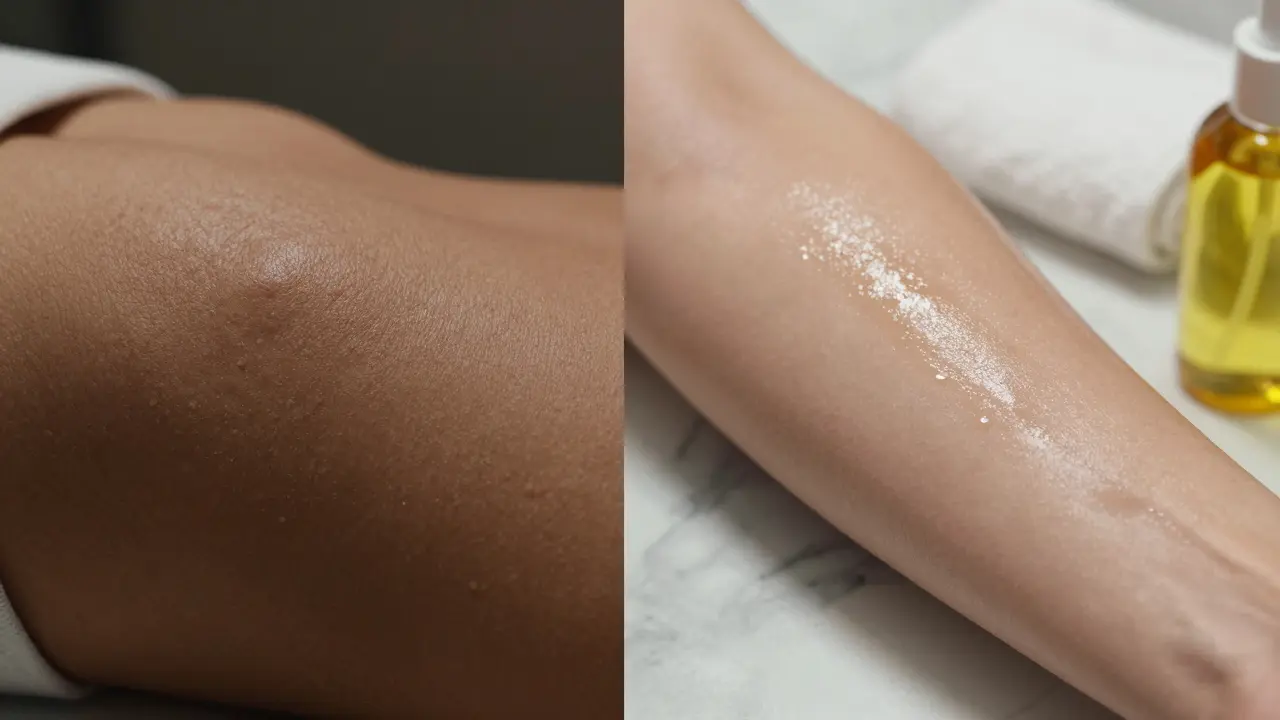
- Side-by-side comparison: rough skin vs. smooth skin after scrubbing
- Close-up of a handmade body scrub in a glass jar with sugar crystals and coconut oil
- Hand holding a loofah and body scrub bottle side by side on a bathroom shelf
- Woman applying body oil after a shower, with towel wrapped around her
Suggested Tables
- Comparison of Body Care Methods (already included)
- Body Scrub Safety Tips (already included)
- Recommended Scrub Types by Skin Type (Sugar for sensitive, Salt for thick skin, Coffee for detox, Oat for irritated skin)

John Francis Grasso
December 6, 2025 AT 19:17Harshad Hisham
December 7, 2025 AT 05:43Alex Burns
December 8, 2025 AT 19:39Debasish Maulik
December 8, 2025 AT 22:45Parker Mullins
December 10, 2025 AT 14:53