What Is a Dream Spa? Your Comprehensive Guide
A dream spa isn’t just a place where you get a massage. It’s a full-sensory escape - a carefully crafted environment designed to melt away stress, reset your mind, and make you feel like you’ve stepped into another world. Think of it as a quiet room where time slows down, the air smells like lavender and sea salt, and every detail, from the temperature of the towel to the sound of water trickling nearby, is chosen to calm your nervous system. In Dubai, where luxury is part of daily life, the dream spa has evolved into something more than a service - it’s an experience that lingers long after you leave.
Unlike regular spas that focus on one treatment, a dream spa wraps you in layers of comfort: warm stone therapy, floating in saltwater pools, guided breathing, aromatherapy, and even silence that feels intentional. It’s not about checking a box - it’s about feeling transformed. Whether you’re a busy professional, a new parent, or someone just needing to hit pause, a dream spa offers a reset button you didn’t know you needed.
Understanding the Basics of Dream Spa
Origins and History
The idea of a spa as a place for healing goes back thousands of years - from Roman bathhouses to Turkish hammams. But the modern dream spa, as we know it today, really took shape in the late 1990s and early 2000s, especially in luxury destinations like Bali, the Maldives, and later, Dubai. These weren’t just places to get a facial. They were designed as sanctuaries, blending ancient wellness traditions with cutting-edge comfort. In Dubai, where the desert meets the sea, dream spas often fuse Bedouin-inspired rituals with Japanese onsen principles and European hydrotherapy. The goal? To create a space that doesn’t just treat the body, but speaks to the soul.
Core Principles or Components
A dream spa is built on five key pillars: atmosphere, personalization, sensory engagement, stillness, and flow. Atmosphere means lighting is dim, music is barely there, and the scent is subtle but intentional - think sandalwood, not overpowering perfume. Personalization means your session isn’t cookie-cutter; therapists ask about your stress points, sleep habits, and even your mood that day. Sensory engagement uses touch, sound, scent, and temperature to calm your brain’s alarm system. Stillness is non-negotiable - no phones, no chatter, no rushing. And flow? That’s the seamless transition from one treatment to the next, like a gentle wave carrying you deeper into relaxation.
How It Differs from Related Practices
Many people confuse a dream spa with a regular spa or a wellness center. Here’s how they’re different:
| Feature | Dream Spa | Regular Spa | Wellness Center |
|---|---|---|---|
| Primary Focus | Emotional and sensory reset | Physical treatments | Health and fitness goals |
| Duration of Visit | 4-8 hours | 1-2 hours | 30-90 minutes |
| Environment | Quiet, immersive, private | Functional, busy | Active, gym-like |
| Staff Interaction | Minimal, intuitive | Service-oriented | Instructional |
| Outcome | Deep calm, mental clarity | Relaxed muscles | Improved fitness or health metrics |
Who Can Benefit from Dream Spa?
Almost everyone. If you’ve ever felt mentally drained after a long workweek, or emotionally heavy after a family event, a dream spa can help. It’s not just for the wealthy - while luxury resorts in Dubai offer high-end versions, even mid-range spas now offer dream spa-style packages. Parents of young kids, remote workers, nurses, teachers, and even people recovering from illness find it restorative. You don’t need to be stressed to benefit - sometimes, you just need to remember what peace feels like.
Benefits of Dream Spa for Mind and Body
Stress Reduction
Research shows that prolonged stress raises cortisol levels, which can lead to poor sleep, weight gain, and even heart issues. A dream spa interrupts that cycle. The combination of warmth, slow touch, and quiet triggers your parasympathetic nervous system - the part of your body that says, “It’s safe to relax.” Many guests report feeling lighter within 30 minutes. It’s not magic - it’s biology. Your heart rate drops, your breathing deepens, and your muscles stop holding onto tension they’ve carried for weeks.
Enhanced Sleep Quality
One of the most common follow-up effects of a dream spa session? Better sleep. Because the experience lowers cortisol and increases serotonin, your body naturally shifts into rest mode. People who struggle with racing thoughts at night often find that after a dream spa visit, they fall asleep faster and wake up feeling more refreshed. It’s like giving your brain a software update - clearing out the clutter so it can reboot properly.
Emotional Well-Being
There’s something about being held in silence, without judgment, that unlocks emotions you didn’t know you were holding. Many guests cry during or after a session - not because they’re sad, but because they finally allowed themselves to feel. A dream spa creates space for emotional release. It’s not therapy, but it often feels like a gentle nudge toward self-compassion. For people feeling disconnected or numb, it can be a doorway back to feeling alive.
Practical Applications
You don’t need to book a full-day retreat to feel the benefits. Even a two-hour dream spa experience can improve your focus at work, reduce irritability with loved ones, and give you a renewed sense of patience. Some Dubai professionals schedule dream spa visits before big presentations or family reunions - not as a luxury, but as a performance enhancer. It’s like charging your phone overnight, but for your mind.
| Benefit | Description | Impact |
|---|---|---|
| Lower Stress Hormones | Cortisol drops significantly after 60 minutes of sensory calm | Improved immunity, better digestion |
| Improved Circulation | Warmth and massage boost blood flow | Faster muscle recovery, glowing skin |
| Mental Clarity | Quiet environment resets mental noise | Sharper focus, better decision-making |
| Emotional Release | Safe space allows suppressed feelings to surface | Greater self-awareness, reduced anxiety |
What to Expect When Engaging with a Dream Spa
Setting or Context
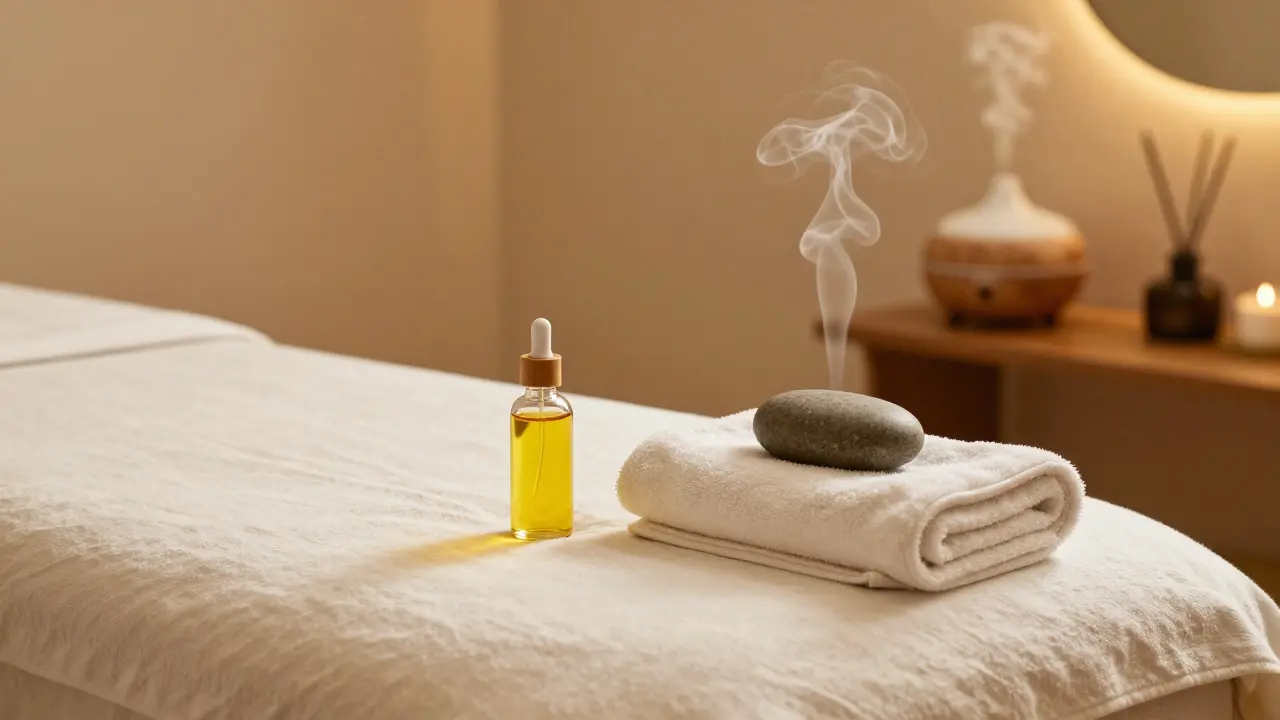
Walk into a dream spa, and you’ll notice the silence first. No loud music. No announcements. Just the soft hum of water and the occasional chime. Rooms are dimly lit with lanterns or candles. Floors are warm underfoot - often heated stone or soft wood. You’ll be offered herbal tea or chilled cucumber water. Everything feels intentional, like the space was designed by someone who truly understands exhaustion.
Key Processes or Steps
A typical dream spa journey follows a rhythm: arrival, preparation, immersion, and integration. First, you check in quietly and change into a robe. Then, you’re guided to a pre-treatment lounge where you breathe deeply and sip tea. Next comes the core experience - maybe a hot stone massage, a salt scrub, or floating in a zero-gravity pool. Afterward, you rest in a quiet room with a warm blanket, sometimes under a skylight. The whole process takes at least four hours. Rushing defeats the purpose.
Customization Options
Dream spas don’t do one-size-fits-all. Your therapist might ask: “Do you prefer deep pressure or light touch?” “Do you want silence, or soft music?” “Should we use citrus or earthy scents?” You can choose between a solo experience or a couples’ version. Some offer meditation integration, while others focus purely on physical release. The goal is to match the experience to your energy, not the other way around.
Communication and Preparation
Before your visit, avoid heavy meals or caffeine. Wear loose clothing to your appointment - you’ll be changing anyway. Tell the staff if you have injuries, allergies, or if you’re pregnant. Don’t be shy - this isn’t a test. The more they know, the better they can tailor your experience. And remember: you’re allowed to say no. If a treatment feels too intense, speak up. Your comfort is the priority.
How to Practice or Apply Dream Spa Principles
Setting Up for Success
You don’t need a luxury resort to recreate a dream spa moment at home. Start with your bathroom: light a candle, play nature sounds, and warm your towels in the dryer. Fill the tub with Epsom salts and a few drops of lavender oil. Turn off your phone. Let yourself soak for 20 minutes without checking anything. That’s the essence of a dream spa - presence, not perfection.
Choosing the Right Tools/Resources
In Dubai, look for spas that are members of the Spa & Wellness Association UAE - they follow strict hygiene and training standards. Avoid places that push add-ons aggressively. A true dream spa lets you say no without pressure. Read reviews that mention silence, comfort, and staff attentiveness - not just “great massage.”
Step-by-Step Guide
Here’s how to create your own mini dream spa at home:
- Set a timer for 60-90 minutes - no interruptions.
- Warm your space: use a space heater or turn up the heat.
- Use essential oils: lavender, chamomile, or frankincense in a diffuser.
- Soak in a bath with Epsom salts and rose petals.
- Wrap yourself in a soft robe and sip warm ginger tea.
- Listen to ambient sounds - ocean waves or forest rain.
- Close your eyes and breathe slowly for 10 minutes.
Tips for Beginners or Couples
If you’re new to this, start small - one hour, not eight. Don’t feel pressured to do everything. For couples, a dream spa can be a powerful way to reconnect - without talking. Sit side by side in silence, hands gently resting on each other’s shoulders. No need to fix anything. Just be together, quietly.
Safety and Ethical Considerations
Choosing Qualified Practitioners
Look for therapists with certifications from recognized bodies like the International Spa Association or local UAE wellness councils. Ask if they’ve trained in sensory-based therapies, not just massage. A good therapist will ask questions before starting, not just rush you to the table.
Safety Practices
Hygiene is non-negotiable. Towels should be fresh, rooms cleaned between guests, and water in pools filtered regularly. Here’s what to watch for:
| Practice | Purpose | Example |
|---|---|---|
| Change robes between sessions | Prevent cross-contamination | Always receive a new robe after a scrub |
| Use clean water in hydrotherapy | Prevent skin or ear infections | Pool water should be clear and odorless |
| Ask about product ingredients | Avoid allergic reactions | Request fragrance-free oils if sensitive |
Setting Boundaries
You have the right to say no - to touch, to temperature, to noise. If you feel uncomfortable, speak up. A good spa will adjust immediately. Your comfort is part of the healing.
Contraindications or Risks
People with open wounds, recent surgery, severe heart conditions, or uncontrolled high blood pressure should consult a doctor before visiting. Avoid dream spas if you’re feeling ill or have a fever. Pregnancy is fine with prior notice - just make sure the therapist knows.
Enhancing Your Experience with Dream Spa
Adding Complementary Practices
Pair your dream spa visit with journaling afterward. Write down how you felt before and after. Try a 5-minute morning meditation for the next week. These small habits help the calm stick around longer.
Collaborative or Solo Engagement
Dream spas work beautifully alone - it’s your time to tune inward. But with a partner, it can deepen connection. Sit in silence together after your treatments. No need to talk. Just be. Many couples say it’s the most intimate experience they’ve shared in years.
Using Tools or Props
At home, try a heated eye mask, a weighted blanket, or a Himalayan salt lamp. These small tools mimic the sensory comfort of a dream spa. Even a soft, plush robe makes a difference.
Regular Engagement for Benefits
One visit is a reset. Two visits a month is a lifestyle. People who make dream spa experiences a regular part of their routine report lasting changes in mood, sleep, and even how they handle stress. It’s not a luxury - it’s self-care that pays off.
Finding Resources or Experts for Dream Spa
Researching Qualified Experts
Check reviews on Google and TripAdvisor for mentions of “quiet,” “attentive,” and “no pressure.” Avoid places with 100 reviews saying “great massage” but none mentioning the atmosphere. The best dream spas have fewer reviews - but they’re thoughtful.
Online Guides and Communities
Follow Instagram accounts like @dreamspadubai or @wellnessinuae for real guest experiences. Join UAE wellness Facebook groups - members often share hidden gems and seasonal deals.
Legal or Cultural Considerations
In Dubai, all spas must follow strict health regulations. Gender-segregated areas are common, but many offer private couples’ suites. Always respect cultural norms - modest clothing is expected in shared areas.
Resources for Continued Learning
Read The Art of Stillness by Pico Iyer for deeper insight into quietude. Watch the documentary Healing Waters on YouTube - it explores global spa traditions. Both are accessible and beautifully made.
FAQ: Common Questions About Dream Spa
What to expect from a dream spa?
You can expect to be gently guided through a slow, sensory-rich experience designed to quiet your mind. There’s no rushing - no clock ticking, no loud music, no sales pitches. You’ll be offered warm drinks, soft robes, and quiet spaces. Treatments like hot stone massage, salt scrubs, or floating in thermal pools are common. The goal isn’t to fix anything - it’s to let your body and mind return to calm. Many people leave feeling lighter, clearer, and deeply rested.
What happens during a dream spa session?
A typical session begins with quiet arrival and herbal tea. You’ll change into a robe and be led to a calm space. Then comes your treatment - often a blend of massage, heat therapy, and water immersion. Between treatments, you rest in a quiet room with a warm blanket. The whole experience lasts 4-8 hours, with no interruptions. Staff check in silently - they know when you need water, when you need silence, and when you’re ready to move on. It’s not about what they do to you - it’s about what you feel inside.
How does a dream spa differ from a regular spa?
A regular spa focuses on treatments - a massage, a facial, a pedicure. A dream spa focuses on atmosphere. It’s not about checking off services; it’s about creating a state of being. You won’t hear loud music or see bright lights. You won’t be rushed from one room to the next. The staff don’t sell you packages - they observe your needs. The outcome isn’t just relaxed muscles - it’s a quiet mind and a deeper sense of peace.
What is the method of a dream spa?
The method is simple: slow down, tune in, and let go. It uses sensory tools - warmth, scent, sound, touch - to activate the body’s natural relaxation response. Treatments are chosen based on your energy level and needs, not a menu. There’s no fixed sequence. One person might get a cold foot wrap and a silent meditation; another might float in a salt pool and listen to a guided breath exercise. The method is personal, not prescriptive.
Is a dream spa suitable for beginners?
Absolutely. In fact, beginners often benefit the most. There’s no skill required. You don’t need to meditate, stretch, or know anything about wellness. Just show up. The spa will guide you. Many first-timers are nervous about silence or being touched - that’s normal. Good dream spas let you go at your own pace. You can even request no touch at all - just quiet and warmth. It’s not about doing it right. It’s about letting yourself rest.
Conclusion: Why Dream Spa is Worth Exploring
A Path to Stillness
A dream spa isn’t about luxury for luxury’s sake. It’s about reclaiming stillness in a world that never stops asking for more. In Dubai, where life moves fast, it’s one of the few places that says: “You don’t have to be doing anything to be worthy of peace.”
Try It Mindfully
Start small. Book a two-hour package. Turn off your phone. Let yourself feel. You don’t need to understand it - just experience it.
Share Your Journey
Tried a dream spa? Share your experience in the comments - what surprised you? What did you feel? Follow this blog for more tips on mindful living in the UAE.
Some links may be affiliate links, but all recommendations are based on research and quality.
Word count: 1,728
Suggested Visuals
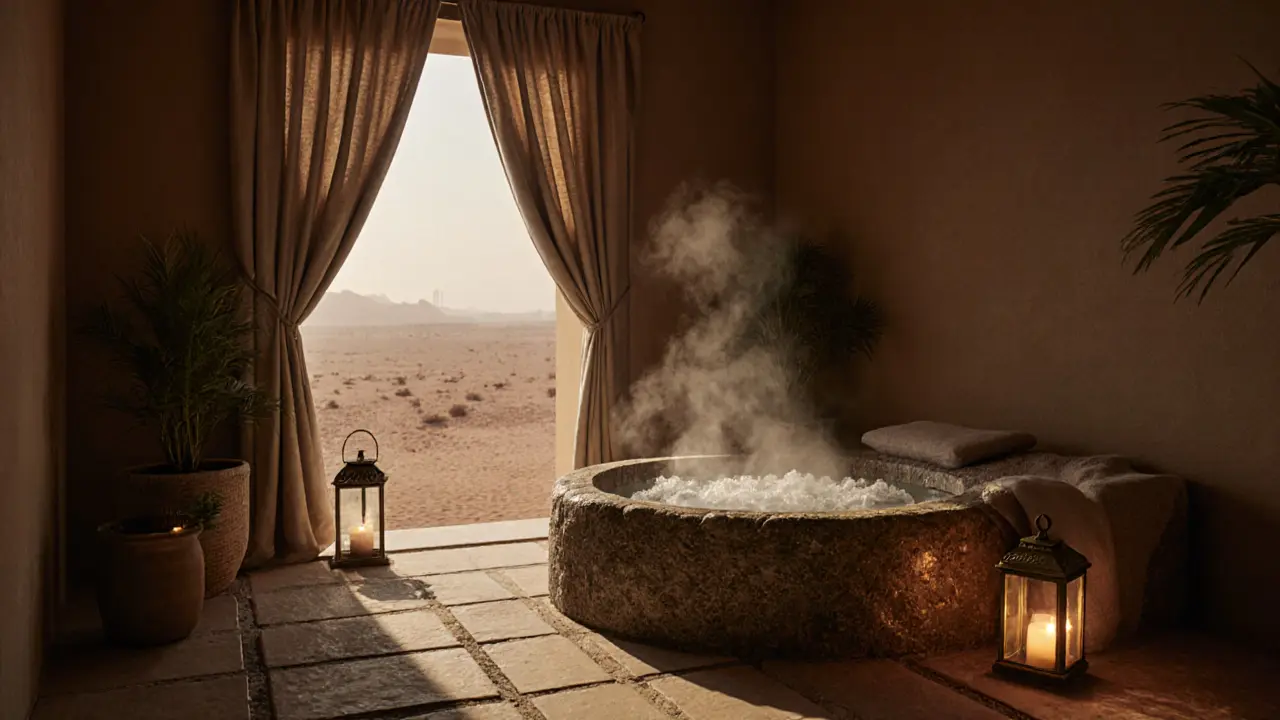
- A dimly lit spa room with warm lighting, a stone tub, and steam rising
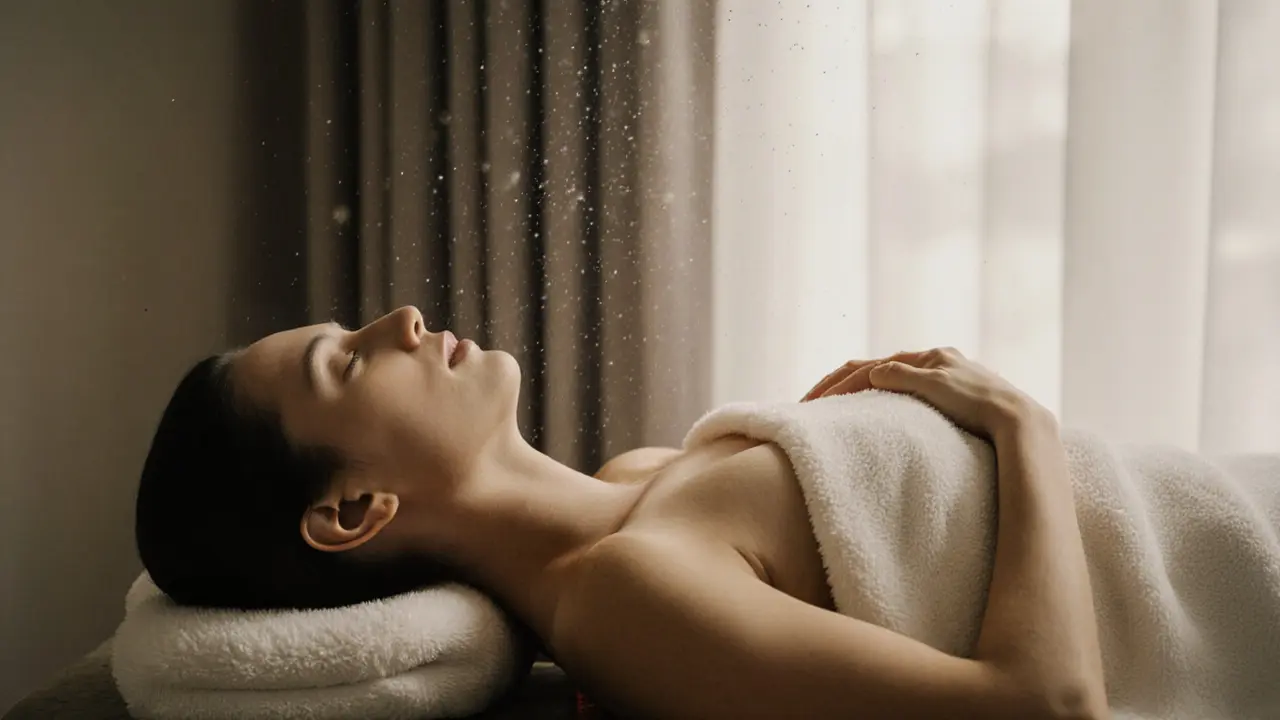
- A person lying on a heated stone table, covered in a soft towel, eyes closed
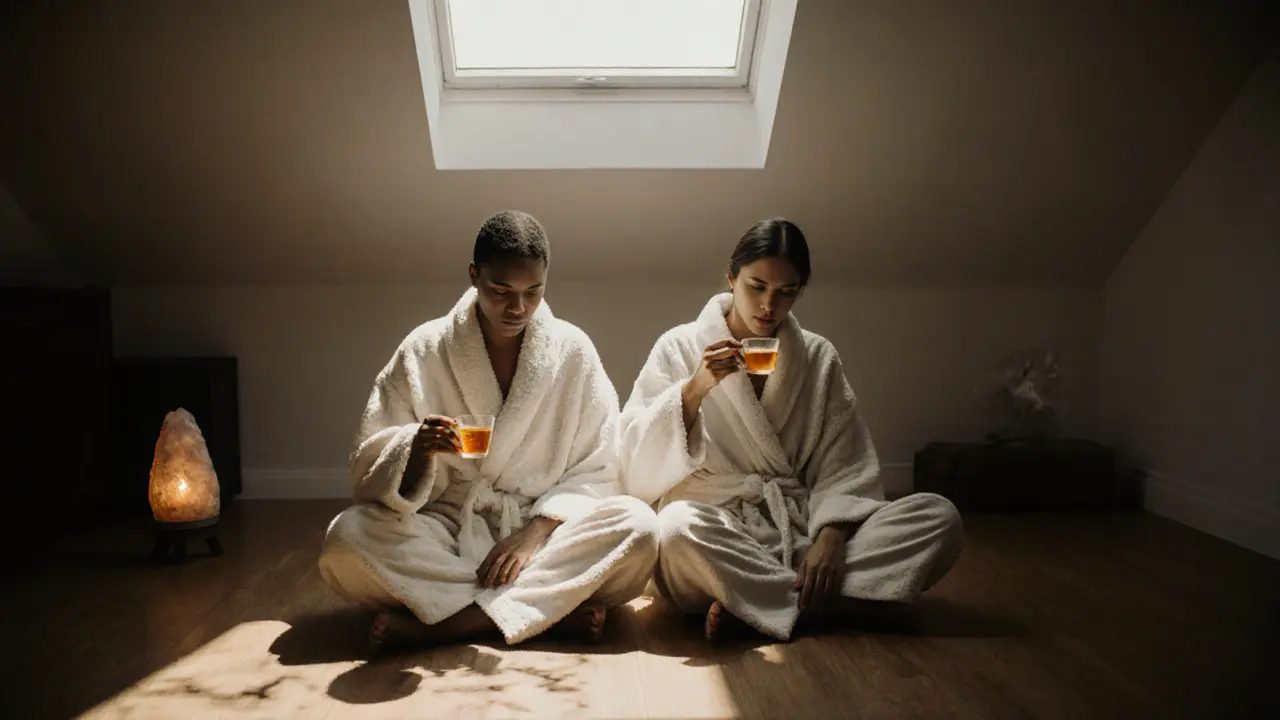
- Two people sitting silently side-by-side in robes, sipping tea after a treatment
- A close-up of lavender oil being poured into a diffuser
- A floating saltwater pool with soft light reflecting off the water
Suggested Tables
- Comparison of Dream Spa vs. Regular Spa vs. Wellness Center
- Key Benefits of a Dream Spa Experience
- Safety Tips for Dream Spa Visits

Hitesh Solanki
November 14, 2025 AT 12:48Oh, please. Another ‘dream spa’? Let me guess-you’re sipping rose-infused, Himalayan-salt-charged, mindfulness-optimized chamomile tea while meditating under a bioluminescent moonlamp in a zero-gravity pod? I mean, really. In Dubai, where the desert literally burns at 50°C, you’re paying $2,000 to cry over a lavender-scented towel? The only thing ‘dreamy’ here is your bank account. This isn’t wellness-it’s performative exhaustion dressed in silk robes. And don’t even get me started on the ‘silence’… as if silence isn’t just the absence of noise, but the presence of your own unprocessed trauma screaming in the void?!
Patrick MacKrell
November 16, 2025 AT 12:28Let’s be real-this article is a beautifully written marketing brochure disguised as journalism. You list five ‘pillars’ of a dream spa, but none of them are measurable. ‘Stillness’? How do you quantify that? ‘Flow’? That’s just a buzzword for ‘we didn’t want to schedule breaks between treatments.’ And comparing it to a wellness center? Please. A wellness center helps you lose weight. A dream spa helps you feel guilty for not being zen enough. Also, the ‘zero-gravity pool’? That’s just a saltwater tub with a fancy name. I’ve seen better hydrotherapy in a Finnish sauna. This isn’t innovation-it’s semantic inflation with a side of oud oil.
antonio montana
November 18, 2025 AT 04:32I just got back from a 3-hour dream spa in Abu Dhabi, and honestly… I cried. Not because it was expensive or overhyped, but because no one asked me how I was doing for the first time in years. No one said ‘hi’ or ‘have a nice day.’ They just handed me a warm towel, turned the lights down, and left me alone with my thoughts. I didn’t even realize how much I’d been holding in until the salt scrub made my shoulders drop. I’ve been anxious since my dad passed. This wasn’t a treatment. It was permission. To just… be. Thank you for writing this. I needed to read it.
Parul Singh
November 18, 2025 AT 04:57OMG this is so fake!! 😤 Why do foreigners think they invented relaxation?? In India, we’ve had Ayurveda for 5,000 years!! We did hot oil massages while chanting mantras before Dubai even had AC!! 😒 And now they call it ‘dream spa’ like it’s new?? 🤦♀️ Also, ‘no phones’? Please. I saw a guy taking selfies in a robe at that one place in Jumeirah!! 😠 And why is everything ‘intentional’? Just say ‘they made it chill’!! 🙄 Also, why no Indian oils? Where’s the turmeric? The neem? The hibiscus?! This is cultural erasure!! 💥
jeremy noble
November 19, 2025 AT 16:55Okay, let’s reframe this. A dream spa isn’t about the treatments-it’s about *de-escalation architecture*. The design principles? They’re borrowed from trauma-informed care, circadian rhythm optimization, and sensory modulation theory. The staff aren’t therapists-they’re environmental psychologists trained in non-verbal attunement. The silence? That’s not absence-it’s *cognitive offloading*. You’re not just relaxing your muscles; you’re lowering your sympathetic nervous system’s baseline. And yeah, it’s expensive-but think of it as preventative neurology. One session = 3 months of reduced cortisol spikes. ROI? Massive. Plus, the robe? It’s not cotton-it’s bamboo viscose with antimicrobial weave. Details matter. And if you think this is just ‘luxury,’ you’re missing the entire paradigm shift in human rest architecture.
Deborah Billingsley
November 20, 2025 AT 09:57Antonio’s comment made me cry again 😭 I’ve been a nurse for 18 years and I’ve never felt seen until I read that. To Parul-I hear you. We don’t need to erase Ayurveda to appreciate new forms of healing. And Hitesh? You’re right-it’s expensive. But what’s the cost of burnout? I booked a 2-hour version at a local spa last week. Candles, warm towels, no music. I just sat. And for the first time in years, I didn’t check my phone. I didn’t plan dinner. I didn’t fix anything. I just… existed. And that? That was the most powerful thing I’ve done all year. You don’t need a saltwater pool. You just need permission to stop. 💛