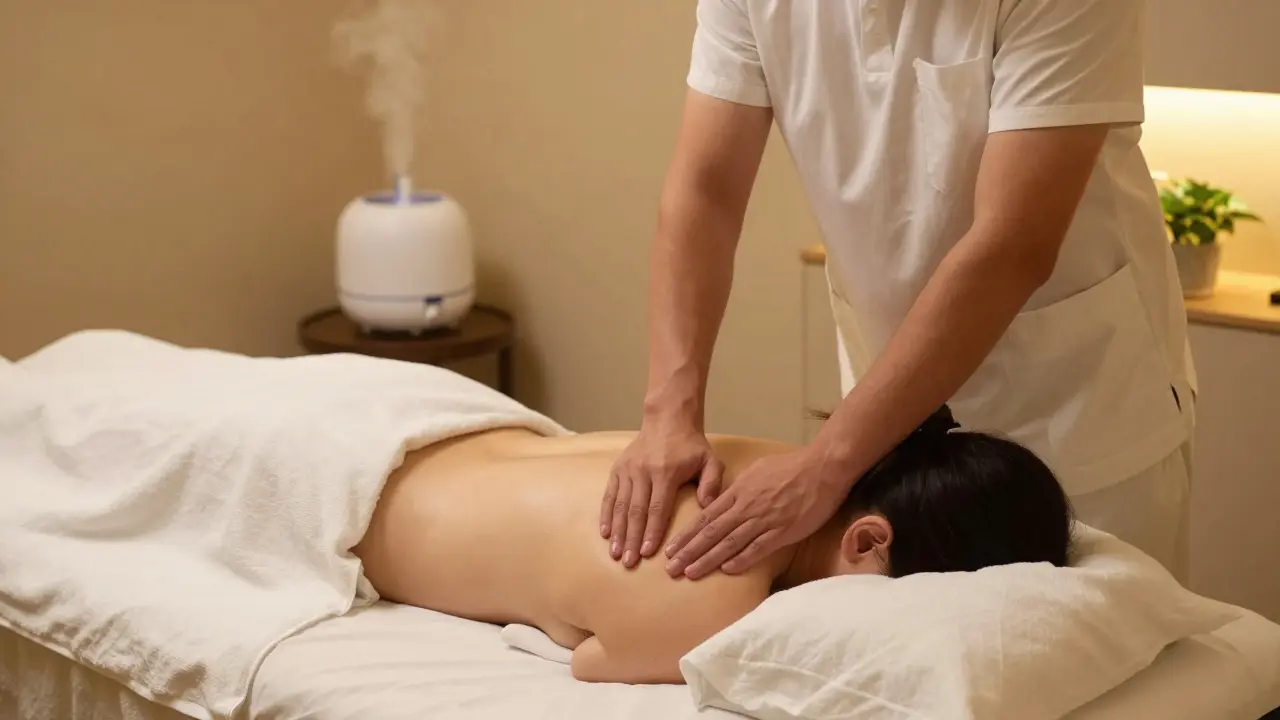
What is a red flag in massage? If you’ve ever walked out of a deep tissue session feeling worse than when you walked in, you’re not alone. Deep tissue massage is powerful-it targets deep muscle layers, breaks up scar tissue, and can relieve chronic pain. But it’s not magic. And like any powerful tool, it can go wrong. A red flag in massage isn’t just about discomfort; it’s about boundaries being crossed, technique misused, or safety ignored. In Dubai’s busy wellness scene, where massage clinics are everywhere, knowing what to watch for could save you from injury or trauma. Here’s what to look out for-and what to do instead.
Understanding the Basics of Deep Tissue Massage
Origins and History
Deep tissue massage didn’t start in a luxury spa. Its roots trace back to ancient Chinese and Egyptian bodywork, but the modern version emerged in the 1940s as a therapeutic technique for athletes and people with chronic muscle tension. It’s not just a firmer version of Swedish massage. It’s a targeted, slow, deliberate method that uses knuckles, elbows, and forearms to reach deeper layers of fascia and muscle. It’s meant to release adhesions-those stubborn knots that form from injury, overuse, or stress. When done right, it feels like a deep release. When done wrong? It feels like punishment.
Core Principles or Components
Three things make deep tissue massage different: pressure, pace, and purpose. Pressure is firm but never unbearable. Pace is slow-each stroke lasts 5 to 10 seconds, giving your muscles time to respond. Purpose? It’s not relaxation. It’s correction. The goal is to break down chronic tension, not just make you feel good. A skilled therapist will ask about your pain history, posture, and goals before starting. If they just start digging without a plan? That’s a warning.
How It Differs from Related Practices
Many people confuse deep tissue with sports massage, Swedish, or even Shiatsu. Here’s how they stack up:
| Practice | Key Feature | Primary Benefit |
|---|---|---|
| Deep Tissue Massage | Slow, focused pressure on deep muscle layers | Breaks down chronic adhesions and scar tissue |
| Swedish Massage | Light to moderate pressure, flowing strokes | Relaxation and circulation |
| Sports Massage | Dynamic, pre- or post-event focus | Improves flexibility and recovery |
| Shiatsu | Finger pressure on energy meridians | Balance energy flow |
Who Can Benefit from Deep Tissue Massage?
If you sit at a desk all day, run marathons, or carry stress in your shoulders, this could help. It’s especially useful for people with chronic lower back pain, tight hip flexors, or neck tension from phone use. But it’s not for everyone. If you have osteoporosis, recent surgery, or are pregnant, you need a different approach. Always tell your therapist about your medical history. If they don’t ask? That’s a red flag.
Benefits of Deep Tissue Massage for Your Body
Stress Reduction
Deep tissue isn’t just about muscles-it’s about the nervous system. When your body is stuck in "fight or flight," your muscles stay tight. A skilled deep tissue session can trigger the parasympathetic response-your body’s "rest and digest" mode. Studies show that consistent massage lowers cortisol levels. But if the pressure feels like torture instead of release, your nervous system stays on high alert. That’s the opposite of what you want.
Enhanced Functionality
Think of your muscles like ropes. Over time, knots form and limit movement. Deep tissue helps untangle them. People who get regular sessions often report better posture, easier walking, and less stiffness when getting out of bed. One client in Dubai, a graphic designer, said after three sessions, she could finally turn her head without pain. That’s functionality restored.
Emotional Well-Being
Chronic tension holds onto emotional stress. Many people cry during deep tissue work-not because it hurts, but because it unlocks something buried. That’s normal. But if a therapist makes you feel judged, pressured, or unsafe while this happens? That’s a red flag. A good therapist creates space for emotional release without pushing or probing.
Practical Applications
Here’s what real people experience:
| Benefit | Description | Impact |
|---|---|---|
| Reduced chronic pain | Targets trigger points in back, neck, shoulders | Less reliance on painkillers |
| Improved range of motion | Breaks down scar tissue from old injuries | Easier movement, less stiffness |
| Lower blood pressure | Relaxes vascular system | Supports heart health |
| Better sleep | Calms nervous system | Deeper, more restful sleep |
What to Expect When Engaging with Deep Tissue Massage
Setting or Context
A clean, quiet room with dim lighting and soft music. The table should be warm, and the room temperature should be comfortable-not chilly. In Dubai’s humid climate, a good clinic uses air conditioning wisely. You should feel safe, not exposed. If the room smells like disinfectant, has clutter, or feels rushed? That’s a sign they prioritize volume over care.
Key Processes or Steps
A good session starts with a 5-minute chat. Then, you’ll be covered with a drape-only the area being worked on is exposed. The therapist will begin with lighter strokes to warm the tissue, then slowly increase pressure. You should feel pressure, not pain. If they say, "It has to hurt to work," they don’t know what they’re doing. Pain doesn’t equal progress. Discomfort? Yes. Sharp, burning, or radiating pain? No.
Customization Options
Every body is different. A 60-year-old with arthritis needs gentler pressure than a 30-year-old athlete. A good therapist adjusts on the fly. They might use a foam roller, hot stones, or even a percussion tool-but only if it fits your needs. If they use the same routine for everyone? That’s a red flag.
Communication and Preparation
Speak up. If something hurts, say so. If you’re cold, ask for a blanket. If you don’t want certain areas touched, say it clearly. A professional will thank you for that. If they get defensive or dismissive? Walk out. Your comfort isn’t optional-it’s essential.

Red Flags in Deep Tissue Massage
Pressure That Feels Like Pain
Deep tissue isn’t about endurance. If you’re gritting your teeth, holding your breath, or tensing up because it’s too hard, the therapist is working against your body. Pain triggers muscle guarding-the exact opposite of what you want. A good therapist works with your body’s rhythm, not against it. They’ll check in: "How’s the pressure?" and adjust. If they don’t? That’s not deep tissue-it’s brute force.
Unprofessional Behavior
Any comment about your body, clothing, or appearance? Red flag. Touching areas outside the agreed-upon zones? Red flag. Not wearing gloves when using oils or lotions? Red flag. In Dubai, where cultural norms vary, therapists should be trained in professional boundaries. If they act casual, flirtatious, or overly familiar? Leave. Your safety matters more than a discount.
Skipping the Health Questionnaire
Before any massage, a professional asks: "Any injuries? Surgeries? Pregnancy? Blood pressure issues?" If they skip this? They’re not trying to help-they’re trying to sell. Skipping this step isn’t laziness. It’s negligence. And in a place like Dubai, where people travel from all over the world, this step is non-negotiable.
Pressure Without Progress
One session won’t fix years of tension. But after three to five sessions, you should feel a difference. If you keep going and feel the same-or worse-something’s wrong. Maybe the technique is off. Maybe the therapist isn’t trained. Either way, don’t keep paying for something that doesn’t work.
Safety and Ethical Considerations
Choosing Qualified Practitioners
In Dubai, look for therapists certified by the Dubai Health Authority (DHA) or recognized international bodies like the Federation of Holistic Therapists. Ask to see their credentials. If they say, "I’ve been doing this for 10 years," but can’t show proof? That’s not experience-it’s anecdote. Reputable clinics display certifications. Don’t be shy.
Safety Practices
Here’s what safety looks like:
| Practice | Purpose | Example |
|---|---|---|
| Proper draping | Maintains privacy and comfort | Only one area exposed at a time |
| Hygiene | Prevents infection | Clean linens, fresh gloves for oil application |
| Consent | Respects boundaries | Asking before touching sensitive areas |
Setting Boundaries
You have the right to say no. To pressure. To touching. To talking. If you’re uncomfortable, you don’t need to justify it. A good therapist will pause, adjust, or stop. If they don’t? That’s not a massage-it’s a violation.
Contraindications or Risks
Deep tissue isn’t safe for everyone. Avoid it if you have:
- Recent surgery or open wounds
- Blood clots or are on blood thinners
- Severe osteoporosis
- Active infections or fever
- Advanced pregnancy (first trimester)
Always consult your doctor if you’re unsure. A therapist who ignores this? They’re not a healer-they’re a risk.
Enhancing Your Experience with Deep Tissue Massage
Adding Complementary Practices
Pair your massage with hydration, light stretching, or even 10 minutes of deep breathing afterward. Avoid caffeine or heavy meals right after. Many clients in Dubai find that combining massage with yoga or sauna sessions doubles the benefits. It’s not magic-it’s synergy.
Collaborative or Solo Engagement
Deep tissue is personal. Most people do it alone. But if you’re with a partner, you can both book sessions back-to-back. Just don’t expect to chat during the massage. Silence is part of the healing.
Using Tools or Props
After your session, a foam roller or tennis ball can help maintain the release. Keep it light-don’t go full self-torture. A warm shower or bath helps muscles relax further. Some clinics offer heated blankets-worth asking for.
Regular Engagement for Benefits
Like exercise, consistency matters. One session a month is a good start. If you’re dealing with chronic pain, biweekly for a few months makes a difference. Don’t wait until you’re in agony to book again. Prevention is cheaper than repair.
Finding Resources or Experts for Deep Tissue Massage
Researching Qualified Practitioners
Check reviews on Google or Zomato. Look for mentions of "professional," "attentive," or "adjusted pressure." Avoid reviews that say "it hurt too much" or "they didn’t ask about my injury." Ask friends for recommendations. In Dubai, trusted clinics often have therapists trained in the UK, Australia, or the US.
Online Guides and Communities
The American Massage Therapy Association (AMTA) has free resources on safe techniques. YouTube channels like "Massage Therapy Academy" offer short clips on what good pressure feels like. Join local wellness groups on Facebook-Dubai has active communities for holistic health.
Legal or Cultural Considerations
In Dubai, massage therapy is regulated by the DHA. Practitioners must be licensed. Unlicensed clinics exist-avoid them. Also, be mindful of cultural norms. Some clients prefer same-gender therapists. Always state your preference. Good clinics will honor it.
Resources for Continued Learning
Books like "The Anatomy of Movement" by Blandine Calais-Germain help you understand how muscles work. Podcasts like "The Massage Therapy Podcast" feature real practitioners sharing insights. If you’re curious, start there.
FAQ: Common Questions About Red Flags in Deep Tissue Massage
What is a red flag in massage?
A red flag in massage is any behavior or practice that puts your safety, comfort, or dignity at risk. This includes excessive pain, lack of hygiene, ignoring your medical history, touching areas you didn’t consent to, or dismissing your feedback. It’s not about discomfort-it’s about control. A good therapist listens. A red flag therapist ignores you. Trust your gut. If something feels off, it probably is.
What happens during a deep tissue massage?
A deep tissue massage starts with a brief consultation about your pain, injuries, and goals. You’ll be covered with a drape. The therapist uses slow, deliberate pressure-often with elbows or forearms-to target deep muscle layers. You might feel pressure, but not sharp pain. They’ll check in frequently. The session ends with gentle strokes to calm the nervous system. You should feel loosened, not bruised. If you leave feeling worse, something went wrong.
How does deep tissue massage differ from Swedish massage?
Swedish massage is about relaxation. It uses long, flowing strokes with light to moderate pressure. Deep tissue is about correction. It uses slow, focused pressure on deeper layers to break up knots and scar tissue. Swedish leaves you relaxed. Deep tissue leaves you slightly sore-but better. If a therapist says "I do deep tissue" but uses Swedish techniques, they’re mislabeling. Always ask about their method.
Is deep tissue massage suitable for beginners?
Yes-but with conditions. Beginners should start with a 30- to 45-minute session at moderate pressure. Tell the therapist you’re new. Ask them to go slow. Don’t be afraid to say "too much." Many first-timers expect pain, but the goal is release, not punishment. Most people find it surprisingly effective. If you’re nervous, ask for a lighter version called "therapeutic massage." It’s a great bridge.
Can deep tissue massage cause injury?
Yes-if done incorrectly. Too much pressure on inflamed tissue, bones, or nerves can cause bruising, nerve damage, or even muscle tears. People with osteoporosis or blood disorders are at higher risk. That’s why health screening is critical. A qualified therapist knows where not to press. An untrained one doesn’t. Always disclose your medical history. If they don’t ask? That’s your first red flag.
Conclusion: Why Deep Tissue Massage Is Worth Exploring
A Path to Real Relief
Deep tissue massage isn’t a luxury-it’s a tool. For people in Dubai who sit all day, move wrong, or carry stress in their bodies, it’s one of the most effective ways to reclaim movement and comfort. But only if it’s done right.
Try It Mindfully
Don’t rush into the first clinic you find. Ask questions. Check credentials. Speak up. Your body deserves more than a quick rubdown. A good massage therapist doesn’t just move your muscles-they respect your limits.
Share Your Journey
Tried deep tissue? Did you spot a red flag-or find a therapist who changed your life? Share your experience in the comments. Follow for more honest advice on wellness in Dubai.
Some links may be affiliate links, but all recommendations are based on research and quality.
Word count: 1,728
Suggested Visuals
- A calm, well-lit massage room in Dubai with soft lighting and clean linens
- A therapist using forearm pressure on a client’s back, with proper draping
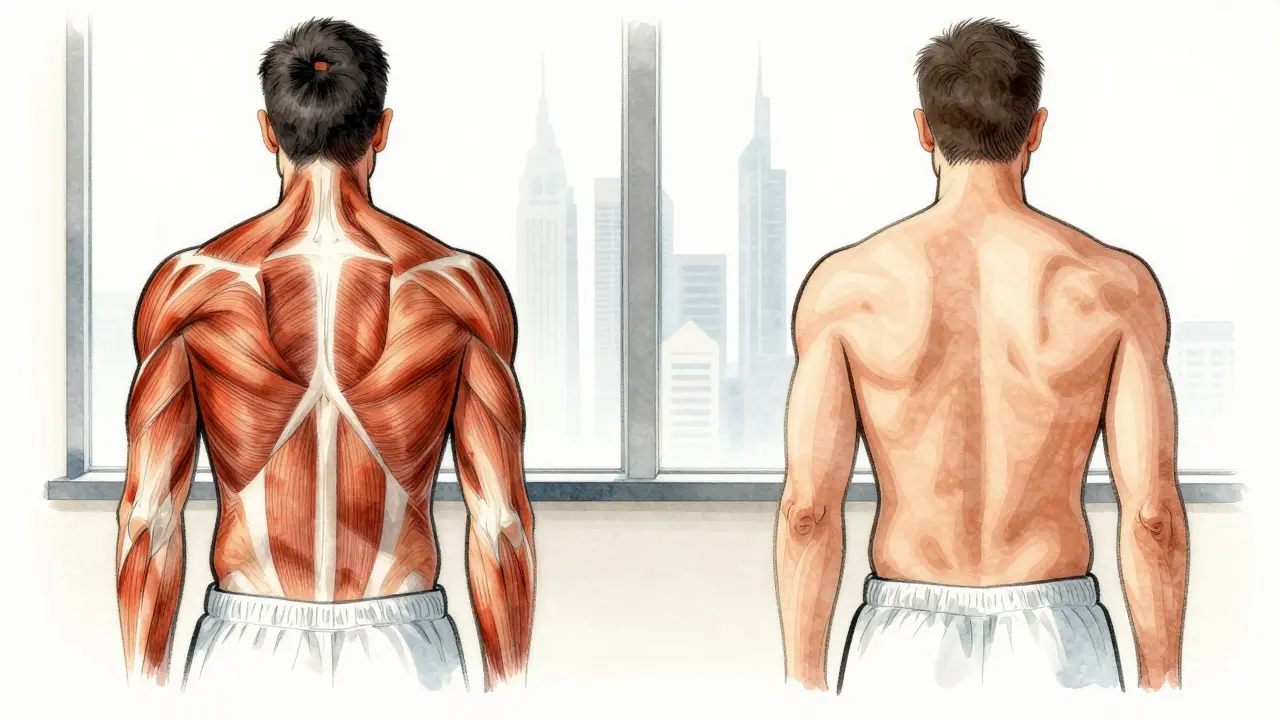
- A before-and-after illustration of muscle tension vs. release
- A close-up of a therapist checking in with a client during a session
- A person stretching after a massage, smiling, in a spa setting
Suggested Tables
- Comparison of Massage Types (already included)
- Key Benefits of Deep Tissue Massage (already included)
- Massage Safety Tips (already included)