What Is Included in a Full Body Massage? Your Comprehensive Guide
A full body massage isn’t just a luxury-it’s a reset button for your nervous system, muscles, and mind. Whether you’re new to massage or just curious about what actually happens during one, knowing what’s included helps you relax, communicate better with your therapist, and get the most out of your session. Forget the movies where it’s all about oil and mystery. A real full body massage is structured, intentional, and deeply personal. It’s not just about feeling good-it’s about helping your body recover, release tension, and reconnect with itself.
Understanding the Basics of Full Body Massage
Origins and History
The roots of massage go back thousands of years-to ancient Egypt, China, India, and Greece. The Egyptians carved images of massage on tomb walls over 4,000 years ago. In traditional Chinese medicine, massage (known as Tui Na) was used to balance Qi, or life energy. Ayurveda in India included Abhyanga, an oil-based massage meant to detoxify and calm. Modern Western massage, especially Swedish massage, evolved in the 1800s from the work of Per Henrik Ling, who combined movement and pressure techniques. Today’s full body massage blends these traditions into one cohesive experience designed for relaxation and physical relief.
Core Principles or Components
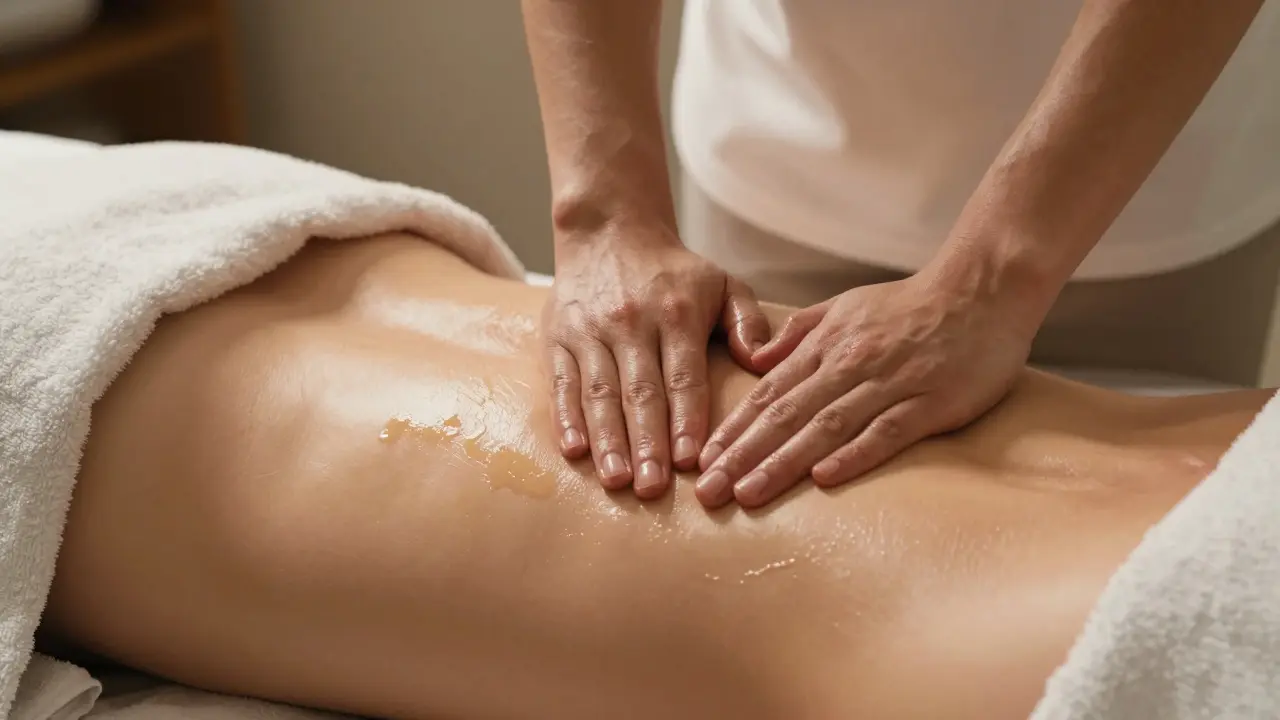
A full body massage follows a logical flow: it starts with lighter strokes to warm up the tissues, then moves into deeper work where needed, and ends with calming, soothing movements. The core techniques include effleurage (long, gliding strokes), petrissage (kneading), friction (deep circular pressure), tapotement (rhythmic tapping), and vibration. These aren’t random-they’re chosen to increase circulation, release muscle knots, reduce stress hormones, and stimulate the parasympathetic nervous system. The therapist uses their hands, forearms, elbows, or sometimes tools, depending on your needs. Oil or lotion is almost always used to reduce friction and allow smooth movement over the skin.
How It Differs from Related Practices
Not all massages are created equal. Here’s how a full body massage compares to similar treatments:
| Practice | Key Feature | Primary Benefit |
|---|---|---|
| Full Body Massage | Covers head, neck, back, arms, legs, feet, and sometimes glutes | Overall relaxation and systemic tension release |
| Deep Tissue Massage | Focuses on chronic muscle tension with slower, deeper pressure | Targets specific pain points and scar tissue |
| Shiatsu | Uses finger pressure on acupuncture points | Energy flow balance and stress reduction |
| Hot Stone Massage | Uses heated stones placed on the body | Deep muscle relaxation and improved circulation |
Who Can Benefit from Full Body Massage?
Almost everyone. Office workers with tight shoulders, athletes recovering from training, parents juggling busy schedules, people managing anxiety, even those just needing a quiet hour to themselves-all benefit. It’s not just for the stressed or injured. Healthy individuals use it as preventative care. The World Health Organization recognizes massage therapy as a complementary treatment for musculoskeletal pain and stress-related conditions. If you carry tension in your neck, have trouble sleeping, or just feel ‘out of sync,’ a full body massage can help bring you back to balance.
Benefits of Full Body Massage for Body and Mind
Stress Reduction
During a full body massage, your body produces less cortisol-the main stress hormone-and more serotonin and dopamine, the feel-good chemicals. Studies show that even one session can lower cortisol levels by up to 30%. This isn’t just a temporary calm. Regular sessions help retrain your nervous system to shift out of fight-or-flight mode more easily. You might notice you breathe deeper, sleep better, or react less sharply to daily stressors. Think of it as a weekly tune-up for your mental health.
Enhanced Functionality
Tension in your muscles doesn’t just hurt-it limits movement. A full body massage improves flexibility and joint range of motion by releasing tight fascia and adhesions. Runners report better stride length. Desk workers find it easier to turn their heads or reach overhead. Improved circulation also means more oxygen and nutrients reach your muscles, speeding up recovery after workouts or long days on your feet. You don’t need to be an athlete to feel this benefit. Even walking your dog or carrying groceries becomes easier.
Emotional Well-Being
Massage creates a safe space for emotional release. Many people cry during or after a session-not because they’re sad, but because their body finally feels safe enough to let go. Holding onto stress is physically exhausting. When your muscles relax, your mind often follows. People describe feeling lighter, more centered, or even more connected to their own bodies. It’s not magic-it’s neurophysiology. The touch stimulates the vagus nerve, which helps regulate heart rate, digestion, and emotional state.
Practical Applications
The benefits of a full body massage don’t stay in the spa room. Better sleep. Fewer headaches. Less irritability. Improved focus at work. You might find yourself smiling more, snapping less, or simply enjoying quiet moments again. It’s one of the few self-care practices that delivers immediate, measurable results without drugs or devices. Many people start with monthly sessions and quickly move to biweekly-because once you feel the difference, you don’t want to go back.
| Benefit | Description | Impact |
|---|---|---|
| Stress Reduction | Lowers cortisol, increases serotonin | Improved mood, better sleep |
| Improved Mobility | Releases muscle and fascial tension | Easier movement, less stiffness |
| Pain Relief | Reduces muscle spasms and inflammation | Less reliance on painkillers |
| Immune Support | Increases white blood cell activity | Less frequent illness |
| Emotional Clarity | Triggers vagus nerve response | Greater calm, improved focus |
What to Expect When Engaging with a Full Body Massage
Setting or Context
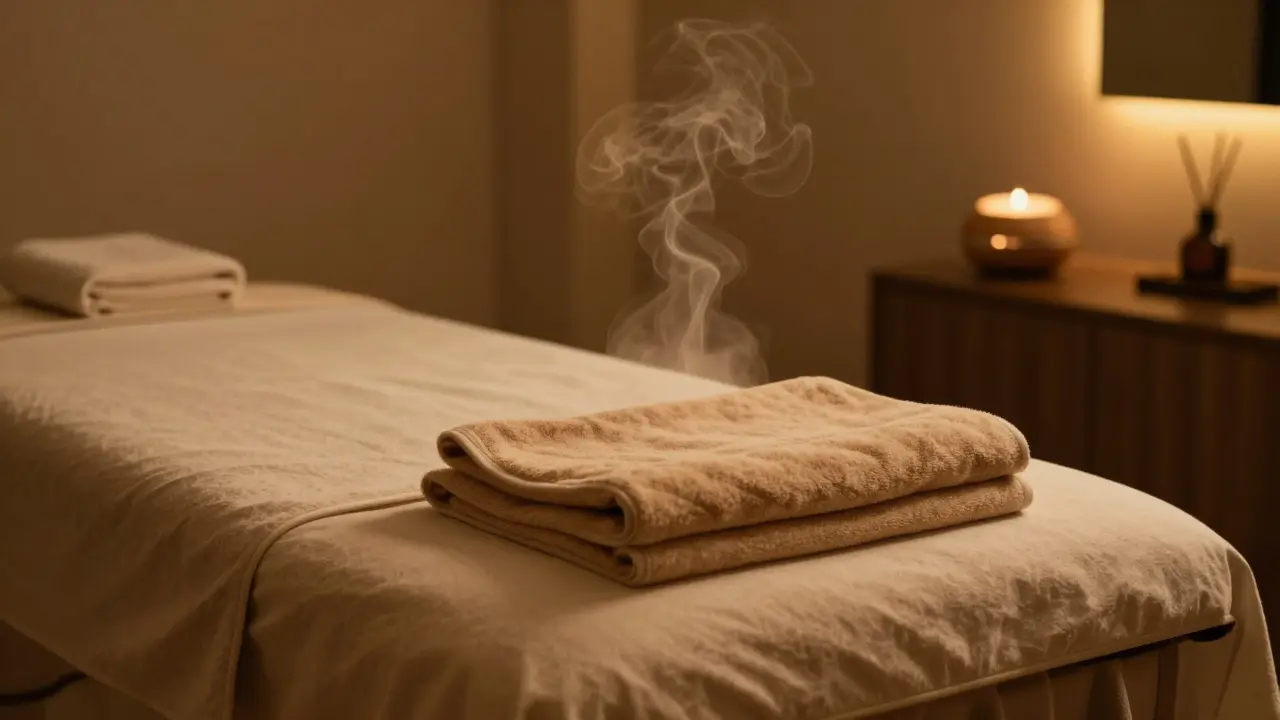
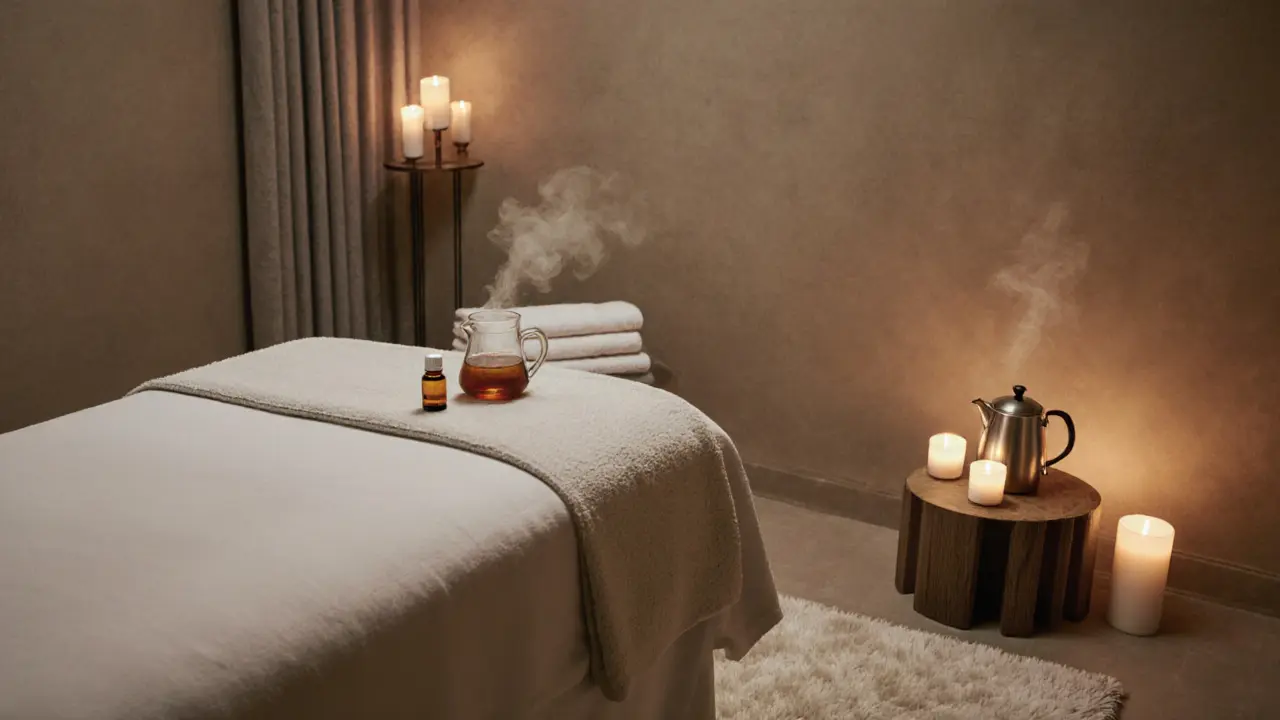
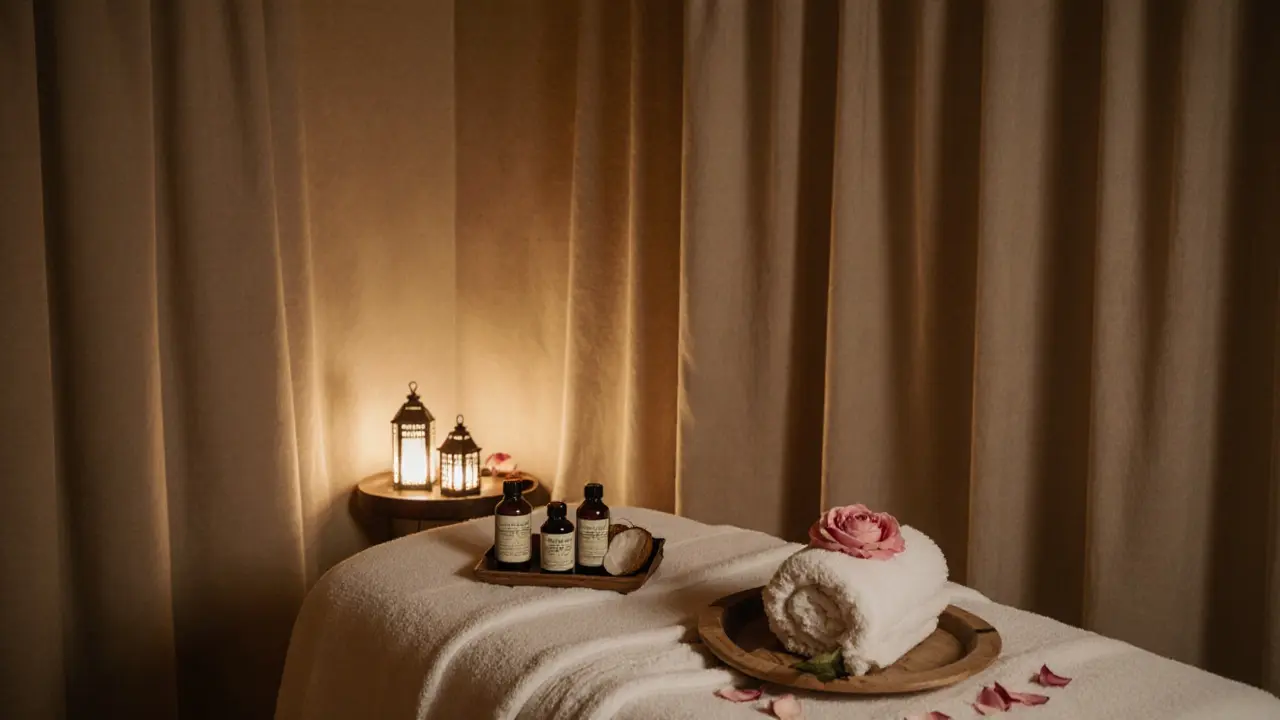
Most full body massages happen in a quiet, dimly lit room with soft music and the scent of lavender or eucalyptus. The temperature is kept warm-you’ll be covered with towels, only exposing the area being worked on. The table is padded, and you’ll lie face down, then turn over. Some spas offer heated tables or aromatherapy diffusers. In Dubai, many high-end spas include chilled towels, herbal teas, and ambient lighting designed to make you feel like you’ve stepped into a sanctuary. The goal? To make you feel completely safe and unseen by the outside world.
Key Processes or Steps
A typical session lasts 60 to 90 minutes and follows this pattern:
- Initial consultation: The therapist asks about your health, areas of tension, and preferences.
- Starting with back and legs: Effleurage warms the muscles; deeper work targets glutes, hamstrings, calves.
- Turning over: Work moves to shoulders, arms, hands, neck, and head.
- Feet and scalp: Often included-many people don’t expect how relaxing foot and head work can be.
- Final relaxation: Gentle strokes, quiet time, and a moment to breathe before getting up.
There’s no rushing. Every movement is deliberate.
Customization Options
Your massage isn’t one-size-fits-all. You can ask for:
- More or less pressure
- Focus on specific areas (like your lower back or shoulders)
- Use of oils, creams, or heated stones
- Music volume or type
- Whether you want to talk or stay silent
Some therapists even offer add-ons like warm herbal compresses or aromatherapy blends. In Dubai, many spas tailor sessions to local preferences-lighter oils in hot weather, more grounding techniques for high-stress professionals.
Communication and Preparation
Before your session, drink water. Avoid heavy meals. Let your therapist know if you’re pregnant, have recent injuries, or suffer from conditions like high blood pressure or osteoporosis. During the massage, speak up if the pressure is too much or too little. You’re not being rude-you’re helping them do their job better. Most therapists will check in quietly, but you’re the expert on your own body.
How to Practice or Apply Full Body Massage
Setting Up for Success
If you’re doing a self-massage or using a foam roller at home, create a calm space. Dim the lights, play soft music, and warm your oil or lotion. Use a towel to lie on. Even five minutes of focused self-care can make a difference.
Choosing the Right Tools/Resources
Look for licensed massage therapists with certifications from recognized bodies like the International Massage Association or local health authorities. Read reviews. Ask if they specialize in full body work. In Dubai, many spas list therapist qualifications on their websites. Don’t hesitate to ask about their training.
Step-by-Step Guide
For your first session:
- Book a 60-minute appointment.
- Arrive 10 minutes early to fill out a form.
- Undress to your comfort level-most people leave underwear on.
- Communicate your goals: “I’m tense in my shoulders,” or “I just want to relax.”
- Let go. Breathe. Don’t try to control the experience.
- Afterward, drink water and take it easy for the rest of the day.
Tips for Beginners or Couples
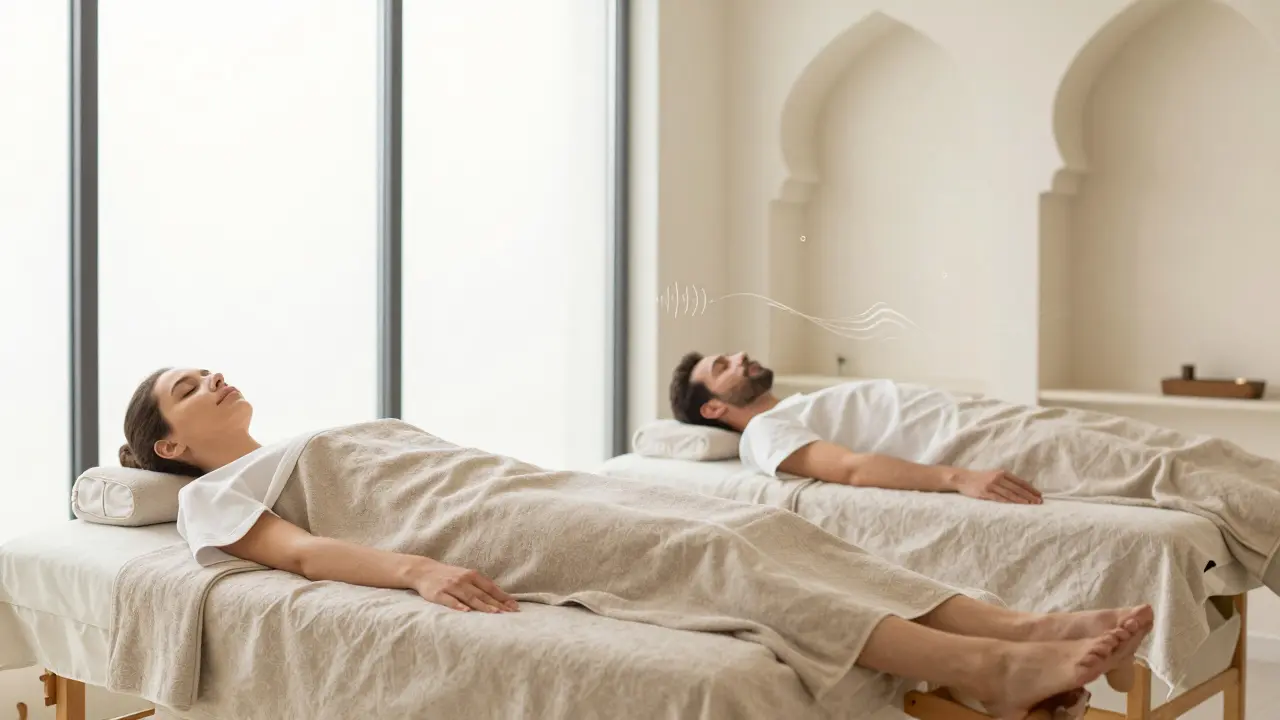
First-timers often worry about being naked. You’re not. You’re covered. The therapist only uncovers what they’re working on. Couples massages are popular in Dubai-side-by-side in the same room, each with their own therapist. It’s not romantic-it’s restorative. Perfect for partners who want to unwind together without talking.
Safety and Ethical Considerations
Choosing Qualified Practitioners/Resources
Always check credentials. In Dubai, licensed therapists must be registered with the Dubai Health Authority. Ask to see their license. Avoid places that offer “massage” in non-medical settings like malls or unlicensed salons.
Safety Practices
Hygiene is non-negotiable. Therapists should wash hands, use clean linens, and change towels between clients. Here’s what to look for:
| Practice | Purpose | Example |
|---|---|---|
| Use of clean sheets | Prevent skin infections | Fresh linens changed for every client |
| Hand sanitizing | Reduce germ spread | Therapist washes hands before and after |
| Consent checks | Respect boundaries | “Is this pressure okay?” |
Setting Boundaries
You have the right to say no. If a therapist touches a sensitive area without asking, speak up. If you’re uncomfortable with the music, lighting, or conversation, say so. A good therapist will adjust immediately. Your comfort is their priority.
Contraindications or Risks
Don’t get a massage if you have:
- Recent surgery or injury
- Deep vein thrombosis (blood clots)
- Severe osteoporosis
- High fever or contagious illness
- Open wounds or skin infections
If you’re pregnant, have cancer, or are on blood thinners, consult your doctor first. Most therapists will ask about these during intake-but if they don’t, tell them.
Enhancing Your Experience with Full Body Massage
Adding Complementary Practices
Pair your massage with deep breathing, meditation, or a warm bath afterward. Hydration is key-drink water for 24 hours after to help flush out toxins released during the session. Some people find journaling for 5 minutes after a massage helps process emotions that surface.
Collaborative or Solo Engagement
Most people prefer solo sessions for true relaxation. But couples massages are great for shared downtime. Just remember: it’s not a date night. It’s a rest day. Let go of talking or performing. Just be.
Using Tools or Props
At home, try a foam roller for your back or a tennis ball for your feet. A heated rice bag can mimic the warmth of stones. But nothing replaces the skill of a trained therapist-especially for deep tension.
Regular Engagement for Benefits
One session helps. Regular sessions transform. Most people benefit from once a month. Athletes or high-stress professionals may go every two weeks. Think of it like brushing your teeth-not a treat, but a habit.
Finding Resources or Experts for Full Body Massage
Researching Qualified Practitioners
Check the Dubai Health Authority’s website for licensed clinics. Read Google and Trustpilot reviews. Look for therapists who specialize in full body work-not just “relaxation” or “foot massage.”
Online Guides and Communities
Reputable sites like the American Massage Therapy Association (AMTA) and the International Massage Association offer general guides. Avoid blogs selling products. Stick to educational content.
Legal or Cultural Considerations
In Dubai, massage is legal and regulated, but only in licensed spas and clinics. Avoid unlicensed providers in hotels or residential areas. Cultural norms emphasize modesty-most therapists are trained to respect this.
Resources for Continued Learning
Books like The Art of Massage by Dr. John Harvey Kellogg or online courses from accredited schools can deepen your understanding. But the best teacher is experience-try different therapists and styles to find what works for you.
FAQ: Common Questions About Full Body Massage
What to expect from a full body massage?
You’ll lie on a warm, padded table, covered with towels. The therapist will work on your back, legs, arms, neck, and feet-only uncovering the area they’re massaging. You’ll be asked about pressure and any areas of concern. Most people feel deeply relaxed, sometimes even sleepy. It’s normal to feel a little lightheaded afterward, so drink water and take it slow. The whole experience is designed to help you disconnect from stress and reconnect with your body.
What happens during a full body massage?
The session begins with light strokes to warm your muscles, then moves to deeper pressure where needed. The therapist will start with your back and legs, then turn you over to work on your front-shoulders, chest, arms, hands, neck, and head. Feet are often included, and scalp work may be offered. Techniques vary, but the goal is always to release tension, improve circulation, and calm your nervous system. You’ll be covered at all times except the area being worked on. The room will be quiet, warm, and dimly lit.
How does a full body massage differ from a deep tissue massage?
A full body massage is designed for overall relaxation and systemic tension relief. It uses a mix of gentle and moderate pressure across the entire body. Deep tissue massage focuses on chronic muscle knots and connective tissue, using slower, more intense pressure on specific areas-often just the back, neck, or shoulders. If you’re new to massage or just want to unwind, go for full body. If you have long-term pain or stiffness, deep tissue might be better. Many people start with full body and later add deep tissue as needed.
What is the method of a full body massage?
The method follows a structured flow: effleurage (gliding strokes) to warm up, petrissage (kneading) to release tension, friction to break up adhesions, and tapotement (tapping) to stimulate circulation. The therapist uses their hands, forearms, or sometimes elbows. Oil or lotion reduces friction. The session is divided into sections-back first, then front-with the head and feet often included last. The pace is slow, deliberate, and responsive to your body’s feedback. It’s not a checklist-it’s a conversation between you and your therapist.
Is a full body massage suitable for beginners?
Absolutely. In fact, it’s the best place to start. There’s no pressure to be “good” at it. You don’t need to know anything beforehand. Just show up, tell the therapist what you need, and let them guide you. Most beginners are surprised by how relaxing it is-not just physically, but mentally. Many say it’s the first time they’ve truly let go in years. Don’t overthink it. Just breathe.
Conclusion: Why Full Body Massage is Worth Exploring
A Path to Calm in a Chaotic World
In a city like Dubai, where life moves fast and stress is constant, a full body massage isn’t a luxury-it’s a necessity. It’s not about pampering. It’s about survival. Your body holds onto stress in ways you don’t even notice until it’s gone. A massage brings that tension to the surface so you can release it. It’s science. It’s comfort. It’s quiet.
Try It Mindfully
Don’t wait until you’re burnt out. Book your first session this week. Choose a licensed therapist. Communicate your needs. Let yourself be cared for. You deserve it.
Share Your Journey
Tried a full body massage? Share your experience in the comments-what surprised you? What did you feel afterward? Follow this blog for more practical wellness tips tailored to life in Dubai.
Some links may be affiliate links, but all recommendations are based on research and quality.
Word count: 1,678
Suggested Visuals
- A serene spa room in Dubai with soft lighting, a massage table, and towels draped neatly
- A therapist’s hands performing effleurage on a client’s back, with warm oil glistening
- A person lying face down on a massage table, covered with a towel, eyes closed, completely relaxed
- A side-by-side couples massage in a quiet, elegant spa setting
- A close-up of warm stones placed along the spine during a hot stone massage variation
Suggested Tables
- Comparison of Massage Types (already included)
- Key Benefits of Full Body Massage (already included)
- Safety Tips for Massage Sessions (already included)

Saul Stucchi
January 19, 2026 AT 18:31I just got back from my first full body massage, and wow. I didn’t realize how much tension I was holding in my shoulders until it was gone. The therapist asked if I wanted more pressure on my lats, and I said yes-and holy crap, I cried. Not sad tears. Like, release tears. I feel like I’ve been walking around with a backpack full of bricks for years, and someone finally took it off.
Also, the foot work? Unexpectedly life-changing. I didn’t even know my feet could feel that good. Now I’m drinking water like it’s my job and just sitting here staring at the wall smiling. This isn’t a luxury. This is survival.
Also, why do we only do this when we’re broken? We should all be doing this monthly. Like brushing our teeth. But with more oil.
Thank you for writing this. I needed to read it before I booked.
Chase D
January 21, 2026 AT 07:52Okay but have you ever wondered if massage therapists are secretly part of a corporate wellness cartel? Like, they’re paid by Big Spa to make us feel good so we don’t question why our jobs are soul-crushing?
I mean, think about it. One hour of touch therapy and suddenly you’re okay with 60-hour workweeks? The placebo effect is real, but so is the manipulation. They give you lavender oil and call it ‘self-care’ while your boss gives you a ‘performance review’ that feels like a funeral.
Also, why do they always turn the lights off? Are they hiding something? 🤔🕯️
And don’t get me started on the ‘heated stones.’ Those are just warm rocks with a fancy name. I bet they’re recycled from someone’s garden. 😏
Nina Khvibliani
January 22, 2026 AT 18:05There’s something sacred about being touched without agenda. Not sex. Not service. Not performance. Just… presence. Like your body finally got a letter from the universe saying, ‘You’re allowed to rest.’
I used to think massage was just for people who could afford to ‘do nothing.’ But now I see it as an act of rebellion. In a world that tells you to hustle, grind, optimize, and monetize your downtime-choosing to lie still and let someone else hold your weight? That’s radical.
And the way they work on your scalp? That’s not massage. That’s spiritual recalibration. I swear I heard angels whispering ‘breathe’ when they rubbed my temples.
Also, the fact that you can cry and no one judges you? That’s the real luxury. 💧✨
Rosanne van der Greft
January 23, 2026 AT 09:59Let’s be real-most ‘full body’ massages are just a scam to get you to spend $150 for 20 minutes of actual work. The rest is fluff: candles, music, ‘aromatherapy’ that’s just vanilla extract from Walmart.
And don’t get me started on the ‘consultation.’ They ask if you have injuries, then ignore everything you say. I told mine I had a herniated disc and she kneaded my lower back like it was pizza dough. I left with more pain than I came in with.
Also, why do they always leave the room and make you ‘undress to your comfort level’? That’s code for ‘we’re gonna stare at your butt whether you’re naked or not.’ 🙄
TL;DR: Save your money. Foam roller + YouTube tutorial = same results, no creepy vibes.
Christopher Dan Rangaka
January 24, 2026 AT 03:01Man, I came here looking for a massage guide and ended up getting a TED Talk. Respect. 😅
But real talk-where I’m from in Cape Town, we don’t need a $200 spa to feel this. My abba used to rub my back with coconut oil after soccer practice, and that was better than any ‘licensed therapist’ I’ve met. Touch is touch. Doesn’t need a certificate.
Also, the fact that you mentioned Dubai? Bro, I’ve been to those places. They charge you $300 for a 45-minute massage and then try to upsell you a ‘detox tea’ that tastes like regret.
But yeah, the science checks out. My cousin’s a physio, says massage boosts lymph flow like a damn water pump. So I guess I’m not wrong. 🤷♂️
Rayna Hawley
January 25, 2026 AT 03:47Actually, the term 'full body massage' is misleading. Technically, a true full body session should include the genital region, which is rarely done in commercial settings due to legal and ethical boundaries.
Most spas exclude the gluteal cleft and perineum under the guise of 'modesty,' but this creates an incomplete therapeutic experience. I’ve read peer-reviewed studies suggesting that tension in the pelvic floor is directly correlated with chronic lower back pain-and yet, massage therapists avoid it like it’s radioactive.
Also, 'effleurage' is misspelled in your table. It’s not 'effleurage'-it’s 'effleurage.' 😅
And why is the word 'toxins' used so often? That’s not a physiological term. Lymphatic drainage ≠ detox. Please stop. 🙏
Rajesh Kumar bisai
January 25, 2026 AT 08:17This is beautiful. I’m from India, and we’ve had Abhyanga for centuries-oil, warm hands, slow strokes, silence. It’s not about luxury. It’s about honoring your body like a temple.
I’ve seen my grandma do it for my uncle after his knee surgery. No spa. No music. Just her hands and love. That’s real massage.
Don’t let the corporate spa world steal this from us. You don’t need a diploma to give care. You just need presence.
And yes, the feet. Oh, the feet. They carry you through life. Treat them like royalty. 🙏
Thank you for remembering the roots.
Ariel Lauren
January 27, 2026 AT 06:58Massage is a placebo. Cortisol reduction is minimal and transient. The vagus nerve stimulation is overstated. The benefits are anecdotal. You are not ‘releasing toxins.’ You are being touched.
It is not necessary. It is not healing. It is comfort.
And comfort is not medicine.
prajesh varma
January 28, 2026 AT 11:48Bro, I got a massage in Goa last year for 800 rupees-like, $10. No lavender, no heated stones, just a dude with calloused hands and a bottle of coconut oil. He asked if I wanted to talk. I said no. He didn’t say a word for 75 minutes. Then he slapped my butt and said, ‘Go eat biryani.’
I cried. Not because it hurt. Because for the first time in years, I didn’t have to be ‘on.’ No phone. No deadlines. No pretending I’m fine.
That’s the real magic. Not the oil. Not the certifications. Just someone who didn’t try to fix you. Just sat with you.
Also, if you’re not crying after a massage, you’re either lying… or you’ve never been truly tired. 😌
PS: That guy’s name was Raju. He’s still alive. I think he’s a saint.