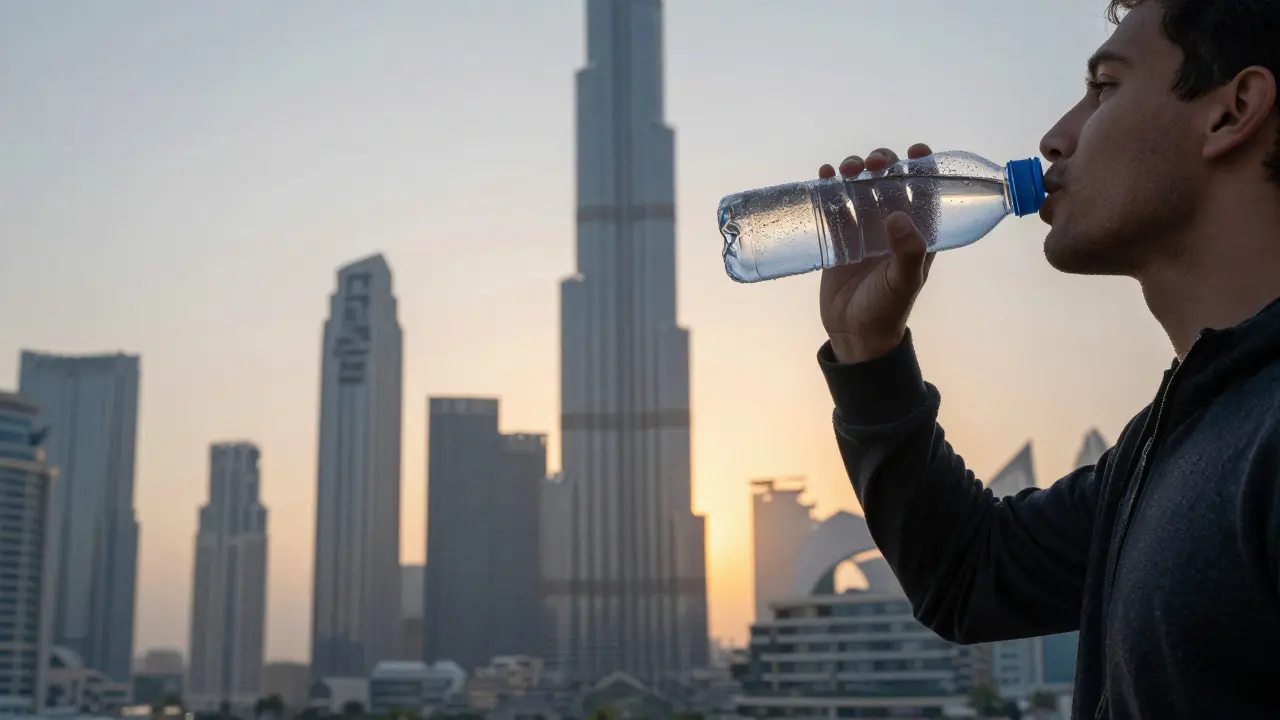
When you think of Dubai, you might picture golden deserts, towering skyscrapers, or luxury shopping. But behind the glitz, there’s a quieter reality: the most common illness in Dubai isn’t something you catch on a tourist trail-it’s something you feel in your body every single day. And no, it’s not COVID-19, nor is it food poisoning from street food (though that happens too). The real culprit? Dehydration and heat-related stress.
Think about it. Dubai’s average summer temperature hits 41°C (106°F). Humidity clings to the air like a wet towel. You step outside for five minutes, and your shirt’s already soaked. Your lips crack. Your head pounds. You’re dizzy. You reach for water-but you’re not drinking enough. And that’s how it starts.
Understanding the Basics of Heat-Related Illness in Dubai
Why Heat Hits Harder Here
It’s not just tourists. Locals, especially outdoor workers, delivery drivers, and construction crews, are at high risk. Many don’t realize their body’s warning signs until it’s too late. Thirst? That’s already a late signal. By the time you feel thirsty, you’re already 1-2% dehydrated.
What Counts as Heat-Related Illness?
It’s not one illness-it’s a spectrum. At the mild end: headaches, fatigue, muscle cramps. Then comes heat exhaustion: nausea, rapid pulse, cool clammy skin, fainting. Left unchecked, it can spiral into heatstroke-a medical emergency where your body shuts down its cooling system. Temperature spikes above 40°C (104°F). Confusion sets in. Organs start to fail.
Heatstroke doesn’t wait for permission. It strikes fast. And in Dubai’s fast-paced culture, people often ignore early signs because they’re “just tired” or “used to the heat.” That’s dangerous.
How It Differs from Other Common Illnesses
Respiratory infections like bronchitis or flu are common too-especially in winter when AC units circulate dry air. But they’re seasonal. Dehydration? It’s year-round. Even in January, when the temperature dips to 20°C (68°F), indoor AC and low humidity still pull moisture from your skin and lungs.
Here’s how it stacks up:
| Illness | Primary Cause | Peak Season | Preventable? |
|---|---|---|---|
| Dehydration | Low fluid intake + heat exposure | Year-round (worse in summer) | Yes-simple hydration |
| Respiratory Infections | Viral spread + dry AC air | November-March | Partially-hand hygiene, ventilation |
| Food Poisoning | Contaminated food or water | Summer (higher bacterial growth) | Yes-food safety practices |
| Allergies | Pollen + desert dust | Spring | Partially-air filters, masks |
Who’s Most at Risk?
It’s not just the elderly. Here’s who needs to pay attention:
- Outdoor workers-construction, security, delivery-often skip breaks or water.
- Children-they don’t self-regulate thirst. A kid playing outside for 20 minutes can crash.
- Older adults-their bodies lose the ability to sense dehydration.
- People with chronic conditions-diabetes, kidney disease, heart issues-make dehydration more dangerous.
- Travelers-they underestimate the heat and drink too little.
Benefits of Staying Hydrated in Dubai
Energy and Focus
Even 1% dehydration can drop your cognitive performance by 10%. That means slower reactions, poor decisions, forgetfulness. In Dubai’s high-stakes environment-whether you’re managing a team, driving, or studying-this isn’t just uncomfortable. It’s risky.
Drink enough water, and your brain functions like a well-oiled machine. You stay sharp. You don’t zone out during meetings. You don’t miss your exit on the Sheikh Zayed Road.
Reduced Risk of Kidney Stones
Dubai has one of the highest rates of kidney stones in the world. Why? Low fluid intake + salty diet + heat. When your urine gets too concentrated, minerals clump together and form stones. A single stone can mean days in pain, ER visits, and surgery.
Drink 2.5-3 liters a day (more if you’re active), and you cut your risk by over 50%. It’s that simple.
Mood and Sleep
Dehydration spikes cortisol-the stress hormone. That means irritability, anxiety, poor sleep. You wake up tired even after 8 hours. You snap at your partner. You feel drained before lunch.
Fix your water intake, and your mood stabilizes. You sleep deeper. You stop reaching for that third coffee.
Skin and Aging
Yes, your skin shows it. Dry, flaky, dull? It’s not just the AC. It’s lack of internal hydration. Water helps flush toxins, keeps skin elastic, and reduces fine lines. In Dubai’s harsh climate, good hydration is your best anti-aging tool.
| Benefit | Description | Impact |
|---|---|---|
| Energy | Prevents fatigue and brain fog | Improved focus at work and school |
| Kidney Health | Reduces mineral buildup | Lower risk of painful stones |
| Mood Stability | Lowers stress hormone levels | Less irritability, better sleep |
| Skin Quality | Keeps skin plump and resilient | Reduces dryness and premature aging |
What to Expect When You Fight Dehydration
Setting the Scene
It’s not about sipping water once a day. It’s a daily ritual. You need water visible, accessible, and routine. Keep a bottle on your desk. In your car. By your bed. Set phone reminders. Use apps that track intake. Make it as normal as brushing your teeth.
The Daily Routine
Here’s what works for thousands in Dubai:
- Drink 500ml (17 oz) right after waking up-before coffee.
- Carry a 1-liter bottle. Refill it twice a day.
- Drink before, during, and after exercise-even if you don’t feel thirsty.
- Swap one sugary drink per day for water or electrolyte-infused options.
- Use a hydration tracker app or smart bottle.
Customization Matters
Not everyone needs the same amount. If you’re sweating a lot-say, working outside or hitting the gym-you need more. A general rule: add 500ml for every hour of heat exposure. Athletes? Add electrolytes. Diabetics? Watch sugar content in drinks. Pregnant women? Aim for 2.3-3 liters daily.
Communication Is Key
Parents: Teach kids to ask for water. Employers: Give workers scheduled water breaks. Friends: Remind each other. In Dubai, hydration isn’t personal-it’s communal. The more you normalize it, the safer everyone becomes.
How to Stay Hydrated in Dubai
Setting Up for Success
Start with tools:
- A reusable bottle with measurements (500ml, 1L marks).
- A smart water bottle that syncs with your phone.
- Electrolyte tablets or powders (low-sugar, no artificial colors).
- A water reminder app (like Plant Nanny or Hydro Coach).
Choosing the Right Hydration Tools
Not all water is equal. Tap water in Dubai is safe-treated, filtered, and monitored. But it tastes salty. If that turns you off, use a simple carbon filter pitcher. Avoid sugary sports drinks unless you’re sweating heavily. Coconut water? Great natural option-low sugar, high potassium.
Step-by-Step Hydration Plan
Here’s your 7-day starter plan:
- Day 1: Drink 2 liters. Track every sip.
- Day 2: Add one electrolyte drink after noon.
- Day 3: Carry water everywhere-even to the bathroom.
- Day 4: Replace one soda with infused water (lemon, mint, cucumber).
- Day 5: Set 3 phone alarms: 10 AM, 2 PM, 7 PM.
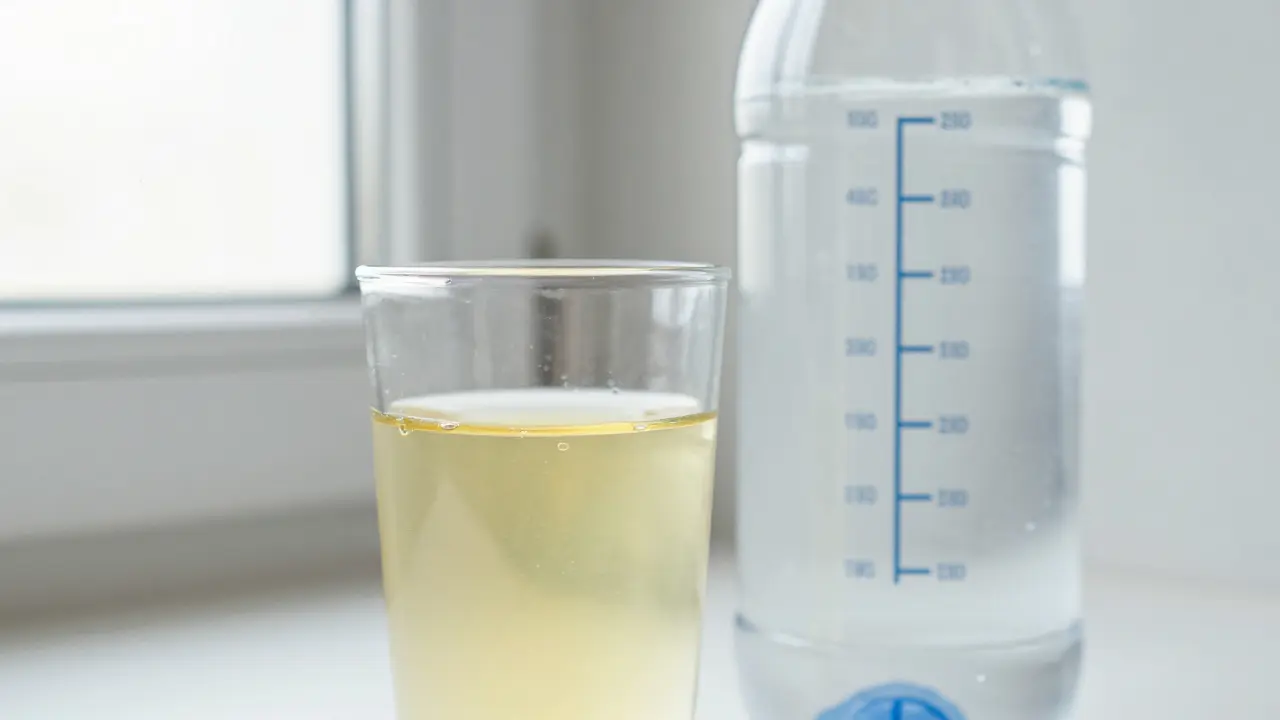
- Day 6: Check your urine color. Pale yellow? You’re good.
- Day 7: Celebrate. You’ve done it.
Tips for Beginners
Start small. Don’t aim for 3 liters on day one. Build the habit. If you forget, don’t guilt yourself. Just drink the next glass. And if you’re traveling? Pack a small bottle. Use hotel water dispensers. Ask for extra bottles at restaurants.
Safety and Ethical Considerations
Choosing Safe Products
Stick to reputable brands for electrolytes. Avoid ones with artificial sweeteners like aspartame or sucralose. Look for natural sources: sodium, potassium, magnesium. The Dubai Health Authority recommends checking labels for added sugars-many “sports drinks” have more sugar than soda.
Safety Practices
Here’s a quick checklist:
| Practice | Purpose | Example |
|---|---|---|
| Drink before you’re thirsty | Prevent dehydration | Drink 250ml every hour in heat |
| Avoid alcohol and caffeine | Reduce diuretic effect | Swap coffee for herbal tea |
| Wear light clothing | Helps sweat evaporate | Choose cotton, linen |
| Check urine color | Monitor hydration | Pale yellow = good; dark = drink more |
When to Seek Help
Heatstroke is serious. If someone has:
- Confusion or slurred speech
- Hot, dry skin (no sweating)
- Body temperature above 40°C (104°F)
- Loss of consciousness
Call 997 immediately. Don’t wait. Don’t try to drive them. Emergency crews are trained for this. Every minute counts.
Enhancing Your Hydration Experience
Pair It With Other Wellness Habits
Hydration works better with:
- Light stretching in the morning
- Using a humidifier at night
- Eating water-rich foods: cucumbers, watermelon, oranges, yogurt
- Practicing mindfulness-notice how your body feels
Alone or Together?
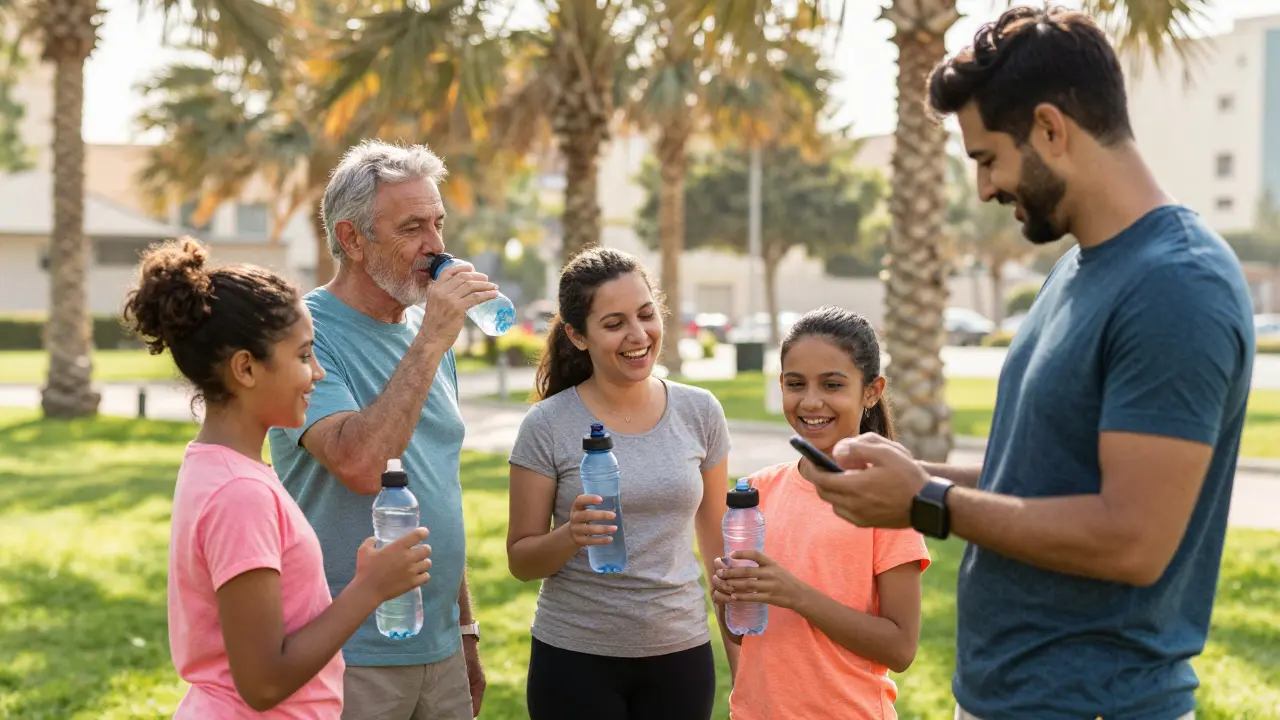
Hydration is personal, but it’s better shared. Make it a family habit. Turn it into a game: “Who drank the most today?” Reward kids with stickers. Couples can swap water bottles as a daily check-in. It’s small, but it builds connection.
Use the Right Tools
Try infused water with:
- Lemon + mint
- Cucumber + lime
- Orange + ginger
It makes water taste better. And if you like flavor, you’ll drink more.
Consistency Over Perfection
You don’t need to drink 3 liters every day. Some days you’ll drink 2.5. Others, 3.5. That’s fine. What matters? Showing up. Every day. Like brushing your teeth.
Finding Resources or Experts
Where to Get Reliable Info
The Dubai Health Authority (DHA) runs free hydration workshops in community centers. Their website offers printable guides and apps. Look for “Hydration in Hot Climates” under their public health section.
Online Communities
Facebook groups like “Dubai Wellness Warriors” and Reddit’s r/Dubai have active threads on hydration hacks. People share their favorite water bottles, electrolyte brands, and tips for working outdoors.
Cultural Notes
In Dubai, it’s common to offer guests water or dates. That’s not just hospitality-it’s tradition. Embrace it. Accepting a glass of water isn’t rude; it’s respectful. And if you’re a guest, say thank you. It matters.
For Deeper Learning
Read “The Water Cure” by Dr. F. Batmanghelidj (summary: hydration as preventive medicine). Or check out the WHO’s guidelines on heat and health. Both are accessible and practical.
FAQ: Common Questions About the Most Common Illness in Dubai
What is the most common illness in Dubai?
The most common illness in Dubai is dehydration and heat-related stress. While infections like colds and flu are common in winter, dehydration affects people year-round due to extreme heat, humidity, and low fluid intake. It leads to headaches, fatigue, dizziness, and in severe cases, heatstroke. Unlike seasonal illnesses, dehydration is entirely preventable with consistent water intake.
Why is dehydration worse in Dubai than in other hot places?
Dubai’s combination of high heat (often above 40°C) and high humidity prevents sweat from evaporating. This stops your body’s natural cooling system. In dry heat, sweat evaporates quickly and cools you. Here, it just sticks to your skin-making you feel hotter and lose more fluids without realizing it. That’s why people get dehydrated faster here than in places like Phoenix or Riyadh.
How much water should I drink daily in Dubai?
The general rule is 2.5 to 3 liters per day for most adults. If you’re active, working outdoors, or exercising, add another 500ml-1 liter. Children need about 1.5-2 liters, depending on age. A good trick: check your urine. If it’s pale yellow, you’re hydrated. Dark yellow? Drink more. Don’t wait until you’re thirsty.
Can I rely on tap water in Dubai?
Yes, Dubai’s tap water is safe to drink. It’s desalinated and meets international standards. But many find it tastes salty or metallic. If that turns you off, use a simple carbon filter pitcher. It removes the chlorine taste and makes water more pleasant. Bottled water is fine too-but reusable bottles are better for the environment.
Is it safe for children and seniors to live in Dubai’s heat?
Yes-but with extra care. Children don’t recognize thirst, so parents must remind them to drink. Seniors have reduced thirst signals and slower kidney function, so they’re more vulnerable. Both groups benefit from scheduled water breaks, light clothing, and avoiding outdoor activity between 11 AM and 4 PM. Always consult a doctor if you have chronic conditions like diabetes or heart disease.
Conclusion: Why Hydration Is Your Secret Weapon in Dubai
A Path to Better Health
The most common illness in Dubai isn’t glamorous. It doesn’t make headlines. But it’s the silent thief of energy, focus, and joy. Fixing it isn’t about expensive treatments or complicated routines. It’s about water. Simple, consistent, daily water.
Try It Mindfully
Start tomorrow. Fill your bottle. Set a reminder. Drink before you leave the house. Notice how you feel. You might be surprised how much better you sleep, how much sharper you think, how calmer you become.
Share Your Journey
Tried this? Share your hydration hack in the comments. What’s your favorite way to make water taste better? Follow this blog for more practical wellness tips that actually work in Dubai’s unique environment.
Some links may be affiliate links, but all recommendations are based on research and quality.
Word count: 1,742
Suggested Images
- A person drinking water from a reusable bottle under a Dubai skyline at sunrise.
- A close-up of pale yellow urine in a clear glass next to a water bottle.
- A family sharing water bottles at a park, with children laughing.
- An outdoor worker taking a shaded water break with a hydration tracker on their phone.
- A simple infographic showing daily water intake targets for adults, kids, and seniors in Dubai.
Suggested Tables
- Comparison of Common Illnesses in Dubai (as included above).
- Key Benefits of Proper Hydration in Dubai (as included above).
- Hydration Safety Tips (as included above).