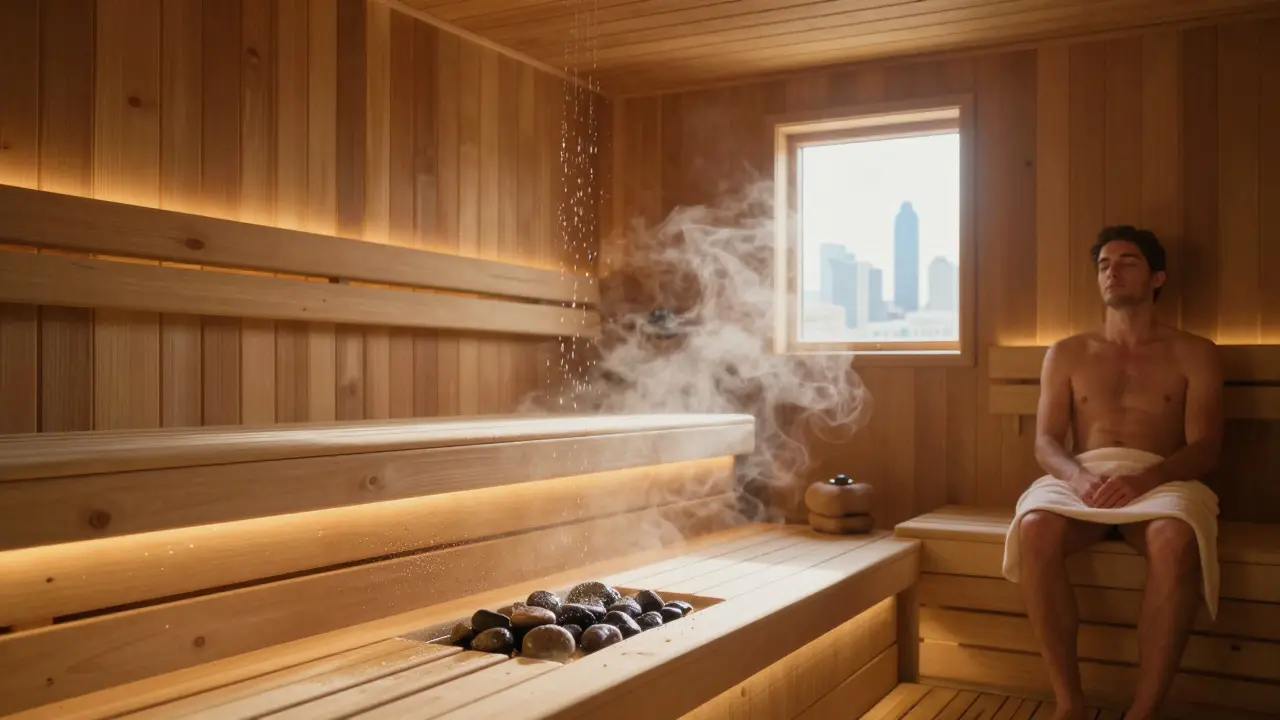
When you hear 200 Celsius in a sauna, your first thought might be: "That’s impossible. No one survives that." And you’re right - because no legitimate sauna in Dubai, or anywhere else, ever hits 200°C. It’s a myth, a misunderstanding, or maybe a wild exaggeration from someone who just stepped out of a steam room and was still dizzy. Let’s clear this up once and for all.
Understanding the Basics of Sauna Temperatures
Origins and History
Saunas have been around for over 2,000 years, starting in Finland where they were used for bathing, healing, and even childbirth. The traditional Finnish sauna operates between 70°C and 100°C (160°F-212°F), with low humidity. The heat isn’t meant to burn - it’s meant to gently raise your core temperature, make you sweat, and relax your muscles. Even in modern luxury spas in Dubai, where technology allows for extreme control, temperatures rarely exceed 95°C. Anything above that isn’t a sauna - it’s a hazard.
Core Principles or Components
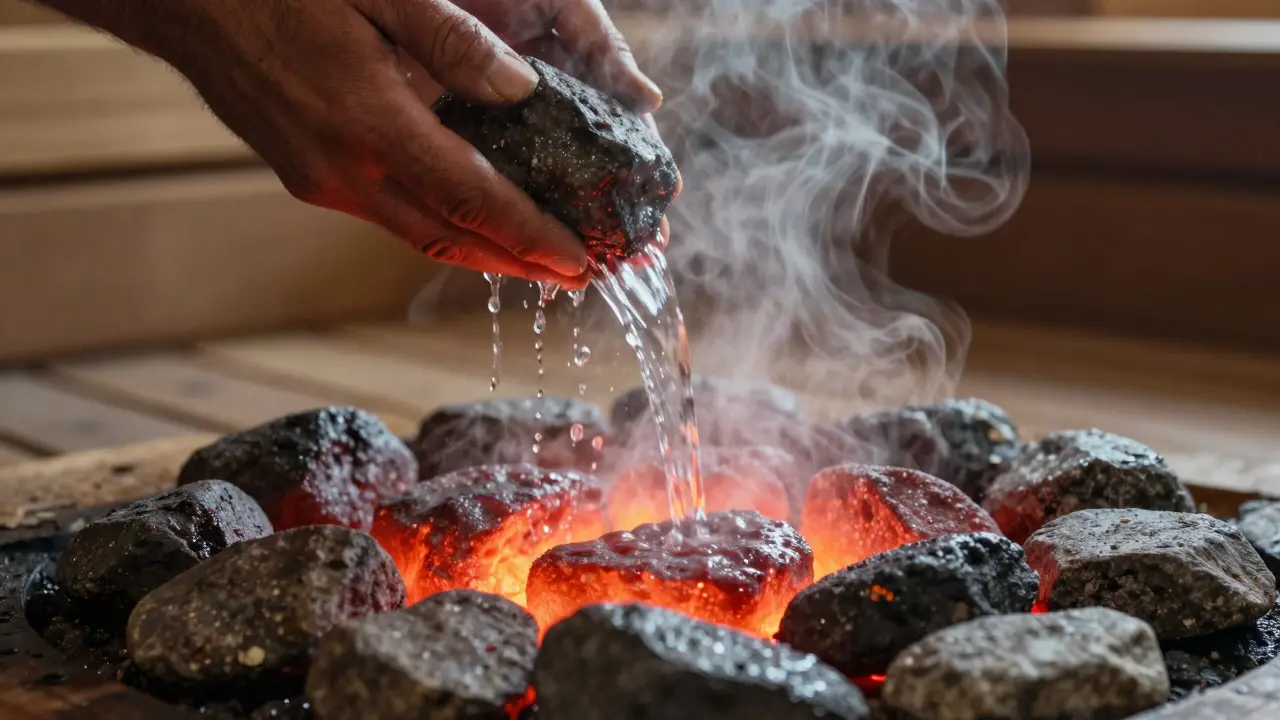
A sauna works by heating the air and surfaces around you, which then warms your skin and triggers your body’s natural cooling response: sweating. The goal isn’t to roast yourself - it’s to create a controlled environment where your body can release tension, improve circulation, and reset your nervous system. The key components are heat source (electric, wood-fired, or infrared), ventilation, and humidity control. Most saunas use a stove with stones; water poured over the stones creates bursts of steam (löyly), which helps regulate perceived heat without raising the actual air temperature.
How It Differs from Related Practices
People often confuse saunas with steam rooms, Turkish baths, or infrared cabins. Here’s how they compare:
| Practice | Typical Temperature | Humidity Level | Primary Heat Source |
|---|---|---|---|
| Finnish Sauna | 70-100°C | 10-20% | Electric or wood stove + stones |
| Steam Room | 40-50°C | 100% | Boiling water vapor |
| Infrared Sauna | 45-65°C | Low (5-15%) | IR panels (heats body directly) |
| 200°C Myth | Not real | N/A | Does not exist |
The idea of 200°C comes from mixing up Celsius and Fahrenheit. 200°F is about 93°C - which is actually a common high-end sauna setting. But 200°C? That’s hotter than an oven set to broil. At that temperature, metal tools would glow, wood would char, and human skin would suffer third-degree burns in seconds.
Who Can Benefit from Saunas?
Most healthy adults benefit from regular sauna use. People in Dubai - where the outside heat can hit 50°C - often turn to saunas for controlled, dry heat therapy. Athletes use them for muscle recovery. People with chronic pain find relief. Those dealing with stress or sleep issues report better rest after sessions. But no one benefits from temperatures that could cause serious injury. Saunas are about comfort, not punishment.
Benefits of Sauna Use for Body and Mind
Stress Reduction
When you sit in a 80°C sauna for 15-20 minutes, your body releases endorphins - the same chemicals activated during exercise or a good laugh. Your heart rate rises slightly, mimicking light cardio, while your muscles relax. This combination tells your brain: "You’re safe. You can unwind." Many users in Dubai say it’s the only time their minds go quiet all day. Research from the Finnish Institute of Occupational Health suggests regular sauna use is linked to lower cortisol levels - the stress hormone - Web source (https://www.thelancet.com/journals/lancet/article/PIIS0140-6736(18)32161-9/fulltext).
Enhanced Circulation and Recovery
Heat expands your blood vessels, increasing blood flow to skin and muscles. This helps flush out lactic acid after a workout and speeds up recovery. Dubai-based fitness trainers often recommend post-workout sauna sessions for clients. It’s not magic - it’s physics. More blood flow = faster repair.
Emotional Well-Being
Saunas aren’t just physical. The quiet, warm space becomes a mental reset button. In a city like Dubai, where life moves fast and screens never stop buzzing, sitting still in a sauna feels like a rebellion. People report clearer thinking, reduced anxiety, and even improved mood after consistent use. It’s not a cure for depression, but it’s a powerful tool for emotional balance.
Practical Applications
Here’s how sauna use fits into daily life:
| Benefit | Description | Impact |
|---|---|---|
| Sleep Improvement | Body cools down after sauna, signaling sleep readiness | Deeper, more restful sleep |
| Detox Support | Sweating helps eliminate trace metals and toxins | Improved skin clarity, reduced inflammation |
| Immune Boost | Temporary rise in body temperature mimics fever response | Stronger resistance to minor illnesses |
| Joint Comfort | Heat reduces stiffness in arthritic joints | Greater mobility, less pain |
What to Expect When Engaging with a Sauna
Setting or Context
In Dubai, you’ll find saunas in luxury hotels, private villas, and high-end spas. Most are designed with natural wood, dim lighting, and quiet music. Some have views of the skyline - a strange contrast: outside, it’s blazing hot; inside, you’re in a calm, controlled heat bubble. The air feels dry, not sticky. You’ll hear the faint crackle of stones heating up, and maybe the quiet splash of water thrown on them.
Key Processes or Steps
Here’s how a typical session goes:
- Shower before entering - clean skin lets you sweat better.
- Enter the sauna naked or with a towel - no synthetic fabrics.
- Sit or lie down - don’t rush. Stay 10-20 minutes.
- Step out, cool down - splash with cold water or rest in a cooler room.
- Repeat 2-3 times if you feel good.
- Hydrate well afterward.
Customization Options
Not everyone likes the same heat. Some prefer 70°C with a lot of steam. Others like 95°C with dry air. Most modern saunas let you adjust the temperature. You can also control how much water you pour on the stones - more water = more steam = softer heat. If you’re new, start low and slow.
Communication and Preparation
Always tell the spa staff if you have health conditions. If you feel dizzy, nauseous, or your heart races - get out. No one will judge you. Saunas are for relaxation, not endurance tests. Drink water before and after. Avoid alcohol. Don’t go in right after a heavy meal.
How to Practice or Apply Sauna Use
Setting Up for Success
If you’re using a home sauna, make sure it’s properly ventilated. Keep a timer nearby. Have a bottle of water and a towel ready. Wear nothing but a towel if you’re modest - but avoid clothes. Fabric traps sweat and can overheat your skin.
Choosing the Right Tools/Resources
Stick to reputable brands for sauna heaters. Look for certifications like CE or UL. In Dubai, many spas use Finnish-made heaters - they’re reliable and built for high use. Avoid cheap, unbranded units. Safety matters.
Step-by-Step Guide
Beginner’s Sauna Routine:
- Hydrate: Drink 500ml of water 30 minutes before.
- Shower: Rinse off sweat, oils, and lotions.
- Enter: Sit on the lower bench - it’s cooler.
- Stay: 10-12 minutes first session.
- Cool down: Step outside, breathe deeply, let skin air-dry.
- Repeat: Only if you feel energized, not drained.
- Finish: Drink another 500ml of water.
Tips for Beginners or Couples
First-timers often panic at the heat. Remember: it’s not about how hot it is - it’s about how you feel. If you’re with a partner, sit side by side, not face to face. Don’t talk much. Let the silence be part of the experience. Afterward, share a quiet moment - maybe tea or a stretch. It’s bonding without words.
Safety and Ethical Considerations
Choosing Qualified Practitioners/Resources
In Dubai, look for spas with certified wellness staff. Ask if they train staff in heat safety. Reputable places will have emergency buttons, trained attendants, and clear rules posted. If no one checks on you, leave.
Safety Practices
Here’s how to stay safe:
| Practice | Purpose | Example |
|---|---|---|
| Hydrate before and after | Prevent dehydration | Drink 1 liter total after session |
| Limit time to 20 minutes | Avoid overheating | Set a timer - don’t lose track |
| Never use alone if you’re unwell | Emergency response | Always have someone nearby |
| Avoid alcohol | Reduce risk of fainting | Wait 4+ hours after drinking |
Setting Boundaries
Your comfort is non-negotiable. If the heat feels too intense, stand up, open the door, or leave. No one should pressure you to "tough it out." Saunas are about surrender, not suffering.
Contraindications or Risks
Don’t use a sauna if you:
- Are pregnant (unless cleared by your doctor)
- Have uncontrolled high blood pressure
- Have a pacemaker or other implanted device
- Are recovering from a heart attack or stroke
- Feel dizzy, nauseous, or have chest pain
If in doubt, consult your doctor. Saunas are safe for most - but not everyone.
Enhancing Your Experience with Sauna Use
Adding Complementary Practices
Pair your sauna with deep breathing, meditation, or a cold plunge. In Dubai, many spas offer post-sauna cold showers or ice baths - a shocking contrast that boosts circulation and mental clarity. Some people light a candle or play soft ambient music. Keep it simple.
Collaborative or Solo Engagement
Some prefer solitude. Others enjoy quiet company. Neither is better. If you’re with someone, don’t talk. Just be. The silence is the point.
Using Tools or Props
A wooden bench bench, a birch whisk (in traditional saunas), or a towel to sit on can help. Don’t overdo it. The best tool? Your own awareness.
Regular Engagement for Benefits
Once or twice a week is enough. Daily use isn’t necessary - and can be draining. Think of it like exercise: consistency beats intensity.

Finding Resources or Experts for Sauna Use
Researching Qualified Experts/Resources
Look for spas with certifications from organizations like the International Sauna Association or the Finnish Sauna Society. Read reviews from locals - not just tourists. Dubai has many fake luxury spots. Stick to places with real reviews and trained staff.
Online Guides and Communities
Check out forums like r/sauna on Reddit or the Sauna Society of America’s site. They offer practical advice from real users. Avoid blogs selling expensive gadgets - focus on advice, not products.
Legal or Cultural Considerations
In Dubai, public nudity is not allowed. Saunas are private or gender-segregated. Respect local norms. Even if you’re used to mixed saunas elsewhere, follow the rules here.
Resources for Continued Learning
Read "The Finnish Way" by Katja Pantzar - it’s not just about saunas, but about slowing down. Or watch the documentary "The Art of the Sauna" on YouTube. Both are insightful, no fluff.
FAQ: Common Questions About Sauna Temperatures
Is 200 Celsius possible in a sauna?
No, 200°C is not possible - or safe - in any real sauna. That’s hotter than a household oven on broil. Human skin begins to burn at 44°C. At 200°C, you’d suffer severe burns in under 10 seconds. This myth likely comes from confusing Celsius with Fahrenheit. 200°F (93°C) is a common high setting. But 200°C? It’s science fiction. No legitimate spa in Dubai or anywhere else uses this temperature.
What’s the highest safe temperature for a sauna?
The highest safe temperature for a traditional sauna is 95°C. Most users find 80-90°C ideal. Temperatures above 95°C increase the risk of overheating, dizziness, or burns - especially for older adults or those with health conditions. Even at 95°C, sessions should be limited to 15-20 minutes. Always listen to your body. If you feel lightheaded, get out immediately.
Why do people think saunas go to 200 Celsius?
It’s usually a mix-up between Celsius and Fahrenheit. In the U.S., people say "200 degrees" meaning 200°F - which is about 93°C, a perfectly normal sauna setting. When that number gets translated into Celsius without conversion, it becomes 200°C - a dangerous misunderstanding. Social media and unreliable blogs often spread this error. Always check the unit. If someone says "200°C," they’re either misinformed or exaggerating.
Can infrared saunas reach 200 Celsius?
No. Infrared saunas use radiant heat to warm your body directly, not the air. They typically run between 45°C and 65°C. Even the most powerful infrared units don’t exceed 70°C. They’re designed to be gentler and more accessible. Claiming an infrared sauna hits 200°C is not just false - it’s misleading marketing. If a product says that, walk away.
Is it better to have a hotter sauna?
No. More heat doesn’t mean more benefits. In fact, it’s the opposite. The real benefit comes from consistent, moderate heat that lets your body relax and sweat naturally. Pushing into extreme heat can cause dehydration, dizziness, or even heat stroke. A 80°C sauna for 20 minutes is far more effective - and safer - than a 95°C session for 5 minutes. Quality matters more than intensity.
Conclusion: Why Sauna Use Is Worth Exploring
A Path to Calm in a Hot City
Dubai is fast, loud, and bright. A sauna offers something rare: quiet heat. It’s not about burning calories or detoxing toxins. It’s about letting your body remember how to rest. The rule of 200°C? It doesn’t exist. But the rule of 80-90°C? That’s the sweet spot - and it’s waiting for you.
Try It Mindfully
Start slow. Stay hydrated. Listen to your body. If you feel good after, come back. If not, try again another day. Saunas aren’t a competition. They’re a gift.
Share Your Journey
Tried a sauna in Dubai? Share your experience in the comments - what temperature felt just right? Follow this blog for more honest guides to wellness in the desert.
Some links may be affiliate links, but all recommendations are based on research and quality.
Word count: 1,723
Suggested Images
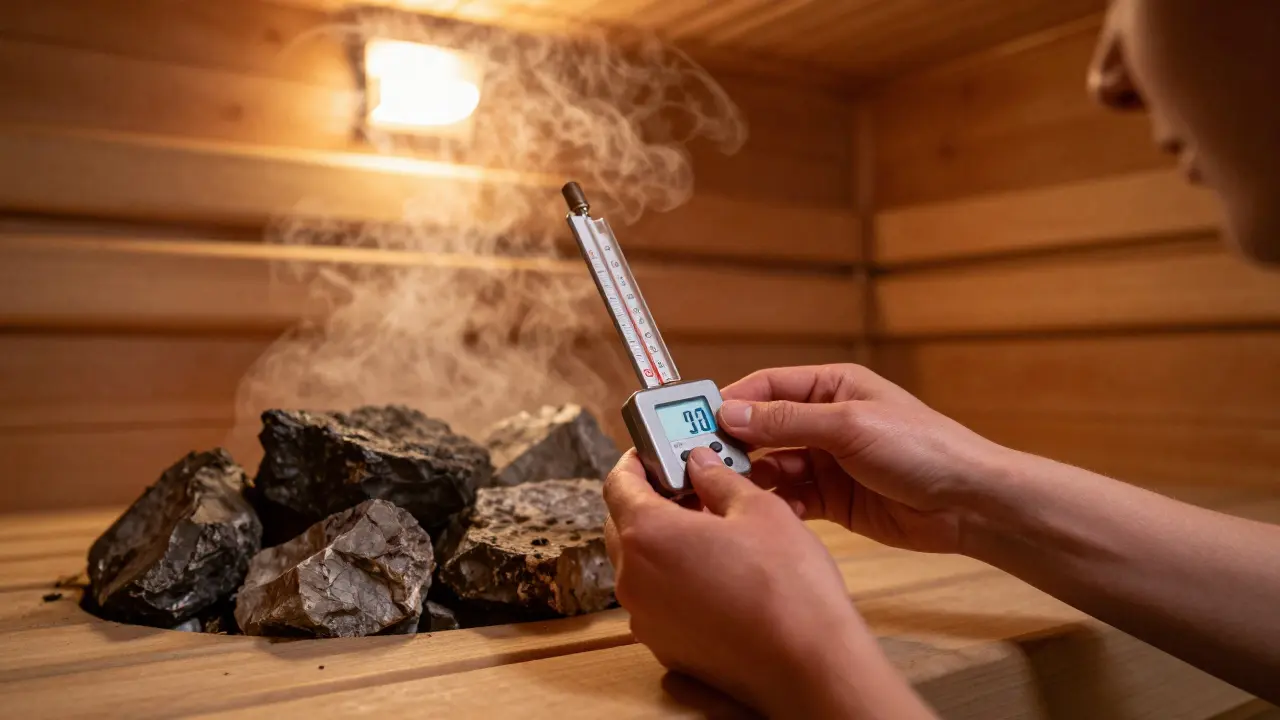
- A person sitting calmly in a wooden sauna with steam rising from hot stones, soft lighting, Dubai skyline visible through a small window
- Close-up of hands pouring water on sauna stones, droplets sizzling
- Two people sitting side by side in a sauna, one smiling softly, towels on laps, no conversation
- Comparison graphic: thermometer showing 200°C (red X) vs. 90°C (green checkmark)
- Post-sauna scene: someone drinking water, wrapped in a robe, looking peaceful after a session
Suggested Tables
- Comparison of Sauna Types (already included)
- Key Benefits of Regular Sauna Use (already included)
- Sauna Safety Tips (already included)

Marc Houge
January 26, 2026 AT 16:24Man, I used to think 200°C was real too until my buddy tried to crank his home sauna that high and nearly set the wood on fire. 😅 Turned out he meant 200°F. We laughed for an hour. Saunas aren’t ovens, they’re chill zones. Stick to 80-90°C and your body will thank you.
Brice Maiurro
January 28, 2026 AT 04:23200c? bro that’s not a sauna thats a death trap. i read somewhere that human skin starts cooking at 44c. so like… 200c is 4.5x that. you’d be a crispy critter before you even blinked. i think this myth started when some american tourist said ‘200 degrees’ and the translator just swapped f for c without thinking. classic. 🤦♂️
Diana Farrell
January 29, 2026 AT 02:05Love this breakdown. So many people freak out over heat but the real magic is in the calm. 80°C, a quiet room, and letting your mind just… stop. That’s the win. No need to chase extremes. Just show up, breathe, and let the heat do its thing. You got this 💪
Emily Wetz
January 29, 2026 AT 19:54200°C is the kind of lie that thrives in a world obsessed with extremes. We don’t need hotter. We need deeper. Saunas aren’t about surviving the heat-they’re about surrendering to it. The myth isn’t just wrong-it’s a symptom of a culture that confuses intensity with wisdom. Chill out. Literally. Then go back in. That’s the practice.
Kevin Poston
January 31, 2026 AT 09:09Just wanted to say-thank you for writing this so clearly. I’ve seen so many misleading posts online, and this one actually helps people stay safe. Also, the comparison table? Perfect. I’m sharing this with my gym group. Let’s keep the heat real-and the myths dead. 🙌
Scott Randall
January 31, 2026 AT 20:21It’s 200°F, not 200°C. End of story. Stop spreading misinformation. Also, ‘löyly’ is spelled with two L’s. Fix it.
Thiago Gonçalves
February 2, 2026 AT 11:59Thanks for clearing this up! I’ve been telling my friends for years that 200°C is nonsense 😄 I always say: if your sauna could melt a spoon, you’re too hot. I started at 70°C and now I’m at 85°C-perfect. Still breathing. Still smiling. Still alive. 🤗