What to Wear in a Steam Room? The Complete Guide for Dubai’s Moroccan Baths
When you walk into a steam room in a Moroccan bath in Dubai, the first thing you’ll notice isn’t the heat-it’s the silence. No music, no phones, just the soft hiss of steam and the quiet rhythm of breathing. And right then, you’ll wonder: What am I supposed to wear? It’s a simple question, but one that trips up even seasoned spa-goers. The answer isn’t just about comfort-it’s about culture, cleanliness, and respect.
In Dubai’s upscale hammams, the rules around clothing are clear, but rarely explained. You won’t find signs in five languages telling you what to do. Instead, you’ll pick up the cues from the staff, the other guests, and the rhythm of the space. This guide cuts through the confusion. No fluff. No guesswork. Just what you actually need to know before you step into the steam.
Understanding the Basics of Moroccan Baths in Dubai
Origins and History
The Moroccan bath, or hammam, traces back over a thousand years to the Roman thermae and was refined across North Africa and the Middle East. In Morocco, it wasn’t just about cleanliness-it was a social ritual. Families gathered, elders cleansed the body, and brides prepared for weddings. When this tradition landed in Dubai, it didn’t just survive-it evolved. Today’s Dubai hammams blend ancient steam rituals with modern spa luxury. Think terracotta tiles, argan oil scrubs, and black soap, all under climate-controlled ceilings. The core remains unchanged: heat opens pores, sweat releases toxins, and ritual brings calm.
Core Principles or Components
A traditional hammam experience has three stages: the hot room (where steam builds), the warm room (for scrubbing), and the cool room (to recover). Each stage has its own rhythm. The heat isn’t meant to burn-it’s meant to soften. The scrub isn’t harsh-it’s meant to slough off dead skin. And the silence? It’s intentional. This isn’t a gym sauna where people blast music and check their watches. It’s a space designed for slowing down. The key principle? Let the steam do the work. Your job is to breathe, relax, and let go.
How It Differs from Related Practices
People often confuse hammams with saunas or Turkish baths. They’re related, but not the same.
| Practice | Key Feature | Primary Benefit |
|---|---|---|
| Hammam (Moroccan Bath) | Humid heat (90-110°F), wet scrubbing, black soap | Deep exfoliation, detox, skin renewal |
| Sauna | Dry heat (160-200°F), no water, wood-lined room | Circulation boost, muscle relaxation |
| Turkish Bath | Similar to hammam, but often more ornate, with marble floors and larger spaces | Relaxation, social ritual |
The biggest difference? The scrub. In a hammam, you’re not just sweating-you’re being gently exfoliated. That means your skin needs to be clean, bare, and ready. No towels, no swimsuits. Just you and the steam.
Who Can Benefit from a Moroccan Bath?
Anyone who’s ever felt stiff, dull, or overwhelmed. Athletes use it to recover. Busy parents use it to reset. Travelers use it to shake off jet lag. Even people with sensitive skin find relief-when done right. The gentle steam and natural ingredients (like argan oil and rhassoul clay) are far less irritating than harsh chemical peels. The only people who should skip it? Those with open wounds, severe heart conditions, or pregnancy without doctor approval. Otherwise, if you can sit in a hot shower, you can handle a hammam.
What to Wear in a Steam Room
The Golden Rule: Bare Skin
Here’s the truth: you wear nothing in the steam room. Not a swimsuit. Not a towel. Not even underwear. That’s not a suggestion-it’s standard practice in authentic Moroccan baths in Dubai. Why? Because the scrub that follows needs direct contact with your skin. A swimsuit will trap sweat, block the exfoliation, and make the whole experience pointless. Plus, the towels provided are for after, not during.
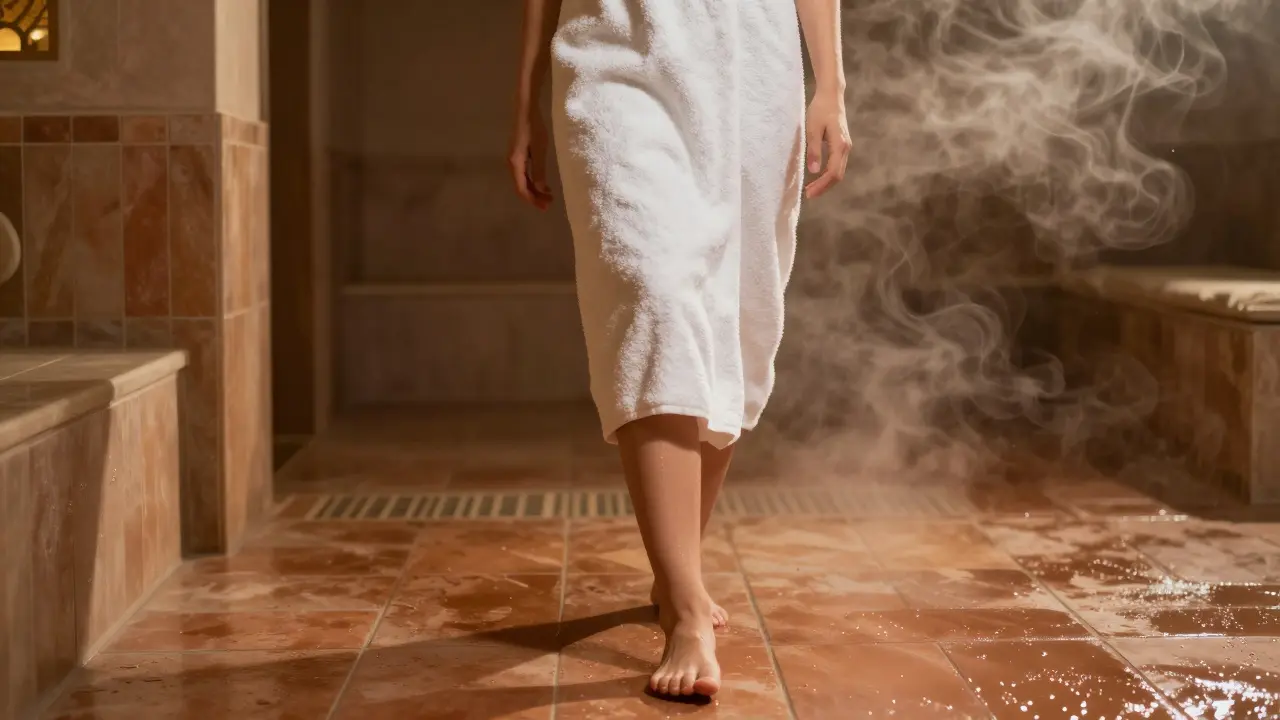
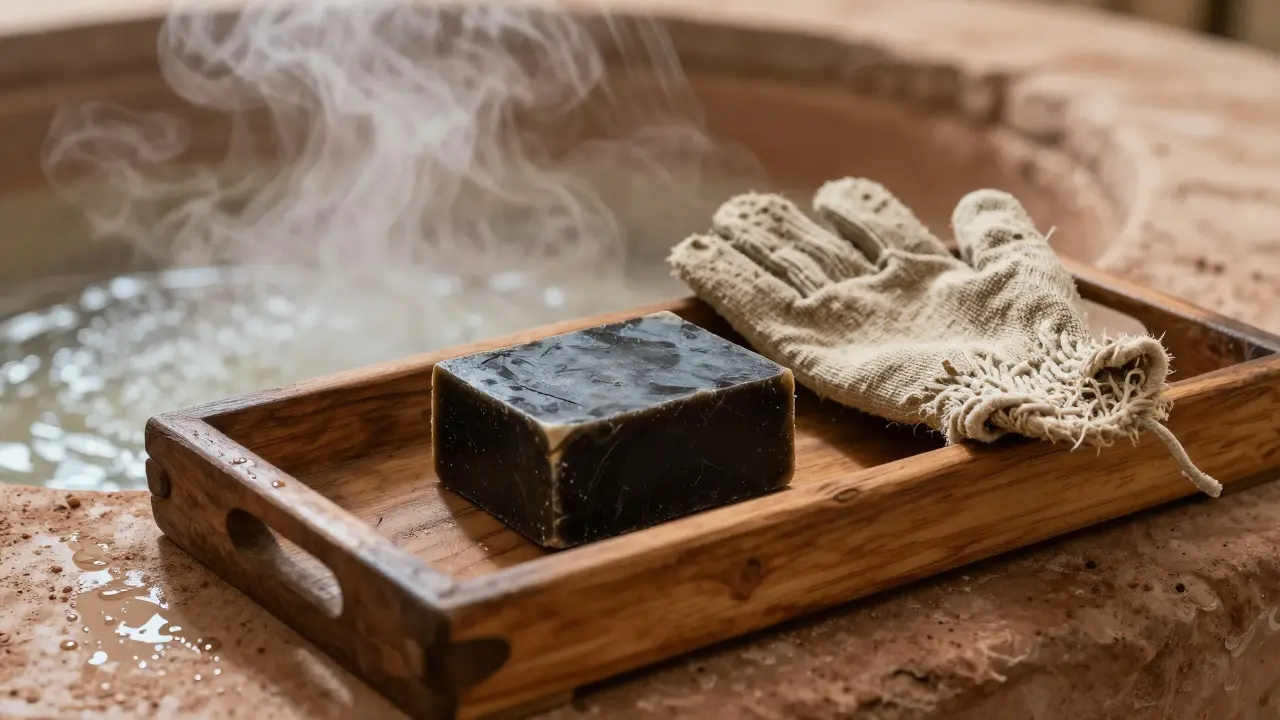
Staff will hand you a clean cotton towel when you enter. Use it to cover yourself as you walk to the changing area, then leave it on the bench. You’ll be given a kessa (a rough glove) and a bar of black soap. That’s it. No one will judge you. Everyone else is in the same boat.
What to Bring (and What to Leave Behind)
Bring: a change of clothes, flip-flops, and a reusable water bottle. Most spas provide soap, gloves, and towels, but if you’re particular, bring your own argan oil or body lotion for after.
Leave behind: jewelry, watches, phones, and makeup. Sweat will ruin them. Makeup will clog your pores and ruin the cleanse. Phones? They’re not allowed in the steam area-this isn’t a TikTok backdrop. It’s a reset.
What If I’m Uncomfortable?
It’s normal to feel shy. First-timers often do. But here’s what you’ll notice: no one is looking. Everyone is focused on their own breath, their own steam, their own quiet moment. The staff are professionals-they’ve seen it all. If you’re still uneasy, ask for a private session. Many Dubai hammams offer single-room bookings. You get the same experience, just with more privacy.
Benefits of a Moroccan Bath for Body and Mind
Deep Skin Renewal
The combination of heat, steam, and the kessa glove removes up to 90% of dead skin cells in one session. That’s not marketing-it’s science. The moist heat opens pores, the black soap breaks down impurities, and the scrub lifts away the buildup that moisturizers can’t touch. Afterward, your skin feels like silk. No lotion needed.
Stress Relief Through Ritual
There’s something powerful about letting go in a quiet, warm room. Studies show that prolonged exposure to mild heat lowers cortisol levels-the stress hormone. In a hammam, you’re not just sweating out toxins-you’re sweating out tension. The rhythm of the steam, the silence, the slow pace-it all signals your nervous system: it’s safe to relax.
Improved Circulation and Detox
Heat makes your blood flow faster. That’s how your body cools itself. In a hammam, that increased circulation helps flush out metabolic waste through sweat. It’s not a magic detox, but it’s a natural one. Think of it like resetting your body’s internal cleaning system.
Practical Applications in Daily Life
After a hammam, you’ll notice things: your skin absorbs moisturizer better. Your muscles feel looser. Your mind feels lighter. Many people start scheduling monthly sessions-especially in Dubai’s dry climate, where skin gets dull fast. It’s not a luxury. It’s maintenance.
| Benefit | Description | Impact |
|---|---|---|
| Exfoliation | Removes dead skin with kessa glove and black soap | Smother, brighter skin |
| Hydration | Steam opens pores; argan oil seals moisture | Reduces flakiness |
| Relaxation | Warmth triggers parasympathetic response | Reduces anxiety, improves sleep |
| Detox | Sweating flushes metabolic waste | Boosts energy levels |
What to Expect When Engaging with a Moroccan Bath
Setting or Context
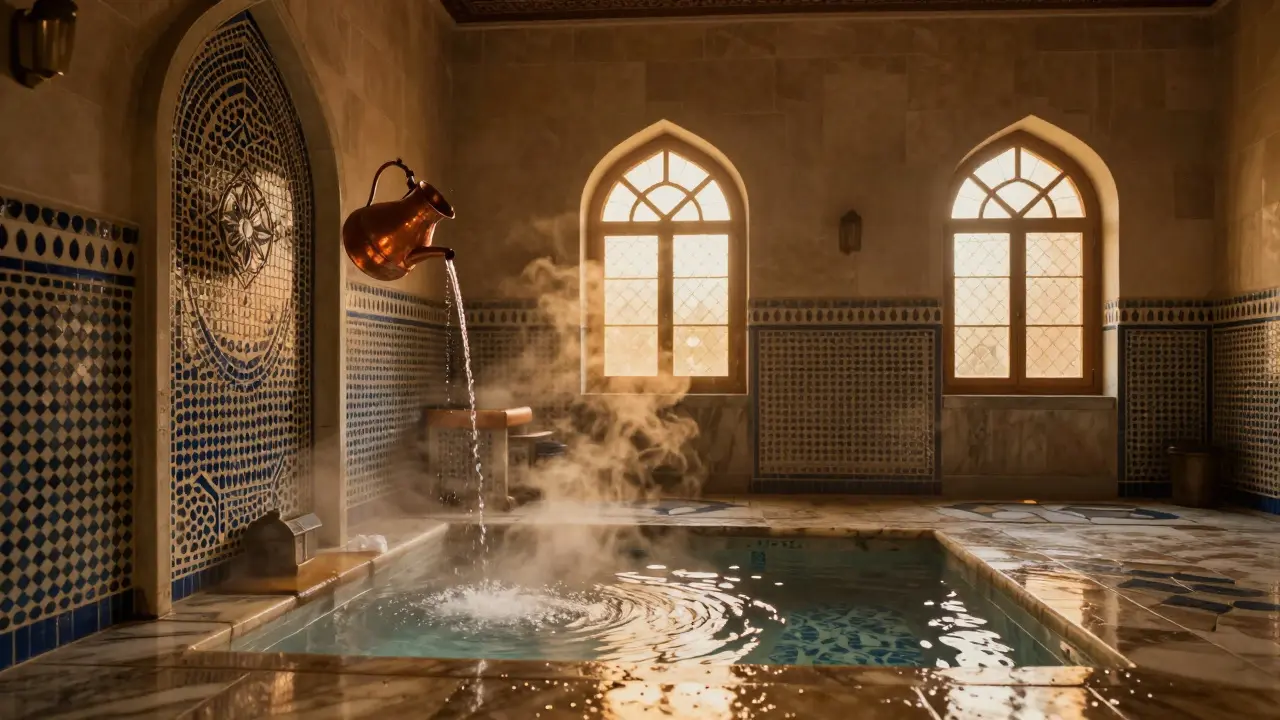
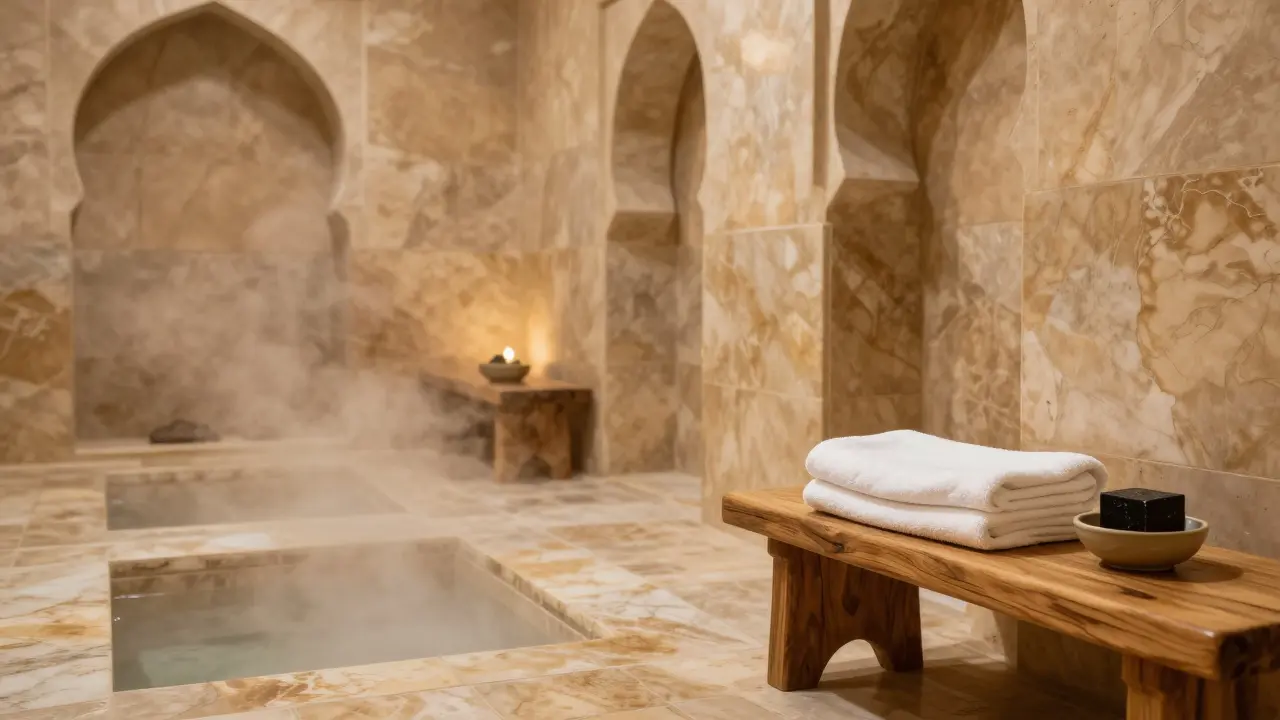
Picture this: cool marble floors underfoot, dim lighting, the scent of eucalyptus and black soap in the air. The steam room is warm, not scorching. You’ll hear water dripping, not chatter. Most Dubai hammams have separate zones for men and women, and many offer mixed hours for couples. The space is designed to feel like a sanctuary-not a locker room.
Key Processes or Steps
Here’s what happens in a typical session:
- Change into your towel (leave clothes in the locker).
- Step into the hot room. Stay 10-15 minutes. Breathe slowly.
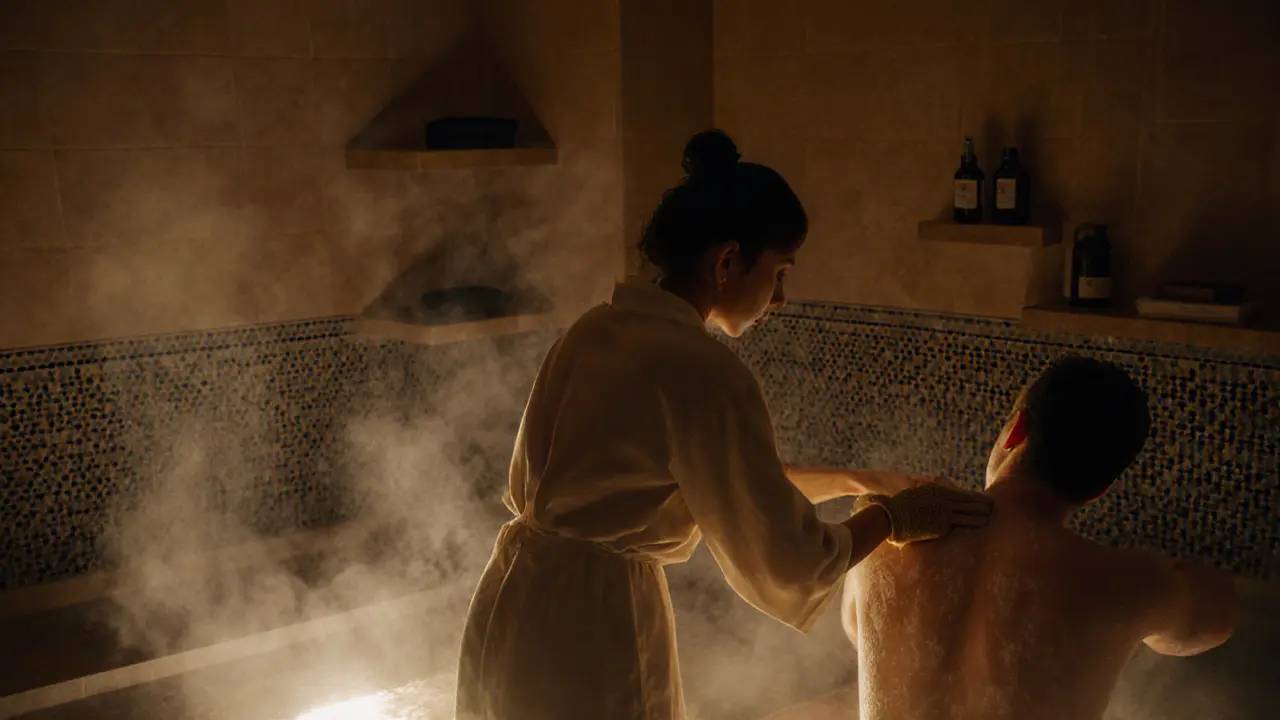
- Move to the warm room. A therapist will scrub you with the kessa glove and black soap.
- Rinse off under warm water.
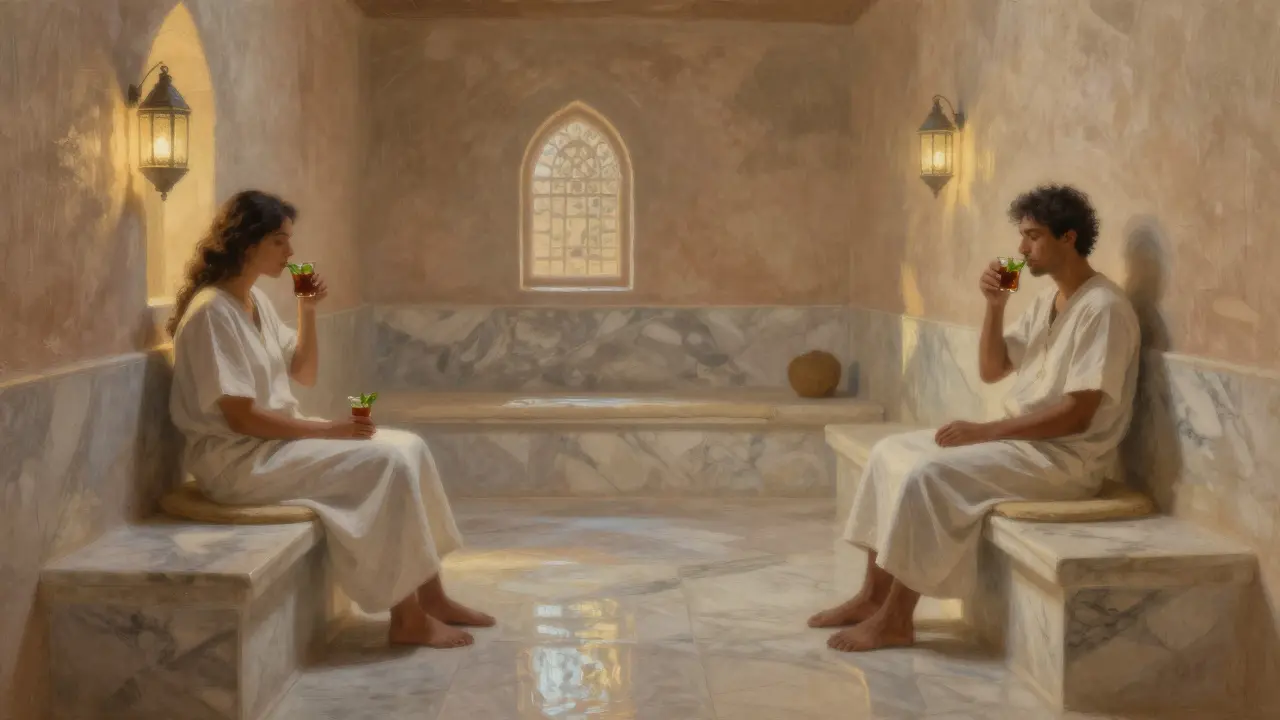
- Rest in the cool room with mint tea.
That’s it. No pressure. No rush. The therapist will ask if you want extra scrubbing or oil. Say yes if you’re curious. It’s part of the experience.
Customization Options
Want less scrubbing? Say so. Prefer a longer cool-down? Ask. Most spas let you choose the length of your session-60, 90, or 120 minutes. You can also add a facial, hair mask, or massage. The point is, it’s yours to shape.
Communication and Preparation
Before you go, drink water. Don’t eat a heavy meal. Arrive 15 minutes early. Let the staff know if you have any skin conditions or injuries. And if you’re unsure about anything-ask. That’s what they’re there for.
How to Practice or Apply a Moroccan Bath
Setting Up for Success
Book ahead. Popular spas in Dubai fill up fast, especially on weekends. Wear loose, easy-to-remove clothes to the spa. Bring a waterproof bag for your wet towel. And leave your phone in your locker. Seriously. This isn’t just etiquette-it’s part of the reset.
Choosing the Right Spa
Not all hammams are equal. Look for places that use natural black soap (made from olive oil and potassium hydroxide) and real kessa gloves. Avoid places that use plastic scrubbers or synthetic soaps. Top-rated spots in Dubai include The Ritz-Carlton Spa, Al Maha, and The Talise Spa. But smaller local gems like Hammam Al Andalus offer just as good a experience-often with more authenticity.
Step-by-Step Guide for First-Timers
- Hydrate well before you arrive.
- Arrive early to tour the space and ask questions.
- Leave everything in your locker except your towel.
- Enter the steam room slowly. Sit or lie down. Breathe through your nose.
- When the therapist calls you, follow quietly.
- During the scrub, relax. Don’t tense up.
- After the rinse, sip tea. Rest. Let your body cool naturally.
- Put on fresh clothes. Drink more water.
Tips for Beginners or Couples
If you’re going with someone, book a couple’s session. You’ll each have your own room, but you can share the experience. Don’t try to talk during the steam-let the silence be part of it. And if you’re nervous, start with a 60-minute package. No need to go all-in on day one.
Safety and Ethical Considerations
Choosing Qualified Spas
Make sure the spa uses clean, single-use towels and gloves. Ask if they sanitize equipment between guests. Reputable places will show you their hygiene protocols. If they hesitate, walk away.
Safety Practices
Here’s what keeps everyone safe:
| Practice | Purpose | Example |
|---|---|---|
| Hydrate before and after | Prevent dizziness | Drink 2 glasses of water |
| Don’t stay too long | Avoid overheating | Max 15-20 mins in steam |
| Listen to your body | Prevent fainting | Leave if you feel lightheaded |
Setting Boundaries
You control your experience. If the scrub is too rough, say so. If you don’t want oil, say no. The therapist will adjust. This is your body. Your rules.
Contraindications or Risks
Don’t go if you have:
- Open cuts or burns
- High blood pressure without clearance
- Pregnancy (especially first trimester)
- Heart conditions
- Severe asthma
If you’re unsure, check with your doctor. Better safe than sorry.
Enhancing Your Experience with a Moroccan Bath
Adding Complementary Practices
Pair your hammam with a 10-minute meditation afterward. Or do a light yoga stretch in the cool room. Some people sip herbal tea and journal. Others just sit and stare at the ceiling. All of it counts.
Collaborative or Solo Engagement
Going alone? Perfect. It’s your time. Going with a partner? Great-but don’t try to chat. Let the silence connect you. Many couples say the hammam is the most intimate thing they’ve done together.
Using Tools or Props
Bring your own argan oil if you love it. Or a small bottle of rosewater to spritz after. Some people bring a soft cotton robe for the cool room. Keep it simple. Less is more.
Regular Engagement for Benefits
Once a month is ideal. Twice if you’re in Dubai’s dry heat and feel your skin getting dull. Think of it like brushing your teeth-except for your whole body.
Finding Resources or Experts for Moroccan Baths
Researching Qualified Spas
Check Google reviews for mentions of hygiene, staff professionalism, and authenticity. Look for phrases like “used real black soap” or “therapist asked about my skin.” Avoid places that sound like a water park.
Online Guides and Communities
Follow Instagram accounts like @dubaismytherapy or @hammamlife for real user photos and tips. Join Dubai wellness Facebook groups. People share deals, new spas, and personal stories.
Legal or Cultural Considerations
Dubai respects cultural traditions. Modesty is expected. No revealing clothing in public areas. Most hammams are gender-segregated, but mixed hours exist. Always confirm ahead. Respect the silence. It’s part of the culture.
Resources for Continued Learning
Read The Art of the Hammam by Moroccan wellness expert Laila Benkirane. Watch the documentary Steam: A Moroccan Ritual on YouTube. Both give deep context without fluff.
FAQ: Common Questions About What to Wear in a Steam Room
What should I wear in a steam room in Dubai?
You wear nothing. No swimsuit, no underwear, no towel during the steam. You’ll be given a towel to walk with, but you’ll leave it on the bench. The steam room is for bare skin-this allows the scrub and natural soaps to work properly. Everyone else is doing the same. It’s not about exposure-it’s about ritual. The staff are professionals and focus only on their job.
What happens during a Moroccan bath session?
You start in the hot steam room for 10-15 minutes to open pores. Then you move to a warm room where a therapist scrubs you with a rough glove and black soap, rinses you off, and may apply argan oil. Afterward, you rest in a cool room with mint tea. The whole process takes 60-120 minutes. It’s slow, quiet, and deeply cleansing-inside and out.
Is a Moroccan bath the same as a sauna?
No. A sauna uses dry heat (often above 160°F) with no water. A Moroccan bath uses humid steam (around 100°F) and includes a full-body scrub with natural soap and a kessa glove. The goal isn’t just to sweat-it’s to exfoliate, detox, and renew skin. Saunas are great for muscle recovery. Hammams are for full-body renewal.
Can I wear a towel in the steam room?
No. Wearing a towel in the steam room blocks the steam from reaching your skin and prevents the scrub from working. It also traps sweat and bacteria, which defeats the purpose. You’ll be given a towel to carry to the steam room, but you’ll leave it on the bench. You’ll be covered with a clean towel afterward when you move to the cool room.
Is a Moroccan bath suitable for beginners?
Absolutely. Most people feel nervous the first time-but that’s normal. Start with a 60-minute session, hydrate well, and tell the therapist you’re new. They’ll go gentle. Many first-timers say it was the most relaxing thing they’ve ever done. No experience needed. Just show up, breathe, and let go.
Conclusion: Why a Moroccan Bath is Worth Exploring
A Path to Radiant Skin and Calm Mind
A Moroccan bath isn’t just a spa treatment. It’s a reset button for your body and your mind. In a city that never sleeps, it’s one of the few places where silence is sacred. Where your only job is to breathe. Where your skin comes back to life. And you don’t need to wear anything to get there.
Try It Mindfully
Book a session. Leave your phone. Let go. If you’re unsure, start with a short session. Listen to your body. And if you feel better afterward-don’t wait a year to go again.
Share Your Journey
Tried a Moroccan bath in Dubai? Share your experience in the comments. What surprised you? What did you wear-or not wear? Follow this blog for more tips on wellness in the UAE.
Some links may be affiliate links, but all recommendations are based on research and quality.
Word count: 1,728
Suggested Images
- A person stepping out of a steam room in a Moroccan bath, wrapped in a white towel, steam rising around them.
- Close-up of black soap and a kessa glove on a wooden tray, with steam in the background.
- Two people relaxing in a quiet cool room with mint tea, soft lighting, marble floors.
- Interior of a traditional Dubai hammam with terracotta tiles, arches, and dim lighting.
- Therapist gently scrubbing a client’s back with a kessa glove, hands covered in soap foam.
Suggested Tables
- Comparison of Hammam vs. Sauna vs. Turkish Bath
- Key Benefits of a Moroccan Bath
- Hammam Safety Tips

Timothy Schreiber
December 4, 2025 AT 02:13Kelley Moody
December 5, 2025 AT 03:05Antony Silson
December 6, 2025 AT 06:24Ashley Beaulieu
December 6, 2025 AT 14:54Deanna Anderson
December 7, 2025 AT 04:51