When you think of the best spa country, you might picture steamy saunas in Finland, hot springs in Japan, or lavender-scented treatments in France. But if you’ve ever stepped into a Dubai spa, you’ll understand why this city isn’t just competing-it’s redefining what a spa experience can be. The truth? There’s no single "best" country for spa, because the perfect spa depends on what you’re looking for: isolation, luxury, tradition, or cutting-edge innovation. Dubai, for all its glitz, offers something few places can match: a fusion of ancient healing rituals with futuristic wellness tech, all wrapped in five-star service.
Understanding the Basics of Spa
Origins and History
Spa culture isn’t new. The word itself comes from the Belgian town of Spa, where mineral springs were used for healing as far back as the 14th century. But the real roots of modern spa practices stretch much deeper-to Roman baths, Turkish hammams, Ayurvedic traditions in India, and Chinese hot stone therapies. These weren’t just about cleanliness; they were sacred rituals tied to health, spirituality, and community. Today, spa has evolved into a global industry, but the best destinations still honor these roots while adding their own cultural flavor.
Core Principles or Components
A great spa experience isn’t just about massages and facials. It’s built on three pillars: environment, technique, and intention. The environment must calm the senses-soft lighting, natural materials, quiet soundscapes. The technique should be tailored, whether it’s Swedish massage, reflexology, or cryotherapy. And intention? That’s the quiet magic. It’s the therapist’s presence, the silence between breaths, the feeling that time has slowed down. The best spas don’t just treat your body-they reset your nervous system.
How It Differs from Related Practices
People often confuse spa with wellness retreats or medical tourism. A wellness retreat might include yoga, meditation, and detox diets over several days. Medical tourism focuses on procedures like liposuction or dental work. A spa? It’s about restoration, not transformation. You don’t come to lose weight or fix a broken bone-you come to feel whole again.
| Practice | Primary Goal | Typical Duration |
|---|---|---|
| Spa | Relaxation and sensory renewal | 2 hours to 1 day |
| Wellness Retreat | Lifestyle change and holistic healing | 3 days to 2 weeks |
| Medical Tourism | Medical or surgical intervention | 1 day to 1 week |
Who Can Benefit from Spa?
Anyone with a pulse. Busy parents, overworked executives, travelers with jet lag, even athletes recovering from injury-all find relief in spa. You don’t need to be stressed to benefit. Sometimes, you just need to sit still. The science backs this up: studies show that even 30 minutes of massage can lower cortisol levels and improve heart rate variability. That’s not luxury-it’s biology.
Benefits of Spa for Body, Mind, and Soul
Stress Reduction
Think of a spa session as a soft reset button for your brain. The gentle pressure of a massage, the warmth of heated stones, the scent of eucalyptus-these signals tell your nervous system: "You’re safe now." The result? Lower blood pressure, slower breathing, and a quieting of the mental chatter that keeps you up at night. In Dubai, many spas use thermal water infused with minerals from the Dead Sea, known for its anti-inflammatory properties. You don’t just feel relaxed-you feel physically lighter.
Enhanced Functionality
Spa doesn’t just make you feel good-it helps you perform better. Athletes use cryotherapy chambers to reduce muscle inflammation. Office workers benefit from lymphatic drainage to reduce swelling from long hours at a desk. Even sleep improves after a good spa day. A 2023 study by the International Journal of Therapeutic Massage & Bodywork found that regular spa-goers reported 40% better sleep quality within four weeks. That’s not magic. It’s physiology.
Emotional Well-Being
There’s something deeply human about being touched with care. In a world full of screens and silence, a spa therapist’s warm hands and quiet presence can feel like a lifeline. Many people cry during their first massage-not from pain, but from release. It’s the body letting go of emotional weight it’s been holding. In Dubai, some spas offer cultural rituals like the Arabic oud oil ceremony, where scent and touch combine to evoke calm and grounding. It’s not just treatment-it’s therapy.
Practical Applications
Spa isn’t just for vacations. Many Dubai residents make it part of their monthly routine-like a dentist visit for your nervous system. Corporate wellness programs now include spa vouchers. Hotels offer "spa days" as part of stay packages. Even airlines partner with spas to help travelers recover from long-haul flights. You don’t need to fly to Bali to feel the benefits. A 90-minute session in Dubai can reset your week.
| Benefit | Description | Impact |
|---|---|---|
| Stress Reduction | Lower cortisol, slower heart rate | Improved sleep, reduced anxiety |
| Improved Circulation | Massage and heat boost blood flow | Faster recovery, glowing skin |
| Emotional Release | Touch triggers parasympathetic response | Greater emotional clarity |
| Immune Support | Reduced inflammation from thermal therapies | Less frequent illness |
What to Expect When Engaging with Spa
Setting or Context
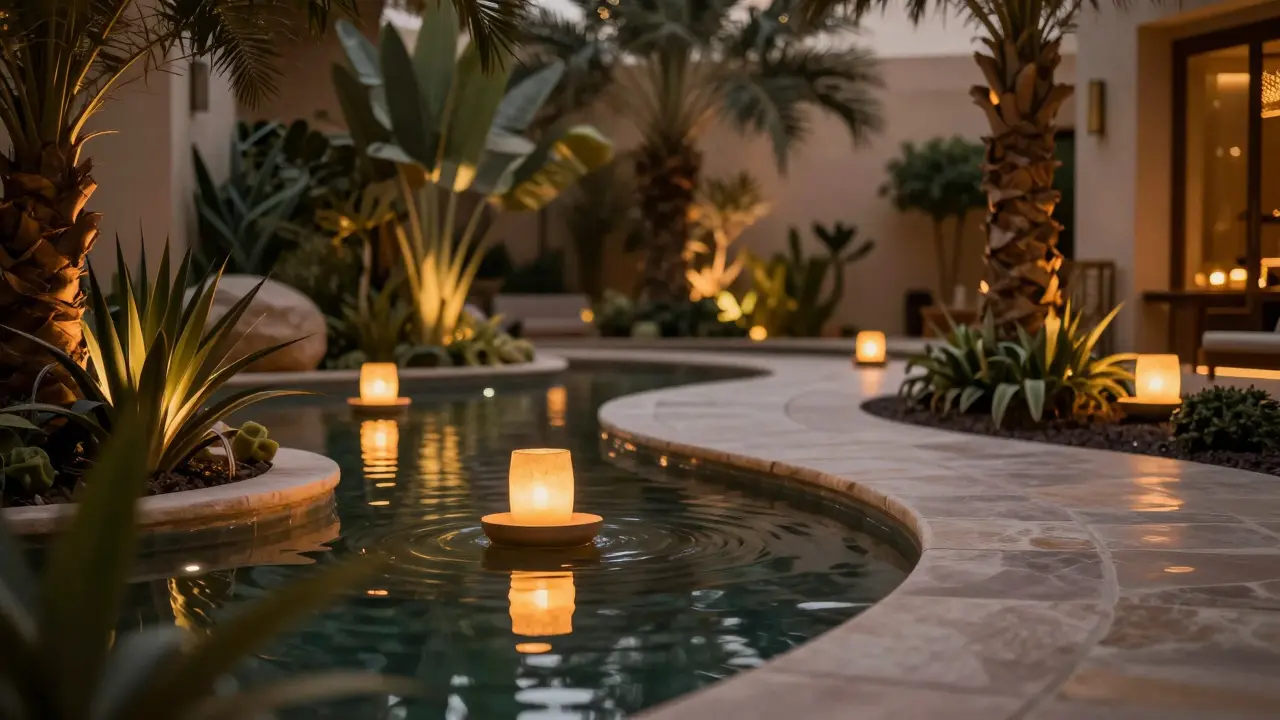
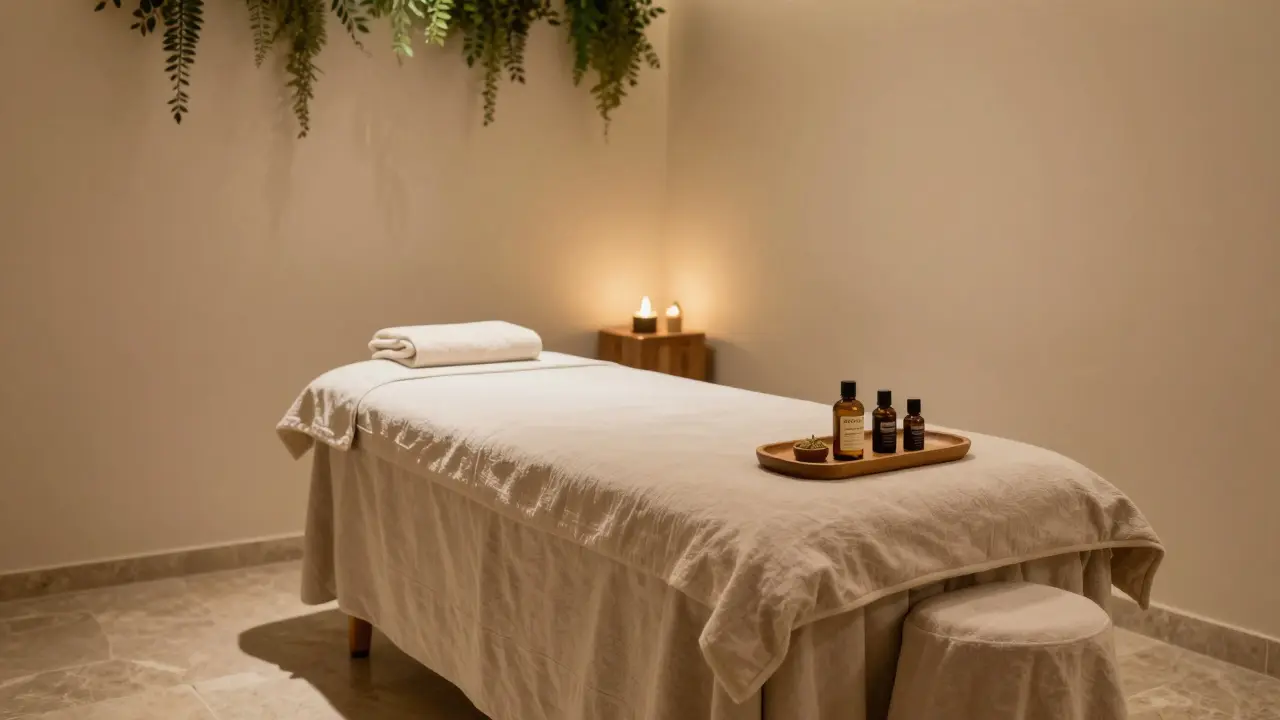
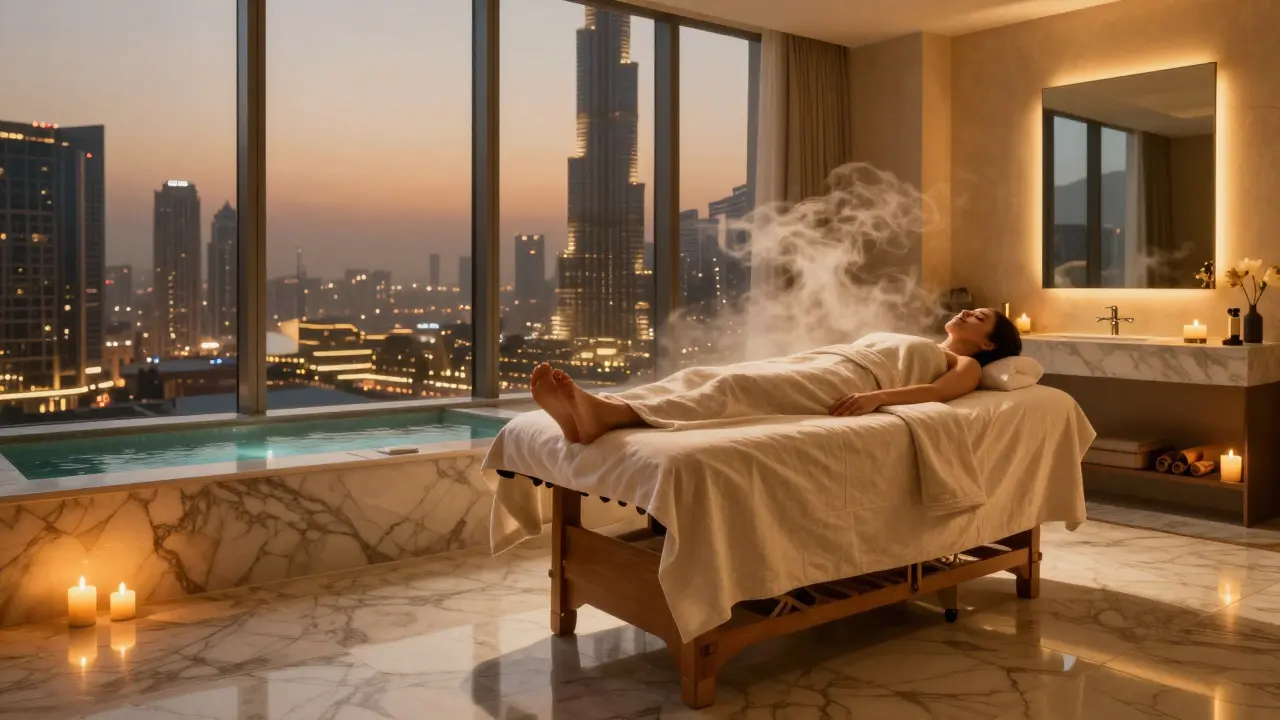
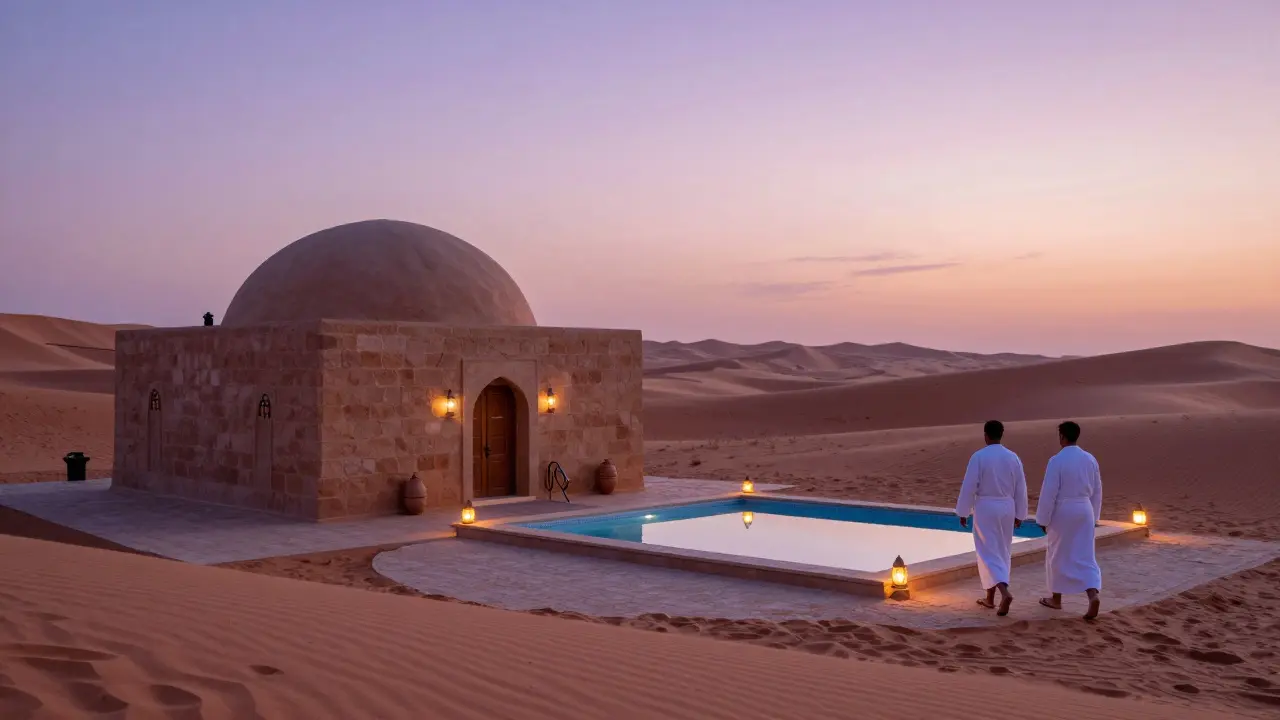
Dubai spas are designed to feel like another world. Marble floors, water features, candlelight, and silence. Many are tucked inside luxury hotels like the Burj Al Arab or standalone retreats like Al Maha’s desert spa. You’ll usually be given a robe, slippers, and a herbal tea before your treatment. The air smells like rose, amber, or sandalwood. No phones. No noise. Just you and the rhythm of your breath.
Key Processes or Steps
Most spa visits follow a simple flow: arrival → consultation → treatment → relaxation → refreshment. The consultation is key. Tell your therapist if you’re sore, sensitive, or stressed. A good therapist will adjust pressure, temperature, and technique on the spot. Treatments can range from 60 to 120 minutes. Afterward, you’ll be guided to a quiet room to sip tea and let the calm sink in.
Customization Options
Spa isn’t one-size-fits-all. In Dubai, you can choose from:
- Arabic hammam with black soap scrub
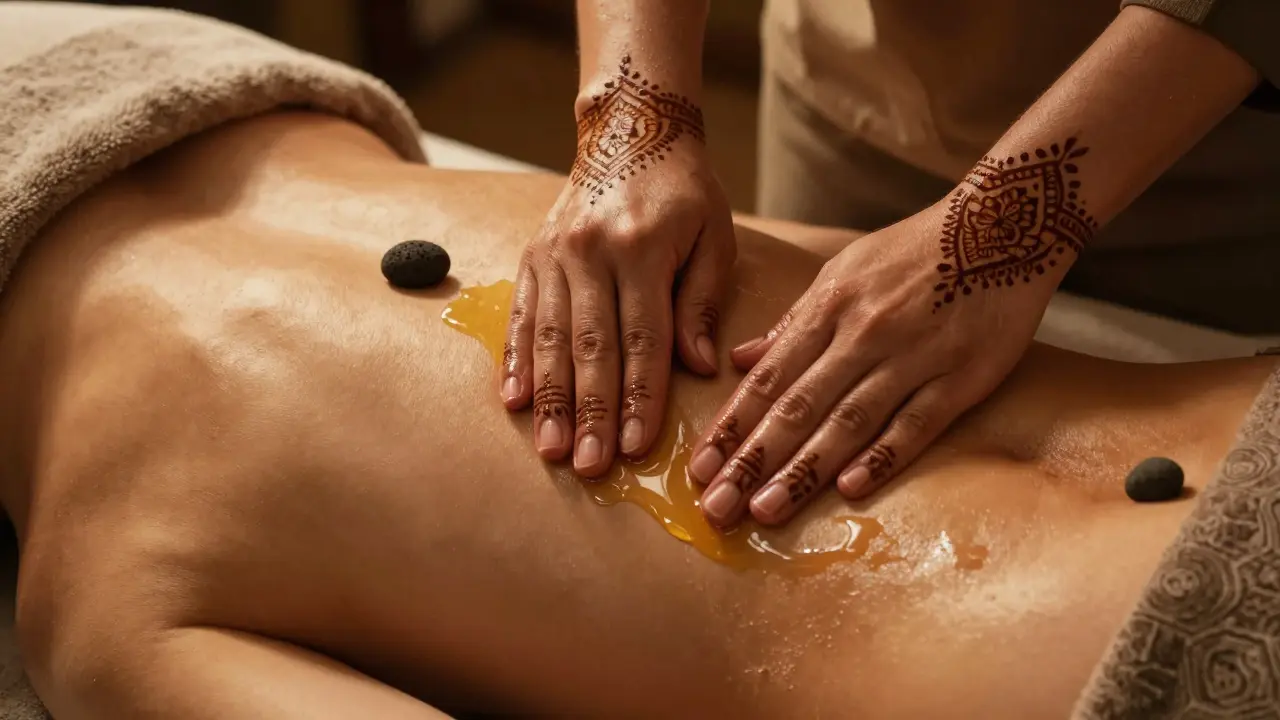
- Hot stone therapy with volcanic rocks
- Cryotherapy for inflammation
- Sound bath with Tibetan bowls
- Float therapy in saltwater pods
Some spas even let you pick your scent, music, and therapist gender. It’s your experience-you design it.
Communication and Preparation
Don’t be shy. If you’re uncomfortable with a technique, say so. If you’re cold, ask for another blanket. Most therapists are trained to read body language, but they can’t read your mind. Arrive 15 minutes early. Skip heavy meals. Drink water. And leave your worries at the door.
How to Practice or Apply Spa
Setting Up for Success
If you can’t get to Dubai, bring the spa home. Dim the lights. Light a candle. Play nature sounds. Use a heated towel warmer if you have one. Even a 20-minute foot soak with Epsom salts and lavender oil can mimic the calming effects of a professional treatment.
Choosing the Right Tools/Resources
For professional treatments, look for spas with certified therapists. In Dubai, many are trained in Europe or Asia and hold international certifications. Check reviews for mentions of cleanliness, professionalism, and customization. Avoid places that push packages-you should feel in control, not pressured.
Step-by-Step Guide
Here’s how to make the most of your first spa day:
- Book a 90-minute massage or body treatment
- Arrive 20 minutes early to change and relax
- Tell your therapist your goals: "I need to release tension in my shoulders"
- Let yourself drift during the treatment
- Stay hydrated and rest for 30 minutes after
- Repeat monthly
Tips for Beginners or Couples
First-timers often worry they’ll fall asleep or be awkward. You won’t. Most people do. It’s normal. If you’re going with a partner, choose side-by-side treatments. You’ll still get quiet time, but you’ll share the calm. Some spas even offer couples’ rituals with shared steam rooms and synchronized massages.
Safety and Ethical Considerations
Choosing Qualified Practitioners/Resources
In Dubai, spa professionals must be licensed by the Dubai Health Authority. Look for therapists with certifications in massage therapy, aromatherapy, or reflexology. Ask to see their credentials. Reputable spas display them proudly.
Safety Practices
Hygiene is non-negotiable. Here’s what to watch for:
| Practice | Purpose | Example |
|---|---|---|
| Disposable linens | Prevent cross-contamination | New sheets for every guest |
| Sanitized tools | Reduce infection risk | Steam-cleaned stones, sterilized rollers |
| Pre-treatment consultation | Identify contraindications | Asking about pregnancy, skin conditions |
Setting Boundaries
You own your body. If a therapist touches you in a way that feels wrong, say "stop." No apology needed. Good spas train staff to respect boundaries without judgment.
Contraindications or Risks
Spa isn’t for everyone. Avoid heat therapies if you’re pregnant, have high blood pressure, or have open wounds. Cryotherapy isn’t safe for people with Raynaud’s disease. Always disclose medical conditions. When in doubt, consult your doctor.
Enhancing Your Experience with Spa
Adding Complementary Practices
Pair your spa day with mindfulness. Try 5 minutes of deep breathing before your massage. Or journal for 10 minutes after. You’ll notice the calm lasts longer. Some Dubai spas offer guided meditation or breathwork sessions as add-ons.
Collaborative or Solo Engagement
Spa is deeply personal. But sharing it with someone you trust can deepen the experience. Couples’ rituals, silent walks after treatment, or even just sitting together in the relaxation lounge-these moments build connection.
Using Tools or Props
At home, try a foam roller, heated eye mask, or essential oil diffuser. A warm bath with sea salt and eucalyptus can mimic a spa treatment. You don’t need expensive gear-just intention.
Regular Engagement for Benefits
One spa day won’t change your life. But one a month? That’s a habit. People who visit spas regularly report better sleep, less anxiety, and even improved relationships. It’s not indulgence-it’s maintenance.
Finding Resources or Experts for Spa
Researching Qualified Experts/Resources
In Dubai, check the Dubai Health Authority’s website for licensed wellness centers. Read reviews on Google and TripAdvisor-not just the star ratings, but the comments. Look for mentions of cleanliness, therapist skill, and customization.
Online Guides and Communities
Follow wellness blogs like The Spa Insider or Dubai Wellness Guide. Join Facebook groups for expats in Dubai who share spa recommendations. Real people give real tips.
Legal or Cultural Considerations
Dubai respects cultural norms. Most spas are gender-segregated or offer private rooms. Modest clothing is expected in shared areas. Don’t assume all treatments are available to everyone-some rituals are reserved for specific guests. Always ask.
Resources for Continued Learning
Books like "The Art of Spa" by Lorraine Dusky or "Spa Therapy: A Complete Guide" by Patricia Davis offer deep dives into techniques and history. YouTube channels like "Spa Secrets" show real treatments without the hype.
FAQ: Common Questions About Spa
What to expect from a spa visit?
You’ll be greeted calmly, given a robe, and asked about your goals. The therapist will explain the treatment and check your comfort level. During the session, you’ll be covered at all times. Afterward, you’ll rest quietly with tea. Most people feel deeply relaxed, sometimes even sleepy. It’s normal. The goal isn’t to be entertained-it’s to be restored.
What happens during a massage?
Your therapist will use oil or lotion and apply pressure to muscles, joints, and pressure points. They’ll adjust based on your feedback-light, medium, or deep. You might feel warmth from heated stones or coolness from a gel. Breathing is key: slow, deep breaths help your body release tension. You’re not expected to talk. Silence is part of the treatment.
How does Dubai spa differ from other countries?
Dubai blends ancient traditions with futuristic tech. You might get an Arabic hammam followed by a cryotherapy session. The service is hyper-personalized-therapists remember your name, your preferences, even your favorite tea. Unlike in Europe or Asia, where spas are often quiet and reserved, Dubai spas are luxurious, vibrant, and designed to impress. It’s not just healing-it’s an experience.
What is the best time to visit a spa in Dubai?
Early morning or late evening is ideal. Weekdays are quieter, and you’ll get more attention from staff. Avoid weekends if you want peace. Many spas offer sunset packages-think candlelit massages with views of the Burj Khalifa. If you’re visiting from another time zone, book your spa day after you’ve adjusted to local time. Jet lag? A spa is your best cure.
Is spa suitable for beginners?
Absolutely. Most spas in Dubai cater to first-timers. Start with a 60-minute massage-it’s gentle and straightforward. Tell your therapist you’ve never been before. They’ll guide you through every step. No pressure, no expectations. Many people leave their first spa session saying, "I didn’t know I needed this."
Conclusion: Why Spa Is Worth Exploring
A Path to Calm
There’s no single "best" country for spa. But if you want luxury, innovation, and cultural depth all in one place, Dubai delivers. It’s not about the price tag-it’s about the peace you walk away with.
Try It Mindfully
Book that session. Say yes to the quiet. Let yourself be held-by the hands of a therapist, by the warmth of the room, by the stillness you’ve been avoiding.
Share Your Journey
Tried a spa in Dubai? Share your story in the comments. Follow this blog for more wellness tips from the heart of the desert.
Some links may be affiliate links, but all recommendations are based on research and quality.
Word count: 1,728
Suggested Images
- A serene spa suite in Dubai with marble floors, candlelight, and a person lying on a massage table with soft lighting
- Close-up of hands applying warm oil during a traditional Arabic massage
- View of a desert spa at sunset with a hammam dome in the background
- Guests relaxing in a shared lounge with herbal tea and water features
- A couple side-by-side in a couples’ massage room, both covered in towels, eyes closed
Suggested Tables
- Comparison of Spa vs. Wellness Retreat vs. Medical Tourism
- Key Benefits of Spa (Benefit, Description, Impact)
- Spa Safety Checklist (Practice, Purpose, Example)