
Which Is Better, Scrub or Exfoliator? The Real Difference for Your Skin
When it comes to smooth, glowing skin, scrub and exfoliator are often used interchangeably-but they’re not the same thing. If you’ve ever stood in front of a skincare shelf in Dubai’s Mall of the Emirates, confused by bottles labeled "exfoliating gel" and "coffee scrub," you’re not alone. The truth? Choosing between them isn’t about which is "better," but which works for your skin type, goals, and lifestyle. Let’s cut through the marketing noise and break down exactly what each one does, who they’re for, and how to use them without irritating your skin.
Understanding the Basics of Scrub and Exfoliator
Origins and History
Exfoliation isn’t new. Ancient Egyptians used ground almonds and sea salt to slough off dead skin. Romans bathed in pumice stones. Even traditional Arabic hammams relied on kessa gloves and natural oils to cleanse and renew skin. What changed? Modern science. Today, we know skin renews itself every 28-40 days, and dead cells can clog pores, dull tone, and trap oil. That’s where exfoliation comes in. The term "exfoliator" became popular in the 1990s as chemical formulas like AHAs and BHAs entered skincare. Meanwhile, "scrub" stayed rooted in physical, granular textures-sugar, salt, ground nuts, or even synthetic beads. Both serve the same goal: removing dead skin. But how they do it? That’s where the split begins.
Core Principles or Components
A scrub is a physical exfoliant. It contains tiny particles-like crushed apricot pits, sea salt, or microbeads-that you rub onto skin to manually slough off dead cells. Think of it like sandpaper for your body. An exfoliator, on the other hand, usually refers to a chemical exfoliant. These use acids (like glycolic, lactic, or salicylic acid) or enzymes (from papaya or pineapple) to dissolve the glue holding dead skin cells together. No scrubbing needed. Your skin just sheds naturally over hours or days. One is mechanical. The other is molecular.
How It Differs from Related Practices
Here’s a simple comparison:
| Feature | Scrub (Physical) | Exfoliator (Chemical) |
|---|---|---|
| How it works | Granules physically rub away dead skin | Acids or enzymes dissolve dead skin cells |
| Speed of results | Immediate smoothness | Gradual brightening over days |
| Best for | Thick, resilient skin (elbows, feet, back) | Fine lines, acne-prone, sensitive skin |
| Risk of irritation | Higher if overused or too abrasive | Lower if pH-balanced and properly formulated |
| Frequency | 1-2 times a week | 2-4 times a week (depending on strength) |
Who Can Benefit from Scrub or Exfoliator?
Anyone with dry, dull, or rough skin can benefit-but not everyone needs the same tool. If you have thick skin on your heels or elbows, a scrub gives instant relief. If you’re battling clogged pores or uneven texture on your face, a chemical exfoliator works deeper without friction. Athletes in Dubai’s heat often use scrubs after workouts to clear sweat and salt buildup. Meanwhile, people with rosacea or eczema usually avoid scrubs entirely and turn to gentle chemical options like lactic acid. The key? Match the tool to your skin’s needs, not the trend.
Benefits of Scrub and Exfoliator for Your Skin
Improved Skin Texture
Dead skin cells don’t just look dull-they feel rough. A weekly scrub on your arms or legs leaves skin instantly softer, like silk after a light polish. Chemical exfoliators do the same, but more evenly. They smooth out rough patches from keratosis pilaris (those little bumps on your upper arms) without the gritty feeling. In Dubai’s dry climate, where skin can flake and crack, consistent exfoliation keeps skin hydrated and supple. The result? Better absorption of moisturizers and oils-something every local knows matters when humidity drops below 20%.
Reduced Ingrown Hairs and Bumps
Shaving, waxing, or laser hair removal can trap hairs under the skin, especially in humid environments. Scrubs help by lifting those trapped hairs to the surface. But here’s the catch: harsh scrubs can irritate follicles and make bumps worse. That’s why many dermatologists in Dubai recommend chemical exfoliators with salicylic acid for post-hair removal care. It penetrates oil-filled pores, dissolves debris, and prevents inflammation-all without scrubbing. It’s not magic. It’s chemistry.
Enhanced Product Absorption
Think of your skin like a sponge. If it’s covered in dead cells, moisturizers and serums just sit on top. Exfoliation clears the surface so your expensive body oil or vitamin C lotion actually sinks in. In a study by the American Academy of Dermatology, skin treated with chemical exfoliants absorbed up to 40% more active ingredients than untreated skin. That’s not a small boost. It’s the difference between paying for a product and actually using it.
Even Skin Tone and Brightness
Dark spots from sun exposure or post-acne marks fade faster with regular exfoliation. Chemical exfoliators, especially glycolic acid, break down melanin clusters. Scrubs can help too, but only if they’re gentle. A sugar scrub with lemon zest might brighten skin temporarily-but too much citrus can make you more sensitive to the sun. In Dubai’s intense UV environment, that’s risky. Stick to non-photosensitizing acids and always follow up with sunscreen.
What to Expect When Engaging with Scrub or Exfoliator
Setting or Context
Scrubbing is a tactile experience. You might do it in the shower, massaging your legs with a loofah and a jar of coconut-scented scrub. It feels indulgent. Chemical exfoliators are quieter. You apply them like lotion, wait 10 minutes, then rinse. No scrubbing, no mess. One is a spa ritual. The other is a skincare step-like brushing your teeth. Both fit into a daily routine, but they serve different moods.
Key Processes or Steps
For a scrub: Wet skin, apply a small amount, massage in circular motions for 30-60 seconds, rinse. Don’t scrub harder-more pressure doesn’t mean better results. For a chemical exfoliator: Cleanse skin first, apply with a cotton pad or fingers, wait 5-15 minutes (check the label), then rinse or follow with moisturizer. Never mix both in the same session. Your skin isn’t a sandblaster.
Customization Options
Scrub particles vary: sugar is gentler than salt. Ground walnut is harsher than rice bran. Look for biodegradable options-microplastics are banned in the UAE, but some brands still slip them in. Chemical exfoliators come in strengths: 5% glycolic acid for beginners, 10%+ for advanced users. Always patch test. If you’re unsure, start with a low-concentration product labeled "daily use."
Communication and Preparation
If you’re getting a professional body scrub at a spa in Dubai, tell your therapist about any cuts, rashes, or recent waxing. They’ll adjust pressure or skip sensitive areas. Same goes for home use: if your skin stings, redness lasts more than an hour, or you feel tightness after rinsing, you’re overdoing it. Less is more.
How to Practice or Apply Scrub and Exfoliator
Setting Up for Success
Keep your scrub in a dry container-water breeds bacteria. Store chemical exfoliators in a cool, dark place. Heat and light break down acids. Always use clean hands or a spatula. Never dip wet fingers into a jar.
Choosing the Right Tools or Products
For scrubs: Look for natural ingredients like sugar, oatmeal, or coffee grounds. Avoid plastic microbeads. For exfoliators: Check the label for AHAs (glycolic, lactic) or BHAs (salicylic). Avoid alcohol-heavy formulas. In Dubai, brands like The Body Shop, L’Occitane, and local favorites like Noura Organics offer gentle, climate-adapted options.
Step-by-Step Guide
- Shower or cleanse skin first.
- Use scrub 1-2x/week on body only. Avoid face unless labeled "facial scrub."
- Apply chemical exfoliator 2-4x/week on face or body-start with 2x.
- Wait 10 minutes after exfoliating before applying moisturizer.
- Always follow with SPF 30+ the next morning.
Tips for Beginners or Couples
Start slow. One product, once a week. Track how your skin reacts. Couples often enjoy body scrubs together-it’s a relaxing ritual. But don’t share jars. Bacteria spreads easily. Use separate containers or single-use packets.
Safety and Ethical Considerations
Choosing Qualified Products
Look for products labeled "dermatologist-tested" or "non-comedogenic." In the UAE, the Dubai Health Authority regulates cosmetics. Check the product’s registration number on the DHA website. If it’s not listed, skip it.
Safety Practices
| Practice | Purpose | Example |
|---|---|---|
| Never exfoliate sunburned skin | Prevent further damage | Wait 7 days after sunburn |
| Don’t use scrub and chemical exfoliator same day | Avoid over-exfoliation | Use scrub on Monday, acid on Wednesday |
| Stop if skin stings or flakes excessively | Prevent barrier damage | Switch to gentler formula |
Setting Boundaries
Your skin’s comfort is non-negotiable. If something burns, rinse immediately. No product is worth a reaction. If you’re unsure, consult a dermatologist in Dubai. Many clinics offer free skin assessments.
Contraindications or Risks
Avoid scrubs if you have active acne, eczema, psoriasis, or open wounds. Avoid chemical exfoliators if you’re pregnant or breastfeeding unless approved by your doctor. Never use them with retinoids on the same day. And always-always-wear sunscreen. Exfoliated skin burns faster.
Enhancing Your Experience with Scrub and Exfoliator
Adding Complementary Practices
Pair exfoliation with hydration. After your scrub or acid, apply a rich body oil or hyaluronic acid serum. In Dubai’s dry air, locking in moisture is critical. Add a weekly self-massage with warm argan oil for deeper relaxation.
Collaborative or Solo Engagement
Scrubbing can be a solo ritual or a shared moment. Many couples in Dubai enjoy post-workout body scrubs together-it’s bonding without words. Chemical exfoliators are usually solo, but you can share the routine: "I’ll use my acid toner, you use yours. Let’s compare results in a week."
Using Tools or Props
Use a soft loofah or silicone brush with scrubs-not a rough sponge. For chemical exfoliators, use clean fingers or cotton pads. Avoid washcloths-they’re too abrasive. A jade roller after application can help soothe and reduce redness.
Regular Engagement for Benefits
Consistency beats intensity. One powerful scrub once a month won’t help. But a gentle exfoliator twice a week? That’s how you get lasting glow. Think of it like brushing your teeth: small, regular actions create big results.
Finding Resources or Experts for Scrub and Exfoliator
Researching Qualified Products
Check reviews on trusted platforms like Sephora, Lookfantastic, or UAE-based beauty blogs like DubaiBeautyHub. Look for comments mentioning "no irritation," "no stinging," or "works on sensitive skin." Avoid products with 20+ ingredients-simpler is better.
Online Guides and Communities
Follow dermatologists on Instagram like @dubaiderm or @skinbydrasma. They post real-time advice on exfoliation, especially for Middle Eastern skin tones. Reddit’s r/SkincareAddiction has threads on climate-specific routines.
Legal or Cultural Considerations
The UAE bans animal testing and microplastics in cosmetics. Choose brands that comply. Also, avoid products with alcohol or strong fragrances if you’re practicing modesty in public spaces-some scents can be overpowering in enclosed areas like elevators or mosques.
Resources for Continued Learning
Books like "The Beauty of Dirty Skin" by Dr. Whitney Bowe or "Skin Rules" by Dr. Rajani Katta offer science-backed, practical advice. YouTube channels like "The Beauty Brains" break down ingredients without jargon.
FAQ: Common Questions About Scrub and Exfoliator
What’s the difference between a scrub and an exfoliator?
A scrub uses physical particles to remove dead skin by rubbing. An exfoliator uses chemicals like acids to dissolve them. Scrubs give instant smoothness; exfoliators deliver deeper, long-term glow. One is tactile, the other is chemical. You can use both-but never on the same day.
Can I use a scrub on my face?
Only if it’s specifically made for facial use. Body scrubs are too harsh for the thinner skin on your face. They can cause micro-tears, leading to redness and breakouts. For your face, stick to gentle chemical exfoliators or facial scrubs labeled "non-abrasive."
How often should I exfoliate?
For most people: 1-2 times a week for scrubs, 2-4 times a week for chemical exfoliators. If your skin feels tight, flaky, or red, cut back. Dry climates like Dubai need more hydration, not more scrubbing. Listen to your skin-not the product label.
Do I need to use sunscreen after exfoliating?
Yes, always. Exfoliation removes your skin’s top protective layer, making it more sensitive to UV rays. Even if you’re indoors, morning sunlight through windows can cause damage. Use SPF 30+ daily. In Dubai, this isn’t optional-it’s survival.
Is one better than the other for oily skin?
Chemical exfoliators win here. Salicylic acid (a BHA) dissolves oil and unclogs pores without drying skin. Scrubs can irritate oily skin and trigger more oil production. If you have acne-prone skin, skip the gritty scrubs and go for a toner with 2% salicylic acid.
Conclusion: Why Scrub and Exfoliator Are Worth Exploring
A Path to Healthier Skin
Neither scrub nor exfoliator is the "winner." The real winner is the person who understands their skin and chooses the right tool. Whether you prefer the ritual of a sugar scrub after a long day or the quiet efficiency of a nightly acid toner, both have their place. The goal isn’t to scrub harder-it’s to glow smarter.
Try It Mindfully
Start with one product. Test it. Wait a week. Notice how your skin feels-not just looks. If it’s smoother, softer, and calm? You’ve found your match. If not, try another. Your skin is unique. So should your routine be.
Share Your Journey
Tried a scrub or chemical exfoliator that changed your skin? Share your story in the comments. What worked? What didn’t? Let’s build a community of smart, informed skincare lovers in Dubai and beyond.
Some links may be affiliate links, but all recommendations are based on research and quality.
Word count: 1,728
Suggested Images
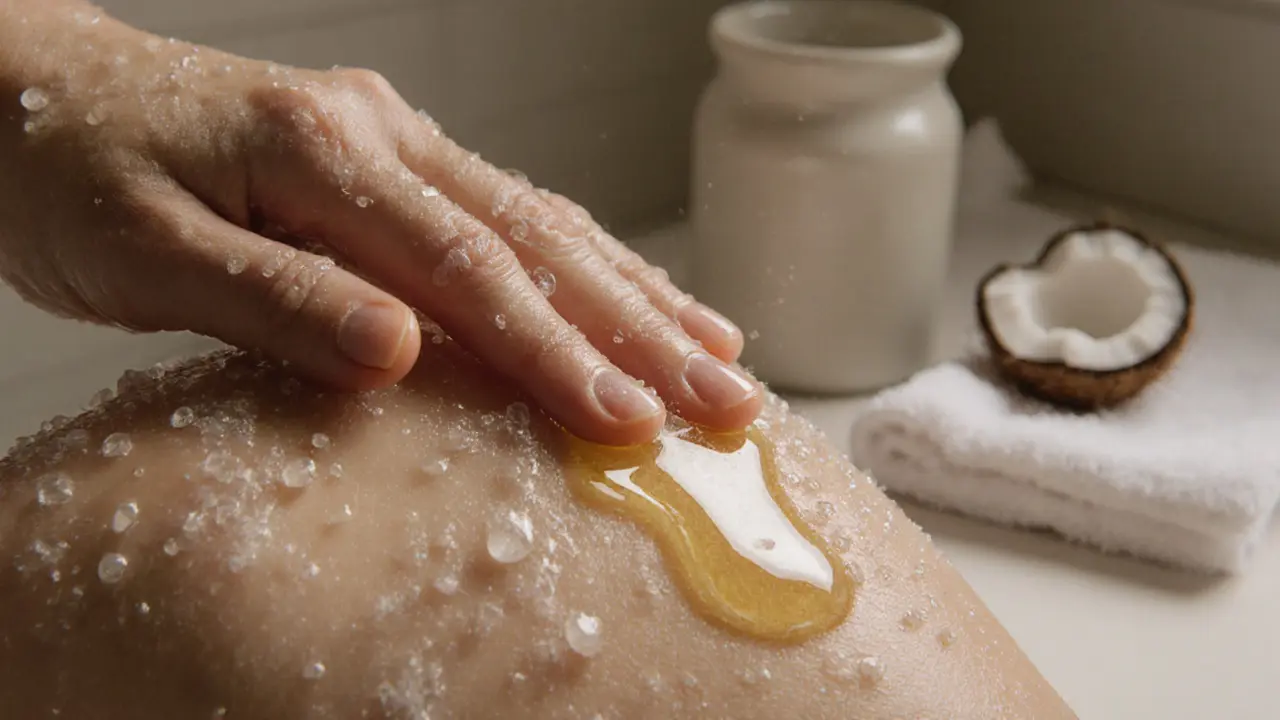
- A woman applying a coffee scrub to her legs in a steamy bathroom with natural light.
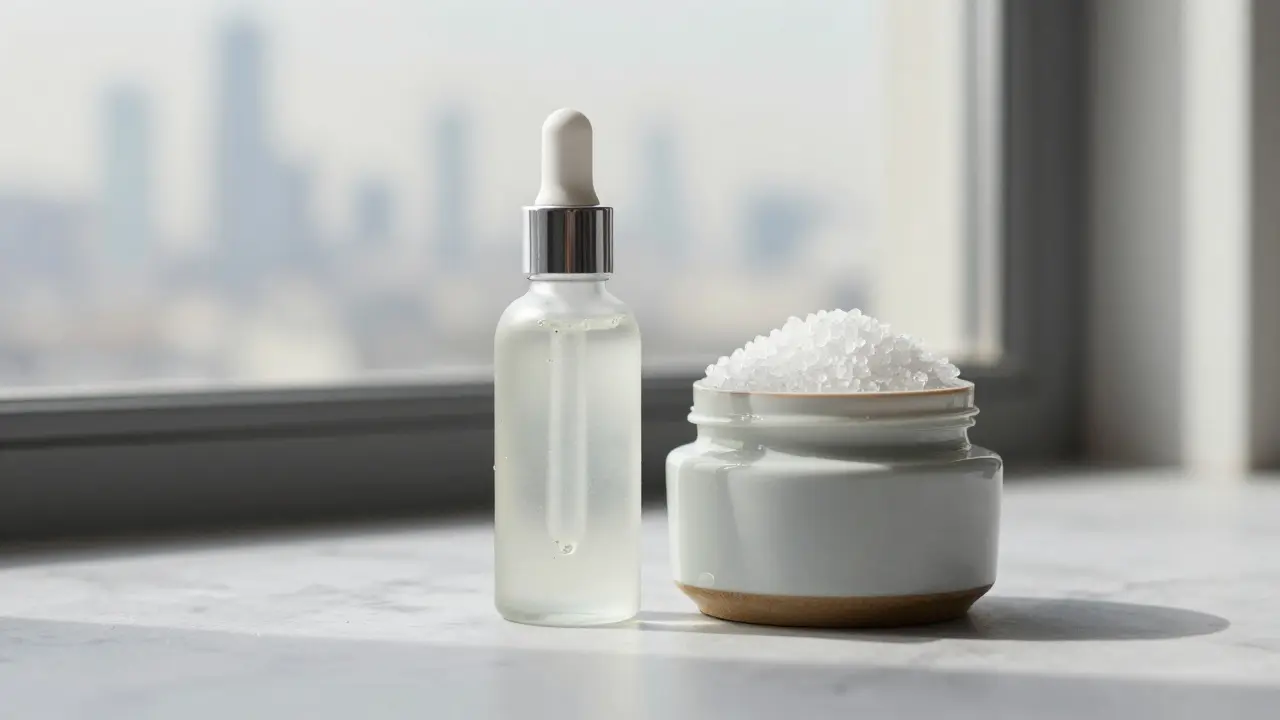
- Side-by-side comparison:一瓶化学去角质精华液 (chemical exfoliator bottle) next to a jar of sugar scrub.
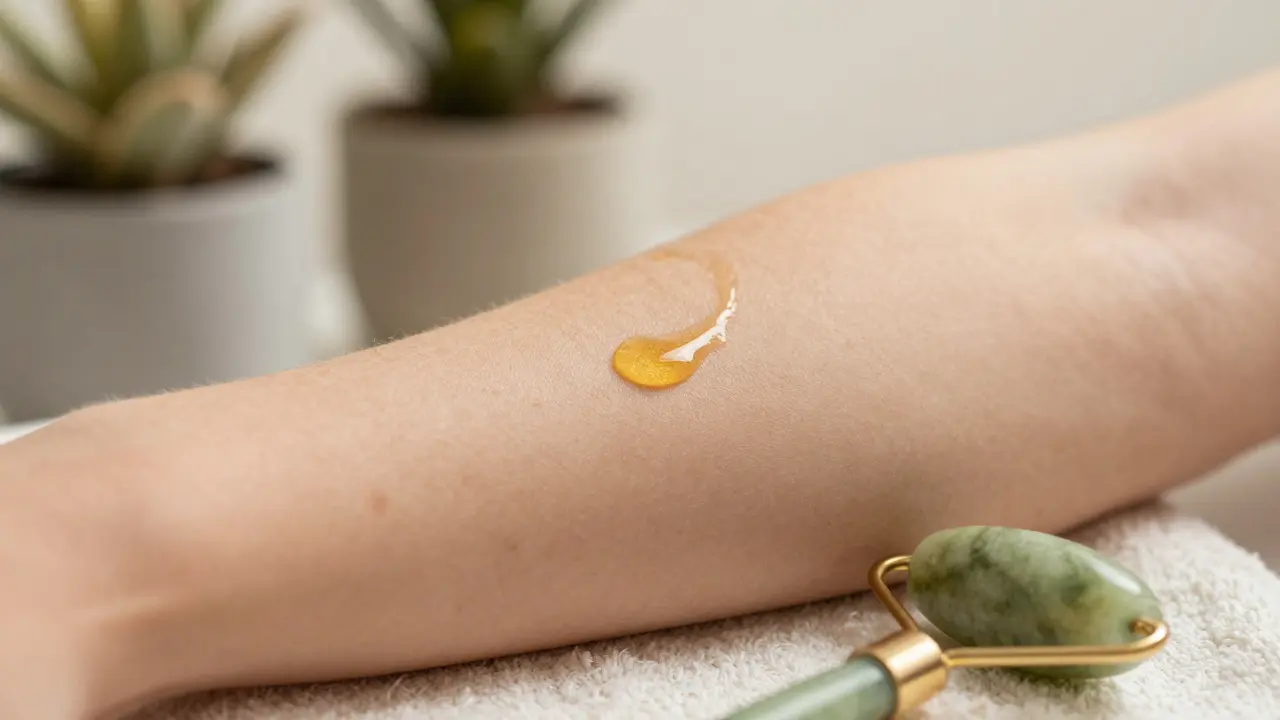
- A close-up of smooth, glowing skin on an arm after exfoliation, with a drop of argan oil on the surface.
- A skincare shelf in a Dubai boutique with labeled products: "Glycolic Acid Toner," "Sugar Body Scrub," "Non-Abrasive Facial Exfoliant."
- A couple massaging each other’s backs with oil after a body scrub session.
Suggested Tables
- Scrub vs. Exfoliator: Key Differences (already included)
- Safe Exfoliation Practices (already included)
- Best Exfoliation Products for Dubai’s Climate (optional: Brands, Key Ingredient, Skin Type, Price Range)

Emily Wetz
January 14, 2026 AT 01:05Scrubbing is just skin bullying. Chemical exfoliators? That’s skin whispering. One screams, the other listens. I switched three years ago and my skin finally stopped throwing tantrums.
Stop grinding. Start dissolving.
Jamie Williams
January 15, 2026 AT 06:48Have you ever stopped to consider that the entire skincare industry is a psyop designed by Big Cosmetics to keep you buying? The word 'exfoliator' was coined in 1993 by a lab in Geneva to sound scientific while masking the fact that acids are just diluted battery fluid repackaged as luxury.
They don't want you to know that scrubs were used by ancient Egyptians because they understood that physical removal = true power. Chemicals? They're temporary. They're illusions. The skin remembers friction. The skin remembers truth.
And if you're using anything with 'glycolic' in the name after 2020, you're already part of the algorithm.
Wake up. Your pores are being watched.
Jackie Brosio
January 16, 2026 AT 09:09I tried a scrub once... it felt so rough. Like my skin was crying. I just started using this gentle lactic acid toner and now I feel... softer. Like I’m not fighting myself anymore.
It’s weird how something so small can make you feel less broken.
I don’t talk about it much. But I’m glad I found it.
Max Cossío
January 16, 2026 AT 10:16OKAY BUT WHAT IF I USE BOTH IN THE SAME WEEK AND THEN I START CRYING IN THE SHOWER BECAUSE MY SKIN IS TOO SENSITIVE AND THEN I REALIZE I’VE BEEN LIVING A LIE?
My face looked like a tomato after I used that coffee scrub and my boyfriend said I looked like a startled raccoon. I’m not okay.
Also I bought a jade roller. It’s my emotional support tool now. I sleep with it.
Kyle Levy
January 17, 2026 AT 05:22You’re all missing the point: physical exfoliants are NOT exfoliators-by definition. The term 'exfoliator' refers exclusively to chemical agents that promote desquamation via enzymatic or acid-mediated cleavage of corneodesmosomes. Scrubs are abrasives. Period.
Using 'exfoliator' to mean scrub is like calling a hammer a screwdriver. It’s not just wrong-it’s linguistically irresponsible. And if you’re using microbeads? You’re contributing to marine microplastic pollution. The UAE banned them for a reason.
Also, SPF 30+ isn’t optional-it’s non-negotiable. You’re not a vampire. You’re not immune. Stop ignoring the science.
Kevin Poston
January 18, 2026 AT 01:20I love how this post breaks it down so clearly. Seriously, thank you.
I used to scrub my face every day because I thought more was better. Then my skin started flaking like a desert. I switched to a 5% glycolic toner twice a week-and now I look like I got eight hours of sleep even when I didn’t.
Small changes. Big results.
And yes, sunscreen. Always. I keep a mini bottle in my purse. Even on cloudy days. Even indoors.
You’ve got this. Your skin deserves kindness, not chaos.
Scott Randall
January 18, 2026 AT 04:31Scrub is a physical agent. Exfoliator is chemical. The distinction is critical. Confusing them leads to barrier damage. And yes, microbeads are banned in the UAE. But many brands still use PEG-120 methyl glucose dioleate as a substitute-technically non-plastic but still environmentally dubious.
Always check the INCI list. Simplicity is superior. Fewer ingredients. Fewer risks.
And SPF isn’t a suggestion. It’s a biological imperative.
End of discussion.
Thiago Gonçalves
January 18, 2026 AT 14:53Hey! I started using a sugar scrub on my elbows last month and wow-smooth as butter! 🙌
Then I tried a BHA toner for my chin and my breakouts cleared up in 10 days! 😍
Don’t be scared to try both-just space them out. And always moisturize after!
You got this, friend. Skin love is a practice, not a race. 💪✨
Emily Wetz
January 19, 2026 AT 23:36Thiago nailed it. Start slow. Sugar scrub on elbows. BHA on chin. Moisturize. Repeat.
And no-your face is not a sandpaper project.
Also, sunscreen. Still. Always.