Which part of the body is not commonly massaged? If you’ve ever had a massage in Dubai - whether at a luxury resort in Palm Jumeirah or a quiet wellness studio in Jumeirah - you’ve likely felt hands gliding over your back, shoulders, legs, and feet. But there’s one area most therapists avoid, even when you’re fully relaxed and draped in warmth. And it’s not because it’s taboo. It’s because it’s rarely needed.
Understanding the Basics of Uncommon Massage Areas
Origins and History
Massage has been practiced for thousands of years across cultures - from ancient China to Ayurvedic traditions in India, and later refined in Europe and the Middle East. In Dubai, where wellness blends Eastern techniques with Western luxury, therapists are trained to follow global standards. Most massage modalities - Swedish, deep tissue, Thai, and Shiatsu - focus on major muscle groups that carry daily tension: the neck, lower back, glutes, calves, and hands. But one area has always been left untouched: the abdomen.
Why? Not because it’s off-limits. In fact, traditional Chinese medicine and Ayurveda have long used abdominal work to improve digestion and energy flow. But in modern spa settings - especially in Dubai’s high-end resorts - therapists avoid it unless specifically requested. It’s not about ignorance; it’s about boundaries, comfort, and cultural norms.
Core Principles or Components
Massage therapy follows a simple rule: work where tension lives. The body’s most common stress zones are the upper trapezius (shoulders), lumbar spine, and plantar fascia (feet). These areas are dense with muscles, frequently overused, and respond quickly to pressure. The abdomen, however, is mostly soft tissue - fat, organs, and connective layers - not meant for deep manipulation. Applying pressure here without proper training can cause discomfort, bruising, or even internal strain.
Therapists in Dubai are trained to read body language. If a client tenses up when a hand nears the stomach, they immediately shift focus. Most people, even in a luxury spa, feel vulnerable when their midsection is touched. That’s why abdominal massage is rarely offered - not because it’s ineffective, but because it’s deeply personal.
How It Differs from Related Practices
Let’s compare common massage areas with the rarely touched one:
| Area | Commonly Massaged? | Primary Reason for Massage |
|---|---|---|
| Shoulders | Yes | Relieves tension from sitting, phone use, stress |
| Lower Back | Yes | Reduces strain from standing, driving, posture |
| Feet | Yes | Relaxes overworked muscles, improves circulation |
| Abdomen | Rarely | Requires specific training; not for general relaxation |
| Face | Sometimes | Used in facial reflexology or lymphatic drainage |
Who Can Benefit from Abdominal Massage?
While most spa clients skip it, some people benefit greatly from abdominal work - especially those with chronic bloating, constipation, or post-surgical recovery. In Dubai, integrative wellness centers sometimes offer it as a specialized add-on for women after childbirth or for clients with digestive disorders. These sessions are gentle, non-invasive, and always done with consent. But unless you’re seeking targeted relief, it’s not part of a standard massage.
Benefits of Massage for the Body
Stress Reduction
When your shoulders, neck, and back are massaged, your parasympathetic nervous system kicks in. Your heart rate slows, cortisol drops, and you feel that deep, slow exhale. This is why massage is so popular in Dubai - where stress levels are high from long work hours and desert heat. The body responds best to pressure on large muscle groups. The abdomen doesn’t trigger the same relaxation response in most people.
Enhanced Functionality
Massaging the legs and feet improves circulation, which helps reduce swelling and fatigue. Athletes and office workers in Dubai often get foot massages after long shifts. But the abdomen? It’s not a muscle. It doesn’t tire from walking or typing. Its function is internal - digestion, hormone regulation, immune support. These aren’t things you fix with kneading. They need diet, hydration, and sometimes medical care.
Emotional Well-Being
Touch is powerful. A shoulder rub can feel like a hug. But touching the stomach? For many, it’s intimate. In cultures where modesty is valued - including many in the UAE - even a spa therapist’s hand near the waistline can trigger discomfort. That’s why therapists are trained to read subtle cues. A slight shift in breathing, a flinch, a quiet pause - these tell more than words.
Practical Applications
Think of your body like a car. You service the engine, tires, and brakes - the parts that wear out. You don’t open the fuel tank every week to polish it. The abdomen is like the fuel tank: vital, but not meant for routine handling. Most people don’t need abdominal massage. They need better sleep, less sugar, more water. And that’s what Dubai’s best wellness experts focus on - not just the skin, but the whole system.
| Benefit | Description | Impact |
|---|---|---|
| Reduced Muscle Tension | Hands-on pressure loosens knots in shoulders and back | Less pain, better posture |
| Improved Circulation | Massage moves blood flow, especially in legs and feet | Faster recovery, less swelling |
| Stress Hormone Reduction | Touch triggers calming signals to the brain | Lower anxiety, better sleep |
| Enhanced Mobility | Loosening joints and connective tissue improves movement | Easier walking, bending, reaching |
What to Expect When Engaging with Massage in Dubai
Setting or Context
In Dubai, spas are designed for comfort. Soft lighting, warm oils, calming music. You’re draped in towels, with only the area being worked on exposed. Therapists are trained to respect privacy. If you’re lying face down, your abdomen stays covered. If you’re on your back, your shirt or towel stays in place unless you ask for more. There’s no pressure to go further than you’re comfortable with.
Key Processes or Steps
A standard 60-minute massage in Dubai follows this flow: start with the back, move to the legs, then feet, then arms and shoulders. The head and neck get attention last. The abdomen? It’s skipped unless you request it. Even then, it’s done with light, circular motions - never deep pressure. Most therapists won’t even mention it unless you bring it up.
Customization Options
Some high-end clinics in Dubai offer abdominal massage as a premium add-on - often paired with acupuncture or herbal wraps. These are clearly labeled as “specialized treatments” and require a consultation. You’ll be asked about medical history, recent surgeries, or digestive issues. It’s not a spa add-on. It’s a clinical service.
Communication and Preparation
Always speak up. If you’re curious about abdominal work, say so. A good therapist will explain the risks and benefits. If you feel uneasy, say that too. Your comfort is the priority. No one will judge you. In fact, many clients are surprised to learn it’s an option - and glad they asked.
How to Practice or Apply Massage
Setting Up for Success
If you’re thinking of trying abdominal massage at home, start simple. Use warm coconut oil, lie on your back, and use your fingertips in gentle clockwise circles. Do it for 5 minutes before bed. Don’t press hard. Don’t rush. Let your body lead. If you feel pain, stop. This isn’t a workout. It’s a whisper.
Choosing the Right Tools/Resources
For professional abdominal work, look for licensed therapists trained in visceral manipulation or Ayurvedic techniques. In Dubai, clinics like Al Noor Wellness and Spa Al Maha offer these as part of holistic packages. Always ask about their training. Don’t assume a spa therapist can do it. Most can’t - and shouldn’t.
Step-by-Step Guide
Here’s how to safely try it at home:
- Wash your hands and warm a few drops of oil between your palms.
- Lie flat on your back, knees bent, feet flat.
- Place your hands just below your belly button.
- Use light, circular motions - clockwise, like the hands of a clock.
- Do this for 3-5 minutes. Breathe slowly.
- Stop if you feel cramping, nausea, or sharp pain.
Tips for Beginners or Couples
If you’re doing this with a partner, keep it slow. Use soft touch. Talk through each step. This isn’t a romantic gesture - it’s a healing practice. And if either of you feels awkward, skip it. There’s no shame in that.
Safety and Ethical Considerations
Choosing Qualified Practitioners/Resources
Only trust therapists with certifications in abdominal work - not just general massage licenses. In Dubai, check if they’re trained in Ayurveda, Visceral Manipulation, or Traditional Chinese Medicine. Ask for proof. Reputable spas will show you their credentials.
Safety Practices
Here’s what to watch for:
| Practice | Purpose | Example |
|---|---|---|
| Always ask for consent | Respects personal boundaries | Therapist says, “Would you like abdominal work?” |
| Use light pressure | Prevents internal injury | Fingertips only - no knuckles or elbows |
| Never during pregnancy | Reduces risk of complications | Abdominal work is contraindicated in first trimester |
Setting Boundaries
You have the right to say no - even if you paid for a full-body massage. If you’re uncomfortable, say: “Please skip my stomach.” A professional will respect that. No apology needed.
Contraindications or Risks
Avoid abdominal massage if you have:
- Recent abdominal surgery (within 6 months)
- Appendicitis or hernia
- Pregnancy (especially first trimester)
- Severe digestive disorders like Crohn’s disease
- Unexplained abdominal pain
If in doubt, consult a doctor first. Dubai’s clinics are happy to refer you to a specialist.
Enhancing Your Experience with Massage
Adding Complementary Practices
Pair massage with hydration, deep breathing, or a warm herbal tea. In Dubai, many spas offer ginger or fennel tea after sessions - it supports digestion naturally. No need for abdominal massage if you’re already drinking enough water and eating fiber.
Collaborative or Solo Engagement
Most people prefer solo massage. But if you’re doing gentle abdominal work at home with a partner, make it quiet, slow, and respectful. It’s not about romance - it’s about care.
Using Tools or Props
Some people use jade rollers or warm compresses on the abdomen. These are safe if used gently. Avoid vibrating devices or deep pressure tools. Your organs aren’t meant to be massaged like a muscle.
Regular Engagement for Benefits
You don’t need weekly abdominal sessions. Once a month - if at all - is enough. The real benefit comes from daily habits: walking, drinking water, eating slowly, sleeping well. Massage is a luxury. These are essentials.

Finding Resources or Experts for Massage in Dubai
Researching Qualified Practitioners
Look for therapists with certifications from recognized bodies like the International Massage Association or Ayurveda Council of UAE. Read reviews. Ask for before-and-after testimonials. If a spa offers “abdominal detox” with no explanation - walk away.
Online Guides and Communities
Check out Dubai-based wellness blogs like Wellness in the UAE or forums on Reddit’s r/DubaiLifestyle. Real people share honest experiences. Avoid sites that promise miracles.
Legal or Cultural Considerations
In the UAE, modesty matters. Even in a spa, some clients prefer same-gender therapists for sensitive areas. Spas in Dubai are trained to accommodate this. Always state your preference when booking.
Resources for Continued Learning
Books like “The Art of Abdominal Massage” by Dr. L. Chen (2022) or videos from Yoga International offer safe, science-backed guidance. Stick to sources that emphasize gentle, informed practice.
FAQ: Common Questions About Massage in Dubai
Why isn’t the abdomen commonly massaged in Dubai spas?
The abdomen isn’t massaged in standard spa treatments because it’s not a muscle group that holds tension like the back or shoulders. It’s made of soft tissue and organs, and deep pressure can cause discomfort or injury. Most people also feel vulnerable when touched there, so therapists avoid it unless specifically requested. In Dubai, where cultural modesty is respected, it’s left out unless part of a specialized, consent-based therapy.
Can I request an abdominal massage at a spa in Dubai?
Yes - but it’s not standard. You’ll need to ask specifically, and the therapist will likely ask about your medical history first. Many luxury spas offer it as an add-on under terms like “digestive wellness” or “Ayurvedic core therapy.” It’s always done with light pressure, and only if you’re comfortable. Never feel pressured to agree.
Is abdominal massage safe during pregnancy?
No - abdominal massage is not recommended during pregnancy, especially in the first trimester. Even light pressure can stimulate uterine contractions. If you’re pregnant and want relief from bloating, focus on foot massages, hydration, and gentle stretching. Always consult your OB-GYN before trying any new bodywork.
What’s the difference between abdominal massage and a regular massage?
A regular massage targets muscles to release tension and improve circulation. Abdominal massage works on connective tissue around organs to aid digestion and reduce bloating. It’s not about relaxation - it’s about internal function. It requires special training and is never part of a standard 60-minute session. Most people don’t need it unless they have digestive issues.
Is abdominal massage better than drinking water for bloating?
No - drinking water is far more effective and safer. Bloating is usually caused by dehydration, poor digestion, or food intolerances. Massage might offer temporary relief, but it doesn’t fix the root cause. Water, fiber, and movement are your best tools. Abdominal massage is a bonus - not a solution.
Conclusion: Why This Matters
A Path to Better Wellness
Knowing which parts of the body aren’t commonly massaged isn’t about skipping something - it’s about understanding what truly helps. In Dubai, where wellness is a lifestyle, the best massages don’t try to fix everything. They focus on what matters: tension, circulation, and calm. The abdomen? Leave it alone unless you’re ready for a deeper, more personal journey.
Try It Mindfully
If you’re curious about abdominal work, start slow. Talk to a professional. Listen to your body. And if it doesn’t feel right - skip it. There’s no prize for doing more.
Share Your Journey
Tried abdominal massage in Dubai? Share your experience in the comments - or tell us what you’d like to see next. Follow for more honest tips on wellness in the UAE.
Some links may be affiliate links, but all recommendations are based on research and quality.
Word count: 1,687
Suggested Images
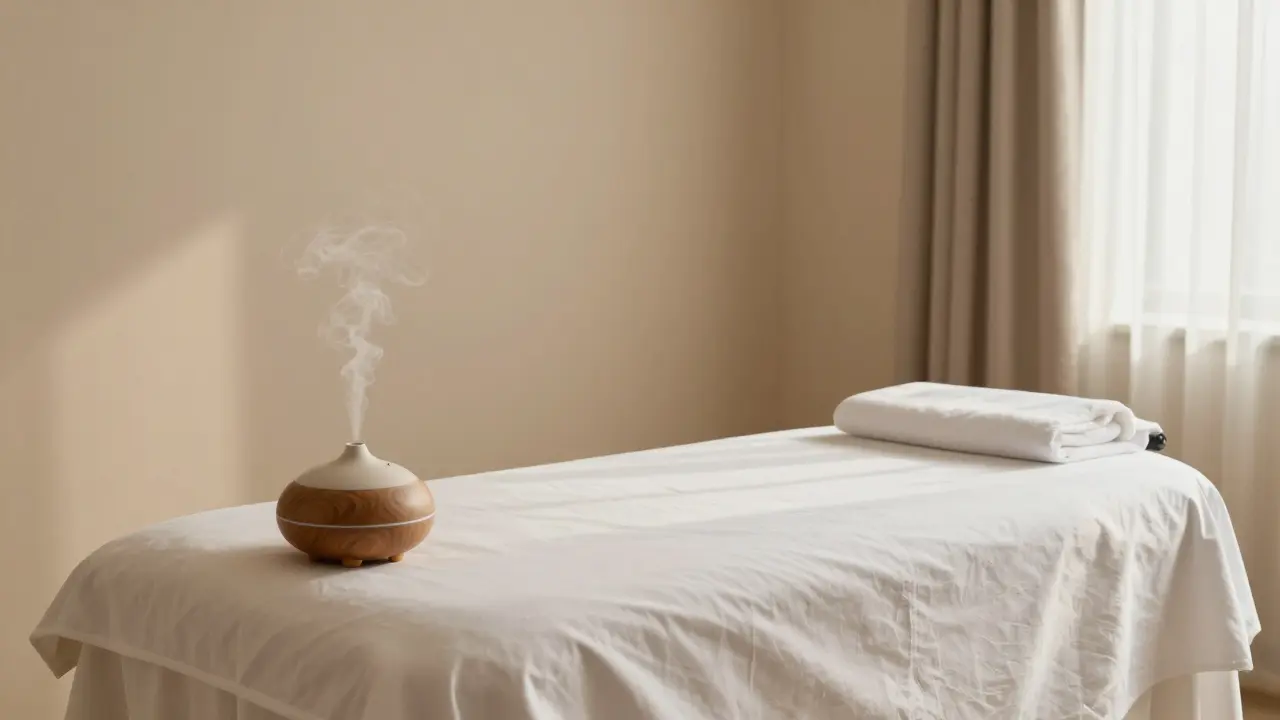
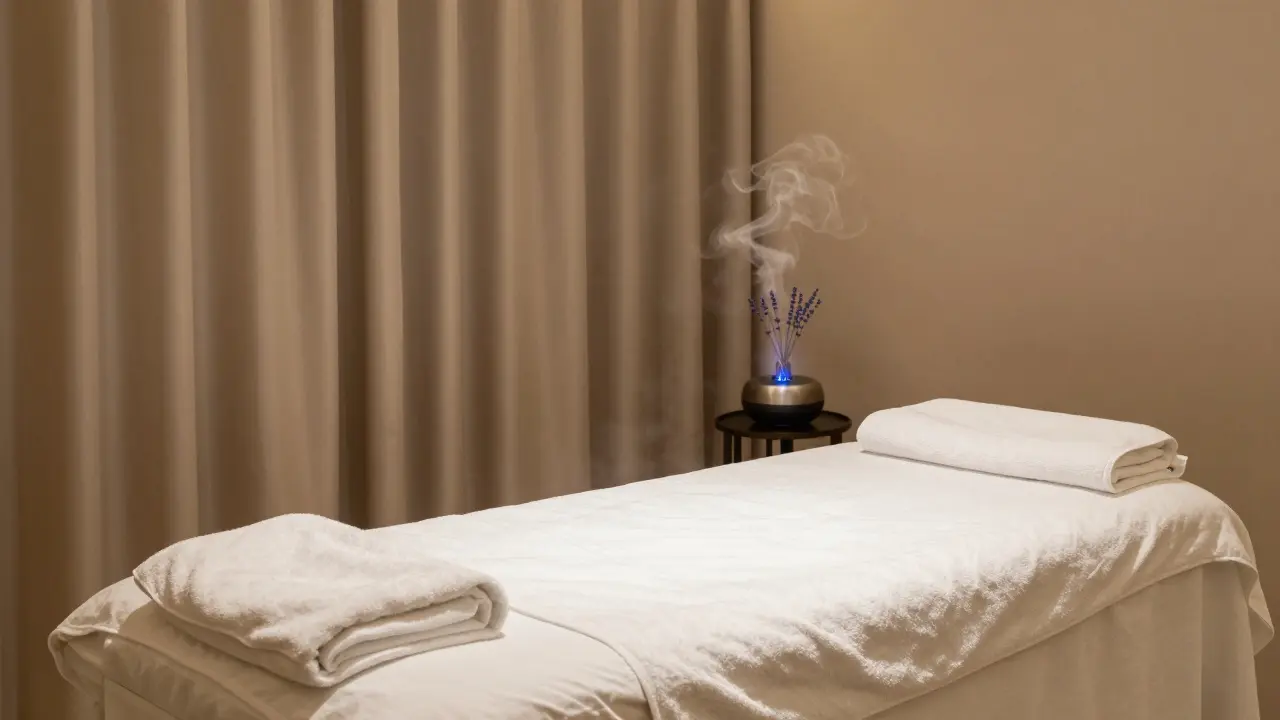
- A serene spa room in Dubai with a client lying on a massage table, towel covering the abdomen
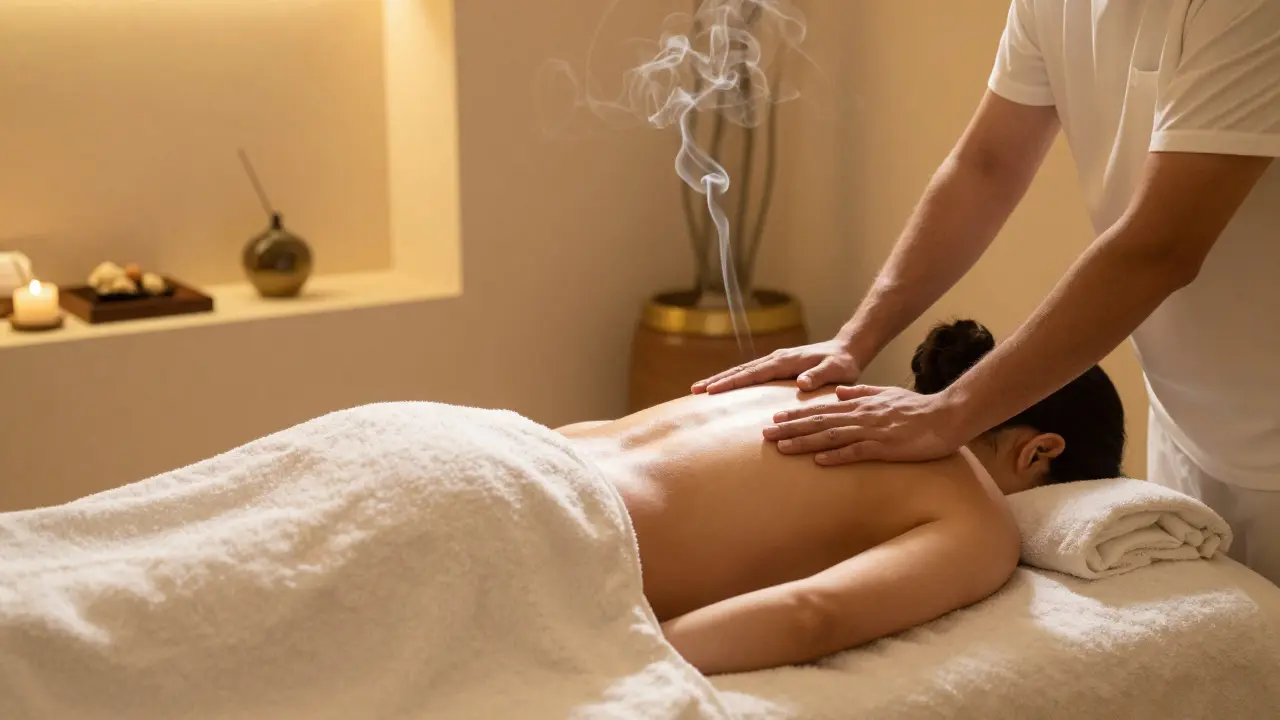
- A therapist’s hands gently massaging a client’s shoulders and back, with soft lighting
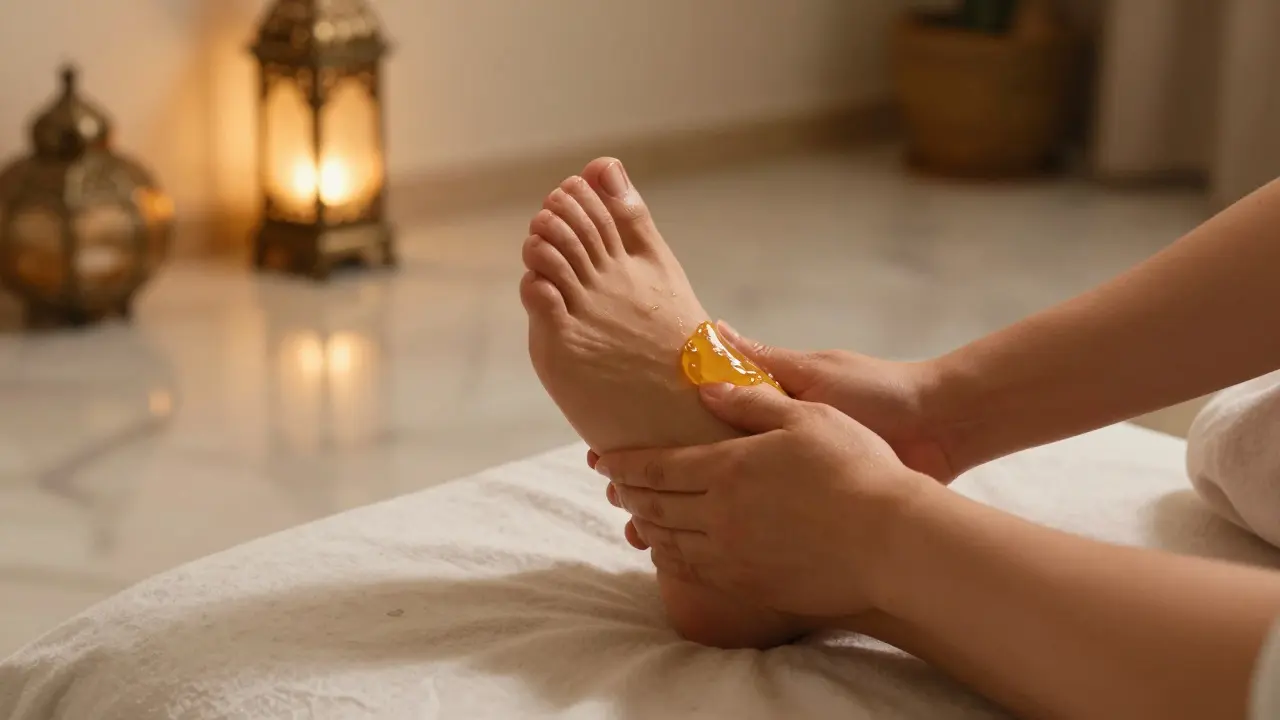
- A close-up of warm oil being applied to feet during a traditional massage
- A woman drinking herbal tea after a spa session, smiling peacefully
- A comparison graphic showing common massage areas (shoulders, back, legs) vs. the rarely touched abdomen
Suggested Tables
- Comparison of Common vs. Rarely Massaged Body Areas
- Key Benefits of Standard Massage Areas
- Safety Tips for Abdominal Massage