When you're considering a Thai massage in Dubai, one of the first questions that comes up is: Do I have to take off my clothes? It’s a natural concern - especially if you’ve never tried it before. The short answer? No, you don’t. But there’s more to it than just yes or no. Let’s clear up the confusion once and for all.
Understanding the Basics of Thai Massage
Origins and History
Thai massage isn’t just a spa treatment - it’s a 2,500-year-old healing tradition from Thailand, rooted in Ayurvedic medicine, yoga, and Buddhist spiritual practices. Unlike Swedish or deep tissue massage, it doesn’t rely on oils or skin-to-skin contact. Instead, it uses rhythmic pressing, stretching, and acupressure to move energy through the body. Practitioners use their hands, thumbs, elbows, knees, and even feet to guide you through a series of yoga-like poses. The goal? To release tension, improve flexibility, and restore balance.
Core Principles or Components
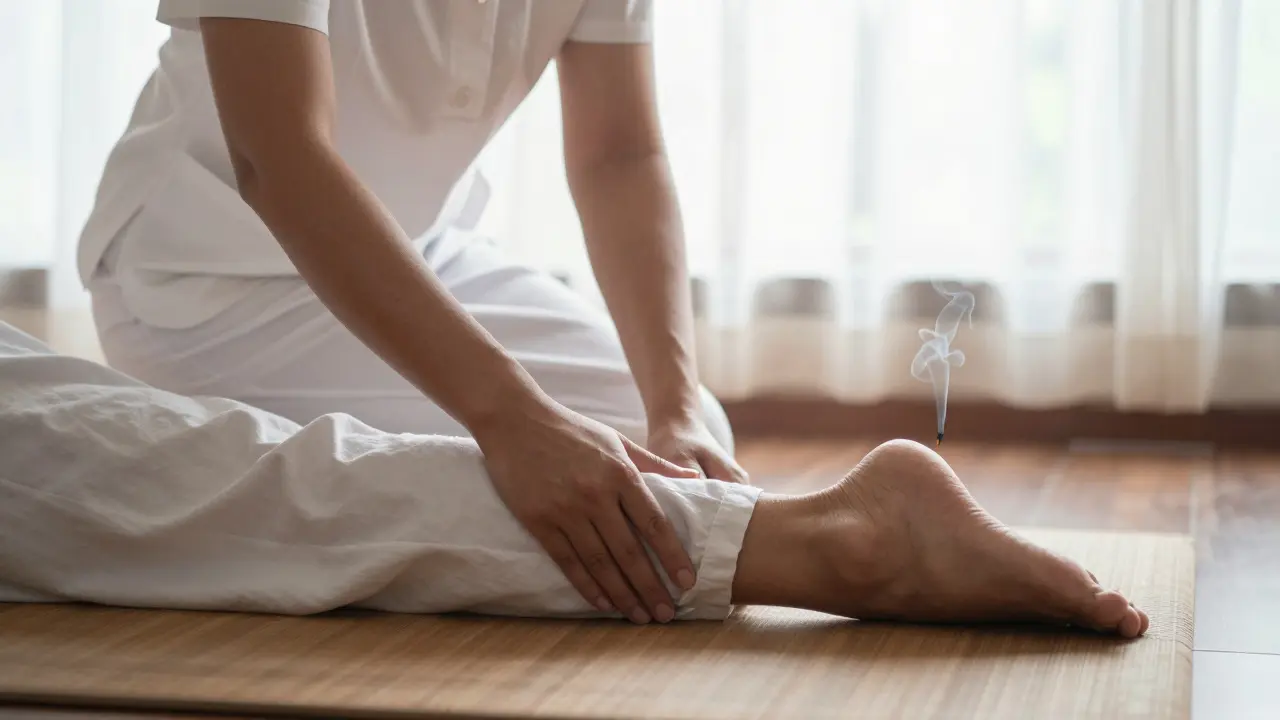
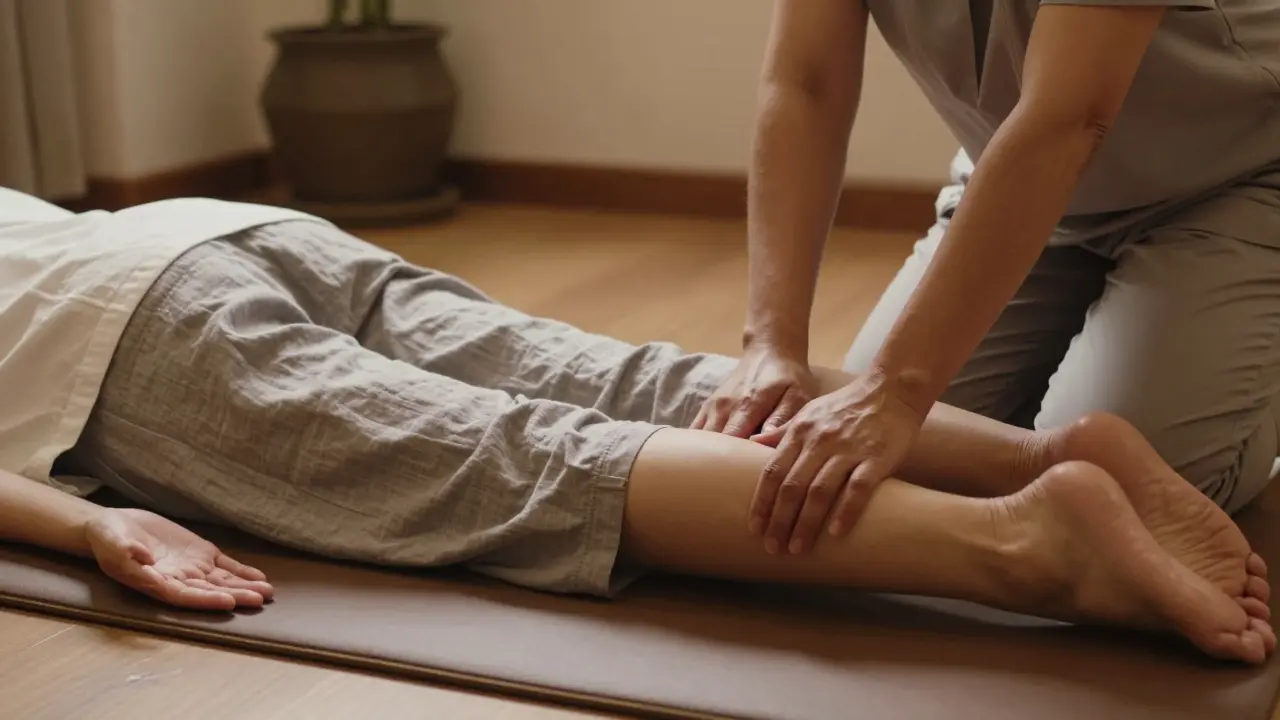
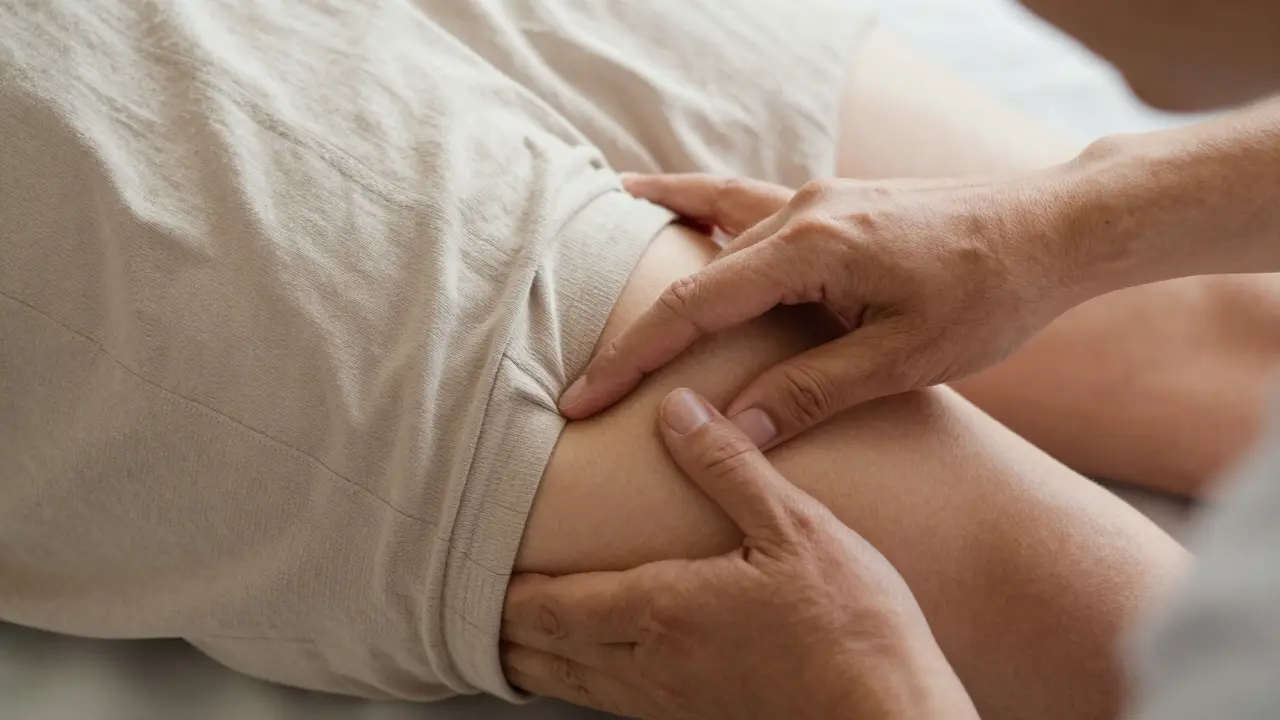
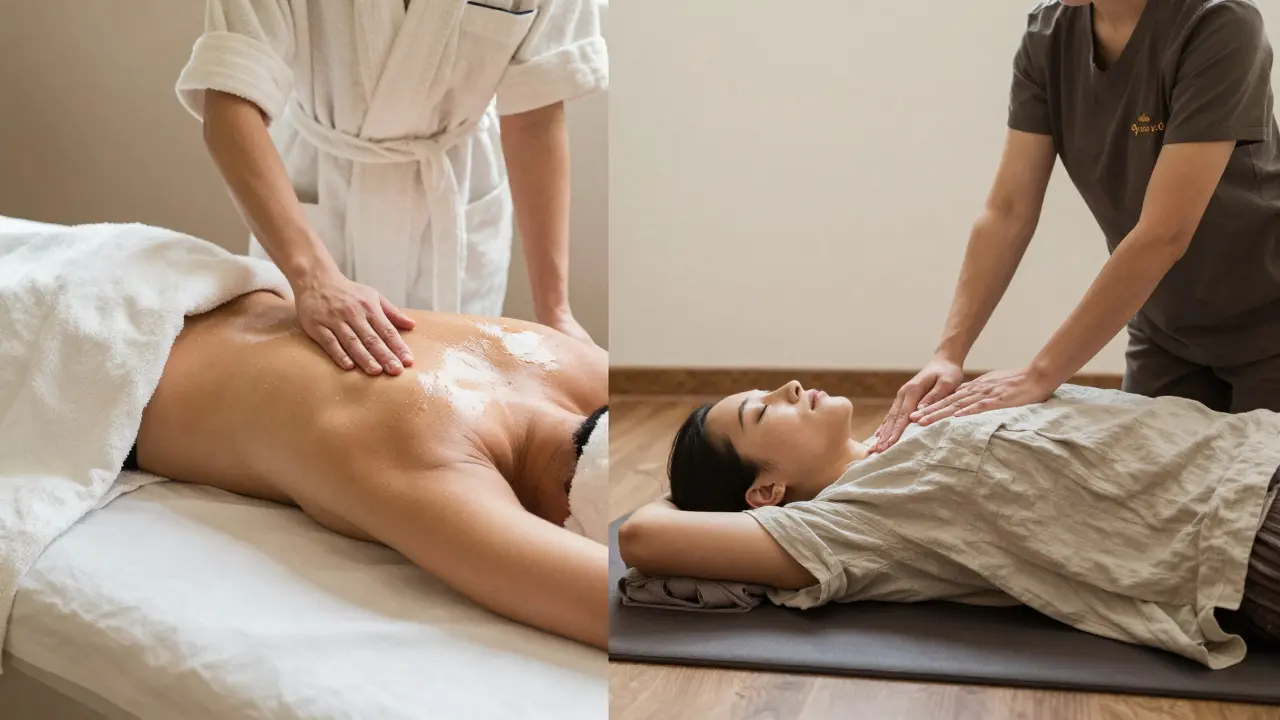
Thai massage works on the body’s energy lines, called sen lines. Think of them like rivers of energy flowing through your body. When these lines get blocked - from stress, sitting too long, or injury - you feel stiff, tired, or achy. The massage clears those blockages using pressure and assisted stretching. You stay fully clothed during the session because the technique doesn’t require direct skin contact. In fact, the clothing helps the therapist apply force without slipping, and it keeps you comfortable and warm.
How It Differs from Related Practices
Many people confuse Thai massage with Swedish or oil-based massages. Here’s how they stack up:
| Practice | Key Feature | Primary Benefit |
|---|---|---|
| Thai Massage | Performed fully clothed, no oils, passive stretching | Improves flexibility and energy flow |
| Swedish Massage | Performed nude under draping, uses oils, gentle strokes | Relaxes muscles and reduces stress |
| Deep Tissue | Performed nude or partially draped, focuses on deep muscle layers | Relieves chronic muscle tension |
| Ayurvedic Massage | Uses warm oils, often performed nude, based on dosha types | Detoxifies and balances body energies |
Who Can Benefit from Thai Massage?
Almost everyone. If you sit at a desk all day, commute in Dubai’s heat, or just feel stiff and sluggish, Thai massage is a game-changer. It’s especially helpful for people with tight hips, lower back pain, or shoulder tension. Athletes use it to recover faster. Office workers swear by it for reducing headaches. Even if you’ve never tried bodywork before, Thai massage is surprisingly gentle and adaptable. No need to be flexible - the therapist adjusts every move to your body.
Benefits of Thai Massage for Your Body and Mind
Stress Reduction
Studies show that rhythmic pressure and stretching lower cortisol levels - the body’s main stress hormone. A Thai massage session feels like a reset button for your nervous system. You’re not just being touched; you’re being guided through a slow, mindful movement sequence. Many clients report feeling calmer for days afterward. In Dubai’s fast-paced environment, this kind of reset isn’t a luxury - it’s essential.
Enhanced Flexibility and Mobility
Unlike static stretching, Thai massage uses passive movement. You relax while the therapist gently moves your limbs into stretches you couldn’t do on your own. Over time, this improves joint range of motion. People who’ve had regular sessions say they can finally touch their toes, sit cross-legged without pain, or get out of bed without a groan. It’s like yoga without having to do the poses yourself.
Emotional Well-Being
There’s something deeply grounding about being held and guided through movement without judgment. Many clients describe it as a form of emotional release. You don’t need to talk - just breathe. The rhythm of the massage, combined with the quiet space, creates a meditative state. For those dealing with burnout or anxiety, this quiet presence can be more healing than words.
Practical Applications
Thai massage isn’t just for relaxation. It’s used in physical therapy clinics, sports centers, and even corporate wellness programs in Dubai. Many expats and locals use it to prevent injury, recover from long flights, or manage chronic pain from repetitive tasks. It’s not a quick fix - but after 3-4 sessions, most people notice real, lasting changes in how their body feels day to day.
What to Expect When Engaging with Thai Massage
Setting or Context
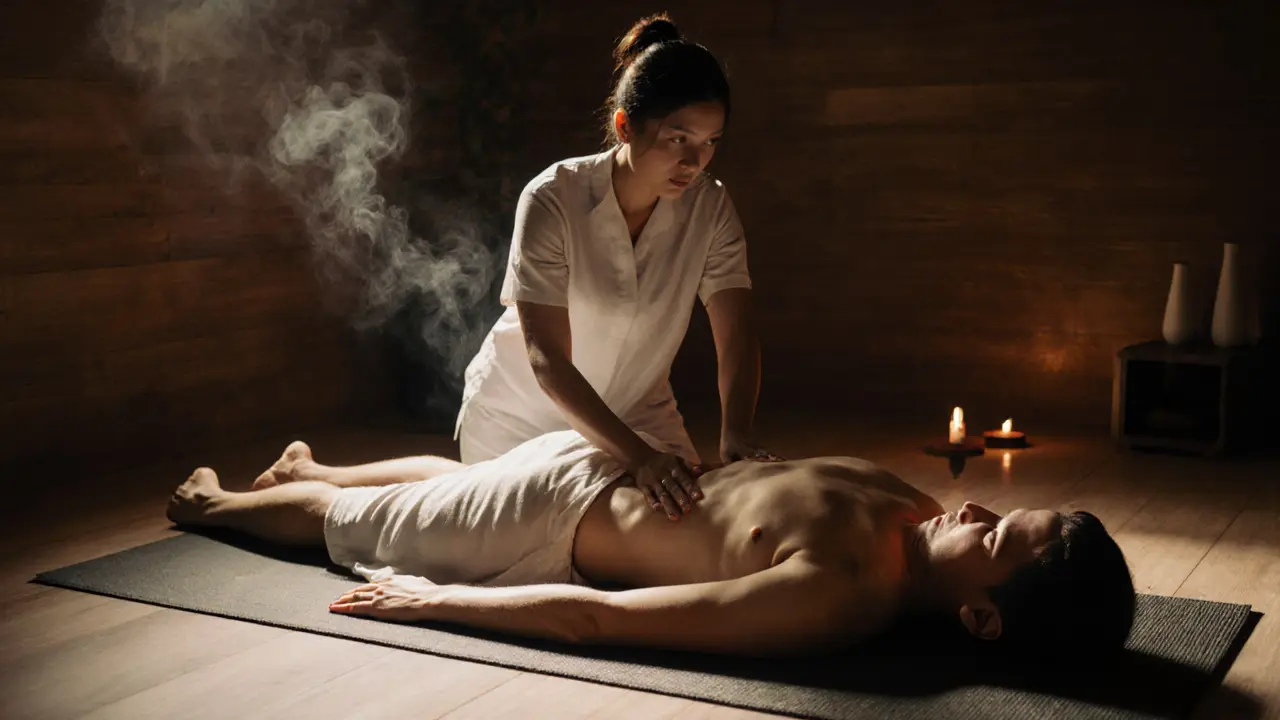
In Dubai, you’ll find Thai massage in everything from luxury spa resorts in Palm Jumeirah to quiet, family-run studios in Al Quoz. Most places use low lighting, soft music, and warm, natural fabrics. You’ll be led to a mat on the floor - not a massage table. This is intentional. The floor allows the therapist to use their body weight effectively and gives you more freedom of movement. You’ll be given a clean, loose-fitting set of cotton pants and top to wear. No need to bring anything.
Key Processes or Steps
A typical 60-minute session starts with you lying on your back. The therapist begins at your feet, applying pressure along the legs, then moves up to your hips, back, shoulders, and arms. You’ll be gently guided into stretches - like a butterfly pose or a forward fold - but never forced. The pace is slow, deliberate. You might feel a deep ache in your hamstrings or a pleasant warmth spreading through your back. It’s not supposed to hurt - if it does, speak up. The session ends with you lying still, breathing deeply, as the therapist gently holds your head and shoulders.
Customization Options
Every Thai massage is tailored. If you have a stiff neck, the therapist will spend extra time there. If you’re pregnant, they’ll skip certain moves. If you’re recovering from an injury, they’ll avoid pressure on sensitive areas. Don’t be shy about telling them what feels good - or what doesn’t. Most therapists in Dubai are trained to work with international clients and understand cultural comfort levels.
Communication and Preparation
Before the session, you’ll be asked if you have any injuries, health conditions, or areas of concern. This is standard. It’s not just for safety - it’s for effectiveness. Arrive 10 minutes early. Drink water afterward. Avoid heavy meals an hour before. And if you’re nervous? That’s okay. The first time is always the weirdest. Most people leave feeling like they’ve been hugged by a calm, strong person.
How to Practice or Apply Thai Massage
Setting Up for Success
If you’re doing a self-massage or trying a Thai yoga stretch at home, all you need is a yoga mat and loose clothes. No oils, no gadgets. Focus on slow, deep breathing. Try the seated forward fold or the reclined twist - both are easy to do and mimic the core stretches of Thai massage.
Choosing the Right Tools/Resources
In Dubai, look for therapists certified by the Thai Traditional Medicine Society or trained in Chiang Mai. Check reviews on Google or Tripadvisor - look for mentions of "professional," "respectful," and "no pressure." Avoid places that push you into nude sessions or use heavy oils. A good Thai massage studio won’t make you feel awkward - they’ll make you feel safe.
Step-by-Step Guide
Here’s what to do before your first Thai massage:
- Book a 60-minute session - not 30. You need time to relax.
- Wear loose, stretchy clothes (leggings and a t-shirt work great).
- Arrive 10 minutes early to fill out a short form.
- Let the therapist know if you’re pregnant, have joint replacements, or high blood pressure.
- Breathe through the stretches. If something hurts, say "slower" or "less pressure."
- Afterward, drink water and take it easy. Don’t rush to your next meeting.
Tips for Beginners or Couples
If you’re nervous, go alone first. Thai massage isn’t about performance - it’s about surrender. If you’re going with a partner, you can book side-by-side sessions. Some spas offer couple’s rooms with separate mats. It’s a quiet, intimate experience - not a party.
Safety and Ethical Considerations
Choosing Qualified Practitioners/Resources
Not all "Thai massage" in Dubai is authentic. Some places use the name but deliver a Swedish massage with music. Look for therapists with Thai training or certification. Ask: "Where did you train?" A credible answer: "Chiang Mai," "Bangkok," or "at the Wat Po temple school." Avoid places that don’t answer.
Safety Practices
Here’s what to expect in a professional setting:
| Practice | Purpose | Example |
|---|---|---|
| Full clothing | Respects cultural norms and personal boundaries | You wear your own clothes or provided cotton set |
| No oils | Prevents slipping and allows firm pressure | Therapist uses hands, elbows, knees - not lotion |
| Consent checks | Ensures comfort at every stage | Therapist asks: "Is this okay?" before each stretch |
Setting Boundaries
You have full control. If a stretch feels too deep, say so. If you don’t want your feet touched, say so. If you’d rather not be touched on your back, say so. A good therapist will pause, adjust, and never pressure you. Your comfort is non-negotiable.
Contraindications or Risks
Thai massage is safe for most people - but avoid it if you have:
- Recent fractures or severe osteoporosis
- Active blood clots or deep vein thrombosis
- Severe disc herniation without clearance from a doctor
- High-risk pregnancy (consult your OB-GYN first)
If you’re unsure, ask your doctor. Better safe than sorry.
Enhancing Your Experience with Thai Massage
Adding Complementary Practices
Pair Thai massage with mindfulness. Try 5 minutes of deep breathing before or after. Or add a short meditation session at home. Some people journal afterward - noting how their body felt before and after. It deepens the effect.
Collaborative or Solo Engagement
Thai massage is best experienced alone. It’s not a social activity. But you can share the experience afterward - talk about how you felt, or gift a session to someone who needs it.
Using Tools or Props
At home, a foam roller or yoga strap can mimic some stretches. But nothing replaces the skilled hands of a trained therapist. Save the props for maintenance - not replacement.
Regular Engagement for Benefits
One session feels great. Four sessions over a month? That’s when the real change happens. Many Dubai residents schedule Thai massage every 3-4 weeks - like a tune-up for their body. It’s not a luxury. It’s self-care.
Finding Resources or Experts for Thai Massage
Researching Qualified Practitioners
Look for places with Thai-trained therapists. Check Google reviews for phrases like "authentic," "respectful," "no pressure." Avoid places that advertise "nude massage" or "romantic Thai massage." Those aren’t Thai massage - they’re something else entirely.
Online Guides and Communities
Join Facebook groups like "Thai Massage Dubai" or "Wellness in the UAE." Real users share their experiences, recommend places, and warn about sketchy studios. It’s the best way to find trustworthy therapists.
Legal or Cultural Considerations
In Dubai, all wellness services must be licensed. Thai massage is legal as long as it’s performed professionally and respectfully. No nudity. No inappropriate contact. If a place pressures you to undress, walk out. That’s not Thai massage - that’s a red flag.
Resources for Continued Learning
Books like Thai Yoga Massage by B. K. S. Iyengar (not the yoga master, but a Thai practitioner) or online courses from the Thai Healing Alliance can help you understand the principles. But don’t try to replicate a full session at home - leave that to the pros.
FAQ: Common Questions About Thai Massage
Do I have to take off my clothes for Thai massage in Dubai?
No, you do not. Thai massage is performed with you fully clothed - usually in loose, comfortable cotton provided by the spa. This is standard practice worldwide and especially important in Dubai, where cultural norms prioritize modesty. The massage works through clothing using pressure and stretching. If a therapist asks you to undress, they are not offering authentic Thai massage.
What should I wear for Thai massage?
Most spas provide clean, loose cotton pants and a top. If you prefer, you can wear your own stretchy clothing - like leggings and a t-shirt. Avoid tight jeans, skirts, or anything restrictive. The key is freedom of movement. You’ll be moving into yoga-like positions, so comfort matters more than style.
How is Thai massage different from a Swedish massage?
Swedish massage uses oils and is performed on a table with you draped under a sheet. It’s about relaxation through gentle strokes. Thai massage is done on a mat, fully clothed, with no oils. It’s more active - you’re stretched, pressed, and guided through movements. It’s less about soothing and more about realigning your body’s energy and mobility.
Is Thai massage painful?
It shouldn’t be. You might feel a deep ache - especially in tight areas like your hips or shoulders - but it should never feel sharp or unbearable. Think of it as "good pain," like a deep stretch after sitting too long. Always communicate. A good therapist will adjust pressure on the spot. If it hurts, say "slower" or "less pressure."
Is Thai massage suitable for beginners?
Absolutely. In fact, beginners often benefit the most. You don’t need to be flexible, strong, or experienced. The therapist does all the work. You just lie back and breathe. Many first-timers say it felt like being gently moved by a calm, strong friend. Start with a 60-minute session. You’ll leave feeling lighter than when you came in.
Conclusion: Why Thai Massage is Worth Exploring
A Path to Better Movement
Thai massage isn’t about luxury - it’s about function. In a city like Dubai, where we’re constantly on the move, it’s one of the few treatments that actually helps you move better. Not just feel relaxed - but feel stronger, looser, and more alive.
Try It Mindfully
Don’t go in with expectations. Go in with curiosity. Let the therapist guide you. Breathe. Let go. And if you feel better after - even just a little - you’ve already won.
Share Your Journey
Tried Thai massage in Dubai? Share your experience in the comments - what surprised you? What felt different? Follow this blog for more honest guides to wellness in the UAE.
Some links may be affiliate links, but all recommendations are based on research and quality.
Word count: 1,728
Suggested Images
- A serene Thai massage studio in Dubai with natural lighting, a client in loose cotton clothing on a mat, therapist using hands and knees for pressure.
- Close-up of hands applying pressure along a leg, with fabric visible - showing clothing remains on.
- Side-by-side comparison: one person in a spa robe (Swedish) vs. another in cotton pants (Thai).
- A smiling client stretching gently after a session, holding a glass of water.
- Therapist demonstrating a stretch on a mat, with a subtle "Sen Line" diagram on the wall in the background.
Suggested Tables
- Comparison of Thai Massage vs. Other Massage Types (already included in article)
- Thai Massage Safety Tips (already included in article)
- Key Benefits of Thai Massage (Benefit, Description, Impact) - e.g., "Improved Flexibility," "Reduces lower back pain," "Daily mobility boost"