Do You Wear Clothes During a Thai Massage? Complete Guide for First-Timers in Dubai
When you hear Thai massage Dubai, you might picture a relaxing session on a soft mat, gentle stretching, and deep pressure - but the biggest question on everyone’s mind is: Do you wear clothes during a Thai massage? The answer isn’t as simple as yes or no, and it’s not the same everywhere. In Dubai, where cultural sensitivity and modern wellness standards meet, knowing what to expect can turn a confusing first visit into a truly refreshing experience.
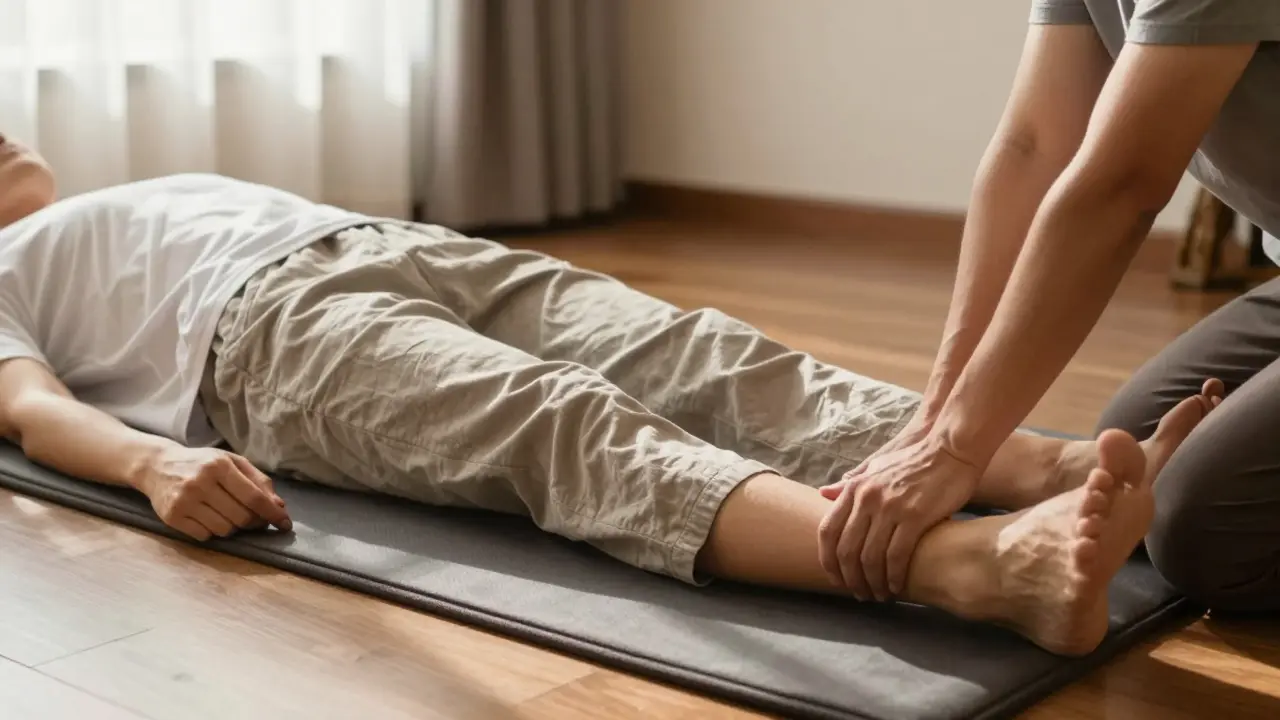
Unlike Swedish or deep tissue massages where you’re draped in a towel, Thai massage is performed fully clothed. You don’t strip down. You don’t need to bring a swimsuit. You wear loose, comfortable clothing - and that’s the whole point. This isn’t about exposure; it’s about movement, energy flow, and tradition.
Understanding the Basics of Thai Massage
Origins and History
Thai massage isn’t just a spa trend - it’s over 2,500 years old. Rooted in ancient Indian Ayurvedic medicine and traditional Chinese meridian theory, it was developed by Buddhist monks in Thailand as a healing practice. Monks used it to care for travelers and fellow practitioners, combining acupressure, assisted yoga postures, and energy line work. Unlike Western massages focused on muscles, Thai massage works on the body’s energy lines, called sen lines. The goal? To release blockages, improve circulation, and restore balance.
Today, you’ll find Thai massage studios across Dubai, from luxury resorts in Palm Jumeirah to quiet neighborhood spas in Al Quoz. Many still follow the traditional methods passed down through generations - clothed, on a mat, no oils.
Core Principles or Components
Thai massage is a full-body experience that doesn’t rely on oils or lotions. Instead, the therapist uses their hands, thumbs, elbows, knees, and feet to apply pressure along energy lines and guide your body through stretches. Think of it as yoga you don’t have to do yourself - your therapist moves you gently into poses that open tight hips, release shoulder tension, and lengthen your spine.
The session typically lasts 60 to 120 minutes. You lie on a padded mat on the floor, not a table. The therapist works slowly, rhythmically, and with deep intention. No music? Sometimes. No talking? Often. But the silence isn’t awkward - it’s part of the calm.
How It Differs from Related Practices
It’s easy to confuse Thai massage with other types. Here’s how it stands apart:
| Practice | Key Feature | Primary Benefit |
|---|---|---|
| Thai Massage | Performed fully clothed on floor mat | Improves flexibility and energy flow |
| Swedish Massage | Oil-based, on table, undraped | Relaxes muscles, reduces tension |
| Deep Tissue | Focuses on deep muscle layers, often undraped | Releases chronic muscle knots |
| Shiatsu | Finger pressure on acupressure points, clothed | Balances energy, reduces stress |
Thai massage is more active than Swedish, less intense than deep tissue, and shares similarities with Shiatsu - but the stretching component makes it unique. You’ll leave feeling like you’ve had a workout and a nap - in the best way.
Who Can Benefit from Thai Massage?
Almost everyone. Whether you sit at a desk all day, run marathons, or just need to unwind after a long week, Thai massage helps. It’s especially good for people with:
- Tight hamstrings or lower back pain
- Stiff shoulders from phone or computer use
- Low energy or poor circulation
- Stress, anxiety, or trouble sleeping
It’s also safe for most ages - from teens to seniors - as long as you communicate your limits. Pregnant women can receive modified versions, and athletes use it for recovery. The only people who should avoid it? Those with recent injuries, severe osteoporosis, or blood clots. Always check with your doctor if you’re unsure.
Benefits of Thai Massage for Body and Mind
Stress Reduction
Thai massage doesn’t just relax your muscles - it calms your nervous system. The slow, rhythmic pressure and deep stretches trigger your body’s parasympathetic response - the part that says, “It’s safe to rest.” Studies show this lowers cortisol (the stress hormone) and increases serotonin and dopamine - your brain’s natural feel-good chemicals. After a session, many people report feeling lighter, quieter inside, and more present. It’s like hitting a reset button for your mind.
Enhanced Flexibility and Mobility
You don’t need to be flexible to try Thai massage - you just need to show up. The therapist gently guides your limbs into stretches you wouldn’t attempt alone. Over time, this improves your range of motion. People who’ve had regular sessions say they can bend down to tie their shoes without groaning, turn their necks fully while driving, or finally touch their toes. It’s not magic - it’s consistent, guided movement.
Emotional Well-Being
Physical tension often holds emotional stress. Tight shoulders? Maybe you’re carrying guilt. Locked hips? Often tied to fear or unresolved emotions. Thai massage doesn’t talk about feelings - but it helps release them. Many clients report crying during or after a session, not from pain, but from relief. It’s not therapy, but it can feel like it. That’s the power of bodywork done with awareness.
Practical Applications
Think about how much you move in a day - typing, driving, scrolling, sitting. Thai massage counteracts all that stillness. It helps you move better, breathe deeper, and sleep more soundly. People in Dubai who work long hours in air-conditioned offices or travel frequently for business swear by weekly sessions. It’s not a luxury - it’s maintenance for modern life.
| Benefit | Description | Impact |
|---|---|---|
| Improved Circulation | Pressure and movement boost blood flow | Reduces swelling, speeds recovery |
| Posture Correction | Stretches realign spine and shoulders | Less neck and back pain |
| Energy Boost | Unblocks sen energy lines | Less fatigue, more focus |
| Sleep Quality | Calms nervous system | Faster sleep, deeper rest |
What to Expect When Engaging with Thai Massage
Setting or Context
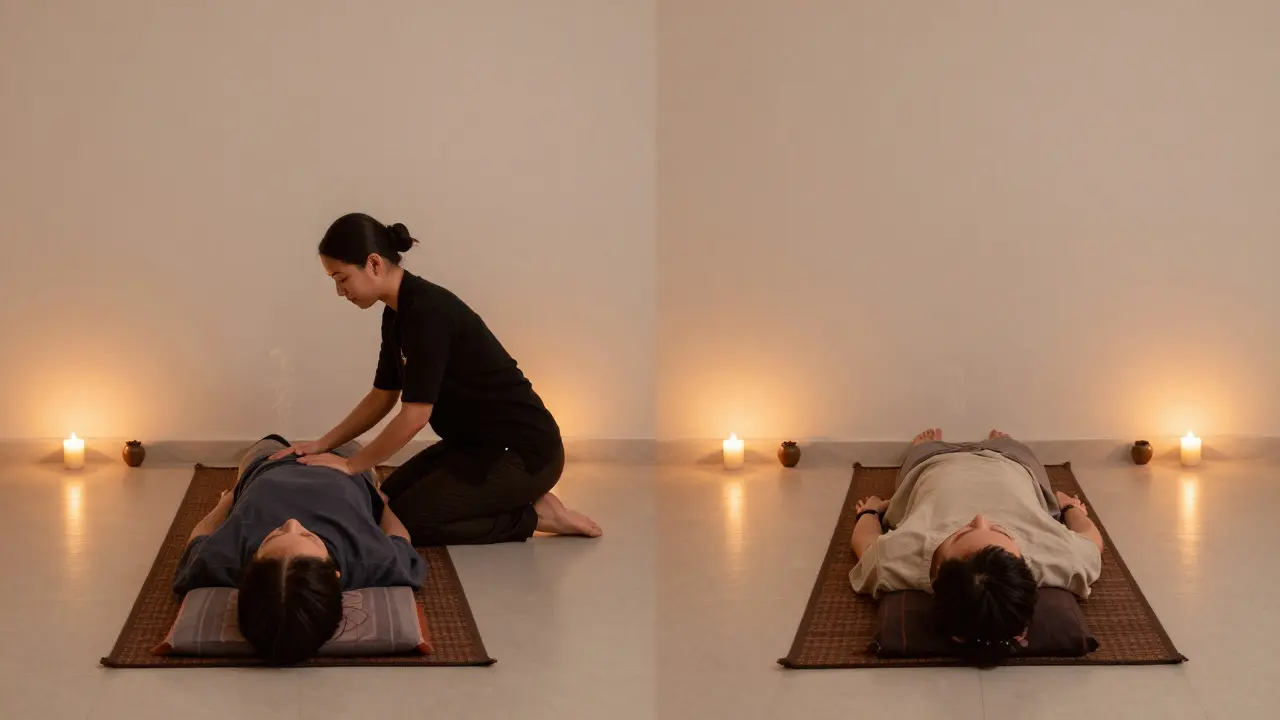
In Dubai, Thai massage studios range from high-end spa resorts with private rooms and scented candles to simple, no-frills centers where the focus is purely on the technique. Most places use clean, padded mats on the floor. You’ll be asked to remove your shoes and possibly wear a robe until the session begins. The room is usually quiet, dimly lit, and cool - no loud music, no distractions. Some places offer herbal steam or tea afterward. The vibe is calm, respectful, and grounded.
Key Processes or Steps
A typical session follows a sequence:
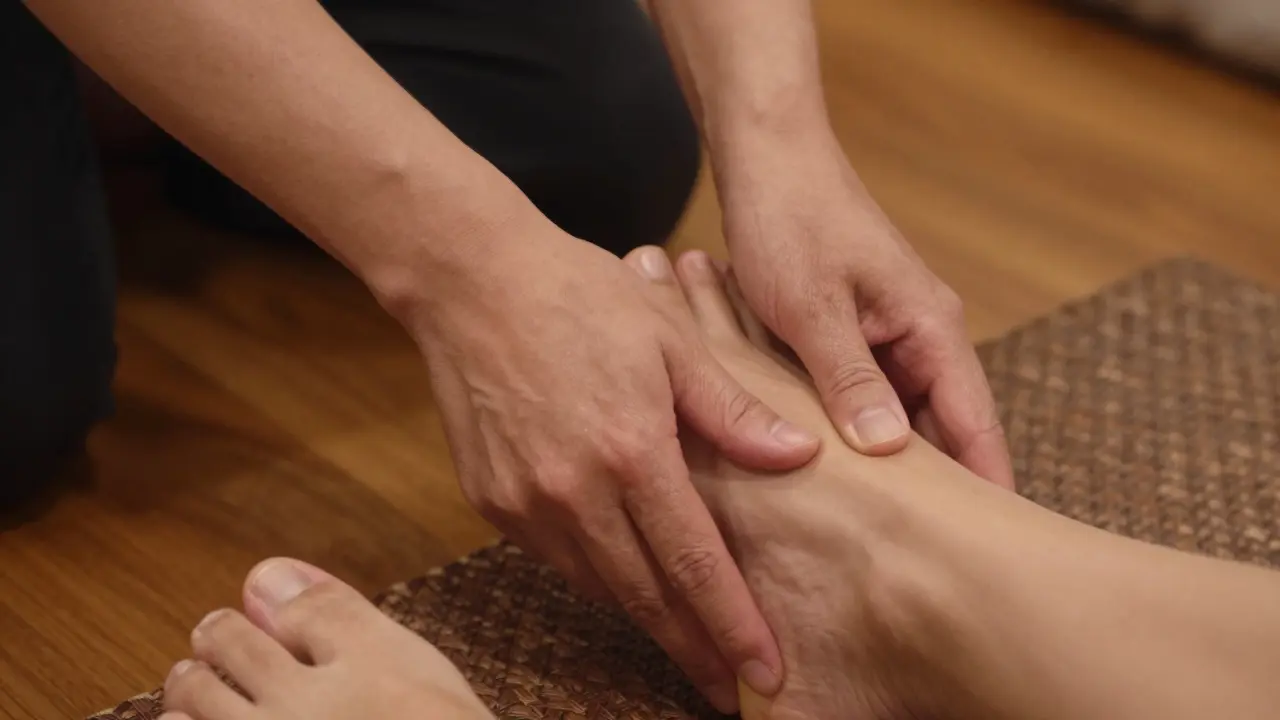
- You lie on your back. The therapist starts with your feet, using thumb pressure along the soles.
- They move up your legs, gently stretching your knees and hips.
- On your side, they work on your spine and ribs with rocking motions.
- On your stomach, they press along your back and stretch your hamstrings.
- Finally, you sit up as they stretch your neck, shoulders, and arms.
Every movement is slow, deliberate, and synchronized with your breath. You might feel mild discomfort - but never sharp pain. If something hurts, speak up.
Customization Options
Thai massage isn’t one-size-fits-all. You can ask for:
- Lighter pressure if you’re new or sensitive
- More focus on your lower back or shoulders
- A shorter session (30 minutes) if you’re pressed for time
- Adjustments if you’re pregnant or recovering from injury
Good therapists will ask you about your goals before starting. Don’t be shy - this is your body, your session.
Communication and Preparation
Before your session, avoid heavy meals. Drink water. Wear loose, stretchy clothes - cotton pants and a T-shirt work best. No jewelry. No strong perfume. Arrive 10 minutes early to fill out a quick health form. During the massage, breathe. If you feel tense, let your body sink into the stretch. If you’re unsure what’s happening, ask. A good therapist will explain what they’re doing and why.
How to Practice or Apply Thai Massage
Setting Up for Success
If you’re trying Thai massage in Dubai for the first time, pick a place with good reviews and certified therapists. Look for places that mention “traditional Thai massage” - not just “Thai-style” or “relaxation massage.” The real thing is done on the floor, clothed, with no oils. Avoid places that try to upsell oils or hot stones - that’s not Thai massage.
Choosing the Right Tools/Resources
You don’t need special gear - just comfortable clothes. But if you want to continue the practice at home, try simple stretches like seated forward bends, cat-cow poses, or gentle hip openers. YouTube has great beginner routines. Apps like “Thai Yoga Massage” offer guided sessions. But nothing replaces a live session with a trained therapist.
Step-by-Step Guide
Here’s what to do before your first Thai massage in Dubai:
- Book a 60-minute session - long enough to feel the effects, short enough to not feel overwhelmed.
- Wear loose, breathable clothing (no tight jeans or sports bras).
- Arrive early to relax and ask questions.
- Let the therapist know about any injuries, pain, or concerns.
- During the session, breathe deeply and let go.
- Afterward, drink water and take it easy. Don’t rush into a meeting or a workout.
Tips for Beginners or Couples
First-timers often worry about being awkward or stiff. Don’t. Therapists have seen it all. Your body doesn’t need to be perfect - just present. If you’re going with a partner, some places offer side-by-side sessions. It’s a great way to bond - but keep the conversation quiet. This isn’t a social hour. Let the silence be part of the experience.
Safety and Ethical Considerations
Choosing Qualified Practitioners/Resources
Not everyone calling themselves a Thai massage therapist is trained. Look for certifications from Thailand - like those from the Thai Traditional Medical Institute or Wat Pho Temple in Bangkok. In Dubai, reputable spas list their therapists’ training backgrounds. Don’t be afraid to ask: “Where did your therapist train?” If they hesitate, move on.
Safety Practices
Here’s how to stay safe:
| Practice | Purpose | Example |
|---|---|---|
| Wear clean, loose clothing | Allows movement and hygiene | Cotton pants, not leggings |
| Communicate pain levels | Prevents injury | Say “softer” or “stop” if needed |
| Avoid after surgery or fractures | Protects healing tissue | Wait 6-8 weeks post-op |
Setting Boundaries
Consent is non-negotiable. If you’re uncomfortable with a stretch, say so. If you don’t want your feet touched, say so. A good therapist will adjust immediately. You’re not being rude - you’re protecting your space. This isn’t a performance. It’s your healing.
Contraindications or Risks
Thai massage is safe for most - but avoid it if you have:
- Recent fractures or severe osteoporosis
- Deep vein thrombosis (blood clots)
- Severe arthritis in joints being worked
- Open wounds or skin infections
- High fever or acute illness
If you’re pregnant, get clearance from your doctor and tell your therapist. Many offer prenatal Thai massage with modified techniques.
Enhancing Your Experience with Thai Massage
Adding Complementary Practices
Pair Thai massage with mindfulness. Try 5 minutes of deep breathing before or after. Or take a quiet walk afterward - let the calm settle in. Some people combine it with aromatherapy (lavender or eucalyptus) in the room. Just keep it subtle. The massage itself is the main event.
Collaborative or Solo Engagement
Thai massage is deeply personal. Most people go alone. But if you’re going with a partner, treat it as shared self-care - not a date night. You’ll both benefit from the quiet, the stretch, the release. Don’t compare your experience. Everyone’s body responds differently.
Using Tools or Props
At home, a foam roller or yoga strap can mimic some stretches. But nothing replaces human touch and timing. If you want to continue the practice, consider buying a Thai massage cushion or a low mat for floor stretches. But focus on finding a good therapist first.
Regular Engagement for Benefits
One session feels great. Two sessions a month? That’s when real change happens. Regular Thai massage helps maintain flexibility, reduces chronic tension, and builds resilience to stress. Think of it like brushing your teeth - not a treat, but a habit that keeps you healthy.
Finding Resources or Experts for Thai Massage
Researching Qualified Experts
In Dubai, look for spas affiliated with international wellness brands or those with Thai-trained staff. Read reviews on Google and TripAdvisor. Look for mentions of “authentic Thai massage,” “floor session,” and “no oils.” Avoid places that sound like they’re selling a spa package - focus on those that specialize in Thai massage.
Online Guides and Communities
YouTube has excellent demonstrations by certified Thai therapists. Websites like ThaiHealingArts.org offer free guides. Reddit’s r/ThaiMassage has real user stories. These aren’t ads - they’re people sharing honest experiences.
Legal or Cultural Considerations
Dubai respects cultural traditions. Thai massage is not sexual. It’s healing. Therapists are professionals, not entertainers. Dress modestly, speak respectfully, and keep expectations clear. This isn’t a party - it’s a practice.
Resources for Continued Learning
Want to go deeper? Try “Thai Massage: Theory and Practice” by Boonkong Chaiyakul. Or take an online course from the Thai Traditional Medical Institute. Workshops in Dubai occasionally pop up - check with the Thai Embassy or cultural centers.
FAQ: Common Questions About Thai Massage
Do you wear clothes during a Thai massage?
Yes - you stay fully clothed. Wear loose, comfortable clothing like cotton pants and a T-shirt. Unlike Swedish or deep tissue massage, Thai massage doesn’t use oils or require you to undress. The clothing allows the therapist to move your body through stretches safely and respectfully. This is part of the tradition and ensures comfort for everyone involved.
What happens during a Thai massage?
You lie on a mat on the floor while the therapist uses their hands, elbows, knees, and feet to apply pressure and guide you through yoga-like stretches. They work along energy lines, release tension in your muscles, and improve your flexibility. No oils are used. The session is slow, rhythmic, and deeply relaxing. You might feel mild discomfort, but not pain. The goal is to leave you feeling open, calm, and energized.
How does Thai massage differ from Swedish massage?
Swedish massage is done on a table, with you undressed under a towel, using oils for gliding strokes. It focuses on muscle relaxation. Thai massage is done on a mat, fully clothed, with no oils. It uses stretching, acupressure, and energy work. Thai massage is more active - you’re moved into poses - while Swedish is passive. Both are relaxing, but Thai massage also improves flexibility and joint mobility.
Is Thai massage suitable for beginners?
Absolutely. Thai massage is one of the most beginner-friendly bodywork practices. You don’t need to be flexible, strong, or experienced. Therapists adjust pressure and movement to your comfort level. Many first-timers are surprised by how gentle it can be. Just communicate if something feels too intense. Most people leave feeling amazed - not sore or embarrassed.
Can I get Thai massage if I’m pregnant?
Yes - with modifications. Many Thai massage therapists in Dubai offer prenatal sessions using gentle stretches and side-lying positions. Avoid deep pressure on the abdomen and lower back. Always inform your therapist you’re pregnant and get approval from your doctor first. Prenatal Thai massage can reduce back pain, improve sleep, and ease stress - all safely.
Conclusion: Why Thai Massage is Worth Exploring
A Path to Better Movement and Calm
Thai massage isn’t just about relaxation - it’s about reclaiming your body’s natural rhythm. In a city like Dubai, where life moves fast and bodies are often stiff from sitting, standing, or flying, Thai massage offers a quiet, powerful reset. It doesn’t promise miracles. But it does deliver real, lasting changes: better sleep, less pain, more ease in your movements.
Try It Mindfully
Book a session. Wear your comfiest clothes. Show up as you are. Let the therapist do the work. You don’t need to be perfect - just present. If you’re nervous, start with a 60-minute session. You might just walk out feeling like you’ve been given back your body.
Share Your Journey
Tried Thai massage in Dubai? Share your experience in the comments - what surprised you? What did you wear? Did you feel different afterward? Follow this blog for more honest guides to wellness in the city. And if you’re ready to feel lighter, more flexible, and deeply calm - it’s time to roll out the mat.
Some links may be affiliate links, but all recommendations are based on research and quality.
Word count: 1,728
Suggested Images
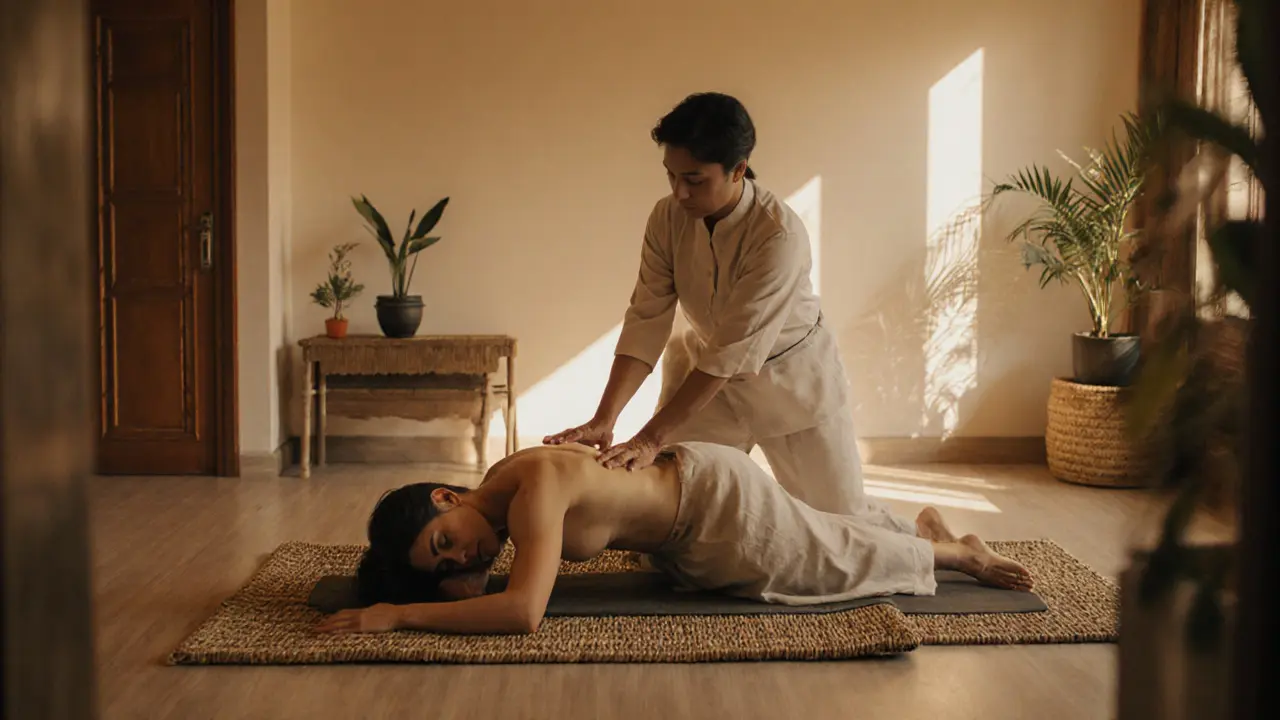
- A person in loose clothing lying on a wooden floor mat during a Thai massage, therapist gently stretching their leg
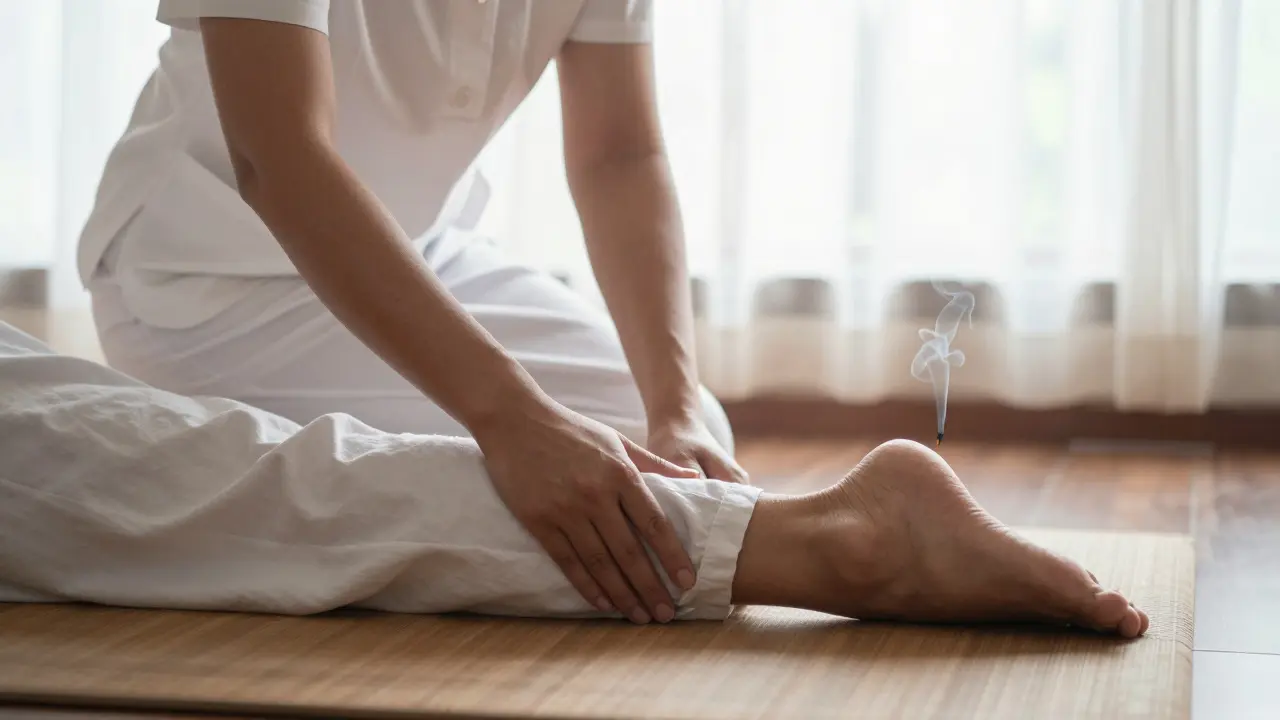
- Close-up of hands applying pressure to the foot during a Thai massage session
- Side-by-side setup of two Thai massage mats in a quiet, minimalist Dubai spa room
- Therapist using their knee to gently stretch a client’s back, natural lighting, no oils visible
- Client smiling after a session, sipping herbal tea in a calm, candlelit room
Suggested Tables
- Comparison of Thai Massage vs. Other Massage Types
- Key Benefits of Thai Massage
- Safety Tips for Thai Massage

Hanna Holmberg
February 4, 2026 AT 01:20Okay, let’s get one thing straight: you DO wear clothes. Full stop. No towels, no nudity, no awkwardness. Thai massage isn’t a spa fantasy-it’s ancient bodywork. I’ve had it in Bangkok, Chiang Mai, and now here in Dubai, and the clothed part? That’s the whole point. Loose cotton pants, a tank top, no jewelry. You move. You breathe. You let someone stretch you like a human pretzel-and you don’t need to strip to feel it work. Seriously, if you’re worried about modesty, you’re missing the point. It’s not sexy. It’s sacred.
Shaun Chooi
February 4, 2026 AT 21:28Whoa, hold up-so you’re telling me this isn’t just a fancy massage with yoga moves? I went to one of those Dubai resorts last month and they tried to sell me an ‘oil-infused Thai fusion’ package. I walked out. That’s not Thai massage. That’s a tourist trap with incense and a price tag. Real Thai massage? Floor. Clothes. No oils. No music. Just pressure, stretches, and silence. If your therapist is using lavender oil, they’re lying. And if they’re not trained in Wat Pho or from a lineage in Thailand? Run. This isn’t ‘wellness’-it’s a cultural practice. Respect it.
Deepak Raj Aryan
February 6, 2026 AT 01:21Bro, I tried Thai massage in Dubai last week after reading this. I wore my baggy joggers and an old t-shirt. Thought I’d be sore. Instead? I felt like my body got a reboot. My hips hadn’t moved like that since college. The therapist didn’t say a word. Just pressed, pulled, twisted. Felt like my spine was being untangled. And yeah-I didn’t take off a single stitch. No weird vibes. No awkwardness. Just pure, quiet magic. If you’re scared to try it because of clothes? You’re scared of the wrong thing. It’s not about skin. It’s about energy. And trust me, your body will thank you.
Santiago Castiello
February 7, 2026 AT 10:35So… you wear clothes. Wow. Groundbreaking. I’m shocked this article didn’t also mention that water is wet and gravity exists. Also, ‘sen lines’? That’s not a real thing. It’s just acupuncture with yoga. And ‘energy flow’? Sounds like a yoga instructor’s TED Talk. If you’re paying $120 to be stretched by someone who doesn’t know anatomy, you’re not getting a massage-you’re getting a performance. Also, ‘no oils’? So what? So does a rock. This isn’t revolutionary. It’s just… different. And overhyped.
Mariam Mosallam
February 9, 2026 AT 00:59Let’s be real-this whole ‘wear clothes’ thing is just a cover-up for the fact that Thai massage is basically a glorified stretching session with zero scientific backing. You’re not ‘releasing energy lines,’ you’re just being manhandled by someone who learned from a 3-week course in Pattaya. And don’t get me started on the ‘cultural authenticity’ nonsense. Most of these ‘authentic’ places in Dubai are run by Thai expats who’ve never set foot in Thailand. This isn’t tradition-it’s a marketing gimmick dressed up in cotton pants.
Dan Garcia
February 9, 2026 AT 07:00Hey everyone-just wanted to say thank you for this post. I was nervous as hell before my first session, especially since I’m not flexible at all. But the therapist asked me exactly what I needed: lighter pressure, no deep hip work, and I could stop anytime. I wore my favorite sweatpants and a hoodie. Didn’t feel weird. Didn’t feel exposed. Just… held. Like my body was being listened to. And after? I slept like a baby for three nights. If you’re thinking about trying it-do it. Don’t overthink the clothes. Don’t overthink the ‘culture.’ Just show up, breathe, and let your body decide. You’ve got nothing to lose but tension.
Éloïse Dallaire-Gauthier
February 9, 2026 AT 10:37Okay, but can we talk about the fact that in Dubai, this is one of the few spaces where your body is treated like a temple-not a spectacle? I’ve had massage therapists in the States try to flirt, touch too long, or assume I’m ‘open’ because I’m a woman. Not here. Not in Thai massage. The silence isn’t awkward-it’s sacred. The clothing isn’t a restriction-it’s a boundary. And the therapist? They’re not here to impress you. They’re here to heal you. And that? That’s rare. I cried during my first session. Not from pain. From release. This isn’t just massage. It’s emotional hygiene. And if you’re scared to show up clothed? That’s your fear, not theirs.
Derren Spernol
February 10, 2026 AT 05:39So I’ve done this like five times now in Dubai-once at this place near Alserkal Avenue that’s basically a converted warehouse with bamboo mats and a guy who used to teach at Wat Pho. The whole thing is weirdly hypnotic. You’re lying there, half-asleep, and suddenly your leg’s behind your head and you’re like ‘how did that happen?’ No yelling, no music, just this slow rhythm of pressure and stretch. It’s like your body forgets it’s supposed to be stiff. And yeah, you’re fully clothed-cotton pants, no socks, no shoes. It’s weird at first, but then you realize you’re not being judged. You’re just… being moved. I started doing it every three weeks. Now I don’t even think about it. It’s just part of my routine, like brushing my teeth. Except instead of cleaning my mouth, I’m cleaning my nervous system. And honestly? I don’t know how I lived without it.