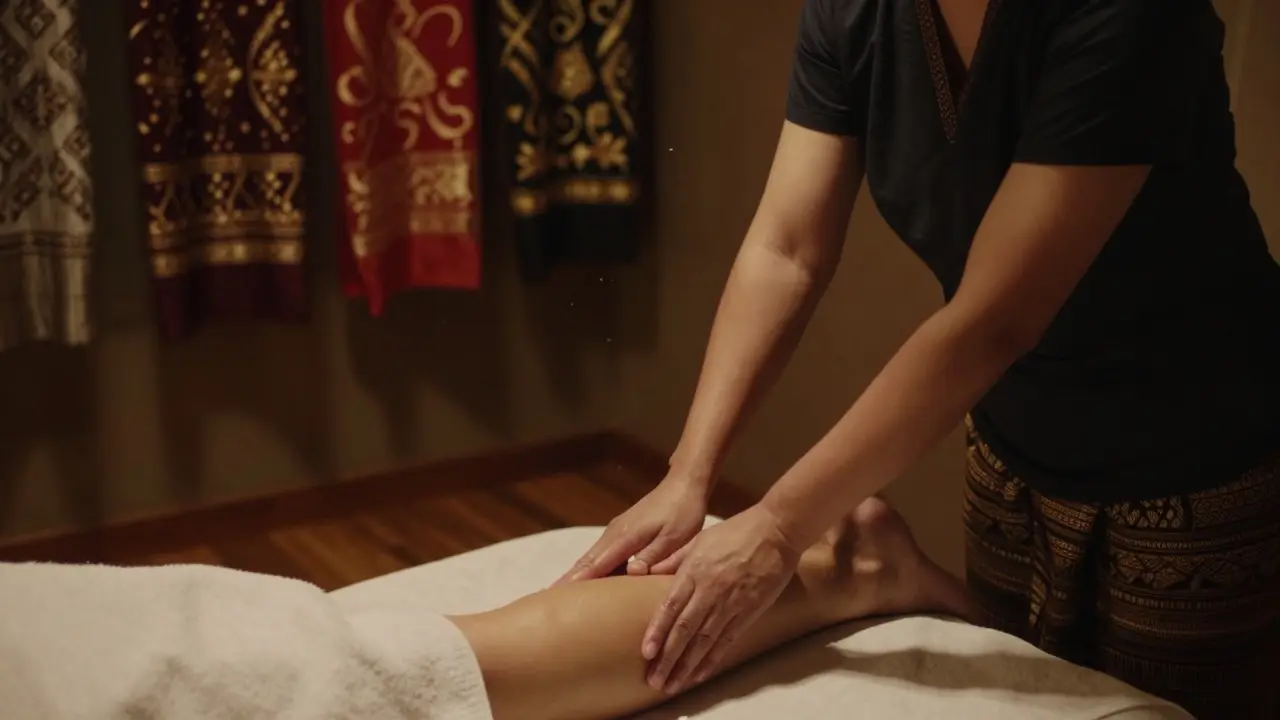
Is 100 baht a good tip for Thai massage in Dubai? It’s a question many visitors ask after sinking into a relaxing session at one of the city’s many Thai spas. You’ve just spent 60 or 90 minutes being kneaded, stretched, and reset by a skilled therapist-your muscles feel like they’ve been reborn. Now, you’re holding a 100-baht note (about $27 USD), wondering if that’s enough. The truth? It’s not about the number. It’s about context, culture, and what feels right to you.
Understanding the Basics of Thai Massage Tipping in Dubai
Origins and History
Thai massage traces back over 2,500 years to ancient India, blending Ayurvedic principles with Buddhist spiritual practices. It was developed by Buddhist monks who used touch as healing therapy. When Thai massage spread globally, tipping customs didn’t come with it-because in Thailand, tipping isn’t expected. Service is seen as an act of generosity, not a transaction. But in Dubai, where tipping culture is deeply influenced by international tourism, the rules shift. You’re not in Bangkok anymore. You’re in a city where expats, tourists, and locals all blend their expectations. That’s why a 100-baht note might feel generous to you but confusing to the therapist who’s used to different norms.
Core Principles or Components
Thai massage isn’t just about pressure or technique-it’s about energy flow, body alignment, and mindful movement. Therapists use their hands, thumbs, elbows, knees, and feet to guide your body through stretches. There’s no oil, no music, no chattering. Just quiet, intentional work. The goal? To release tension, improve flexibility, and restore balance. In Dubai, this tradition is preserved in high-end spas like those in Burj Khalifa’s lower levels or tucked into quiet corners of Jumeirah. The therapists are often trained in Thailand, sometimes for years. Their skill isn’t cheap. And while the session price covers their labor, tipping is your way of honoring the care they gave you.
How It Differs from Related Practices
Thai massage is often confused with Swedish or deep tissue massage. Here’s how they stack up:
| Practice | Key Feature | Primary Benefit |
|---|---|---|
| Thai Massage | Full-body stretches, no oil, clothing on | Improved mobility, energy flow |
| Swedish Massage | Oil, gentle strokes, relaxing | Stress relief, circulation |
| Deep Tissue | Intense pressure, focused on knots | Chronic pain relief |
Who Can Benefit from Thai Massage?
Anyone who sits at a desk all day, travels frequently, or carries stress in their shoulders. Tourists in Dubai often book Thai massage after long flights. Office workers use it to reset after back-to-back meetings. Athletes rely on it for recovery. Even people with mild back pain find relief-not because it’s a cure, but because it restores movement. The therapist doesn’t just work your muscles-they work with your whole body’s rhythm. That’s why a small tip can mean a lot: it tells them you noticed the difference they made.
Benefits of Thai Massage for Your Body and Mind
Stress Reduction
Studies show that massage lowers cortisol-the stress hormone-by up to 30% after just one session. Thai massage does this even better because of its rhythmic, flowing nature. The stretches activate your parasympathetic nervous system, the part of your body that says, “You’re safe now.” In Dubai’s fast-paced environment, where traffic, heat, and work pressure never stop, this is more than luxury-it’s medicine. A 100-baht tip feels like a quiet thank-you for giving you that moment of peace.
Enhanced Functionality
After a Thai massage, you don’t just feel relaxed-you feel lighter. Your spine aligns. Your hips open. You walk differently. That’s not placebo. It’s biomechanics. Many therapists in Dubai have trained in Chiang Mai or Bangkok, learning how to realign joints without force. If you’ve ever walked out of a massage and thought, “I didn’t know I was this stiff,” you’re not alone. That’s the benefit: not just comfort, but function. A tip shows you appreciate that transformation.
Emotional Well-Being
Massage isn’t just physical. It’s emotional. People cry during Thai massage-not because it hurts, but because they finally let go. In a city where everyone’s on the move, being still and cared for can be rare. The therapist doesn’t ask questions. They just hold space. That silence matters. A 100-baht tip becomes a gesture of gratitude for that emotional release. It’s not about money. It’s about recognition.
Practical Applications
Think of Thai massage as your monthly reset button. Regular sessions (every 3-4 weeks) can reduce headaches, improve sleep, and even ease digestive issues linked to stress. In Dubai, where dehydration and heat take a toll, this kind of care is practical. You’re not just spending money-you’re investing in your ability to show up, every day, as your best self.
| Benefit | Description | Impact |
|---|---|---|
| Stress Reduction | Calms nervous system, lowers cortisol | Better sleep, reduced anxiety |
| Improved Flexibility | Passive stretching opens joints | Less pain, more movement |
| Energy Boost | Stimulates energy lines (sen lines) | Less fatigue, more focus |
| Posture Correction | Realignment of spine and pelvis | Reduced back and neck pain |
What to Expect When Engaging with Thai Massage in Dubai
Setting or Context
You’ll walk into a quiet, dimly lit room with soft Thai music playing. The floor is warm, the air scented with lemongrass or sandalwood. You’re given loose cotton pants and a top to wear. No underwear required. The therapist will leave the room while you get settled. When they return, they’ll bow slightly-this isn’t just politeness. It’s respect. In Dubai, many spas keep this Thai tradition alive, even if the clientele is mostly Western. The setting is designed to make you feel safe, not exoticized.
Key Processes or Steps
The session starts with gentle pressure on your feet, then moves up your legs, back, arms, and neck. You’ll be guided into stretches you couldn’t do on your own. The therapist uses their body weight to apply pressure, not brute force. There’s no cracking or popping. It’s slow, deliberate, and rhythmic. If you’re tense, they’ll pause and wait. If you’re relaxed, they’ll go deeper. It’s a conversation without words.
Customization Options
Want more pressure? Say so. Need extra time on your shoulders? Ask. Most Thai massage therapists in Dubai are fluent in English and used to adjusting for different needs. Some spas offer add-ons like hot stone therapy or herbal compresses. But the core technique stays true. Don’t feel pressured to upgrade. The real value is in the massage itself.
Communication and Preparation
Before the session, mention any injuries, pregnancy, or recent surgeries. Don’t worry about being “too sensitive.” Therapists hear it all. Arrive 10 minutes early. Skip heavy meals. Drink water afterward. That’s it. No rituals needed. Just show up, breathe, and let go.
How to Practice or Apply Tipping Etiquette
Setting Up for Success
Tip when you feel moved to. Don’t tip because you’re told to. Don’t tip because you think it’s expected. Tip because you felt seen. That’s the only rule that matters.
Choosing the Right Amount
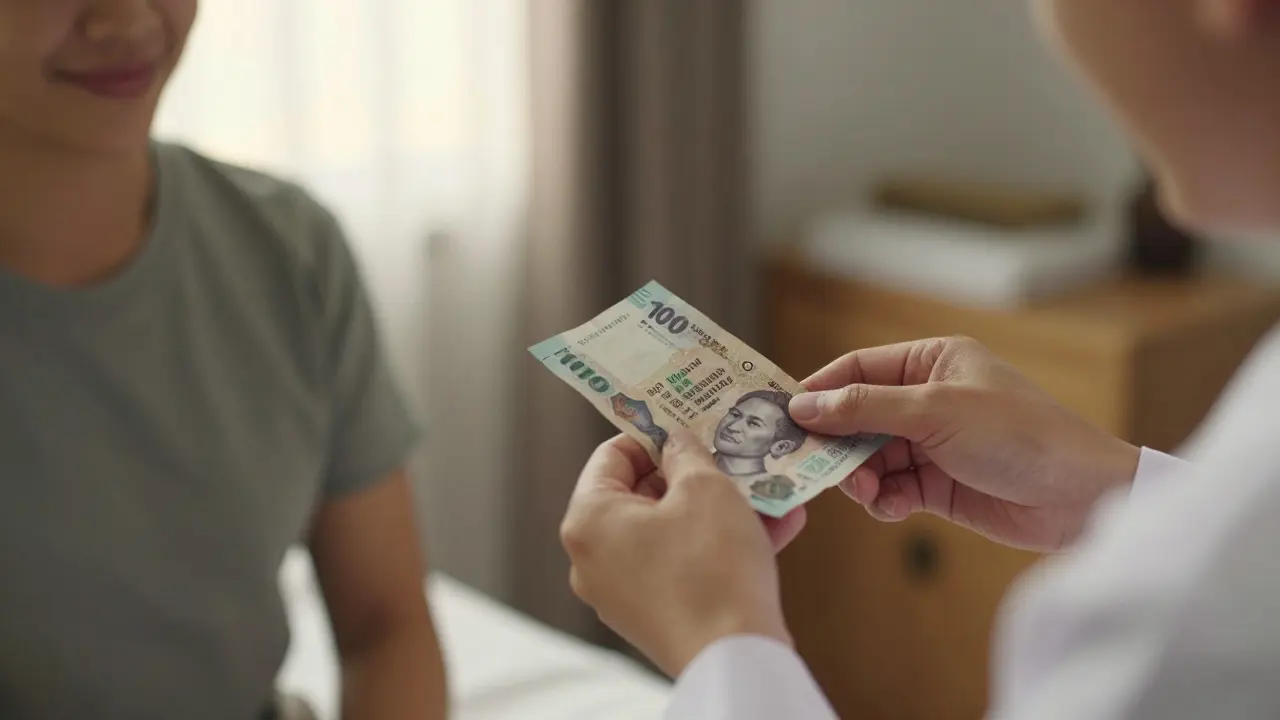
100 baht is roughly $27 USD. In Dubai, a 60-minute Thai massage costs between 250-450 AED (about $68-$122 USD). So 100 baht is 20-40% of the session cost. That’s generous. Most locals tip 10-15%. Tourists often tip 20%. If you’re happy, 100 baht is more than fair. If you’re blown away? Go higher. If you felt rushed? Don’t tip. You’re not obligated.
Step-by-Step Guide
- Complete your massage. Don’t rush out.
- Wait for the therapist to return to the room.
- Hand them the cash directly-no envelope needed.
- Smile. Say “thank you.”
- Walk away feeling good about your choice.
Tips for First-Timers
If you’re nervous, start with 50 baht. That’s still above average. Or ask the front desk: “What’s customary here?” They’ll tell you. There’s no wrong answer. What matters is your intention.
Safety and Ethical Considerations
Choosing Qualified Practitioners
Look for spas with certified Thai therapists. Ask if they trained in Thailand. Check reviews mentioning “authentic technique.” Avoid places where the therapist talks nonstop or uses excessive oil. Authentic Thai massage is quiet and focused.
Safety Practices
Therapists should wash their hands before and after. The room should be clean. You should never feel pressured into a session. If something hurts, say so. Your comfort comes first.
| Practice | Purpose | Example |
|---|---|---|
| Tip in cash | Direct, personal gesture | Hand it to the therapist, not the receptionist |
| Don’t tip with credit card | Avoids processing fees and delays | Card tips often go to the spa, not the therapist |
| Tip after service | Shows appreciation for quality | Never tip before the session |
Setting Boundaries
Thai massage is intimate. You’re being touched in ways you might not be used to. If you’re uncomfortable, speak up. You have the right to say no to any movement. A good therapist will stop immediately.
Contraindications or Risks
Avoid Thai massage if you have recent fractures, blood clots, severe osteoporosis, or are in early pregnancy. Always tell your therapist about health conditions. If in doubt, check with your doctor first.
Enhancing Your Experience with Thai Massage
Adding Complementary Practices
Pair your massage with a cup of ginger tea afterward. Or spend 10 minutes breathing deeply in silence. These small rituals help your body absorb the benefits longer.
Collaborative or Solo Engagement
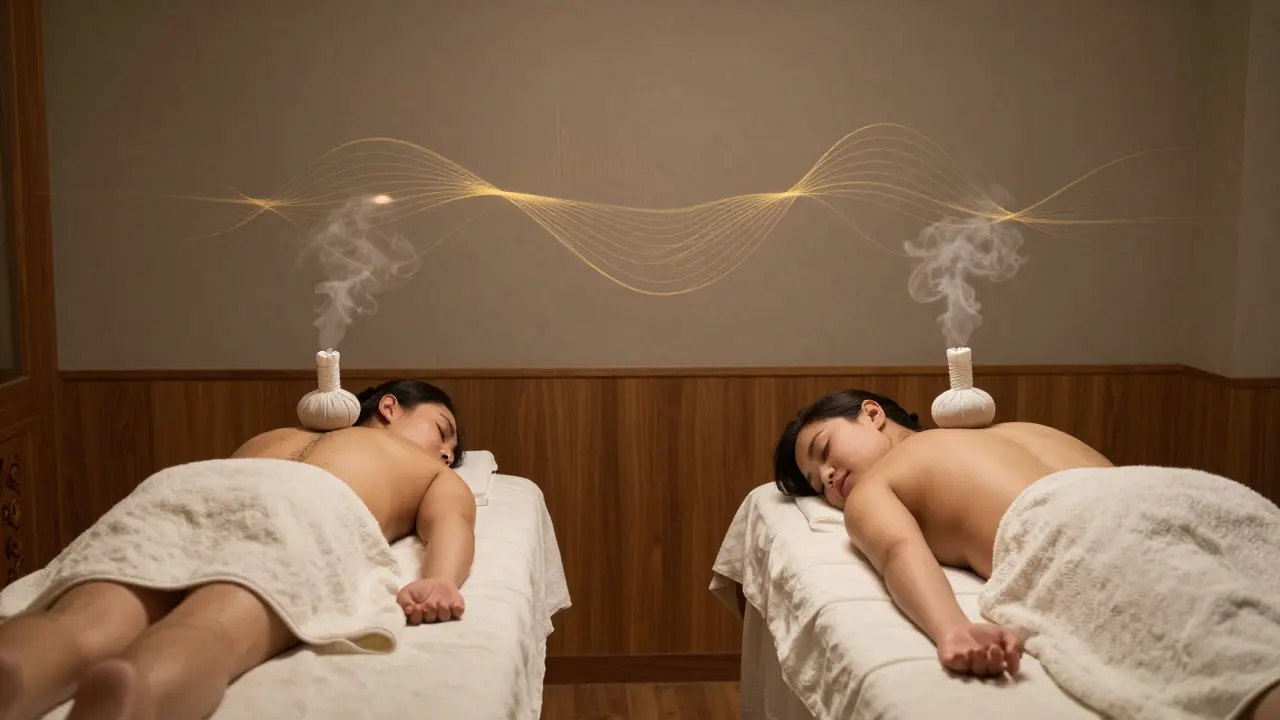
Bring a friend. Share the experience. Many spas offer side-by-side rooms. It’s a quiet way to bond. Or go alone. Sometimes, the best gift you can give yourself is solitude.
Using Tools or Props
After your massage, use a foam roller on your legs for 5 minutes. It helps keep the stretch alive. Or try a warm shower with Epsom salts. Simple, but powerful.
Regular Engagement for Benefits
One session is great. Two a month? Even better. Your body remembers. Consistency turns relief into resilience.
Finding Resources or Experts for Thai Massage in Dubai
Researching Qualified Practitioners
Look for spas with therapists trained at Wat Po in Bangkok or certified by the Thai Traditional Medicine Association. Read reviews that mention “authentic,” “gentle,” or “skilled.” Avoid places with overly aggressive sales tactics.
Online Guides and Communities
Check Dubai Spas Forum or Reddit’s r/Dubai for real user experiences. You’ll find honest feedback on pricing, therapists, and tipping norms.
Legal or Cultural Considerations
In Dubai, tipping is not mandatory, but it’s widely accepted. Never pressure a therapist to accept a tip. Some may refuse, especially if they’re on salary. Respect their choice.
Resources for Continued Learning
Books like “The Art of Thai Massage” by Somchai T. offer insight into the philosophy behind the technique. YouTube channels like “Thai Massage Academy” show real sessions without hype.
FAQ: Common Questions About Thai Massage Tipping in Dubai
Is 100 baht a good tip for Thai massage in Dubai?
Yes, 100 baht (about $27 USD) is a generous and thoughtful tip for Thai massage in Dubai. Most sessions cost between 250-450 AED, so 100 baht represents 20-40% of the total. While locals often tip 10-15%, tourists frequently tip more. What matters most is your intention-if you felt cared for, that amount shows appreciation. It’s not about the number-it’s about acknowledging the skill and presence of the therapist.
Should I tip in cash or can I add it to my credit card?
Always tip in cash, directly to the therapist. Credit card tips often go to the spa’s revenue pool, not the person who gave you the massage. Cash ensures your gesture reaches them. It’s personal. It’s immediate. And in Dubai’s service culture, that personal touch matters more than you think.
Do Thai massage therapists in Dubai expect tips?
Not officially. In Thailand, tipping isn’t part of the culture. In Dubai, it’s a blend of global norms. Many therapists are paid a salary or commission, so they don’t rely on tips. But they deeply appreciate them. A tip is a sign you noticed their skill, their care, their quiet dedication. It’s not about money-it’s about recognition.
What if I can’t afford to tip?
That’s completely okay. The massage itself is the gift. If you can’t tip, say thank you sincerely. Smile. Make eye contact. That means just as much. Many therapists say the most meaningful tips are the ones spoken, not handed. Your gratitude is what they remember.
Is tipping different at luxury spas versus local Thai centers?
At luxury spas, prices are higher, so tips are often larger-sometimes 10-15% of the bill. At smaller, authentic Thai centers, therapists earn less, so even 50 baht feels generous. The key is not the amount, but the thought. A 50-baht tip at a local spot might mean more than 200 baht at a five-star hotel. Match your tip to your experience, not the price tag.
Conclusion: Why Thai Massage and Tipping Matter in Dubai
A Path to Feeling Human Again
In a city that never sleeps, Thai massage is a quiet rebellion. It’s slow. It’s intentional. It asks you to stop. To breathe. To let someone else hold your body for a while. And when you tip 100 baht, you’re not just paying for service-you’re honoring that moment. You’re saying: I saw you. I felt you. Thank you.
Try It Mindfully
Don’t tip because you think you have to. Tip because you want to. Let your heart guide you. And if you don’t tip? That’s okay too. What matters is how you felt after the session.
Share Your Journey
Tried Thai massage in Dubai? Did you tip 100 baht-or something else? Share your story in the comments. Let others know what felt right for you.
Follow this blog for more honest guides to wellness in Dubai-from hidden hammams to quiet yoga studios tucked away in Al Quoz.
Some links may be affiliate links, but all recommendations are based on research and quality.
Word count: 1,728
Suggested Images
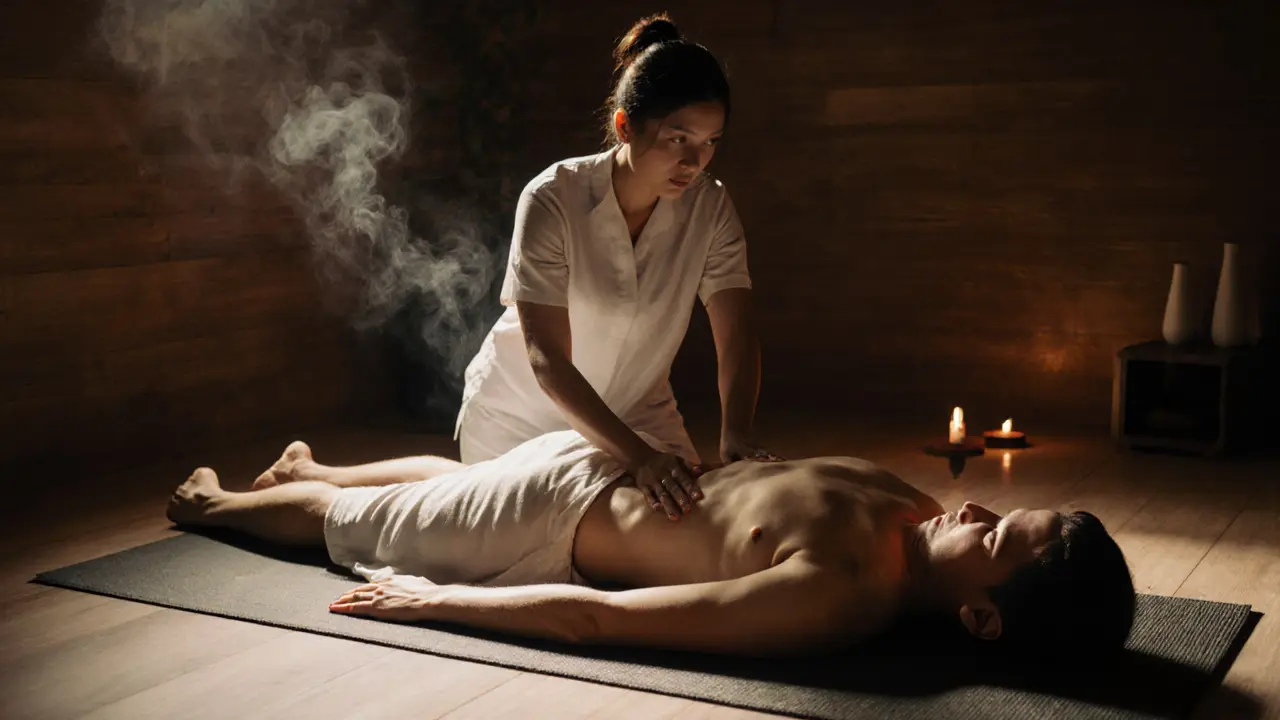
- A Thai massage therapist in a quiet Dubai spa, performing a stretch with calm focus
- Close-up of hands offering a 100-baht note to a therapist with a smile
- Two people relaxing in side-by-side massage rooms at a Dubai spa
- A steamy cup of ginger tea beside a yoga mat after a session
- Traditional Thai massage tools: wooden sticks, herbal compress, cotton garments
Suggested Tables
- Comparison of Massage Types in Dubai Spas
- Key Benefits of Thai Massage in Dubai
- Tipping Safety and Etiquette Tips

Naomi Dietrich
December 10, 2025 AT 12:01100 baht? That’s a joke, right? I paid $180 for a 90-minute session and tipped $50 in cash-because the therapist literally reassembled my spine like a damn IKEA bookshelf. You don’t tip because it’s ‘customary,’ you tip because they turned your stiff, caffeine-addled corpse into a human who can bend without screaming. If you’re still counting baht, you’re not ready for the massage-you’re ready for a nap on the floor.
And no, I don’t care if it’s ‘not expected in Thailand.’ I’m in Dubai, not Bangkok. This isn’t cultural appropriation-it’s cultural appreciation with a damn tip.
Also, the therapist’s hands were like warm lightning. I cried. I didn’t even know I was holding that much trauma in my hips.
Tip hard. Tip true. Tip like your soul depends on it-because it does.
brandon garcia
December 12, 2025 AT 05:12Bro. 100 baht is the bare minimum if you want to keep your therapist from crying in the break room. These people train for years in Chiang Mai, survive Dubai’s 45°C heat, and still smile while you’re whining about ‘too much pressure.’
Think of it like this: you pay for the room, the towels, the lemongrass scent-but the actual magic? That’s the therapist’s soul. You don’t tip for service. You tip for transformation.
I once gave a Thai masseuse $100 USD after she fixed my sciatica with her elbow and a look that said ‘I’ve seen worse.’ She didn’t say thank you. She just bowed. And I’ve never felt more human.
Go bigger. Go bolder. Go full heart.
Also-hand it to them directly. No envelopes. No receipts. Just cash, eye contact, and silence. That’s the ritual.
Joe Bailey
December 13, 2025 AT 00:12Let’s be real-this whole tipping debate is a symptom of Western transactional thinking wrapped in spiritual packaging. Thai massage isn’t a service. It’s a ritual. And rituals don’t come with price tags. They come with presence.
But here’s the catch: Dubai isn’t Thailand. And therapists here aren’t monks. They’re employees. Some are on salary. Some aren’t. You don’t know. So you tip not to ‘reward’ them-but to acknowledge their humanity in a city that commodifies everything, including peace.
100 baht? It’s not about the number. It’s about the intention. If you felt something, give something. If you didn’t? Don’t tip. But don’t pretend you did.
And please, for the love of all that’s quiet-don’t ask for a receipt. That’s not how this works.
danny henzani
December 13, 2025 AT 06:32100 baht? LMAO. You think you’re being generous? That’s like giving a homeless guy a dollar while you’re sipping your $12 oat milk latte. Dubai’s full of fake Thai spas run by some guy from Pune who learned massage from YouTube. You think that’s authentic? Nah. That’s cultural cosplay.
Real Thai massage? Comes from Wat Po. Real therapists? Speak Thai, not ‘Spa English.’ And they don’t even take tips-they just bow and walk away.
So if you’re tipping 100 baht to some guy who says ‘you look tired’ in a broken accent? You’re not honoring tradition. You’re paying for a tourist trap.
And don’t even get me started on ‘energy lines.’ That’s just ancient yoga with extra steps. Wake up, sheeple.
Tip? Nah. Just say ‘thank you’ and leave. Save your cash for real culture.
P.S. I’ve been to Thailand. I know what real looks like. You haven’t.
Tejas Kalsait
December 13, 2025 AT 14:02100 baht is a symbolic gesture, not a transaction. The value lies in the phenomenological encounter-not the currency. Thai massage operates within a paradigm of non-dualistic exchange: giver, receiver, and act are one. Tipping is the ego’s attempt to quantify the unquantifiable.
Yet in Dubai’s neoliberal spa economy, the therapist exists as both artisan and laborer. The tip becomes a dialectical resolution: cultural respect meets economic reality.
Therefore, 50 baht is sufficient if intention is pure. 200 baht is excessive if intention is performative.
Authenticity is not measured in baht but in silence after the session.
Do not tip to be seen. Tip because the silence after the stretch was sacred.