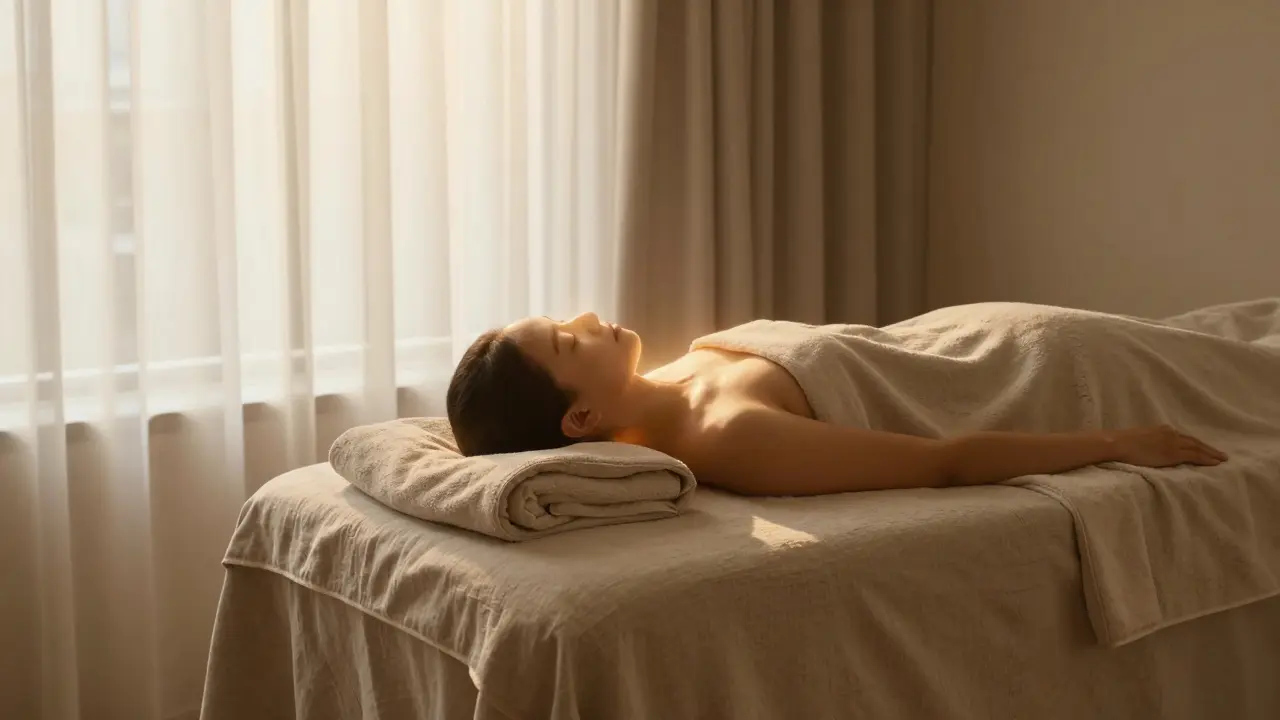
Do You Poop a Lot After a Lymphatic Drainage Massage? The Real Answer
Yes, some people do notice an increase in bowel movements after a lymphatic drainage massage-and it’s completely normal. This isn’t a side effect gone wrong. It’s your body responding to a gentle but powerful reset of your internal drainage system. Think of your lymphatic system like a hidden plumbing network running under your skin, collecting waste, toxins, and excess fluid. When you stimulate it with light, rhythmic pressure, you’re not just relaxing muscles-you’re waking up your body’s natural cleanup crew. And guess where a lot of that waste ends up? The colon.
Understanding the Basics of Lymphatic Drainage Massage
Origins and History
Lymphatic drainage massage traces its roots back to the 1930s, developed by Danish therapists Emil and Estrid Vodder. They noticed that patients with chronic sinus issues often improved after gentle skin strokes around the neck and face. Over time, they realized these light movements helped move lymph fluid-not just in the head, but throughout the entire body. The technique became popular in Europe for treating swelling after surgery and injuries. Today, it’s widely used in wellness centers from Paris to Dubai, not just for medical recovery, but for overall vitality.
Core Principles or Components
Unlike deep tissue massage, lymphatic drainage uses almost no pressure-think the weight of a dime resting on your skin. The strokes are slow, circular, and follow the natural flow of lymph toward major drainage points: the collarbones, armpits, and groin. The goal isn’t to break up knots; it’s to encourage fluid to move. Lymph doesn’t have a pump like the heart. It relies on movement, breathing, and external stimulation. A skilled therapist uses specific hand motions to guide fluid away from swollen or congested areas, helping your body process waste more efficiently.
How It Differs from Related Practices
Many people confuse lymphatic drainage with regular massage or detox treatments. Here’s how it stacks up:
| Practice | Key Feature | Primary Benefit |
|---|---|---|
| Lymphatic Drainage Massage | Extremely light pressure, directional strokes | Reduces swelling, supports immune function |
| Deep Tissue Massage | Strong pressure, focused on muscle layers | Relieves chronic tension, breaks down scar tissue |
| Swedish Massage | Medium pressure, long gliding strokes | Relaxes muscles, improves circulation |
| Detox Foot Baths | Water with salts, color changes | Placebo effect-no scientific proof of toxin removal |
Who Can Benefit from Lymphatic Drainage Massage?
Almost anyone can benefit, especially those dealing with post-surgical swelling, bloating, chronic fatigue, or recurring sinus infections. Athletes use it for faster recovery. Pregnant women find relief from leg swelling. Even people with no major health issues report feeling lighter, clearer-headed, and less puffy after a session. If you’ve ever felt like your body is holding onto extra weight-especially around the belly, face, or ankles-lymphatic drainage might be helping your body do what it’s already designed to do: clean itself.
Benefits of Lymphatic Drainage Massage for Your Body
Reduced Bloating and Fluid Retention
One of the most immediate effects people notice is less puffiness. Whether it’s morning face puffiness, swollen ankles after standing all day, or that stubborn belly bloating after a heavy meal, lymphatic massage helps drain excess fluid that’s been sitting in tissues. This isn’t water weight you’re losing-it’s fluid your body couldn’t clear on its own. Many clients describe it as feeling "unstuffed"-like their clothes suddenly fit better without even changing size.
Improved Digestion and Bowel Regularity
This is where the pooping question comes in. The lymphatic system runs close to your intestines. When you stimulate lymph flow in the abdomen and groin, you’re also gently massaging the bowel walls. This encourages peristalsis-the natural muscle contractions that move waste through your digestive tract. It’s not a laxative effect. It’s a natural reset. Many people report their first bowel movement after a session being smoother, larger, and more complete than usual. It’s not about frequency alone-it’s about quality. If you’ve been feeling sluggish or constipated, this could be why.
Enhanced Immune Function
Your lymph nodes are your body’s security checkpoints. They filter out bacteria, viruses, and cellular debris. When lymph fluid moves slowly, these nodes get overwhelmed. Lymphatic drainage keeps the fluid flowing, helping your immune system stay alert and efficient. People who get regular sessions often say they get sick less often. That’s not magic-it’s physiology.
Emotional Clarity and Reduced Stress
Stress doesn’t just live in your mind. It gets stored in your tissues as tension and stagnation. Lymphatic massage activates the parasympathetic nervous system-the "rest and digest" mode. This lowers cortisol, slows your heart rate, and helps your body shift out of fight-or-flight. Many clients leave sessions feeling calm, grounded, and surprisingly clear-headed. It’s like hitting a mental refresh button.
What to Expect When Engaging with Lymphatic Drainage Massage
Setting or Context
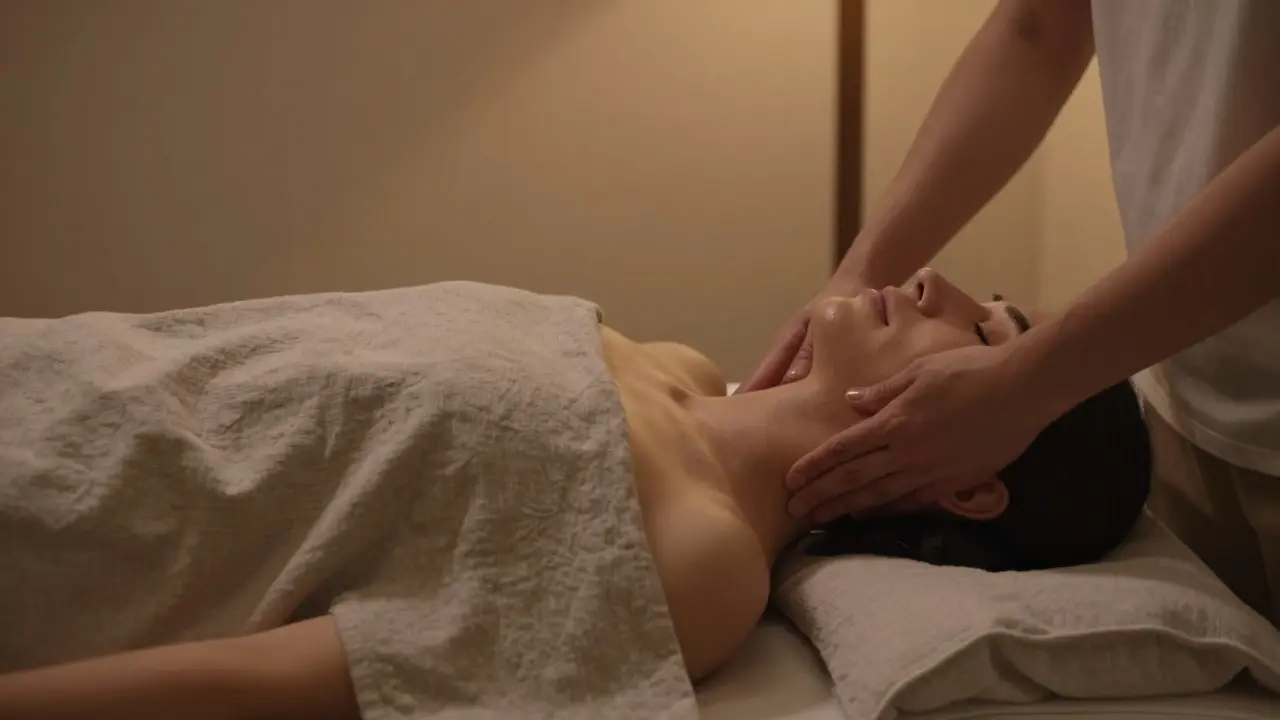
A typical session happens in a quiet, warm room with soft lighting. You’ll lie on a massage table, usually undressed from the waist down (draped with towels for privacy). The therapist uses oil or lotion to reduce friction. No loud music, no strong scents. The environment is designed to help you relax deeply. In Dubai, many spas use cool, minimalist interiors to match the city’s wellness-forward vibe.
Key Processes or Steps
The massage begins at the collarbone area to open major drainage pathways. Then, the therapist moves slowly down the neck, arms, torso, legs, and finally the groin. Each stroke is deliberate and gentle-so light, you might wonder if anything’s happening. But within 10-15 minutes, you’ll likely feel a subtle warmth or tingling as fluid begins to move. Sessions last 45 to 75 minutes. You’ll feel calm, not sore.
Customization Options
Therapists tailor the session based on your needs. If you’ve had surgery, they’ll avoid the incision site. If you’re dealing with bloating, they’ll focus more on the abdomen. If you’re just there for relaxation, they’ll spend extra time on the back and shoulders. It’s not one-size-fits-all.
Communication and Preparation
Drink water before and after. Avoid heavy meals right before. Tell your therapist if you’re pregnant, have active infections, or have had cancer treatment. These aren’t deal-breakers, but they change how the massage is done. The more honest you are, the safer and more effective it will be.

How to Practice or Apply Lymphatic Drainage Massage
Setting Up for Success
If you’re doing self-massage at home, find a quiet space. Use a gentle oil like sweet almond or jojoba. Lie down comfortably. Warm your hands first-cold hands can trigger tension. Set a timer for 10-15 minutes so you don’t rush.
Choosing the Right Tools or Professionals
Look for therapists certified in the Vodder or Foldi method. In Dubai, many spas list their therapists’ credentials on their websites. Ask: "Are you trained in manual lymphatic drainage?" If they say "just a regular massage," keep looking. Quality matters.
Step-by-Step Guide for Self-Massage
1. Start at your collarbones: Use flat fingers to make small circles, moving inward toward the center of your chest. Do this 5 times.
2. Move to your armpits: Gently press and release 3-4 times on each side.
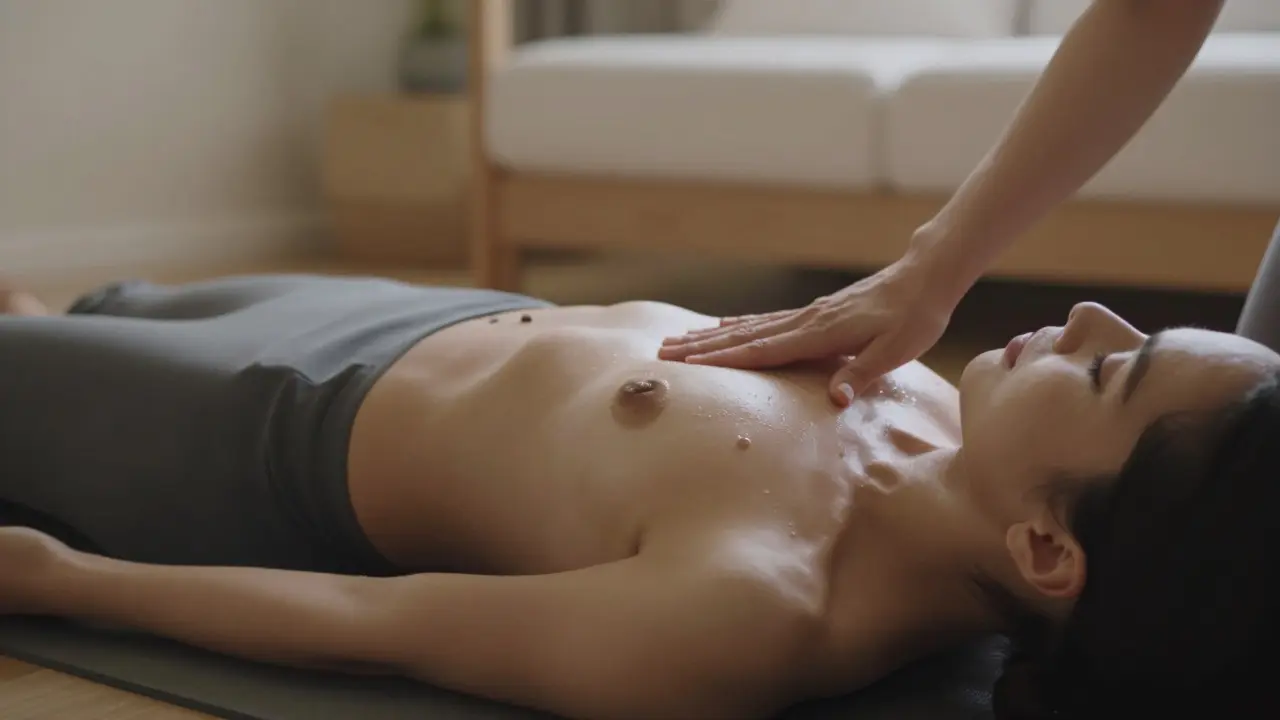
3. On your abdomen: Use light, clockwise circles around your navel, then sweep outward toward your hips.
4. On your legs: Stroke from your ankles up to your knees, then from knees to thighs-always moving upward.
5. End at your groin: Use very light pressure to stimulate the lymph nodes there.
Do this daily for a week, and notice how your body feels.
Tips for Beginners or Couples
Don’t press hard. If it hurts, you’re doing it wrong. Lymphatic drainage is about invitation, not force. If you’re doing it with a partner, take turns. It’s a great way to bond-slow, quiet, and deeply calming.
Safety and Ethical Considerations
Choosing Qualified Practitioners
Not every massage therapist knows lymphatic drainage. Look for certifications from recognized schools like the Vodder School or the Lymphology Association of North America. In Dubai, reputable spas like The Spa at Burj Al Arab or Al Maha Spa list therapist qualifications. If they don’t, ask.
Safety Practices
Hygiene is non-negotiable. Therapists should wash hands, use clean linens, and avoid massaging over open wounds, rashes, or active infections. Consent matters too. You have the right to stop at any time.
| Practice | Purpose | Example |
|---|---|---|
| Use light pressure | Prevents damage to delicate lymph vessels | Pressure should feel like brushing your skin with a feather |
| Stay hydrated | Helps flush released toxins | Drink 1-2 glasses of water after your session |
| Avoid if you have active infection | Prevents spreading bacteria | Wait until fever or sore throat is gone |
Setting Boundaries
Some people feel vulnerable during bodywork. It’s okay to say, "I’m not comfortable with that area," or "Can you go slower?" A good therapist will adjust without judgment.
Contraindications or Risks
Don’t get lymphatic drainage if you have: active cancer (without doctor approval), heart failure, kidney disease, or a blood clot. If you’ve had radiation therapy, consult your oncologist first. It’s safe for most people-but not everyone.
Enhancing Your Experience with Lymphatic Drainage Massage
Adding Complementary Practices
Pair it with deep breathing. Inhale through your nose, exhale slowly through your mouth. This helps move lymph naturally. Yoga, especially gentle poses like child’s pose or legs-up-the-wall, also supports drainage. Avoid alcohol and processed sugar after your session-they slow down your body’s cleanup process.
Collaborative or Solo Engagement
It works beautifully alone or with a partner. Solo sessions help you tune into your body. With a partner, it becomes a shared ritual of care. Try doing it together before bed-it’s a powerful way to unwind.
Using Tools or Props
A dry brush can help before your massage. Brush your skin in upward strokes toward your heart. A foam roller can release tight areas that block lymph flow. But remember: tools are helpers, not replacements for proper technique.
Regular Engagement for Benefits
One session helps. Regular sessions transform. Aim for once a week for 4 weeks if you’re dealing with bloating or swelling. Then, maintenance once a month keeps things flowing. Think of it like brushing your teeth-consistent care prevents bigger issues.
Finding Resources or Experts for Lymphatic Drainage Massage
Researching Qualified Practitioners
Check reviews on Google or trusted platforms like Tripadvisor. Look for mentions of "lymphatic drainage," "Vodder method," or "swelling relief." Avoid places that just say "detox massage"-that’s often marketing, not science.
Online Guides and Communities
The Lymphatic Education & Research Network (LE&RN) offers free, science-backed resources. YouTube has good tutorials from certified therapists-search for "manual lymphatic drainage tutorial" and watch for calm, slow movements.
Legal or Cultural Considerations
In Dubai, wellness practices are widely accepted, but always choose licensed clinics. Avoid unregulated home services. Respect privacy-many people feel shy about discussing bowel changes. That’s normal. You’re not alone.
Resources for Continued Learning
Books like "The Lymphatic System: A Guide for Practitioners" by Dr. Bruno Chikly offer deeper insight. Podcasts like "The Holistic Wellness Show" often feature lymphatic experts.
FAQ: Common Questions About Lymphatic Drainage Massage
Do you poop a lot after a lymphatic drainage massage?
It’s not uncommon. Lymphatic drainage stimulates the intestines indirectly by improving fluid movement around the abdominal area. This can trigger more regular, complete bowel movements. It doesn’t mean you’re "detoxing" in a dramatic way-it means your body is working better. If you’re already regular, you might just notice a slight increase. If you’re constipated, it might feel like a relief. This is a sign your system is responding, not a side effect.
What happens during a lymphatic drainage massage?
You lie comfortably while the therapist uses extremely light, rhythmic strokes to guide lymph fluid toward drainage points-usually starting at the collarbone and moving down. There’s no deep pressure. You might feel warmth, tingling, or nothing at all. Most people feel deeply relaxed. Sessions last 45-75 minutes. You won’t feel sore afterward.
How is lymphatic drainage different from a regular massage?
Regular massage targets muscles and connective tissue with deeper pressure to relieve tension. Lymphatic drainage targets the lymphatic system with feather-light pressure to move fluid. One is about muscle relaxation; the other is about internal cleansing. They can complement each other, but they’re not the same.
Can you do lymphatic drainage on yourself?
Yes. You can learn simple techniques for your face, neck, arms, and abdomen. Use light, upward strokes. Do it daily for 10 minutes. It won’t replace a professional session, but it helps maintain flow between appointments. Many people do it while watching TV or before bed.
Is lymphatic drainage safe if you’ve had cancer?
It can be-but only with clearance from your oncologist. If you’ve had lymph nodes removed or radiation, the flow patterns change. A trained therapist can adapt the technique to avoid risk. Never assume it’s safe without professional advice.
Conclusion: Why Lymphatic Drainage Massage is Worth Exploring
A Path to Feeling Lighter, Inside and Out
Lymphatic drainage isn’t a miracle cure. But it’s one of the most gentle, effective ways to help your body do what it’s meant to do: clean, heal, and restore. If you’ve been feeling sluggish, puffy, or just "off," this might be the missing piece.
Try It Mindfully
Start with one session. Pay attention to how your body feels-not just during, but in the hours after. Did you sleep better? Did your digestion improve? Did you feel calmer? These are the real signs it’s working.
Share Your Journey
Tried lymphatic drainage? Share how your body responded in the comments. Did you notice a change in your digestion? Your energy? Your skin? Your experience helps others decide if it’s right for them.
Some links may be affiliate links, but all recommendations are based on research and quality.
Word count: 1,678
Suggested Images
- A serene spa room in Dubai with soft lighting, a massage table, and a person lying under a towel
- Close-up of a therapist’s hands performing light, circular strokes on a client’s abdomen
- Before-and-after visual: a person looking puffy vs. looking relaxed and refreshed
- Person doing self-massage at home, lying on the floor with oil on hands
- Infographic showing lymphatic flow pathways in the human body
Suggested Tables
- Comparison of Lymphatic Drainage vs. Other Massage Types
- Key Benefits of Lymphatic Drainage Massage
- Lymphatic Drainage Safety Tips

Jeff Brainard
December 30, 2025 AT 15:48your body was holding onto ancient grief in its tissues
lymph is the silent cry of your cells begging to be heard
you didn't just move fluid you moved energy
the colon was just the exit ramp
Kumar Manickam
December 31, 2025 AT 05:04adam denature
January 1, 2026 AT 22:02lymph doesnt move poop
you drink water you poop
stop selling mysticism as medicine
if you pooped more you just hydrated better
Gail Montefalco
January 2, 2026 AT 10:38Hallesha Williams
January 3, 2026 AT 11:08lymphatic system dont directly controll bowel movment
you got confused with peristalsis and lymph flow
and why is everyone saying "poop" like its a wellness trend
its just digestion
and the vodder method is real but most spas dont even know what theyre doing
stop calling it detox its not detox its fluid movement
akarsh chauhan
January 4, 2026 AT 21:37Rupesh Deore
January 6, 2026 AT 01:07but it was just my body finally letting go
no magic just movement
if you sit all day your fluids get stuck
light touch helps
stop overthinking it