What Does Lymphatic Drainage Massage Actually Do? A Clear, Science-Backed Guide
Lymphatic drainage massage isn’t just another spa trend-it’s a gentle, targeted technique that helps your body move fluid where it needs to go. Unlike deep tissue or Swedish massage, it doesn’t crush muscles or leave you sore. Instead, it uses light, rhythmic pressure to encourage the flow of lymph, a clear fluid that carries waste, toxins, and immune cells out of your tissues. If you’ve ever felt puffy after a long flight, swollen ankles after standing all day, or just generally sluggish, this massage might be doing more for you than you realize.
It’s not magic. It’s biology. And it’s been used for over a century, especially in Europe, to help people recover from surgery, manage chronic swelling, and support immune health. In Dubai’s humid climate, where fluid retention is common, it’s become a quiet staple in wellness routines-not because it’s trendy, but because it works.
Understanding the Basics of Lymphatic Drainage Massage
Origins and History
Lymphatic drainage massage traces its roots to the 1930s, developed by Danish therapists Emil and Estrid Vodder. They noticed that many of their patients with chronic colds and sinus issues had swollen lymph nodes. Instead of just treating symptoms, they began gently massaging the areas around those nodes-and saw real improvement. Their method, called Manual Lymphatic Drainage (MLD), became the foundation for modern lymphatic massage.
By the 1970s, it was being used in hospitals in Germany and France to treat lymphedema after cancer surgery. Today, it’s taught in physiotherapy schools worldwide and is part of standard post-operative care in many countries. In Dubai, clinics and spas have adopted it not just for medical recovery, but for everyday wellness-especially for those dealing with stress, poor circulation, or the effects of long-haul flights.
Core Principles or Components
The technique relies on three key principles: light pressure, specific direction, and rhythm.
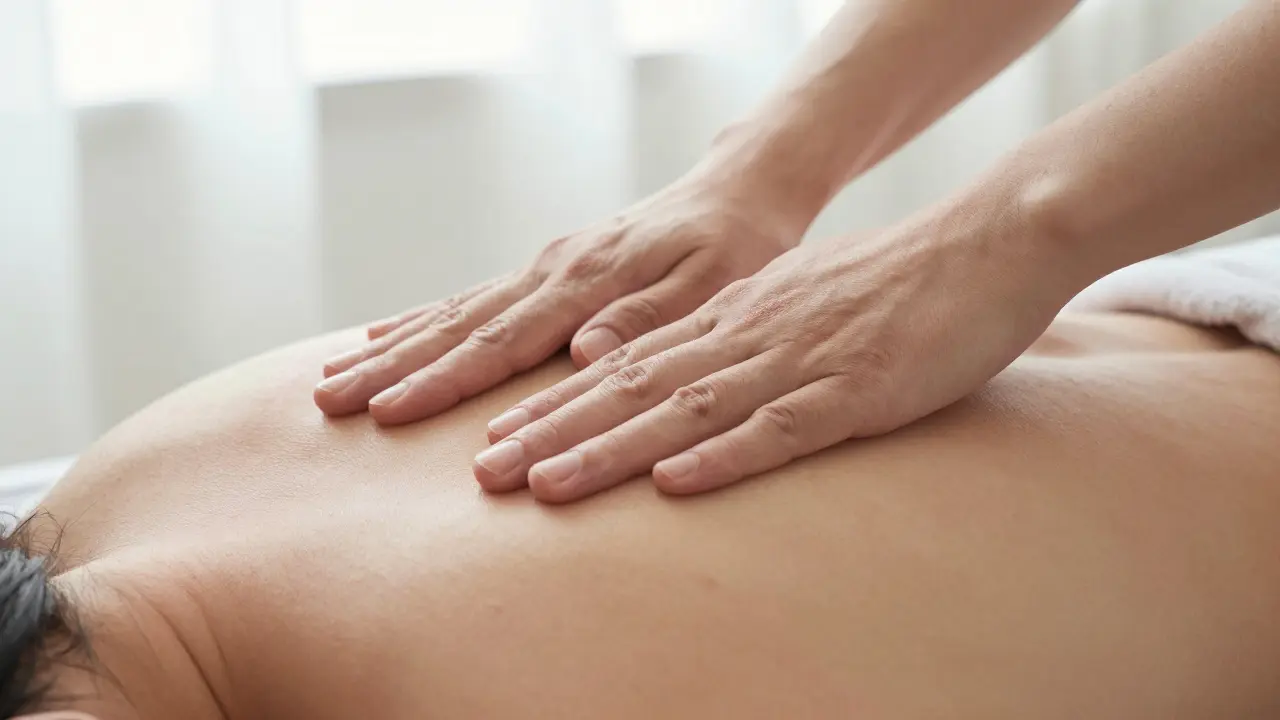
Pressure? Think feather-light-like you’re brushing the surface of a peach. Too much pressure crushes the delicate lymphatic vessels, which lie just under the skin. Direction? Movements always follow the natural flow of lymph toward the body’s main drainage points: the neck, armpits, and groin. Rhythm? Slow, wave-like strokes-about one movement per second-that mimic the natural pulse of lymph flow.
The goal isn’t to push fluid out aggressively. It’s to gently guide it. The lymphatic system has no pump like the heart-it moves because of muscle contractions, breathing, and external pressure. MLD gives it a helpful nudge.
How It Differs from Related Practices
People often confuse lymphatic drainage with other types of massage. Here’s how it stacks up:
| Practice | Key Feature | Primary Benefit |
|---|---|---|
| Lymphatic Drainage Massage | Very light, directional strokes | Reduces swelling, supports immune function |
| Swedish Massage | Medium pressure, long gliding strokes | Relaxes muscles, improves circulation |
| Deep Tissue Massage | Intense pressure, focused on muscle layers | Relieves chronic muscle tension |
| Detox Massage | Often uses oils, vigorous rubbing | May feel cleansing, but lacks scientific backing for "detox" |
Notice the difference? Lymphatic drainage isn’t about relaxation or breaking down knots. It’s about fluid movement. And unlike "detox" massages that promise to flush out toxins (a misleading term), MLD works with your body’s real, measurable systems.
Who Can Benefit from Lymphatic Drainage Massage?
Almost anyone can benefit-but it’s especially helpful for:
- People recovering from surgery (especially breast, head, or neck procedures)
- Those with chronic swelling (lymphedema, post-injury edema)
- Travelers who experience puffiness after long flights
- Women dealing with premenstrual bloating
- Anyone with frequent sinus congestion or colds
- Individuals with sluggish metabolism or poor circulation
In Dubai, where many people spend hours in air-conditioned offices or sit for long flights, this massage helps reset the body’s fluid balance. It’s not just for the injured-it’s for the tired, the puffy, and the overwhelmed.
Benefits of Lymphatic Drainage Massage for Your Body
Reduces Swelling and Fluid Retention
When your lymphatic system gets backed up, fluid pools in your tissues. That’s what causes morning puffiness around your eyes, swollen ankles after a long day, or that "I’ve gained five pounds overnight" feeling. Lymphatic drainage massage moves that fluid out of the tissues and back into circulation, where your kidneys can filter it out.
Studies show that MLD can reduce limb volume in people with lymphedema by up to 30% after several sessions. Even for non-medical cases-like post-flight swelling-it can make a noticeable difference within one session. Think of it as hitting the reset button on your body’s water retention.
Supports Immune Function
Your lymphatic system is your body’s cleanup crew and defense network. It carries white blood cells to where they’re needed and removes dead cells, bacteria, and toxins. When it’s sluggish, your immune system doesn’t work as well.
By improving lymph flow, this massage helps immune cells move more efficiently. People who get regular sessions often report fewer colds and faster recovery from infections. It’s not a vaccine-but it’s like giving your immune system a daily tune-up.
Improves Skin Texture and Reduces Puffiness
When fluid builds up under the skin, it can make your complexion look dull or puffy. Lymphatic drainage helps clear that out, leading to brighter, tighter-looking skin. Many dermatologists in Dubai recommend it before special events-not for instant results, but for a natural glow that lasts.
It’s also helpful for reducing under-eye bags and forehead puffiness. The technique is so gentle, it’s safe for sensitive skin and even post-procedure recovery after microneedling or laser treatments.
Enhances Recovery and Reduces Pain
After surgery, injury, or intense exercise, inflammation is normal. But prolonged inflammation slows healing. Lymphatic drainage helps reduce inflammation by removing excess fluid and waste products from the area.
Patients recovering from liposuction or breast reconstruction often say this massage is the most comforting part of their recovery. It doesn’t numb pain-but it reduces the pressure and heaviness that makes pain feel worse.
What to Expect When Engaging with Lymphatic Drainage Massage
Setting or Context
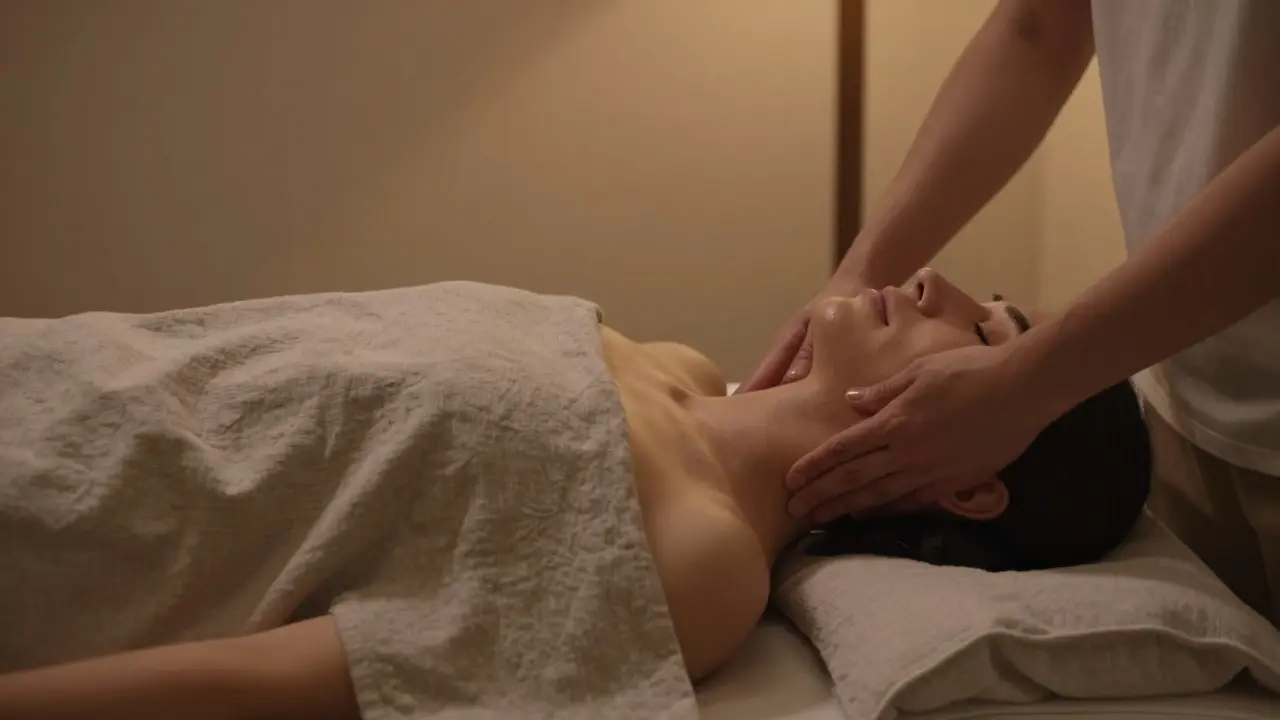
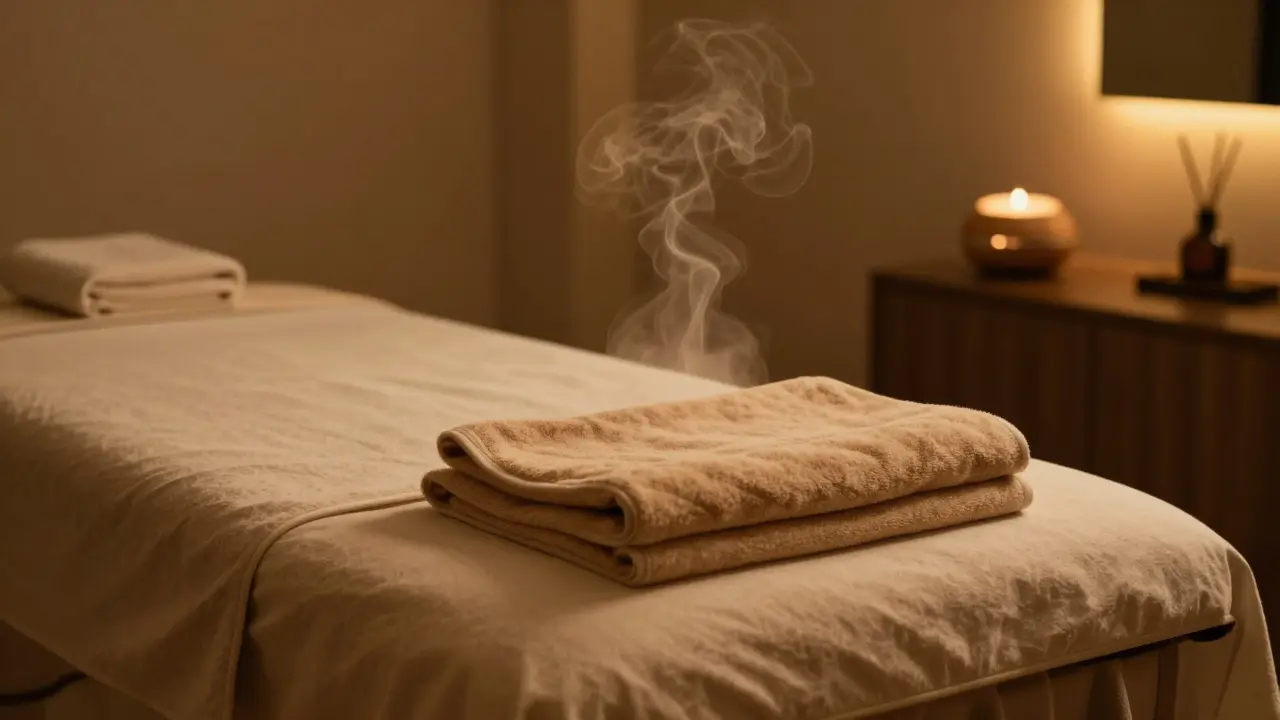
A lymphatic drainage session is calm, quiet, and slow. You’ll lie on a comfortable table, usually fully clothed or draped in light fabric. The room is dim, warm, and free of distractions. No loud music. No strong scents. Just soft lighting and a sense of stillness.
In Dubai, many spas offer this as a standalone treatment or as part of a post-spa recovery package. Some clinics pair it with compression garments for medical cases. The environment is designed to help you relax-not to impress.
Key Processes or Steps
A typical session lasts 60 to 90 minutes and follows a set sequence:
- Starts at the neck and collarbone area (the main drainage zone)
- Moves to the armpits and groin (secondary drainage points)
- Works outward from the center of the body toward the limbs
- Uses circular, pumping, or scooping motions-never kneading or rubbing
- Ends with deep breathing exercises to further stimulate lymph flow
You won’t feel pressure. You might feel a slight tingling or warmth. Some people fall asleep. Others feel oddly energized afterward.
Customization Options
This massage is highly adaptable. For someone recovering from surgery, the therapist will avoid the surgical site and focus on surrounding areas. For someone with sinus issues, they’ll concentrate on the face and neck. For general wellness, the whole body is treated.
Therapists can also adjust pressure based on your sensitivity. It’s not one-size-fits-all. If you’re pregnant, have sensitive skin, or are on blood thinners, the technique is modified accordingly.
Communication and Preparation
Before your session, drink water. Hydration helps your lymph move. Avoid heavy meals right before. Wear loose clothing-you’ll be comfortable either way.
During the massage, speak up if anything feels uncomfortable. Even though it’s gentle, some people feel lightheaded or emotional afterward. That’s normal. The body is releasing stored tension.
How to Practice or Apply Lymphatic Drainage Massage
Setting Up for Success
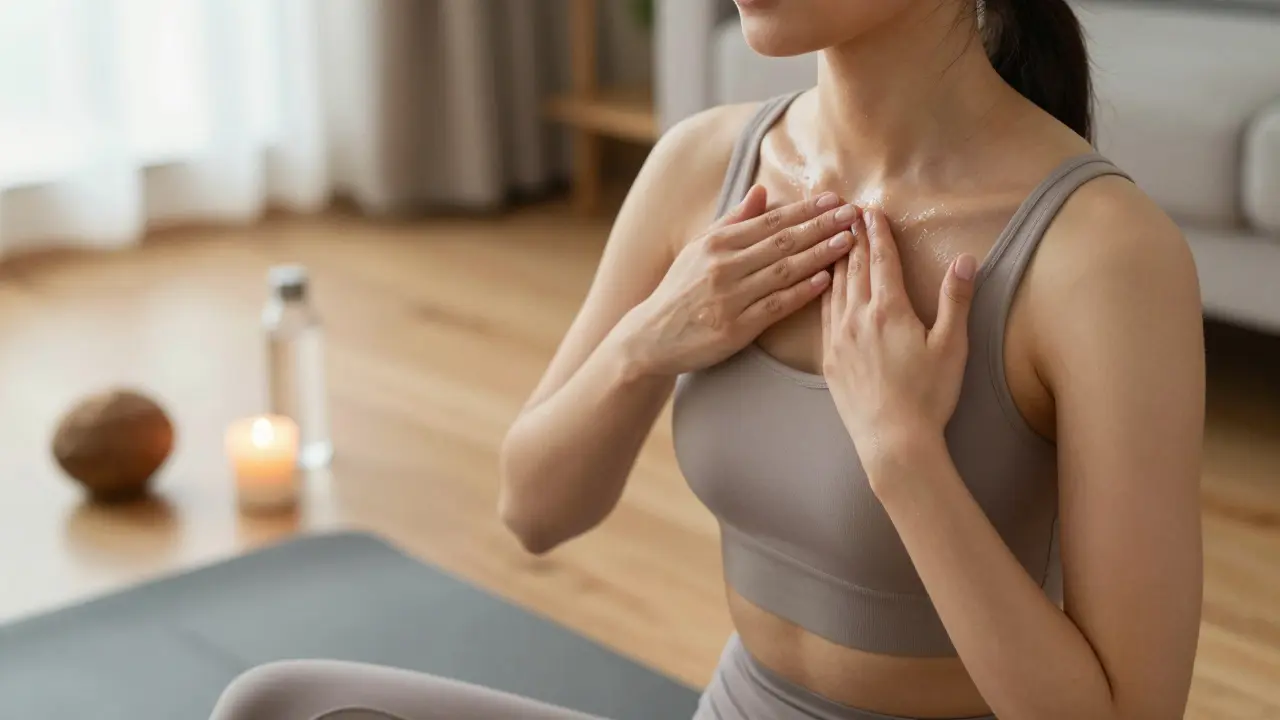
If you’re doing self-massage at home, create a calm space. Turn off your phone. Light a candle. Use a soft towel or blanket. Sit or lie down where you won’t be interrupted.
Use a light oil or lotion-just enough to reduce friction. Coconut or jojoba oil work well. Avoid heavy creams that might clog pores.
Choosing the Right Tools/Resources
You don’t need fancy tools. But if you want to enhance your routine:
- Use a soft, natural-bristle body brush for dry brushing before the massage
- Try a gentle rebounder (mini trampoline) for 5 minutes after-bouncing helps lymph flow
- Look for certified MLD therapists through organizations like the Lymphology Association of North America (LANA) or the Vodder School
In Dubai, check spa credentials carefully. Not everyone calling themselves a "lymphatic specialist" has proper training.
Step-by-Step Guide
Here’s a simple self-massage routine you can try:
- Start at your neck: Use flat fingers to gently stroke from your jawline down to your collarbone, 5 times
- Move to your armpits: Lightly circle your fingers around each armpit, 5 circles each side
- Go to your abdomen: Use flat palms to stroke gently from your hips toward your belly button, 5 times
- Work on your legs: Stroke from your ankles up toward your knees, then from knees to groin, 5 times each leg
- Finish with 5 slow, deep breaths
Do this daily for 10 minutes. It’s not a cure-all-but it’s a powerful daily reset.
Tips for Beginners or Couples
Beginners often press too hard. Remember: if you’re leaving a red mark, you’re doing it wrong. Start with 5 minutes a day. Build up slowly.
For couples, it can be a soothing ritual. One person gently massages the other’s neck and shoulders. It’s not romantic in the traditional sense-but it’s deeply calming. Many couples say it improves sleep and reduces tension.
Safety and Ethical Considerations
Choosing Qualified Practitioners/Resources
Not all massage therapists are trained in MLD. Look for certifications from the Vodder School, the Dr. Vodder School International, or LANA. Ask: "Are you certified in Manual Lymphatic Drainage?" If they say "I do lymphatic massage," that’s not enough.
In Dubai, reputable clinics list therapist credentials on their websites. If they don’t, ask. Your safety matters more than convenience.
Safety Practices
Here are simple safety rules:
| Practice | Purpose | Example |
|---|---|---|
| Use light pressure | Protect fragile lymph vessels | Pressure should feel like brushing a feather |
| Hydrate before and after | Help flush out toxins | Drink 1-2 glasses of water after your session |
| Avoid if you have active infection | Prevent spreading pathogens | Wait until fever or flu symptoms are gone |
Setting Boundaries
Even though it’s gentle, you’re still in control. If you feel uncomfortable with the pressure, the room temperature, or the therapist’s technique, say so. You have the right to stop at any time.
Contraindications or Risks
Don’t get lymphatic drainage massage if you have:
- Active infection or fever
- Heart failure or severe kidney disease
- Recent blood clots or deep vein thrombosis
- Untreated cancer (unless approved by your oncologist)
- Acute inflammation or open wounds
If you’re unsure, check with your doctor. This isn’t a risky treatment-but it’s not for everyone.
Enhancing Your Experience with Lymphatic Drainage Massage
Adding Complementary Practices
Pair MLD with:
- Deep breathing: Inhale through your nose, exhale slowly through your mouth
- Walking: Even a 15-minute walk after a session boosts lymph flow
- Reducing salt intake: Excess sodium worsens fluid retention
- Hydration: Water is your best ally
These aren’t magic fixes-but they make MLD more effective.
Collaborative or Solo Engagement
You can do this alone or with help. Self-massage works well for daily maintenance. Partner-assisted massage (like a partner gently stroking your back or legs) can be deeply bonding. It’s not about perfection-it’s about presence.
Using Tools or Props
Simple tools can help:
- Soft body brush (for dry brushing before massage)
- Mini rebounder (for 5 minutes of gentle bouncing)
- Compression sleeves (for medical cases, prescribed by a therapist)
Don’t overcomplicate it. Your hands are the best tool.
Regular Engagement for Benefits
One session can feel good. Consistency makes it life-changing. Aim for:
- Weekly: For general wellness or swelling
- Biweekly: For maintenance after recovery
- Monthly: For long-term fluid balance
Like brushing your teeth, it’s a small habit with big results.
Finding Resources or Experts for Lymphatic Drainage Massage
Researching Qualified Practitioners
In Dubai, look for therapists with:
- Certification from Vodder School or LANA
- Background in physiotherapy or medical massage
- Clear explanation of their technique
Read reviews that mention specific results-not just "felt relaxed." Look for mentions of reduced swelling or improved recovery.
Online Guides and Communities
Reputable resources include:
- The Lymphatic Education & Research Network (LE&RN)
- The International Lymphedema Framework
- YouTube channels run by certified MLD therapists (search "manual lymphatic drainage certified")
Avoid influencers who promise "miracle detox" results. Stick to science-backed sources.
Legal or Cultural Considerations
In the UAE, medical treatments require licensed professionals. Always confirm your therapist is registered with the Dubai Health Authority (DHA). Avoid unlicensed spas offering "lymphatic detox" as a quick fix.
Culturally, many expats in Dubai find this massage especially helpful for adjusting to the climate and lifestyle. It’s not a luxury-it’s a practical tool.
Resources for Continued Learning
Want to go deeper? Try:
- "The Lymphatic System: Anatomy and Physiology" by the American Lymphedema Framework
- Online courses from the Vodder School
- Books by Dr. Bruno Chikly, a pioneer in lymphatic therapy
FAQ: Common Questions About Lymphatic Drainage Massage
What to expect from lymphatic drainage massage?
You’ll lie comfortably while the therapist uses extremely light, rhythmic strokes-often starting at your neck and moving down your body. Most people feel calm, sometimes even sleepy. Afterward, you might feel slightly tired or need to use the bathroom more often. This is normal: your body is processing fluid. You shouldn’t feel sore, bruised, or drained. If you do, the pressure was too heavy.
What happens during lymphatic drainage massage?
The therapist uses gentle, wave-like motions to stimulate lymphatic vessels just under the skin. These vessels carry fluid toward key drainage points: your neck, armpits, and groin. The goal isn’t to break down fat or "detox" your organs-it’s to move excess fluid that’s stuck. Sessions typically last 60-90 minutes and follow a specific sequence to support natural flow. You won’t feel deep pressure or cracking-just soft, repetitive movements.
How does lymphatic drainage massage differ from regular massage?
Regular massage targets muscles, using deeper pressure to relieve tension. Lymphatic drainage targets the lymphatic system-tiny vessels that carry fluid and immune cells. It uses feather-light pressure, specific directions, and slow rhythms. You won’t feel it working in the same way as a deep tissue massage. But if you’ve had swelling, puffiness, or slow recovery, you’ll feel the difference in how your body feels afterward.
What is the method of lymphatic drainage massage?
The method follows a precise sequence: start at the main lymph nodes (neck, armpits, groin), then work outward to the limbs. Movements are circular, scooping, or pumping-not kneading or rubbing. Pressure is so light, it’s often compared to brushing a peach. Sessions are slow, lasting up to 90 minutes, and focus on encouraging natural flow, not forcing it. Training to do this correctly takes hundreds of hours. That’s why certification matters.
Is lymphatic drainage massage suitable for beginners?
Absolutely. It’s one of the gentlest forms of bodywork. Beginners often find it soothing and easy to tolerate-even if they’re sensitive to touch. You can start with a single session to see how your body responds. Many people begin with weekly sessions and later switch to monthly maintenance. Self-massage at home is also safe and effective for daily use. Just avoid heavy pressure and listen to your body.
Conclusion: Why Lymphatic Drainage Massage is Worth Exploring
A Path to Natural Balance
Lymphatic drainage massage isn’t about fixing what’s broken. It’s about helping your body do what it already knows how to do-move fluid, fight infection, and recover. In a world full of quick fixes and exaggerated claims, it’s a quiet, science-backed way to feel lighter, clearer, and more in tune with yourself.
Try It Mindfully
If you’ve been feeling puffy, sluggish, or just out of sync, give it a try. Start with one session. Don’t expect miracles. But do expect to feel more grounded. And if you’re recovering from surgery, dealing with swelling, or just want to feel better in Dubai’s climate-it’s one of the most thoughtful things you can do for your body.
Share Your Journey
Tried lymphatic drainage massage? Share your experience in the comments. Did it help with swelling? Sleep? Energy levels? Your story might help someone else decide to try it.
Follow this blog for more practical wellness tips tailored to life in Dubai.
Explore lymphatic drainage and let us know how it goes.
Some links may be affiliate links, but all recommendations are based on research and quality.
Word count: 1,712
Suggested Visuals
- A serene spa room in Dubai with soft lighting, a person lying comfortably on a massage table, lightly draped
- Close-up of hands performing gentle, rhythmic strokes on a person’s neck
- Before-and-after photo comparison of facial puffiness (non-invasive, natural lighting)
- A woman doing self-massage at home, sitting cross-legged with light oil on her hands
- A certified therapist holding a certificate from the Vodder School
Suggested Tables
- Comparison of Lymphatic Drainage Massage vs. Other Massage Types
- Key Benefits of Lymphatic Drainage Massage (Benefit, Description, Impact)
- Lymphatic Drainage Safety Tips (Practice, Purpose, Example)

Chris Lombardo
January 1, 2026 AT 04:38They say it's science but I've seen the footage from inside lymph nodes - they're just pumping out government tracking microchips disguised as fluid. The spa in Dubai? Totally a front for CIA ops. They want you to feel 'lighter' so you don't notice the drones overhead. Drink water? Yeah, right. That's how they flush the signal out of your system. Don't fall for it.
Frank ZHANG
January 1, 2026 AT 23:21Let’s cut through the fluff. The study cited? Tiny sample size, no control group, funded by a spa chain in Dubai. Lymphatic drainage doesn’t ‘reduce swelling by 30%’ - it temporarily displaces fluid like a bad massage therapist pushing on a water balloon. If you’re swollen, fix your diet, move more, stop sitting like a corpse in air conditioning. This is wellness theater with a price tag.
Sheri Gilley
January 3, 2026 AT 14:47I’ve been doing this for my post-surgery recovery, and honestly? It changed everything. I felt like my body finally stopped holding its breath. No magic, no detox nonsense - just gentle movement helping my system catch up. If you’re skeptical, try one session with a certified therapist. Don’t overthink it. Just let your body feel what it needs. You might be surprised.
samir nassif
January 4, 2026 AT 17:50Behold the pathetic anthropological spectacle of modern wellness culture: a civilization so divorced from its own physiology that it must pay $200 per hour to be gently stroked by a stranger in order to recall the ancient, sacred rhythm of its own lymphatic flow. The Vodder School? A temple of forgotten wisdom, corrupted by commodification. The human body, once attuned to the breath of earth and the pulse of nature, now grovels before the altar of certified practitioners in Dubai’s climate-controlled sanctuaries. We have forgotten that the lymph moves not by pressure, but by surrender - by stillness, by silence, by the quiet dignity of existence unmediated by spa music and coconut oil.
Sarah Kavanagh
January 6, 2026 AT 03:16I think what’s really interesting is how this technique mirrors how we should treat ourselves - gently, patiently, with direction. Not force. Not aggression. Just consistent, quiet care. It’s not about fixing something broken. It’s about remembering we’re not machines. We’re systems that need rhythm. Maybe that’s why it works.
Angie Angela
January 7, 2026 AT 18:23"Feather-light pressure like brushing a peach" - really? That’s the best analogy you’ve got? And you say "no deep tissue" but then list "scooping motions" - those aren’t just light strokes, they’re technically kneading. Also, "detox" is misleading? Then why do you use "flush out toxins" five times? Contradiction alert. And who says "the lymphatic system has no pump"? The diaphragm is a pump. Breathing is a pump. You’re oversimplifying to sell a massage.
fred mulder
January 8, 2026 AT 05:27Just wanted to say thanks to Sheri for sharing your experience - I’m recovering from knee surgery and was skeptical too. But after one session with a certified therapist (Vodder-trained, I checked), I could actually feel the difference in swelling by the next day. No hype, no magic. Just slow, quiet work. If you’re nervous, start with a local physio clinic - they often do this as part of rehab. And yeah, hydrate. It’s not a myth. Your body’s not broken. It just needs a little help remembering how to move.