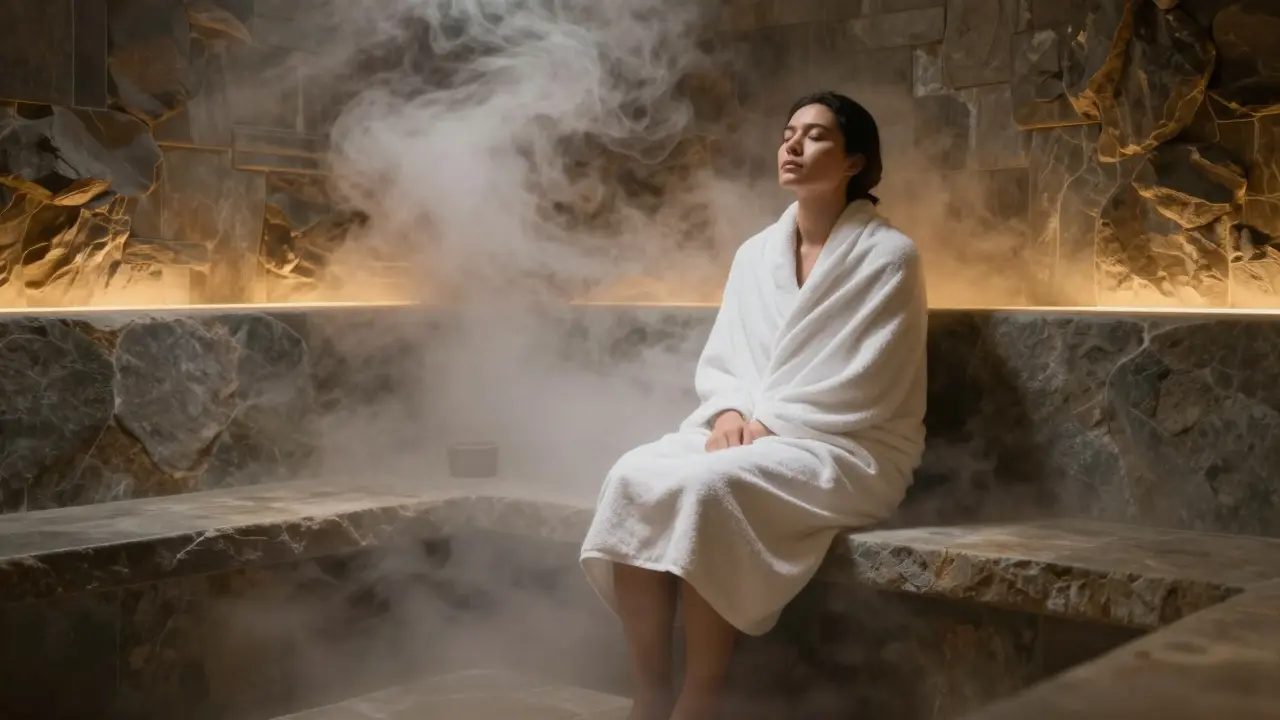
Steam room detox claims are everywhere, but does the science actually back up the idea that you are flushing out poisons when you sit in the wet heat? It’s a common myth that simply sweating removes heavy metals or chemicals from your system efficiently. While stepping into a misty room feels amazing for relaxation and circulation, understanding the reality helps you avoid health risks and enjoy real benefits.
Does a Steam Room Detox Your Body?
Many people walk into a spa expecting their skin to breathe better and their blood to be cleaner after twenty minutes of humidity. You probably see signs in locker rooms or gyms boasting about "natural purification" without explaining exactly what that means biologically. The truth is more nuanced than the marketing suggests. Your liver and kidneys handle actual detoxification, while sweat glands primarily manage temperature control.
Understanding the Basics of Heat Therapy
Origins and History
Heat bathing isn’t just a modern wellness trend; it goes back thousands of years. Ancient Romans and Greeks utilized public baths for socializing and hygiene, while Finnish saunas became legendary for physical cleansing. The Wet Heat variety found in steam rooms became popular in the 20th century due to its gentler nature compared to dry wood stoves. Today, these spaces are staples in luxury spas around the world.
Core Principles or Components
Unlike a traditional sauna that relies on dry radiant heat, a Comparison of Steam Rooms
| Feature | Steam Room | Sauna |
|---|---|---|
| Temperature | 40°C - 50°C | 70°C - 90°C |
| Humidity | 100% | Low (5%-20%) |
| Heat Type | Mist/Vapor | Dry Radiant |
How It Differs from Related Practices
People often confuse steam rooms with infrared saunas or traditional saunas. Dry saunas allow you to sweat profusely quickly, but the lack of humidity can feel harsh on sensitive lungs. Steam is easier to breathe for some, but less intense for those seeking rapid weight loss myths. Infrared uses light waves to penetrate tissue, whereas steam warms the skin surface first.
Who Can Benefit from Heat Therapy?
If you spend hours sitting at a desk, a steam session can help loosen tight muscles. It suits individuals looking for respiratory relief during cold seasons too. Athletes also use it for cooling down after a workout to improve recovery time. It is generally safe for healthy adults, but pregnant women or those with heart conditions should consult a doctor first.
Benefits of Heat Therapy for Body and Mind
Stress Reduction
Sitting in silence while surrounded by warm fog triggers a parasympathetic response. Your breathing slows down naturally as the heat relaxes tension in the chest and shoulders. This state mimics deep meditation without requiring complex techniques. Research suggests regular thermal exposure lowers cortisol levels over time.
Enhanced Functionality
Blood flow increases significantly during a session, meaning oxygen and nutrients reach your tissues faster. This vascular boost helps clear metabolic waste products accumulated during exercise. It acts somewhat like a passive massage for your circulatory system, reducing stiffness and inflammation.
Emotional Well-Being
The quiet environment creates a mental barrier against daily stressors. Many users report feeling lighter emotionally, partly due to endorphin release associated with mild thermal stress. It offers a rare moment of solitude where your mind can decompress from work and notifications.
Practical Applications
| Benefit Area | Description | Impact Level |
|---|---|---|
| Circulation | Vasodilation expands blood vessels | High |
| Skin | Pores open and dirt flushes out | Medium |
| Muscle Pain | Improved flexibility and reduced soreness | High |
What to Expect When Engaging with Steam Rooms
Setting or Context
You’ll usually find the room dimly lit with stone benches. A towel covers your body or the bench for hygiene. The air will feel thick, almost like a blanket wrapping around you. Some facilities offer music, aromatherapy, or essential oils infused into the steam generator.
Key Processes or Steps
A standard visit lasts 15 to 20 minutes. You enter, settle onto a bench, lie down or sit comfortably, and close your eyes. Do not talk immediately; let your body adjust to the temperature spike. If you get lightheaded, stand up slowly to avoid falling.
Customization Options
Luxury wellness centers often let you add eucalyptus or lavender scents for extra relaxation. You can also choose the duration based on your tolerance. Some people prefer a longer, milder session, while others like short, high-intensity bursts.
Communication and Preparation
Always shower before entering to remove lotions or perfumes, which can mix poorly with the hot steam. Bring a bottle of water so you can sip between sessions. Communicate with staff if you need assistance or feel unwell.
How to Practice or Apply Heat Therapy Safely
Setting Up for Success
Hydrate well before you arrive. Aim for at least 500ml of water beforehand so your kidneys have enough fluid volume to function properly. Dress in minimal clothing, typically just swimwear, allowing skin contact.
Choosing the Right Tools
A small cup for sipping water and a large bath towel are essentials. Some pros recommend a wooden headrest to keep your face from touching the hot tile floor directly. Avoid metal jewelry which can get too hot or conduct excessive heat to your skin.
Step-by-Step Guide
- Shower off to remove makeup and oils.
- Enter the room gently and place your towel on the bench.
- Sit or recline with eyes closed for 10-15 minutes.
- Exit and cool down gradually with fresh air or a lukewarm shower.
- Rehydrate immediately after leaving.
Tips for Beginners
Start slow. Try five minutes initially and build up. Listen to your body rather than sticking to a rigid schedule. If your heart races, step out immediately. Never lock the door behind you for safety reasons.
Safety and Ethical Considerations
Choosing Qualified Resources
When visiting a public facility, look for signs of clean maintenance. Stagnant water tanks in steam generators can breed bacteria. Reputable spas maintain strict hygiene logs and sterilize equipment frequently.
Safety Practices
| Practice | Purpose | Example |
|---|---|---|
| Hydration | Prevents dehydration shock | Sip water every 10 mins |
| Time Limits | Avoids overheating | Limit to 20 minutes |
| Hypoallergenic Surface | Reduces skin irritation | Use clean towel barrier |
Setting Boundaries
Respect personal space. In many cultures, especially in regions like Dubai or Europe, steam rooms may be gender-segregated or mixed depending on privacy preferences. Follow the venue’s dress code strictly.
Contraindications or Risks
Do not use a steam room if you have low blood pressure, recent surgery, or severe asthma. Excessive heat raises heart rate significantly, straining the cardiovascular system if you are unprepared.
Enhancing Your Experience
Adding Complementary Practices
Cool down with a contrast therapy shower or ice plunge afterward. This thermal shock trains your immune system further. Combine your steam habit with mindfulness breathing techniques.
Collaborative or Solo Engagement
You can bring friends for a conversation or come alone for meditation. Groups benefit from shared relaxation, while solo sessions allow deeper introspection. Both yield health advantages.
Using Tools or Props
Aromatherapy stones or essential oil diffusers enhance the sensory experience. Just ensure the oils are water-soluble so they disperse safely in the humid environment.
Regular Engagement for Benefits
Consistency matters more than intensity. A weekly session is better than one monthly marathon. Build the habit into your self-care routine rather than treating it as a special occasion.
Finding Resources or Experts
Researching Qualified Experts
Check reviews for local wellness centers that emphasize sanitation standards. Staff should have training in emergency protocols for fainting spells, which can happen in extreme heat.
Online Guides and Communities
Look for forums discussing sauna safety or hydrotherapy research. Medical websites provide evidence-based articles distinguishing fact from hype. Avoid blogs promising "miracle cures" without citations.
Legal or Cultural Considerations
Be aware of local laws regarding alcohol consumption before using heat facilities. Most reputable venues prohibit it due to the risk of heat stroke.
Resources for Continued Learning
Explore books on thermoregulation or longevity protocols. Understanding how your body responds to temperature changes empowers you to practice safely.
FAQ: Common Questions About Steam Room Detox
Does sweating in a steam room remove toxins?
Sweating excretes trace amounts of toxins like BPA and heavy metals, but your liver and kidneys do the bulk of the work. The primary purpose of sweating is cooling your body down, not medical detoxification. It complements natural bodily functions but doesn’t replace them.
Is it safe for people with respiratory issues?
Steam can relieve congestion, making it helpful for sinus infections or colds. However, excessive humidity can trigger asthma attacks in some individuals. Consult your pulmonologist before trying regular sessions if you have chronic breathing problems.
Does losing weight while steaming mean fat loss?
Any immediate drop on the scale is just water weight lost through sweat. Once you rehydrate, your weight returns. Steam rooms support metabolism indirectly via improved circulation, but they are not effective fat burners on their own.
How long should a session last?
Stick to 15 to 20 minutes maximum per visit. Longer durations increase the risk of dizziness or hypotension. You can do multiple sessions separated by cooling-off periods if tolerated well.
Are steam rooms good for skin complexion?
Yes, the heat opens pores and loosens dirt or oil trapped below the surface. Washing your face thoroughly after a session can lead to clearer skin, preventing acne caused by blocked follicles.
Conclusion: Why Heat Therapy Is Worth Exploring
A Path to Wellness
Whether you believe in deep purification or just want to relax, the experience offers undeniable relief for the nervous system. It provides a sanctuary away from constant digital noise.
Try It Mindfully
Approach the heat as a supportive tool rather than a miracle cure. Monitor your hydration levels and listen to your pulse rate to stay within safe zones.
Share Your Journey
Have you experienced surprising effects from steam therapy? Share your thoughts in the comments! We love hearing how others balance heat treatments with their daily wellness routines.