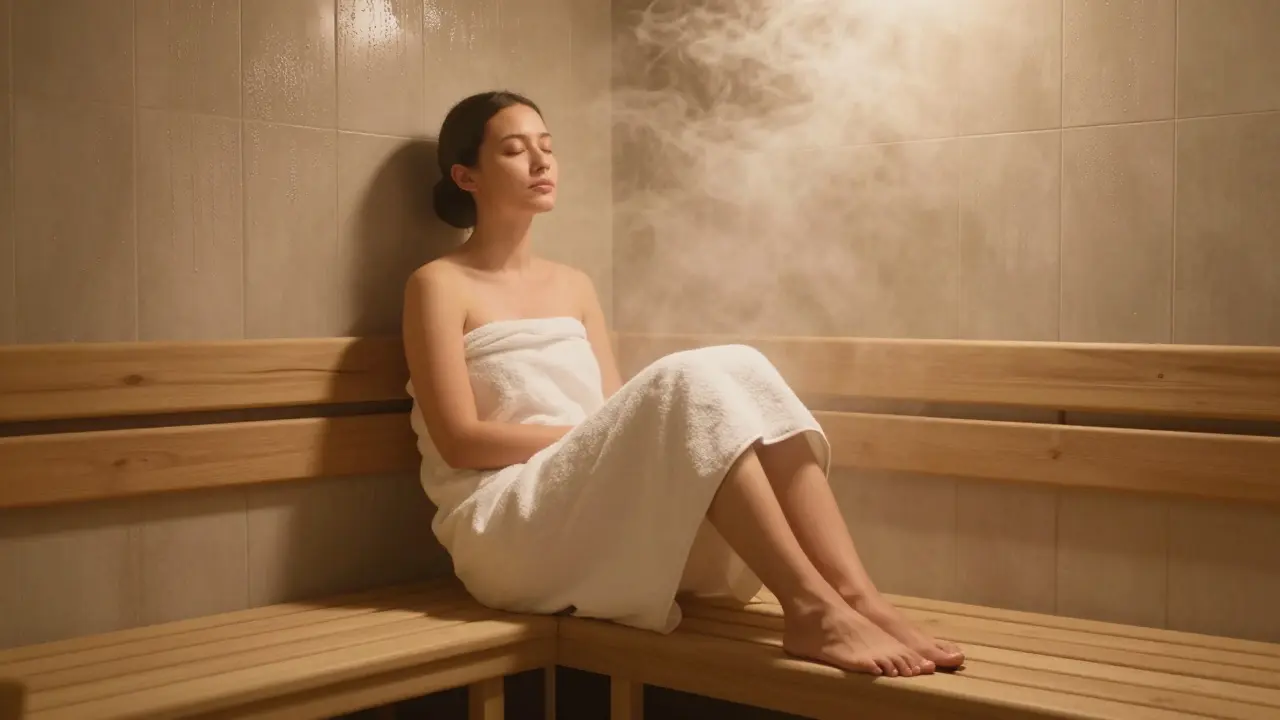
Does Steam Clean the Lungs? The Truth About Steam Rooms and Respiratory Health
Let’s get straight to it: steam does not clean the lungs. No matter how much you’ve heard otherwise, steam rooms don’t flush out toxins, scrub away mucus, or "detox" your airways like some kind of internal pressure washer. But that doesn’t mean they’re useless. In fact, for many people, especially in dry climates like Dubai, steam rooms offer real, measurable relief - just not in the way most people think.
Understanding the Basics of Steam Rooms
Origins and History
Steam rooms aren’t new. Ancient Romans built bathhouses with heated rooms filled with moist air - not for detox, but for socializing and relaxation. Similar practices appeared in Turkish hammams, Finnish saunas (though those are dry), and even in traditional Middle Eastern bathing rituals. The goal was always comfort, circulation, and a sense of calm. The idea that steam "cleans" the lungs is a modern marketing twist, not a historical truth.
Core Principles or Components
Steam rooms work by raising the temperature and humidity in a small, enclosed space - usually around 110-120°F (43-49°C) with near 100% humidity. Your body responds naturally: you sweat, your blood vessels dilate, and your breathing becomes deeper as your airways warm up. That’s it. No magic. No deep cleaning. Just your body doing what it does best - adjusting to heat.
How It Differs from Related Practices
People often confuse steam rooms with saunas, humidifiers, or steam inhalation therapy. Here’s how they stack up:
| Practice | Key Feature | Primary Benefit |
|---|---|---|
| Steam Room | High humidity, moderate heat | Relaxes muscles, eases congestion |
| Dry Sauna | Low humidity, high heat (160-200°F) | Intense sweating, cardiovascular stress |
| Steam Inhalation (Nebulizer) | Targeted steam to face/nose | Loosens nasal mucus |
| Humidifier | Constant low-level moisture in air | Prevents dryness in airways |
Who Can Benefit from Steam Rooms?
People with chronic nasal congestion, seasonal allergies, or mild asthma often feel better after a steam session. The warm, moist air helps loosen thick mucus in the nose and upper airways. Athletes use them for recovery. People in dry, air-conditioned environments - like Dubai residents - find them soothing after hours in a cold office. But if you have heart conditions, low blood pressure, or are pregnant, you should talk to a doctor first.
Benefits of Steam Rooms for Respiratory Comfort
Relief from Nasal and Sinus Congestion
When your sinuses are clogged, breathing feels like trying to suck air through a straw. Steam doesn’t remove the mucus, but it makes it thinner and easier to clear. Many people report feeling like they can breathe again after 10-15 minutes in a steam room. It’s not a cure - but it’s a temporary reset that feels like a sigh of relief.
Improved Breathing During Cold Seasons
In winter or in places with harsh AC, dry air irritates the lining of your airways. This can trigger coughing or tightness, especially in people with sensitive lungs. Steam helps hydrate that lining. It doesn’t prevent colds, but it can reduce how much your throat and nose feel scratchy and raw. Think of it like moisturizing dry skin - you’re not healing the wound, you’re making the surface feel better.
Stress Reduction and Relaxation
Heat triggers your parasympathetic nervous system - the part that says, "It’s safe to relax." That means slower heart rate, lower cortisol, and deeper breaths. For many, the real benefit of steam isn’t in the lungs - it’s in the mind. After a long day in Dubai’s heat, stepping into a steam room can feel like hitting a mental reset button.
Support for Exercise Recovery
After a workout, your muscles are tight, your body is hot, and your breathing is heavy. Steam rooms help cool you down gently while keeping your circulation moving. This can reduce muscle stiffness and speed up recovery. It’s not a replacement for stretching or hydration, but it’s a nice bonus.
What to Expect When Engaging with Steam Rooms
Setting or Context
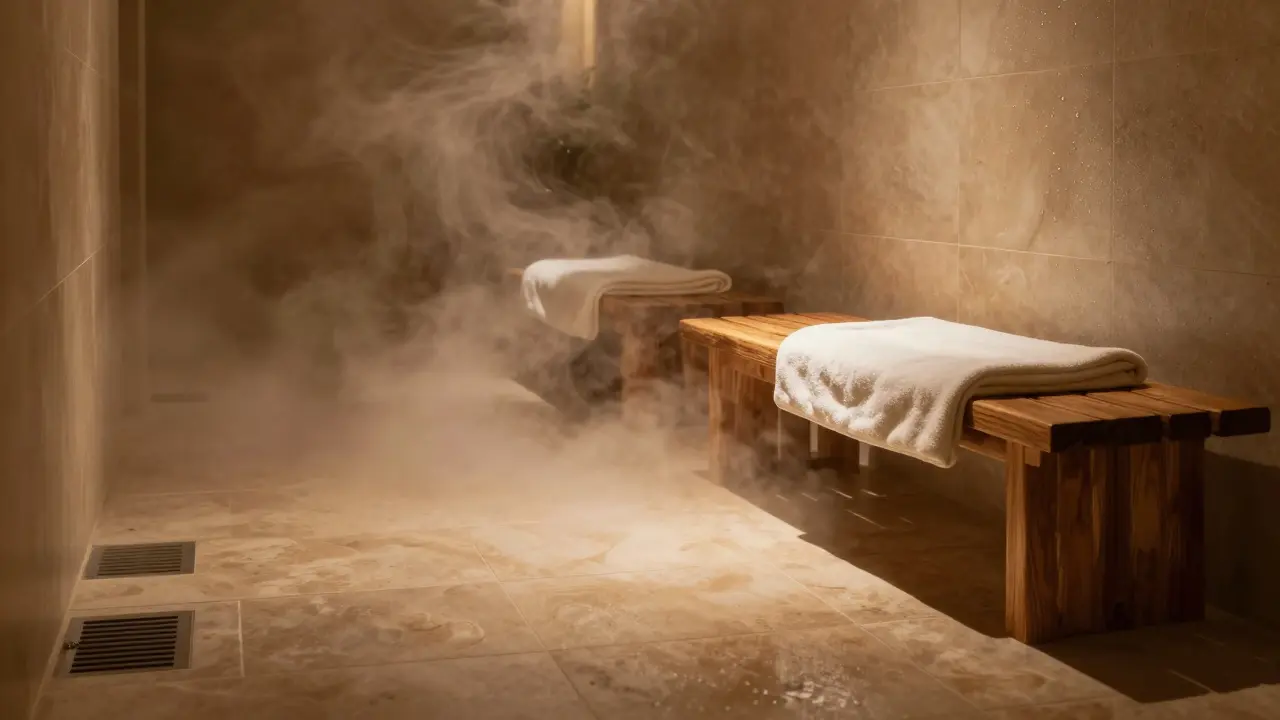
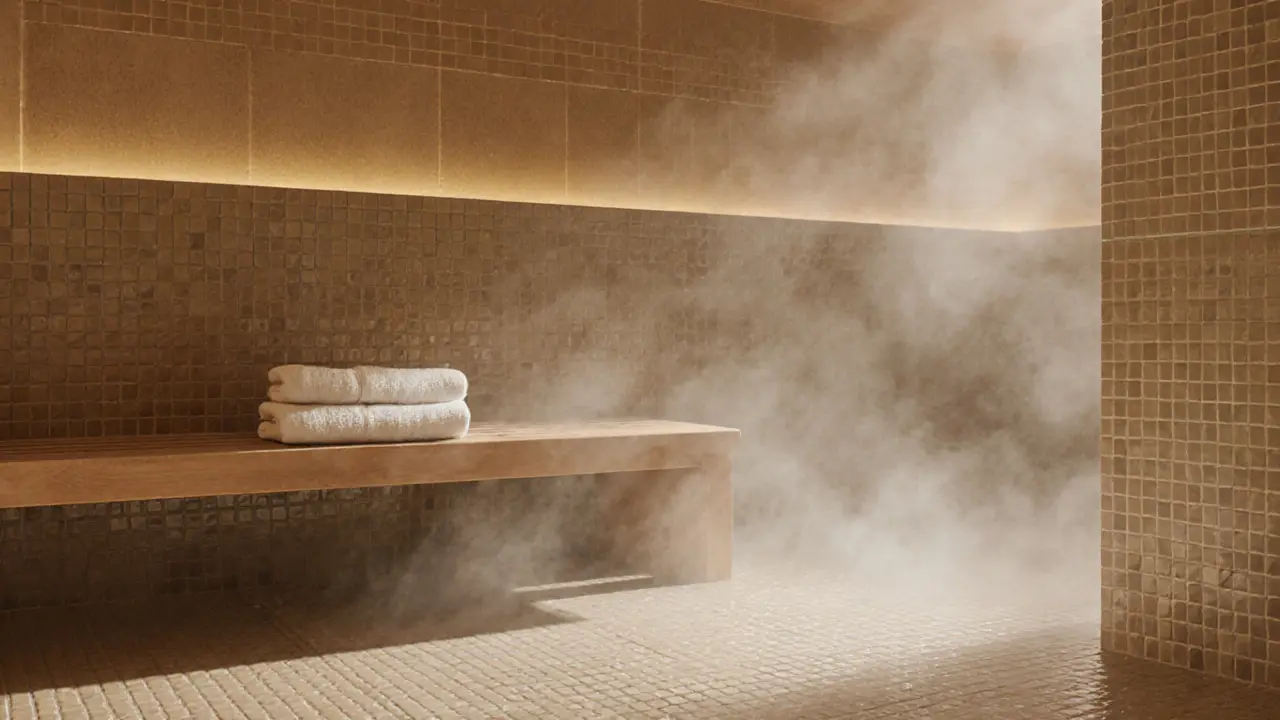
In Dubai, most steam rooms are found in high-end spas, hotels, or fitness centers. They’re usually small, tiled rooms with benches, low lighting, and a steady hiss of steam. Some have eucalyptus oil added - not because it cleans your lungs, but because it smells good and may help open your nasal passages slightly. Don’t expect a spa fantasy - it’s just warm, wet air.
Key Processes or Steps
Here’s what actually happens:
- You enter barefoot, usually wrapped in a towel.
- You sit or lie down - no standing, no rushing.
- You breathe slowly through your nose, letting the warm air reach your sinuses.
- You stay for 10-20 minutes - longer isn’t better.
- You cool down slowly with water or fresh air.
Customization Options
Some places let you add essential oils like eucalyptus or peppermint. Others offer heated stones or aromatherapy diffusers. But these are extras - they don’t change the core effect. If you’re sensitive to scents, skip them. Your lungs don’t need fragrance to feel better.
Communication and Preparation
Always tell the spa staff if you have any health conditions. Don’t go in on an empty stomach or right after a heavy meal. Drink water before and after. And never stay in longer than 20 minutes - your body doesn’t need it, and heat exhaustion is real.
How to Practice or Apply Steam Room Use
Setting Up for Success
If you’re using a steam room at a spa, arrive early. Use the shower first to clean off sweat and lotions. Bring a towel, flip-flops, and a bottle of water. Leave your phone outside - this isn’t a place to scroll.
Choosing the Right Tools/Resources
You don’t need gadgets. But if you want steam at home, a simple personal steam inhaler (like the ones used for colds) is safer and more targeted than trying to turn your bathroom into a sauna. Avoid DIY steam setups with pots or kettles - burns are common and unnecessary.
Step-by-Step Guide
Here’s how to use a steam room safely:
- Hydrate well before entering.
- Shower to remove oils or sweat.
- Enter the room, sit down, and relax.
- Breathe slowly through your nose for 10-15 minutes.
- Exit slowly. Don’t rush into cold air.
- Drink water and rest for 10 minutes.
Tips for Beginners or Couples
First-timers often stay too long because they think they need to "get the full effect." Start with 10 minutes. If you feel dizzy, lightheaded, or your heart races - get out. Couples can enjoy it together, but don’t talk loudly or rush the experience. It’s not a social hour - it’s quiet recovery.
Safety and Ethical Considerations
Choosing Qualified Practitioners/Resources
Spas in Dubai are regulated, but standards vary. Look for places with certified staff, clean facilities, and clear hygiene protocols. Avoid places that don’t clean the steam room between uses. Mold and bacteria can grow in damp, warm spaces.
Safety Practices
Here’s how to stay safe:
| Practice | Purpose | Example |
|---|---|---|
| Hydrate before and after | Prevent dehydration | Drink 1-2 glasses of water |
| Limit time to 15-20 minutes | Avoid overheating | Set a timer |
| Don’t use if dizzy or sick | Prevent fainting | Wait until you feel well |
Setting Boundaries
Some people feel claustrophobic in steam rooms. That’s normal. If you’re uncomfortable, leave. No one should pressure you to stay. Your comfort matters more than any supposed "benefit."
Contraindications or Risks
Don’t use steam rooms if you have:
- Uncontrolled high or low blood pressure
- Heart disease or recent heart attack
- Pregnancy (especially first trimester)
- Severe asthma or COPD
- Open wounds or skin infections
If you’re unsure, ask your doctor. Steam isn’t dangerous for most, but it’s not risk-free.
Enhancing Your Experience with Steam Rooms
Adding Complementary Practices
Pair your steam session with light stretching or deep breathing exercises afterward. Or follow it with a cool shower to close your pores. Some people like to meditate quietly after - it doubles the calming effect.
Collaborative or Solo Engagement
Steam rooms are great alone or with a partner. Alone, you get quiet time. With someone, it’s a shared ritual. Just keep noise low and respect personal space.
Using Tools or Props
Bring a towel to sit on. Some people like to place a cool washcloth on their forehead. That’s it. No need for oils, salts, or gadgets. Simpler is better.
Regular Engagement for Benefits
One session a week is enough for most people. Daily use can dry out your skin or strain your cardiovascular system. Think of it like a massage - occasional, not daily.

Finding Resources or Experts for Steam Rooms
Researching Qualified Experts/Resources
In Dubai, look for spas with certifications from international wellness bodies. Check reviews for mentions of cleanliness, staff training, and temperature control. Avoid places that promise "lung detox" or "toxin removal" - those are red flags.
Online Guides and Communities
Reputable health sites like the Mayo Clinic or the American Lung Association offer clear, science-backed info on steam and respiratory health. Avoid forums that sell products or make wild claims.
Legal or Cultural Considerations
In the UAE, spas follow strict hygiene laws. Mixed-gender steam rooms are rare - most are gender-segregated. Respect local norms. Also, alcohol is not allowed in spa areas.
Resources for Continued Learning
Books like "The Healing Power of Heat" by Dr. James Gordon or online courses from accredited wellness institutes can help you understand heat therapy safely.
FAQ: Common Questions About Steam Rooms
Does steam clean the lungs?
No, steam does not clean or detoxify your lungs. Your lungs don’t need cleaning - they have their own natural systems to clear mucus and debris. What steam does is moisten the airways, making it easier to breathe if you’re congested. It’s like using a humidifier - it helps with comfort, not deep cleaning.
What happens during a steam room session?
You enter a warm, moist room and sit quietly. Your body temperature rises slightly, you start to sweat, and your airways warm up. This can loosen mucus in your nose and throat, making breathing feel easier. Your heart rate may rise a little, and your muscles relax. The whole experience is passive - you’re not doing anything except breathing and relaxing.
How is a steam room different from a sauna?
Steam rooms use wet heat (high humidity), while saunas use dry heat (low humidity). Steam feels softer on the skin and is better for congestion. Saunas make you sweat more intensely and are often used for cardiovascular stimulation. Neither cleans your lungs - they just create different kinds of warmth.
Is steam good for asthma or bronchitis?
For some people with mild asthma or chronic bronchitis, warm steam can help loosen mucus and reduce coughing. But for others, the heat and humidity can trigger symptoms. It’s not a treatment - it’s a comfort tool. Always consult your doctor before using steam if you have a lung condition.
Can I use a steam room every day?
Daily use isn’t recommended. Your body needs time to recover. Overuse can lead to dehydration, skin dryness, or even heat stress. Once or twice a week is plenty for most people. Think of it like a treat, not a chore.
Conclusion: Why Steam Rooms Are Worth Exploring
A Path to Respiratory Comfort
Steam rooms won’t clean your lungs. But they can make breathing feel easier - especially in dry, air-conditioned cities like Dubai. They’re not a cure, but they’re a simple, natural way to soothe irritated airways and calm your nervous system.
Try It Mindfully
If you’re curious, give it a try - but go in with the right expectations. Don’t believe the hype. Sit quietly, breathe slowly, and listen to your body. If it feels good, great. If it doesn’t, walk out. No guilt.
Share Your Journey
Tried a steam room lately? Share your experience in the comments - what did you feel? Did it help your breathing? Follow this blog for more honest, science-backed wellness tips from Dubai.
Some links may be affiliate links, but all recommendations are based on research and quality.
Word count: 1,678
Suggested Images
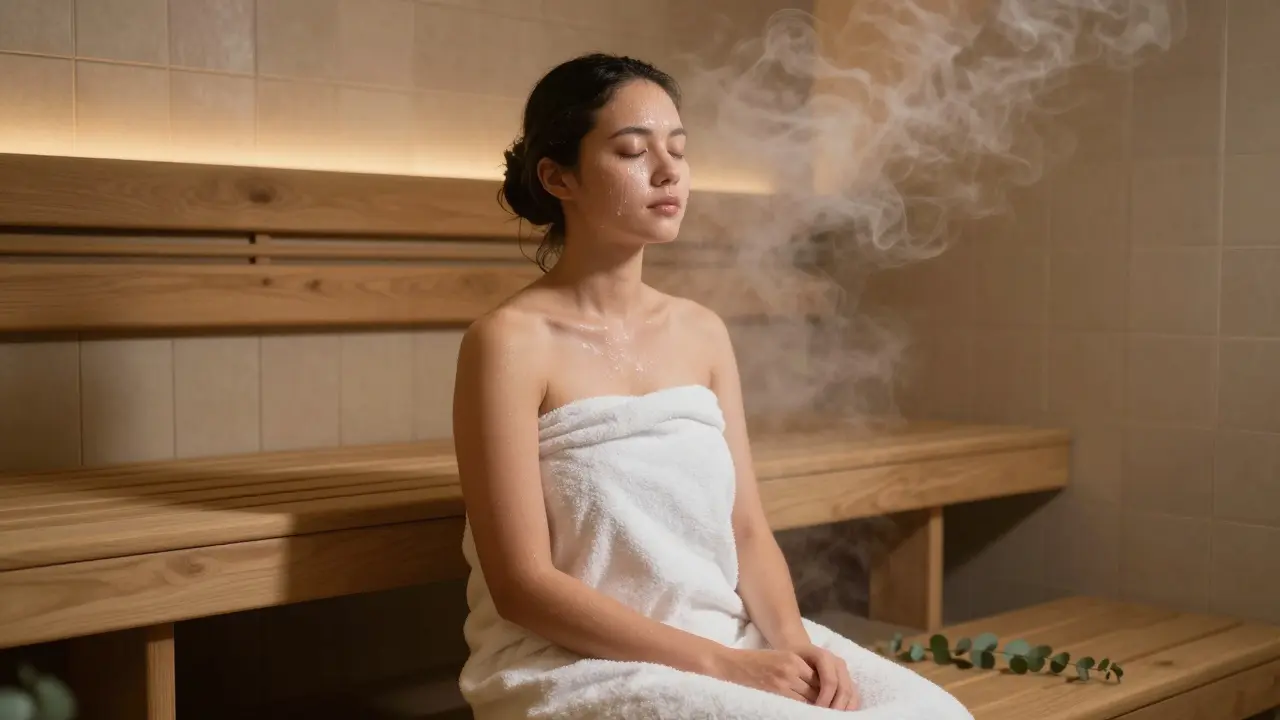
- A person sitting calmly in a tiled steam room with soft lighting and steam rising
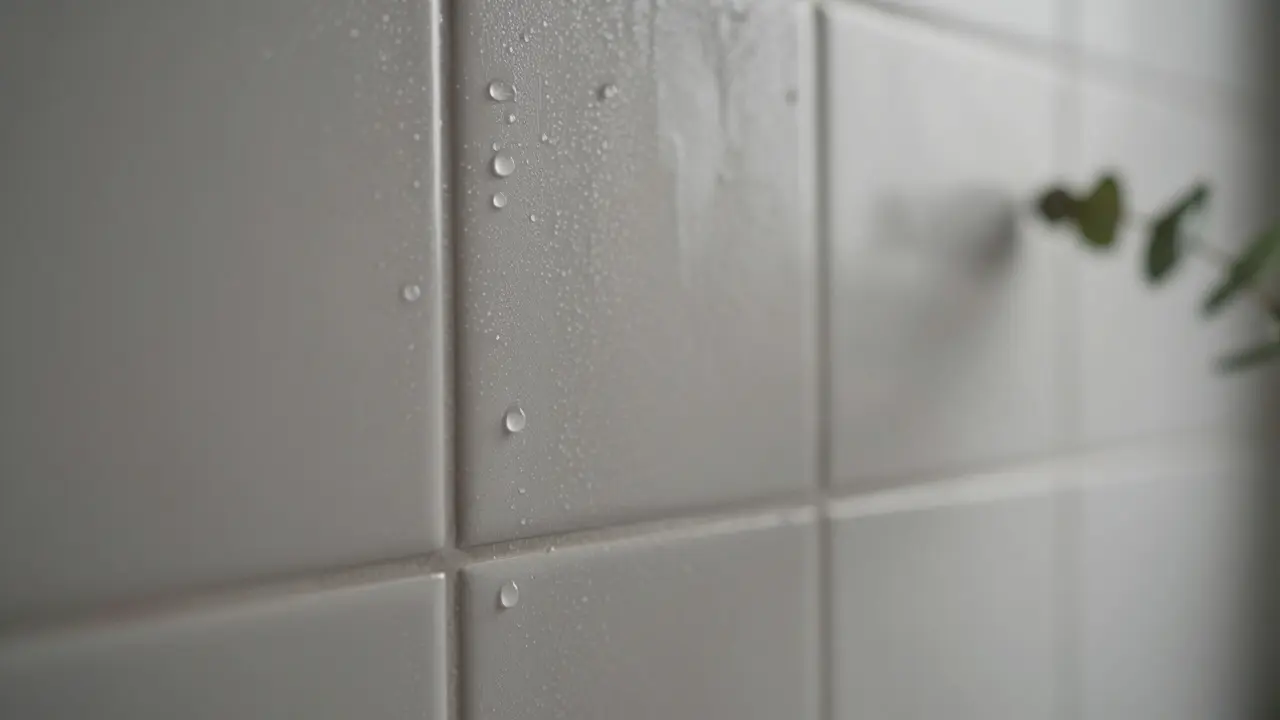
- Close-up of water droplets on a steam room wall
- Someone stepping out of a steam room, wrapped in a towel, looking relaxed
- Side-by-side comparison: steam room vs. dry sauna interior
- A small personal steam inhaler on a bathroom counter
Suggested Tables
- Steam Rooms vs. Other Heat and Moisture Therapies
- Key Benefits of Steam Rooms
- Steam Room Safety Tips

Kristin Kuchenbecker
January 22, 2026 AT 09:20Tony Giny
January 22, 2026 AT 23:04rohit patel
January 24, 2026 AT 11:16martha urquizu
January 25, 2026 AT 16:12william de simone
January 27, 2026 AT 11:15Christopher DeReinzi
January 29, 2026 AT 09:41George Wilson
January 30, 2026 AT 20:38CIaran Vaudequin
February 1, 2026 AT 05:11