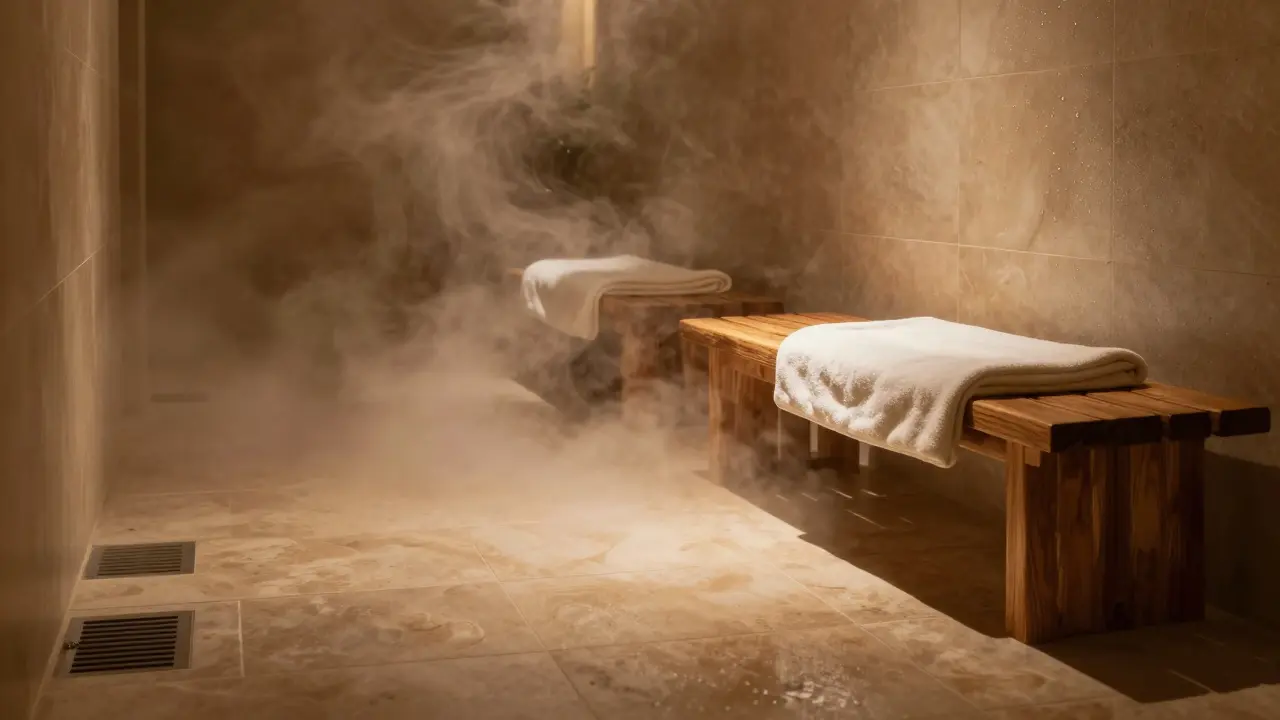
What does a steam room actually do? It’s not just a hot, misty room you walk into after a workout. A steam room is a carefully controlled environment designed to deliver specific physiological and psychological effects - and understanding how it works can transform how you use it. Whether you’re in Dubai’s desert heat or trying to unwind after a long day, the steam room offers more than just relaxation. Let’s break down what really happens when you step inside.
Understanding the Basics of Steam Rooms
Origins and History
Steam rooms trace their roots back thousands of years to ancient civilizations. The Romans built elaborate bathhouses with heated rooms filled with moist air, known as caldariums. In Turkey, the hammam tradition turned steam bathing into a social and cleansing ritual. Even in ancient China and Egypt, steam was used for healing and purification. These weren’t just luxury spas - they were essential parts of daily hygiene and wellness. Today’s modern steam rooms are direct descendants of these traditions, refined with technology but still rooted in the same core idea: heat and moisture work together to unlock deep relaxation and bodily reset.Core Principles or Components
A steam room works by generating 100% humidity at temperatures between 110°F and 120°F (43°C to 49°C). Unlike saunas, which use dry heat, steam rooms rely on water vapor. The heat comes from a steam generator that boils water and releases it into an enclosed, waterproof space - usually made of tile, stone, or non-porous wood. The high humidity prevents sweat from evaporating quickly, so your body responds by increasing blood flow to the skin’s surface. This triggers a gentle cardiovascular workout without physical exertion. The environment also softens the skin and opens pores, making it easier for your body to release toxins through sweat.How It Differs from Related Practices
Many people confuse steam rooms with saunas. They’re both heat-based therapies, but they operate differently. Saunas use dry heat (150°F-195°F) with low humidity (5%-30%), which causes rapid sweating and a more intense heat sensation. Steam rooms, on the other hand, use moist heat at lower temperatures, creating a more soothing, enveloping experience. Think of a sauna as a intense workout for your skin, while a steam room is more like a warm, humid hug for your whole body.| Feature | Steam Room | Sauna |
|---|---|---|
| Temperature | 110°F-120°F (43°C-49°C) | 150°F-195°F (65°C-90°C) |
| Humidity | 100% | 5%-30% |
| Heat Type | Mist (wet) | Dry |
| Sweating Experience | Slower, more gradual | Faster, more intense |
| Best For | Respiratory relief, skin hydration | Deep muscle relaxation, detox |
Who Can Benefit from Steam Rooms?
Almost anyone can benefit - but some groups notice dramatic improvements. People with dry skin, congestion, or stiff muscles often feel immediate relief. Athletes use steam rooms to recover faster after training. Those with seasonal allergies or asthma find breathing easier as the moist air loosens mucus. Even people dealing with stress or poor sleep report better rest after regular sessions. If you’re looking for a low-impact way to reset your body, the steam room is one of the most accessible tools available.Benefits of Steam Rooms for Body and Mind
Stress Reduction
The warmth and humidity of a steam room trigger your parasympathetic nervous system - the part of your body responsible for rest and recovery. This isn’t just a feeling. Studies show that consistent heat exposure lowers cortisol levels, the hormone linked to stress. When you’re surrounded by warm mist, your heart rate slows, muscles relax, and mental chatter fades. It’s like hitting a pause button on your day. Many regular users describe it as a form of meditation without needing to sit still. In Dubai’s fast-paced environment, where heat is constant, the steam room becomes a sanctuary - not just for cooling down, but for truly calming down.Enhanced Respiratory Function
If you’ve ever had a stuffy nose or felt tightness in your chest, steam can be a game-changer. The moist air helps thin mucus in your nasal passages and lungs, making it easier to breathe. This is why steam rooms are often recommended for people with colds, sinus infections, or chronic bronchitis. The heat also causes blood vessels in your airways to widen, improving airflow. You don’t need medication - just 10 to 15 minutes in the steam room can make breathing feel noticeably lighter. It’s no surprise that many spas in Dubai include steam rooms as part of their respiratory wellness programs.Improved Skin Health
Steam opens your pores and increases circulation to the skin’s surface. This means dirt, oil, and dead skin cells are more easily released. Over time, regular steam sessions can lead to clearer, softer skin. It’s especially helpful in hot, dry climates like Dubai, where air conditioning and sun exposure can leave skin dehydrated and dull. Many dermatologists suggest combining steam with gentle exfoliation once a week for best results. You’re not just sweating - you’re giving your skin a deep cleanse without harsh scrubs or chemicals.Recovery and Muscle Relief
After a tough workout or a long day on your feet, your muscles tighten up. Steam helps by increasing blood flow, which brings oxygen and nutrients to tired tissues. The heat also reduces muscle stiffness and soreness by relaxing connective tissue. While ice baths are popular for athletes, steam rooms offer a gentler, more soothing alternative. You won’t feel the burn of cold - just a slow, comforting release. Many fitness centers in Dubai pair steam rooms with stretching areas because the combination works so well together.| Benefit | Description | Impact |
|---|---|---|
| Stress Reduction | Calms nervous system, lowers cortisol | Improved sleep, lower anxiety |
| Respiratory Relief | Loosens mucus, opens airways | Easier breathing, fewer congestion episodes |
| Hydrated Skin | Opens pores, boosts circulation | Clearer complexion, reduced dryness |
| Muscle Recovery | Increases blood flow, relaxes tissue | Faster soreness relief, less stiffness |
| Detox Support | Enhances natural sweating | Supports liver and kidney function |
What to Expect When Engaging with a Steam Room
Setting or Context
A well-designed steam room feels like a quiet cocoon. It’s usually small, dimly lit, and lined with non-slip tiles or natural stone. The air is thick with warmth, and you’ll hear the gentle hiss of steam being released. Most public steam rooms in Dubai spas include benches - usually made of waterproof wood or stone - so you can sit or recline. Some have built-in aromatherapy diffusers that release eucalyptus or lavender into the mist. The temperature stays steady, so you won’t feel sudden spikes. It’s not loud, not flashy - just quietly effective.Key Processes or Steps
There’s no complex routine. Step in, find a comfortable spot, and breathe deeply. Let your body adjust over the first 3-5 minutes. You’ll start to feel warmth spreading through your skin, then your muscles, then your mind. Stay for 10-20 minutes - longer isn’t better. When you’re ready, step out slowly. Drink water immediately. Don’t jump into cold water right away. Let your body cool naturally. That’s it. No timers, no rules - just presence.Customization Options
You can personalize your steam experience. Add a few drops of essential oil to the steam generator if the facility allows - eucalyptus for sinuses, peppermint for energy, or lavender for calm. Some people like to use a towel to cover their head, creating a mini steam tent for deeper facial treatment. Others prefer to lie down for full-body absorption. You can even combine steam with gentle stretching on the bench. The key is to listen to your body. If you feel lightheaded, step out. If you feel great, stay a little longer.Communication and Preparation
Before entering, hydrate well. Drink at least one glass of water 30 minutes beforehand. Avoid heavy meals or alcohol - they can make you feel sluggish or nauseous in the heat. If you’re new, start with 5-10 minutes and build up. Tell the spa staff if you have any health conditions - they’re trained to help you stay safe. And always use a towel to sit on. It’s basic hygiene, and it’s expected.
How to Practice or Apply Steam Room Therapy
Setting Up for Success
If you’re using a steam room at home or a spa, make sure the space is clean and well-ventilated. Avoid using it right before bed unless you’re using it for sleep support - the warmth can be stimulating for some. Keep a bottle of water nearby. Wear a towel or light cotton robe - no synthetic fabrics. The goal is comfort, not fashion.Choosing the Right Tools
Most public steam rooms are maintained by professionals. If you’re installing one at home, look for units with automatic shut-off, temperature controls, and antimicrobial surfaces. Brands like Steamist or Delonghi offer reliable home models. But remember - you don’t need a fancy setup to benefit. Even a simple steam tent or hot shower with a towel over your head can mimic some of the effects.Step-by-Step Guide
1. Drink water 30 minutes before entering. 2. Remove jewelry and heavy clothing. 3. Enter the room slowly - let your body adjust. 4. Sit or lie down comfortably. 5. Breathe deeply through your nose for 10-20 minutes. 6. Exit slowly and rest for 5 minutes. 7. Drink more water. 8. Wait at least 30 minutes before showering or exercising.Tips for Beginners
First-timers often feel overwhelmed. That’s normal. Start with 5 minutes. Don’t try to “do it right.” There’s no performance here. If you feel dizzy, step out. Breathe. Wait. Try again tomorrow. Many people find that after 3-4 sessions, they begin to crave the feeling. It becomes a ritual - not a chore.Safety and Ethical Considerations
Choosing Qualified Practitioners
If you’re using a spa, check if they’re certified by organizations like the International Spa Association (ISPA). Staff should know how to monitor temperature and respond to overheating. Ask if they clean the steam room daily - mold and bacteria can grow in damp environments if not properly maintained.Safety Practices
| Practice | Purpose | Example |
|---|---|---|
| Hydrate before and after | Prevent dehydration | Drink 16 oz water before entering |
| Use a towel on bench | Prevent skin contact with bacteria | Place clean cotton towel before sitting |
| Limit time to 20 minutes max | Avoid overheating | Set a timer if you tend to lose track |
| Don’t use alone if prone to dizziness | Ensure safety | Have someone nearby or go with a friend |
Setting Boundaries
Respect personal space. Don’t talk loudly or linger too close to others. Steam rooms are for quiet reflection. If you’re uncomfortable with nudity, most places provide towels or private sessions. Always ask before using aromatherapy oils - not everyone reacts the same way.Contraindications or Risks
Avoid steam rooms if you’re pregnant, have uncontrolled high blood pressure, heart disease, or are recovering from surgery. People with epilepsy or severe respiratory conditions should consult a doctor first. If you feel nauseous, dizzy, or your heart races - leave immediately. Heat sensitivity varies. What feels relaxing to one person might be overwhelming to another.Enhancing Your Experience with Steam Rooms
Adding Complementary Practices
Pair your steam session with mindfulness. Try slow breathing: inhale for four counts, hold for four, exhale for six. After the steam, do 5 minutes of light stretching. Some people like to follow it with a cool shower to close pores. Others enjoy a cup of herbal tea - chamomile or ginger - to extend the calm. These small rituals multiply the benefits.Collaborative or Solo Engagement
Steam rooms are great for solo quiet time. But they’re also surprisingly social. In Dubai, many couples use steam rooms together as a way to unwind after a long week. You don’t need to talk - just sit side by side, breathing together. It builds connection without pressure.Using Tools or Props
A lightweight cotton towel is essential. You can also use a foam roller on the bench to gently release tension. A small bottle of aloe vera gel can soothe skin after the session. Some people like to place a cool washcloth on their forehead. Keep it simple - you don’t need gadgets.Regular Engagement for Benefits
Like any wellness practice, consistency matters. Aim for 2-3 sessions per week. You’ll notice better sleep, clearer skin, and less tension within a few weeks. It’s not a cure-all - but it’s one of the most reliable tools for daily reset.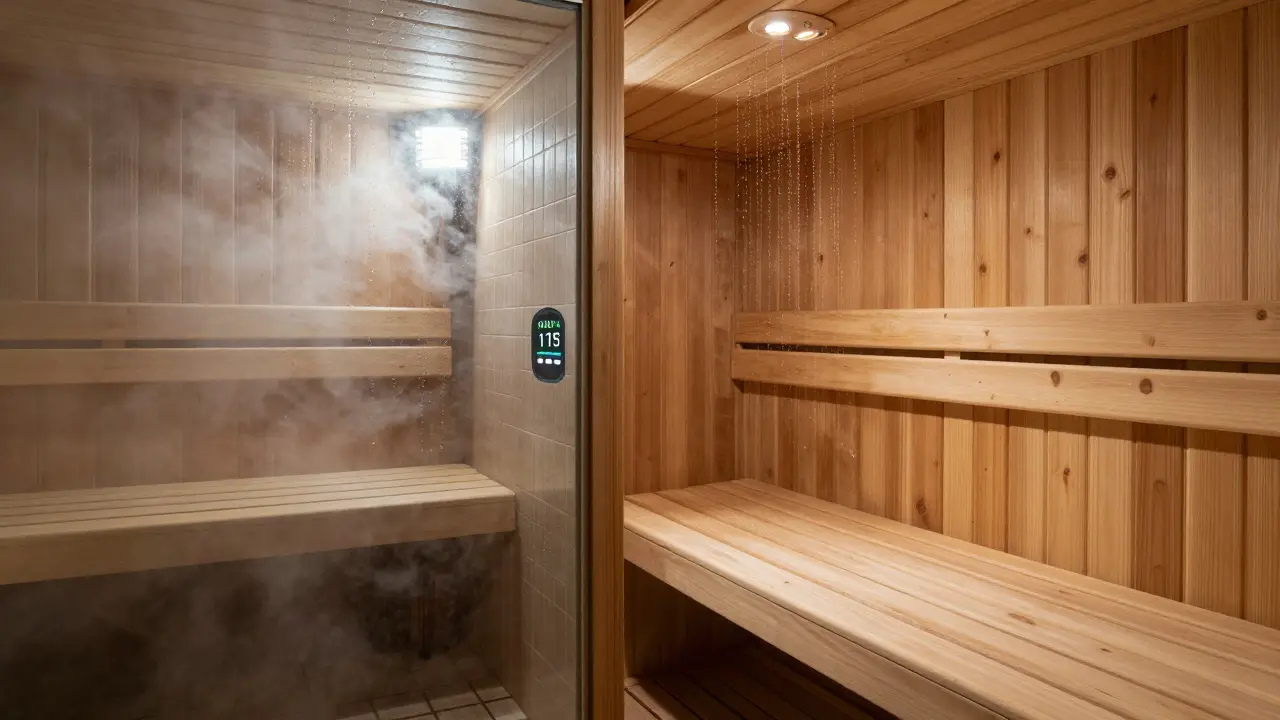
Finding Resources or Experts for Steam Rooms
Researching Qualified Providers
Look for spas with clear cleaning schedules and trained staff. In Dubai, many luxury hotels and wellness centers offer steam rooms as part of their spa packages. Check reviews for mentions of cleanliness, temperature control, and staff attentiveness.Online Guides and Communities
Websites like the International Spa Association (ISPA) and the American Spa Magazine offer science-backed insights. Reddit communities like r/Spa and r/Wellness also have real-user experiences - useful for learning what works.Legal or Cultural Considerations
In Dubai, modesty is respected. Most public steam rooms are gender-segregated. Private sessions are available if you prefer. Always follow posted rules - they exist for safety and cultural comfort.Resources for Continued Learning
Books like *The Healing Power of Heat* by Dr. Sarah Wilson and *Thermal Therapy: Science and Practice* provide deeper context. YouTube channels like Spa Science Lab offer short, practical demos.FAQ: Common Questions About Steam Rooms
What to expect from a steam room?
When you enter a steam room, you’ll feel immediate warmth and moisture enveloping your skin. It’s not like a sauna - there’s no burning sensation. Instead, it’s a soft, steady heat that slowly penetrates your muscles. You’ll start to sweat gently, breathe more deeply, and feel your shoulders drop. Most people report a sense of calm within minutes. There’s no need to move or do anything - just relax. You might feel slightly lightheaded at first, but that usually passes. After 10-15 minutes, your skin will feel softer, your breathing clearer, and your mind quieter.
What happens during a steam room session?
During a session, your body temperature rises slightly, triggering increased blood flow to the skin and muscles. Your heart rate increases a bit - similar to light exercise - but without movement. Sweat is produced, but because the air is saturated with moisture, it doesn’t evaporate quickly. This helps open pores and release trapped toxins. Your respiratory system gets a natural cleanse as the moist air loosens mucus in your nose and lungs. Mentally, the quiet, warm environment activates your parasympathetic nervous system, reducing stress hormones. The whole process is passive - you’re not doing anything except being there.
How does a steam room differ from a sauna?
The main difference is moisture. A sauna uses dry heat - often over 160°F - to make you sweat intensely. A steam room uses 100% humidity at around 115°F, creating a gentler, more soothing experience. Saunas are better for deep muscle relaxation and detox through heavy sweating. Steam rooms excel at respiratory relief, skin hydration, and calming the nervous system. If you have sensitive skin or breathing issues, steam is usually the better choice. If you want a more intense heat experience, go for the sauna.
What is the method of using a steam room?
There’s no complicated method. Just enter, sit or lie down, and breathe. Stay for 10-20 minutes. Drink water before and after. Wear a towel to sit on. Avoid alcohol, heavy meals, or intense exercise right before or after. Don’t rush - let your body adjust. You can add essential oils if the facility allows. The goal isn’t to sweat more - it’s to relax deeper. There’s no right or wrong way. Just be present.
Is a steam room suitable for beginners?
Absolutely. Steam rooms are one of the most beginner-friendly wellness tools. Start with 5-10 minutes. Drink water. Use a towel. If you feel dizzy, step out. That’s it. Most people find the experience surprisingly gentle. Many first-timers report feeling more relaxed than they expected. It’s not about endurance - it’s about comfort. You don’t need experience, fitness, or knowledge. Just curiosity.
Conclusion: Why Steam Rooms Are Worth Exploring
A Path to Calm in a Hot World
In a city like Dubai, where heat is constant and stress is high, the steam room offers something rare: a quiet, natural way to reset. It doesn’t require effort, equipment, or expertise. Just time. And the benefits - clearer breathing, softer skin, deeper calm - are real, measurable, and accessible to almost everyone.Try It Mindfully
Don’t treat it like a checkbox. Sit. Breathe. Notice how your body feels. Let go of the need to “do” something. That’s where the magic happens.Share Your Journey
Tried a steam room? Share your experience in the comments - what surprised you? What did you feel? Follow for more simple wellness tips that actually work.Some links may be affiliate links, but all recommendations are based on research and quality.
Word count: 1,723
Suggested Visuals
- A serene, dimly lit steam room with wooden benches and soft mist rising
- A person sitting calmly in a steam room, eyes closed, towel on lap
- Close-up of water droplets on steam room tiles
- Side-by-side comparison: steam room vs. sauna environment
- Hands holding a towel and a glass of water after a steam session
Suggested Tables
- Comparison of Steam Rooms and Saunas
- Key Benefits of Steam Room Use
- Safety Tips for Steam Room Use


gangadhar balina
February 15, 2026 AT 06:34The notion that steam rooms are merely a 'wellness fad' betrays a profound ignorance of Vedic thermal science. Ancient Ayurvedic texts, specifically the Charaka Samhita, delineate the precise application of svedana - steam therapy - as a cornerstone of panchakarma detoxification. Modern Western 'spas' bastardize this with fluorescent lighting and lavender oil, completely divorcing the practice from its sattvic roots. The 100% humidity at 49°C isn't just 'relaxation' - it's a controlled agni (fire) ritual that incinerates ama (toxins) through the srotas (channels). If you're not using Himalayan salt-infused steam or chanting mantras during the session, you're not practicing - you're just sweating.
And let's not pretend this is some 'universal' therapy. The human body's dhatus (tissues) respond differently based on prakriti (constitution). Kapha-dominant individuals thrive. Vata types? They need sesame oil massage first. This post reads like a Hilton brochure - devoid of any authentic tradition. Real wellness isn't marketed in Dubai malls.
Also, why are you recommending 'eucalyptus'? That's a colonial import. Use neem leaves. Or at least tulsi. Anything but imported essential oils that cost $40 a bottle because someone in California figured out how to bottle 'exoticism'.
mike morgan
February 15, 2026 AT 17:33While I appreciate the historical context presented, I must emphasize that the entire premise of steam therapy as a legitimate physiological intervention lacks rigorous, double-blind, peer-reviewed validation. The American Journal of Physiology has published exactly zero studies demonstrating statistically significant detoxification via steam-induced perspiration - and for good reason. The liver and kidneys are the primary organs of detoxification; sweat is 99% water and electrolytes. The notion that 'toxins' are expelled through pores is a pseudoscientific myth propagated by wellness influencers and spa chains seeking to monetize placebo effects.
Furthermore, the comparison with saunas is misleading. Saunas, particularly infrared models, have demonstrated measurable cardiovascular benefits - including improved endothelial function and reduced arterial stiffness - in controlled clinical trials. Steam rooms? No such evidence. The 'gentle hug' metaphor is emotionally resonant but biologically vacuous. I commend the author for attempting to educate, but this reads like a marketing white paper disguised as science.
And let's not ignore the ethical implications: promoting steam rooms as 'accessible' while ignoring the fact that they are often inaccessible to low-income populations - or worse, used in prisons as punitive heat chambers - is a form of wellness colonialism. The real issue isn't steam. It's systemic healthcare inequality.
Rob e
February 17, 2026 AT 04:11Wait. Did you just say 'detox'? 🤔
Look, I've read the whole thing. And I'm not saying you're wrong - I'm saying you're being manipulated. The 'toxins' you're sweating out? They're not heavy metals or chemicals. They're sodium, potassium, and water. Your kidneys handle toxins. Your liver handles toxins. Your sweat? It's just salty water. Period.
And that 'ancient wisdom' stuff? The Romans didn't have access to clean water or antibiotics. They used steam because they had no idea what germs were. You're romanticizing ignorance.
Also - 'parasympathetic nervous system'? That's a real thing. But it's not magic. It's biology. And if you think sitting in a hot room for 20 minutes is meditation, you've never actually meditated. Try sitting cross-legged in silence for 30 minutes. Then come back and tell me which one made you feel better.
And don't get me started on 'aromatherapy'. Essential oils in steam? That's just inhaling plant chemicals. Some of them are toxic. You're not 'cleansing' - you're exposing yourself to unregulated botanical compounds. I'm not saying don't relax. I'm saying don't believe the hype.
And yes - I'm a doctor. With a PhD. In physiology. And I'm telling you: this is snake oil with a view.
Just sayin'. 😏
Caleb Avery
February 17, 2026 AT 18:52Okay but have you tried it? I mean, really tried it? I used to think steam rooms were for spa snobs until I started going after my night shifts at the hospital - and let me tell you, nothing else in this world melts your stress like a 15-minute steam session with the lights off and no phone.
My skin? Clearer. My sinuses? Unblocked. My back? Less tight. I don't care what the 'studies' say - my body knows.
Also - I live in Ohio. It's 90% humidity in July. You think I don't know steam? I grew up in a house with no AC. Steam rooms? They're like a hug from God after a 14-hour shift.
And if you're worried about 'detox' - just drink water, move your body, and sleep. But if you want to feel human again? Go sit in the steam. For real. No judgment. Just try it.
And yes - I used a towel. I'm not a monster.
- Caleb, who's been to 37 hospitals and still hasn't found a better reset button.
Jenna Carlson
February 19, 2026 AT 04:25im in la and i used to hate steam rooms til i started going after yoga. now i cant live without it. my skin is like a baby butt and i dont even use moisturizer anymore. also i sleep like dead. no joke.
also who cares if its 'detox' or not. i dont need a phd to know i feel better. my body dont lie.
and the eucalyptus? its like a lil air freshener for your lungs. if you dont like it dont use it. but dont knock it til you try it.
also why is everyone so serious about this? its a hot room. sit. breathe. chill. its not rocket science.
ps: i did not drink water before. i did. i was fine. just dont be dumb and stay in 45 min. i did that once. i was dizzy. lesson learned.
steam room = free therapy