inappropriate massage Dubai isn’t just about crossing a line-it’s about violating trust. In a city where luxury spas thrive and wellness is part of daily life, knowing where to draw the line can mean the difference between relaxation and trauma. Whether you’re new to massage therapy or have been getting regular treatments for years, understanding what makes a massage inappropriate isn’t about fear-it’s about empowerment. This guide gives you real, practical tools to recognize red flags, set boundaries, and choose services that respect your dignity.
Understanding the Basics of Massage in Dubai
Origins and History
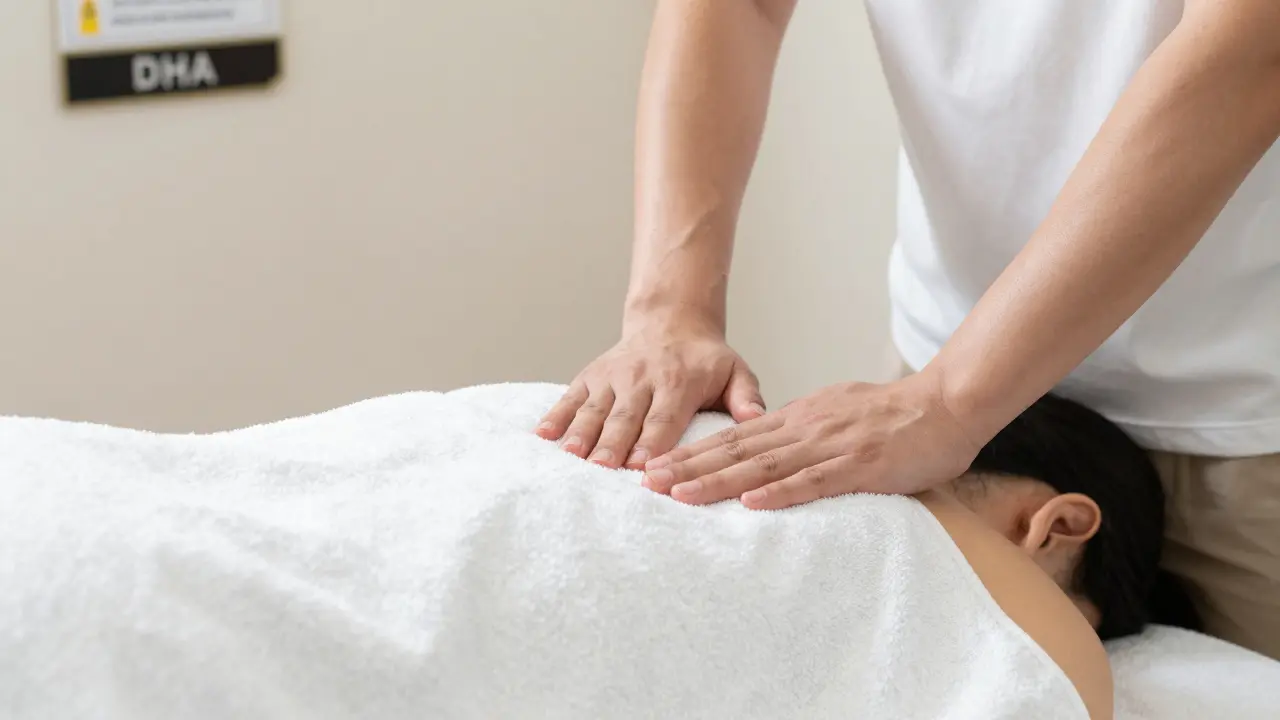
Massage isn’t new to the Middle East. Ancient cultures across the region, from Egypt to Persia, used touch for healing. In modern Dubai, massage blends global techniques with local expectations of privacy and professionalism. Unlike some places where massage is loosely regulated, Dubai has strict licensing rules for spas and therapists, especially those operating in hotels or medical centers. The Dubai Health Authority (DHA) requires all therapists to be certified, and clinics must display their licenses visibly. This isn’t just bureaucracy-it’s a layer of protection.
Core Principles or Components
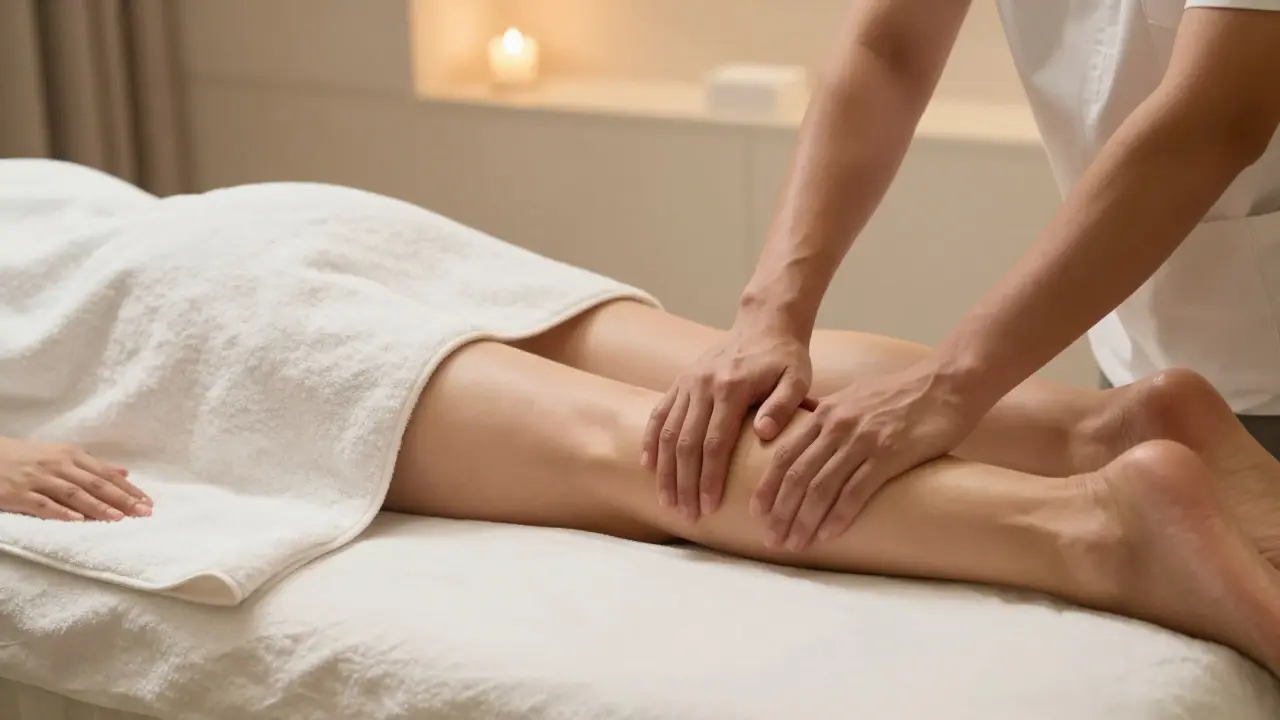
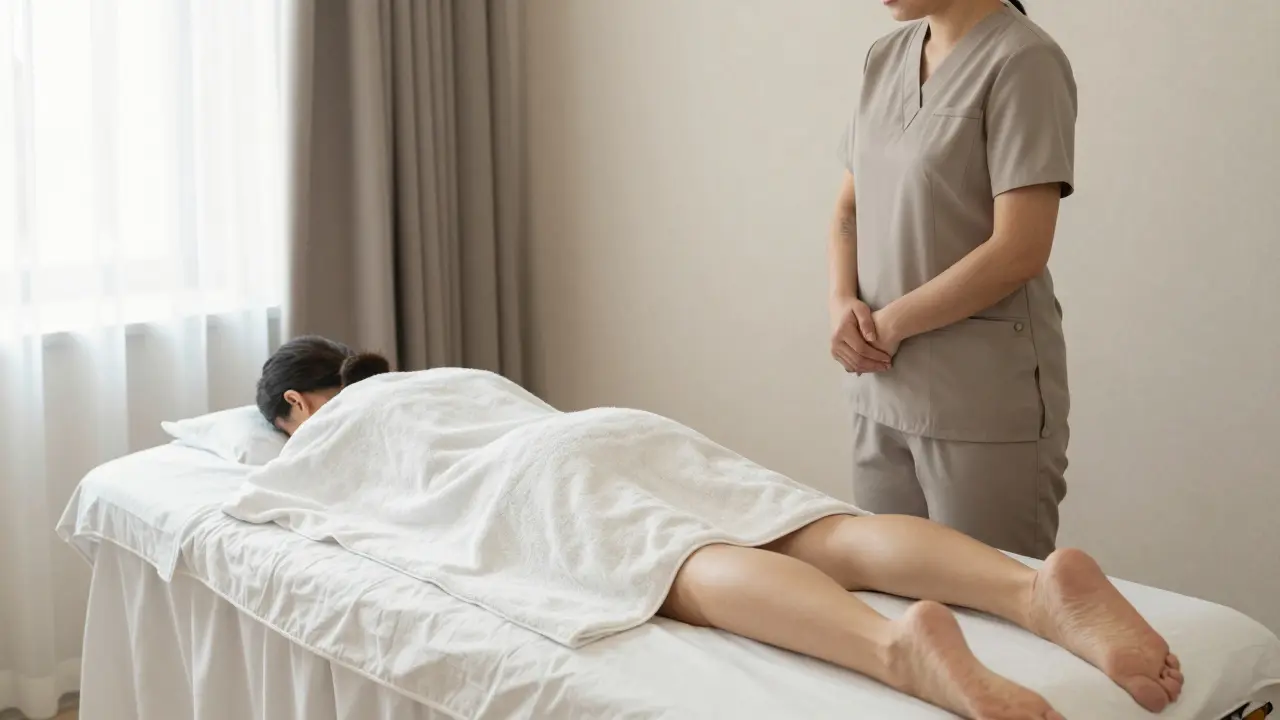
A professional massage follows three simple rules: consent, clarity, and coverage. Consent means you agree to the type, pressure, and areas touched-before it starts. Clarity means the therapist explains what will happen, why, and what you should expect. Coverage means your body is draped appropriately at all times, with only the area being worked on exposed. Any massage that skips one of these is already off track. It doesn’t matter if the therapist is licensed or the spa is five-star-if these basics are ignored, it’s not a massage. It’s an intrusion.
How It Differs from Related Practices
People often confuse massage with other body treatments. Here’s how professional massage differs from services that cross ethical lines:
| Practice | Key Feature | Primary Benefit |
|---|---|---|
| Professional Massage | Therapist uses clinical techniques on exposed areas only | Relieves muscle tension, reduces stress |
| Inappropriate Service | Unnecessary touching, suggestive language, private areas involved | None-only creates discomfort or risk |
| Beauty Treatment (e.g., waxing) | Specific, necessary exposure with professional draping | Hygiene, skin care |
| Unlicensed "Nude Massage" | No medical training, no consent process, hidden cameras or demands | None-often illegal |
Who Can Benefit from Professional Massage?
Anyone who carries stress-office workers, new parents, athletes, travelers. Dubai’s fast pace and heat make muscle tension common. A good massage helps reset your nervous system, improves circulation, and reduces cortisol. But it only works if you feel safe. If you’ve ever left a session feeling uneasy instead of relaxed, you weren’t getting a massage-you were enduring something else. The goal isn’t just to feel better physically. It’s to feel respected.
Benefits of Massage for Body and Mind
Stress Reduction
Research shows that therapeutic touch lowers cortisol levels and increases serotonin. In Dubai, where work hours are long and social pressure is high, this matters. A 60-minute Swedish massage isn’t a luxury-it’s a reset button. But if the therapist makes comments about your body, adjusts draping inappropriately, or lingers too long on sensitive areas, the stress doesn’t go away. It multiplies. You start second-guessing every touch. That’s not healing. That’s trauma.
Enhanced Functionality
Regular massage improves mobility, reduces stiffness, and helps with recovery from injuries. Many Dubai residents get massage after long flights or intense gym sessions. But if the therapist ignores your instructions-say, you asked for light pressure on your lower back, and they go deep without asking-you’re not getting better. You’re getting hurt. Professional therapists check in. They say, "Does this pressure work?" and wait for your answer. If they don’t, walk out.
Emotional Well-Being
Touch, when done right, releases oxytocin-the bonding hormone. It can make you feel calm, grounded, even seen. But when touch is used manipulatively, it does the opposite. You feel exposed, judged, or controlled. That’s why emotional safety is just as important as physical comfort. A good therapist doesn’t flirt. They don’t ask personal questions. They don’t make you feel like you owe them something. They create space. And that space is sacred.
Practical Applications
Knowing what’s appropriate helps you avoid scams. Dubai has seen cases where "spa packages" turned into extortion or blackmail. Others involve hidden cameras or pressure to pay extra for "special" services. By understanding boundaries, you protect not just yourself, but others. If you see something wrong, speak up. Report it. You’re not being rude-you’re helping keep the industry clean.
What to Expect When Engaging with a Massage
Setting or Context
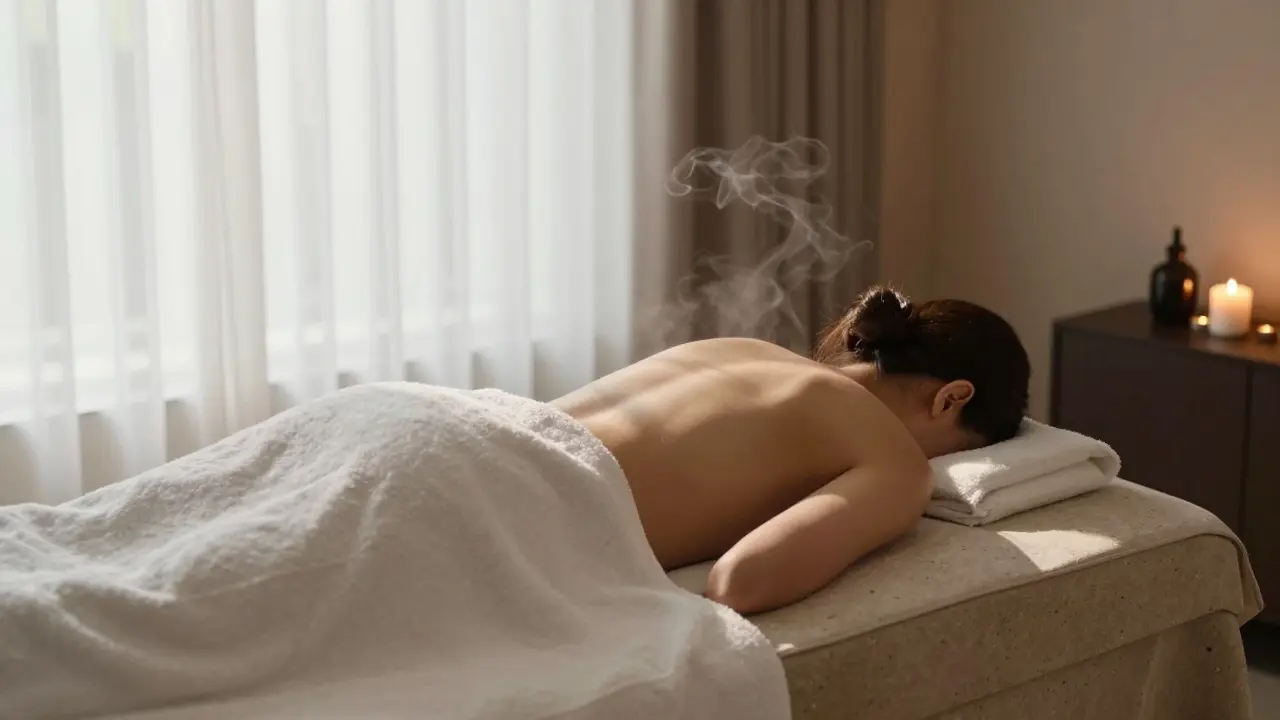
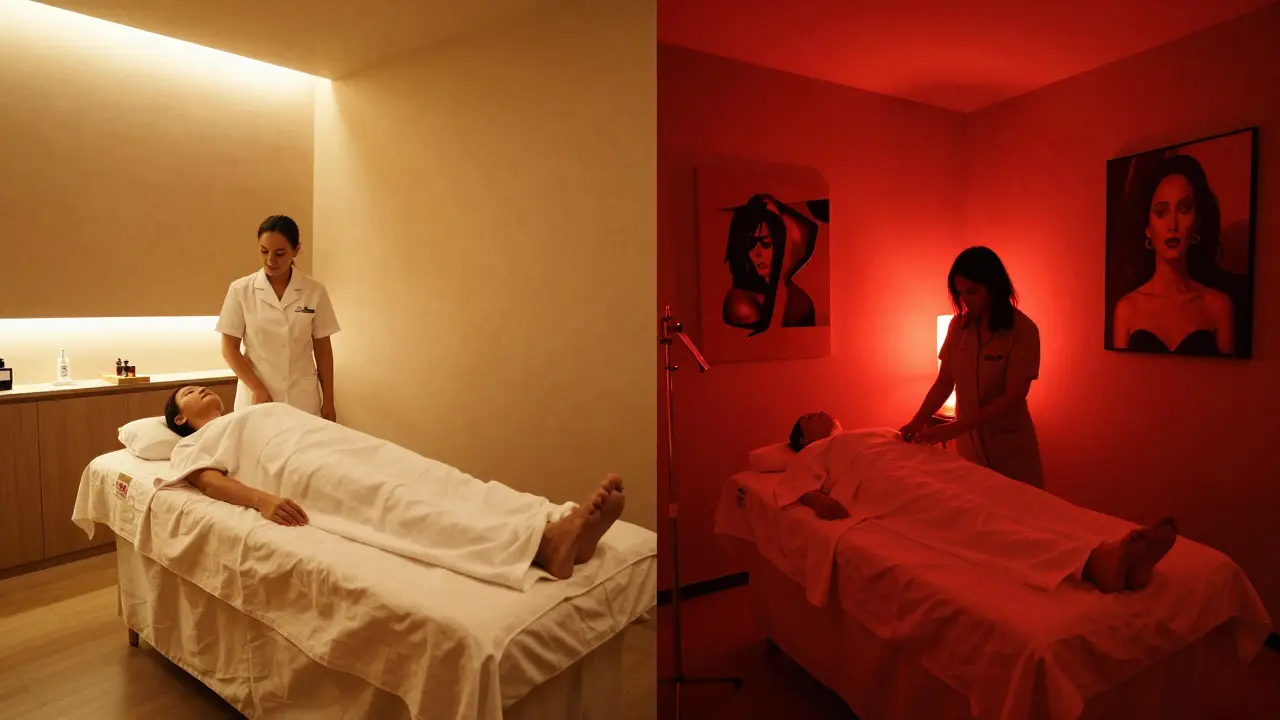
Look for clean, quiet spaces with private rooms. The reception area should be separate from treatment rooms. You should never be asked to undress in front of anyone. The therapist should knock before entering, and the door should close fully. If the spa feels more like a lounge with dim lighting and suggestive music, that’s a warning sign. Professional spas use calming, neutral tones-not candlelit romance.
Key Processes or Steps
A standard session starts with a quick consultation: "Where do you feel tension?" Then, you’re left alone to undress and cover yourself. The therapist returns, asks if you’re comfortable, and begins. You should never feel rushed. They should use clean hands and fresh linens. The massage itself should focus on muscles-not skin contact that feels personal. Afterward, they leave quietly. No lingering. No compliments on your appearance. Just professionalism.
Customization Options
Good therapists tailor pressure, duration, and focus areas. If you have an injury, they adjust. If you’re pregnant, they use special techniques. If you hate deep tissue, they go lighter. But customization doesn’t mean crossing lines. You can ask for no face touch, no hip work, no shoulder pressure-and they should respect it. No exceptions. No "but we always do this" excuses.
Communication and Preparation
Before the session, you should be asked: "Do you have any injuries? Are there areas you don’t want touched?" If they don’t ask, say something. "I prefer no contact below the waist." Or, "I’m sensitive to pressure on my neck." Say it clearly. Say it early. You don’t need to apologize. You’re not being difficult-you’re setting a boundary. And boundaries are non-negotiable in a professional setting.
Safety and Ethical Considerations
Choosing Qualified Practitioners
Always check for DHA certification. Ask to see their license. Reputable spas display it at reception. Avoid places that don’t list therapist names or credentials online. Google reviews can help-but look for patterns. If multiple people mention "awkward" or "unprofessional" behavior, trust them. Don’t ignore red flags just because the spa is expensive.
Safety Practices
Hygiene and consent go hand in hand. Here’s what to watch for:
| Practice | Purpose | Example |
|---|---|---|
| Proper draping | Protects privacy | Only one area exposed at a time |
| Hand sanitization | Prevents infection | Therapist cleans hands before and after |
| Verbal consent | Ensures comfort | "May I begin?" before each movement |
| No private messages | Prevents boundary crossing | Therapist doesn’t add you on WhatsApp |
Setting Boundaries
You have the right to say "no" at any time. Even if you’ve paid. Even if you’re embarrassed. Even if they say, "It’s normal." It’s not. If they touch you where you didn’t agree, say: "Stop. That’s not okay." Then leave. Don’t wait for the session to end. Your safety is more important than their paycheck.
Contraindications or Risks
Massage isn’t safe for everyone. Avoid it if you have open wounds, infections, recent surgery, or are in early pregnancy without clearance from a doctor. Also, avoid any service that doesn’t ask about your health. If they skip the intake form, walk out. It’s not just about comfort-it’s about risk.
Enhancing Your Experience with Massage
Adding Complementary Practices
Pair your massage with hydration, quiet time, or light stretching afterward. Avoid alcohol or heavy meals right after. Many Dubai spas offer post-massage herbal tea or quiet lounges. Use them. It helps your body absorb the benefits. And if you feel the need to talk about the session with someone-do. Sharing your experience helps others recognize what’s normal.
Collaborative or Solo Engagement
Massage is personal. You don’t need a partner to benefit from it. Solo sessions are often more effective because you’re not distracted. But if you’re with someone, make sure both of you have the same expectations. Never pressure someone into a service they’re uncomfortable with.
Using Tools or Props
Good spas use clean, disposable linens and heated tables. You don’t need to bring anything. But if you prefer essential oils or specific pressure, mention it ahead of time. Most therapists are happy to accommodate-within professional limits.
Regular Engagement for Benefits
One massage won’t fix chronic tension. Aim for monthly sessions if you’re active or stressed. Consistency builds results. But never accept a "package deal" that pushes you into more than you want. You’re not buying a product. You’re investing in your well-being.
Finding Resources or Experts for Massage
Researching Qualified Practitioners
Check the DHA website for licensed clinics. Look for spas affiliated with five-star hotels-they’re held to higher standards. Read reviews with a critical eye. Look for mentions of professionalism, cleanliness, and clear boundaries. Avoid places with vague descriptions like "private sessions" or "exclusive treatments." Those are often code for something else.
Online Guides and Communities
Join Dubai wellness groups on Facebook or Reddit. Ask for recommendations. People are happy to share honest experiences. Avoid forums that glorify "secret" services or encourage crossing lines. Healthy communities focus on safety and respect.
Legal or Cultural Considerations
Dubai has strict laws against sexual harassment in public services. Any massage therapist who makes advances, touches improperly, or pressures you into extra payment is breaking the law. Report them to the DHA or Dubai Police. You’re not causing trouble-you’re protecting the system.
Resources for Continued Learning
Look for books like "The Art of Massage" by Dr. David K. Smith or online courses from the International Massage Association. They teach anatomy, ethics, and technique-not seduction.
FAQ: Common Questions About Massage in Dubai
How do I know if a massage is inappropriate?
An inappropriate massage involves touch outside agreed boundaries-like private areas, suggestive comments, or lack of draping. If the therapist doesn’t ask your preferences, ignores your "no," or lingers too long, it’s crossing a line. Trust your gut. If you feel uneasy, you’re right to question it. Professional massage is never secretive, never rushed, and never personal.
What should I do if I feel uncomfortable during a massage?
Say "stop" immediately. You don’t need to be polite. Get up, cover yourself, and leave. Don’t wait until the end. Afterward, report the incident to the spa manager and file a complaint with the Dubai Health Authority. Your safety matters more than avoiding awkwardness. Most reputable spas welcome feedback-it helps them improve.
Can a male therapist give a massage to a female client?
Yes-gender doesn’t determine professionalism. What matters is training, consent, and boundaries. Many female clients prefer male therapists for their strength in deep tissue work. But if a therapist makes you feel objectified, it’s not about gender-it’s about behavior. Always check for licensing and reviews. If the service feels respectful, the therapist’s gender is irrelevant.
Are there massage services in Dubai that are illegal?
Yes. Any service that involves sexual contact, nudity without medical reason, or pressure to pay for "extra" touches is illegal. These are often advertised as "private," "exclusive," or "romantic" massages. They’re not wellness-they’re exploitation. The Dubai Police actively shut down these operations. If something sounds too good to be true, it is.
Is it normal for a therapist to ask for tips or extra payment?
No. A legitimate therapist does not ask for tips during or after a session. If they say, "This extra move costs more," or "I can give you a special treatment if you pay extra," they’re violating ethics. Prices are set upfront. Any pressure to pay more is a red flag. Tip only if you choose to-never because you’re pressured.
Conclusion: Why Knowing the Difference Matters
A Path to Real Relaxation
Massage should leave you feeling lighter, not weighed down. In Dubai, where luxury is everywhere, it’s easy to assume expensive means safe. But safety isn’t about price-it’s about respect. When you know what’s appropriate, you stop settling for less. You start choosing services that honor your body, your time, and your peace.
Try It Mindfully
Don’t let fear stop you from getting the care you need. But do it with your eyes open. Ask questions. Check licenses. Speak up. You’re not being difficult-you’re being smart.
Share Your Journey
Tried a massage in Dubai and weren’t sure if it was okay? Share your experience in the comments. Your story might help someone else avoid a bad situation. Follow this blog for more honest guides on wellness in Dubai.
Some links may be affiliate links, but all recommendations are based on research and quality.
Word count: 1,712
Suggested Images
- A clean, well-lit spa treatment room with draped client on massage table
- Close-up of a therapist’s hands using proper draping technique
- Sign showing DHA license displayed at a Dubai spa reception
- Woman smiling after a massage, wrapped in a robe, sipping herbal tea
- Side-by-side: professional massage (draped, focused) vs. inappropriate setting (dim lights, suggestive decor)
Suggested Tables
- Professional Massage vs. Inappropriate Services
- Essential Safety Practices
- Key Benefits of Professional Massage