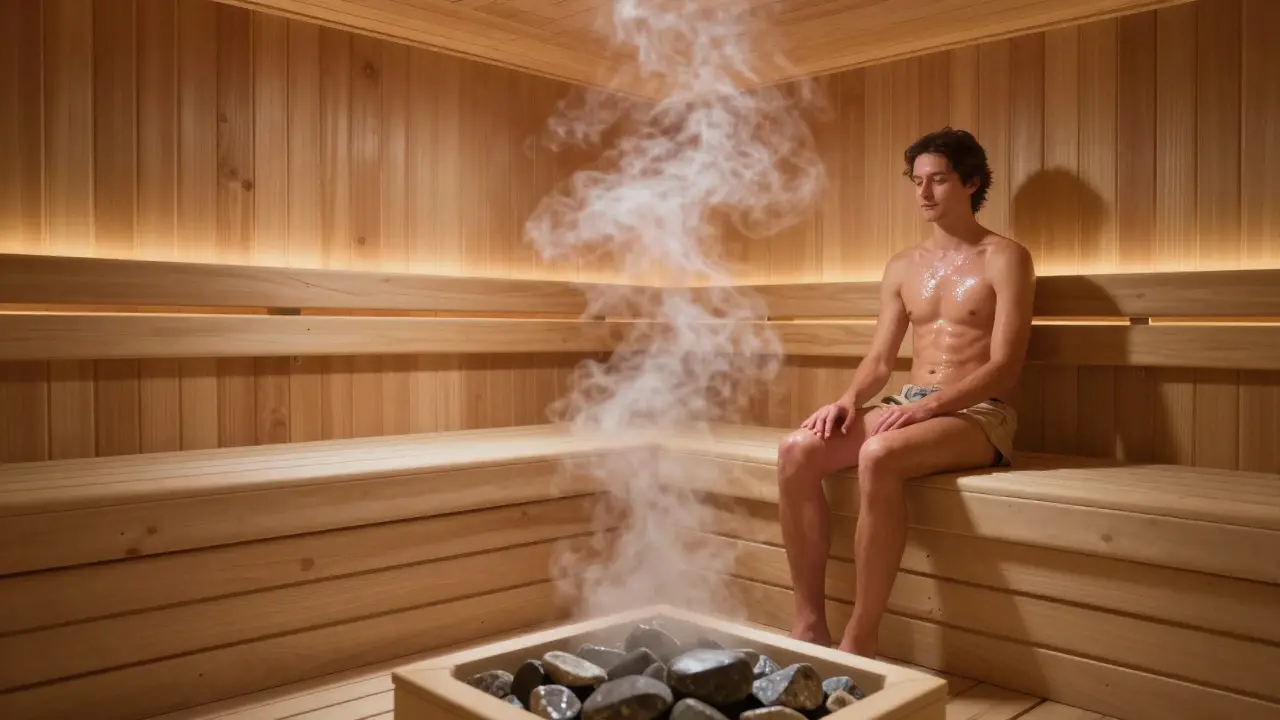
How Long Should You Sit in a Sauna? Your Comprehensive Guide
When it comes to how long should you sit in a sauna, there’s no one-size-fits-all answer. Too short, and you miss the benefits. Too long, and you risk discomfort-or worse. The sweet spot? Most people do best between 15 and 20 minutes, but it depends on your health, experience, and the type of sauna you’re using. Whether you’re in Dubai’s desert heat or a cozy home setup, knowing the right timing can turn a relaxing session into a powerful wellness ritual.
Understanding the Basics of Sauna Use
Origins and History
Saunas trace back over 2,000 years to Finland, where they were more than just a place to sweat-they were a sacred space for cleansing, healing, and even childbirth. The word itself comes from the Finnish word for “bathhouse.” Over time, saunas spread across Northern Europe and eventually the world. Today, you’ll find traditional wood-fired saunas, electric heaters, infrared panels, and steam rooms-all sharing the same goal: raising your body temperature to trigger natural healing responses. In Dubai, where high temperatures are normal, saunas offer a controlled way to cool down internally by sweating intensely.
Core Principles or Components
The science behind saunas is simple: heat raises your core temperature, making your heart pump faster and your skin sweat. This mimics mild cardiovascular exercise and activates your parasympathetic nervous system-the part that helps you relax. Dry saunas typically run between 70°C and 100°C (160°F-212°F), while steam rooms hover around 40°C-50°C (105°F-122°F) with high humidity. Both trigger detoxification through sweat, improve circulation, and help muscles recover. The key difference? Dry heat pulls moisture from your skin, while steam keeps it in your airways, making steam rooms better for respiratory relief.
How It Differs from Related Practices
Many people confuse saunas with steam rooms. They look similar, but they work differently. Here’s how they stack up:
| Feature | Sauna | Steam Room |
|---|---|---|
| Heat Type | Dry heat | Moist heat |
| Typical Temperature | 70°C-100°C (160°F-212°F) | 40°C-50°C (105°F-122°F) |
| Humidity | 10-20% | 100% |
| Best For | Relaxation, muscle recovery, circulation | Respiratory relief, skin hydration |
| Session Length | 15-20 minutes | 10-15 minutes |
Who Can Benefit from Sauna Use?
Almost anyone can benefit-from athletes looking to recover faster to busy professionals needing stress relief. People with chronic muscle pain, arthritis, or poor circulation often report improved mobility after regular sessions. Even those dealing with mild anxiety find the quiet, warm space calming. But if you’re pregnant, have heart conditions, or are on certain medications, it’s smart to check with a doctor first. In Dubai’s climate, where dehydration is common, sauna use needs extra caution. Hydration isn’t optional-it’s essential.
Benefits of Sauna Use for Body and Mind
Stress Reduction
When you sit in a sauna, your body releases endorphins-the same chemicals that make you feel good after a workout. This natural high helps lower cortisol, the stress hormone. Many users in Dubai describe their post-sauna state as "mental reset"-like hitting pause on a chaotic day. The warmth also relaxes tense muscles, especially in the neck and shoulders, which often carry emotional stress. A 20-minute session can feel like a mini-vacation for your nervous system.
Enhanced Recovery and Circulation
After a tough workout, your muscles are full of lactic acid and inflammation. Heat from the sauna increases blood flow, helping your body flush out waste and deliver oxygen faster. Studies show athletes who use saunas regularly recover 20-30% faster than those who don’t. Even if you’re not an athlete, this means less soreness after a long day on your feet or a weekend hike in Hatta. The increased circulation also helps deliver nutrients to skin and joints, keeping them healthier over time.
Emotional Well-Being
Saunas offer more than physical relief-they create space for stillness. In a world full of noise, the quiet warmth of a sauna gives your brain a break from constant stimulation. People who meditate in saunas often say it’s easier to focus and let go of racing thoughts. For those dealing with low mood or seasonal fatigue, regular sessions can act like a natural mood booster. It’s not a cure for depression, but it’s a powerful tool for emotional balance.
Practical Applications
Here’s how sauna use fits into daily life:
| Benefit | Description | Impact |
|---|---|---|
| Improved Sleep | Core body temperature drops after sauna, signaling sleep readiness | Deeper, more restful sleep |
| Clearer Skin | Sweating opens pores and flushes out impurities | Reduced breakouts, glowing complexion |
| Immune Support | Heat mimics fever response, boosting white blood cell activity | Fewer colds, faster recovery |
| Heart Health | Mild cardiovascular workout without joint strain | Lower resting heart rate over time |
What to Expect When Engaging with a Sauna
Setting or Context
In Dubai, most people access saunas through luxury spas, hotel wellness centers, or private home installations. A good sauna room has wooden benches, proper ventilation, and a controlled heat source. Some places offer aromatherapy with eucalyptus or cedar, which adds to the calming effect. Avoid overcrowded or poorly maintained saunas-cleanliness matters. If you’re using a home unit, make sure it’s installed by a professional and has a timer to prevent overuse.
Key Processes or Steps
Here’s a simple routine:
- Hydrate well before entering-drink at least one glass of water.
- Enter the sauna naked or in lightweight cotton clothing (no synthetic fabrics).
- Sit or lie comfortably. Don’t rush-let your body adjust over the first 5 minutes.
- Stay for 15-20 minutes. Listen to your body-if you feel dizzy, lightheaded, or nauseous, leave immediately.
- Cool down slowly: step into a cool shower or sit in a cooler room for 5-10 minutes.
- Rehydrate with water or electrolytes.
Customization Options
Not everyone wants the same heat. Beginners should start with shorter sessions at lower temps (around 70°C). Experienced users might enjoy 25-minute sessions at 90°C. You can also add water to hot stones for a burst of steam (called "löyly" in Finnish tradition), which feels different but still safe. Infrared saunas are gentler and better for those sensitive to high heat-they warm your body directly without heating the air.
Communication and Preparation
If you’re at a spa, let the staff know if you’re new, pregnant, or have health concerns. Never use a sauna alone if you’re unwell or have a history of fainting. Always have a towel nearby and avoid alcohol before or after. The goal is relaxation, not endurance.
How to Practice or Apply Sauna Use Safely
Setting Up for Success
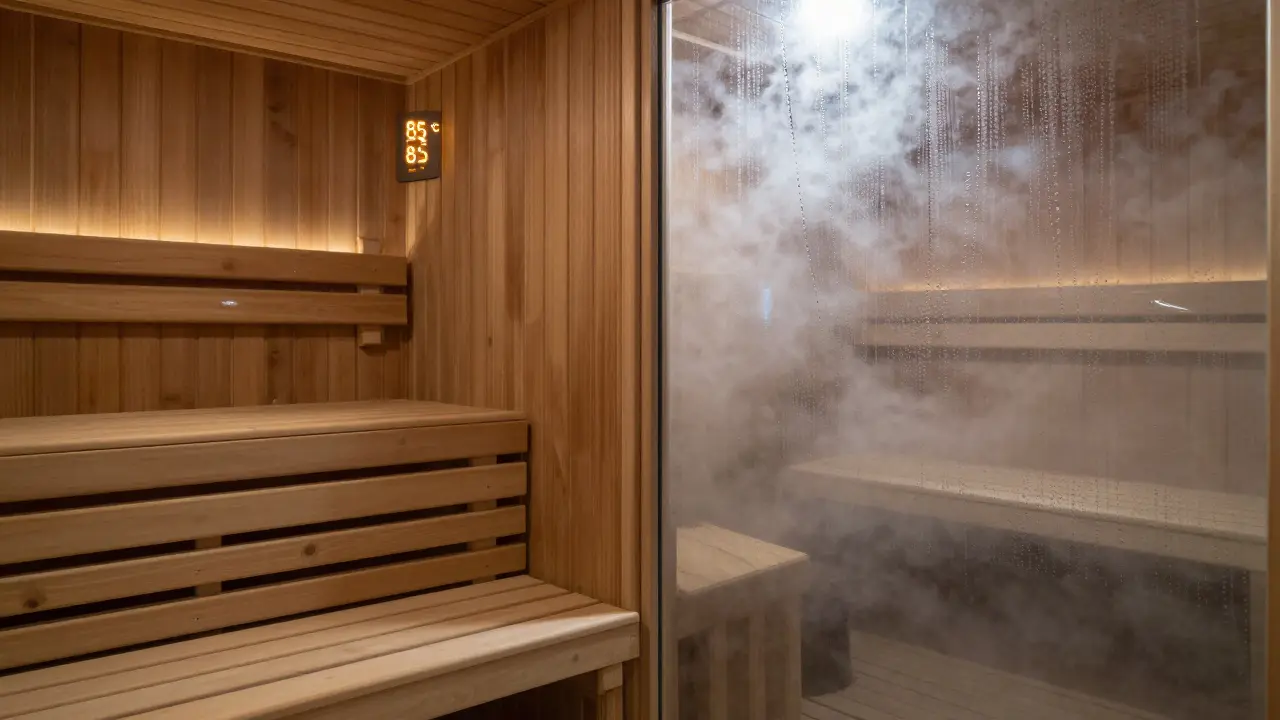
At home, keep your sauna clean and well-ventilated. Use a thermometer to monitor temperature. Place a small bucket of water and a ladle nearby if you want to create steam. Keep a glass of water and a timer within reach. If you’re using a portable infrared sauna, make sure it’s certified for safety and has an automatic shut-off.
Choosing the Right Tools or Resources
For home use, look for saunas with CE or UL certification. Avoid cheap units with weak heaters or poor insulation. In Dubai, brands like Harvia, Finnleo, and SaunaCore are trusted by spas. For infrared, choose models with carbon or ceramic panels-avoid ones that only use cheap bulbs. If you’re unsure, ask your spa provider which models they use.
Step-by-Step Guide for Beginners
First-timers should follow this simple plan:
- Drink 500ml of water 30 minutes before entering.
- Start with 10 minutes at 70°C.
- Wait 10 minutes to cool down.
- Repeat once if you feel fine.
- After your session, take a lukewarm shower and drink another 500ml of water.
Don’t push yourself. The first few times, your goal is just to get used to the heat-not to "sweat it out."
Tips for Beginners or Couples
If you’re going with a partner, keep the conversation light. Saunas are for quiet reflection, not loud chats. Sit side by side, breathe deeply, and enjoy the silence. Couples often find it a great way to connect without distractions. If one person feels too hot, they should leave without guilt. Sauna time is personal.
Safety and Ethical Considerations
Choosing Qualified Practitioners or Resources
If you’re using a spa, check if they’re licensed and follow hygiene standards. Clean towels, proper ventilation, and staff trained in heat safety are non-negotiable. In Dubai, reputable spas follow the Dubai Health Authority’s wellness guidelines. Don’t go to places that don’t answer questions about temperature control or cleaning schedules.
Safety Practices
Here are three must-follow rules:
| Practice | Purpose | Example |
|---|---|---|
| Hydrate Before and After | Prevent dehydration | Drink 500ml water before, another after |
| Never Stay Over 20 Minutes | Avoid overheating | Set a timer |
| Exit if Dizzy or Nauseous | Prevent heat exhaustion | Stand up slowly and breathe |
Setting Boundaries
It’s okay to leave early. Your comfort matters more than staying for the "full experience." If you’re sharing a sauna with strangers, keep a towel between you and the bench. No one should pressure you to stay longer than you’re comfortable.
Contraindications or Risks
Don’t use a sauna if you:
- Are pregnant
- Have unstable heart disease or recent heart surgery
- Are under the influence of alcohol or drugs
- Have severe high or low blood pressure
- Have open wounds or skin infections
- Are feeling unwell with fever or flu symptoms
If you’re on medication-especially for blood pressure, heart conditions, or diuretics-talk to your doctor first. In Dubai’s heat, your body already works hard to stay cool. Adding a sauna shouldn’t push you past your limits.
Enhancing Your Experience with Sauna Use
Adding Complementary Practices
Pair your sauna with mindfulness. Try deep breathing while you sit-inhale for 4 counts, hold for 4, exhale for 6. Afterward, stretch gently or do light yoga. Some people enjoy drinking herbal tea like chamomile or ginger after their session to support hydration and calm. Don’t rush back into your phone or TV-give yourself 15 minutes to transition back to normal life.
Collaborative or Solo Engagement
Some people love the solitude of a sauna. Others enjoy sharing it with a partner or friend. Both are valid. Solo sessions are great for reflection. Shared sessions can deepen connection. Just make sure both people are comfortable with the heat level and duration.
Using Tools or Props
A good towel, a wooden bench mat, and a water bottle are all you need. Some people like to use a sauna hat to keep their head cooler. A small bottle of essential oils (like lavender or eucalyptus) can be sprinkled on hot stones for a subtle scent. Avoid synthetic fragrances-they can irritate your skin or lungs.
Regular Engagement for Benefits
Like any wellness habit, consistency beats intensity. Aim for 2-3 sessions per week. You don’t need to go daily. Even 15 minutes, three times a week, can improve sleep, reduce muscle soreness, and lower stress over time. Think of it like brushing your teeth-small, regular actions create lasting results.

Finding Resources or Experts for Sauna Use
Researching Qualified Practitioners or Resources
Look for spas with certified wellness staff. In Dubai, check if they’re affiliated with the Dubai Health Authority or international spa associations. Read reviews that mention cleanliness, staff knowledge, and temperature control-not just "nice ambiance."
Online Guides and Communities
Reputable sources like the Mayo Clinic and the National Institutes of Health offer science-backed sauna guidelines. Join local wellness groups on Facebook or Instagram-many Dubai residents share tips on the best home saunas or spa deals.
Legal or Cultural Considerations
In the UAE, public saunas are gender-segregated by law. Always respect these rules. Private saunas in homes or villas are fine for couples or families. Never bring children under 12 into a traditional sauna without a doctor’s advice.
Resources for Continued Learning
Books like The Finnish Way by Katja Pantzar and Healing with Heat by Dr. Rhonda Patrick (available on audiobook) offer deeper insights. YouTube channels like "Sauna Science" have short, practical videos on home setups and safety.
FAQ: Common Questions About Sauna Use
How long should you sit in a sauna for the first time?
For your first session, stick to 10-12 minutes at a moderate temperature (around 70°C). Your body needs time to adjust to the heat. If you feel lightheaded, dizzy, or overly sweaty, step out right away. Don’t try to match others. The goal isn’t to last the longest-it’s to leave feeling refreshed, not drained. After a few sessions, you can gradually increase to 15-20 minutes.
What happens if you stay in a sauna too long?
Staying longer than 20-25 minutes can lead to overheating, dehydration, dizziness, or even heat exhaustion. Symptoms include nausea, rapid heartbeat, confusion, or fainting. In extreme cases, it can cause heat stroke-a medical emergency. Always use a timer. If you’re unsure, err on the side of caution. It’s better to leave early and come back later than to push too hard and feel sick.
Is a steam room better than a sauna?
It depends on your goal. Steam rooms are better for respiratory issues, dry skin, or if you find dry heat uncomfortable. Saunas are better for deep muscle relaxation, circulation, and cardiovascular benefits. Neither is "better"-they serve different purposes. Many people alternate between both. In Dubai, where humidity is high, steam rooms can feel more refreshing in summer, while saunas offer a more intense detox in winter.
Can you use a sauna every day?
Yes, if you’re healthy and hydrated. Many regular users enjoy daily sessions without issues. But listen to your body. If you feel fatigued, dehydrated, or sore, take a day off. Daily use isn’t necessary to get benefits-2-4 times a week is enough for most people. Athletes or those in rehab might do it daily under professional guidance. Always rehydrate and cool down properly after each session.
Is it safe to use a sauna if you’re pregnant?
Generally, no. Raising your core body temperature above 38.9°C during pregnancy can increase the risk of birth defects, especially in the first trimester. Most doctors advise avoiding saunas and steam rooms entirely while pregnant. If you’re unsure, talk to your OB-GYN. Some low-heat infrared saunas may be approved in the second trimester with medical clearance, but never assume it’s safe without professional advice.
Conclusion: Why Sauna Use is Worth Exploring
A Path to Calm and Recovery
Knowing how long to sit in a sauna isn’t just about timing-it’s about respecting your body’s signals. When done right, sauna use is one of the simplest, most effective ways to reset your mind, soothe your muscles, and recharge your energy. In Dubai’s fast-paced environment, it’s a rare moment of stillness you can control.
Try It Mindfully
Start slow. Stay hydrated. Listen to your body. Don’t chase extremes. The real benefit isn’t in sweating the most-it’s in feeling the calm afterward.
Share Your Journey
Tried a sauna this week? Share your experience in the comments-what did you feel? How long did you stay? Follow this blog for more wellness tips tailored to life in the UAE.
Some links may be affiliate links, but all recommendations are based on research and quality.
Word count: 1,682
Suggested Images
- A person sitting calmly in a wooden sauna with steam rising from hot stones
- Side-by-side photo of a dry sauna and a steam room, labeled clearly
- Hand holding a glass of water next to a towel in a spa changing area
- Close-up of sweat on skin after a sauna session
- A couple relaxing in separate benches in a quiet, dimly lit sauna
Suggested Tables
- Sauna vs. Steam Room: Key Differences
- Key Benefits of Regular Sauna Use
- Sauna Safety Tips


sooraj Yadav
December 30, 2025 AT 07:02Rebecca Putman
December 30, 2025 AT 07:49jasmine grover
December 30, 2025 AT 13:44Manoj Kumar
December 31, 2025 AT 20:51ervin andriana taufik
January 1, 2026 AT 13:28Matt Basler
January 2, 2026 AT 12:17Erica Faith
January 4, 2026 AT 01:49