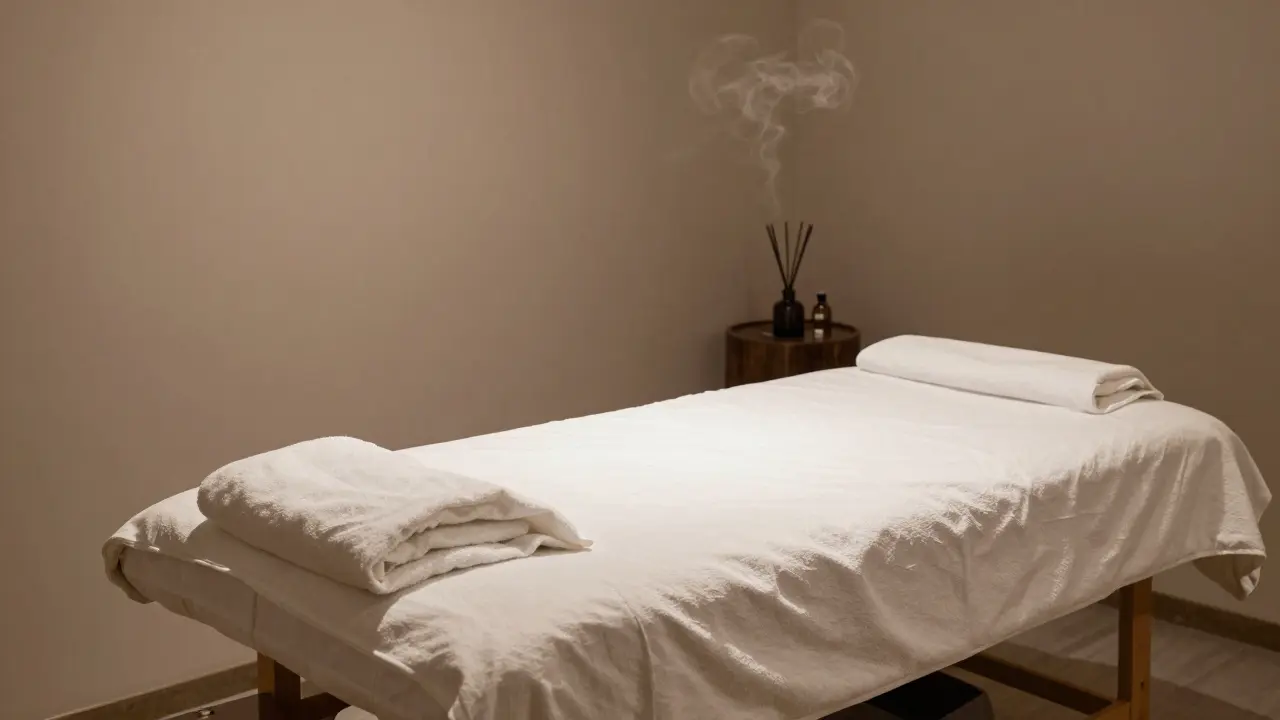
Walking into a luxurious Day Spa is a dedicated space offering relaxation and beauty treatments in a calm environment. Usually means taking a deep breath and finally slowing down. But right at the end, when the credit card machine appears, that peace can vanish quickly. You know you should leave something extra, but nobody talks about exactly what that amount is. That awkward moment happens to almost everyone.
If you aren't sure how much to tip at a day spa, you aren't alone. Many guests worry about offending staff or breaking a rule they don't know exists. Fortunately, there are clear social norms governing these payments. Understanding the basics helps you avoid stress during your bill presentation phase.
Quick Summary / Key Takeaways
- Standard tips range from 15% to 20% of the total service cost.
- Cash is preferred by therapists, but adding to the receipt is acceptable.
- Owner-operated businesses often do not accept tips due to policy.
- Service charges listed on receipts do not always equal a direct tip to staff.
- Adjust amounts based on service quality and complexity.
Understanding the Basics of Spa Tipping
Tip culture at wellness centers has evolved over the last decade. While restaurants rely heavily on tips for wages, spa settings vary depending on employment contracts. Most independent therapists expect their base salary plus gratuities. This dual income model makes the gesture crucial for their livelihood.
The general consensus among industry professionals places the standard rate around the same bracket as dining services. Think of it as a thank-you note for the care received. Whether you had a Swedish massage or a chemical peel, the time investment by the provider deserves recognition. Some luxury resorts bundle everything, which complicates things further, so knowing where you stand matters.
Origins and History
Tipping originated as a way to reward exceptional service in hotels and personal grooming establishments. Over time, it shifted from optional bonus pay to an expected part of the transaction, especially in North American hospitality. Wellness venues adopted this tradition as they grew from private homes to commercial enterprises.
Core Principles or Components
The core principle is simple: compensation for personalized attention. Unlike buying a product off a shelf, services like body wraps require direct human interaction. The components include calculating the percentage, choosing the method of payment, and deciding on frequency. Consistency is key if you become a regular client.
Comparison to Other Industries
| Industry | Standard Tip % | Custom Method |
|---|---|---|
| Restaurant Dining | 15% - 20% | Add-on Receipt |
| Spa Services | 15% - 20% | Cash or Card |
| Rideshare / Taxi | 10% - 15% | App Rating + Tip |
Who Can Benefit from Clear Guidelines?
Frequent visitors and first-timers both gain clarity from established guidelines. Regular clients build relationships with therapists, making the financial exchange secondary to rapport. Newcomers need the numbers to feel confident. Without this knowledge, uncertainty lingers.
Calculating Your Tip Based on Service
Different treatments carry different weight. A 60-minute Massage Therapy is a hands-on technique used to relieve pain and promote relaxation through manipulation of soft tissues. This is labor-intensive. A simple retail purchase does not warrant the same gratitude. Knowing the difference ensures fairness.
Generally, calculate based on the pre-tax subtotal. This avoids double-counting the government sales tax portion. For example, if your treatment costs $100, aim for $15 to $20. If you receive a discount package, some argue you tip on the original price, while others say tip on what you paid. The ethical choice favors the value received.
Factors Influencing Amounts
Service quality dictates the upper or lower limits of the scale. If a therapist listens to your preferences and adjusts pressure perfectly, lean toward 20%. Did they rush? Maybe stick to the bare minimum. Communication style also plays a role; professionalism enhances the overall value of the visit.
Specific Treatment Variations
While massage follows the standard, specialized services differ slightly. Medical estheticians who perform laser procedures sometimes have different expectations compared to traditional spa staff. In high-end medical spas, doctors often do not expect tips due to licensing regulations. Always verify the local custom if unsure.
Consulting the front desk privately can sometimes clear this up without embarrassment. Asking "Is there a tipping policy here?" shows respect for their house rules rather than assuming they want cash in hand.
Safety and Ethical Considerations
Ensure the money goes directly to the person helping you. Some chains automatically add a service fee to the bill. These funds often go to the company pool rather than individual workers. Checking the line item description reveals whether it's a 'gratuity' or an 'administration fee.' This distinction impacts how much extra you need to provide.
Practical Methods for Leaving Gratuities
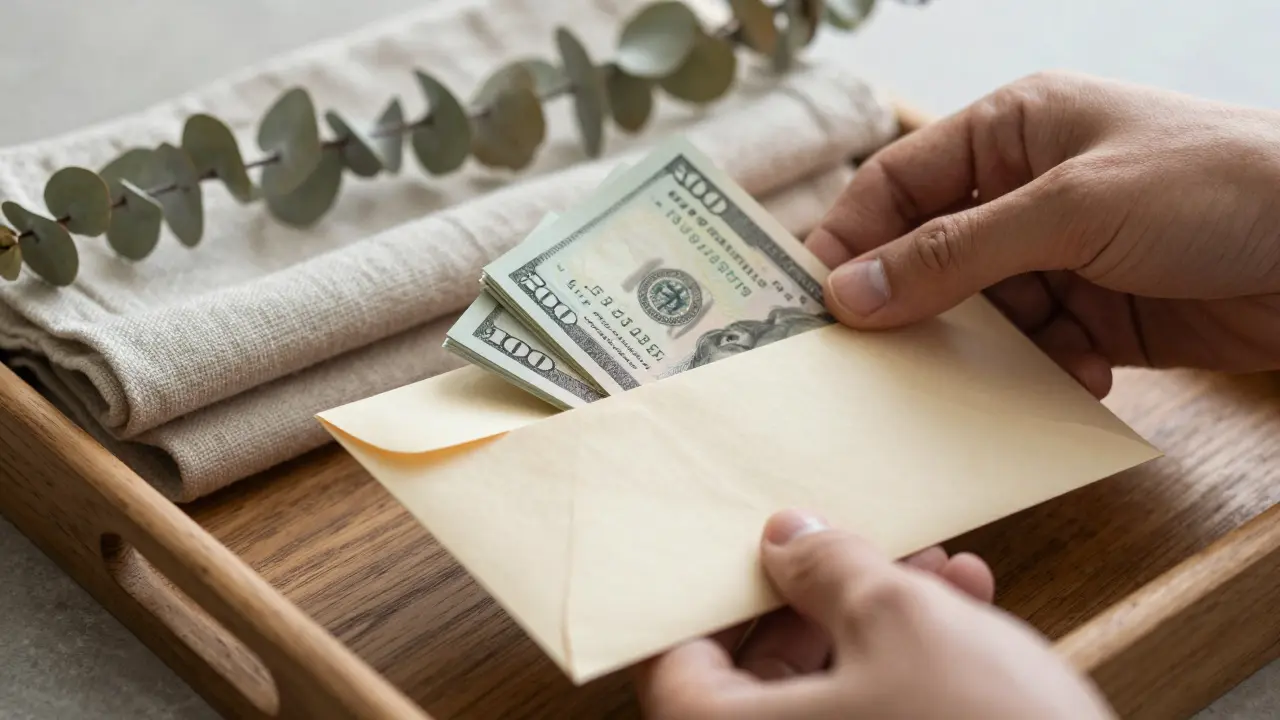
Paying via credit card offers a trail, while cash remains king for immediate access. Staff members often prefer cash because they avoid processing delays or digital splits between multiple employees. Bringing small bills helps significantly if you pay by card and want to top off.
Setting Up for Success
Prepare your finances before booking the appointment. Having a dedicated envelope for self-care expenses keeps cash ready. Digital wallets also allow quick entry on terminal pads. Whichever method you choose, handling it discreetly maintains dignity for both parties involved.
Step-by-Step Guide to Tipping
- Review your final receipt for included service charges.
- Calculate 15% to 20% of the subtotal.
- If paying by card, wait until the machine prompts you for the amount.
- If paying in cash, place it in an envelope with a thank-you note.
- Ensure the amount is left with the therapist directly or dropped in the designated box.
Tips for Beginners
Newcomers should observe what locals do. In tourist-heavy areas, rates might seem higher simply due to inflation. However, the percentage remains relatively stable regardless of city size. Don't overthink the math at the counter; being consistent builds trust with your service team.
When Not to Tip
There are exceptions to every rule. If the facility clearly states 'no tipping' on their menu or website, respect that boundary. This is common for physician-owned clinics or unionized hospitals. Attempting to bribe these professionals can violate workplace safety codes.
Identifying Ownership Policies
Owners often run smaller shops where they handle every room personally. Since the revenue flows to the proprietor directly, extra cash isn't needed. However, assistants might still appreciate a small gesture. Clarify with receptionists before the session ends to avoid awkwardness later.
Navigating Group Discounts
Buying bulk packages changes the dynamic. If you purchased ten sessions upfront, tipping after each visit is still standard practice. However, some managers adjust policies for prepaid accounts. Ask during the initial consultation. Transparency prevents future billing surprises.
Enhancing Your Experience
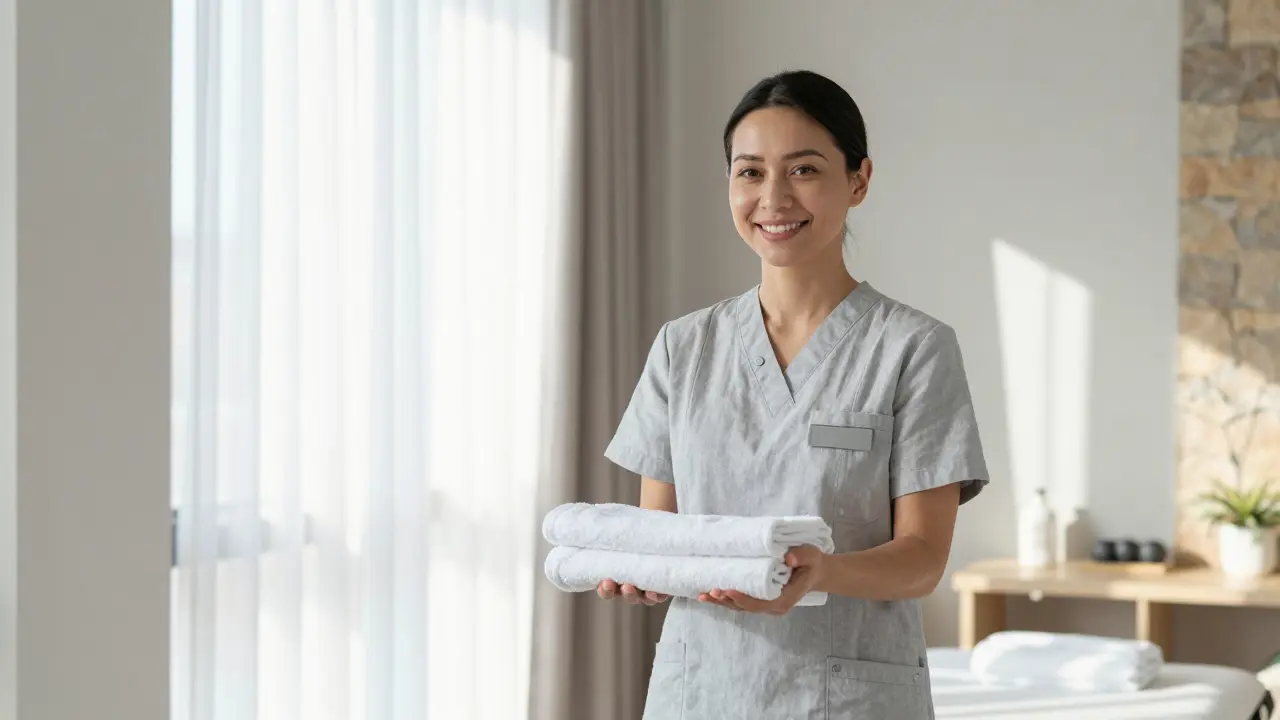
Tipping is just one part of the relationship. Complimenting work specifically reinforces the behavior. Verbal appreciation sometimes means more than extra dollars. Combining both creates the strongest professional bond.
Adding Complementary Practices
Review writing online boosts visibility for therapists. Positive public feedback works alongside private tips to support their career growth. Platforms rely on user data to highlight top performers, so your digital footprint matters as much as the cash one.
Frequently Asked Questions
Many people wonder about specific edge cases regarding payments. Here are answers to the most common queries found online.
Do I need to tip if the owner performs the treatment?
It is generally considered unnecessary to tip the business owner, as they retain the profit directly. However, if they have an assistant helping, tipping the assistant is appreciated.
What if a service charge is already added?
Check if the fee goes to the worker or the business. If it is a mandatory service charge, it often replaces the tip. If it is an administration fee, you should still tip 15%.
Should I tip on discounted rates?
Ethically, you tip on the full price of the service before discounts were applied. This honors the value of the time spent by the provider.
Is cash better than adding to the credit card?
Cash is preferred because it is immediate and avoids potential splitting issues between staff members. It ensures the therapist receives the full amount instantly.
How much should I tip for a facial?
The standard for esthetics is the same as massage, typically between 15% and 20% of the service cost. Treat the technician with the same respect as a massage therapist.
Conclusion: Why It Matters
Showing appreciation for well-being professionals strengthens the community around health. Small gestures validate their hard work. By following these guidelines, you ensure fair compensation for those who help you relax.
A Path to Better Service
Regular and fair tipping encourages providers to remember your preferences. They become more attentive when they know their effort is valued. This cycle benefits your future visits significantly.
Try It Mindfully
Approach the payment with grace. It is a celebration of your time out, not a chore. Keep a few bills handy and smile as you hand them over.
Share Your Journey
Have you discovered great therapists or faced tricky tipping situations recently? Share your experiences in the comments below! We love hearing how guests manage their wellness budgets and rewards.