When it comes to lymphatic drainage massage, one of the most common questions people ask is: How often should I get it? It’s not like a weekly facial or monthly pedicure-this isn’t just about relaxation. Lymphatic drainage massage is a gentle, targeted technique that helps your body move fluid, reduce swelling, and support immune function. But if you’re new to it, figuring out the right rhythm can feel confusing. Should you do it once a month? Every week? Or only when you feel puffy? Let’s cut through the noise and give you real, practical answers based on how this therapy actually works in the body-and what works best for people living active, modern lives in places like Dubai.
Understanding the Basics of Lymphatic Drainage Massage
Origins and History
Lymphatic drainage massage didn’t start in a luxury spa. It was developed in the 1930s by two Swedish therapists, Emil and Estrid Vodder, who noticed that gentle touch on the neck and face helped reduce swelling in chronic cold sufferers. They refined the technique over decades, and by the 1970s, it was being used in hospitals across Europe to help patients recover from surgery or manage lymphedema. Today, it’s a cornerstone of post-surgical care and holistic wellness. In Dubai, where wellness culture thrives and recovery from jet lag, heat, and long flights is a daily priority, this therapy has become a quiet revolution in self-care.
Core Principles or Components
The lymphatic system is your body’s drainage network. Unlike blood, which is pumped by the heart, lymph fluid moves slowly and relies on muscle movement, breathing, and external pressure to circulate. Lymphatic drainage massage uses light, rhythmic strokes-no deep pressure, no oil slicks-to encourage this flow. The goal isn’t to break down fat or "detox" in the way ads claim. It’s to help your body clear out excess fluid, proteins, and waste that accumulate in tissues. Think of it like gently sweeping leaves off a sidewalk instead of using a power washer.
How It Differs from Related Practices
Many confuse lymphatic drainage with deep tissue massage, Swedish massage, or even cupping. Here’s how it stands apart:
| Practice | Key Feature | Primary Benefit |
|---|---|---|
| Lymphatic Drainage Massage | Extremely light pressure (about the weight of a coin) | Reduces fluid retention, supports immune function |
| Deep Tissue Massage | Strong pressure targeting muscle knots | Relieves chronic muscle tension |
| Swedish Massage | Medium pressure, long flowing strokes | General relaxation, improved circulation |
| Cupping | Suction on skin to lift tissue | Increases blood flow, may reduce inflammation |
Who Can Benefit from Lymphatic Drainage Massage?
You don’t need to have lymphedema or have had surgery to benefit. People in Dubai often turn to this therapy after long-haul flights, during hot weather when swelling increases, or after intense workouts. Pregnant women find relief from swollen ankles. People with chronic sinus issues notice fewer headaches. Even those who sit all day at a desk benefit-sedentary lifestyles slow lymph flow. If you feel sluggish, puffy, or just "stuck," this massage might be quietly helping your body reset.
Benefits of Lymphatic Drainage Massage for Your Body
Reduced Swelling and Fluid Retention
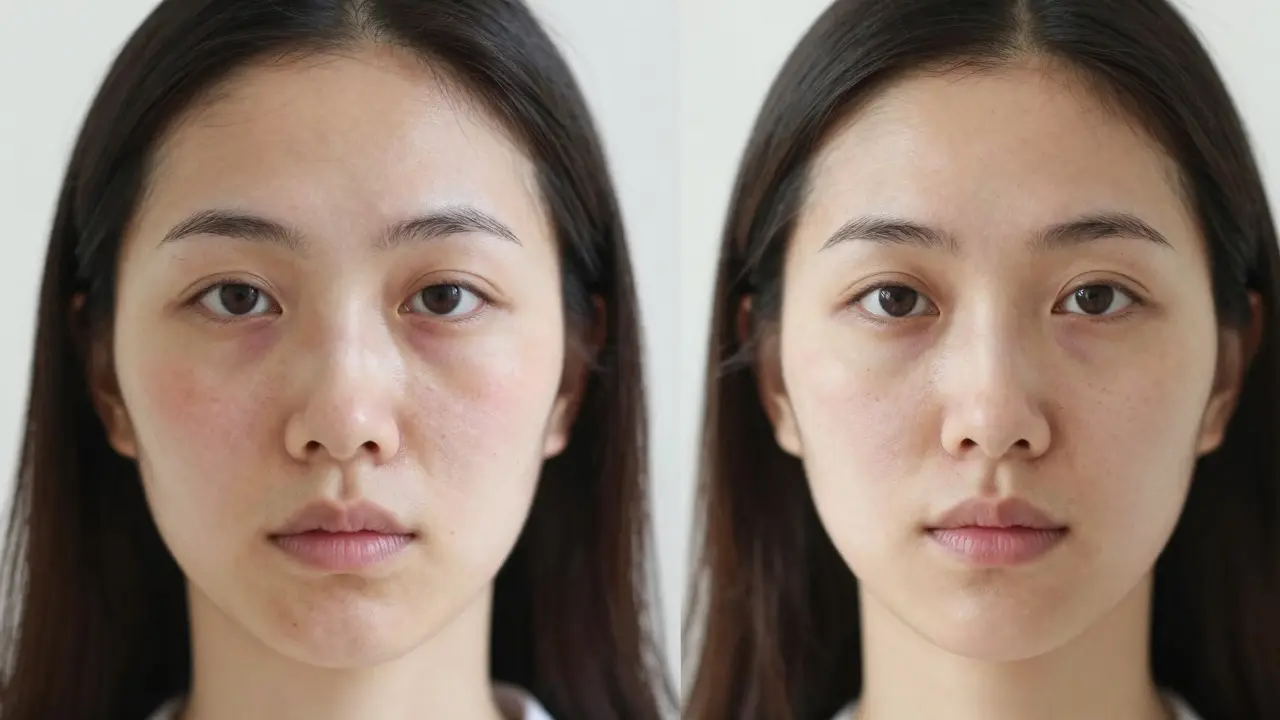
One of the clearest outcomes is reduced puffiness. Whether it’s your face after a late night, your legs after standing all day, or your hands from carrying heavy bags, lymphatic massage helps move that extra fluid out. A 2021 study from the Journal of Bodywork and Movement Therapies found that participants with mild edema saw noticeable improvement after just three sessions. In Dubai’s heat, where fluid retention is common, this isn’t a luxury-it’s a practical tool.
Improved Immune Function
Your lymph nodes are like security checkpoints for your immune system. When lymph fluid flows smoothly, immune cells can move faster to detect threats. Regular sessions can help your body respond more efficiently to minor infections, especially during seasonal changes. Many clients report fewer colds and faster recovery from minor illnesses after building lymphatic massage into their routine.
Enhanced Skin Clarity and Glow
When waste builds up under the skin, it can make you look dull or congested. Lymphatic drainage helps clear out toxins and excess cellular debris, which often leads to brighter, clearer skin. It’s not a replacement for skincare, but it’s a powerful complement. Many dermatologists in Dubai now recommend it for clients with acne-prone or sensitive skin.
Recovery and Energy Boost
After intense exercise, inflammation and micro-tears in muscles cause soreness. While ice and rest help, lymphatic massage actively clears out inflammatory byproducts. Athletes and fitness enthusiasts in the city use it to bounce back faster. It’s also a great reset after long workweeks. People often say they feel "lighter," not just physically, but mentally too.
What to Expect When Engaging with Lymphatic Drainage Massage
Setting or Context
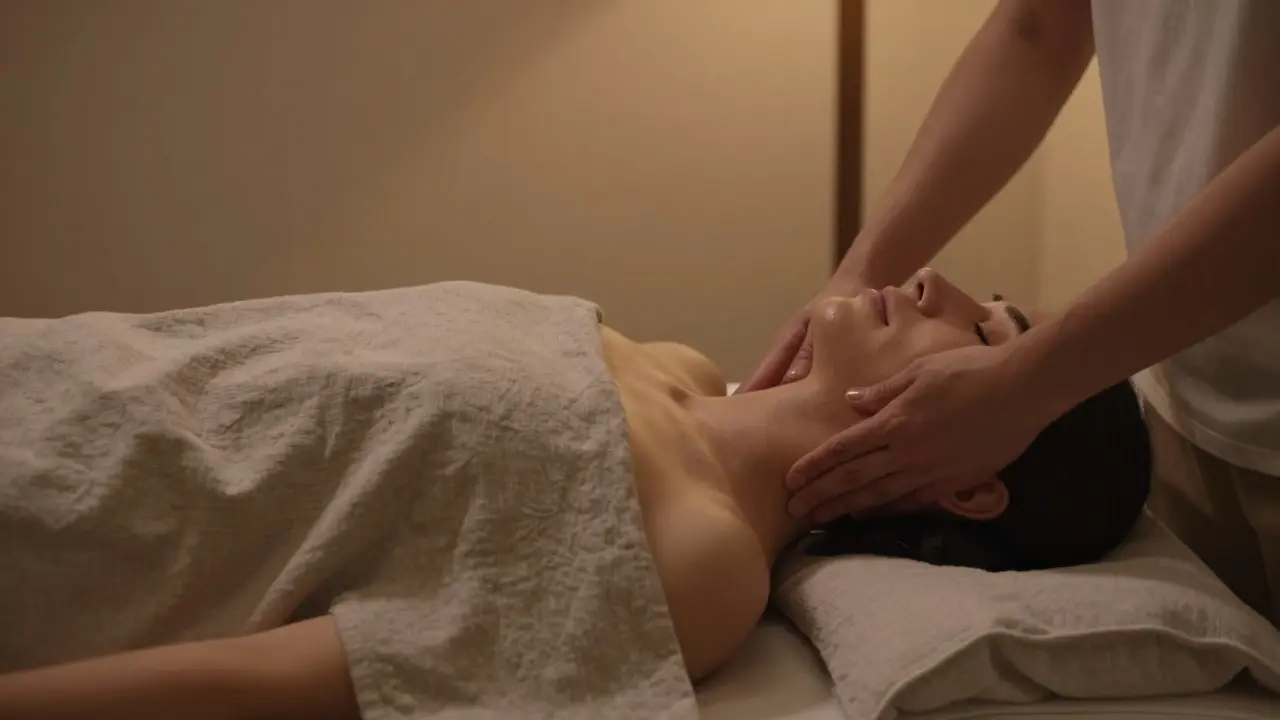
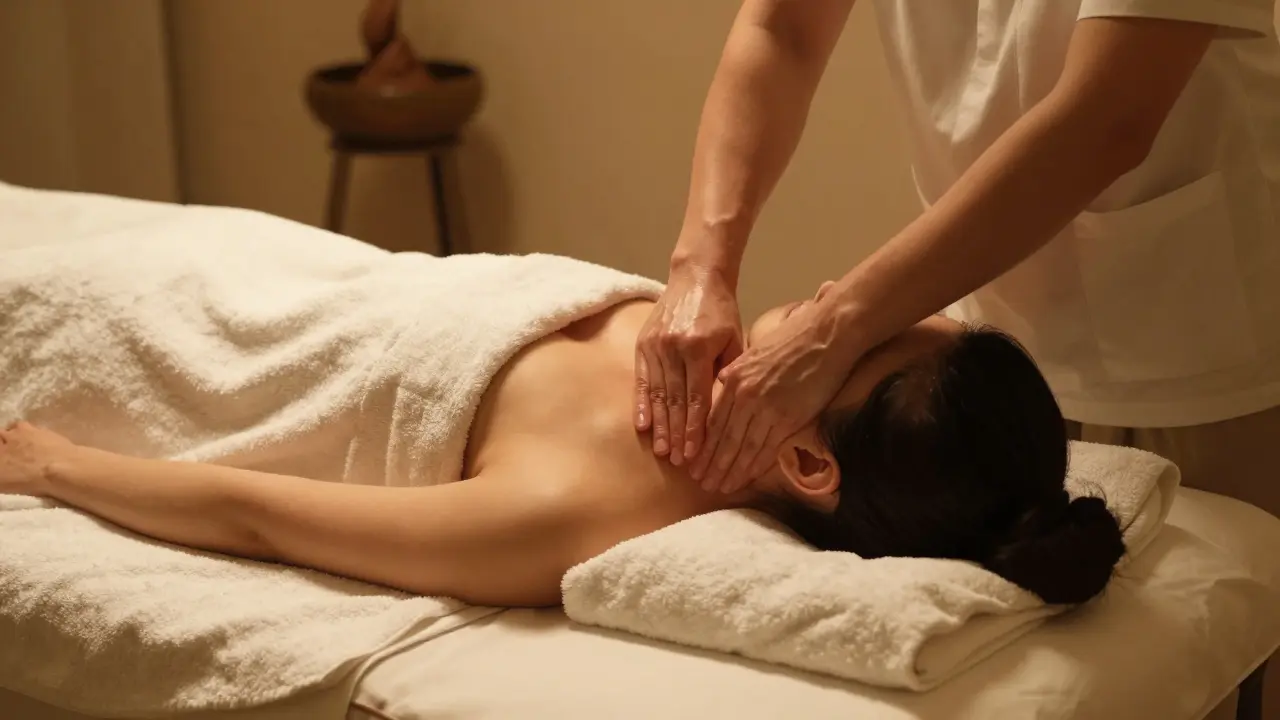
Most sessions happen in quiet, dimly lit rooms with soft music and warm towels. You’ll lie on a massage table, usually unclothed from the waist down (draped with towels) or fully clothed if you prefer. The therapist uses bare hands with a very light touch-so light, you might wonder if they’re even doing anything. That’s normal. The pressure is never enough to leave a mark. A full session lasts 60 to 90 minutes and often starts with the neck and collarbone area, then moves to limbs and torso.
Key Processes or Steps
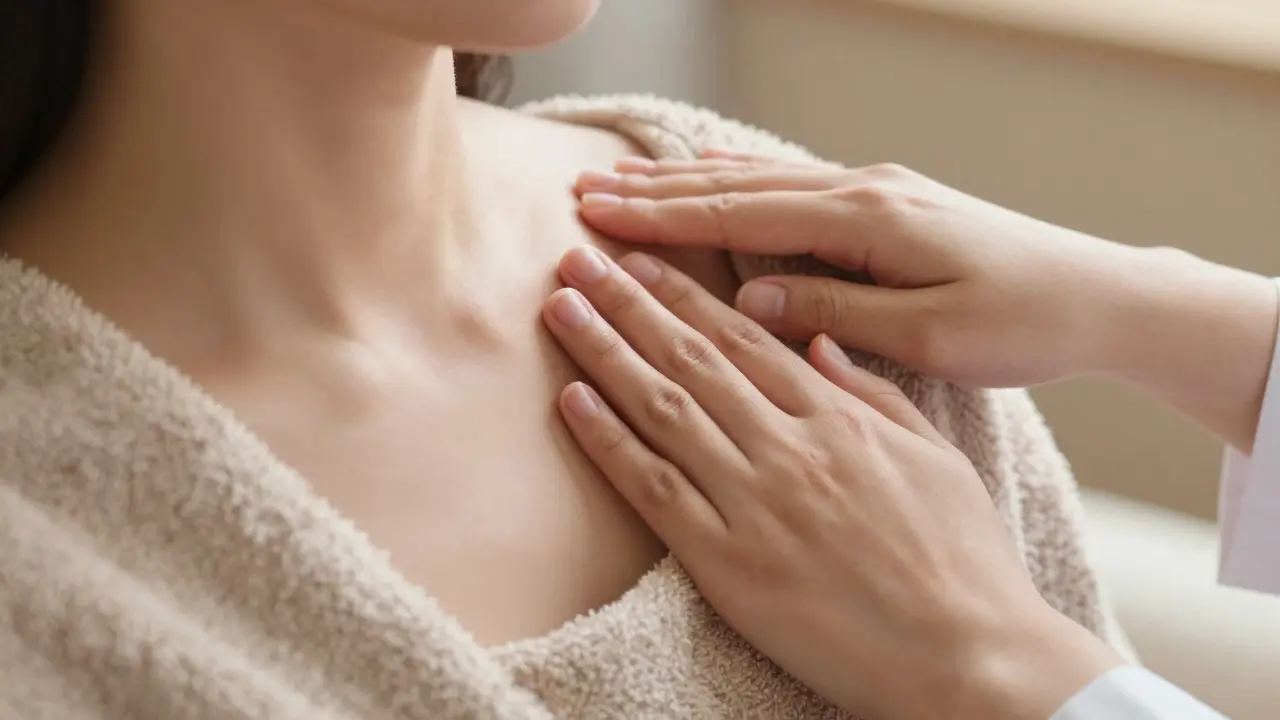
The technique follows the natural flow of lymph. It begins with gentle circular motions on the neck to open major drainage points. Then, slow, sweeping strokes move down the arms, legs, and abdomen. There’s no kneading, no cracking, no force. It’s more like a slow wave passing over your body. You’ll likely feel deeply relaxed, sometimes even sleepy. Some people feel a slight urge to urinate afterward-that’s a sign the fluid is moving.
Customization Options
Every body is different. If you’ve had surgery, the therapist will avoid the surgical site. If you’re pregnant, they’ll adjust positioning and pressure. If you’re dealing with chronic sinus congestion, they’ll focus more on the head and neck. Good therapists tailor each session. Don’t be shy about telling them what areas feel tight or swollen-you’re not just a client, you’re the expert on your own body.
Communication and Preparation
Hydrate well the day before and after. Avoid heavy meals right before. Wear loose, comfortable clothing. If you’re feeling unwell, have a fever, or are in acute inflammation, reschedule. This isn’t a massage for when you’re sick-it’s a tool for recovery, not crisis.
How Often Should You Get a Lymphatic Drainage Massage?
For General Wellness: Once a Month
If you’re healthy, active, and just want to stay balanced, once a month is ideal. It’s enough to keep fluid moving without overdoing it. Think of it like tuning up your car-you don’t need an oil change every week, but you don’t wait a year either.
For Post-Surgery or Injury Recovery: 2-3 Times a Week for 2-4 Weeks
If you’ve had cosmetic surgery, a mastectomy, or an injury that caused swelling, your therapist may recommend daily or every-other-day sessions for the first few weeks. This is medically supported and often covered by insurance in some countries. In Dubai, many clinics offer post-op packages designed for this exact need.
For Chronic Swelling or Lymphedema: Weekly or Biweekly
Those managing lymphedema (often after cancer treatment) typically need regular, ongoing care. Weekly sessions are standard, sometimes combined with compression garments. This isn’t optional-it’s part of long-term health management.
For Jet Lag, Heat, or Lifestyle Stress: Every 2-3 Weeks
Dubai’s climate and fast-paced lifestyle make this especially relevant. If you travel often, work long hours, or feel constantly bloated, every 2-3 weeks can make a real difference. Many expats and locals here build it into their seasonal routine-especially before summer or after Ramadan.
Can You Do It Too Often?
Yes. More than twice a week for extended periods can overwhelm your system. Your body needs time to process what’s moved. Overdoing it might leave you feeling tired or even more swollen. Moderation is key. Listen to your body-if you feel drained after a session, space them out.
Safety and Ethical Considerations
Choosing Qualified Practitioners
Not everyone who calls themselves a "massage therapist" is trained in lymphatic drainage. Look for certifications from recognized bodies like the Vodder School, Dr. Földi School, or the Lymphology Association of North America. In Dubai, reputable spas list their therapists’ credentials on their websites. Ask to see their certification. A trained therapist will know exactly where to apply pressure-and where not to.
Safety Practices
Hygiene matters. Make sure the linens are fresh, and the therapist washes hands before and after. Avoid sessions if you have active infections, open wounds, or blood clots. Also, if you’re undergoing chemotherapy or have uncontrolled high blood pressure, check with your doctor first.
| Practice | Purpose | Example |
|---|---|---|
| Stay hydrated | Helps flush cleared fluid | Drink 2-3 liters of water after your session |
| Avoid heavy meals | Prevents digestive strain | Wait 2 hours after eating before a session |
| Don’t massage inflamed areas | Prevents worsening swelling | Wait until a rash or infection clears |
Setting Boundaries
It’s okay to say "no" to pressure, temperature, or touch. You’re in control. If something feels off, speak up. A good therapist will adjust instantly.
Contraindications or Risks
Don’t get a lymphatic massage if you have:
- Active infections (like cellulitis or flu)
- Heart failure or severe cardiovascular disease
- Recent blood clots (DVT)
- Uncontrolled cancer (unless approved by your oncologist)
- Acute inflammation or fever
If you’re unsure, consult your doctor. This isn’t a risky therapy-but like any treatment, context matters.
Enhancing Your Experience with Lymphatic Drainage Massage
Adding Complementary Practices
Pair it with dry brushing before your session to stimulate surface lymph flow. Or follow it with 10 minutes of deep breathing or light walking. Hydration is the biggest booster-water helps carry away what the massage moves. Avoid alcohol and salty foods the day after.
Collaborative or Solo Engagement
This is mostly a solo experience. But some couples enjoy booking side-by-side sessions. It’s calming and bonding-no pressure, just quiet relaxation. If you’re doing it alone, treat it like meditation: put your phone away, breathe, and let your body reset.
Using Tools or Props
You don’t need special tools for professional sessions. But at home, a soft silicone brush or a jade roller can gently mimic the motion. Don’t replace professional care with home tools, but they can help maintain the flow between sessions.
Regular Engagement for Benefits
Like yoga or stretching, consistency beats intensity. One session won’t transform you. But doing it every few weeks? That’s where the magic happens. Your body remembers the rhythm. Over time, you’ll notice less puffiness, better sleep, and a quiet sense of balance.
Finding Resources or Experts for Lymphatic Drainage Massage
Researching Qualified Practitioners
In Dubai, look for clinics affiliated with hospitals or wellness centers that list therapist training. Check reviews for mentions of "gentle," "knowledgeable," or "focused on fluid flow." Avoid places that promise "detox" or "fat loss"-those are red flags.
Online Guides and Communities
The International Lymphedema Framework (ILF) offers free educational resources for the public. YouTube channels like "Lymphatic Health" have short, accurate demos. Avoid TikTok trends that show aggressive rubbing-those aren’t lymphatic drainage.
Legal or Cultural Considerations
In the UAE, all medical and wellness therapies must be licensed. Make sure the spa has a valid Dubai Health Authority (DHA) permit. Cultural norms around modesty are respected-most clinics offer gender-specific therapists and private changing areas.
Resources for Continued Learning
Books like The Lymphatic System: A Guide for Therapists by Dr. Bruno Chikly offer deeper insight. Podcasts from certified lymphedema therapists are also helpful. Knowledge empowers better choices.
FAQ: Common Questions About Lymphatic Drainage Massage
How often should I get a lymphatic drainage massage?
It depends on your goals. For general wellness, once a month is ideal. For post-surgery recovery, 2-3 times a week for several weeks is common. Those with lymphedema often need weekly sessions. If you’re dealing with jet lag, heat, or bloating, every 2-3 weeks works well. More than twice a week long-term isn’t recommended-it can overtax your system. Listen to your body: if you feel tired after a session, space them out.
What happens during a lymphatic drainage massage?
You’ll lie comfortably while the therapist uses extremely light, rhythmic strokes-no deep pressure. The touch is like a feather gliding over skin. Sessions start at the neck to open drainage pathways, then move to limbs and torso. You may feel relaxed, even sleepy. Some people feel the urge to use the bathroom afterward, which means fluid is moving. No oil is typically used, and the session lasts 60-90 minutes. It’s not painful or intense-it’s subtle, but deeply effective.
How is lymphatic drainage massage different from a regular massage?
Regular massages like Swedish or deep tissue focus on muscles, using pressure to release tension. Lymphatic drainage targets the lymphatic system, using barely any pressure-just enough to stimulate fluid flow. It doesn’t break up knots or loosen tight muscles. Instead, it helps your body naturally drain excess fluid, reduce swelling, and support immunity. The touch is so light, you might think it’s not working. But that’s the point. It’s not about force-it’s about flow.
Can I do lymphatic drainage at home?
You can do light self-massage at home, but it’s not a replacement for professional care. Use a soft brush or a jade roller on clean, dry skin, moving gently toward your heart. Focus on the neck, arms, and legs. Don’t press hard-use the weight of the tool, not your strength. Do it after a shower when your skin is warm. This helps maintain flow between professional sessions, especially if you travel often or live in a hot climate.
Is lymphatic drainage massage safe during pregnancy?
Yes, it’s generally safe and often recommended during pregnancy, especially in the second and third trimesters. Swelling in the legs and feet is common, and gentle lymphatic massage can help reduce it. Always choose a therapist trained in prenatal care. Avoid pressure on the abdomen, and make sure you’re positioned comfortably-usually on your side. Many OB-GYNs in Dubai suggest it as a natural way to manage fluid retention without medication.
Conclusion: Why Lymphatic Drainage Massage is Worth Exploring
A Path to Feeling Lighter
Lymphatic drainage massage isn’t about quick fixes. It’s about helping your body do what it was designed to do-clear, balance, and recover. In a city like Dubai, where heat, travel, and fast living pile up, this gentle therapy offers a quiet reset. It doesn’t scream for attention. But over time, you’ll notice it: less puffiness, better sleep, clearer skin, and a deeper sense of calm.
Try It Mindfully
Start with one session. See how your body responds. Don’t expect miracles, but do pay attention. If you feel lighter, clearer, or just more at ease, it’s worth repeating. Always choose a certified therapist. And remember-you’re not fixing something broken. You’re helping your body find its rhythm again.
Share Your Journey
Tried lymphatic drainage massage? Share your experience in the comments-what did you notice? How often do you do it? Follow this blog for more mindful wellness tips tailored to life in Dubai.
Some links may be affiliate links, but all recommendations are based on research and quality.
Word count: 1,724
Suggested Visuals
- A serene spa room in Dubai with soft lighting, a massage table, and a therapist using light hand motions
- Close-up of a therapist’s hands performing lymphatic drainage on a client’s neck with a towel draped
- Before-and-after side-by-side images showing reduced facial puffiness after a session
- A woman drinking water and stretching after a massage, symbolizing post-session care
- A simple infographic showing the path of lymph flow from limbs to collarbone
Suggested Tables
- Comparison of Lymphatic Drainage Massage and Other Techniques
- Key Benefits of Lymphatic Drainage Massage (Benefit, Description, Impact)
- Lymphatic Drainage Safety Tips (Practice, Purpose, Example)