How Often Should You Body Scrub? The Science-Backed Guide for Glowing Skin
When it comes to body scrub, more isn’t always better. Too much can strip your skin, too little leaves it dull. The truth? Most people scrub too often-or not nearly enough. Finding the right balance isn’t about following trends; it’s about listening to your skin. Whether you’re in Dubai’s dry heat or your home shower, your skin’s needs change with seasons, climate, and lifestyle. Let’s cut through the noise and give you a clear, practical plan.
Understanding the Basics of Body Scrub
Origins and History
Body scrubs aren’t new. Ancient Egyptians used salt and olive oil to polish their skin before sacred rituals. In India, turmeric and gram flour were common in Ayurvedic routines. Even Roman bathhouses included scrubbing with pumice stones. These weren’t just about cleanliness-they were part of self-care, ritual, and community. Today, body scrubs have evolved into luxury treatments, but their core purpose hasn’t changed: remove dead skin, boost circulation, and reveal smoother skin underneath.
Core Principles or Components
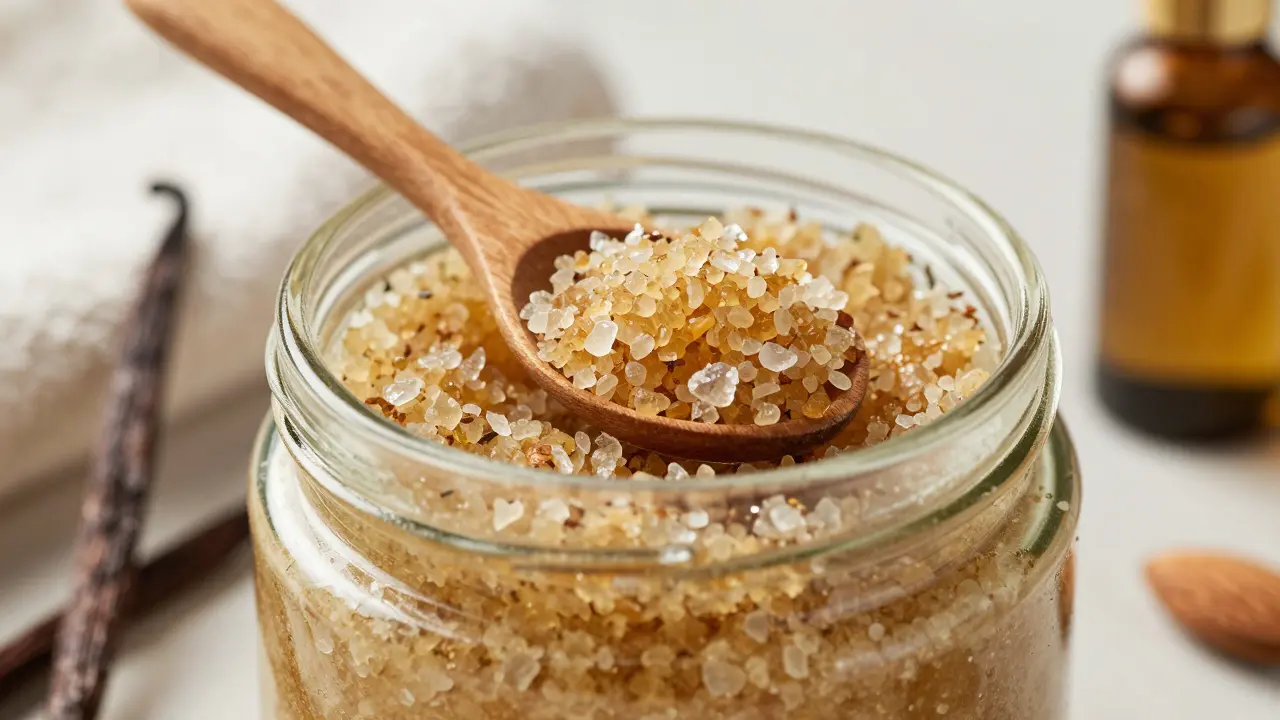
A good body scrub has two key parts: an exfoliant and a carrier. The exfoliant-salt, sugar, ground coffee, or synthetic beads-physically sloughs off dead cells. The carrier-oil, butter, or gel-hydrates and soothes. Salt scrubs are more abrasive, ideal for rough areas like elbows or feet. Sugar scrubs are gentler, better for sensitive skin. The oil in the scrub (coconut, almond, jojoba) seals in moisture, which is why your skin feels soft long after rinsing.
How It Differs from Related Practices
Many confuse body scrubs with chemical exfoliants (like AHAs/BHAs) or loofahs. Here’s how they stack up:
| Practice | Key Feature | Primary Benefit |
|---|---|---|
| Body Scrub | Physical exfoliation with granules | Immediate smoothness, boosts circulation |
| Chemical Exfoliant (AHA/BHA) | Dissolves dead cells with acids | Deep pore cleaning, reduces acne |
| Loofah or Washcloth | Mild friction, no granules | Light daily exfoliation |
Who Can Benefit from Body Scrub?
Almost everyone. Dry, flaky skin? A scrub helps. Rough heels or elbows? Perfect target. Even oily skin benefits-dead cells clog pores and make skin look dull. Athletes, people in dry climates (like Dubai), and those who sweat heavily find scrubs especially useful. Pregnant individuals should avoid harsh scrubs near the belly, and those with eczema or open cuts should skip them entirely. If your skin isn’t irritated, a scrub can be a game-changer.
Benefits of Body Scrub for Skin Health
Improved Skin Texture
Dead skin cells build up over days, making skin look dull and feel rough. A body scrub removes them, revealing the smoother, brighter skin underneath. Within one use, many notice a visible glow. Over time, regular exfoliation helps skin absorb moisturizers better, making lotions and oils work more effectively. Think of it like cleaning a window-you’re not just removing dirt; you’re letting light through.
Reduced Ingrown Hairs
If you shave or wax, dead skin can trap hairs beneath the surface, causing bumps and irritation. A scrub gently lifts these hairs out before they get trapped. In hot, humid climates like Dubai, where sweat and friction increase ingrown hairs, weekly scrubbing can make a big difference. Many users report fewer razor bumps after just two weeks of consistent use.
Enhanced Circulation
The rubbing motion of a scrub stimulates blood flow to the skin’s surface. This isn’t just about a temporary flush-it helps deliver oxygen and nutrients to skin cells, encouraging natural renewal. Better circulation also means lymphatic drainage, which can reduce puffiness and improve skin tone. It’s like giving your skin a mini-massage while you clean it.
Prep for Other Treatments
Want to get the most from self-tanner or moisturizer? Exfoliation is step one. Dead skin blocks absorption, leading to patchy tan or ineffective hydration. A scrub before tanning means an even, longer-lasting color. Before applying body oil? A scrub ensures every drop sinks in. It’s not magic-it’s science.
| Benefit | Description | Impact |
|---|---|---|
| Smooth Skin | Removes rough patches and flakiness | Feels softer, looks brighter |
| Better Absorption | Clears dead cells so moisturizers penetrate | Hydration lasts longer |
| Prevents Ingrowns | Lifts trapped hairs | Reduces bumps after shaving |
| Improved Circulation | Stimulates blood flow | Healthier skin tone, reduced puffiness |
What to Expect When Engaging with Body Scrub
Setting or Context
You don’t need a spa to get results. A warm shower is perfect. Avoid scrubbing in the tub-soak first, then scrub under running water. The water should be warm, not hot. Hot water opens pores but dries skin. In Dubai’s dry climate, keeping moisture in is key. Use a non-slip mat and have a towel ready. Keep your scrub in a dry spot-moisture breeds bacteria.
Key Processes or Steps
Start with wet skin. Apply scrub in small sections-start at your feet, work up. Use circular motions, not harsh back-and-forth. Spend 30-60 seconds per area. Don’t rush. Rinse thoroughly. Pat dry, don’t rub. Follow immediately with moisturizer. Your skin is thirsty after exfoliation.
Customization Options
Not all scrubs are the same. Salt scrubs work for thick skin (feet, knees). Sugar scrubs suit arms, torso, or sensitive skin. Coffee scrubs add caffeine, which may temporarily tighten skin. Look for natural oils-coconut for hydration, jojoba for balance. Avoid scrubs with microplastics or synthetic fragrances. If your skin stings, it’s too harsh.
Communication and Preparation
If you’re getting a professional scrub, speak up. Tell them if you have sensitive skin, allergies, or recent sunburn. Don’t assume they know. At home, patch test a new scrub on your inner arm first. Wait 24 hours. If it reddens or burns, don’t use it. Your skin’s reaction is your best guide.
How to Practice or Apply Body Scrub
Setting Up for Success
Keep a scrub in your shower. Use a loofah or your hands-no need for fancy tools. Keep a small bowl nearby if using a jar. Store it in a dry, cool place. If it’s oil-based, make sure the lid seals tight. A dirty scrub container can grow mold. Replace it every 3-6 months if you use it weekly.
Choosing the Right Tools/Resources
For sensitive skin: sugar-based scrubs with shea butter or aloe. For rough areas: coarse salt scrubs with almond oil. Avoid scrubs with large, jagged particles. Natural is better, but not all natural scrubs are gentle. Read labels. Look for ingredients you recognize-no long chemical names. If it smells like artificial coconut, skip it.
Step-by-Step Guide
- Step into the shower and let your skin get damp (not dripping).
- Apply a small amount of scrub to dry hands.
- Start at your feet. Use gentle circles, moving upward.
- Focus on rough areas: heels, knees, elbows.
- Avoid sensitive zones: chest, face, genitals.
- Rinse with lukewarm water until no grit remains.
- Pat skin dry with a towel.
- Apply body oil or lotion within 3 minutes.
Tips for Beginners or Couples
First-timers: Start once a week. If your skin feels tight or red, cut back. Couples can make it a ritual-take turns scrubbing each other’s back. It’s relaxing and bonding. Use a gentle scrub and keep it light. No need to scrub for 10 minutes. Two minutes, done right, is better than ten, done rough.
Safety and Ethical Considerations
Choosing Qualified Practitioners/Resources
If you’re getting a spa treatment, ask about their products. Do they use natural ingredients? Are they licensed? A reputable spa will list ingredients and explain the process. Avoid places that push expensive packages without explaining why. Your skin doesn’t need a $100 scrub if a $15 one works better.
Safety Practices
Hygiene matters. Never share scrubs. Use clean hands. Don’t use a scrub on broken skin, sunburn, or active rashes. Bacteria can get in. If your skin stings, rinse immediately. Don’t push through discomfort.
| Practice | Purpose | Example |
|---|---|---|
| Don’t scrub daily | Prevents over-exfoliation | Scrub 1-2 times/week max |
| Avoid post-sun exposure | Prevents irritation | Wait 48 hours after sunburn |
| Use clean tools | Prevents infection | Replace loofahs monthly |
Setting Boundaries
If you’re getting a professional scrub, speak up. Say, “I have sensitive skin,” or “Please go lighter.” You have the right to comfort. At home, listen to your skin. If it feels raw, stop. Skin doesn’t need punishment-it needs care.
Contraindications or Risks
Avoid scrubs if you have: eczema, psoriasis, active acne, open wounds, or recent laser treatments. Pregnant women should avoid scrubs with essential oils like rosemary or peppermint. Always check with your doctor if you’re on acne meds like retinoids-your skin may be extra sensitive.
Enhancing Your Experience with Body Scrub
Adding Complementary Practices
Pair your scrub with a hydrating body oil. Apply while skin is still damp. Add a few drops of vitamin E oil for extra nourishment. After scrubbing, drink water-hydration starts from within. A 10-minute cooldown with deep breathing helps your skin recover. It’s not just about what you put on-it’s about how you feel.
Collaborative or Solo Engagement
Scrubbing alone is a quiet, mindful ritual. Do it in silence, with soft music, or while thinking of nothing. With a partner, it becomes connection. Take turns. Make it slow. No rush. It’s not about efficiency-it’s about presence.
Using Tools or Props
A silicone scrubber can help reach your back. A loofah is fine, but replace it every 4 weeks. A small bowl lets you control how much scrub you use. Keep a towel nearby. No need for fancy gadgets-your hands are the best tool.
Regular Engagement for Benefits
Consistency beats intensity. One scrub a week is better than three in one day. Stick to a schedule-maybe Sunday night after a shower. Over time, your skin will thank you. You’ll notice fewer bumps, smoother texture, and better absorption from your lotions.

Finding Resources or Experts for Body Scrub
Researching Qualified Experts/Resources
Look for brands with transparent ingredients. Avoid those with “fragrance” as a hidden ingredient-it often means irritants. Read reviews from people with similar skin types. If you’re in Dubai, local spas like those in Jumeirah or Al Barsha often use natural oils suited to the climate. Ask about their sourcing.
Online Guides and Communities
Check dermatology blogs from trusted sources like the American Academy of Dermatology. Reddit’s r/SkincareAddiction has real user experiences. Avoid influencers who push daily scrubs. Real experts say: less is more.
Legal or Cultural Considerations
In the UAE, skincare products must meet Gulf Standards. Look for the GSO mark on packaging. Avoid scrubs with alcohol or parabens-they’re restricted in many Middle Eastern markets. Cultural norms value modesty-choose private, clean spaces for self-care.
Resources for Continued Learning
Read “The Beauty of Skin” by Dr. Hadley King. Watch videos from board-certified dermatologists on YouTube. Try a simple sugar scrub recipe: 1 cup sugar, ½ cup coconut oil, 5 drops vanilla. Make it yourself. You’ll know exactly what’s on your skin.
FAQ: Common Questions About Body Scrub
How often should you body scrub?
Most people should body scrub once or twice a week. If you have sensitive or dry skin, stick to once. If you’re athletic, sweat a lot, or have rough skin, twice is fine. Never scrub daily-it strips natural oils and causes irritation. In dry climates like Dubai, over-exfoliation leads to flakiness and tightness. Listen to your skin-if it feels raw or red, you’re doing too much.
Can you body scrub every day?
No. Daily scrubbing removes your skin’s protective barrier, leading to dryness, redness, and even breakouts. Your skin renews itself every 28 days. Scrubbing too often tricks it into thinking it’s under attack, causing it to produce more dead cells. Stick to 1-2 times a week. If you want daily exfoliation, use a soft washcloth instead. Gentle is better than aggressive.
What’s the best time of day to body scrub?
The best time is after a warm shower, before applying moisturizer. Warm water opens pores and softens skin, making scrubbing more effective. Do it in the evening if you’re using an oil-based scrub-it lets the oil absorb overnight. Avoid scrubbing right before sun exposure-it makes skin more sensitive. In Dubai’s heat, evening is ideal.
Do body scrubs help with cellulite?
They don’t eliminate cellulite, but they can improve skin texture temporarily. Cellulite is fat pushing through connective tissue-it’s not dirt. A scrub gives a smoother surface by removing dead skin and boosting circulation, making skin look more even. Some people notice a slight improvement after consistent use. But don’t expect miracles. Real cellulite reduction needs diet, movement, and time.
Is body scrub safe during pregnancy?
Yes, with care. Avoid scrubs with strong essential oils like rosemary, eucalyptus, or peppermint. Stick to gentle sugar scrubs with coconut or almond oil. Don’t scrub the belly too hard-skin is stretching. Always patch test. If you’re unsure, ask your OB-GYN. Many pregnant women find gentle scrubbing helps with dryness and itching. It’s safe if done mindfully.
Conclusion: Why Body Scrub is Worth Exploring
A Path to Healthier Skin
A body scrub isn’t luxury-it’s maintenance. Like brushing your teeth, it’s a simple habit with lasting results. Regular exfoliation keeps skin smooth, receptive, and radiant. It’s not about looking perfect-it’s about feeling confident in your own skin.
Try It Mindfully
Start slow. Once a week. Use a gentle scrub. Listen to your skin. If it feels better, keep going. If it feels irritated, pause. This isn’t a race. It’s a ritual.
Share Your Journey
Tried a body scrub routine? Share how your skin changed in the comments. Follow this blog for more simple, science-backed skin care tips. Explore your next scrub-and let your skin glow.
Some links may be affiliate links, but all recommendations are based on research and quality.
Word count: 1,728
Suggested Visuals
- A person gently scrubbing their arm in a steamy bathroom with natural light
- Close-up of a sugar-based body scrub with coconut oil and vanilla beans
- Before-and-after skin texture comparison (blurred background, focus on arm)
- Hand holding a jar of body scrub next to a towel and lotion bottle
- Woman applying body oil after scrubbing, smiling, in a quiet home setting
Suggested Tables
- Comparison of Body Scrub vs. Other Exfoliation Methods
- Key Benefits of Regular Body Scrubbing
- Safety Tips for Body Scrubbing