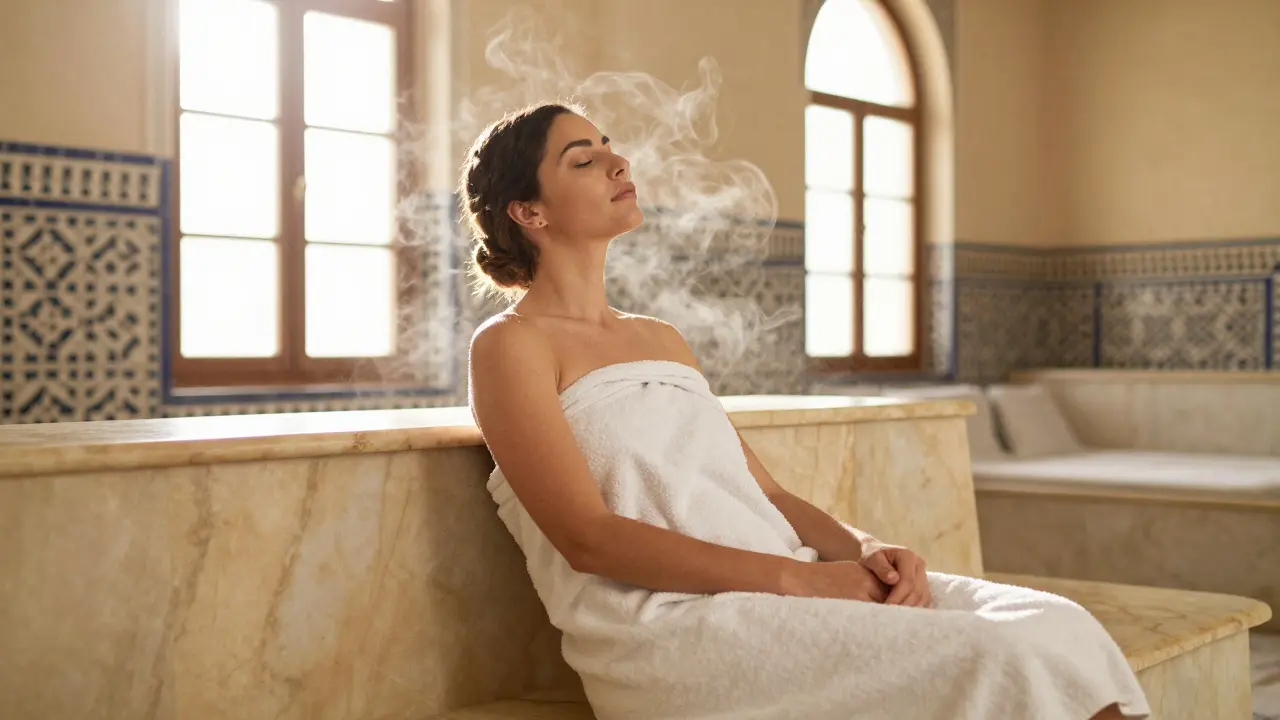
How Often Should You Do a Moroccan Bath? A Practical Guide for Dubai Residents
When it comes to moroccan bath dubai, the question isn’t just about cleanliness-it’s about rhythm, renewal, and cultural ritual. Many people in Dubai turn to the hammam after a long week in the heat, or as a weekly reset for skin and soul. But how often should you really go? Too little, and you miss the benefits. Too much, and you risk irritation or dryness. The answer isn’t one-size-fits-all. It depends on your skin type, lifestyle, and goals. Let’s break it down simply, honestly, and with real-world context.
Understanding the Basics of Moroccan Bath
Origins and History
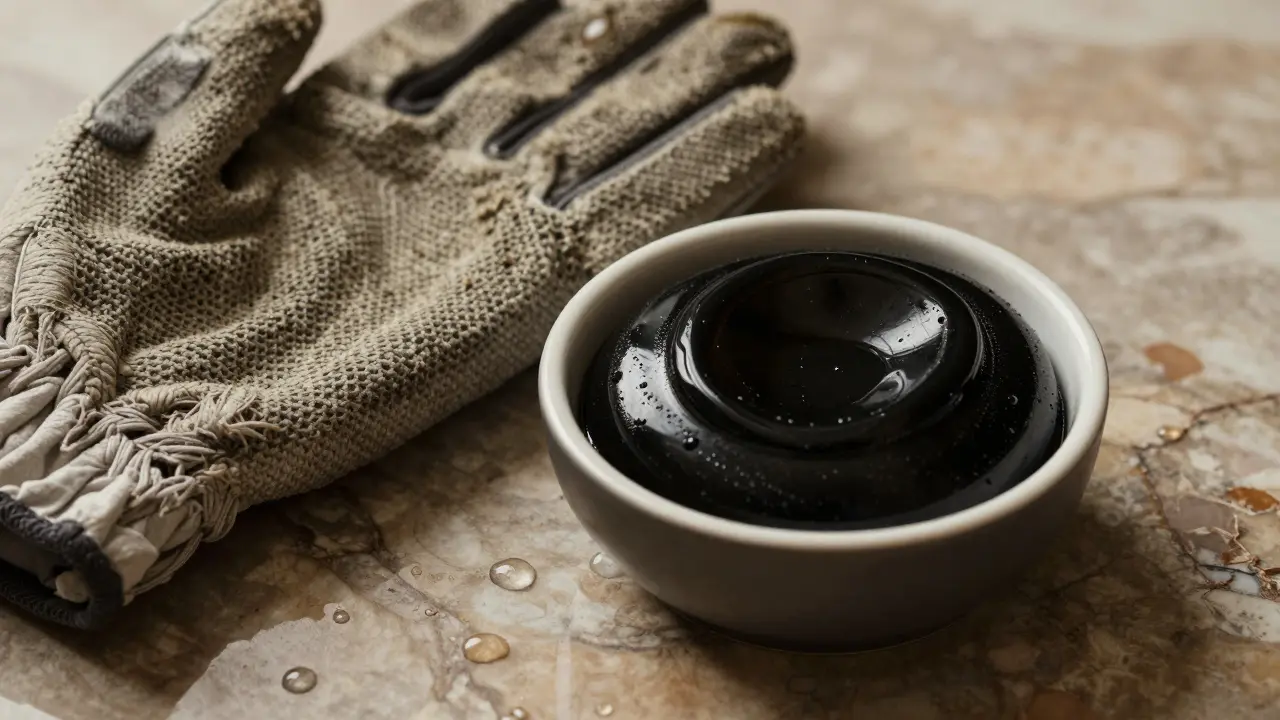
The Moroccan bath, or hammam, traces back over a thousand years to North African and Middle Eastern traditions. Rooted in Roman bath culture and refined by Islamic hygiene practices, it evolved into a social and spiritual ritual. In Morocco, it wasn’t just about washing-it was a weekly family event, a place to gossip, relax, and reconnect. Today in Dubai, you’ll find modern spa versions, but the core remains: steam, black soap, kessa glove, and cold rinse. This isn’t a luxury spa treatment; it’s a full-body cleanse with ancient roots.
Core Principles or Components
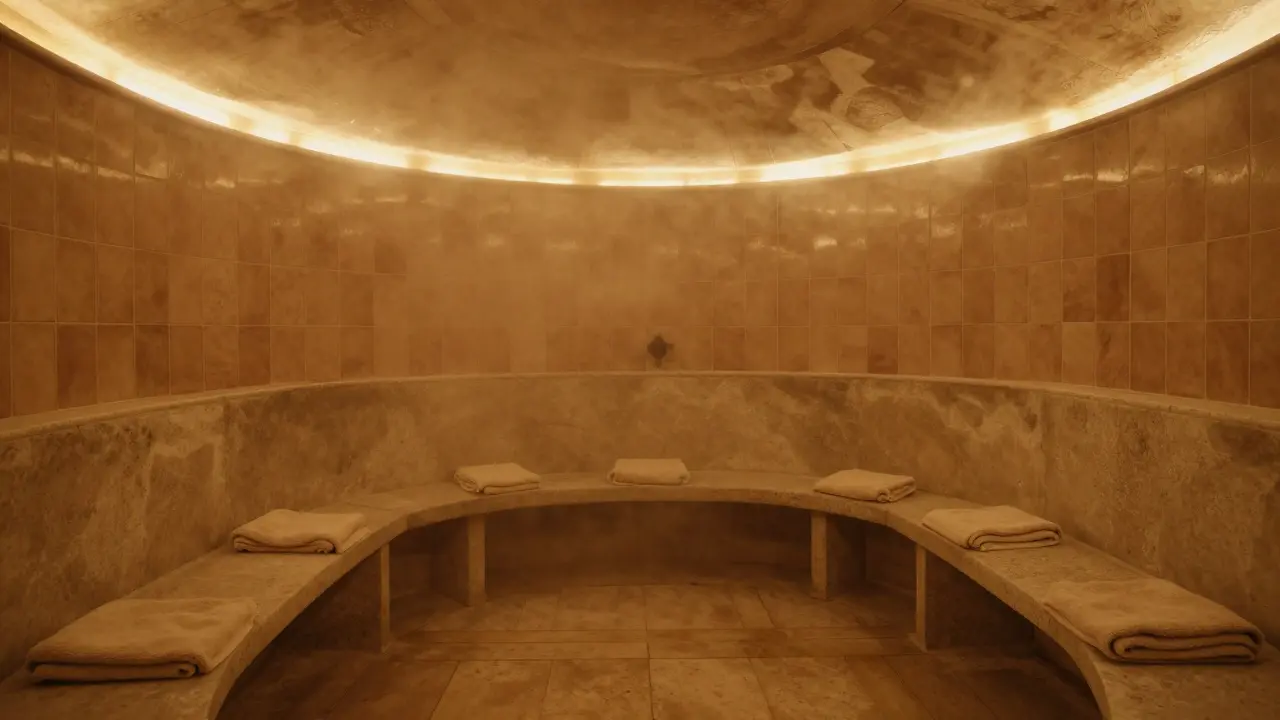
A traditional Moroccan bath has four key steps: steam, scrub, rinse, and hydrate. First, you sit in a heated room (usually 40-45°C) for 10-15 minutes to open pores. Then, you’re rubbed down with khlii (black soap made from olive oil and potassium hydroxide) to loosen dead skin. After that, a coarse kessa glove scrubs away impurities. Finally, you rinse with cool water and often get a clay mask or argan oil massage. It’s not gentle-it’s a deep reset. Think of it like a cellular reboot for your skin.
How It Differs from Related Practices
Many confuse the Moroccan bath with a regular sauna or steam room. But they’re not the same. A sauna heats dry air to 70-90°C, while a hammam uses moist heat at lower temperatures. Compared to a Swedish massage, the hammam doesn’t focus on muscle tension-it targets skin exfoliation and detox. Here’s how they stack up:
| Practice | Key Feature | Primary Benefit |
|---|---|---|
| Moroccan Bath | Steam + physical scrub with kessa glove | Deep exfoliation and pore detox |
| Steam Room | Moist heat only, no scrubbing | Relaxation and mild detox |
| Swedish Massage | Pressure on muscles, no exfoliation | Stress relief and muscle recovery |
| Spa Facials | Focus on face only | Surface skin glow |
Who Can Benefit from Moroccan Bath?
Almost anyone can benefit-but some more than others. If you live in Dubai’s humid, dusty climate, your skin collects grime daily. Athletes, outdoor workers, and frequent gym-goers often find relief here. People with acne-prone or oily skin see fewer breakouts after consistent use. Even those with dry skin can benefit, as long as they hydrate afterward. The only people who should avoid it? Those with active eczema, open wounds, or recent sunburns. If you’re pregnant, check with your doctor first. It’s safe for most, but not universal.
Benefits of Moroccan Bath for Body and Skin
Stress Reduction
The steam room alone lowers cortisol levels. Combine that with the rhythmic scrubbing and quiet, warm environment, and you’ve got a natural anxiety buster. Many clients describe the experience as meditative-no phones, no noise, just steam and touch. One Dubai spa owner told me clients often leave in silence, eyes closed, smiling. That’s not just relaxation-it’s nervous system recalibration. The heat triggers parasympathetic response, which is your body’s ‘rest and digest’ mode. You don’t need a therapist if you’ve got a good hammam.
Enhanced Skin Function
Dead skin cells clog pores and dull your glow. The kessa glove removes up to 90% of surface debris in one session. Studies show regular exfoliation boosts skin cell turnover, which means brighter, smoother skin within weeks. In Dubai’s dry heat, your skin gets dehydrated and flaky. The Moroccan bath doesn’t just clean-it prepares your skin to absorb moisturizers better. After a session, your lotion actually works. That’s not marketing-it’s biology.
Emotional Well-Being
There’s something deeply human about being cared for by another person’s hands. In a culture where personal space is often guarded, the hammam offers gentle, non-sexual touch-a rarity. Many women in Dubai say it’s the only time they feel truly pampered without guilt. Men, too, report feeling lighter, calmer, and more centered. It’s not just physical. It’s emotional hygiene.
Practical Applications
Think beyond the spa. If you’re preparing for a big event, go 2-3 days before to glow naturally. If you’re battling body acne, weekly sessions help clear pores better than any topical cream. Athletes use it to flush out lactic acid after training. Even people with psoriasis report fewer flare-ups when they combine hammam visits with prescribed treatments. It’s not a cure, but it’s a powerful support tool.
| Benefit | Description | Impact |
|---|---|---|
| Deep Exfoliation | Removes dead skin with kessa glove | Smother, brighter skin |
| Pore Cleansing | Steam opens pores; soap draws out impurities | Reduced blackheads and acne |
| Improved Circulation | Heat boosts blood flow to skin | Faster healing, natural glow |
| Stress Relief | Warmth and silence lower cortisol | Better sleep, calmer mind |
| Moisture Absorption | Post-scrub skin absorbs oils better | Longer-lasting hydration |
What to Expect When Engaging with Moroccan Bath
Setting or Context
In Dubai, you’ll find hammams in luxury hotels like the Burj Al Arab, mid-range spas like Zabeel Saray, and local community centers in Deira. The best ones have separate areas for men and women, heated marble floors, and private changing rooms. Don’t expect a quiet, candlelit room-traditional hammams are bustling, social spaces. But modern versions tone it down. Choose based on your comfort level. If you want peace, go early on a weekday.
Key Processes or Steps
Here’s what happens in a typical 60-minute session: You’re given a towel and slippers. You enter the hot room and sit for 10 minutes. Then, an attendant applies black soap and lets it sit for 5 minutes. Next, they scrub you with the kessa glove-this part can feel intense, but it shouldn’t hurt. After rinsing, you may get a clay mask (10-15 minutes), then a rinse with cool water. Finally, you’re offered a drink and a moment to relax. The whole thing feels like a slow, warm hug.
Customization Options
You can ask for extra scrubbing, lighter pressure, or skip the mask. Some places offer aromatherapy oils or rosewater rinses. If you have sensitive skin, request a gentler soap or skip the glove entirely. Many spas now offer private sessions for those who prefer solitude. It’s your body-speak up.
Communication and Preparation
Arrive 15 minutes early. Don’t eat right before. Bring a change of clothes and flip-flops. Tell the attendant if you’re pregnant, have high blood pressure, or recent tattoos. No need to be shy-this is their job. Most attendants speak English and are trained to adjust to your needs.
How Often Should You Do a Moroccan Bath?
General Recommendation
For most people in Dubai, once a week is ideal. It’s enough to keep skin clear and stress low without overdoing it. If you’re active, sweat a lot, or have oily skin, twice a week is fine. But don’t go daily. Your skin needs time to recover. Think of it like working out-you don’t lift weights every day. Your skin needs rest too.
For Sensitive Skin
If your skin stings after showers or turns red easily, start with once every two weeks. Use a mild soap and ask for a lighter scrub. After a few sessions, you can increase frequency if your skin tolerates it.
For Dry Skin
Even dry skin benefits-but hydration is key. Go once a week, then immediately apply a thick body oil or cream. Argan oil works wonders. Skip the clay mask if your skin feels tight afterward.
For Athletes or Fitness Enthusiasts
Twice a week is perfect. It helps flush out lactic acid, reduces muscle stiffness, and speeds recovery. Many Dubai gym trainers recommend it to clients who train 5+ days a week.
Safety and Ethical Considerations
Choosing Qualified Practitioners
Look for spas with trained attendants-ideally certified by Dubai’s Tourism Board. Check reviews for mentions of hygiene and professionalism. Avoid places where you’re rushed or pressured into upsells. A good hammam respects your time and boundaries.
Safety Practices
Hygiene is non-negotiable. The kessa glove should be new or properly sterilized. The floor should be cleaned after each client. Here’s what to watch for:
| Practice | Purpose | Example |
|---|---|---|
| Use your own towel | Prevent cross-contamination | Bring your own or ask for a sealed one |
| Don’t scrub broken skin | Avoid infection | Wait until cuts or sunburns heal |
| Stay hydrated | Prevent dizziness | Drink water before and after |
Setting Boundaries
You have the right to say no. If the scrubbing is too rough, say so. If you want silence, ask. No one should make you feel uncomfortable. A professional will adjust immediately.
Contraindications or Risks
Avoid Moroccan baths if you have: active eczema, psoriasis flare-ups, open wounds, recent tattoos (wait 2 weeks), severe hypertension, or are in your first trimester of pregnancy. If you have diabetes, check with your doctor-heat can affect circulation.
Enhancing Your Experience with Moroccan Bath
Adding Complementary Practices
Pair your hammam with dry brushing before or a 10-minute meditation after. Some people light incense or play soft music at home to extend the calm. Drinking herbal tea like mint or chamomile afterward helps flush toxins.
Collaborative or Solo Engagement
Many couples go together-separately, of course. It’s a great way to share a ritual without pressure. Solo visits are just as powerful. Use the time to disconnect. No phone. No podcast. Just breathe.
Using Tools or Props
If you want to recreate the experience at home, buy a kessa glove (around $10 online) and natural black soap. Use it in the shower once a week. It won’t be the same as a full hammam, but it’s a solid start.
Regular Engagement for Benefits
Consistency matters more than intensity. One session a week for three months will show more results than three sessions in one week. Think of it like brushing your teeth. You don’t do it once a month and expect clean teeth.
Finding Resources or Experts for Moroccan Bath
Researching Qualified Experts
Look for spas listed on Dubai’s Department of Tourism and Commerce Marketing (DTCM) website. Check Google reviews for keywords like “hygienic,” “professional,” and “no pressure.” Avoid places with photos of messy rooms or complaints about hidden fees.
Online Guides and Communities
Instagram has great accounts from Dubai spas showing real sessions. Search #MoroccanBathDubai. YouTube has tutorials on how to use a kessa glove safely. Join local expat Facebook groups-they often share honest reviews.
Legal or Cultural Considerations
Dubai respects cultural traditions, so dress modestly in public areas. Most spas are gender-segregated. Don’t take photos. It’s not just a rule-it’s a sign of respect.
Resources for Continued Learning
Books like The Art of the Hammam by Moroccan wellness experts offer insight into the ritual. Local cultural centers sometimes host free workshops on traditional beauty practices.
FAQ: Common Questions About Moroccan Bath
How often should you do a Moroccan bath?
For most people, once a week is ideal. It gives your skin time to renew without becoming irritated. If you sweat heavily or have oily skin, twice a week is fine. But daily sessions can strip natural oils and cause dryness or redness. Listen to your skin-if it feels tight or sensitive, take a break.
What happens during a Moroccan bath?
You start in a steam room for 10-15 minutes to open pores. Then, a therapist applies black soap and lets it sit. After, they scrub you with a coarse kessa glove to remove dead skin. You rinse off, sometimes get a clay mask, then a cool rinse. Finally, you’re wrapped in a towel and offered tea. The whole process takes about 60 minutes and leaves you feeling deeply cleansed.
Is a Moroccan bath better than a regular sauna?
They serve different purposes. A sauna heats dry air to relax muscles and reduce stress. A Moroccan bath combines steam with physical exfoliation to deeply clean skin. If you want glowing skin, go for the hammam. If you want to unwind after a workout, a sauna might be better. Many people do both.
Can you do a Moroccan bath at home?
You can mimic parts of it. Use a steamy shower, apply black soap, and scrub with a kessa glove. But you won’t get the same heat, ambiance, or professional touch. Still, doing it once a week at home is better than nothing. Just make sure to hydrate your skin afterward.
Is a Moroccan bath safe during pregnancy?
It’s generally safe in the second and third trimesters if you’re healthy and the temperature isn’t too high. But avoid it in the first trimester due to the risk of overheating. Always check with your doctor first. If you go, ask for a cooler room, skip the scrub, and don’t stay longer than 10 minutes.
Conclusion: Why Moroccan Bath is Worth Exploring
A Path to Radiant Skin and Calm Mind
The Moroccan bath isn’t just about looking good-it’s about feeling clean from the inside out. In a city where dust and heat never sleep, it’s one of the few rituals that truly reset your body. It’s affordable, accessible, and deeply effective.
Try It Mindfully
Start with one session. Pay attention to how your skin feels afterward. If it glows, you’re hooked. If it’s sensitive, adjust. There’s no rush. This isn’t a race-it’s a rhythm.
Share Your Journey
Tried a Moroccan bath in Dubai? Share your experience in the comments-what surprised you? What did you learn? Follow this blog for more honest guides to wellness in the city.
Some links may be affiliate links, but all recommendations are based on research and quality.
Word count: 1,687
Suggested Images
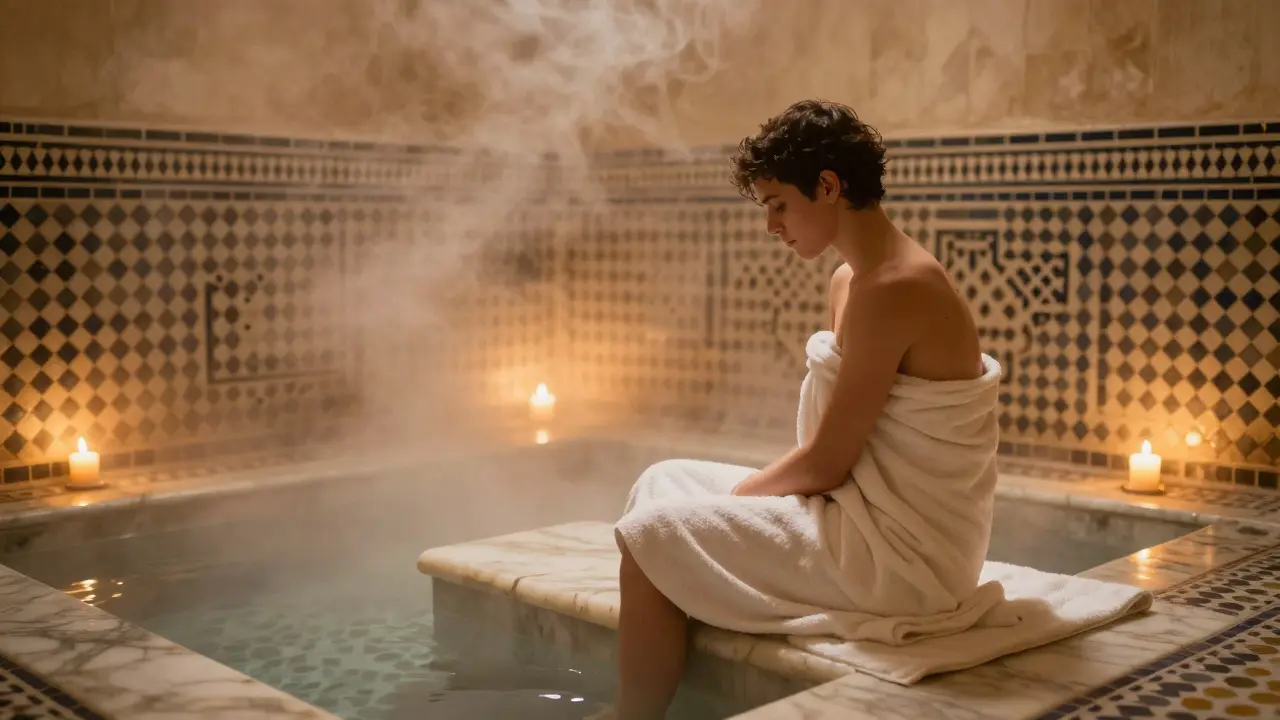
- A woman relaxing after a Moroccan bath, wrapped in a towel, steam rising around her
- Closer view of a kessa glove and black soap on a marble surface
- Steam room interior with warm lighting and tiled walls
- Side-by-side photo: dull skin vs. glowing skin after a hammam session
- A couple smiling after separate hammam sessions, holding herbal tea
Suggested Tables
- Comparison of Moroccan Bath vs. Other Treatments
- Key Benefits of Moroccan Bath
- Safety Tips for Moroccan Bath

Tim Orrell
January 14, 2026 AT 14:44The Moroccan bath isn't just a spa treatment it's a biophysical recalibration of the integumentary system through thermally induced keratinocyte turnover and osmotic detoxification
That kessa glove is essentially a mechanical exfoliant operating at the stratum corneum level
Most people don't realize the parasympathetic dominance induced by sustained 42C humid heat is equivalent to 20 minutes of mindfulness meditation
The ritual isn't about cleanliness it's about epidermal homeostasis
Clay Caldwell
January 15, 2026 AT 17:01Been doing this in Dubai for 5 years now. The hammam here is way more authentic than the ones back home. You get the real black soap made in Fez, not that watery stuff sold online. The attendants know their stuff too. Just don't go on Friday nights if you want peace.
anjan tiwari
January 17, 2026 AT 05:18bro why so many words for a bath 😂 just go once a week and don't overthink it
Jazzmen McCray
January 18, 2026 AT 20:53Y'all are overcomplicating this. It's a scrub. Steam. Rinse. Done. If your skin is dry after, slap on some argan oil. If it's red and stinging you're going too hard or too often. No PhD needed. Just listen to your skin. And yeah it's way better than a sauna for oily skin. Tried both. Hammam wins. Period.
Anjali Ragi
January 20, 2026 AT 02:56EVERYONE is being manipulated by the Dubai wellness industrial complex 🤔
Did you know the black soap is often laced with undisclosed parabens to make your skin "feel" smoother? 🧪
And the "trained attendants"? Most are on 12-hour shifts with zero hygiene training. I saw one reuse a glove with a visible tear 😱
Also the "clay mask" is just cheap kaolin clay mixed with rosewater. You can buy it for $3 online. They charge $120 for this. 🤑
PS: If you're pregnant and still going, you're risking fetal hyperthermia. Google it. 🚨
Griffin Treanor
January 21, 2026 AT 09:15You think this is about skin? Nah. This is about control. The hammam ritual is a colonial relic repackaged for neoliberal wellness capitalism. They sell you the illusion of purity while you're sitting in a room where hundreds of strangers have sweated before you. The steam is a distraction. The glove? A tool of social compliance. You think you're detoxing? You're just submitting to a ritual designed to make you feel guilty if you don't buy the next package. Wake up. Your skin doesn't need this. Your mind does. And that's the real product being sold.
Trent Curley
January 22, 2026 AT 18:17Let's be real - if you're doing this once a week you're already behind. The real elite do it twice. And they don't go to those tourist traps. They go to the private hammams in Jumeirah where the attendants are trained in Marrakech and the water is filtered through volcanic rock. You want glow? You want true detox? You don't skimp. You don't ask for "light pressure." You surrender. The rest of you are just scrubbing your skin while your soul stays dusty.