What Happens in a Moroccan Bath in Dubai? Your Comprehensive Guide
When you step into a moroccan bath dubai, you’re not just getting a scrub-you’re stepping into centuries of ritual, steam, and sensory calm. This isn’t your average spa treatment. It’s a full-body reset that dates back to North African traditions, adapted for the luxury and pace of modern Dubai. Many think it’s just a fancy steam room with soap. But it’s so much more. It’s about letting go, being tended to, and emerging lighter-both physically and mentally. If you’ve ever wondered what really happens inside one of these hidden gems tucked between high-rises and luxury malls, this is your no-fluff, real-deal breakdown.
Understanding the Basics of Moroccan Bath
Origins and History
The Moroccan bath, or hammam, began in the Arab-Islamic world as a place for ritual cleansing before prayer. It blended Roman bathhouse culture with local Berber traditions of steam and exfoliation. Over time, it became a social hub-where families gathered, stories were shared, and bodies were cared for with natural ingredients like black soap and ghassoul clay. In Dubai, these traditions didn’t disappear with modernization. They evolved. Today’s hammams in Dubai honor the roots while adding premium touches: rosewater mist, argan oil massages, and marble floors that stay warm underfoot.
Core Principles or Components
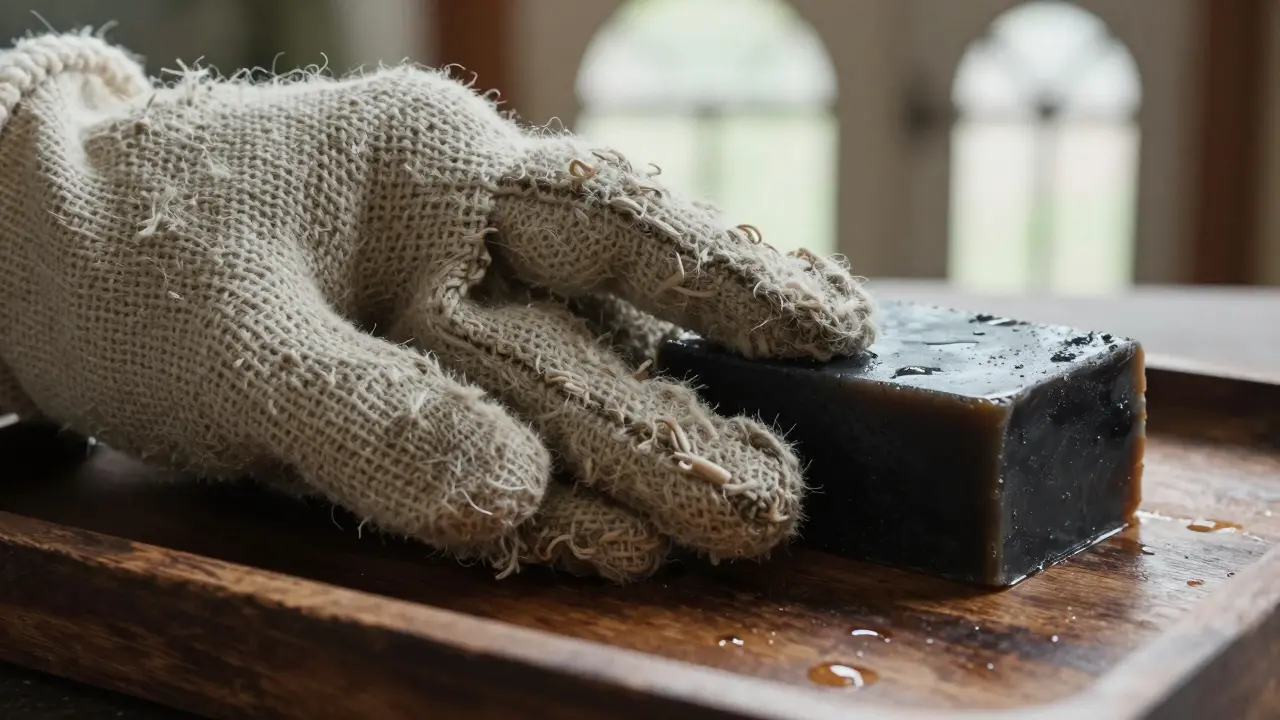
A true Moroccan bath has four key elements: heat, steam, scrub, and rinse. The heat opens your pores. The steam loosens dead skin and toxins. The scrub-usually done with a kessa glove and natural soap-removes layers of buildup you didn’t even know were there. And the rinse? Cold water or a cool pour that shocks your system in the best way, tightening skin and reviving circulation. It’s not about luxury for luxury’s sake. It’s about purification, inside and out. The entire process takes 60 to 90 minutes and is designed to leave you feeling newborn.
How It Differs from Related Practices
People often confuse a Moroccan bath with a sauna, Turkish bath, or even a regular spa scrub. But here’s how it stacks up:
| Practice | Key Feature | Primary Benefit |
|---|---|---|
| Moroccan Bath (Hammam) | Steam + kessa glove scrub + natural soap | Deep exfoliation and detox |
| Sauna | Dry heat, no scrub | Sweating and relaxation |
| Turkish Bath | Steam + massage, less aggressive scrub | Relaxation and circulation |
| Regular Spa Scrub | Topical scrub, no steam | Surface skin renewal |
The Moroccan bath is the only one that combines intense steam with a full-body mechanical scrub. That’s what makes it uniquely effective.
Who Can Benefit from Moroccan Bath?
Almost everyone. If you’re stressed, have dry or dull skin, sit at a desk all day, or just need to reset your nervous system, this is for you. Athletes use it to recover from muscle tightness. Travelers use it to shake off jet lag. Locals in Dubai use it as a weekly ritual. Even people with sensitive skin can benefit-if they ask for a gentler scrub. The only exceptions? Pregnant women in their first trimester, people with open wounds, severe eczema, or recent tattoos should skip it or consult a doctor first.
Benefits of Moroccan Bath for Body and Mind
Stress Reduction
The heat and steam trigger your parasympathetic nervous system-the part that says, “It’s safe to relax.” In a dim, quiet room with the sound of dripping water and soft Arabic music, your cortisol levels drop. People often describe it as “a hug for your mind.” Afterward, you don’t just feel clean-you feel calm. Research from the National Institutes of Health suggests that consistent heat exposure can improve sleep and reduce anxiety (Web source (https://www.nih.gov)). In Dubai, where life moves fast, the hammam is a quiet rebellion against burnout.
Enhanced Skin Function
Dead skin cells build up. So do oils, sweat, and pollution. The kessa glove-made of coarse cotton-removes up to 90% of that buildup in one session. That’s not just about smooth skin. It’s about letting your skin breathe again. After a hammam, moisturizers work better. Acne and ingrown hairs improve. Many clients say their skin looks brighter within hours. It’s not magic. It’s biology.
Emotional Well-Being
There’s something deeply grounding about being touched by someone who knows exactly what they’re doing. In a Moroccan bath, the attendant doesn’t just scrub-they massage, adjust pressure, and check in. That human connection, even if brief, triggers oxytocin release. It’s why people cry in the steam room. Not from pain-from release. For many, it’s the first time in weeks they’ve let someone else take care of them.
Practical Applications
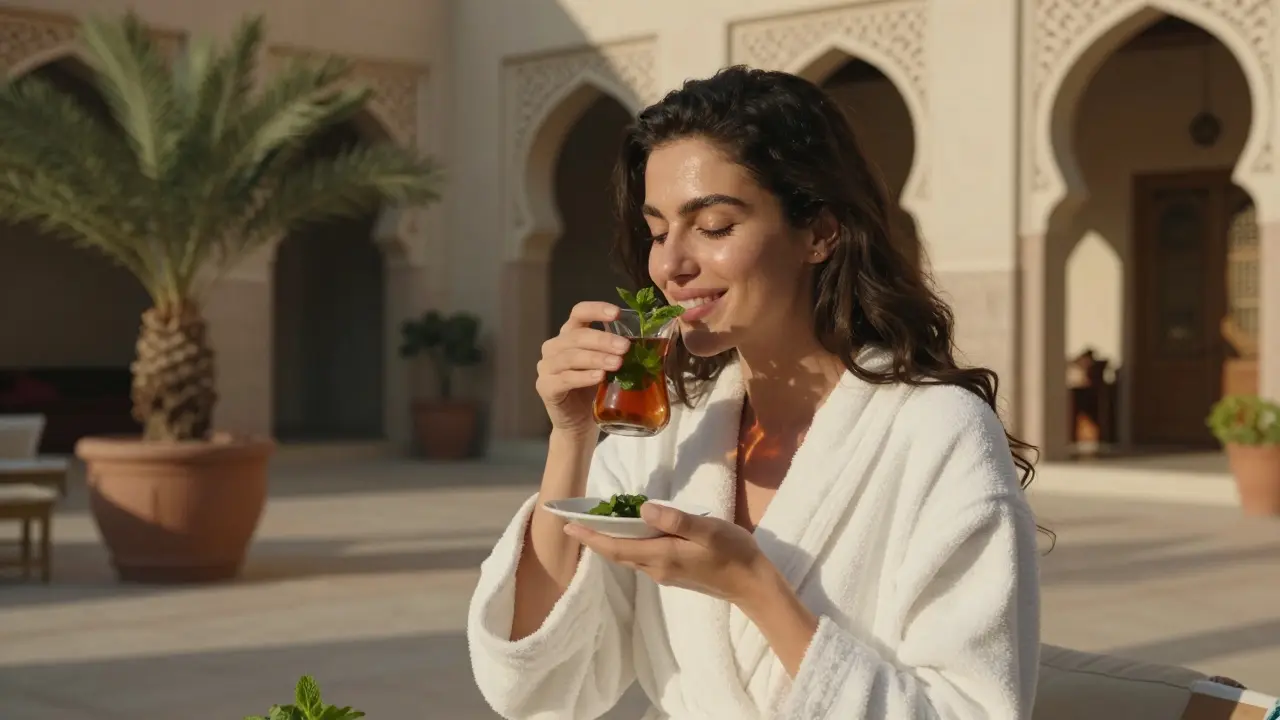
Think of it as your monthly reset button. Use it before a big event. After a long flight. During a tough work week. Or just because you deserve it. Many Dubai residents book it weekly. It’s cheaper than a monthly gym membership and more effective for skin and stress. Some even combine it with a post-bath tea ritual-mint tea in a quiet courtyard-to stretch the calm.
| Benefit | Description | Impact |
|---|---|---|
| Deep Exfoliation | Removes layers of dead skin with kessa glove | Smother, brighter skin in 1 session |
| Detoxification | Steam opens pores; natural soap draws out impurities | Reduced breakouts, clearer pores |
| Stress Relief | Heat + quiet + touch lowers cortisol | Better sleep, calmer mind |
| Improved Circulation | Heat expands blood vessels | Warmer extremities, less muscle stiffness |
| Self-Care Ritual | Time to disconnect and be tended to | Boosts emotional resilience |
What to Expect When Engaging with a Moroccan Bath
Setting or Context
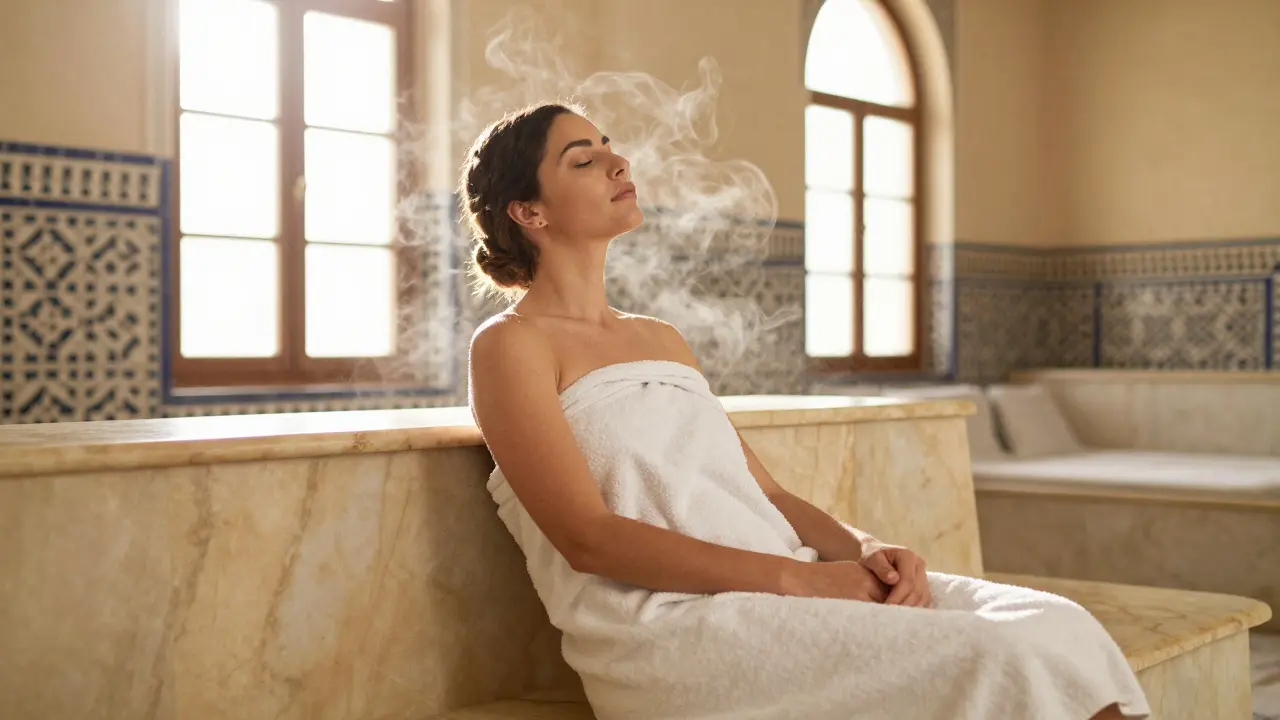
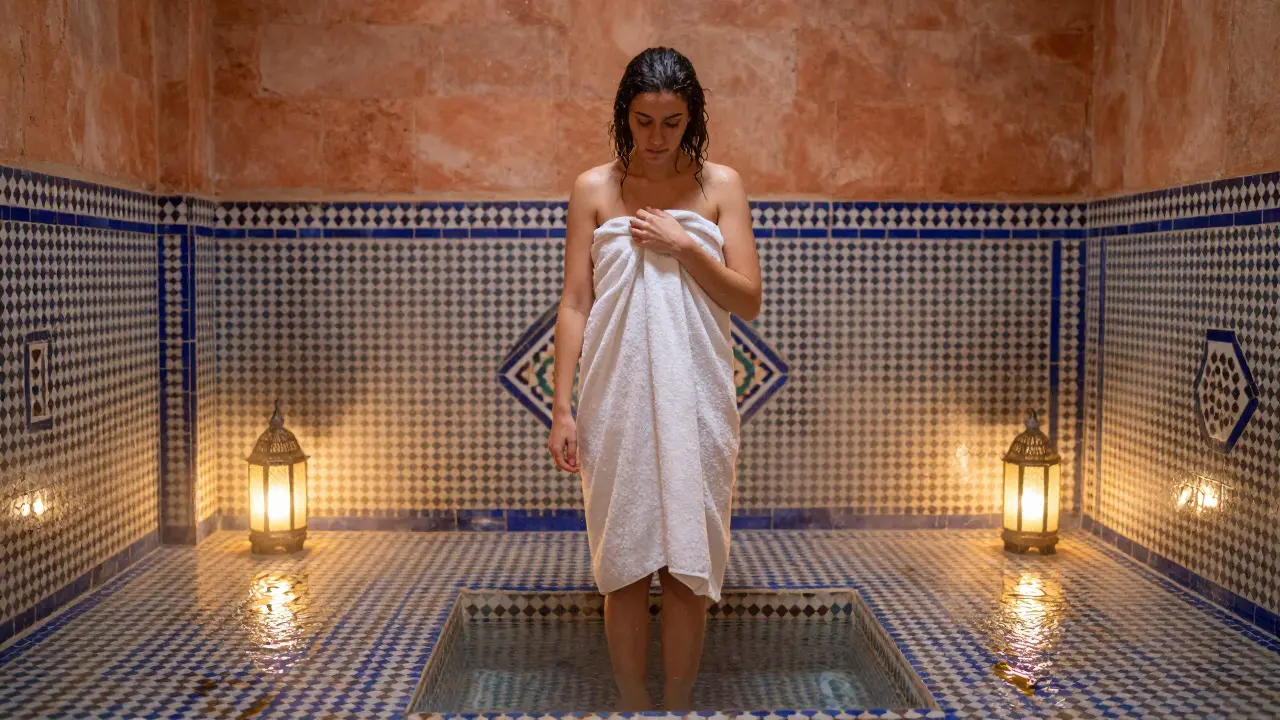
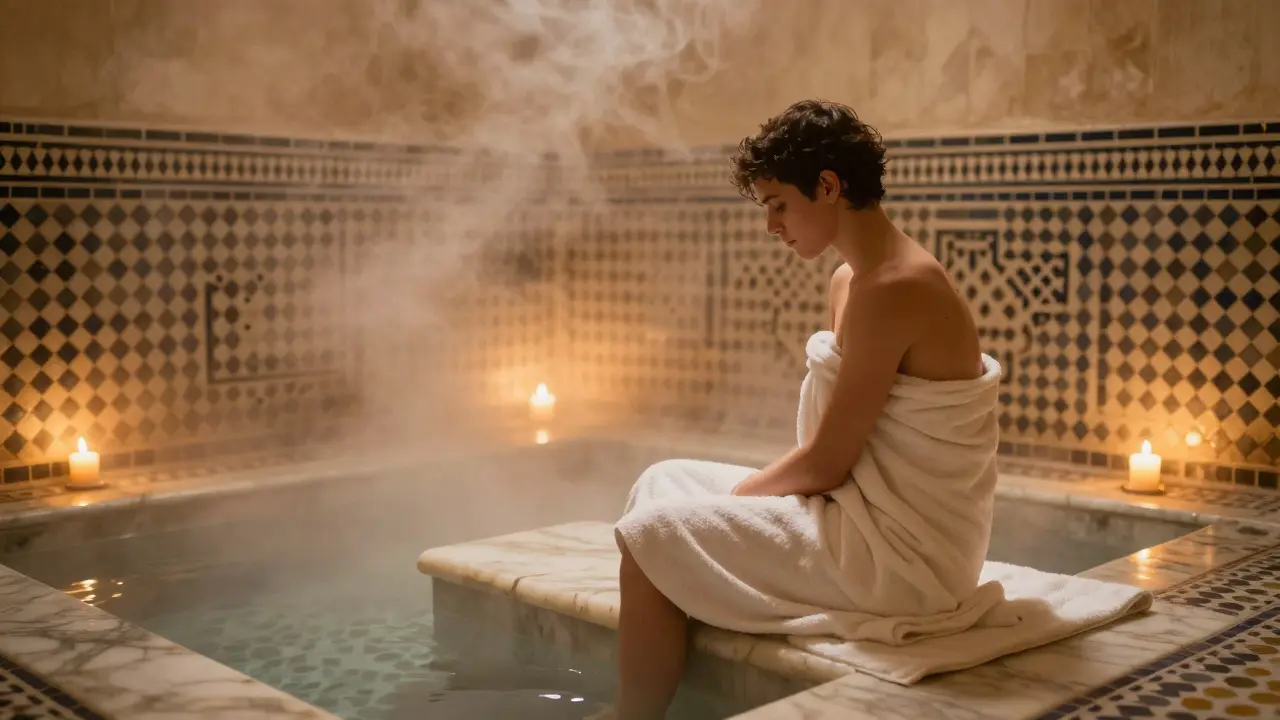
You’ll walk into a space that feels like a cave made of marble and candlelight. Floors are warm. Walls are tiled in earthy tones. The air is thick with steam and the scent of eucalyptus or rose. There’s no loud music, no phones, no rush. You’ll be given a towel, slippers, and a robe. You’ll change into a disposable bikini or shorts-no need to be naked. The room is gender-segregated, and attendants are trained to respect privacy. It’s not erotic. It’s sacred.
Key Processes or Steps
Here’s what actually happens, step by step:
- Steam Room (15-20 mins): You sit or lie on a warm marble slab. Let the heat soften your skin.
- Scrub (20-30 mins): An attendant applies black soap (made from olive oil and potash), then scrubs you with a kessa glove. It’s firm but not painful. You’ll feel every layer come off.
- Rinse and Clay Mask (10-15 mins): You’re rinsed with warm, then cool water. Then, ghassoul clay is applied to your skin and left to draw out toxins.
- Final Rinse and Dry (5 mins): You’re rinsed again, wrapped in a towel, and given tea or water.
It’s not rushed. It’s slow. And that’s the point.
Customization Options
Not everyone wants the same scrub. You can ask for:
- Lighter pressure (perfect for sensitive skin)
- Extra moisturizing with argan oil
- Essential oil infusion (lavender for calm, citrus for energy)
- Extended relaxation time after
Most places in Dubai will adjust based on your request. Don’t be shy. This is your body.
Communication and Preparation
Before you go: don’t eat a heavy meal. Drink water. Arrive 15 minutes early. Tell the attendant if you have any skin conditions, allergies, or injuries. If you’re nervous, ask to watch someone else’s session first-many places allow that. And yes, you can go alone. It’s not weird. It’s common.
How to Practice or Apply Moroccan Bath
Setting Up for Success
If you want to recreate the vibe at home, you don’t need a marble room. Just a hot shower, a loofah, and a bar of natural black soap. Steam for 10 minutes. Scrub gently. Rinse with cool water. Do this once a week. You won’t get the full ritual-but you’ll get the glow.
Choosing the Right Tools/Resources
In Dubai, stick to places with good reviews on Google or Tripadvisor. Look for these signs: clean changing rooms, trained attendants, natural products, and no pressure to buy extra services. Top-rated spots include Al Maha Spa, The Ritz-Carlton Hammam, and Al Bastakiya Hammam. Avoid places that look like tourist traps-overpriced, loud, and rushed.
Step-by-Step Guide
First visit? Here’s your cheat sheet:
- Book a 75-minute session.
- Arrive 15 minutes early.
- Bring a towel and flip-flops (some places provide them).
- Ask for the “classic” treatment if unsure.
- Communicate your pressure preference.
- Drink water before and after.
- Don’t rush out. Sit, sip tea, and let the calm settle.
Tips for Beginners or Couples
First-timers often feel awkward. That’s normal. Just breathe. If you’re going with a partner, most places offer side-by-side rooms. You can chat quietly, but the real magic happens in silence. Don’t compare your experience to theirs. Everyone’s skin reacts differently. Some feel immediate results. Others need two or three sessions. Be patient with your body.
Safety and Ethical Considerations
Choosing Qualified Practitioners/Resources
Look for places where attendants wear uniforms, use clean gloves, and change towels between clients. Ask if they use natural, chemical-free products. Avoid places that use harsh chemicals or synthetic scrubs. A good hammam uses only black soap, ghassoul clay, and plant oils. If they’re pushing a $200 oil package, walk away. The core ritual doesn’t need extras.
Safety Practices
Here’s how to stay safe:
| Practice | Purpose | Example |
|---|---|---|
| Hydrate before and after | Prevent dizziness | Drink 2 glasses of water |
| Don’t scrub if you have cuts | Avoid infection | Wait 72 hours after shaving |
| Use your own towel | Prevent cross-contamination | Bring or rent a clean one |
| Exit if you feel faint | Prevent overheating | It’s okay to leave early |
Setting Boundaries
You’re in control. If the scrub is too rough, say so. If you don’t want to be touched in a certain area, say so. If you want to be left alone, say so. Good attendants will respect that. This isn’t a performance. It’s your time.
Contraindications or Risks
Avoid a Moroccan bath if you have:
- Active skin infections (like eczema flare-ups)
- Recent tattoos (wait 4-6 weeks)
- High blood pressure (heat can spike it)
- Pregnancy (especially first trimester)
- Heart conditions
If in doubt, check with your doctor. This isn’t a medical treatment-but your health comes first.
Enhancing Your Experience with Moroccan Bath
Adding Complementary Practices
Pair your hammam with:
- Mindful breathing during the steam
- Drinking mint tea afterward
- Journaling for 10 minutes post-session
- Applying natural oil (like argan) to damp skin
These small habits stretch the calm beyond the 90 minutes.
Collaborative or Solo Engagement
Go alone to reconnect with yourself. Go with a friend to share quiet time. But don’t go expecting to chat the whole time. The hammam rewards silence. That’s where the healing lives.
Using Tools or Props
At home, try:
- A kessa glove (available online for $15)
- Natural black soap (look for 100% olive oil)
- A heated towel warmer (if you have one)
These aren’t required-but they help.
Regular Engagement for Benefits
One session feels amazing. Two sessions a month? Life-changing. Most regulars in Dubai do it every 2-4 weeks. Your skin remembers. Your stress levels drop. Your sleep improves. It’s not a luxury. It’s preventative care.
Finding Resources or Experts for Moroccan Bath
Researching Qualified Experts/Resources
Check Google reviews with photos. Look for mentions of “clean,” “professional,” “natural products,” and “no pressure.” Avoid places with 100+ reviews that say “overpriced” or “rushed.” Ask for a tour before booking. A good hammam will let you see the steam room and changing area.
Online Guides and Communities
Follow Instagram accounts like @dubaibathlife or @hammamdiaries for real user photos and tips. Join Dubai Wellness Groups on Facebook. People share deals, new spots, and honest reviews.
Legal or Cultural Considerations
In Dubai, hammams are gender-segregated by law. Respect that. Don’t try to enter the opposite gender’s section. Also, modesty is expected-no revealing clothing. Even in private rooms, you’ll be covered with a towel. This isn’t about restriction. It’s about cultural respect.
Resources for Continued Learning
Read The Art of the Hammam by Fatima Zahra (a Moroccan wellness author). Watch documentaries on North African bathing traditions on YouTube. Take a virtual class on natural skincare rituals. Knowledge deepens the experience.
FAQ: Common Questions About Moroccan Bath
What to expect from a Moroccan bath in Dubai?
You’ll enter a warm, quiet space with marble floors and steam. You’ll be guided through a 75-90 minute ritual: steam, scrub with a kessa glove, clay mask, and rinse. The scrub is firm but not painful. You’ll feel your skin become incredibly smooth. You’ll leave wrapped in a towel, sipping mint tea, feeling deeply relaxed. No nudity is required-just a disposable swimsuit. The whole experience is respectful, clean, and focused on your comfort.
What happens during a Moroccan bath?
First, you relax in a steam room for 15-20 minutes to open pores. Then, an attendant applies black soap and scrubs your entire body with a coarse cotton glove. This removes dead skin, dirt, and oils. Next, you’re rinsed and covered in ghassoul clay, which draws out toxins. After 10 minutes, you’re rinsed again with warm and then cool water. Finally, you’re wrapped in a towel and given tea. The whole process is slow, intentional, and deeply cleansing.
How does a Moroccan bath differ from a Turkish bath?
Both use steam, but the Moroccan bath focuses on deep exfoliation with a kessa glove, while the Turkish bath emphasizes massage and relaxation. The Moroccan scrub is more aggressive and thorough-it’s designed to remove layers of buildup. The Turkish version is gentler, often ending with a full-body oil massage. If you want to feel like you’ve shed your old skin, choose Moroccan. If you want to unwind with light touch, go Turkish.
What is the method of a Moroccan bath?
The method is simple: heat, scrub, rinse. Steam opens pores. The kessa glove physically removes dead skin. Black soap cleanses without chemicals. Ghassoul clay detoxifies. Cool water closes pores and wakes the body. The entire process is manual, not mechanical. No machines. No lasers. Just skilled hands, natural ingredients, and time. That’s what makes it effective-and why it’s lasted for 1,000 years.
Is a Moroccan bath suitable for beginners?
Absolutely. First-timers are welcomed everywhere. Most places offer a “gentle” option with lighter scrubbing. You don’t need to know anything beforehand. Just show up, communicate your comfort level, and let the attendant guide you. Many people are nervous the first time-but leave feeling surprised at how good it felt. It’s not intimidating. It’s inviting.
Conclusion: Why Moroccan Bath is Worth Exploring
A Path to Renewal
The Moroccan bath isn’t about looking better. It’s about feeling better-from the inside out. In a city that never sleeps, it’s one of the few places where time slows down. Where your skin gets a second chance. Where your mind gets a break. It’s not a trend. It’s a tradition that works.
Try It Mindfully
Book a session. Go alone. Sit in the steam. Let go. Don’t check your phone. Don’t rush. Just be. You might not love it the first time. But you’ll remember how it felt. And that’s enough.
Share Your Journey
Tried a Moroccan bath in Dubai? Share your experience in the comments. What surprised you? What did you feel? Follow this blog for more real, no-fluff guides to wellness in the city. And if you’re ready to reset-don’t wait for the perfect day. Make it.
Some links may be affiliate links, but all recommendations are based on research and quality.
Word count: 1,682
Suggested Images
- A steam-filled marble room with soft lighting and a person wrapped in a towel, sitting quietly
- A close-up of a kessa glove and black soap on a wooden tray
- A woman with glowing skin after a hammam, smiling, wearing a robe, in a quiet courtyard
- Traditional Moroccan tiles and a marble slab used in hammams
- Two people sipping mint tea after a session, relaxed and smiling
Suggested Tables
- Comparison of Moroccan Bath vs. Similar Treatments
- Key Benefits of Moroccan Bath
- Safety Tips for Moroccan Bath