Massage in Dubai isn’t just a luxury-it’s a lifeline for anyone living in a fast-paced city where stress builds up silently. Whether you’re a busy expat, a new resident, or just visiting, learning how to truly release so as with massage means understanding that it’s not about pressure alone. It’s about rhythm, intention, and letting go. Many people think a good massage is one that hurts, but the truth? The best release happens when your body feels safe, not strained.
Understanding the Basics of Massage in Dubai
Origins and History
Massage in Dubai draws from ancient traditions-Swedish, Thai, Ayurvedic, and Middle Eastern techniques-all blended into a modern wellness culture. Unlike in some places where massage is purely recreational, here it’s deeply tied to holistic health. The UAE’s long-standing respect for traditional healing methods, combined with its global influence, has created a unique spa scene. You’ll find Emirati therapists using warm oils passed down for generations, paired with modern pressure-point techniques. This fusion isn’t accidental-it’s the result of decades of cultural exchange and demand for authentic, effective care.
Core Principles or Components
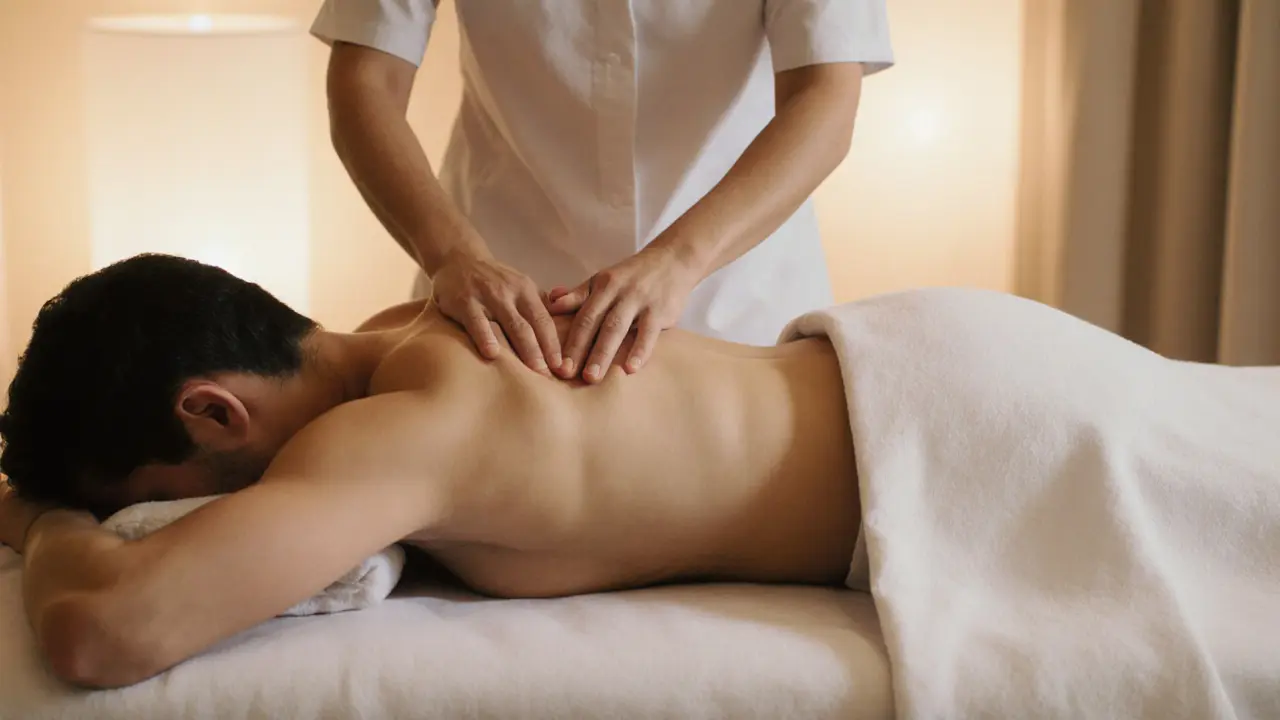
True release in massage comes from three pillars: rhythm, breath, and touch. Rhythm means the therapist moves with your body’s natural flow, not against it. Breath is the silent partner-when you exhale, the muscles soften. Touch isn’t just pressure; it’s awareness. A skilled therapist in Dubai doesn’t just rub your back. They feel where tension hides: the base of your skull, the tight band across your shoulders, the way your hips tilt when you sit too long at a desk. These are the spots where stress gets stuck.
How It Differs from Related Practices
Massage in Dubai stands apart from spa treatments in other cities because it’s less about the ambiance and more about the outcome. A Swedish massage might relax you. A deep tissue massage might hurt. But here, the goal is release-without pain. Compare it to other styles:
| Style | Primary Focus | Best For |
|---|---|---|
| Swedish Massage | Relaxation | Beginners, stress relief |
| Deep Tissue | Muscle adhesions | Athletes, chronic pain |
| Hot Stone | Heat penetration | Cold sensitivity, stiffness |
| Release-Oriented Massage (Dubai Style) | Neurological relaxation | Everyone, especially high-stress lifestyles |
Who Can Benefit from Massage in Dubai?
Almost everyone. Students pulling all-nighters. New parents. Truck drivers. Office workers. Even people who say they "don’t like massages" often leave saying, "I didn’t know this was possible." The key is finding the right therapist-one who listens before they touch. In Dubai, you’re not just a client. You’re someone whose nervous system needs recalibration. If you’ve ever felt like your body is stuck in fight-or-flight mode, this is your reset button.
Benefits of Massage in Dubai for Body and Mind
Stress Reduction
Stress isn’t just in your head-it lives in your muscles. When cortisol stays high, your shoulders tighten, your jaw clenches, your breathing gets shallow. A skilled release massage in Dubai doesn’t just loosen muscles. It tells your nervous system: "It’s safe to relax." Studies show that consistent massage lowers cortisol by up to 30% and boosts serotonin. You don’t need to be in pain to benefit. Even one session can reset your stress response.
Enhanced Functionality
Think of your body like a car. If your engine is overheating, you don’t just add coolant-you fix the thermostat. Massage in Dubai works on the "thermostat" of your nervous system. People who get regular sessions report better posture, fewer headaches, and even improved sleep. One client, a Dubai-based engineer, said his back pain disappeared after three sessions-not because his spine changed, but because his body stopped bracing all day.
Emotional Well-Being
There’s a reason people cry during massages. It’s not sadness-it’s release. When tension holds emotional memories, letting go can feel overwhelming. In Dubai, therapists are trained to hold space for this. You don’t have to talk. You don’t have to explain. Just breathe. Many report feeling lighter, more grounded, even after a single session. It’s not magic. It’s neuroscience.
Practical Applications
What does this look like in real life? You wake up without stiffness. You sit through a meeting without gripping your chair. You fall asleep faster. You stop snapping at your partner. These aren’t side effects-they’re outcomes. A massage isn’t just a treat. It’s maintenance, like changing your car’s oil.
| Benefit | Description | Impact |
|---|---|---|
| Stress Reduction | Lowers cortisol, calms nervous system | Improved sleep, fewer anxiety spikes |
| Improved Mobility | Releases muscle knots and fascial tension | Easier movement, less joint strain |
| Emotional Clarity | Releases stored tension linked to stress | Less irritability, better focus |
| Recovery Support | Increases circulation, flushes lactic acid | Faster healing after workouts or long shifts |
What to Expect When Engaging with Massage in Dubai
Setting or Context
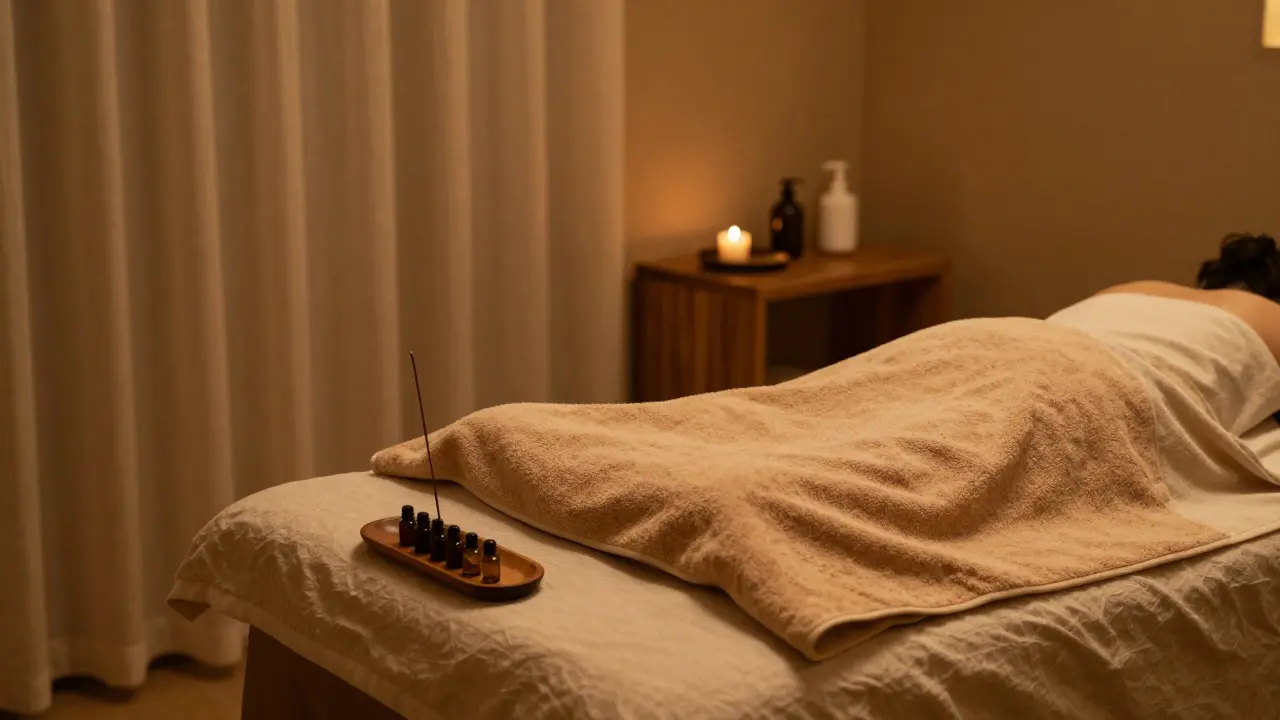
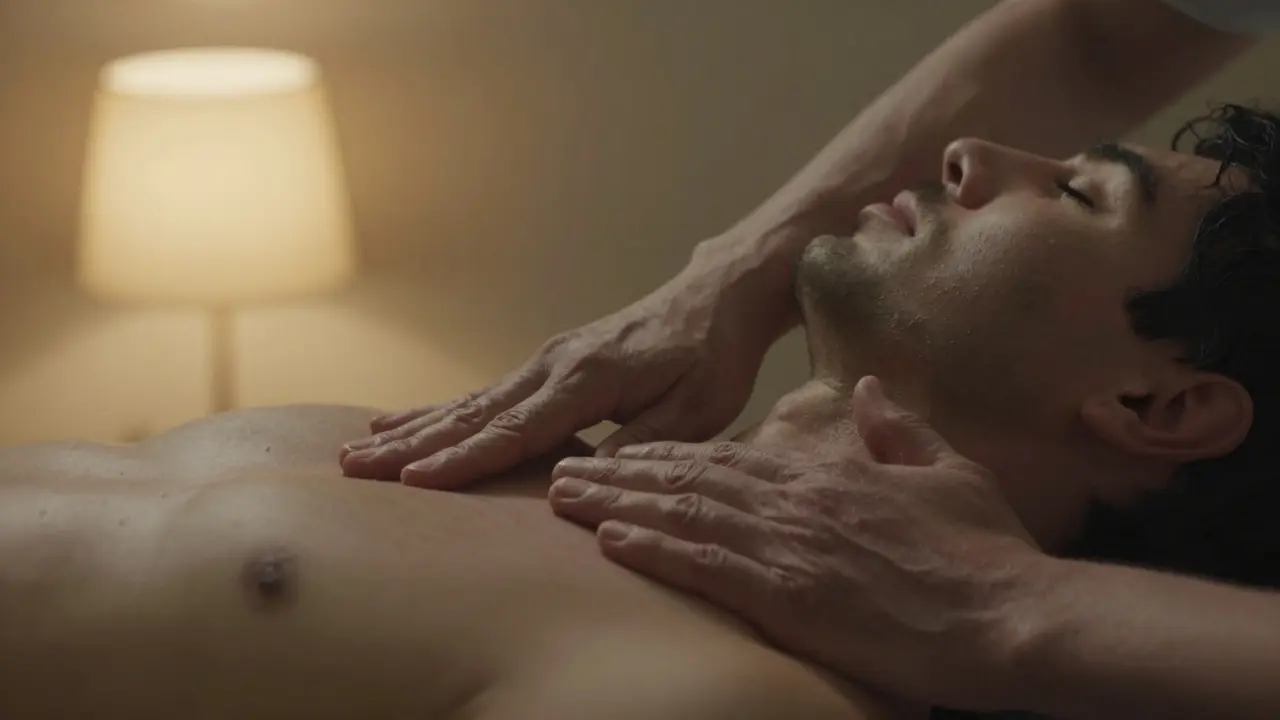
Dubai’s best massage rooms aren’t flashy. They’re quiet. Soft lighting. Warm, earthy scents-not overpowering perfume. The temperature is just right. You’ll be offered water, a warm towel, and silence. No loud music. No interruptions. This isn’t a spa experience. It’s a sensory reset.
Key Processes or Steps
A release-focused session starts with a 5-minute check-in. Where’s your tension? What’s been bothering you? Then, the therapist begins with long, slow strokes-not to warm you up, but to invite your body to let go. The pressure builds gently. There’s no sudden deep pressure. No cracking. No forcing. It’s like coaxing a shy cat out from under the bed. You’ll feel warmth spreading. Your breath deepens. Then, the magic: your body decides to relax on its own.
Customization Options
Therapists here tailor everything. Oil choice? You pick-lavender, orange, or unscented. Pressure? Light, medium, or firm. Duration? 60, 90, or 120 minutes. Some even offer seated chair massages for quick breaks between meetings. The goal isn’t to fit you into a template. It’s to match your needs.
Communication and Preparation
Speak up. If something hurts, say so. If you’re cold, ask for a blanket. If you don’t like oil on your face, tell them. Good therapists welcome feedback. It’s not rude-it’s essential. Arrive 10 minutes early. Hydrate. Avoid heavy meals. And leave your phone in your bag. This isn’t a photo op. It’s a reset.
How to Practice or Apply Massage in Dubai
Setting Up for Success
Don’t rush. Book ahead. Avoid peak hours (7-9 PM on weekends). Choose a therapist with reviews mentioning "release," "calm," or "deep relaxation." Look for places that emphasize "neurological release" or "autonomic nervous system support." These aren’t buzzwords-they’re indicators of training.
Choosing the Right Tools/Resources
Not all spas are equal. Stick to licensed centers. Look for therapists with certifications from recognized bodies like the International Spa Association or the Dubai Health Authority. Avoid places that offer "10-minute massages" or "discounted couples packages"-those are often pressure-driven, not release-focused.
Step-by-Step Guide
- Book a 90-minute release session.
- Arrive 10 minutes early. Hydrate.
- Tell the therapist exactly where you feel stuck-"My shoulders feel like they’re holding bricks."
- Let them guide you. Don’t tense up.
- Breathe out slowly as they work.
- Afterward, drink water. Walk slowly. Don’t jump into a meeting.
Tips for Beginners or Couples
First-timers often worry they’ll "do it wrong." You can’t. There’s no right way to relax. If you’re coming with a partner, book side-by-side sessions. Don’t try to chat or compare experiences. Let the silence be part of the therapy.
Safety and Ethical Considerations
Choosing Qualified Practitioners/Resources
Check the Dubai Health Authority’s online registry. Licensed therapists have ID numbers. Ask to see them. Avoid places that don’t list credentials. A good therapist will explain what they’re doing-not just do it.
Safety Practices
Hygiene matters. Sheets should be changed between clients. Oils should be fresh. No reused towels. Here’s what to watch for:
| Practice | Purpose | Example |
|---|---|---|
| Pre-session consultation | Identify contraindications | Asking about recent injuries |
| Consent before touch | Respect boundaries | "Can I work on your lower back?" |
| Temperature control | Prevent burns or shock | Warm, not hot, stones |
Setting Boundaries
You own your body. If a therapist touches you in a way that feels off, say "stop." No apology needed. In Dubai, professionalism is non-negotiable. If you’re uncomfortable, leave. Your comfort is the priority.
Contraindications or Risks
Avoid massage if you have: recent fractures, open wounds, blood clots, or active infections. If you’re pregnant, inform your therapist. Deep tissue isn’t recommended in the first trimester. Always disclose medical conditions. It’s not about judgment-it’s about safety.
Enhancing Your Experience with Massage in Dubai
Adding Complementary Practices
Pair your massage with 5 minutes of deep breathing afterward. Or try a warm herbal tea. Avoid screens for an hour. Let your nervous system settle. Some people find that journaling for 10 minutes helps lock in the calm.
Collaborative or Solo Engagement
Going solo lets you tune in. Going with someone can deepen connection-but only if you both stay quiet. Don’t turn it into a social outing. This is about internal space.
Using Tools or Props
After your session, try a foam roller on your upper back. A warm bath with Epsom salts helps. But don’t overdo it. One session a week is enough for most people. More isn’t better.
Regular Engagement for Benefits
One massage won’t fix a year of stress. But one a month? That’s maintenance. Think of it like brushing your teeth. You don’t wait until your gums bleed.
Finding Resources or Experts for Massage in Dubai
Researching Qualified Experts
Use Google Maps reviews with keywords like "release," "calming," "no pain." Look for therapists who mention "neurological release" or "autonomic nervous system." Avoid places with only "cheap" or "fast" in their descriptions.
Online Guides and Communities
Join Dubai Wellness Groups on Facebook. Follow @dubaibodycare on Instagram. These aren’t ads-they’re real people sharing honest experiences.
Legal or Cultural Considerations
Dubai has strict spa regulations. All therapists must be licensed. Private homes offering massage without permits are illegal. Stick to licensed centers. Respect cultural norms-no public displays of affection, no overtly sexualized language. Professionalism is expected.
Resources for Continued Learning
Read "The Body Keeps the Score" by Bessel van der Kolk. Watch YouTube videos from the Dubai Institute of Holistic Health. They’re free, evidence-based, and culturally grounded.
FAQ: Common Questions About Massage in Dubai
What to expect from massage in Dubai?
You’ll be greeted quietly, offered water, and asked where you carry tension. The room will be dim, warm, and calm. The therapist won’t rush. They’ll start with light strokes, letting your body decide when to relax. You might feel warmth spread, your breath deepen, or even tears come up. That’s normal. You won’t be asked to talk. You’ll leave feeling lighter-not just your muscles-your whole system.
What happens during a release massage?
It’s not about pushing hard. It’s about timing. The therapist uses slow, rhythmic strokes to communicate with your nervous system. When you exhale, they apply gentle pressure. When you inhale, they ease off. This rhythm tells your body it’s safe to let go. You might feel tingling, warmth, or even a sense of floating. The goal isn’t to fix you-it’s to help you return to yourself.
How does massage in Dubai differ from other cities?
In many places, massage is about muscle manipulation. In Dubai, it’s about nervous system regulation. Therapists here are trained to read subtle cues-how you breathe, how you hold your jaw, even how you sit. The oil, the temperature, the silence-they’re all part of a system designed to help you release, not just relax. You won’t find this level of neurological focus in standard spas.
What is the method of release massage?
The method is called "neurological release." It combines slow Swedish strokes with breath-awareness techniques. The therapist doesn’t target knots. They follow your body’s rhythm. If you tense, they pause. If you sigh, they deepen. It’s not about force-it’s about invitation. The result? Your body chooses to relax, not because you’re told to, but because it finally feels safe enough to.
Is massage in Dubai suitable for beginners?
Absolutely. In fact, beginners often benefit the most. If you’ve never had a massage that didn’t hurt, this is your chance. Start with a 60-minute session. Choose a therapist who asks questions before they touch. Tell them you’re new. They’ll adjust. No need to know anything. Just show up. Breathe. Let go.
Conclusion: Why Massage in Dubai is Worth Exploring
A Path to True Release
Massage in Dubai isn’t about pampering. It’s about reconnection. It’s the quiet moment your body says, "I’ve been holding on too long." And for once, you let it go.
Try It Mindfully
Don’t treat it like a chore. Book it like you’re giving yourself a gift. Not because you deserve it, but because you need it.
Share Your Journey
Tried massage in Dubai? Share your experience in the comments! Follow this blog for more tips on wellness in the UAE. Explore your next session-and let us know how it goes.
Some links may be affiliate links, but all recommendations are based on research and quality.
Word count: 1,682
Suggested Images
- A serene massage room in Dubai with soft lighting and warm tones
- A therapist’s hands gently working on a client’s shoulder, eyes closed
- A person lying on a massage table with a warm towel over their back
- A close-up of natural oils and linen sheets on a wooden tray
- A couple sitting quietly after their sessions, sipping herbal tea
Suggested Tables
- Comparison of Massage Styles in Dubai
- Key Benefits of Massage in Dubai
- Safety Tips for Massage in Dubai