When you walk into a spa in Dubai and hear the words Turkish bath or Moroccan bath, it’s easy to think they’re just fancy names for the same thing. But if you’ve ever tried both, you know they feel totally different - like comparing a warm hug to a deep tissue massage. One leaves you glowing, the other leaves you reset. And if you’re planning a spa day in Dubai, knowing the difference isn’t just nice - it’s essential.
Understanding the Basics of Turkish and Moroccan Baths
Origins and History
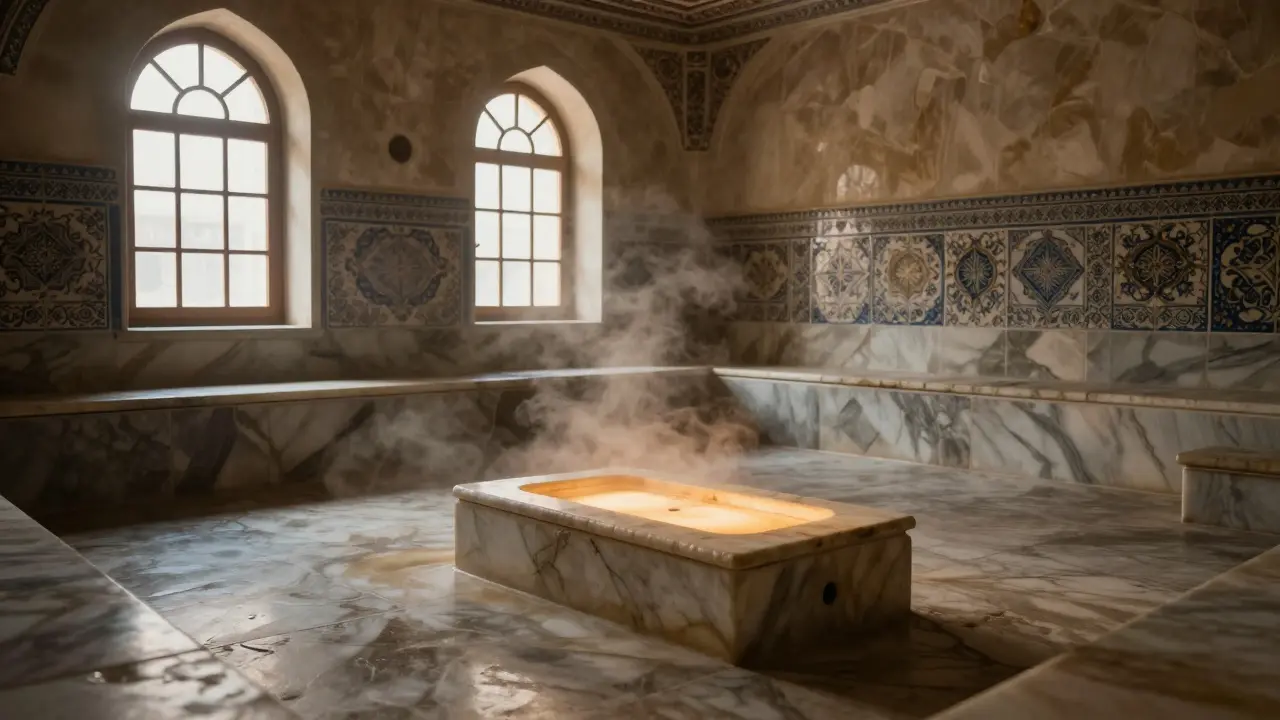
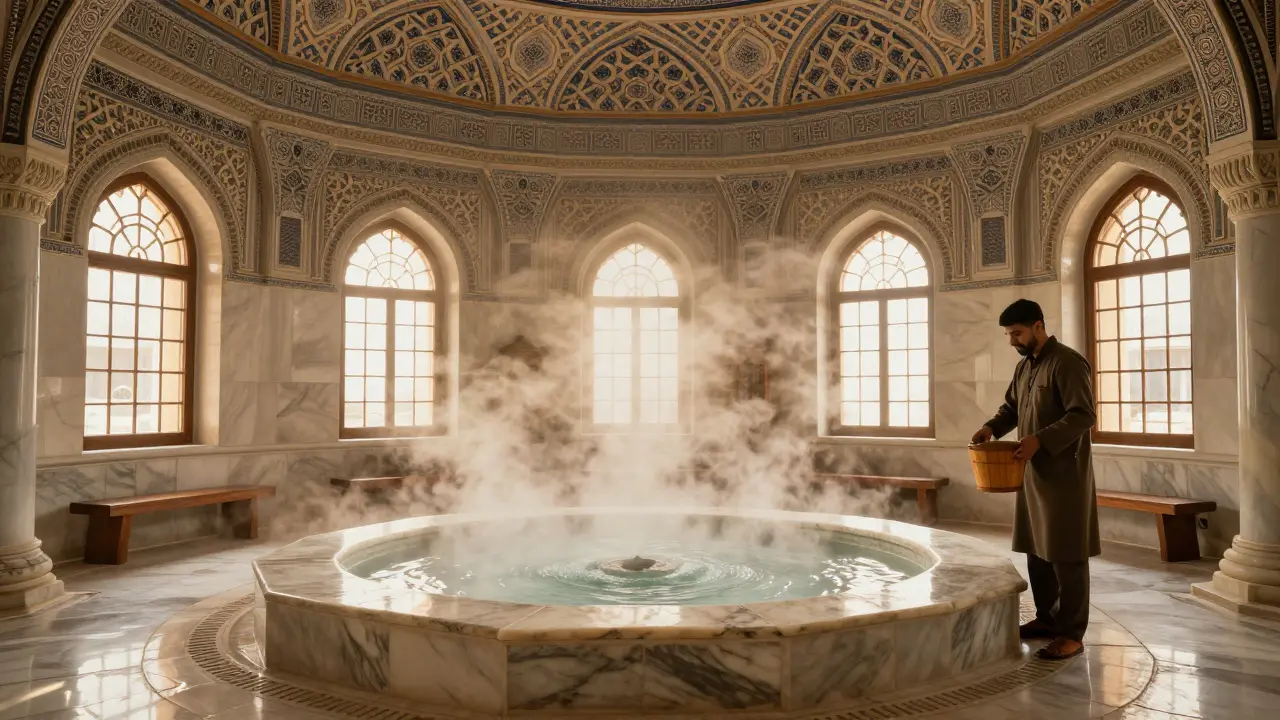
The Turkish bath, or hammam, traces back over a thousand years to the Roman bathhouses that spread across the Ottoman Empire. It wasn’t just about cleanliness - it was a social ritual. Men and women gathered in grand marble halls, chatting, relaxing, and even doing business. The design was all about steam, heat, and slow, steady sweating. Marble slabs, domed ceilings, and intricate tilework turned the experience into something almost spiritual.
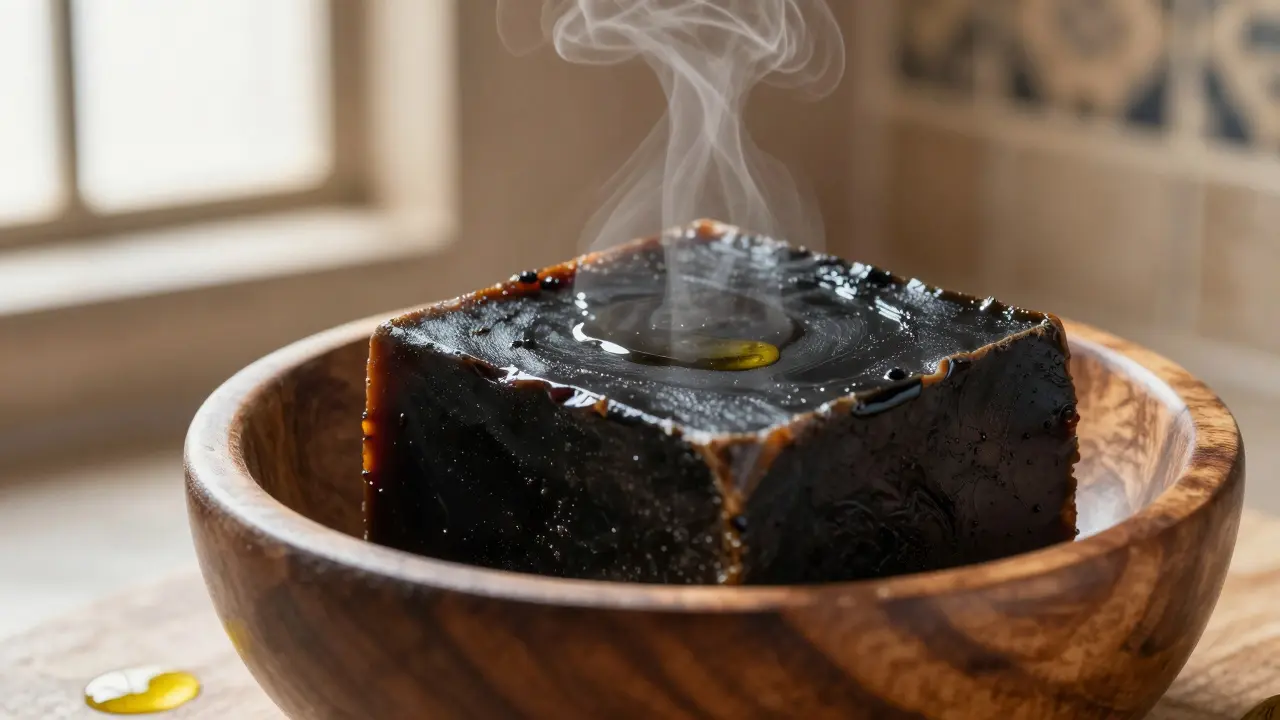
The Moroccan bath, or ghassoul, comes from North African traditions, especially in Marrakech and Fes. It’s older than many realize - rooted in ancient Berber rituals. The focus here isn’t just on heat, but on natural ingredients: black soap made from olive oil and eucalyptus, and rhassoul clay dug from the Atlas Mountains. It’s less about grand architecture and more about earthy, hands-on care.
Core Principles or Components
A Turkish bath is built around a sequence of rooms: the warm room, the hot room, and the cooling room. You lie on a heated marble slab, called a göbektaşı, while an attendant (or tellak) scrubs you with a rough mitt and pours warm water over you. It’s a full-body exfoliation, followed by a rinse and sometimes a massage. The heat is intense but controlled - it’s meant to open pores slowly.
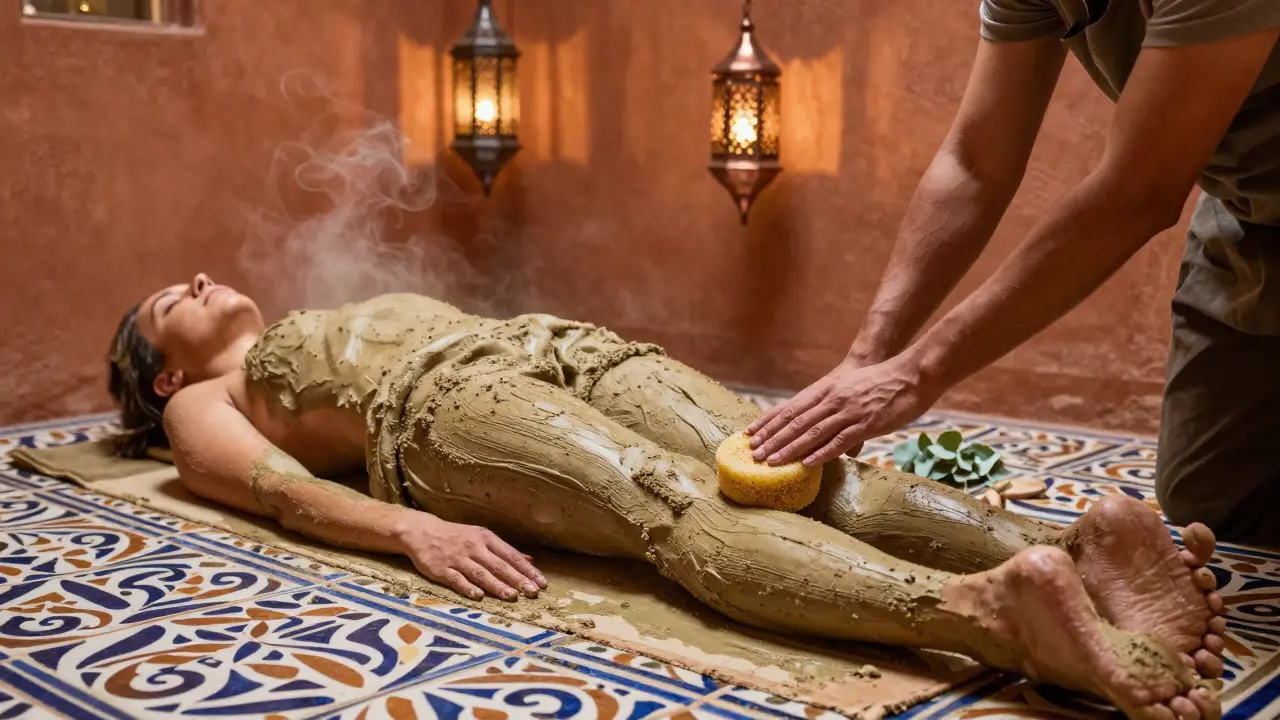
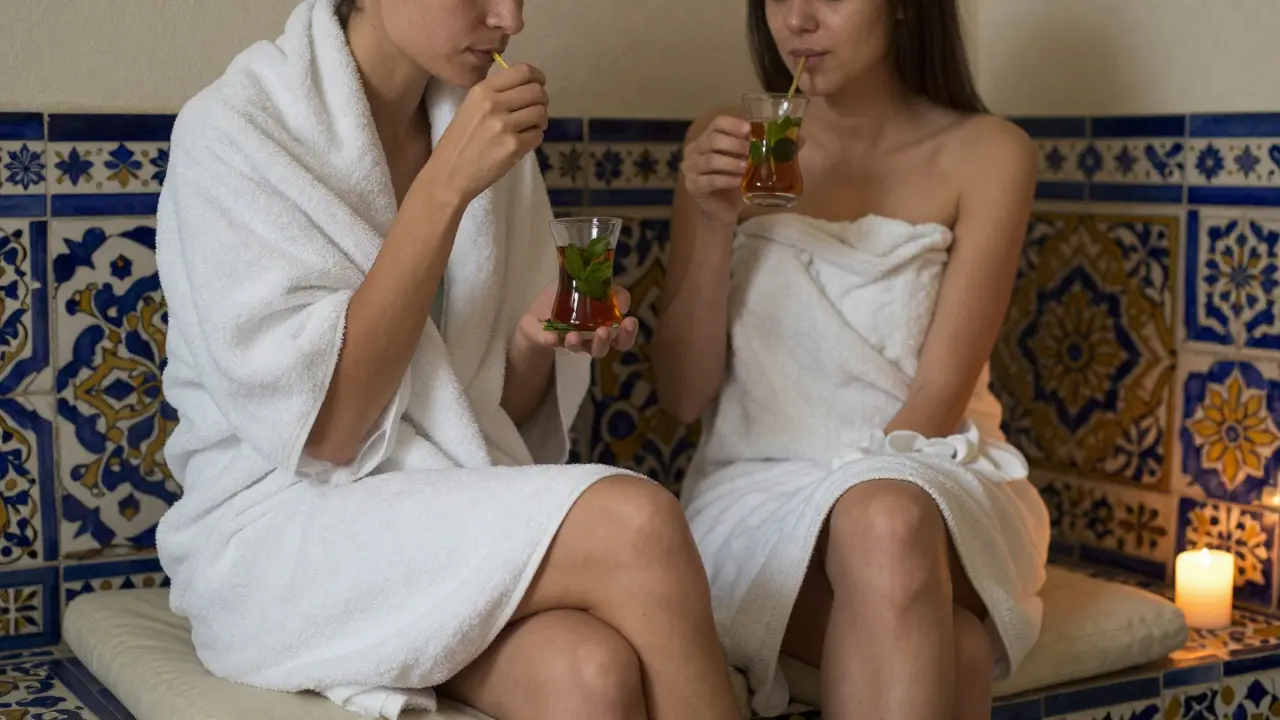
The Moroccan bath starts with a steam session in a small, tiled room, then moves to a ritual scrub. Instead of a mitt, they use a natural loofah and apply black soap, letting it sit for a few minutes. Then comes the rhassoul clay mask - applied thickly to your skin and left to dry. It pulls out impurities and leaves your skin soft like silk. After rinsing, you’re often wrapped in a towel and given mint tea.
How It Differs from Related Practices
Here’s the real breakdown:
| Feature | Turkish Bath | Moroccan Bath |
|---|---|---|
| Heat Level | High, steady steam | Moderate, focused steam |
| Exfoliation Tool | Coarse mitt | Natural loofah |
| Key Product | Plain water and soap | Rhassoul clay and black soap |
| Duration | 60-90 minutes | 45-75 minutes |
| Aftercare | Massage, cool-down | Mint tea, towel wrap |
Who Can Benefit from These Baths?
If you’re someone who carries tension in your shoulders or feels stiff after long flights - both baths are perfect. But if you have sensitive skin, the Moroccan bath might be gentler. The rhassoul clay is naturally soothing and less abrasive than the Turkish mitt. Athletes and travelers love the Turkish bath for deep muscle relaxation. Those into natural skincare swear by the Moroccan version - it’s like a facial for your whole body.
Benefits of Turkish and Moroccan Baths for Body and Mind
Stress Reduction
Both baths trigger what scientists call the parasympathetic response - your body’s ‘rest and digest’ mode. The heat lowers cortisol levels, and the ritual slows your breathing. In Dubai, where life moves fast, this kind of reset isn’t a luxury - it’s a necessity. People who do one of these baths weekly report better sleep and fewer headaches. It’s not magic - it’s biology.
Enhanced Skin Function
Exfoliation isn’t just about removing dead skin. It helps your skin absorb moisture better. The Turkish bath’s scrub removes buildup from sweat and pollution - common in Dubai’s climate. The Moroccan bath’s clay pulls out toxins and balances oil production. Many locals with acne or dry patches say their skin cleared up after just two Moroccan bath sessions.
Emotional Well-Being
There’s something deeply calming about being cared for in silence. The rhythmic scrubbing, the warmth, the quiet - it’s meditative. In cultures where these baths are part of daily life, they’re not just for pampering. They’re for centering. In Dubai, where many live far from home, these rituals become emotional anchors.
Practical Applications
Think of these baths as maintenance, not just treats. If you work out, travel, or sit at a desk all day, your skin and muscles need deep care. Many Dubai residents schedule one bath every two weeks - like a tune-up for your body. It’s cheaper than a massage, and the effects last longer.
| Benefit | Description | Impact |
|---|---|---|
| Deep Cleansing | Removes dirt, sweat, and pollution | Clearer, brighter skin |
| Improved Circulation | Heat dilates blood vessels | Reduced muscle soreness |
| Hydration Boost | Clay and steam help skin retain moisture | Less need for lotions |
| Relaxation Response | Slows heart rate and breathing | Better sleep, lower anxiety |
What to Expect When Engaging with These Baths
Setting or Context
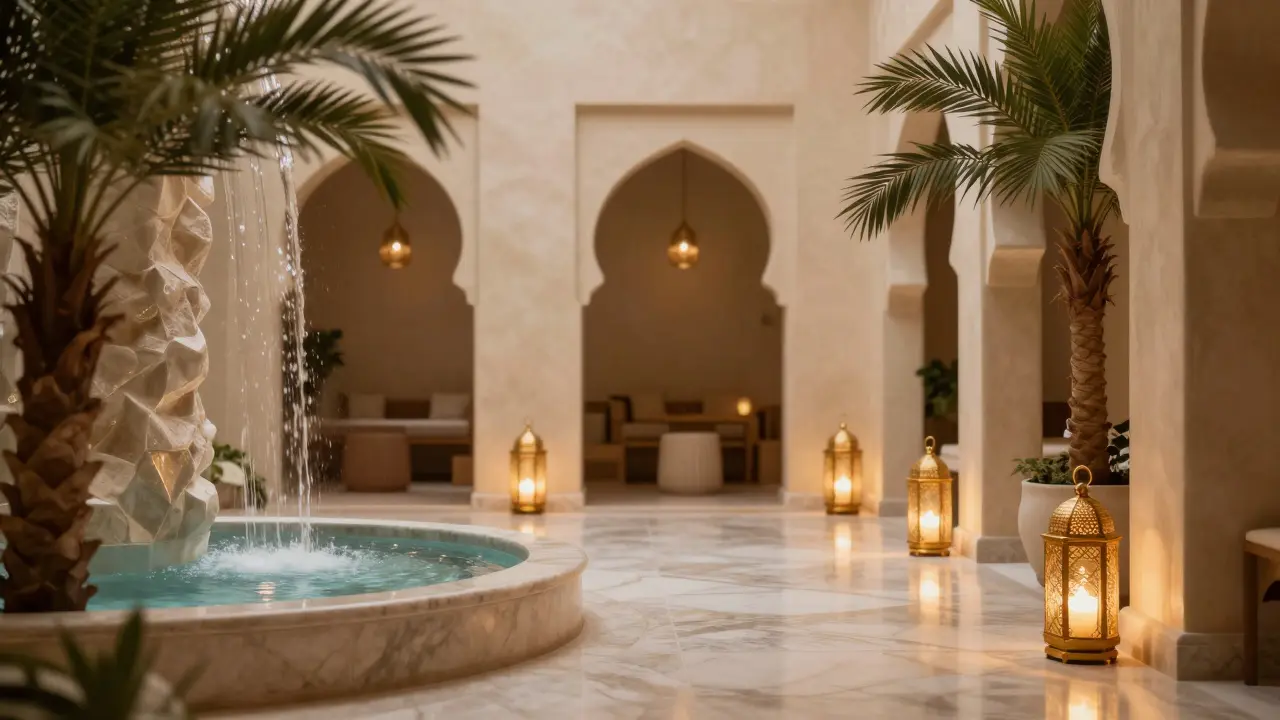
A Turkish bath in Dubai usually feels like a palace - marble floors, arches, and soft lighting. You’ll be given a towel, slippers, and a robe. The room is humid, almost foggy. A Moroccan bath feels cozier - smaller, with hand-painted tiles and the smell of mint and soap. Both are quiet. No loud music. Just water dripping and soft voices.
Key Processes or Steps
For a Turkish bath: Steam → Lie on hot slab → Scrub with mitt → Rinse → Optional massage → Cool down. For a Moroccan bath: Steam → Apply black soap → Scrub with loofah → Apply rhassoul mask → Rinse → Wrap in towel → Mint tea. The Moroccan version feels more like a personal ritual. The Turkish version feels more like a professional treatment.
Customization Options
Most spas in Dubai let you choose your scrub intensity. If you’re new, ask for a gentle scrub. You can also add aromatherapy - lavender for relaxation, citrus for energy. Some places offer gold leaf or rosewater in the Moroccan bath for extra luxury.
Communication and Preparation
Always tell your attendant if you have sensitive skin, open wounds, or high blood pressure. Don’t be shy - they’ve seen it all. Arrive 15 minutes early. Don’t eat right before. Drink water. And leave your phone in the locker - this isn’t a place for scrolling.
How to Practice or Apply Turkish and Moroccan Baths
Setting Up for Success
Book ahead. The best spots in Dubai fill up fast - especially on weekends. Wear a swimsuit you don’t mind getting wet. Bring a towel if you prefer, but most places provide everything. If you’re going with someone, ask for a double room - it’s more intimate.
Choosing the Right Tools or Resources
Stick to reputable spas. Look for places that use real rhassoul clay and natural black soap. Avoid places that use synthetic scrubs - they’ll dry out your skin. In Dubai, places like Spa Al Faya and Arabian Nights Hammam are known for authenticity.
Step-by-Step Guide
1. Arrive early. 2. Change into provided attire. 3. Start in the steam room for 10 minutes. 4. Let the attendant guide you - don’t rush. 5. Relax after the scrub. 6. Sip mint tea. 7. Drink water when you leave. 8. Wait 24 hours before exfoliating again.
Tips for Beginners or Couples
First-timers often feel awkward. That’s normal. Just breathe. If you’re going with a partner, book a couple’s session. It’s a great way to connect - no talking needed. Just warmth, silence, and shared calm.
Safety and Ethical Considerations
Choosing Qualified Practitioners
Look for spas with trained attendants. Ask if they’ve been certified in traditional hammam techniques. In Dubai, many staff are from Turkey or Morocco - that’s a good sign. Check reviews on Google or Tripadvisor. If people mention ‘real’ or ‘authentic,’ you’re on the right track.
Safety Practices
Hygiene is non-negotiable. The towels and robes should be freshly laundered. The scrubbing tools should be cleaned between clients. Never use a mitt that looks worn or smells sour. If something feels off - leave.
| Practice | Purpose | Example |
|---|---|---|
| Hydrate before and after | Prevent dizziness | Drink 2 glasses of water |
| Avoid alcohol | Reduce risk of overheating | Don’t drink 6 hours before |
| Don’t rush the process | Let body adjust | Stay 10+ mins in steam |
Setting Boundaries
You’re in control. If the scrub is too rough, say so. If you don’t want a massage, skip it. A good attendant will respect that. No pressure. No judgment.
Contraindications or Risks
Avoid these baths if you’re pregnant, have heart issues, or have recently had surgery. Don’t go if you’re sunburned - the heat will make it worse. If you have eczema or psoriasis, ask your doctor first. And if you feel dizzy, get up slowly.
Enhancing Your Experience with Turkish and Moroccan Baths
Adding Complementary Practices
Pair your bath with yoga or a quiet walk afterward. Or try a few minutes of deep breathing before you go in. Some people light a candle or play soft music at home after - it extends the calm.
Collaborative or Solo Engagement
Both work. Solo lets you tune inward. With a friend, it becomes a bonding ritual. In Dubai, it’s common to go with family - especially during holidays.
Using Tools or Props
After your bath, use a natural moisturizer with shea butter or argan oil. Keep your skin hydrated for days. Some people buy rhassoul clay to use at home - it’s easy to mix with water and apply as a mask.
Regular Engagement for Benefits
Once a month is ideal. Twice a month if you’re active or stressed. Too often - more than once a week - can dry out your skin. Think of it like watering a plant: enough to thrive, not enough to drown.
Finding Resources or Experts for Turkish and Moroccan Baths
Researching Qualified Practitioners
Look for spas with real reviews - not just 5-star ratings. Read comments about the quality of the clay, the attentiveness of staff, and whether the experience felt authentic. Ask locals - they know the hidden gems.
Online Guides and Communities
Instagram accounts like @dubaismallspas or @hammamjourney share real photos and tips. YouTube has short videos showing what to expect. Join Dubai wellness groups on Facebook - people post about deals and new places.
Legal or Cultural Considerations
In Dubai, mixed-gender bathing is common in spas - but some places offer private sessions. Always confirm the policy before booking. Respect local norms: modest clothing is expected, and loud behavior isn’t welcome.
Resources for Continued Learning
Books like The Art of the Hammam by Fatima al-Hassani or documentaries on North African traditions offer deeper insight. Many spas offer workshops on using rhassoul clay at home.
FAQ: Common Questions About Turkish and Moroccan Baths
What to expect from a Turkish bath vs. a Moroccan bath?
A Turkish bath feels like a luxurious, full-body spa treatment - think marble, steam, and a vigorous scrub with a mitt. It’s structured, almost clinical in its rhythm. A Moroccan bath feels more intimate and earthy - you’re covered in clay, wrapped in warmth, and treated like family. The Turkish bath is about deep cleansing; the Moroccan bath is about nourishing your skin. One is a reset, the other is a ritual.
What happens during a Moroccan bath session?
You start in a steam room for 10-15 minutes to open your pores. Then, you lie down while an attendant applies black soap made from olive oil and eucalyptus. They scrub you gently with a natural loofah, then cover you in rhassoul clay - a mineral-rich mud from Morocco. The clay dries on your skin for 10 minutes, pulling out toxins. After a warm rinse, you’re wrapped in a towel and offered mint tea. The whole thing feels like a warm, fragrant hug.
How does a Turkish bath differ from a Moroccan bath?
The Turkish bath uses high heat and a coarse mitt to scrub away layers of dead skin - it’s intense and thorough. The Moroccan bath uses natural clay and a softer loofah, focusing on detox and hydration. The Turkish bath is more about muscle release and deep cleaning. The Moroccan bath is about skin renewal and sensory calm. One is a workout for your skin; the other is a treat.
What is the method of a Moroccan bath?
The method is simple: steam, soap, scrub, mask, rinse, wrap. The magic is in the ingredients - black soap opens the skin, rhassoul clay draws out impurities, and the heat allows everything to penetrate. It’s not rushed. The attendant works slowly, massaging in circular motions. You’re not just cleaned - you’re restored. It’s a slow dance between your skin and nature.
Is a Moroccan bath suitable for beginners?
Absolutely. Many beginners prefer it because it’s less intense than the Turkish bath. The scrub is gentler, and the clay is soothing. If you’re nervous, ask for a ‘light scrub’ and skip the massage. Most spas in Dubai are used to first-timers - they’ll guide you through every step. It’s one of the most welcoming spa experiences you can have.
Conclusion: Why Turkish and Moroccan Baths Are Worth Exploring
A Path to Calm in a Busy City
In Dubai, where life moves fast and the sun never stops shining, these ancient baths offer more than clean skin. They offer peace. Whether you choose the grandeur of the Turkish bath or the quiet warmth of the Moroccan one, you’re choosing to slow down. And in a world that never stops asking for more - that’s powerful.
Try It Mindfully
Don’t go in expecting perfection. Go in expecting presence. Let the steam work on you. Let the scrub remind you what your skin feels like without layers of pollution and stress. You might not leave a different person - but you’ll leave a calmer one.
Share Your Journey
Tried a Turkish or Moroccan bath in Dubai? Share your experience in the comments - what surprised you? What did you love? Follow this blog for more tips on wellness, hidden spas, and how to find real calm in a busy city.
Some links may be affiliate links, but all recommendations are based on research and quality.
Word count: 1,687
Suggested Visuals
- A marble Turkish hammam with steam rising from a heated slab
- A person lying on a tile floor with rhassoul clay on their skin, being gently scrubbed
- A traditional Moroccan bath room with hand-painted tiles and mint tea on a tray
- Close-up of black soap and rhassoul clay in natural containers
- A couple wrapped in towels, sipping mint tea after a bath
Suggested Tables
- Comparison of Turkish Bath vs. Moroccan Bath (already included)
- Key Benefits of Turkish and Moroccan Baths (already included)
- Safety Tips for Hammam Baths (already included)