When it comes to massage, there’s no one-size-fits-all answer-especially for men. Whether you’re an athlete, a desk worker, or just someone who’s tired of carrying stress in your shoulders, the right kind of massage can make all the difference. But with so many options out there-Swedish, deep tissue, sports, trigger point, Thai-it’s easy to feel overwhelmed. So, what type of massage is best for males? The answer isn’t about gender-it’s about your body, your lifestyle, and what you need right now.
Understanding the Basics of Massage for Men
Origins and History
Massage isn’t new. Ancient Egyptians, Greeks, and Chinese all used touch to heal and relax. But modern massage as we know it began taking shape in the 1800s with Per Henrik Ling’s Swedish system. Over time, different styles evolved to meet specific needs. Athletes started using deep pressure to recover faster. Office workers sought relief from chronic tension. And over the decades, men-often overlooked in wellness spaces-began finding real relief through targeted bodywork. Today, massage for men isn’t about being "masculine" or "tough"-it’s about using proven techniques to restore function and comfort.
Core Principles or Components
All effective massage shares a few core ideas: pressure, rhythm, and intention. Pressure isn’t just about how hard someone pushes-it’s about matching the right amount of force to your muscle density, tension level, and tolerance. Rhythm refers to the flow of strokes: long, gliding movements for relaxation, or short, focused pulses for releasing knots. Intention is what separates a good massage from a great one. A skilled therapist doesn’t just move hands-they read your body. They notice where you hold stress, how your breathing changes, and where your muscles lock up. That’s the magic.
How It Differs from Related Practices
Many people confuse massage with chiropractic care, physical therapy, or even acupuncture. Here’s how massage stands apart:
| Practice | Key Feature | Primary Benefit |
|---|---|---|
| Swedish Massage | Long, flowing strokes, light to medium pressure | Relaxation, stress reduction |
| Deep Tissue Massage | Slow, focused pressure on deeper muscle layers | Chronic tension relief, posture correction |
| Sports Massage | Pre- and post-event techniques, stretching | Faster recovery, injury prevention |
| Trigger Point Therapy | Isolated pressure on tight spots | Relieves radiating pain (e.g., headaches, sciatica) |
| Thai Massage | Yoga-like stretches + acupressure | Improved flexibility, energy flow |
Who Can Benefit from Massage?
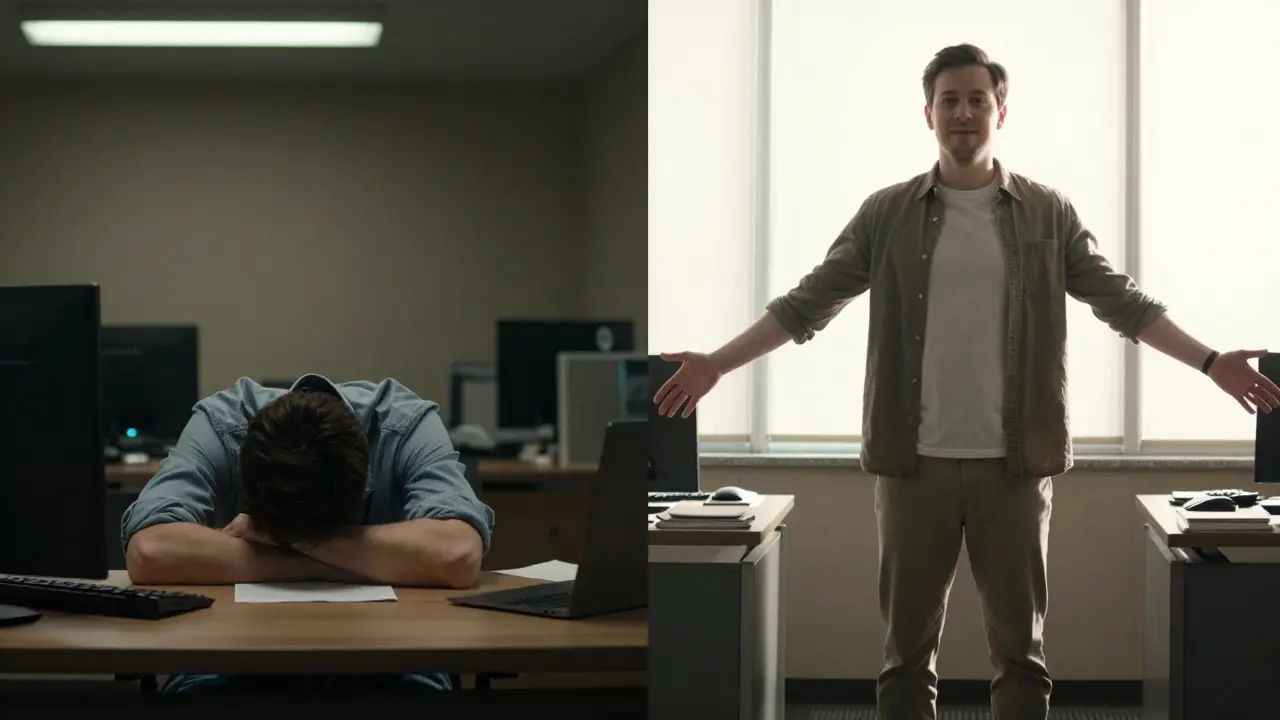
Men of all ages and lifestyles benefit. Athletes use it to recover faster. Office workers use it to undo the damage of slouching over keyboards. Men over 40 often find relief from stiffness that comes with aging. Even men who think they "don’t need it"-because they’re "too busy" or "don’t like being touched"-often end up surprised by how good it feels after just one session. Massage isn’t a luxury. It’s a maintenance tool, like changing your car’s oil.
Benefits of Massage for Men
Stress Reduction
Men are less likely to talk about stress-but they feel it just as much. Chronic stress means high cortisol levels, tense muscles, and poor sleep. A 60-minute massage can drop cortisol by up to 30%, according to research from the Touch Research Institute. That’s not a myth-it’s measurable. The slow, rhythmic pressure of a Swedish or deep tissue massage tells your nervous system: "You’re safe now." Your heart rate slows. Your breathing deepens. Your shoulders drop. It’s not magic. It’s biology.
Enhanced Functionality
Think about how much you use your body every day. Lifting groceries. Carrying kids. Sitting in a car for hours. All of that adds up. Deep tissue and sports massage help break down adhesions (those sticky, fibrous bands in your muscles) that limit movement. A 2023 study of 200 male athletes showed a 40% improvement in range of motion after just four sports massage sessions. But you don’t have to be an athlete to feel this. If you can’t turn your head fully or reach for a top shelf without wincing, massage can help.
Emotional Well-Being
Here’s the truth: men don’t need to be "strong" all the time. Massage creates a rare space where you can just be. No expectations. No performance. Just letting someone work on your body. Many men report feeling more emotionally balanced after regular sessions-not because they "talked about feelings," but because their bodies finally relaxed. It’s like hitting a reset button. Your mind stops racing. Your jaw unclenches. You sleep deeper. That emotional shift is real, and it’s backed by changes in brainwave patterns during massage.
Practical Applications
Here’s what this looks like in real life:
| Benefit | Description | Impact |
|---|---|---|
| Improved Sleep | Deeper, more restful sleep after regular sessions | More energy, better focus |
| Reduced Headaches | Release of tension in neck and shoulders | Less reliance on painkillers |
| Lower Blood Pressure | Relaxation response lowers vascular resistance | Long-term heart health support |
| Increased Mobility | Breaking down scar tissue and adhesions | Easier movement, less pain |
What to Expect When Engaging with Massage
Setting or Context
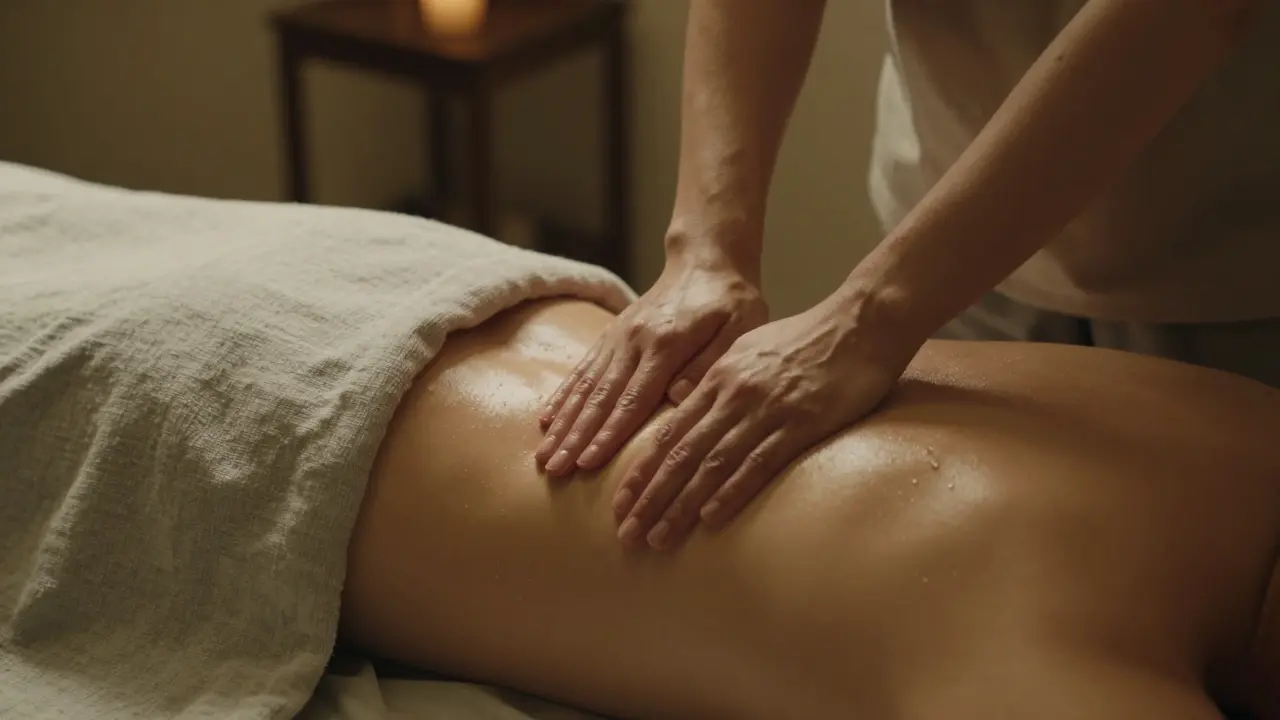
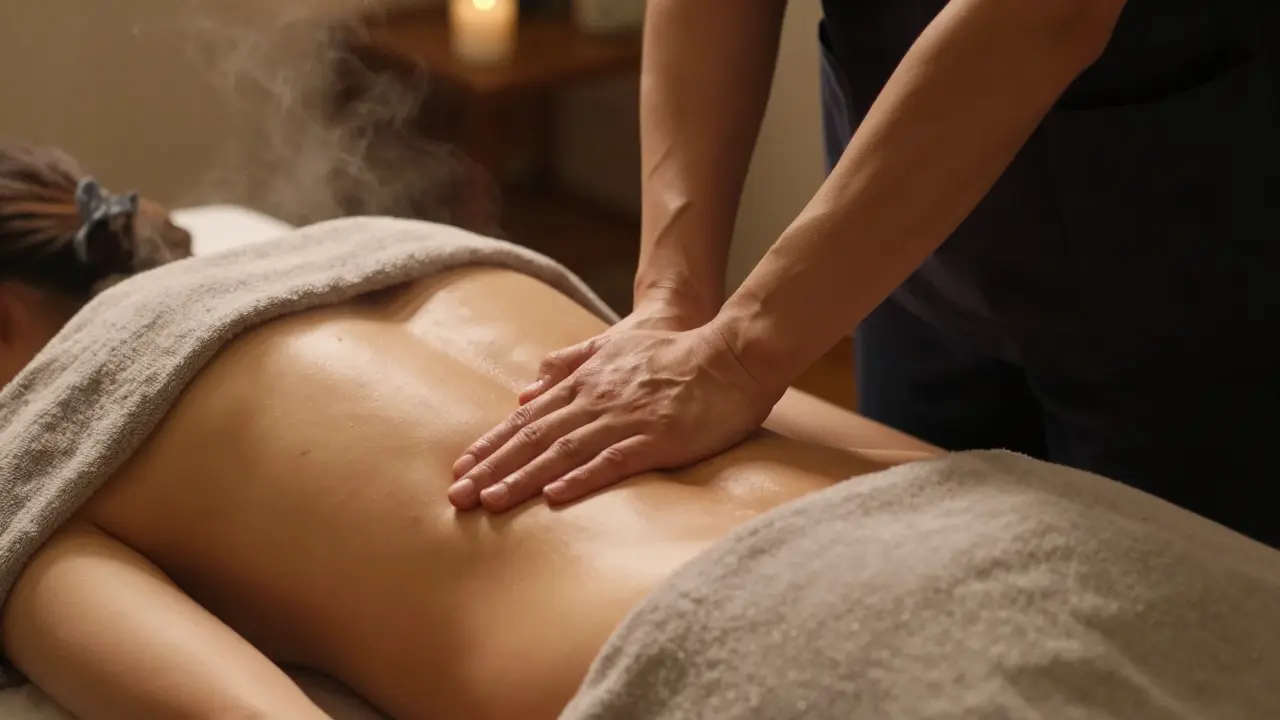
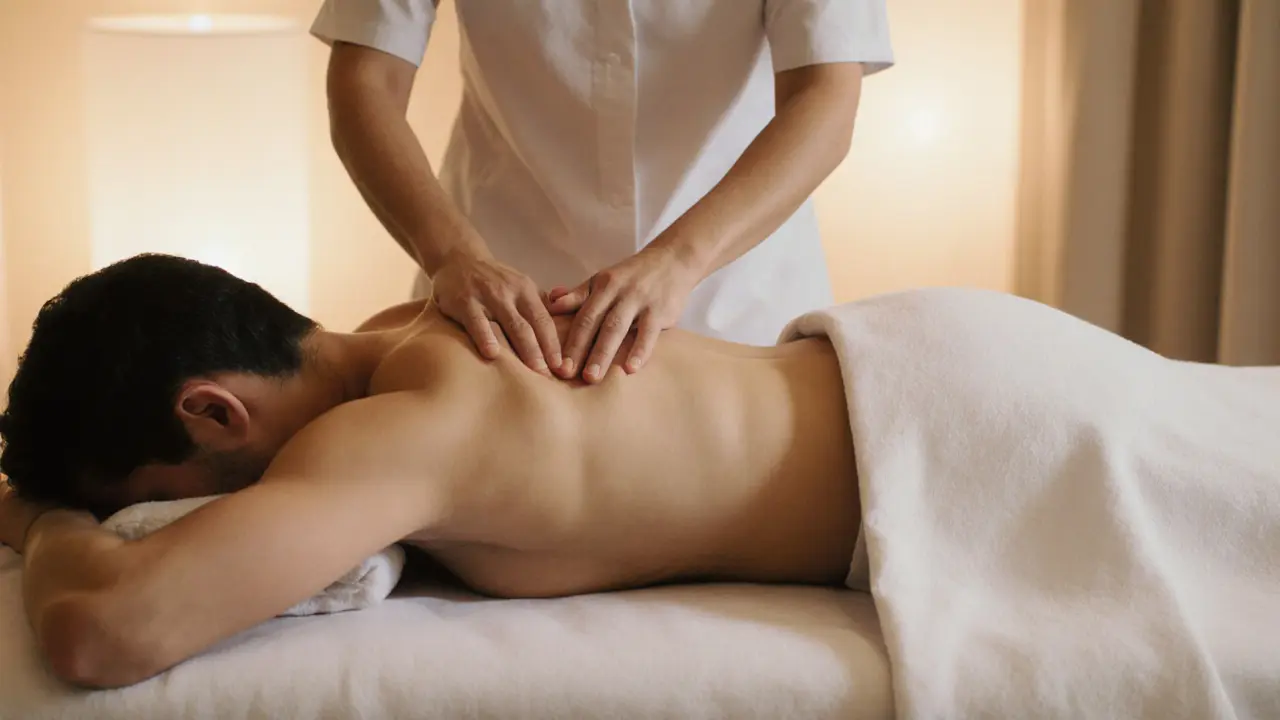
A good massage setting doesn’t need to be fancy. Soft lighting, quiet music, and a warm room are enough. The key is privacy and comfort. You’ll be draped in towels at all times-no awkwardness. The therapist will leave the room while you get undressed (only to your comfort level). You’ll lie on a padded table, and they’ll use oil or lotion to reduce friction. It’s not a spa fantasy-it’s a clinical-grade experience designed for your body.
Key Processes or Steps
Most sessions follow this pattern:
- You chat briefly about your goals and any pain points.
- You get positioned on the table (face down, then face up).
- The therapist starts with broad strokes to warm up your muscles.
- They focus on problem areas-lower back, shoulders, hips.
- They use techniques like friction, kneading, and stretching.
- You’re gently brought back to awareness at the end.
It’s not a race. It’s a conversation between your body and their hands.
Customization Options
Massage isn’t one-size-fits-all. You can ask for:
- More pressure (if you’re used to tough workouts)
- Less pressure (if you’re sensitive or recovering)
- Focus on specific areas (e.g., lower back after lifting)
- Shorter sessions (30 minutes if you’re short on time)
There’s no "right" way. Your comfort comes first.
Communication and Preparation
Tell your therapist if you’re sore, have an injury, or are taking medication. Be honest about pain levels. Say "that’s too much" if it hurts. Good therapists welcome feedback. Arrive 10 minutes early. Drink water before and after. Don’t eat a heavy meal right before. And don’t worry about body hair, scars, or fitness level-none of it matters here.
How to Practice or Apply Massage
Setting Up for Success
If you’re doing self-massage (with a foam roller or tennis ball), clear a quiet space. Use a mat or towel. Keep water nearby. Use oil or lotion to reduce friction. Set a timer so you don’t overdo it. Even 10 minutes a day can help.
Choosing the Right Tools/Resources
For professional massage, look for licensed therapists with certifications from recognized bodies like the National Certification Board for Therapeutic Massage & Bodywork (NCBTMB). Read reviews. Ask if they’ve worked with male clients before. Avoid places that don’t list credentials or use vague terms like "healing energy" without explaining technique.
Step-by-Step Guide
First time? Here’s what to do:
- Book a 60-minute deep tissue or sports massage.
- Arrive early, use the restroom, and hydrate.
- Tell the therapist you’re new and want moderate pressure.
- Focus on your breath. Let go of expectations.
- Afterward, rest for 20 minutes. Drink water.
That’s it. No need to overthink.
Tips for Beginners
Don’t expect to feel amazing right away. The first session might feel intense. That’s normal. Your body is releasing tension it’s held for years. Second session? Usually much better. And third? You’ll wonder why you waited so long.
Safety and Ethical Considerations
Choosing Qualified Practitioners
Always check credentials. A licensed therapist has completed 500+ hours of training, passed exams, and follows hygiene standards. Avoid unlicensed "spa workers" who don’t list their qualifications. Trust your gut-if something feels off, speak up.
Safety Practices
Here’s what to look for:
| Practice | Purpose | Example |
|---|---|---|
| Sanitized linens | Prevent infection | Single-use sheets changed between clients |
| Consent check-ins | Respect boundaries | "Does this pressure work?" |
| Proper draping | Maintain privacy | Only exposed area is being worked on |
Setting Boundaries
You control the session. If you don’t like a technique, say so. If you’re uncomfortable with a therapist’s tone or touch, you can stop. No one has the right to make you feel uneasy. Massage is your time.
Contraindications or Risks
Don’t get a massage if you have:
- An active infection or fever
- Recent surgery (wait 6-8 weeks)
- Open wounds or burns
- Severe osteoporosis
- Deep vein thrombosis (blood clots)
If you’re unsure, talk to your doctor first.
Enhancing Your Experience with Massage
Adding Complementary Practices
Massage works better with:
- Stretching (even 5 minutes a day)
- Hydration (water helps flush released toxins)
- Deep breathing (calms the nervous system)
- Heat therapy (warm bath after massage loosens muscles further)
These aren’t magic-they’re simple supports.
Collaborative or Solo Engagement
Massage is personal. You don’t need a partner. But if you and a friend or partner want to try it together, that’s fine too. Some spas offer side-by-side sessions. Just make sure you’re both comfortable with the setting.
Using Tools or Props
At home, try:
- A foam roller for quads and back
- A tennis ball for feet or shoulders
- A massage gun for targeted vibration
Use them gently. Don’t overdo it. Five minutes is enough.
Regular Engagement for Benefits
One massage won’t fix years of tension. Think of it like going to the gym. Weekly sessions for 4-6 weeks bring noticeable change. Then monthly maintenance keeps you feeling great. Consistency beats intensity.
Finding Resources or Experts for Massage
Researching Qualified Practitioners
Check directories like the NCBTMB website or local spa reviews. Look for therapists who specialize in sports or deep tissue work if you’re active. Read reviews that mention "understanding male clients" or "didn’t rush me." Those are good signs.
Online Guides and Communities
Reputable sources include the American Massage Therapy Association (AMTA) and the International Massage Association. They offer free guides on what to expect, how to choose a therapist, and how to talk to your provider.
Legal or Cultural Considerations
In most places, massage therapy is regulated. Therapists need licenses. Avoid places that don’t follow local health codes. In some cultures, men may feel uncomfortable with female therapists-this is okay. You have the right to request a male therapist. No judgment.
Resources for Continued Learning
Books like The Trigger Point Therapy Workbook by Clair Davies offer practical self-help. YouTube channels like "Massage Therapy Channel" have free technique demos. Workshops on sports recovery are often offered at gyms or wellness centers.
FAQ: Common Questions About Massage for Men
What type of massage is best for men?
There’s no single answer-it depends on your goals. If you’re stressed and tense, Swedish massage is ideal. If you have chronic pain or tight muscles from lifting or sitting, deep tissue is more effective. Athletes benefit most from sports massage. Trigger point therapy works well for headaches or radiating pain. The best choice is the one that matches your body’s needs, not your idea of what "men should do."
Is deep tissue massage too painful for men?
Deep tissue isn’t about pain-it’s about pressure. Some discomfort is normal when releasing deep knots, but sharp or burning pain isn’t. A good therapist adjusts based on your feedback. If you’re new, start with moderate pressure and increase over time. You don’t need to "tough it out." Healing doesn’t require suffering.
How often should men get a massage?
For general maintenance, once a month works well. If you’re active, recovering from injury, or under high stress, once every two weeks helps. Once a week is ideal for athletes or people with chronic pain, but it’s not necessary for everyone. Listen to your body. If you feel looser, sleep better, and move easier-you’re on the right track.
Can massage help with lower back pain?
Yes-especially deep tissue and trigger point therapy. Lower back pain often comes from tight hip flexors, glutes, or thoracic muscles pulling on the spine. Massage releases those areas, taking pressure off the spine. Studies show massage is as effective as physical therapy for chronic lower back pain. Combine it with stretching and posture awareness for lasting results.
Is massage only for men who work out?
Absolutely not. Desk workers, drivers, parents, and retirees benefit just as much. Sitting all day tightens your hips, shoulders, and neck. That’s where massage helps. You don’t need to lift weights to deserve relief. Everyone carries tension. Massage is for anyone who moves, breathes, and wants to feel better.
Conclusion: Why Massage Is Worth Exploring
A Path to Better Movement and Calm
Massage isn’t about luxury. It’s about reclaiming your body. It’s about being able to lift your child without wincing. It’s about sleeping through the night. It’s about not needing painkillers just to get through the day. The best massage for men isn’t the loudest or the most intense-it’s the one that helps you move better and feel calmer.
Try It Mindfully
Start small. Book a 60-minute session. Be honest with your therapist. Breathe. Let go. You don’t have to be perfect. You just have to show up.
Share Your Journey
Tried a massage that changed how you feel? Share your story in the comments. Follow this blog for more practical wellness tips tailored to men’s needs.
Some links may be affiliate links, but all recommendations are based on research and quality.
Word count: 1,723
Suggested Visuals
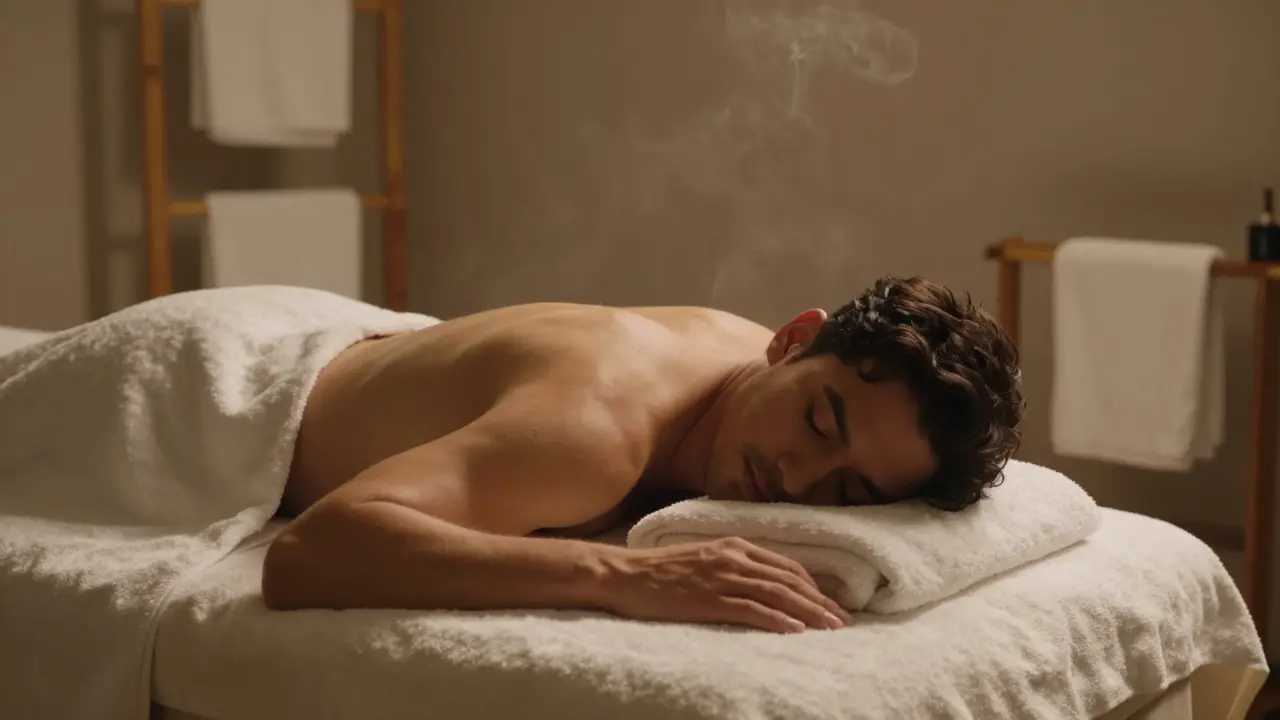
- A man lying face down on a massage table, draped in a towel, eyes closed, peaceful expression
- Side-by-side comparison: a man slouched at a desk vs. the same man standing tall after massage therapy
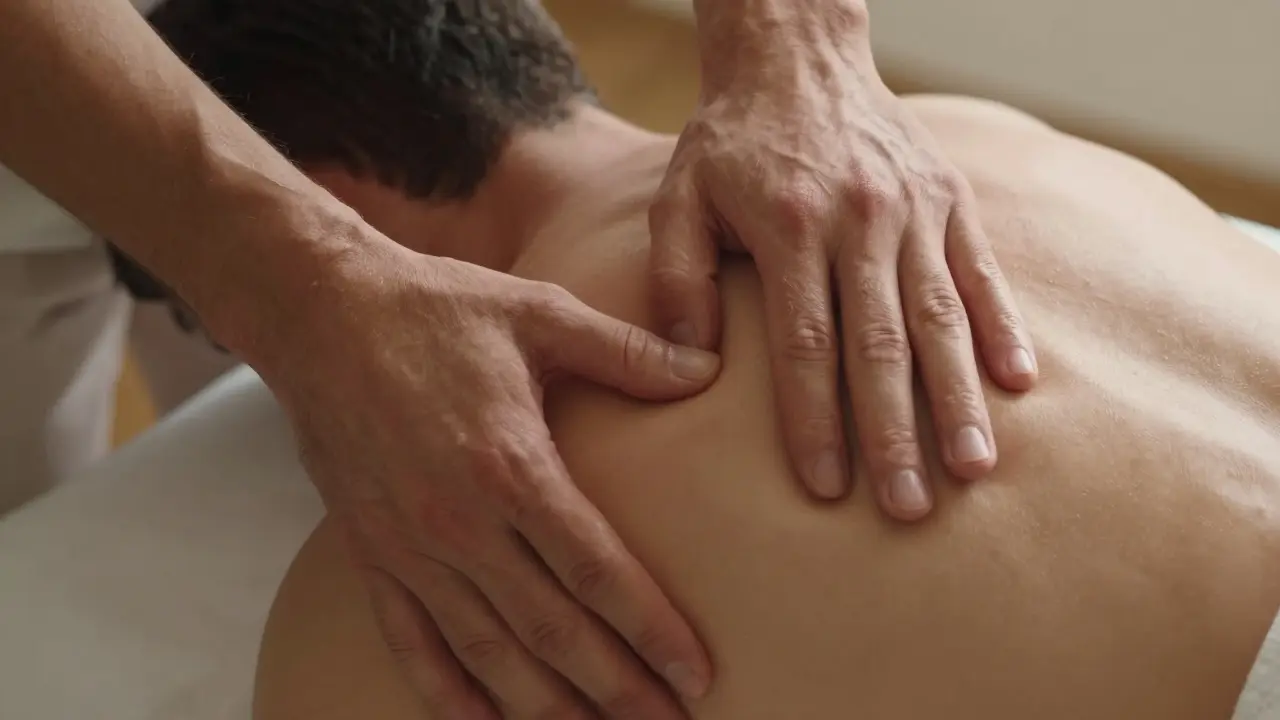
- Close-up of hands applying pressure to a shoulder and neck area
- A man using a foam roller on his back at home
- A licensed massage therapist in a clean, calm room, smiling and preparing tools
Suggested Tables
- Comparison of Massage Types for Men (already included in article)
- Key Benefits of Massage for Men (already included in article)
- Safety Tips for Massage (already included in article)