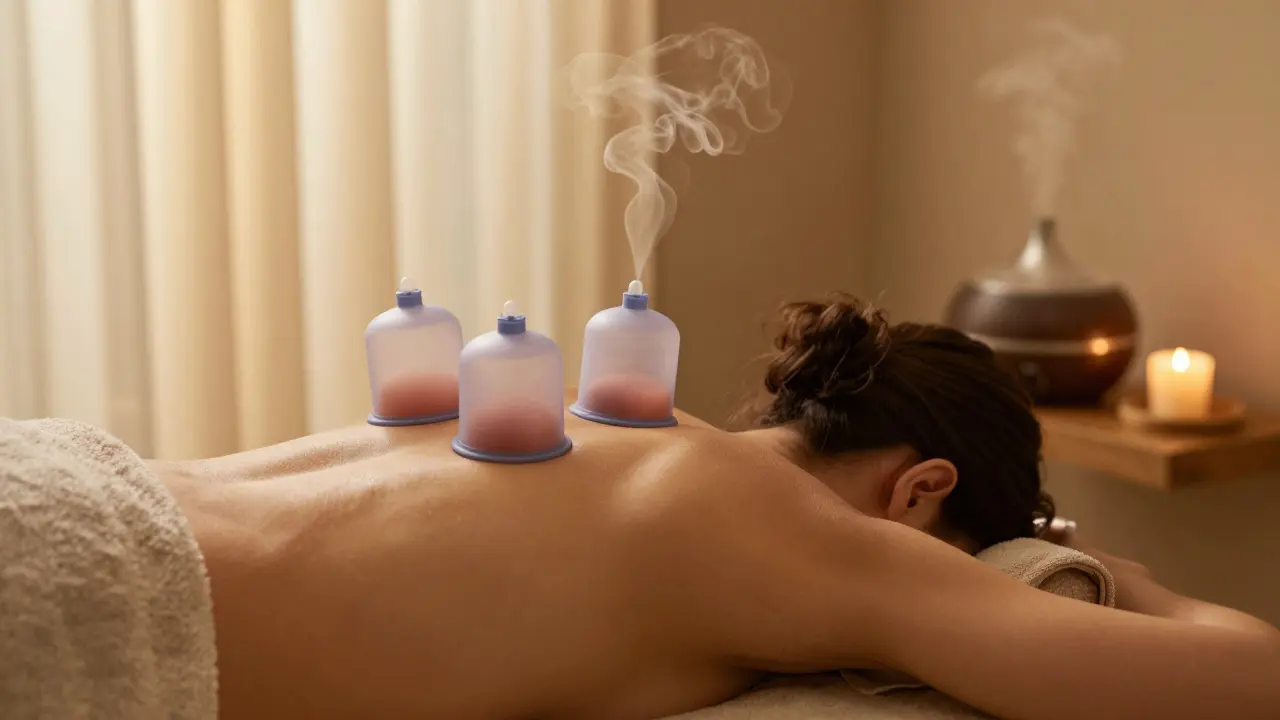
Is Cupping Lymphatic Drainage? The Truth About Cupping Therapy and Your Lymph System
Is cupping lymphatic drainage? That’s the question many people ask after seeing those circular marks on someone’s back-or trying it themselves. The short answer: not exactly. Cupping isn’t lymphatic drainage, but it can support it. If you’ve ever wondered whether those suction cups are secretly flushing out toxins or boosting your immune system, you’re not alone. In Dubai’s wellness scene, cupping has exploded in popularity, often mixed with terms like "detox," "fluid release," and "lymph stimulation." But what’s actually happening under those glass or silicone cups? Let’s cut through the hype and find out what cupping really does-and how it connects to your lymph system.
Understanding the Basics of Cupping Therapy
Origins and History
Cupping isn’t new. It’s been used for thousands of years across cultures-from ancient Egyptian papyri to traditional Chinese medicine texts dating back to 300 BCE. In China, it was called "huo guan," meaning "fire cupping," and used to draw out "bad qi" or stagnant energy. In the Middle East, it was part of "hijama," a practice combining cupping with controlled bloodletting. Today, dry cupping (without blood) is common in spas from Dubai to Berlin. The tools have changed-glass jars, silicone suction devices, even electric pumps-but the core idea stays the same: create negative pressure on the skin to pull tissue upward. This isn’t magic. It’s physics. And it has real effects on blood flow, muscle tension, and, yes, even lymph movement.
Core Principles or Components
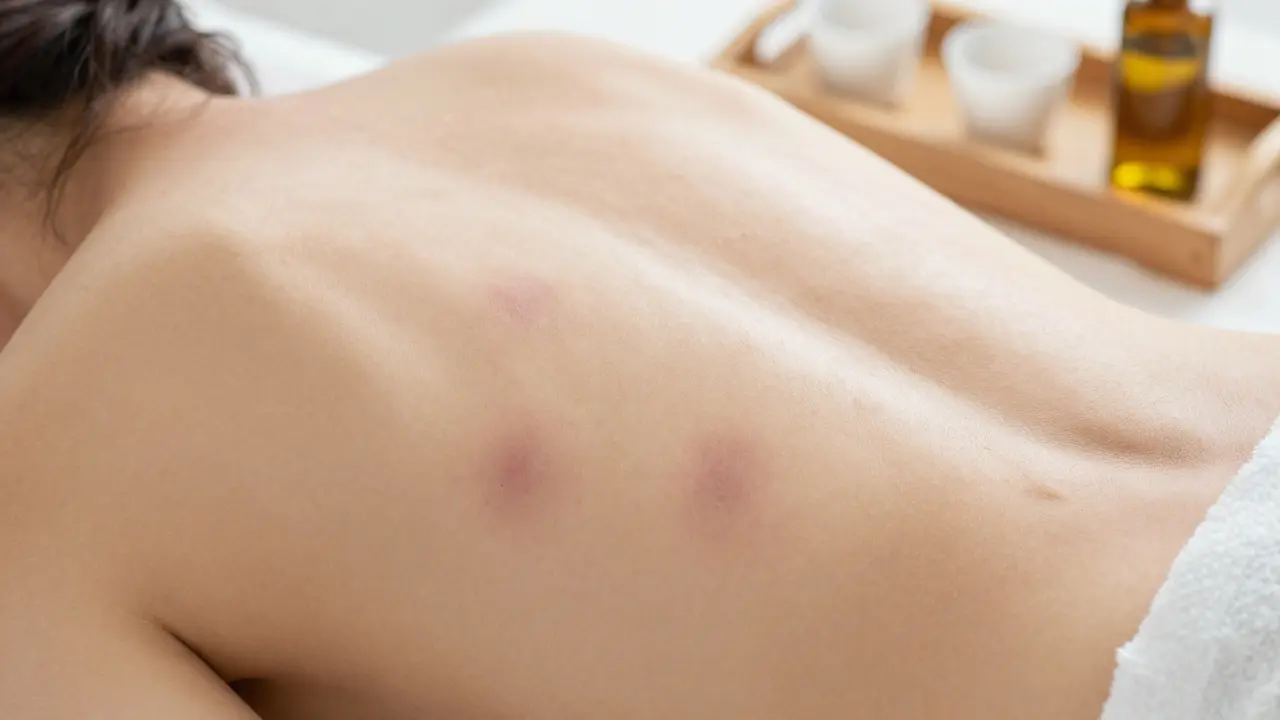
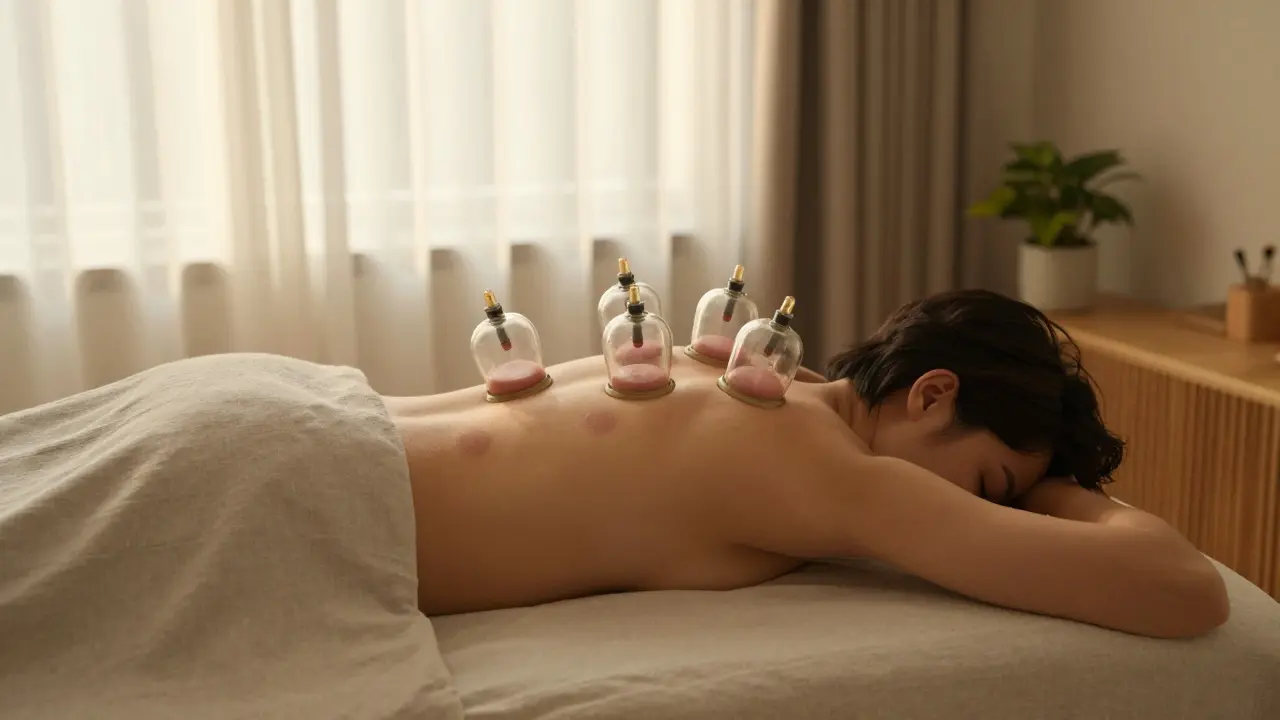
Cupping works by creating a vacuum that lifts the skin and underlying tissues. This increases local circulation, relaxes tight fascia, and may stimulate nerve endings. The cups are placed on areas like the back, shoulders, or thighs and left for 5-15 minutes. The suction doesn’t break the skin in dry cupping-it just gently pulls. That’s why you see those circular bruises afterward. They’re not injuries. They’re signs of increased blood flow and mild tissue stress. Think of it like a deep-tissue massage, but instead of pushing, it’s pulling. The body responds by sending more fluid, oxygen, and immune cells to the area. That’s where the lymph connection begins.
How It Differs from Related Practices
Cupping is often confused with lymphatic drainage massage. But they’re different tools for similar goals. Lymphatic drainage is a light, rhythmic technique that follows the path of lymph vessels-usually starting near the collarbone and moving downward. It’s designed to move fluid. Cupping is more about releasing tension and increasing circulation. It doesn’t follow lymph channels. It just creates a broad suction effect. Here’s how they compare:
| Practice | Key Feature | Primary Benefit |
|---|---|---|
| Cupping | Creates suction on skin and muscle | Relieves muscle tension, boosts local circulation |
| Lymphatic Drainage | Light, directional strokes along lymph pathways | Encourages fluid movement toward lymph nodes |
| Both | May reduce swelling and improve recovery | Supports immune function indirectly |
Who Can Benefit from Cupping Therapy?
Anyone with tight muscles, chronic stress, or post-workout soreness might feel relief. Athletes use it to recover faster. People with neck pain from sitting at desks swear by it. Even those with occasional bloating or fluid retention report feeling lighter afterward. But it’s not for everyone. If you’re on blood thinners, have open wounds, or suffer from severe clotting disorders, avoid it. Pregnant women should skip it on the abdomen and lower back. And if you’re looking for a guaranteed lymph flush, cupping alone won’t cut it. It’s a supportive tool, not a targeted therapy.
Benefits of Cupping Therapy for the Body
Stress Reduction
When your muscles are tight, your nervous system stays on high alert. Cupping physically releases those knots, signaling your brain to relax. Studies show that even brief sessions can lower cortisol levels. In Dubai’s fast-paced environment-where long work hours and heat take a toll-many clients say cupping feels like a reset button. It’s not meditation, but it creates a similar calm. You lie still, breathe deeper, and the gentle pull of the cups distracts your mind from daily noise. That’s why it’s so popular in luxury spas here.
Enhanced Circulation and Fluid Movement
Cupping doesn’t move lymph directly, but it creates space for it. By lifting the skin and fascia, it reduces pressure on nearby vessels. This allows interstitial fluid-fluid between cells-to flow more freely. Some of that fluid eventually enters lymphatic capillaries. So while cupping isn’t lymphatic drainage, it can make lymphatic drainage work better. Think of it like opening a blocked drain: the water doesn’t magically flow out, but now it has room to move. That’s why people notice reduced swelling after a few sessions.
Emotional Well-Being
Physical tension often carries emotional weight. People who carry stress in their shoulders or back often feel emotionally stuck too. Cupping releases that physical tension, and many report feeling lighter emotionally afterward. It’s not a cure for anxiety or depression, but it’s a powerful body-based tool that helps reset your nervous system. In cultures where talk therapy isn’t always accessible, cupping offers a non-verbal way to release pressure.
Practical Applications
Here’s what cupping can realistically help with:
| Benefit | Description | Impact |
|---|---|---|
| Reduced muscle stiffness | Breaks up adhesions in fascia and muscle | Improved mobility, less pain |
| Post-exercise recovery | Increases blood flow to fatigued muscles | Faster soreness reduction |
| Headache relief | Relaxes neck and upper back tension | Less frequent tension headaches |
| Improved skin tone | Stimulates circulation to dermal layers | Temporary glow and reduced puffiness |
What to Expect When Engaging with Cupping Therapy
Setting or Context
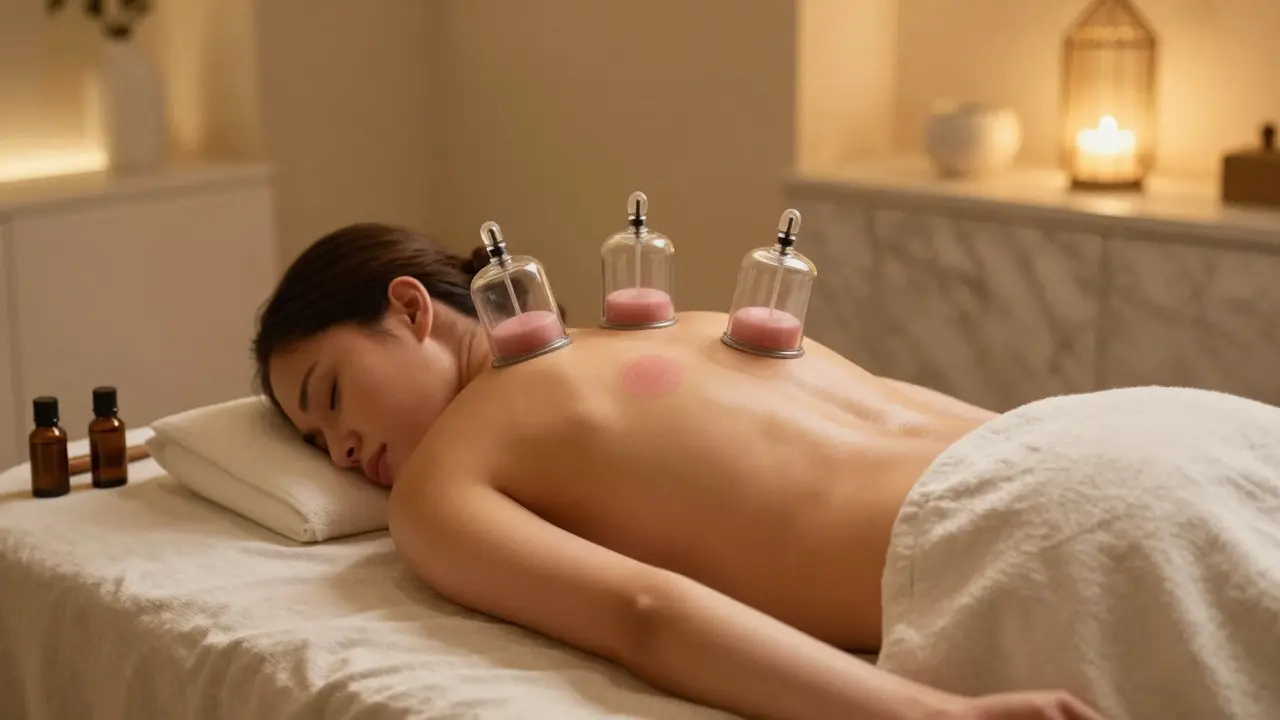
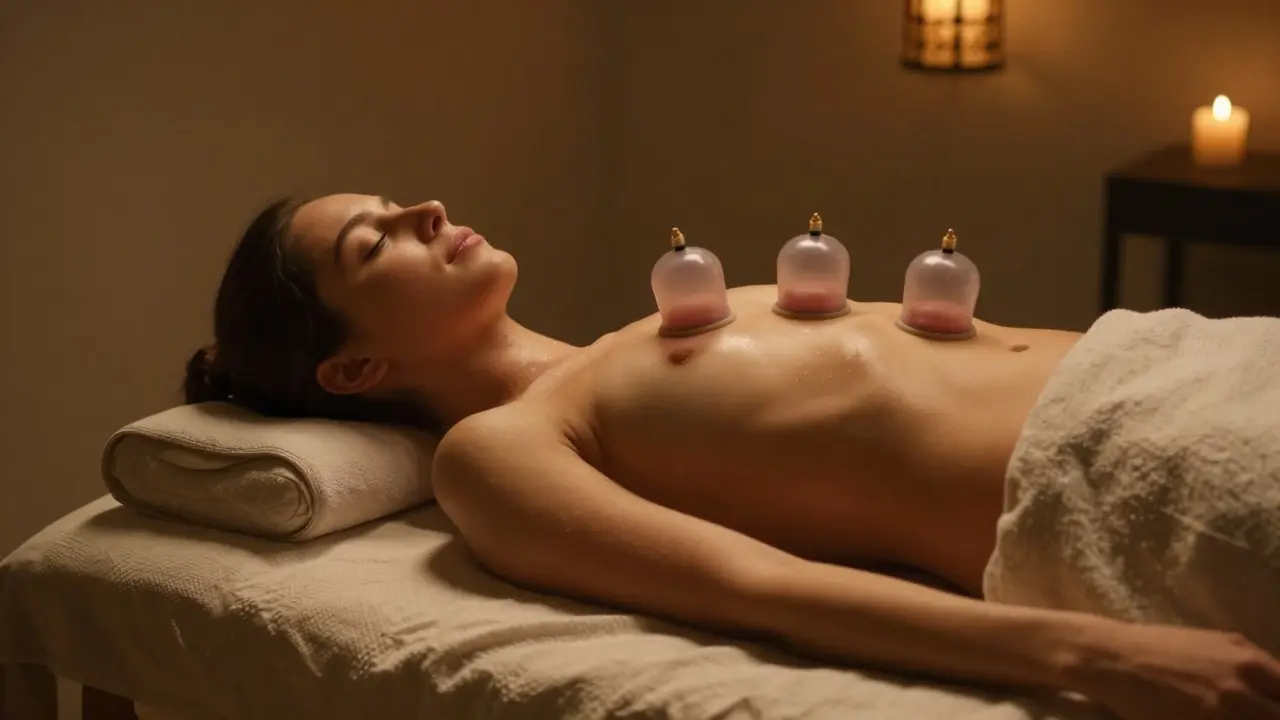
In Dubai spas, cupping is often part of a larger wellness ritual. You’ll lie on a heated table, maybe with soft music and lavender oil. The practitioner will use silicone cups for safety and control. The room is warm-important, because cold muscles don’t respond as well. Sessions usually last 30-45 minutes. You’re never rushed. It’s meant to be calming.
Key Processes or Steps
Here’s what typically happens:
- You discuss your goals and any health concerns.
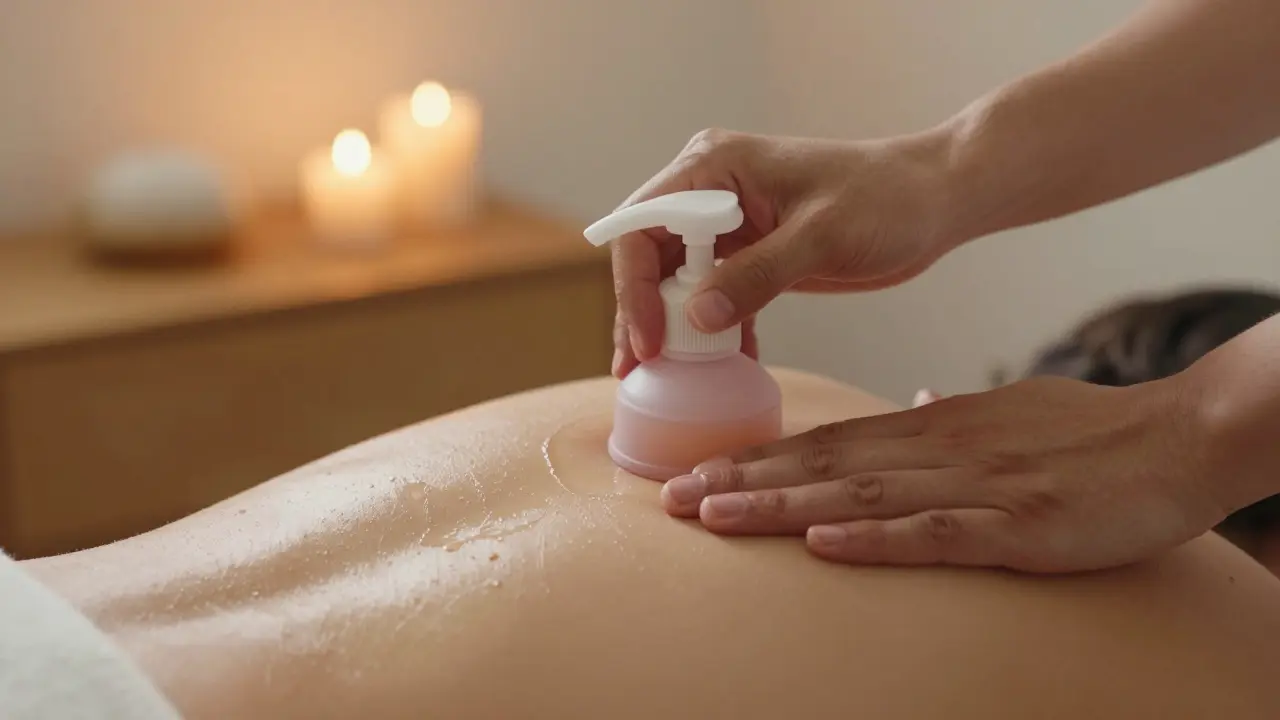
- The practitioner cleans the skin and applies oil for smooth movement.
- Cups are placed on target areas-back, shoulders, legs.
- Suction is applied using a hand pump or flame (for glass cups).
- Cups stay on for 5-15 minutes.
- Cups are removed gently. The practitioner may glide them across the skin for a "walking" cupping effect.
- You rest for 5-10 minutes. Water is offered.
Customization Options
Cupping isn’t one-size-fits-all. Pressure can be adjusted-light for sensitive skin, firmer for athletes. Cups can be left static or moved. Some practitioners combine cupping with heat lamps or infrared therapy. In Dubai, many spas offer cupping with aromatherapy or sound healing for a full sensory experience.
Communication and Preparation
Always tell your practitioner if you’re on blood thinners, have a skin condition, or are pregnant. Don’t show up hungry or right after a heavy meal. Drink water before and after. And if the suction feels painful, speak up. It should never hurt-just feel like a deep, odd stretch.
How to Practice or Apply Cupping Therapy
Setting Up for Success
If you’re trying cupping at home, use silicone cups with a hand pump. Avoid glass unless you’re trained. Choose a quiet, warm room. Have a towel, oil, and water ready. Never cup over broken skin, scars, or varicose veins.
Choosing the Right Tools
Look for medical-grade silicone cups. Avoid cheap plastic ones-they crack and don’t seal well. Brands like Cupping Therapy or Bodhi offer reliable options. For professionals, glass cups with a rubber pump are standard. Always clean cups with medical-grade disinfectant after each use.
Step-by-Step Guide
For beginners, try this simple routine:
- Apply a light oil (coconut or almond) to your back.
- Place a silicone cup on your upper back, just below the shoulder blades.
- Pump gently until the skin lifts slightly-about 1-2 cm.
- Leave for 8 minutes.
- Release slowly by pressing the edge of the cup to let air in.
- Repeat on the lower back or thighs if desired.
Tips for Beginners or Couples
Start with one area. Don’t overdo it. Two sessions a week max. Many couples enjoy doing it together-it’s a relaxing shared ritual. Keep a journal: note how you feel before and after. Some feel energized. Others feel sleepy. Both are normal.
Safety and Ethical Considerations
Choosing Qualified Practitioners
In Dubai, many spas offer cupping, but not all practitioners are trained. Look for certifications from recognized bodies like the International Cupping Therapy Association or licensed acupuncturists. Ask about their training. A good practitioner will explain what they’re doing-not just sell you a package.
Safety Practices
Here’s how to stay safe:
| Practice | Purpose | Example |
|---|---|---|
| Disinfect cups | Prevent infection | Use alcohol-based cleaner between clients |
| Check skin condition | Avoid irritation | Don’t cup over rashes, sunburn, or eczema |
| Hydrate before and after | Support fluid movement | Drink 500ml water within 30 minutes post-session |
Setting Boundaries
You control your comfort. If the suction feels too strong, say so. You can also ask to skip certain areas. No one should pressure you into a full-body session if you’re uncomfortable.
Contraindications or Risks
Avoid cupping if you have:
- Bleeding disorders or are on anticoagulants
- Active skin infections or open wounds
- Severe osteoporosis
- Recent surgery or implants
- Uncontrolled high blood pressure
If you’re unsure, consult your doctor. Cupping is safe for most-but not risk-free.
Enhancing Your Experience with Cupping Therapy
Adding Complementary Practices
Cupping works better with movement and hydration. Try a short walk after your session. Add gentle yoga or foam rolling. Pair it with infrared sauna for deeper relaxation. Some people combine it with acupuncture-especially for chronic pain.
Collaborative or Solo Engagement
Many people enjoy cupping alone-it’s a quiet, personal reset. But couples often do it together. One person applies the cups to the other’s back. It’s a bonding ritual. Just make sure both are comfortable with the pressure.
Using Tools or Props
Use a heating pad on your back before cupping to relax muscles. A weighted blanket after helps deepen relaxation. Don’t use oils with strong fragrances-they can irritate suctioned skin.
Regular Engagement for Benefits
One session gives a quick boost. But lasting results come with consistency. Try one session every 1-2 weeks for 4-6 weeks. Then reduce to monthly. Your body adapts. The goal isn’t to eliminate all tension-it’s to keep it from building up.
Finding Resources or Experts for Cupping Therapy
Researching Qualified Practitioners
Check Google Reviews and ask for credentials. Look for licensed acupuncturists, physiotherapists, or certified cupping specialists. In Dubai, spas like Al Manara Wellness or The Spa at Burj Al Arab offer trained professionals. Don’t go by Instagram photos alone-ask about training.
Online Guides and Communities
Reputable sites like the International Cupping Therapy Association (Web source (https://www.cuppingtherapy.org)) offer free guides. YouTube has tutorials, but stick to videos from licensed practitioners. Avoid influencers who claim cupping "cures" diseases.
Legal or Cultural Considerations
In the UAE, cupping is widely accepted and regulated under wellness standards. Hijama (wet cupping) requires special licensing. Dry cupping is treated like massage therapy. Always choose licensed clinics.
Resources for Continued Learning
Books like "The Art of Cupping Therapy" by Dr. Chen and "Cupping: Ancient Healing for Modern Times" by Dr. L. Smith offer solid, science-backed insights. Avoid books promising miracle cures.
FAQ: Common Questions About Cupping Therapy
Is cupping lymphatic drainage?
No, cupping is not the same as lymphatic drainage. Lymphatic drainage uses light, rhythmic strokes to guide fluid along specific pathways toward lymph nodes. Cupping uses suction to lift tissue and increase blood flow. While cupping can improve circulation and reduce fluid buildup indirectly, it doesn’t follow lymph channels. Think of it as creating space for your lymph system to work better-not doing the work for it.
What happens during a cupping session?
You’ll lie comfortably while the practitioner places cups on your skin. Suction is created using a pump or heat, lifting the tissue slightly. The cups stay on for 5-15 minutes. You might feel a pulling sensation, but not pain. After removal, you’ll see circular marks-these fade in a few days. Many people feel deeply relaxed, sometimes even sleepy. Water is offered afterward to help flush released fluids.
How does cupping differ from massage?
Massage pushes tissue down and along the muscle. Cupping pulls tissue up and away from the bone. Massage targets muscle fibers directly. Cupping targets fascia and skin layers. Both release tension, but cupping is better for deep, stubborn tightness that massage can’t reach. It’s often used after massage for deeper results.
What is the method of cupping?
The method involves creating negative pressure on the skin using glass, silicone, or bamboo cups. In dry cupping, a pump or flame removes air from the cup, causing suction. Cups are placed on areas of tension-back, shoulders, legs-and left for 5-15 minutes. They can be left still or moved slowly across the skin. No needles or cuts are involved. The goal is to stimulate circulation and release fascial restrictions.
Is cupping suitable for beginners?
Yes, absolutely. Beginners should start with light suction and short sessions (5-8 minutes). Silicone cups are easiest to use at home. Avoid sensitive areas like the face or spine. Drink water afterward. Most first-timers feel relaxed and slightly sore-like after a good stretch. It’s not intimidating. Many people become regular users after just one try.
Conclusion: Why Cupping Therapy is Worth Exploring
A Path to Better Movement and Recovery
Cupping isn’t a miracle cure. But it’s a simple, non-invasive tool that helps your body recover, relax, and reset. Whether you’re an athlete, a desk worker, or someone just trying to feel less tight, cupping offers real, tangible relief. It doesn’t replace medical care-but it can be a powerful part of your self-care routine.
Try It Mindfully
Start with one session. Choose a licensed practitioner. Listen to your body. Don’t expect instant miracles. But if you feel lighter, looser, and calmer afterward-you’ve already gotten your money’s worth.
Share Your Journey
Tried cupping? Share your experience in the comments. Did it help your back pain? Did you feel more energized? Your story might help someone else decide to try it.
Follow my blog for more practical wellness tips from Dubai’s thriving spa scene.
Some links may be affiliate links, but all recommendations are based on research and quality.
Word count: 1,728
Suggested Images
- A person lying face down with silicone cups on their upper back, soft lighting, spa setting
- Close-up of circular cupping marks on skin, natural lighting, no blood or injury visible
- Hand holding a silicone cup with oil on skin, showing suction technique
- Two people doing cupping on each other’s backs in a calm, quiet room
- Spa room in Dubai with dim lights, candles, and cupping tools on a wooden tray
Suggested Tables
- Comparison of Cupping vs. Lymphatic Drainage Massage
- Key Benefits of Cupping Therapy
- Safety Tips for Cupping Therapy

Aarushi Das
January 17, 2026 AT 20:44Let’s be real-this article is a masterclass in pseudoscientific fluff wrapped in APA-style formatting. Cupping doesn't 'support' lymphatic drainage; it creates localized bruising via negative pressure, period. The lymphatic system relies on skeletal muscle contraction and one-way valves-not suction cups glued to your back like decorative stickers. If you’re claiming it 'reduces swelling,' cite a double-blind RCT, not anecdotal spa testimonials from Dubai. This isn’t wellness-it’s aesthetic capitalism dressed as ancient wisdom. And please, stop calling those marks 'signs of increased blood flow.' They’re capillary rupture. We have a word for that: bruise.
Jaco Steenberg
January 19, 2026 AT 18:38Wow, I really appreciated this breakdown-thank you for cutting through the noise! I tried cupping after a brutal marathon, and yeah, the marks looked scary, but honestly? My hamstrings felt like they’d been unplugged from tension. I didn’t expect to feel lighter, but I did. Not because of 'lymph magic,' but because my body finally got a chance to relax. Sometimes science doesn’t need to explain everything to be real. Also, hydration afterward? Game-changer. 🙌
sooraj Yadav
January 21, 2026 AT 10:01INDIA KNEW THIS 5000 YEARS AGO!!! 🇮🇳🔥 Cupping is Vedic medicine bro!! You think Dubai invented this? Nahhh! Ayurveda used copper cups with cow ghee and mantras! This article is just westernized copy-paste! Also, if you don't believe in qi, you're just brainwashed by Big Pharma!! 💪🩸 #CuppingIsAyurveda #TruthWins
Jade Sun
January 22, 2026 AT 23:43I came in skeptical, but after two sessions with a licensed physiotherapist, I’m convinced it’s a useful tool-not a cure, not magic, just a way to release deep fascial tension that massage alone couldn’t touch. The key is context: it’s part of a larger self-care routine, not a standalone fix. I appreciate how this post distinguishes between hype and function. Also, drinking water afterward really does help. No emojis needed-just common sense.
Utkarsh Singh
January 23, 2026 AT 17:44