Turkish Bath Dubai: What It Is and Why It’s Different from Saunas and Hammams
When you hear Turkish bath, a traditional steam-based cleansing ritual originating in the Ottoman Empire, often involving heated marble rooms, gentle scrubbing, and rinsing. Also known as hammam, it’s one of the most popular wellness experiences in Dubai, blending ancient tradition with modern luxury. But here’s the thing — not all steam rooms are the same. A Turkish bath isn’t just a sauna with more humidity, and it’s not exactly the same as a Moroccan bath, even though people use the terms interchangeably. In Dubai, where the climate is dry and the demand for relaxation is high, knowing the difference matters — especially if you want real results, not just a hot room and a towel.
The core of a Turkish bath is rhythm: you start in a warm room to open your pores, move to a hotter room to sweat deeply, then get scrubbed with a kese (a rough glove) to remove dead skin, followed by a soapy rinse and a cool-down. It’s not just about cleaning your skin — it’s about resetting your whole system. The heat improves circulation, the scrubbing boosts lymphatic flow, and the quiet, slow pace calms your nervous system. Compare that to a sauna, which is mostly dry heat and focuses on sweating out toxins, or a Moroccan bath, which leans heavily on black soap and argan oil. The Turkish bath is more ritual, more physical, more intentional.
In Dubai, you’ll find places that call themselves Turkish baths but skip the scrub or use cheap chemicals instead of natural soap. That’s why it’s smart to look for spas that use real marble slabs, hand-hammered kese gloves, and therapists trained in the traditional sequence. It’s also why you’ll see posts here about what not to do after a hammam — because if you rush into a cold shower or slap on perfume right after, you undo everything the bath was meant to do. And if you’ve ever wondered whether steam clogs pores, the answer is no — it clears them. Especially in Dubai’s dry air, where skin gets tight and flaky, a proper Turkish bath is like hitting reset on your whole body.
You’ll also find that many people mix up Turkish baths with Thai massages or body-to-body treatments. But here’s the clear line: a Turkish bath is about the space, the heat, the ritual — not touch or pressure. It’s not sensual. It’s not erotic. It’s deeply cleansing, and it’s designed to be done alone or in quiet company. That’s why posts on this page cover everything from what to wear during a massage to whether you can request a male therapist — because in Dubai, knowing the rules keeps you safe and respected.
What you’ll find below are real, practical guides from people who’ve been through it: how to prepare, what to expect, what to avoid after, and why some spas in Dubai get it right while others just rent a steam room and call it a day. Whether you’re new to this or you’ve tried a dozen spas and still feel like something’s missing, the posts here will help you find the real deal — not the marketing.
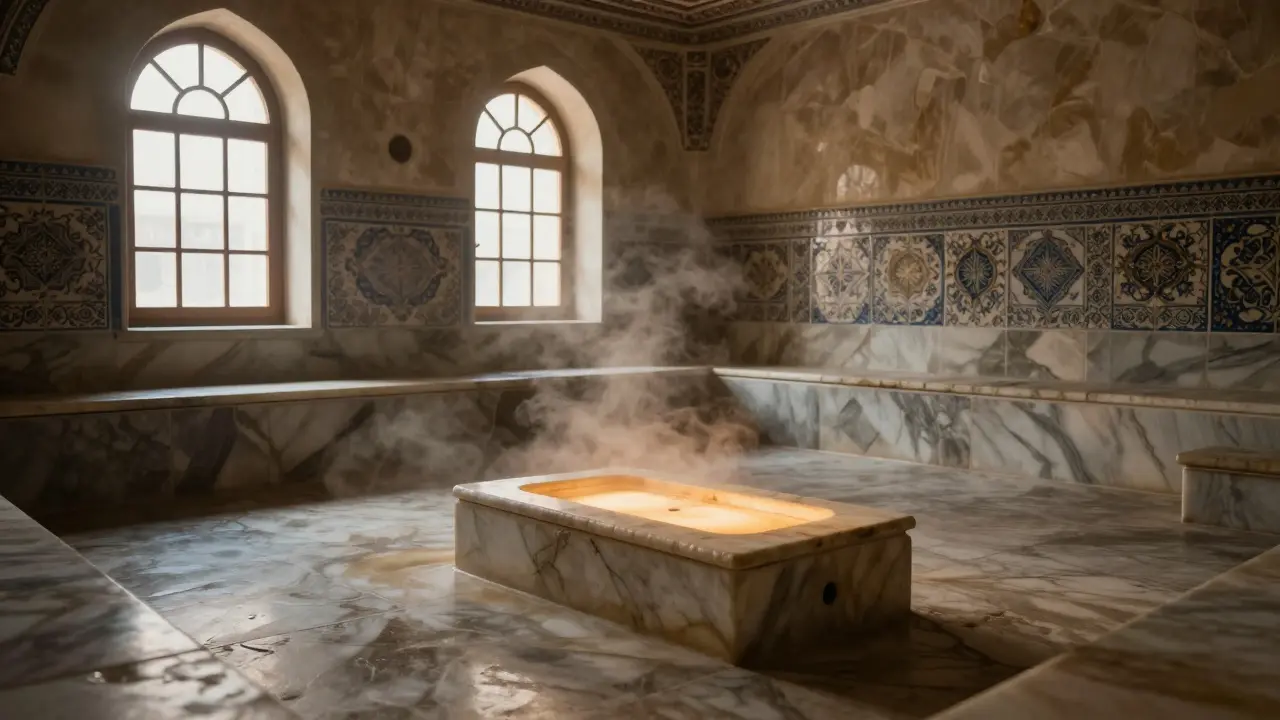
Discover what really happens in a Turkish bath - the steam, the scrub, the quiet calm - and why it’s one of the most grounding wellness rituals in Dubai. Learn how it differs from Moroccan baths, who benefits most, and how to experience it safely.
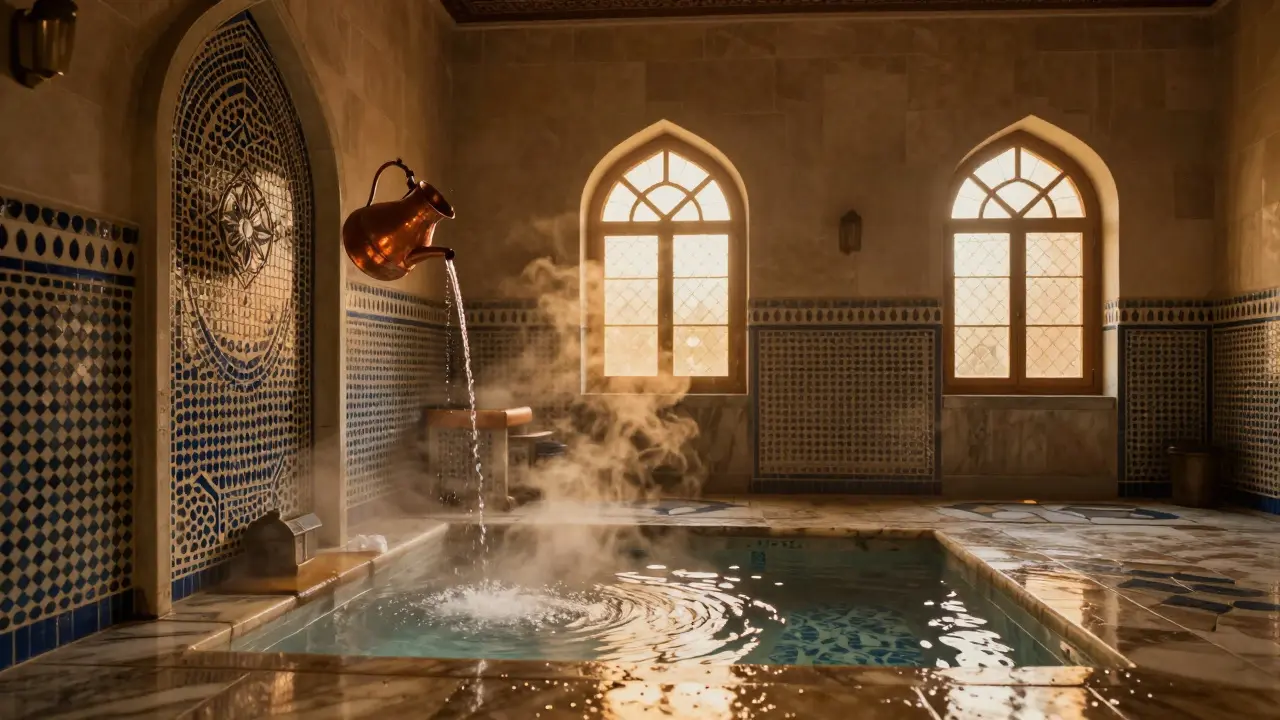
Are Turkish baths coed in Dubai? Learn the truth about gender policies, what to expect, and how to book a safe, authentic hammam experience. Perfect for first-timers and couples.
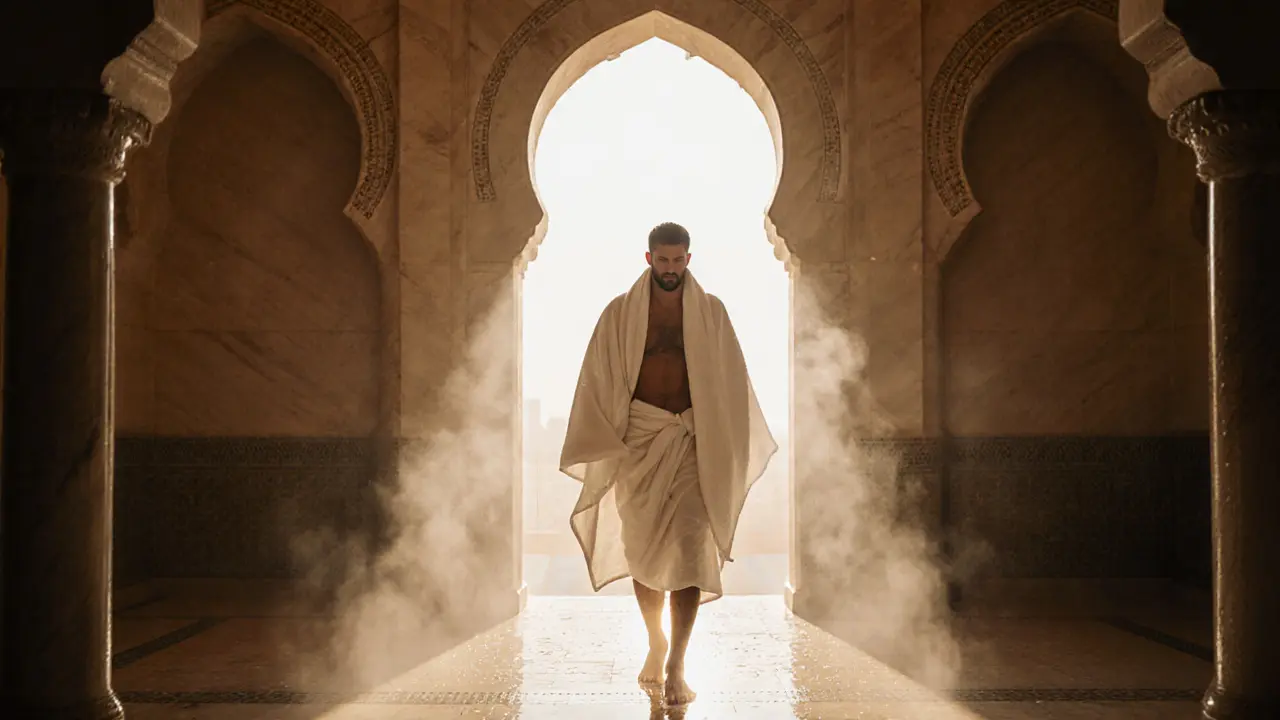
Learn what men wear in a Turkish bath in Dubai-no swimwear, no nudity, just a lightweight towel called a peştemal. Discover etiquette, benefits, and how to make the most of this ancient ritual.